AC vs DC Off-Grid Systems
Trying to figure out the maze of off-grid power can feel like learning a whole new language. One of the biggest head-scratchers for folks just starting out is the difference between AC and DC power, and more importantly, which one you should be building your off-grid system around. It's a common frustration, especially when every appliance seems to demand something different. This comprehensive guide will walk you through the ins and outs of AC and DC systems, helping you understand their roles, benefits, and drawbacks so you can make informed decisions for your independent power setup.
Understanding the Basics: What Are AC and DC Power?
Before we dive into how these power types fit into an off-grid system, it's really helpful to get a solid grasp on what AC and DC actually are. Don't worry, we're not going to get too technical here, but understanding the fundamentals will make everything else click into place.
Direct Current DC Power Explained
Direct Current, or DC, is probably what you're most familiar with even if you don't realize it. Think about the batteries in your remote control, flashlight, or even your car battery—that's all DC power. In a DC circuit, electricity flows in one constant direction, from a positive terminal to a negative one.
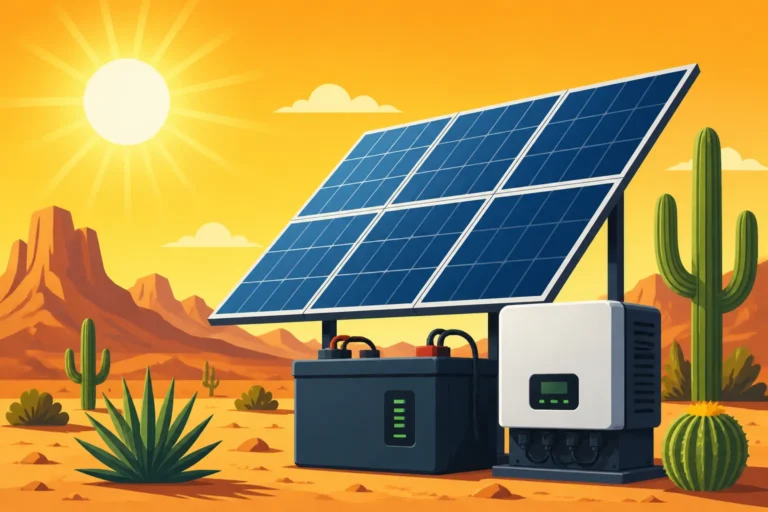
Solar panels themselves produce DC power directly from sunlight. This makes DC intrinsically linked to off-grid solar. The advantages of DC power are often its simplicity and efficiency for specific tasks. For smaller, more contained systems like those found in an RV or a tiny cabin, utilizing DC power directly from your batteries can mean less energy loss because you're avoiding conversions. You can power things like LED lights, phone chargers, many portable fans, and even certain small refrigerators directly with DC. The wiring is generally straightforward for these smaller applications, and the components are often more compact. However, a major limitation of DC is its tendency to lose voltage over longer distances, meaning it's not ideal for distributing power across a larger home or property without significant voltage drop and larger, more expensive wiring.
Alternating Current AC Power Explained
Alternating Current, or AC, is the type of power that comes out of the wall outlets in your home. The "alternating" part means that the direction of the electron flow reverses periodically. In North America, it typically reverses 60 times per second (60 Hertz), and in many other parts of the world, it's 50 times per second.
The main reason AC became the standard for grid power is its efficiency for long-distance transmission. It's much easier to step up and step down AC voltage using transformers, which minimizes energy loss when electricity travels miles from a power plant to your home. For an off-grid setup, AC power is crucial because almost all standard household appliances—your microwave, coffee maker, TV, washing machine, and even most power tools—are designed to run on AC. The versatility of AC power means you can plug in virtually any standard appliance without needing special converters for each one, which is incredibly convenient for a modern lifestyle. However, generating AC from a DC source (like solar panels and batteries) requires an inverter, which introduces a conversion loss and adds a component to your system.
The Core Components in Off-Grid Solar
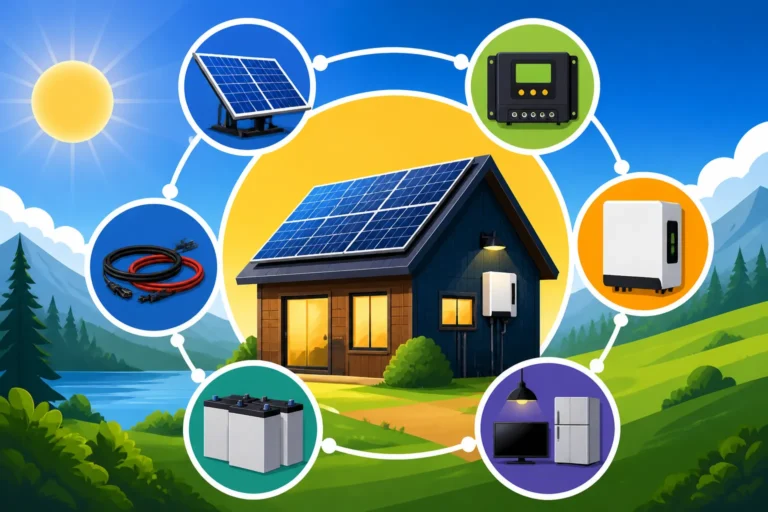
No matter if you're leaning more towards AC or DC, certain core components are universal in any off-grid solar system. Understanding what each part does will clarify how AC and DC interact within your setup.
Solar Panels and Charge Controllers
It all starts with the solar panels. These hardworking components capture sunlight and convert it into usable electricity. As mentioned, solar panels inherently produce Direct Current (DC) power. The voltage and current they produce can vary based on sunlight intensity, temperature, and the specific panel's characteristics.
This raw DC power from the panels then flows into a charge controller. The charge controller is essentially the "brain" that regulates the electricity coming from your solar panels before it reaches your batteries. Its primary job is to protect your batteries from overcharging, which can severely damage them and shorten their lifespan. It also ensures that the batteries are charged efficiently. There are two main types of charge controllers: PWM (Pulse Width Modulation) and MPPT (Maximum Power Point Tracking). MPPT charge controllers are generally more efficient, especially in varying weather conditions, because they can dynamically adjust their input to optimize power harvesting from the panels. Without a charge controller, you'd risk damaging your crucial battery bank, which is often the most expensive component after the solar panels themselves. Getting a good understanding of How to Connect a Charge Controller is a vital step in any DIY setup.
Batteries and Inverters
Once the DC power is regulated by the charge controller, it flows into your battery bank for storage. Batteries are the heart of any off-grid system, providing power when the sun isn't shining. They store the DC electricity, allowing you to use it on demand, whether that's at night, on cloudy days, or during periods of high consumption. When considering How Many Batteries for an Off-Grid System, you'll quickly realize that capacity is key to autonomy. The type of battery you choose, whether it's lead-acid (like AGM or flooded lead-acid) or the increasingly popular lithium iron phosphate (LiFePO4), will greatly impact your system's performance, lifespan, and overall Off-Grid Solar Cost: Complete Breakdown.
Now, here's where the distinction between AC and DC really comes into play. Since your batteries store power as DC, if you want to run any standard household AC appliances, you'll need an inverter. The inverter's job is to convert the DC electricity from your batteries into usable AC electricity. There are different types of inverters, with pure sine wave inverters being the gold standard for off-grid systems. They produce a clean, stable AC waveform that's identical to grid power, which is essential for sensitive electronics and motors. Modified sine wave inverters are cheaper but can cause problems with many appliances, leading to reduced efficiency or even damage. Choosing the Best Off-Grid Solar Inverters depends heavily on your specific load requirements, especially when factoring in surge loads from appliances like refrigerators or power tools. Knowing How to Size an Off-Grid Inverter is crucial for ensuring it can handle your peak demands.
Diving into DC Off-Grid Systems
For some applications, sticking purely with DC power makes a lot of sense. It can simplify your system and, in certain scenarios, boost efficiency.
The Simplicity and Efficiency of DC Systems
Imagine you're out camping in a small van or enjoying a remote hunting cabin. Your needs might be relatively simple: some lights, a way to charge your phone, maybe a small fan or a low-power refrigerator. In these situations, a DC-only system shines. Since solar panels and batteries both operate on DC, you can often run these specific DC appliances directly from your battery bank, or through a DC distribution panel, without needing to convert the power to AC.
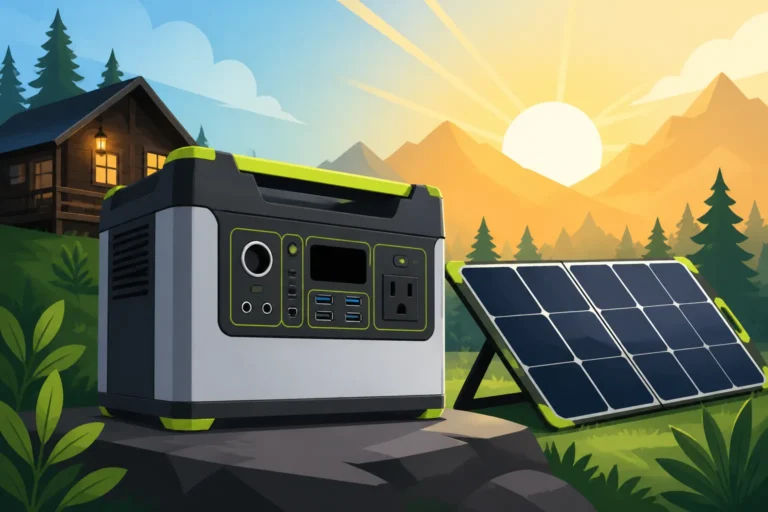
The primary advantage here is efficiency. Every time you convert power from DC to AC (or vice-versa), you lose a small percentage of energy, usually between 5-15%, depending on the quality of your inverter. By running appliances directly on DC, you eliminate these conversion losses entirely, making your system more efficient overall. This means you might get more usable power out of a smaller battery bank and solar array, which can lead to a lower Cost of an Off-Grid Solar System. Wiring can also be simpler for small DC systems, often involving fewer complex components than a full AC setup. Products like a portable Jackery power station, for example, are fantastic for these smaller, direct DC needs, offering multiple DC output ports along with AC for convenience. This makes them ideal for adventurers or those with minimal power demands who want a straightforward, plug-and-play solution.
However, the "simplicity" comes with a caveat: appliance choice. While there are plenty of DC-specific appliances available (especially for RVs, marine, and off-grid use), they tend to be more expensive than their AC counterparts, and the variety is limited. You won't find a DC clothes dryer or a DC dishwasher readily available for your home. Also, DC power experiences more significant voltage drop over longer cable runs, meaning that for larger installations or properties, you'd need much thicker (and therefore more expensive) wiring to avoid losing power before it reaches your device.
Ideal Applications for DC-Only Setups
So, where do DC-only systems truly excel? They are often the perfect fit for applications where power demands are modest, and the goal is maximum efficiency and simplicity for mobile or compact living.
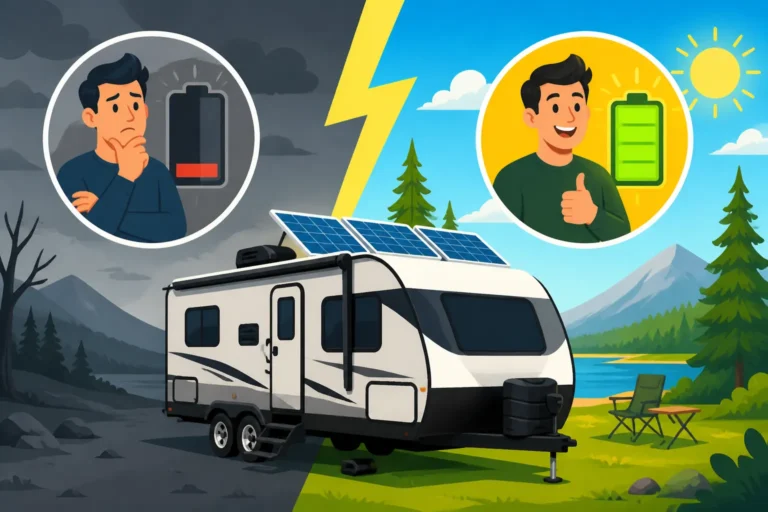
- RVs, Campers, and Vans: These mobile dwellings are often built with 12V DC systems in mind. Lights, water pumps, refrigerators, and many charging ports in RVs already run on DC. Adding a solar panel system to charge the existing 12V battery bank is a natural extension, often requiring only a charge controller and the panels themselves. You can certainly add an inverter for AC appliances, but for basic needs, a DC-focused approach is very common.
- Small Cabins or Sheds: For a tiny cabin in the woods or a garden shed that needs basic lighting and perhaps a small radio, a 12V or 24V DC system can be perfectly adequate. You can install LED strip lights, charge small devices, and run a small fan without ever needing to worry about an inverter.
- Remote Lighting and Surveillance: Think about trail cameras, remote weather stations, or security lighting in areas without grid access. These are often powered by small solar panels directly charging a battery, powering DC components.
- Boats: Similar to RVs, boats typically operate on 12V DC systems for navigation, lights, and onboard electronics. Solar integration is seamless.
In these scenarios, the limited choice of DC appliances isn't a significant hurdle because the core needs are met, and the efficiency gains are truly beneficial. For a quick setup, a portable power station like a larger Jackery unit can even function as a small, contained DC system, charging via solar and providing multiple DC outputs for small electronics on the go, making it a fantastic solution for basic needs or as a backup.
Exploring AC Off-Grid Systems
For most people envisioning a comfortable off-grid lifestyle, incorporating AC power into their system is almost a given. It's about bridging the gap between independent power and modern convenience.
The Versatility and Familiarity of AC Systems
Let's face it, we live in an AC-powered world. From the moment you brew your morning coffee to the time you settle down to watch TV, you're interacting with AC appliances. The sheer versatility of an AC off-grid system is its biggest draw. By including a robust inverter in your setup, you can power virtually any standard household appliance that you would use in a grid-tied home. This means you don't have to compromise on your lifestyle or spend extra money on specialized DC versions of common items.
The familiarity factor is also huge. You already know how to use these appliances, and replacements are readily available at any big-box store. For an off-grid homeowner, this eliminates a lot of headaches. It also makes expanding your system easier down the line, as you can add more panels and batteries and simply connect more AC loads to your existing AC breaker panel, just like a traditional home. If you're planning a full off-grid home, the ability to run a conventional refrigerator, a washing machine, a well pump, or even an air conditioner is often non-negotiable. This is where a properly sized AC system becomes an absolute necessity, providing the kind of power that truly mimics grid independence.
However, this versatility comes with increased complexity and cost. An inverter, especially a high-quality pure sine wave model capable of handling surge loads from motors and compressors, is a significant investment. As discussed earlier, the conversion from DC to AC also incurs energy losses, meaning you might need a slightly larger solar array and battery bank to deliver the same amount of usable power compared to a pure DC system. Plus, AC wiring requires adherence to electrical codes and is generally more complex and often necessitates thicker gauge wiring and more protective measures like circuit breakers.
When AC Becomes a Necessity
While a small DC system might work for basic needs, an AC system becomes indispensable when your power demands move beyond simple lights and charging. Here are scenarios where an inverter to create AC power isn't just a convenience, but a fundamental requirement:
- Whole-House Off-Grid Living: If you're building or converting a home to run completely off the grid, you will undoubtedly need AC power. Refrigerators, ovens, microwaves, dishwashers, washing machines, dryers, and virtually all entertainment systems operate on AC. Running these efficiently and reliably demands a well-designed AC system.
- Running Motors and High-Draw Appliances: Appliances with motors, such as well pumps, power tools (saws, drills, compressors), and larger fans, often have significant "surge" or "starting" wattages. This is the momentary spike in power they draw when they first kick on. These surges can be several times higher than their running wattage and require a capable inverter. For example, What Size Inverter to Run A Well Pump is a common question because well pumps are notorious for their high starting current.
- Heating and Cooling: If you plan to use electric heaters, mini-split air conditioners, or even larger ceiling fans, these are almost exclusively AC devices and consume substantial power. Designing your system to handle Sizing Solar for Air Conditioning will push you firmly into AC territory.
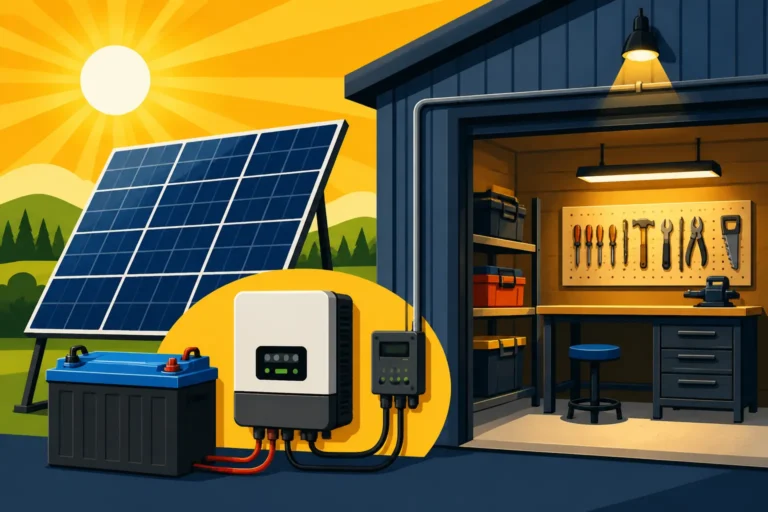
- Workshops and Professional Tools: For anyone with a remote workshop, the ability to run table saws, drills, welders, or other professional-grade power tools means an AC system is mandatory. These tools often have high power requirements that simply cannot be met by small DC setups.
In essence, if your off-grid vision includes modern comforts and capabilities akin to a grid-tied home, an AC-centric system, powered by robust inverters like those from Victron Energy or Sol-Ark, is the way to go. You'll want to carefully assess your expected Off-Grid Solar Load Calculation Explained to ensure your inverter and battery bank are appropriately sized.
Hybrid Systems and Design Considerations
In reality, most truly functional off-grid setups aren't purely AC or purely DC. They intelligently combine both to maximize efficiency and convenience. This is where hybrid systems come into play.
The Best of Both Worlds: Hybrid DC/AC Systems
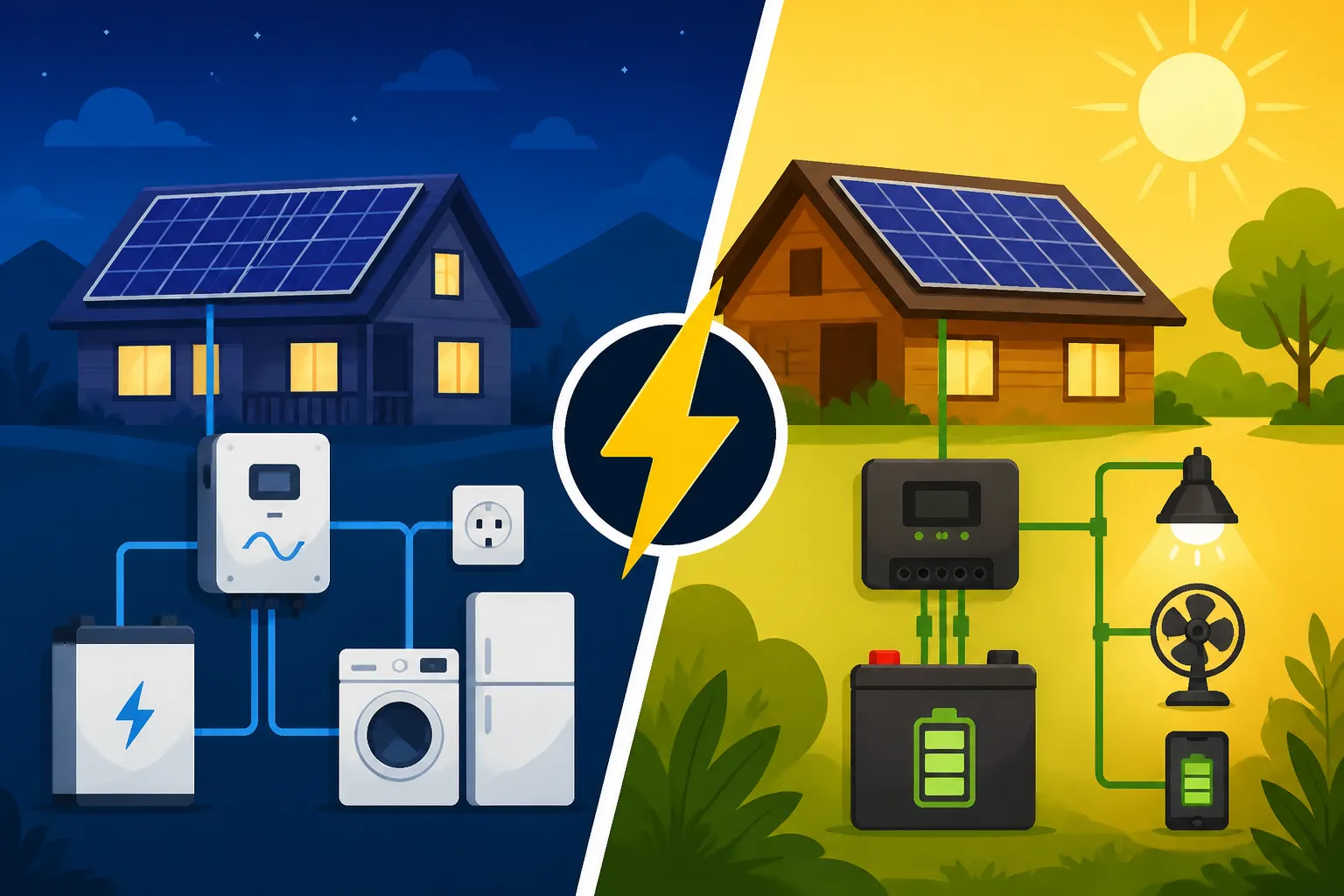
The concept of a hybrid DC/AC system is simple: use DC power directly where it's most efficient, and use an inverter to convert to AC only when necessary for specific appliances. This approach allows you to enjoy the best aspects of both worlds.
For instance, in a modern off-grid home or a well-equipped RV, you might have certain light fixtures, USB charging ports, and maybe a dedicated 12V refrigerator running directly off your battery bank via a DC fuse block. These loads would never pass through an inverter, thus avoiding conversion losses and conserving precious stored energy. At the same time, your main electrical panel would be fed by your inverter, providing 120V (or 240V) AC power for everything else—your kitchen appliances, entertainment system, well pump, and larger tools.
This strategic division of loads helps to conserve energy. Why run an inverter 24/7 if you only need it for a few AC appliances throughout the day? Some advanced inverters, often called "inverter-chargers," can even automatically manage power flow, prioritizing battery charging from solar, powering AC loads, and even switching on a backup generator if battery levels get too low. Brands like Victron and Outback Power are renowned for their sophisticated inverter-chargers that form the backbone of many reliable hybrid systems. This thoughtful design leads to a more robust and sustainable off-grid experience.
Key Factors in Choosing Your System Type
Deciding between a mostly DC, mostly AC, or a hybrid system really boils down to a few critical questions about your lifestyle and priorities. It’s not a one-size-fits-all answer, and rushing this decision can lead to costly mistakes or a system that doesn't meet your needs.
First and foremost, you need to conduct a thorough load analysis. This means figuring out every single electrical device you plan to use, its wattage, and how many hours per day you'll use it. This will determine your daily energy consumption in watt-hours or kilowatt-hours. This calculation is absolutely vital; without it, you're just guessing. Our guide on How to Calculate Daily Energy Usage can walk you through this process. Once you know your total energy needs and the peak wattage demand, you can then start to decide which loads can be DC and which absolutely must be AC. If you plan to run a lot of heavy AC loads like a large water pump or even an air conditioner, your system will naturally gravitate towards a more robust AC setup with a powerful inverter.
Your budget is another significant factor. Generally, a system designed to run mostly AC appliances will have a higher upfront cost, mainly due to the expense of a quality pure sine wave inverter and potentially a larger battery bank and solar array to compensate for conversion losses. If you're on a tight budget and have minimal needs, a simple DC system might be more achievable. However, consider the long-term. If you plan to expand later, a modular, hybrid design from the start, where you can easily add components, might be more cost-effective than overhauling a purely DC system. Understanding the overall How Much Does an Off-Grid Solar System Cost will help set realistic expectations.
Finally, think about scale and future expansion. Are you powering a tiny cabin for weekend getaways, or building a full-time family homestead? The larger your planned usage and the more modern amenities you desire, the more an AC-dominant or robust hybrid system makes sense. It's often easier and more cost-effective to design an expandable system from the outset rather than trying to retrofit a small DC system into a full AC home later. For instance, planning for a 48V system from the start is often recommended for larger homes as it allows for smaller wire sizes and more efficient power transmission for high-power demands compared to 12V or 24V systems. Knowing How to Choose System Voltage is a critical design step.
Practical Tips for Off-Grid Power Management
Regardless of whether you lean heavily into AC or embrace more DC, managing your power effectively is key to a comfortable and reliable off-grid life. It's not just about installing the components; it's about smart usage.
Minimizing Energy Waste
One of the biggest lessons you learn off-grid is how to be a frugal power consumer. Every watt-hour is precious, especially when the sun isn't shining. The more efficiently you use power, the smaller (and less expensive) your solar array and battery bank can be.
A prime strategy for minimizing energy waste in a hybrid system is to prioritize DC loads where possible. If you have LED lights or phone chargers that can run directly off 12V or 24V DC, use them! This bypasses the inverter entirely, eliminating those conversion losses we discussed. Even small efficiencies add up over time. For example, a good quality DC-powered refrigerator can be significantly more efficient than an AC model running off an inverter, especially when considering the inverter's parasitic draw.
Another huge tip is to choose energy-efficient appliances. This is non-negotiable for off-grid living. Look for Energy Star ratings on AC appliances, or specifically seek out DC appliances designed for RVs or marine use, which are often built with efficiency in mind. An older, less efficient refrigerator might consume twice as much power as a modern, high-efficiency model, quickly draining your batteries and forcing you to buy more solar panels. Using appliances only when necessary and unplugging "vampire loads" (electronics that draw power even when turned off) can also make a noticeable difference in your overall energy consumption. This level of detail informs your Off-Grid Solar System Sizing Guide immensely.
Essential Components for a Robust System
Building a reliable off-grid system means investing in quality components that work seamlessly together. Trying to save a few dollars by buying substandard equipment often leads to headaches, failures, and ultimately, higher costs down the line.
At the core of any stable off-grid system is a high-quality inverter. As we've discussed, a pure sine wave inverter is essential for running sensitive electronics and appliances with motors. Brands like Victron Energy, Sol-Ark, and Schneider Electric are widely regarded for their robust and reliable inverter-chargers that can handle complex power management. Investing in a good inverter means less troubleshooting, better appliance performance, and longer system life.
Equally important are reliable batteries. While traditional lead-acid batteries can work, modern LiFePO4 (lithium iron phosphate) batteries have become the go-to for many off-gridders due to their longer lifespan, higher depth of discharge, faster charging capabilities, and lighter weight. Brands like Battle Born, EG4, and SOK are popular choices. While the initial Cost of an Off-Grid Solar Battery Bank might be higher for LiFePO4, their superior performance and longevity often make them more cost-effective over the system's lifetime. Our guide on LiFePO4 vs Lead-Acid Battery Cost explores this in detail.
Beyond the major components, don't overlook the importance of proper wiring and safety devices. Using the correct wire gauge for both your DC and AC circuits, installing appropriate fuses and breakers, and ensuring proper grounding are critical for preventing electrical fires and protecting your equipment. Skimping on these details can be dangerous. Many all-in-one solutions, like the EcoFlow Power Kit, are designed with these safety and integration aspects in mind, providing a more streamlined setup for those who prefer a less piecemeal approach to building their system. When planning your system, looking into How to Install an Off-Grid Solar System will give you a good overview of all the small but crucial parts involved.
| Feature | DC Off-Grid System | AC Off-Grid System | Hybrid DC/AC Off-Grid System |
|---|---|---|---|
| Power Flow | Solar (DC) -> Charge Controller (DC) -> Battery (DC) -> DC Loads | Solar (DC) -> Charge Controller (DC) -> Battery (DC) -> Inverter (AC) -> AC Loads | Solar (DC) -> Charge Controller (DC) -> Battery (DC) -> DC Loads & Inverter (AC) -> AC Loads |
| Efficiency | High (no inversion losses for DC loads) | Lower (inversion losses for all loads) | Optimal (no inversion for DC, minimal for AC) |
| Cost | Lower initial cost (no inverter or small inverter) | Higher initial cost (needs substantial inverter) | Moderate to higher (depends on inverter size and complexity) |
| Complexity | Simpler wiring for small systems | More complex wiring, electrical code compliance | Most complex (integrates both DC and AC circuits) |
| Appliance Choice | Limited to DC-specific appliances (often costly) | Wide range of standard household AC appliances | Wide range, with efficient use of DC-specific appliances |
| Voltage Drop | Significant over long distances | Minimal over long distances for AC circuits | Managed by using DC for short runs, AC for longer/heavy loads |
| Best Use Cases | RVs, vans, small cabins, remote lighting, camping | Full-time off-grid homes, workshops, high-power demands | Most practical solution for comfortable off-grid living |
| Key Components | Solar panels, charge controller, batteries | Solar panels, charge controller, batteries, large inverter | Solar panels, charge controller, batteries, inverter, DC & AC distribution |
Disclaimer
Please remember that the information provided in this guide is for educational and informational purposes only and is not intended as professional electrical advice. Off-grid solar systems involve high voltages and currents and can be dangerous if not installed correctly. Always consult with a qualified and licensed electrician or solar professional before designing or installing any off-grid solar system. Local regulations, permits, and electrical codes vary and must be adhered to.