Is Off-Grid Solar Cost-Effective for a Boat
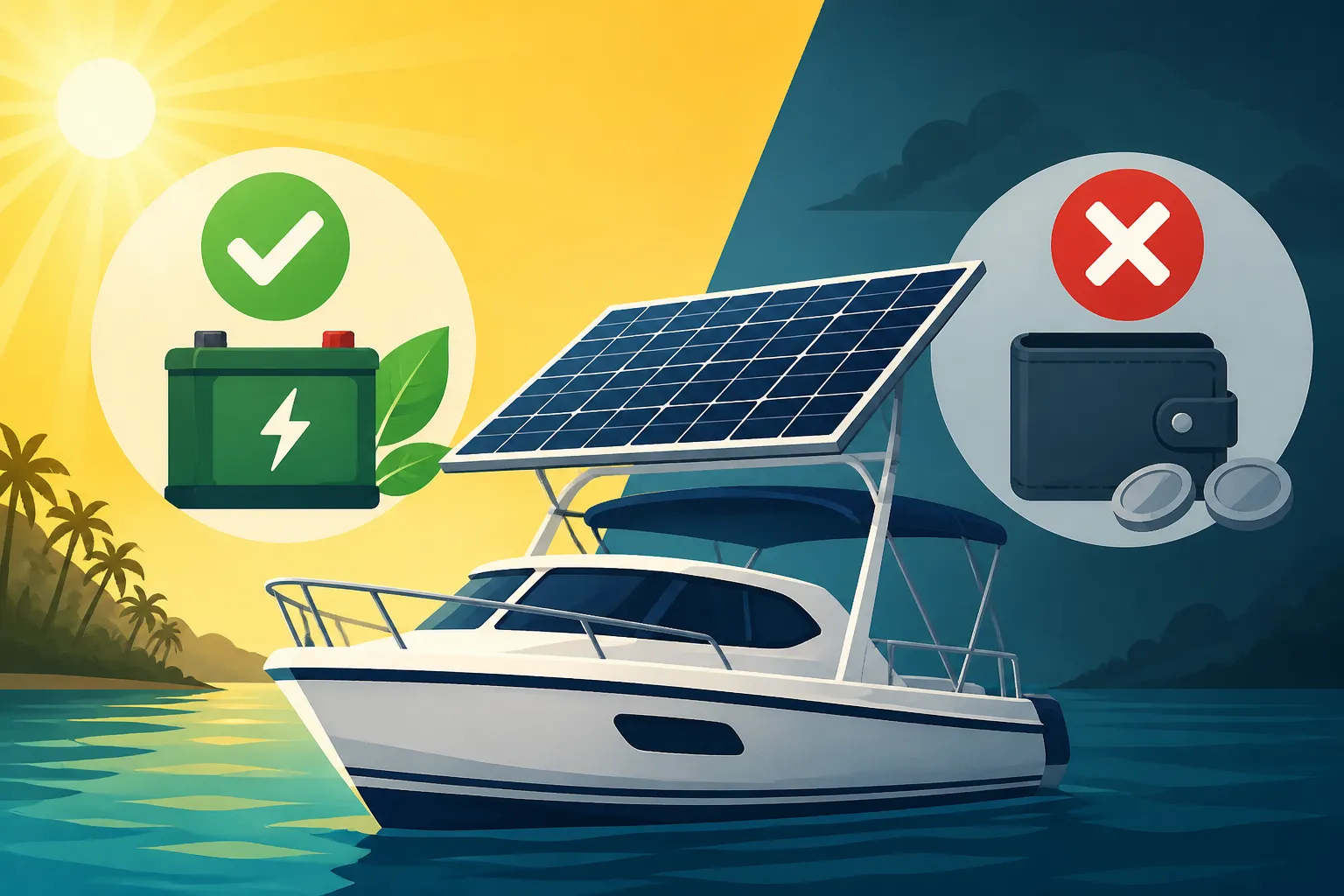
If you've ever found yourself anchored in a beautiful, remote cove, only to hear the insistent hum of your generator kicking in just as the sun sets, or perhaps you've cringed at the cost of shore power at a marina, you've likely wondered if there's a better way to keep your boat's systems running. The truth is, powering a boat can be a constant challenge, balancing convenience, cost, and quiet enjoyment. This comprehensive guide will dive deep into whether off-grid solar is a truly cost-effective solution for your boat, weighing the initial investment against the long-term freedom and savings.
The Allure of Off-Grid Solar for Life on the Water
There's a special kind of freedom that comes with boating, a sense of independence as you navigate open waters or find solace in secluded anchorages. But that freedom often comes with a tether – the need for power. Running out of juice for your navigation electronics, refrigeration, or even just your trusty coffee maker can turn a dream voyage into a frustrating experience. This is where off-grid solar steps in, promising silent, renewable energy, and the ability to truly disconnect from the dock.
Escaping the Generator Noise and Fuel Costs
One of the most immediate frustrations for many boat owners is the reliance on a noisy, fuel-guzzling generator. Imagine waking up to the gentle sounds of the ocean rather than the mechanical drone of a diesel engine. Generators require fuel, which means carrying extra jerry cans, navigating fuel docks, and constantly budgeting for running costs. They also need regular maintenance, oil changes, and can be prone to breakdowns in salty marine environments. Opting for solar dramatically reduces these headaches, offering a tranquil, emission-free power source. The upfront investment in solar panels and batteries might seem daunting, but when you consider the cumulative cost of generator fuel and maintenance over years, the silent alternative starts to look very attractive.
Gaining Independence from Shore Power
Marinas, while convenient, can be notoriously expensive. Dockage fees, especially in popular cruising grounds, often include a hefty charge for shore power. For liveaboards or those on extended cruises, these costs can quickly add up, eroding your cruising budget. With a robust off-grid solar system, you become your own power station. You can anchor out longer, explore more remote areas without worrying about the next power hookup, and save significant money on marina fees. This independence is a huge draw, offering unparalleled flexibility and allowing you to truly embrace the off-grid lifestyle, whether you're sailing the San Juan Islands or exploring the Gulf Coast.
Breaking Down the Costs of Off-Grid Solar for Boats
When considering the cost-effectiveness of off-grid solar for your boat, it's crucial to look beyond the sticker price of individual components. We need to factor in everything from the panels themselves to the specialized marine-grade wiring and potential professional installation. This isn't just about buying parts; it's about building a reliable system that can withstand the unique challenges of the marine environment.
Core Components and Their Price Tags
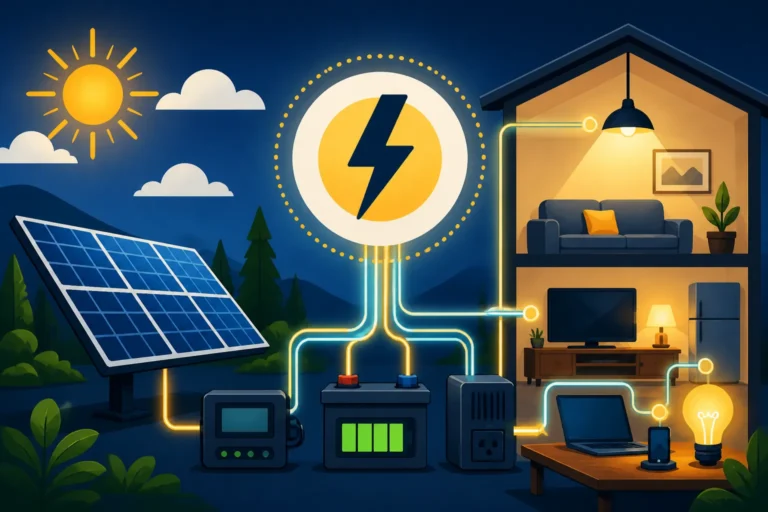
An off-grid solar system for a boat is generally comprised of four main components: solar panels, a charge controller, a battery bank, and an inverter. Each plays a vital role, and their quality and size directly impact the overall cost.
- Solar Panels: These are your energy collectors. Prices can range widely based on wattage, efficiency, and whether they are rigid, flexible, or semi-flexible. For a typical cruising sailboat or smaller powerboat, you might aim for 200W to 800W of panels, costing anywhere from $200 for a single flexible panel to over $1,000 for multiple high-efficiency rigid panels. You can often find good deals on reliable panels on platforms like Amazon or from specialized marine solar suppliers. The choice between rigid and flexible panels is important; rigid panels offer higher efficiency and longevity but require sturdy mounting, while flexible panels conform to curved surfaces but can be less durable.
- Charge Controller: This device regulates the power flowing from your panels to your batteries, preventing overcharging. MPPT (Maximum Power Point Tracking) controllers are generally recommended for their higher efficiency, especially in fluctuating marine conditions, though they are more expensive than PWM (Pulse Width Modulation) controllers. Expect to pay $100-$500 for a quality MPPT controller, with brands like Victron Energy being popular for their reliability and advanced features.
- Battery Bank: This is where your harvested energy is stored. For marine applications, deep-cycle batteries are essential. The most common types are lead-acid (AGM or Gel) and lithium iron phosphate (LiFePO4). Lithium batteries, while having a higher upfront cost, offer significantly longer lifespan, deeper discharge cycles, and lighter weight, making them increasingly popular for boats. A decent LiFePO4 battery bank for a boat might run from $1,000 to $5,000 or more, depending on capacity. You can learn more about the Cost of an Off-Grid Solar Battery Bank to understand this component better.
- Inverter: This converts the DC (direct current) power from your batteries into AC (alternating current) power, which is what most of your standard boat appliances use. The size of your inverter depends on your highest surge load and continuous power needs. A pure sine wave inverter is crucial for sensitive electronics. A good quality marine-grade inverter can cost from $300 for a smaller 1000W unit to over $1,500 for a larger 3000W model suitable for running a microwave or small air conditioner.
Installation and "Hidden" Costs
Beyond the primary components, there are several other costs that often catch boat owners by surprise.
- Mounting Hardware: Securing panels on a boat requires specialized mounts designed to withstand wind, salt, and vibration. Whether you're installing on a dodger, arch, or deck, these mounts can add $100-$500 or more.
- Wiring and Safety Components: Marine-grade wire, fuses, breakers, disconnect switches, and busbars are vital for safety and longevity in a corrosive environment. These are non-negotiable and can easily add several hundred dollars to the total. Understanding How to Wire an Off-Grid Solar System properly is key here.
- Monitoring Equipment: A good battery monitor (like a Victron BMV-712 or SmartShunt) is essential to accurately track your battery state of charge and overall system performance. These typically cost $150-$300.
- Professional Installation: While many experienced boat owners are capable of a DIY installation, the complexities of marine electrical systems, especially with high-voltage components, often warrant professional help. An electrician specializing in marine solar installations can ensure safety, compliance with marine standards, and optimal performance, but their labor can add $500 to several thousand dollars depending on the system's complexity. For a deeper dive, check out DIY vs Professional Off-Grid Solar Cost.
- Maintenance: While solar systems generally require less maintenance than generators, there are still costs. Cleaning panels, checking connections, and eventually replacing batteries are part of the long-term ownership. You can find more details in our guide on Off-Grid Solar Maintenance Costs.
A small, basic system for charging electronics and running LED lights on a weekend cruiser might start around $1,500-$3,000. A more robust system capable of running refrigeration, an inverter, and other appliances for a liveaboard might be $5,000-$15,000 or more.
| Component | Typical Cost Range (USD) | Notes |
|---|---|---|
| Solar Panels | $200 – $1,500+ | Depends on total wattage, efficiency, and type (rigid, flexible, semi-flexible). |
| MPPT Charge Controller | $100 – $500 | Essential for efficiency; crucial in marine settings. |
| LiFePO4 Battery Bank | $1,000 – $5,000+ | Higher upfront, but better lifespan, depth of discharge, and lighter weight than lead-acid. |
| Pure Sine Wave Inverter | $300 – $1,500+ | Size according to peak AC load. Critical for sensitive electronics. |
| Mounting Hardware | $100 – $500+ | Specialized marine mounts to withstand elements. |
| Wiring & Safety | $200 – $800+ | Marine-grade wires, fuses, breakers, disconnects, busbars. Non-negotiable for safety. |
| Battery Monitor | $150 – $300 | Provides crucial data on battery health and usage. |
| Professional Labor | $0 – $3,000+ | Varies widely based on complexity and location. DIY can save money but requires expertise. |
| Total Estimated Cost | $3,000 – $15,000+ | Highly dependent on boat size, energy needs, and component quality. |
Evaluating the Benefits and Long-Term Savings
Now that we've looked at the costs, let's consider what you gain by going solar on your boat and where the long-term savings truly lie. This is where the concept of "cost-effectiveness" really comes into play, as the value isn't just measured in dollars but also in convenience, comfort, and environmental impact.
Reduced Operating Expenses
The most obvious financial benefit of off-grid solar on a boat is the reduction in daily operating costs. Imagine not having to buy diesel or gasoline for a generator, or paying for expensive shore power at every marina. Over a sailing season or a year of liveaboard cruising, these savings can be substantial. A typical cruising boat might spend several hundred to over a thousand dollars annually on generator fuel and marina power. Solar virtually eliminates these variable costs. While the initial investment is higher, the ongoing "fuel" (sunlight) is free. Our article on How Off-Grid Solar Saves Money Long-Term elaborates on these benefits.
Consider a liveaboard couple on a 40-foot sailboat. They might typically use their generator for an hour or two each day to charge batteries and run a water heater or microwave. That's easily a gallon of diesel per day, costing $4-6. Over a year, that's $1,460-$2,190 just in fuel. Add in oil changes, filters, and other generator maintenance, plus occasional marina shore power fees, and the numbers climb rapidly. A solar system, once installed, largely removes these recurring expenses, offering predictable, minimal maintenance costs in comparison.
Enhanced Comfort and Quiet Enjoyment
While not a direct monetary saving, the improved quality of life on a solar-powered boat holds immense value. The absence of generator noise is a game-changer. Imagine enjoying quiet evenings at anchor, hearing only the waves gently lapping against the hull instead of a mechanical roar. This enhances relaxation, allows for better sleep, and makes the overall boating experience far more enjoyable. For many, this intangible benefit alone makes solar a worthwhile investment, especially when you think about why you got into boating in the first place – to escape the noise and stress of everyday life.
Furthermore, with a reliable solar setup, you have continuous power for comfort items like fans, reliable refrigeration (which means less ice!), and charging all your gadgets. This eliminates the need to ration power or constantly monitor battery levels with anxiety, which often happens when relying solely on an alternator or limited battery bank.
Increased Resale Value and Environmental Impact
A well-designed and properly installed off-grid solar system can increase the resale value of your boat. Potential buyers, especially those looking for cruising or liveaboard vessels, will see the value in a self-sufficient power system that offers freedom and reduces running costs. It's a significant upgrade that makes a boat more attractive in the market.
Beyond personal gain, choosing solar power also significantly reduces your carbon footprint. By harnessing renewable energy, you're not burning fossil fuels for electricity, contributing to cleaner air and water. For environmentally conscious boaters, this aligns with the ethos of enjoying nature responsibly. It's a small but meaningful way to contribute to the health of our planet, allowing you to enjoy pristine anchorages without polluting them with exhaust fumes.
Factors Influencing Off-Grid Solar Cost-Effectiveness for Boats
Determining if off-grid solar is truly cost-effective for your boat isn't a one-size-fits-all answer. Several factors play a critical role in tilting the scales. Your boat's specific needs, how you use it, and even where you cruise will all influence the viability and return on investment of a solar setup.
Boat Type and Size
The type and size of your boat significantly impact the solar system you'll need and its associated costs.
- Sailboats: Sailboats often have ample deck space, arches, or davits that are perfect for mounting rigid solar panels. The mast can also provide some shading challenges, so panel placement is crucial. Larger sailing yachts can accommodate more substantial arrays, making it easier to generate significant power. Smaller sailboats might be limited to flexible panels that can be walked on or smaller rigid panels.
- Powerboats: Many powerboats, especially those with large flybridges or hardtops, can offer generous, unshaded mounting areas. However, high-speed motor yachts might require more robust, flush-mounted flexible panels to reduce drag and withstand higher wind forces. The higher energy demands of powerboats (e.g., constant refrigeration, air conditioning, multiple electronics) often necessitate a larger, more expensive system, including a substantial battery bank like those offered by brands such as Battle Born. If you're wondering How Many Solar Panels for Off-Grid Living on a powerboat, it will certainly be more than for a small sailboat.
- Smaller Vessels (Kayaks, Dinghies): For very small craft, a full off-grid system isn't practical. Instead, portable solar chargers paired with a portable power station (like a Jackery Explorer) might be all that's needed to keep phones and navigation lights charged. This approach offers cost-effectiveness at a very low entry point.
The available space for panels and batteries directly influences how large a system you can install, which in turn dictates how much power you can generate and store.
Your Energy Consumption Habits
This is perhaps the single most critical factor. The more power you consume, the larger (and more expensive) your solar array, battery bank, and inverter will need to be.
- Weekend Cruiser vs. Liveaboard: A weekend cruiser who only needs to run lights, a VHF radio, and charge a phone will have vastly different energy requirements than a full-time liveaboard running refrigeration, a microwave, a water maker, and a laptop.
- Appliance Use: High-draw appliances like air conditioners, electric water heaters, and large refrigerators will necessitate a much more robust system. Understanding your typical daily energy usage is the first step in How to Size an Off-Grid Solar System for your boat. Consider an air conditioner; running it for even a few hours can consume the entire daily output of a modest solar array. Many boaters find that reducing their AC loads or relying on natural ventilation can dramatically decrease the required solar investment.
- Seasonal vs. Year-Round Use: If you only use your boat a few months a year, the payback period for a large solar installation might be extended. However, if you're a year-round boater, the continuous savings on fuel and shore power will quickly make solar a worthwhile investment.
To figure out your exact needs, you'll want to conduct a thorough energy audit, listing every appliance, its wattage, and how many hours per day you use it. This will help you determine How to Calculate Daily Energy Usage and guide your system design.
Cruising Style and Location
Where and how you cruise also impacts cost-effectiveness.
- Anchoring Out vs. Marinas: If you frequently anchor out in remote locations where shore power is unavailable or expensive, solar becomes incredibly cost-effective. The savings on marina fees and generator fuel will add up quickly. If you spend most of your time hooked up to shore power in a marina, the financial payback will be much slower.
- Sunny vs. Cloudy Climates: Boats operating in sunny regions like Florida, the Caribbean, or the Mediterranean will see much better performance from their solar panels compared to those in consistently cloudy areas like the Pacific Northwest or parts of Europe during winter. In less sunny regions, you might need a larger array or a more substantial battery bank (or a combination of both) to achieve the same level of energy independence, increasing the initial cost.
- Long-Term Cruising: For those planning extended voyages or circumnavigations, off-grid solar offers peace of mind and self-sufficiency that few other power sources can match. The reliability of a well-designed solar system means less worrying about finding fuel or power hookups in remote ports, making it highly cost-effective for adventure seekers.
Ultimately, the decision to go off-grid solar on your boat should be based on a clear understanding of your power needs, your boating lifestyle, and your budget. For many, the long-term benefits in terms of savings, independence, and environmental stewardship far outweigh the initial investment, making it a highly cost-effective and rewarding upgrade.
Disclaimer
The information provided in this guide is for general informational purposes only and does not constitute professional advice. Off-grid solar system design and installation, especially in marine environments, can be complex and potentially dangerous. Always consult with qualified marine electricians or solar professionals before making significant purchases or attempting installations. Prices and product availability are subject to change.