Is Off-Grid Solar Cost-Effective for a Cabin
For many cabin owners, the dream of a secluded retreat often comes with the practical challenge of power. You might be picturing cozy evenings by the fireplace, but then reality hits: how do you keep the lights on, the fridge cold, and perhaps even run a well pump without breaking the bank? The idea of extending utility lines can be prohibitively expensive, and relying solely on a noisy, fuel-guzzling generator quickly loses its appeal. This guide is here to tackle that core question head-on, exploring whether off-grid solar is truly a cost-effective solution for your beloved cabin, digging into the numbers and practicalities you need to consider.
Understanding Your Cabin's Unique Energy Profile
Before we even begin to talk about dollars and cents, it's absolutely crucial to understand your cabin's energy needs. This isn't just about how many lightbulbs you have; it's about how and when you use power, which fundamentally dictates the size and cost of any off-grid solar system. Many people make the mistake of underestimating their usage or failing to consider peak demands, leading to frustration and unexpected costs down the line.
Seasonal vs. Year-Round Usage
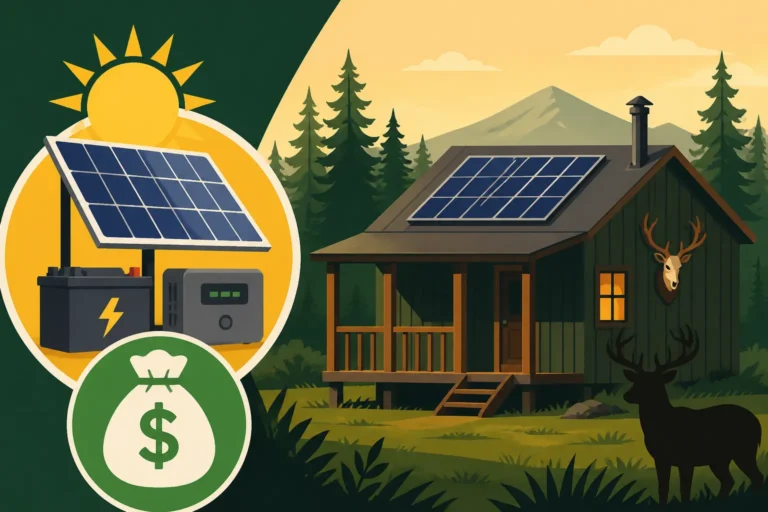
The first, and arguably most important, factor is how often you actually use your cabin. Is it a weekend escape during the warmer months, a hunting lodge for a few weeks in the fall, or a full-time residence where you spend all four seasons? This distinction dramatically impacts the required system size and, by extension, its cost-effectiveness. A cabin used only in summer has simpler energy demands because heating isn't a major electrical load and there are more peak sun hours. You might only need a smaller, more basic setup that can handle lights, a small fridge, and charging devices. Think of a simple setup for a remote cabin that might only need to keep essentials running for a few days at a time.
However, if your cabin is your primary home or a frequent year-round retreat, especially in colder climates, your energy needs skyrocket. You’ll need to account for less sunlight in winter, potentially requiring a larger solar array or more battery storage, and major appliances like electric heaters, well pumps, or even a mini-split air conditioner become critical considerations. Designing an off-grid system for year-round living is a much more complex and expensive undertaking, as it needs to provide reliable power regardless of the weather or season, and factor in longer periods of inclement weather. It's truly a different beast than a fair-weather recreational setup.
Essential Appliances and Their Power Draw
Once you've nailed down your usage frequency, it's time to get down to the nitty-gritty: what appliances do you really need to run? This process is often called a load analysis, and it's where many off-grid hopefuls can get overwhelmed. Don't be! Start by listing every electrical item you use or plan to use, from the smallest phone charger to the biggest water pump or electric stove. For each item, you need to find its wattage (how much power it consumes at any given moment) and estimate how many hours per day you'll use it.
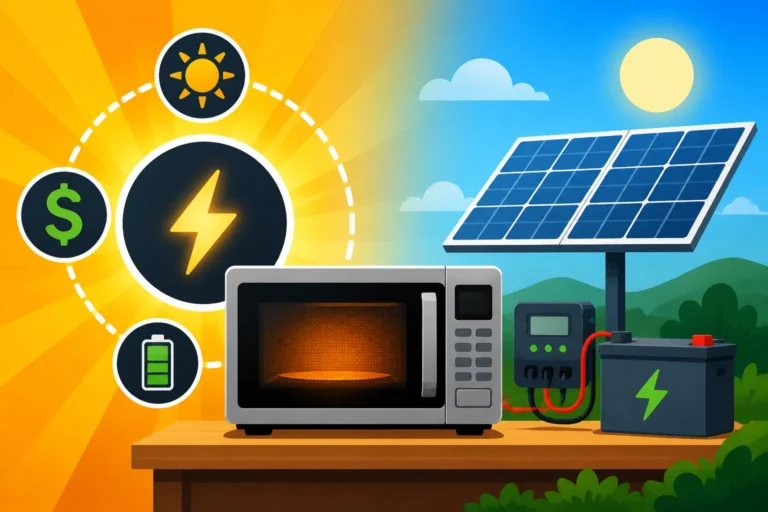
For instance, a standard LED lightbulb might draw 10 watts, while a microwave could pull 1500 watts for a few minutes. A well pump, critical for many cabins, might have a high surge (starting) wattage that's many times its running wattage. Understanding these figures is vital because it determines the size of your inverter (to handle the wattage) and your battery bank (to store enough watt-hours for your daily usage). You might realize that some high-draw appliances, like electric hot water heaters or stovetops, might be better replaced with propane alternatives to keep your solar system size and cost manageable. Taking the time to accurately calculate your daily energy usage is the single most important step in ensuring your system is appropriately sized and ultimately cost-effective. For more details on this, you'll want to read our guide on how to size an off-grid system for a cabin.
The Upfront Investment in Off-Grid Cabin Solar
Let's face it, the initial cost is often the biggest hurdle people see when contemplating off-grid solar. It’s not just about buying a few panels; you're building a miniature power plant. The total investment can vary wildly, from a few thousand dollars for a basic recreational setup to tens of thousands for a robust year-round system. It’s important to understand where those dollars are going so you can budget effectively and avoid sticker shock.
Key Components and Their Price Tags
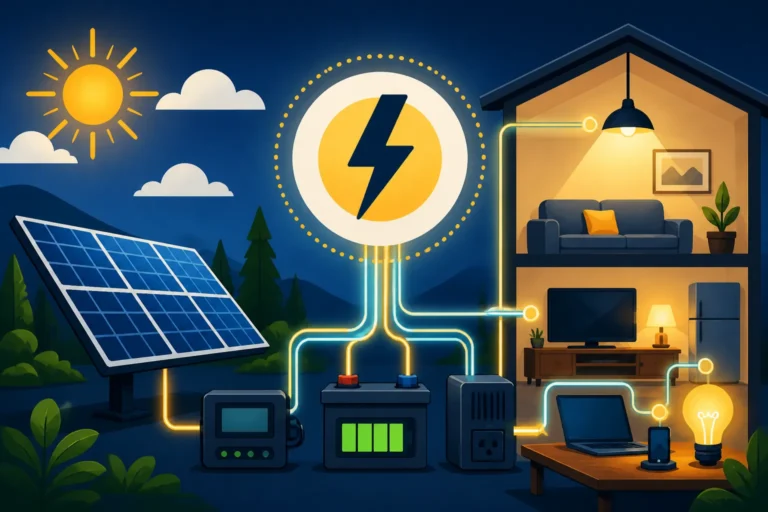
An off-grid solar system for a cabin is made up of several core components, each contributing significantly to the overall price.
- Solar Panels: These are what capture sunlight. Their cost depends on wattage and efficiency. Modern monocrystalline panels are efficient and come in various sizes, typically costing anywhere from $1 to $2 per watt. For a small cabin with minimal needs, you might start with 400-800 watts, while a larger, year-round cabin could require 3,000 watts or more. Brands like Renogy and Rich Solar offer reliable panels at various price points, often found on platforms like Amazon.
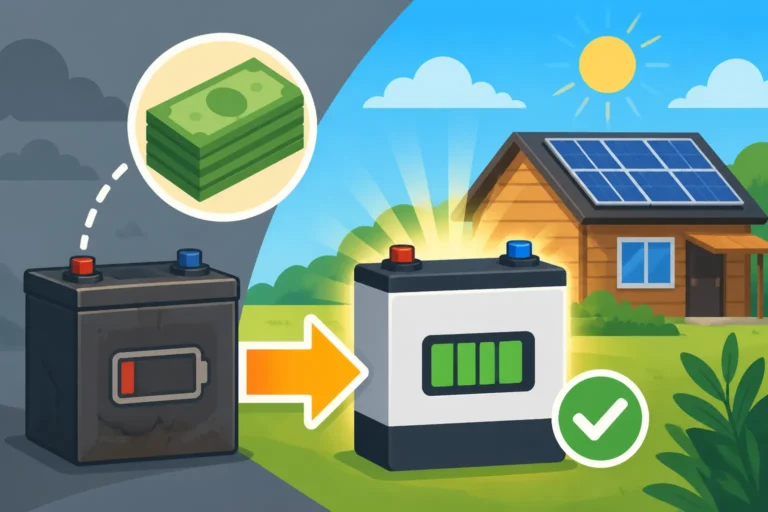
- Batteries: This is often the most expensive single component of an off-grid system, and for good reason—they store your power. You'll typically be choosing between lead-acid (cheaper upfront, shorter lifespan, more maintenance) and lithium iron phosphate (LiFePO4) batteries (more expensive upfront, longer lifespan, maintenance-free, deeper discharge). For a cabin, especially if you want longevity and less hassle, LiFePO4 batteries are often the more cost-effective choice in the long run, despite their higher initial price. A small cabin might get by with 100-200 Ah (amp-hours) at 12V, while a full-sized cabin could need 400-800 Ah or more at 24V or 48V. You can learn more about the best off-grid solar batteries to help you decide.
- Inverter: This converts the DC power from your batteries into the AC power that most of your household appliances use. The size (wattage) of your inverter needs to match the sum of the surge wattage of all appliances you might run simultaneously. A 2000W inverter might suffice for light use, but a cabin with a well pump or larger appliances could easily require a 3000W, 5000W, or even 8000W inverter. Pure sine wave inverters are crucial for sensitive electronics and ensure your appliances run smoothly.
- Charge Controller: This device regulates the power flowing from your solar panels to your batteries, preventing overcharging and optimizing efficiency. MPPT (Maximum Power Point Tracking) controllers are more efficient, especially in varying light conditions, and are highly recommended for any substantial system, though PWM (Pulse Width Modulation) controllers can work for smaller, budget-focused setups.
- Mounting Hardware, Wiring, and Safety Gear: Don't forget these essential bits! Racking for panels, robust wiring (properly sized to prevent voltage drop and overheating), fuses, breakers, and disconnects are critical for both functionality and safety. These might seem like small costs individually, but they add up, often accounting for 10-20% of the total system cost.
Here's a generalized table to give you a rough idea of component costs for a small to medium-sized cabin system (prices can fluctuate):
| Component | Small Cabin (e.g., weekend use, basic lights) | Medium Cabin (e.g., frequent use, small fridge, well pump) |
|---|---|---|
| Solar Panels (W) | 400-800W | 1000-2000W |
| Est. Cost (Panels) | $400 – $1,600 | $1,000 – $4,000 |
| Batteries (LiFePO4) | 100-200Ah @ 12V | 200-400Ah @ 24V/48V |
| Est. Cost (Batteries) | $700 – $1,500 | $2,000 – $6,000+ |
| Inverter (W) | 1000-2000W Pure Sine | 2000-4000W Pure Sine |
| Est. Cost (Inverter) | $200 – $500 | $500 – $1,500+ |
| Charge Controller | MPPT (e.g., 20-40A) | MPPT (e.g., 40-80A) |
| Est. Cost (Controller) | $100 – $300 | $200 – $800 |
| Wiring, Mounts, Safety | $200 – $500 | $500 – $1,500 |
| Total DIY Estimate | $1,600 – $4,400 | $4,200 – $13,800+ |
This table is a broad estimate, and specific prices for components can vary widely based on brand, quality, and current market conditions. For a deeper dive into the specific investment required, check out our article on the overall cost to power a cabin with solar.
DIY vs. Professional Installation Costs
Once you've decided on your components, the next major cost factor is installation. This is where you can significantly influence the overall price.
- DIY Installation: If you're handy with tools, have a good understanding of electrical wiring, and are comfortable researching safety protocols, a DIY installation can save you a substantial amount, often 15-30% of the total project cost. Many off-grid solar kits are designed with DIYers in mind, complete with detailed instructions and diagrams. There are countless online resources and communities (and YouTube channels!) dedicated to helping you through the process. However, it's crucial to be honest about your skill level. Mistakes in electrical wiring can be dangerous and costly to fix, and you'll still need to ensure your system meets any local codes or permitting requirements, even if it's off-grid. For example, some cabin owners might opt for a smaller, portable power station like a Jackery Explorer paired with a few flexible solar panels, which is a fantastic DIY-friendly way to get started with basic power without extensive wiring. You can find many components and even complete DIY kits on platforms like Amazon.
- Professional Installation: Hiring a certified solar installer ensures the job is done safely, correctly, and to code. This peace of mind comes at a cost, typically adding thousands of dollars to your project. Installation costs can vary based on your location, the complexity of the system, and the accessibility of your cabin. Remote cabins can incur higher labor and travel fees. However, a professional can also help with system design, optimize panel placement, and often streamline the permitting process. They might also offer warranties on their work, which can be invaluable. The choice between DIY and professional installation heavily influences your overall Off-Grid Solar Installation Cost. Consider carefully your expertise and comfort level with electrical work.
Long-Term Financial Considerations and Savings
The upfront cost is just one piece of the puzzle. To truly assess if off-grid solar is cost-effective for your cabin, you need to look at the long-term financial implications. This is where solar often shines, offering significant savings and value over its lifespan compared to other power solutions.
Comparing Off-Grid Solar to Alternative Power Sources
Let's pit off-grid solar against its most common rivals for remote cabins: grid extension and generator power.
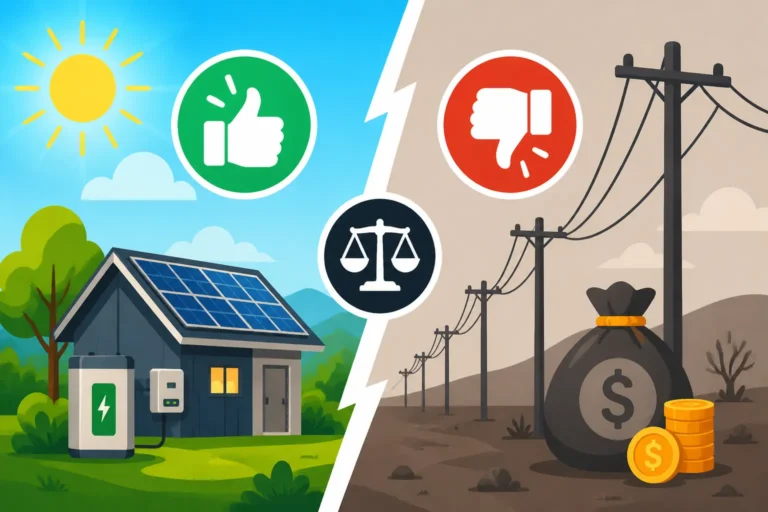
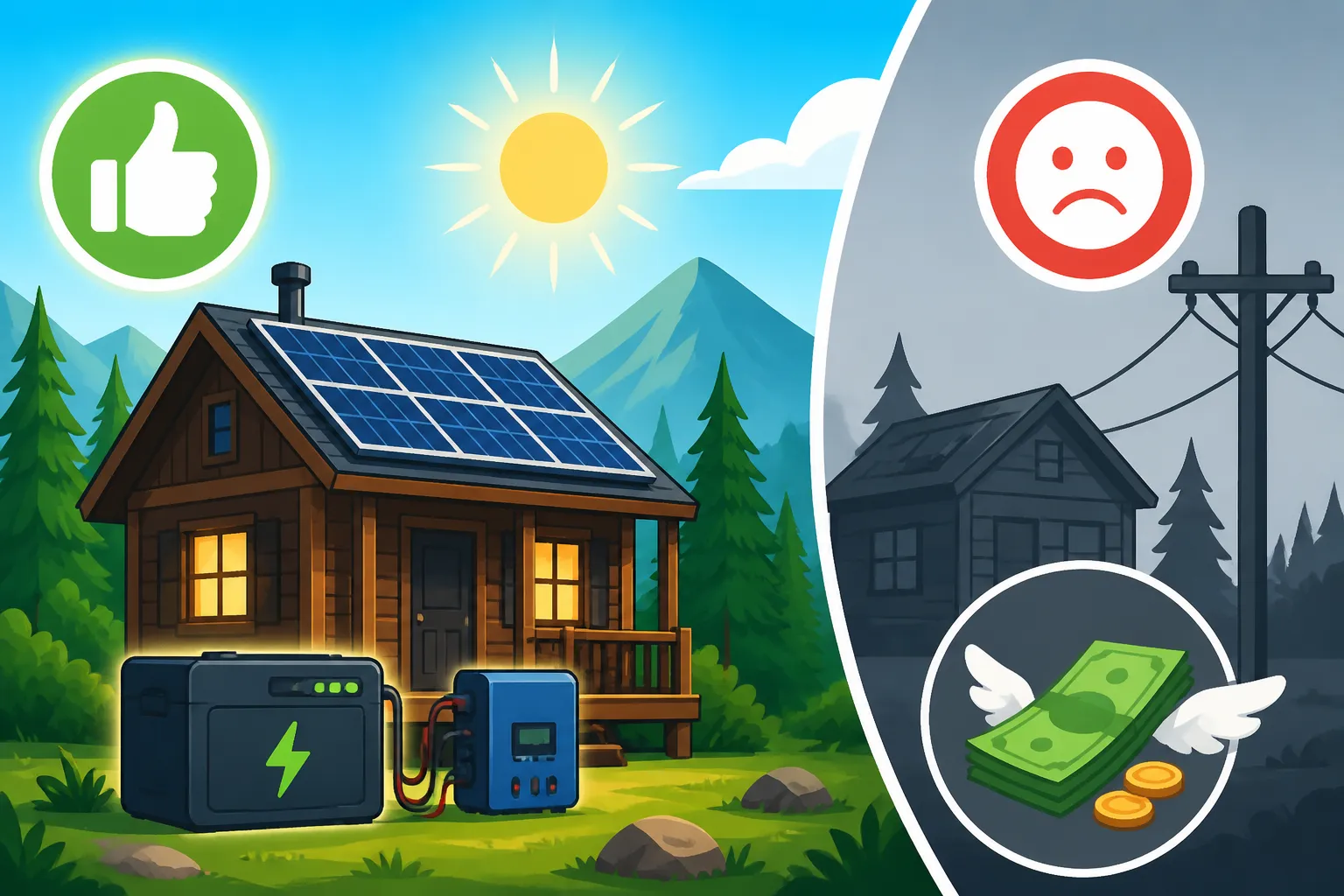
- Grid Extension: For many remote cabins, extending power lines from the nearest utility pole is shockingly expensive. Utility companies often charge per foot or mile, and factors like terrain, tree clearing, and road crossings can push costs into the tens of thousands, sometimes even over $50,000, just to bring the wire to your property line. Once connected, you still have monthly utility bills, connection fees, and fluctuating rates. While it offers unlimited, consistent power, the initial investment for a remote cabin often makes it the least cost-effective option by a wide margin. You might pay less than the initial trenching costs to install a robust solar setup for a whole house, let alone just a cabin.
- Generator Power: Generators are a popular backup or primary power source for cabins due to their relatively low upfront cost. A decent generator might cost $500 to $2,000. However, the operational costs are ongoing and substantial. Generators run on gasoline, propane, or diesel, and those fuel costs add up quickly, especially with current fuel prices. You also have regular maintenance, oil changes, spark plug replacements, and the eventual need to replace the entire unit every few years (they often have shorter lifespans than solar components). Not to mention the noise, fumes, and the constant need to refuel. When you factor in the long-term fuel and maintenance expenses, a generator can easily become more expensive than solar over a 5-10 year period. Our guide on off-grid solar vs generator fuel cost delves deeper into this comparison.
- Off-Grid Solar: While the initial cost of a comprehensive off-grid solar system can be significant, the operating costs are incredibly low. Once installed, your "fuel" (sunlight) is free. There are no monthly utility bills. Maintenance is generally minimal, focusing on keeping panels clean and checking battery terminals. The major recurring cost is eventually replacing your battery bank, which, with LiFePO4 batteries, might only be every 10-15 years. Over a 20-25 year lifespan (the typical warranty for solar panels), off-grid solar can offer a substantial return on investment, making it highly cost-effective in the long run.
The Hidden Value of Energy Independence
Beyond the direct financial comparisons, there's an undeniable value in energy independence that's harder to quantify but no less real.
- Reliability and Peace of Mind: With your own solar system, you're not beholden to grid outages, natural disasters, or utility rate hikes. You control your power source. This can be a huge benefit for cabins in areas prone to storms or with unreliable grid infrastructure. The peace of mind knowing you'll always have power, regardless of what's happening outside your property, is a powerful motivator for many.
- Environmental Impact: For those who value sustainability, off-grid solar aligns perfectly with a desire to minimize environmental footprint. You're generating clean, renewable energy, reducing reliance on fossil fuels and contributing to a healthier planet. This ethical benefit is a significant "return" for many cabin owners.
- Increased Property Value: A professionally installed, well-designed off-grid solar system can significantly enhance the value of your cabin, especially in remote areas where grid access is difficult or expensive. Buyers are increasingly looking for properties with sustainable and reliable power solutions already in place, making your cabin more attractive on the market.
- Quiet Operation: Unlike noisy generators, solar systems operate silently. This preserves the tranquility of your cabin environment, allowing you to fully enjoy the peace and quiet of nature without constant mechanical hum.
Maximizing Cost-Effectiveness and Return on Investment
Making off-grid solar truly cost-effective for your cabin isn't just about the initial purchase; it's about smart design, diligent maintenance, and understanding how to get the most out of your investment over its entire lifespan. There are strategies you can employ to minimize costs and maximize benefits.
Maintenance, Longevity, and Upgrades
To ensure your off-grid solar system remains cost-effective, you need to think about its long-term health.
- Regular Maintenance: Solar panels are remarkably durable, often coming with 20-25 year warranties. However, a little maintenance goes a long way. Keeping panels clean from dust, leaves, or snow ensures they operate at peak efficiency. Checking connections periodically for corrosion and ensuring critters haven't chewed through wiring are also good practices. The main maintenance for your system will often revolve around your batteries. If you opt for flooded lead-acid batteries, you'll need to check water levels regularly. LiFePO4 batteries, while more expensive, are virtually maintenance-free, adding to their long-term cost-effectiveness. You can learn more about general off-grid solar maintenance costs in our detailed guide.
- Battery Lifespan and Replacement: As mentioned, batteries are the component with the shortest lifespan in an off-grid system, and their replacement is the most significant recurring expense. Lead-acid batteries typically last 3-7 years, while quality LiFePO4 batteries can last 10-15 years or even longer, often achieving thousands of charge cycles. When considering the cost of replacing off-grid solar batteries over the system's lifetime, the higher upfront cost of lithium batteries often pays for itself due to their longevity and performance. Planning for this eventual replacement is key to sustainable off-grid living.
- Future Upgrades and Expansion: Designing your system with an eye towards future expansion can save money in the long run. Perhaps you start with a smaller system to power essentials, but later decide you want to add an air conditioner or more amenities. Oversizing certain components, like your charge controller or inverter, slightly from the start can make it easier and cheaper to add more panels or batteries later without having to replace core components. Thinking about an expandable system from day one prevents costly overhauls down the line.
Finding Incentives and Smart Budgeting
While off-grid systems don't typically qualify for the same incentives as grid-tied solar (like net metering), there are still avenues to explore for reducing your financial burden and budgeting wisely.
- Federal Tax Credits: The Investment Tax Credit (ITC) for solar, currently at 30%, generally applies to grid-tied residential solar. However, for off-grid systems, components like batteries may qualify if they are charged at least 75% by solar and meet specific guidelines. This is a complex area, and it's always best to consult with a tax professional experienced in renewable energy to understand if your specific off-grid cabin system qualifies for any portion of the federal tax credit. Rules can change, so always verify the latest information.
- State and Local Programs: While less common for off-grid, some states or local municipalities might offer rebates or incentives for renewable energy installations, especially if they are part of a broader energy efficiency upgrade. Research programs specific to your cabin's location, as these can be regional and quite varied.
- Strategic Budgeting: The key to making off-grid solar cost-effective for your cabin is thoughtful budgeting. Rather than viewing it as a single, massive expense, consider phasing your installation. You could start with a smaller setup for basic needs, like lights and phone charging, and then expand your solar array and battery bank as your budget allows and your power needs grow. This allows you to gradually invest in your energy independence without a crippling upfront cost. Our article on how to budget for an off-grid solar system offers practical tips on planning your finances.
In conclusion, is off-grid solar cost-effective for a cabin? The answer is a resounding yes, especially when you consider the alternatives for remote properties. While the initial investment can be substantial, the long-term savings on fuel and utility bills, coupled with the invaluable benefits of energy independence, reliability, and environmental stewardship, often make it the smartest and most financially sound choice for powering your cabin retreat. The Off-Grid Solar Return on Investment typically proves to be excellent over time.
Disclaimer
The information provided in this article is for general informational purposes only and does not constitute professional financial, tax, or engineering advice. Solar system costs, component availability, regulations, and incentives can vary significantly based on location, system size, and market conditions. Always consult with qualified professionals, including solar installers, electricians, and tax advisors, before making any decisions regarding your off-grid solar system.