Is Off-Grid Solar Cost-Effective for a Camper
Deciding whether to take your camper off-grid with solar power can feel like navigating a maze of confusing numbers and technical jargon. Many of us dream of the freedom of boondocking without worrying about hookups or noisy generators, but the upfront cost often raises a big question: is it really worth the investment in the long run? This guide is here to help you cut through the confusion and determine if off-grid solar is a cost-effective solution for your camper adventures.
Understanding the True Costs of Off-Grid Solar for a Camper
When you first start researching off-grid solar for your camper, it's easy to get overwhelmed by all the different components and price tags. It's not just about the solar panels themselves; there's a whole ecosystem of equipment required to make your rig truly self-sufficient. Understanding these different layers of cost is the first step in determining if the investment makes sense for your specific camping style.
Initial Equipment Investment
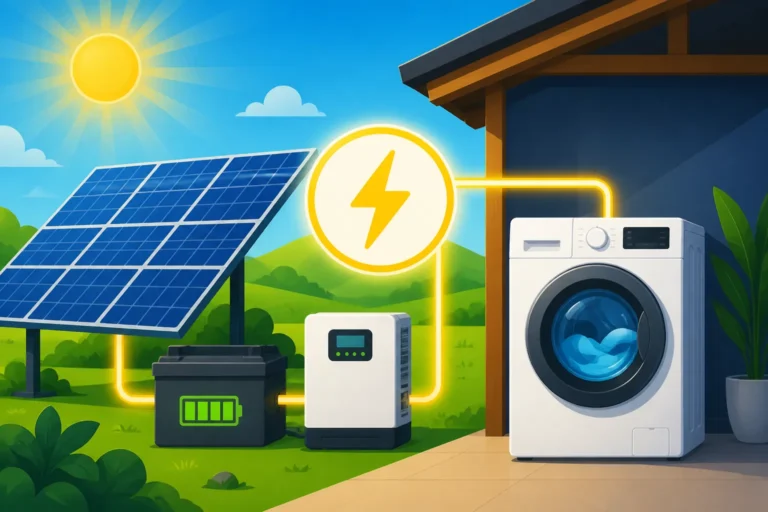
The bulk of your initial outlay will go towards the core components of any off-grid solar system. We're talking about the solar panels, which gather the sun's energy, the batteries that store it for when the sun isn't shining, an inverter to convert DC power from your batteries into usable AC power for your appliances, and a charge controller to manage the flow of electricity safely and efficiently. The price range here can be vast, depending on the quality, brand, and capacity you choose. For example, a small, entry-level system might cost you anywhere from a few hundred dollars to a couple of thousand, perfect for charging phones and running a few LED lights. You can find many affordable kits and individual components on marketplaces like Amazon, which is a great starting point for comparing prices and reviews.
However, if you're looking to power larger appliances like a microwave, air conditioner, or even a well pump for an off-grid cabin setup (though not common for campers, it illustrates the scale), you're quickly looking at a more robust and significantly more expensive system. High-quality lithium iron phosphate (LiFePO4) batteries, while more expensive upfront than traditional lead-acid, offer longer lifespans and greater usable capacity, often making them more cost-effective over time. Likewise, choosing between different types of solar panels can impact efficiency and price. You might want to explore articles like Cost of Off-Grid Solar Panels and Cost of an Off-Grid Solar Battery Bank to get a deeper understanding of these component costs.
Installation Considerations and Costs
Beyond the raw equipment, there's the cost and effort of getting it all installed correctly. This is where many DIYers can save a significant chunk of change, but it also comes with a learning curve. If you're comfortable with electrical wiring and have the right tools, you might tackle tasks like mounting panels, running cables, and connecting your inverter and charge controller yourself. However, even for DIY projects, you'll need to factor in costs for wiring, fuses, breakers, mounting hardware, and potentially specialized tools like crimpers or multimeters. The total cost of a DIY Off-Grid Solar Build can vary widely.
For those who aren't electrically inclined or simply prefer a professional touch, hiring an experienced RV technician or solar installer can add substantially to the overall cost. Installation fees can range from a few hundred to several thousand dollars, depending on the complexity of your system and the labor rates in your area. They'll ensure everything is wired correctly, safely grounded, and meets any applicable codes or manufacturer specifications. This peace of mind often justifies the added expense for many camper owners, especially given the intricacies involved in safely handling DC and AC power. Considering a professional vs. DIY approach is a critical factor in understanding the DIY vs Professional Off-Grid Solar Cost.
Ongoing Maintenance and Replacement Costs
Many people focus solely on the upfront investment and forget that off-grid solar systems require some ongoing care and, eventually, component replacement. While solar panels themselves are incredibly durable and can last 25 years or more with minimal degradation, batteries are the primary wear item in any system. Lead-acid batteries, for instance, typically need replacement every 3-7 years, depending on their type and how well they're maintained. Lithium batteries, while more expensive initially, can last 10-15 years or even longer, significantly reducing your long-term replacement costs.
Other components, like inverters and charge controllers, are generally robust but can fail due to environmental factors, power surges, or simply reaching the end of their operational life. Budgeting for these potential replacements, or at least being aware of their possibilities, is crucial for a realistic assessment of cost-effectiveness. Regular checks, cleaning your panels, and monitoring your battery health are small ongoing tasks that help prolong the life of your system. You can learn more about managing these long-term expenses in our guide on Lifetime Cost of an Off-Grid Solar System.
Analyzing the Benefits and Savings Over Time
While the initial investment in an off-grid solar system for your camper might seem daunting, it's essential to look beyond the sticker price and consider the long-term benefits and savings. These advantages often accumulate over time, making solar a surprisingly cost-effective choice for many RVers and campers.
Fuel Savings from Generators
One of the most immediate and tangible savings comes from reducing or eliminating your reliance on a noisy, gas-guzzling generator. Generators require fuel – typically gasoline or propane – which can add up quickly, especially if you're frequently boondocking or dry camping. Think about those times you've spent $20-$30 a day on fuel just to keep your lights on and your batteries charged. Over weeks or months, those costs become significant. By harnessing the sun's free energy, you effectively bypass these recurring fuel expenses entirely.
Not only do you save money on fuel, but you also save on the maintenance associated with generators, like oil changes, spark plug replacements, and general wear and tear. Furthermore, a solar system operates silently, allowing you to enjoy the peace and quiet of nature without the constant hum of an engine, which is a priceless benefit for many. This direct comparison is often explored in discussions around Off-Grid Solar vs Generator Fuel Cost.
Freedom from Shore Power Fees
Another major financial benefit comes from breaking free from campground shore power fees. Many campgrounds charge a nightly rate that includes electricity, but if you're not plugged in, you often pay less, or can even camp for free in many public lands and dispersed camping areas. Depending on how often you camp and where you typically stay, these savings can really add up. A standard RV site with hookups can cost anywhere from $30-$80 per night, and sometimes even more in popular destinations.
Imagine saving $50 a night for just 20 nights a year – that's $1,000 annually you're putting back in your pocket! Over several years, these savings alone can go a long way towards offsetting your initial solar investment. This newfound independence also means you're no longer limited to campgrounds with hookups, opening up a world of more remote, beautiful, and often free camping locations. The ultimate expression of freedom, really.
Increased Camper Value and Versatility
Installing a well-designed off-grid solar system can significantly enhance the value and appeal of your camper. When it comes time to sell, a fully integrated solar setup is a major selling point for prospective buyers, especially those looking to embrace boondocking or full-time RV life. It demonstrates that the camper is ready for adventure and offers a level of self-sufficiency that many stock RVs simply don't have. This can translate into a higher resale value and a quicker sale.
Beyond monetary value, solar greatly increases your camper's versatility. You're no longer tethered to electrical outlets, meaning you can park wherever you want, from national forests to remote beaches, and still enjoy all the comforts of home. This expanded capability allows for more spontaneous trips, longer stays in wilderness areas, and a richer, more authentic camping experience overall. It fundamentally changes how and where you can use your camper, making it a much more flexible and capable home on wheels.
Factors Influencing Cost-Effectiveness
The "cost-effectiveness" of off-grid solar for a camper isn't a one-size-fits-all answer. It heavily depends on your personal circumstances, habits, and preferences. What works out brilliantly for one RVer might not be the most economical choice for another. Understanding these influencing factors will help you tailor your assessment to your unique situation.
Your Camping Style and Energy Needs
The most critical factor in determining if solar is cost-effective for you is how often you camp, for how long, and what appliances you absolutely need to run. Are you a weekend warrior who only camps a few times a year, primarily at campgrounds with hookups, and just needs to charge your phone and maybe run a couple of lights? In that scenario, a large, expensive solar array might take a very long time to pay for itself. A smaller, portable solar generator like a Jackery Explorer model, paired with a foldable solar panel, might be a much more cost-effective entry point for occasional use. These smaller units are easy to pack, provide instant power, and can often be found at a reasonable price on platforms like Amazon.
Conversely, if you're a full-time RVer, a frequent boondocker, or someone who loves to spend extended periods in remote locations, a robust off-grid solar system becomes incredibly cost-effective very quickly. The daily savings on fuel and campground fees will accumulate rapidly, and the sheer convenience and freedom will be invaluable. Before diving in, take the time to do a thorough load analysis to understand How to Calculate Daily Energy Usage in your camper. This will help you size your system appropriately and avoid overspending.
System Size and Components Chosen
As we touched on earlier, the size of your solar array (how many panels and their wattage), the capacity of your battery bank, and the quality of your inverter all play a huge role in the overall cost. A small 100-watt panel with a single 100Ah lead-acid battery and a basic inverter might cost under $1,000. This could be perfect for a minimal setup, perhaps just powering Cost to Run Lights And Electronics on Off-Grid Solar.
However, if your goal is to power an air conditioner, a residential refrigerator, or a water heater, you'll need significantly more solar wattage, a much larger battery bank (likely lithium), and a powerful pure sine wave inverter. This kind of setup can easily push costs into the $5,000-$15,000+ range. While a larger system offers greater capability and comfort, it also requires a longer time to recoup the investment. It’s a delicate balance between desired energy independence and financial outlay. Take a look at How to Size an Off-Grid Solar System to get a better grasp of matching components to your needs.
DIY vs Professional Installation
The choice between installing your solar system yourself (DIY) or hiring a professional can dramatically swing the cost-effectiveness pendulum. Going the DIY route can save you thousands of dollars in labor costs, but it requires a significant investment of your own time, research, and a certain level of technical aptitude. If you make mistakes, they can be costly in terms of damaged equipment or, worse, safety hazards. Many resources, including detailed wiring diagrams and online tutorials, are available to guide you, but it's not for everyone. Our article on How Much Cheaper Is DIY Off-Grid Solar provides a detailed comparison.
Opting for professional installation ensures the job is done correctly and safely, often comes with warranties on workmanship, and saves you the headache and time commitment. However, it also adds a substantial chunk to your overall expenses. For some, the peace of mind and knowing the system is optimized and safe is worth every penny. For others, the challenge and savings of a DIY project are part of the adventure. Ultimately, your skills, confidence, and budget will dictate which path offers you the most cost-effective solution.
Real-World Scenarios and Payback
Let's look at a few hypothetical situations to really bring home the concept of cost-effectiveness for camper solar. It's not just about a simple formula; it's about how the system integrates with your lifestyle and provides value.
The Weekend Warrior's Setup
Meet Sarah and Tom, who take their small travel trailer out about once a month for a two-night trip. They mostly stay at state parks or private campgrounds but occasionally venture to a dispersed camping spot. Their primary needs are charging phones, running a few LED lights, and sometimes powering a laptop for an hour or two.
They invested in a basic 200W portable solar panel kit with a small 500Wh portable power station (similar to a smaller Jackery model). Total cost: around $800.
- Savings:
- No generator fuel needed for their minimal needs: maybe $10-$15 per trip.
- Occasionally choose free dispersed camping over a $30/night campground, saving $60 for two nights.
- Payback: If they use the system for 4-5 dispersed camping trips per year, saving $60 each, plus another $50 in generator fuel savings over the year, they save about $300-$350 annually. At this rate, their system would pay for itself in roughly 2-3 years. Beyond that, it's pure savings and convenience. For them, it's definitely cost-effective because it aligns perfectly with their moderate energy needs and sporadic off-grid desires. This aligns with what you might find in a guide about When Off-Grid Solar Pays for Itself.
The Full-Time RVer's Investment
Now consider Mark and Lisa, who live full-time in their 30-foot fifth wheel, boondocking for at least half the year. They need to power a residential refrigerator, run their Starlink internet, charge multiple devices, and occasionally use their microwave or a small portable heater.
They invested in a robust 1000W roof-mounted solar array, a 600Ah LiFePO4 battery bank, a 3000W inverter, and a high-quality MPPT charge controller. Total cost (including professional installation): around $12,000.
- Savings:
- Eliminated generator fuel almost entirely: saving an estimated $50-$70 per week when boondocking. That's $2,600-$3,640 per year if they boondock half the time.
- Consistently choose free boondocking over $50/night campgrounds: saving $125/night on average for 180 days a year, totaling $9,000 annually.
- Payback: Between fuel savings and avoided campground fees, Mark and Lisa are saving well over $10,000 each year. Their system could pay for itself in just over a year, and that's not even factoring in the longevity of their lithium batteries or the sheer comfort and freedom they gain. For full-timers, a significant off-grid solar investment is almost always highly cost-effective and a lifestyle game-changer. Our guide on Off-Grid Solar Return on Investment delves deeper into these calculations.
Comparing Against Other Power Sources
When assessing cost-effectiveness, it's not just about solar in isolation. It's about comparing it to your other options.
- Generators: As we discussed, generators have lower upfront costs but higher ongoing fuel and maintenance expenses, plus the noise and fumes. For minimal, occasional power needs, they can be more cost-effective initially. For consistent, long-term power, solar quickly surpasses them in savings and quality of life.
- Shore Power: Staying exclusively at campgrounds with hookups avoids solar costs entirely, but you pay a premium for that convenience nightly. If you rarely camp, or only camp at full-service resorts, then shore power might be the most cost-effective option. However, it severely limits your locations and freedom.
- Portable Power Stations: Devices like the EcoFlow Delta series or the Jackery Explorer models bridge the gap. They are much cheaper than a full-blown solar system, provide quiet power, and can be charged via solar. They're highly cost-effective for smaller loads and shorter trips, offering a flexible middle-ground without complex installation.
Here’s a simplified table comparing approximate costs and payback for different camper power setups:
| Power Source Option | Initial Cost (Approx.) | Running Cost/Maintenance Annually (Approx.) | Typical Payback Period (for active users) | Primary Benefit |
|---|---|---|---|---|
| Small Portable Solar System | $500 – $1,500 | $0 – $50 (minimal) | 1-3 years | Portable, quiet, no fuel |
| Large Integrated Solar | $5,000 – $15,000+ | $50 – $200 (battery replacement) | 1-5 years | Full energy independence, high comfort |
| Gas Generator Only | $500 – $3,000 | $500 – $2,000+ (fuel, maintenance) | Never "pays back" due to recurring costs | Low upfront cost, instant power |
| Campground Hookups Only | $0 | $1,000 – $3,000+ (nightly fees) | Never "pays back" due to recurring costs | Ultimate convenience, all utilities provided |
Note: These are generalized figures. Actual costs and savings can vary widely based on usage, component quality, location, and fuel prices.
The cost-effectiveness of off-grid solar for a camper is not a simple yes or no. It's a calculation based on your individual needs, budget, and desired level of freedom. For those who embrace the off-grid lifestyle, the long-term financial savings, environmental benefits, and unparalleled freedom often make the initial investment incredibly worthwhile. For others, a smaller, more modular approach might be the perfect fit. What's clear is that the sun offers a powerful, sustainable alternative to traditional power sources, and with careful planning, it can absolutely be a cost-effective solution for your camper.
Disclaimer
The information provided in this guide is for general informational purposes only. While we strive to offer accurate and up-to-date advice, off-grid solar system design and installation can be complex. We recommend consulting with qualified professionals for specific advice tailored to your individual situation and ensuring compliance with all local codes and regulations.