Off-Grid Solar on a Tight Budget
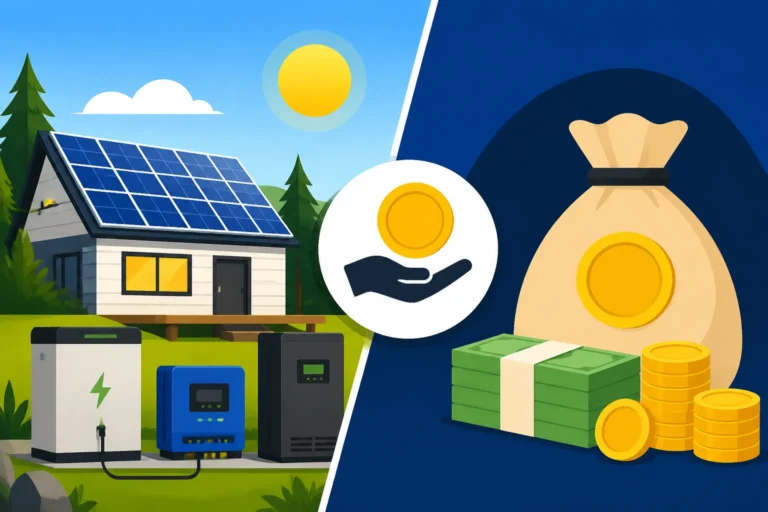
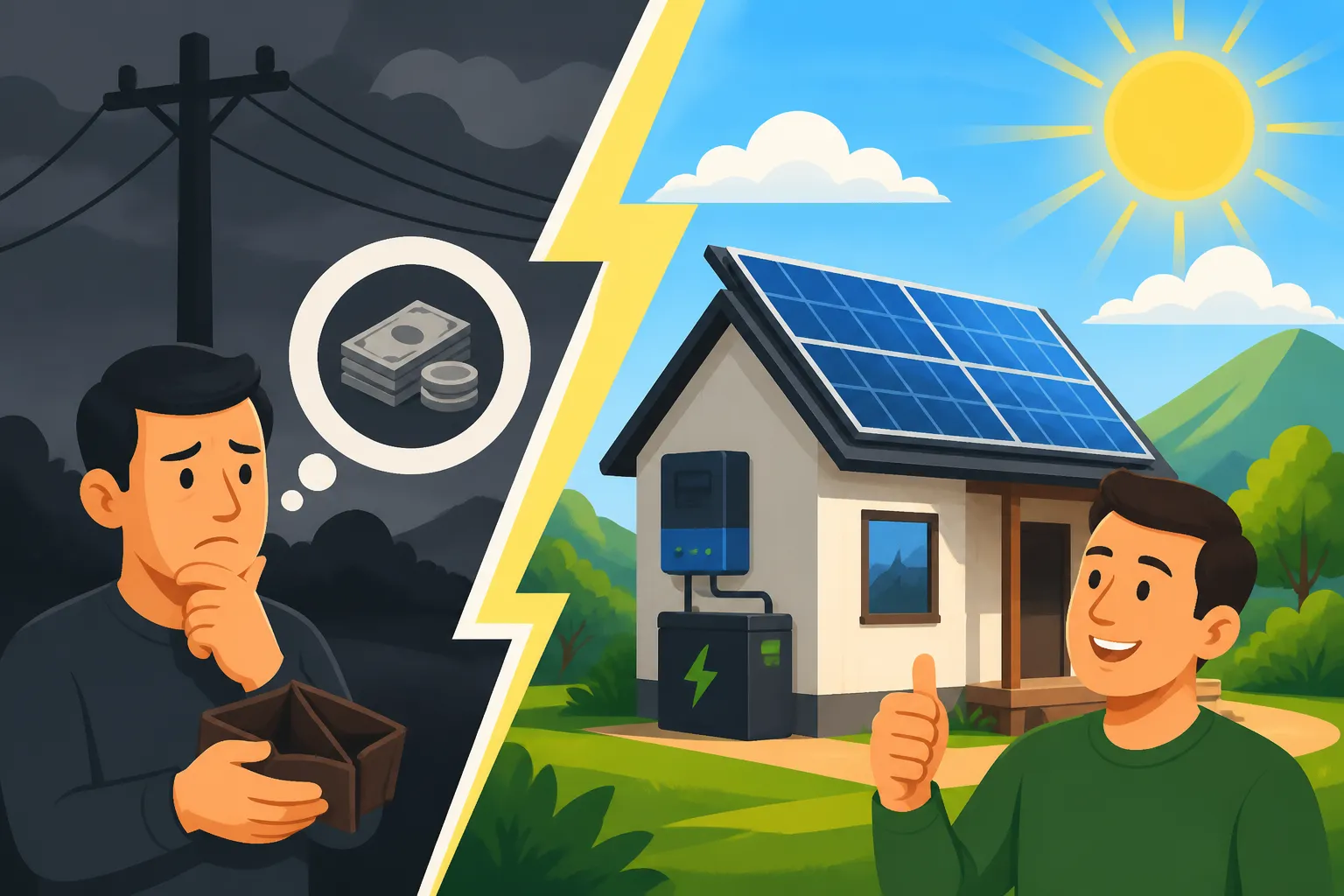
The dream of unplugging, of living off the grid, can feel like it's only for those with deep pockets, can't it? Many folks yearn for energy independence but get hit with a wave of anxiety when they start looking at price tags, thinking it's an impossible financial leap. This guide is for you, the budget-conscious dreamer, breaking down exactly how to approach off-grid solar without emptying your savings, proving that sustainable living can indeed be affordable.
Understanding the True Costs of Off-Grid Solar
It’s easy to get overwhelmed when you first dive into the world of off-grid solar. You see numbers that look like telephone numbers, and suddenly, that idyllic cabin in the woods or self-sufficient RV seems like a distant fantasy. But the reality is, the “cost” is a spectrum, not a single, intimidating figure. The key is to understand what truly drives these expenses and where you can strategically trim them down without compromising on essential functionality or safety.
Deconstructing the Main Expense Categories
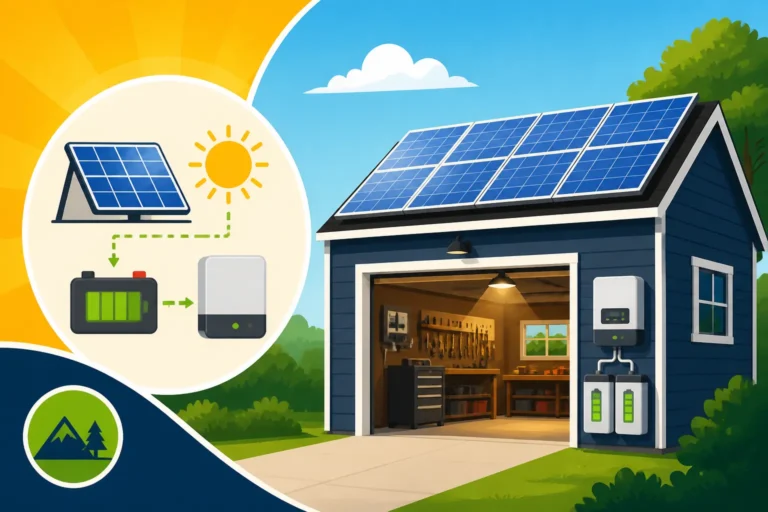
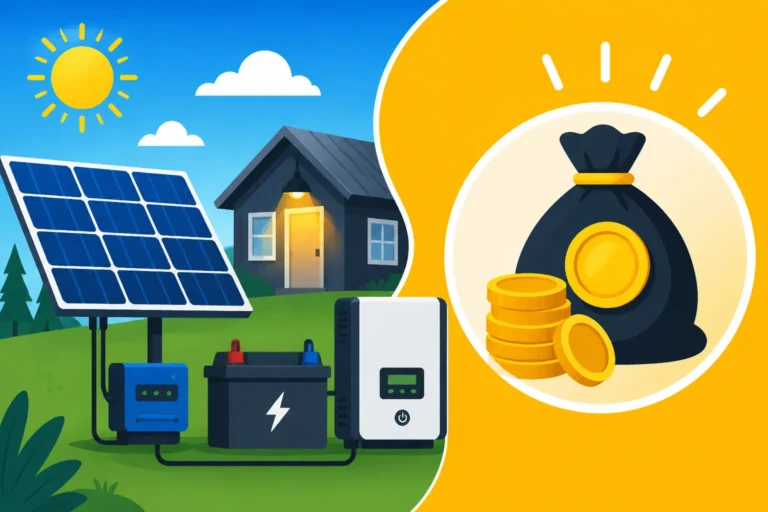
Think of an off-grid solar system as a collection of critical pieces, each with its own price tag. The major components are solar panels, batteries, an inverter, and a charge controller. Then there are all the bits and bobs like wiring, mounting hardware, safety disconnects, and potentially a backup generator. Each of these can vary wildly in cost based on brand, capacity, and technology. For instance, knowing more about the Off-Grid Solar Cost: Complete Breakdown can really help you visualize where your money goes. What often scares people initially is looking at a “whole house” system estimate when they might only need something far smaller to start.
It's not just the hardware that adds up, either. While many dream of a DIY setup, professional installation comes with its own costs, reflecting expertise, labor, and peace of mind. Permits and inspections, depending on your location and the scale of your system, can also contribute to the final bill. The good news? Each of these categories offers opportunities for savings, but you need to know where to look and what compromises are acceptable for your unique situation.
Why “Cheap” Isn’t Always “Budget-Friendly”
When you’re trying to save money, it’s tempting to gravitate towards the absolute lowest price point for every component. However, this can be a huge pitfall in off-grid solar. A poorly made inverter might fail quickly, leaving you without power and needing a replacement sooner than expected. Cheap batteries often have a shorter lifespan, meaning you’ll be facing the significant expense of replacement sooner rather than later. This is particularly true for items like batteries; understanding the Cost to Replace Off-Grid Solar Batteries can show you why upfront savings aren’t always long-term savings.
The real budget-friendly approach isn't about buying the cheapest item; it's about buying the most cost-effective item – the one that offers the best balance of performance, durability, and warranty for its price. Sometimes, spending a little more upfront on a reliable brand with a good track record will save you considerable money, hassle, and frustration down the line. It's about smart investing, not just spending less.
Prioritizing Your Power Needs for Maximum Savings
This is arguably the most crucial step when planning an off-grid solar system on a tight budget. You can’t power everything you’re used to in a grid-tied home right out of the gate without a substantial investment. The secret to an affordable system is ruthless prioritization and a realistic understanding of your actual energy demands.
Conducting a Thorough Load Analysis
Before you buy a single panel or battery, you *must* know what you intend to power. This isn’t just a mental list; it’s a detailed, hour-by-hour breakdown of every electrical appliance you plan to use, how many watts it consumes, and for how many hours a day. Are you just running some LED lights and charging your phone? Or do you dream of a full-size refrigerator, a well pump, and a mini-split air conditioner? Each adds significantly to your system requirements and, by extension, its cost.
To perform a proper load analysis, grab a pen and paper or a spreadsheet. List every appliance. Look at the labels for wattage, or use a kill-a-watt meter if you have access. Multiply the wattage by the hours of daily use to get watt-hours. Sum these up to get your daily watt-hour consumption. This number will directly inform How Many Watts of Solar You Need and How Much Battery Capacity You Need. Cutting out non-essential "phantom loads" or high-draw convenience items like electric kettles or hair dryers can drastically reduce your overall system size and, therefore, your budget.
Phased Approach to Building Your System
Trying to build your ultimate off-grid system all at once is often what makes it seem unattainable financially. A much smarter strategy for a tight budget is a phased approach. Start small, focusing on absolute necessities, and expand as your budget allows and your needs evolve. For example, you might begin with a modest setup capable of running lights, charging devices, and perhaps a small 12V refrigerator. You can learn more about How to Phase an Off-Grid Solar Build to Spread Cost to make this strategy work for you.
Once that initial system is stable and meeting your basic needs, you can save up for the next phase. Perhaps adding more solar panels to increase your charging capacity, or expanding your battery bank for more days of autonomy. This approach not only spreads out the financial commitment but also allows you to gain invaluable experience with your system, helping you make more informed decisions for future expansions. It’s like building a house brick by brick rather than trying to pay for the whole thing upfront.
Smart Component Choices for Stretching Your Dollar
Once you know your actual energy needs, the next step is to choose components that fit those needs without breaking the bank. This involves understanding the different types of equipment available and where you can find the best value for your money.
Cost-Effective Solar Panels
When it comes to solar panels, the good news is that prices have come down significantly over the years. For a tight budget, focusing on standard rigid monocrystalline or polycrystalline panels is usually the most cost-effective route. While flexible panels or bifacial panels exist, they often come with a premium price tag that isn’t necessary for a basic off-grid setup. Many common brands offer reliable panels at competitive prices.
Consider buying panels in slightly larger wattages (e.g., 200W or 300W panels) if possible, as these can sometimes offer a better cost-per-watt than smaller panels when purchased individually. Look for deals from online retailers like Amazon, or even local solar suppliers who might have overstock or slightly blemished panels at a discount. Just ensure they come with a solid warranty. For example, Renogy Solar Panels Review for Off-Grid can give you an idea of reliable, accessible brands.
Affordable Battery Options
Batteries are often the single most expensive component in an off-grid system, and for good reason—they store your precious energy. While LiFePO4 (lithium iron phosphate) batteries like those from Battle Born or EG4 are generally lauded for their longevity and efficiency, their upfront cost can be prohibitive for budget-minded individuals. For truly tight budgets, lead-acid batteries, specifically deep-cycle flooded lead-acid (FLA) or sealed absorbed glass mat (AGM) batteries, remain a viable option.
FLA batteries are the cheapest upfront, but they require regular maintenance (checking water levels) and need proper ventilation. AGM batteries are sealed and maintenance-free but cost more than FLAs. Both have shorter lifespans and lower usable capacities compared to LiFePO4 (you shouldn't discharge lead-acid batteries below 50% regularly), meaning you'll need more capacity and likely replace them sooner. You can dive deeper into the cost comparison with LiFePO4 vs Lead-Acid Battery Cost. If you opt for lead-acid, invest in a good battery monitor to track their state of charge accurately and prolong their life. For smaller systems, even a robust portable power station like a Jackery Explorer can serve as a battery bank and inverter combo for basic needs, especially if you’re just looking to run some lights and charge devices.
Budget-Friendly Inverters and Charge Controllers
The inverter converts your battery’s DC power into usable AC power for most household appliances. For a tight budget, a pure sine wave inverter is a must, even if it costs a bit more than a modified sine wave inverter. Modified sine wave inverters can damage sensitive electronics and run appliances less efficiently. Look for reputable brands like Renogy or Giandel that offer good value pure sine wave inverters. You don’t necessarily need the highest surge capacity if you’ve done your load analysis properly and avoided high-surge appliances.
The charge controller manages the power flow from your solar panels to your batteries. MPPT (Maximum Power Point Tracking) controllers are more efficient than PWM (Pulse Width Modulation) controllers, especially in varying light conditions. While MPPTs are usually more expensive, their efficiency gains can sometimes justify the cost, as they allow you to harvest more power from your panels, potentially meaning you need fewer panels overall. However, for very small, simple systems, a well-sized PWM controller can still be a budget-friendly starting point. Comparing MPPT vs PWM Charge Controllers will help you decide which is best for your specific setup.
| Component | Budget-Friendly Options | Mid-Range Options | Premium Options | Considerations for Budgeters |
|---|---|---|---|---|
| Solar Panels | Standard rigid monocrystalline/polycrystalline | High-efficiency monocrystalline, some bifacial | Top-tier bifacial, lightweight flexible | Focus on cost/watt, look for sales, avoid niche panel types. |
| Batteries | Deep-cycle Flooded Lead-Acid (FLA), AGM | Quality AGM, entry-level LiFePO4 | High-capacity LiFePO4 (e.g., Battle Born, EG4) | FLA/AGM are cheapest upfront but require more capacity and replacement. Prioritize usable capacity. |
| Charge Controller | PWM (for small, simple systems) | MPPT (e.g., Renogy, EPEVER) | High-end MPPT (e.g., Victron, Outback) | MPPT offers better efficiency but PWM can work for small arrays. Ensure proper sizing. |
| Inverter | Pure sine wave (e.g., Giandel, some Renogy) | Integrated inverter-chargers (e.g., Growatt) | Advanced inverter-chargers (e.g., Victron, Sol-Ark) | Pure sine wave is essential. Size based on peak appliance load, not total capacity. |
| Mounting | DIY ground mounts, simple roof mounts | Adjustable tilt mounts, professional roof racking | Automated tracking systems | Repurposed materials or simple, fixed angle mounts save significantly. |
| Wiring & Safety | Standard PV cable, basic fuses/breakers | UL-listed components, robust disconnects | High-grade marine/RV components | Never skimp on safety; buy appropriate gauge wire, fuses, and breakers from reputable sources (e.g., Amazon). |
DIY vs. Professional Installation: Where Your Money Goes
The biggest financial decision after component selection is often whether to install the system yourself or hire a professional. For those on a tight budget, DIY often seems like the only path, and while it can save a substantial amount, it’s not without its own considerations.
Saving Big with Do-It-Yourself Installation
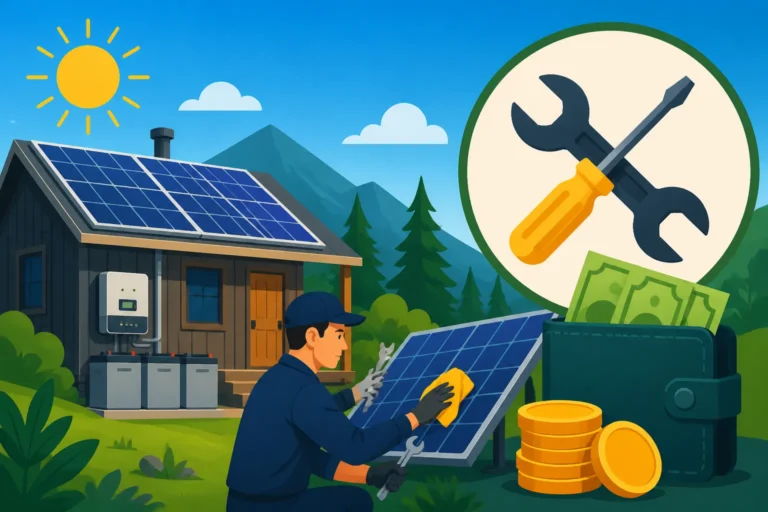
There’s no sugar-coating it: doing the installation yourself can cut your overall project cost by 30% to 50% or even more, as you’re eliminating labor expenses. This is often the primary strategy for anyone building an Off-Grid Solar on a Tight Budget. With a wealth of online resources, detailed guides, and pre-wired off-grid solar kits, many handy individuals can successfully install smaller to medium-sized systems. The satisfaction of building your own power system is also a huge bonus!
However, DIY isn't for everyone. It requires a good understanding of electrical principles, adherence to safety protocols, and a willingness to troubleshoot. You'll need to invest in some tools if you don't already have them, and there's a learning curve. Mistakes can be costly, both in terms of damaged equipment and potential safety hazards. Ensure you understand How to Wire an Off-Grid Solar System thoroughly before you start. Consider starting with a smaller, simpler system to gain experience if you’re completely new to electrical work.
When to Consider Professional Help
Even with a tight budget, there are situations where calling in a professional is a wise move, or at least budgeting for partial assistance. If your system is complex, involves high voltages, or needs to comply with local building codes for a permanent dwelling, an electrician’s expertise can be invaluable. Improper wiring can lead to fires, equipment damage, or worse. For more on this, check out DIY vs Professional Off-Grid Solar Cost.
You might consider a hybrid approach: do all the non-electrical work yourself (like mounting panels), but hire an electrician to handle the critical wiring connections, especially between the inverter and your main AC breaker panel. This can give you peace of mind and ensure safety without the full cost of a complete professional installation. Some contractors might even offer consulting services to review your DIY plan before you start, which could be a worthwhile investment to prevent costly errors.
Finding Deals and Stretching Your Budget Further
Beyond the big decisions, there are numerous smaller strategies you can employ to make your off-grid dollar go further. Every little bit saved adds up to a more attainable system.
Sourcing Used or Refurbished Equipment
Just like with cars, you don’t always need brand-new components to get a reliable off-grid system. The market for used or refurbished solar equipment has grown, with items like panels, inverters, and even batteries appearing on marketplaces. Websites, solar forums, and local classifieds can be good places to look. You can find out more about the pros and cons in our guide on Buying Used Off-Grid Solar Equipment: Worth It.
When buying used, exercise caution. Always ask for documentation, test equipment if possible, and inspect it thoroughly for damage. For batteries, unless you can get a clear cycle count and health report, it's often riskier to buy used. Panels and inverters, however, can often be found in good working condition with plenty of life left at a fraction of the new price. Sometimes, commercial projects upgrade their systems, and their older, still-functional panels become available.
Leveraging Sales and Discounts
Patience can be a virtue for the budget-minded. Keep an eye out for sales, promotions, and clearance events from major solar retailers and online marketplaces. Black Friday, Cyber Monday, and seasonal sales can offer significant discounts on panels, inverters, and even battery banks. Subscribing to newsletters from solar component suppliers can keep you informed about upcoming deals. Many common brands, including Renogy and EcoFlow, often run promotions, and sites like Amazon can be a great place to find unexpected markdowns.
Additionally, consider buying components in bundles or kits. Sometimes, an off-grid solar kit will offer a better overall price than purchasing each component separately, especially for smaller systems. Even if it's not a perfect match for your needs, it might be a more cost-effective starting point. Our guide on Off-Grid Solar Kit Price Ranges can help you scout for good deals.
Minimizing Energy Waste to Reduce System Size
This goes hand-in-hand with your load analysis but deserves its own spotlight. The less power you *need*, the smaller (and cheaper) your system can be. This isn’t just about turning off lights; it’s about adopting an energy-conscious lifestyle. Use highly efficient LED lighting, choose Energy Star-rated appliances if purchasing new, and consider DC-powered appliances where possible (as they bypass the inverter, saving power).
Think about alternatives to electric for certain tasks. A propane stove is often more budget-friendly for cooking than an electric one in an off-grid setup. Hang-drying clothes saves a huge amount of power compared to an electric dryer. Every watt-hour saved means you need slightly fewer panels and less battery capacity, directly impacting your overall Off-Grid Solar Cost Per Watt. This isn't about deprivation, but about intentional choices that align with a self-sufficient lifestyle and keep your budget in check.
Final Thoughts on Your Budget Off-Grid Journey
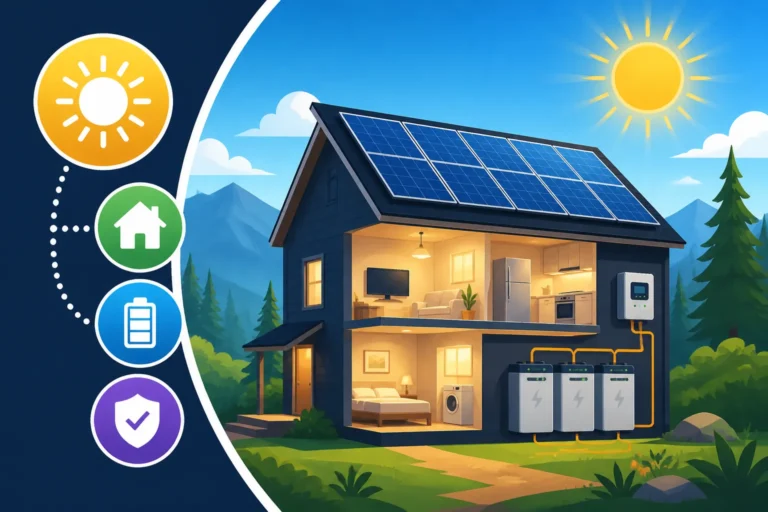
Embarking on an off-grid solar journey with a tight budget isn’t about cutting corners; it’s about making smart, informed decisions and being realistic about your energy consumption. It requires patience, research, and a willingness to learn. You don’t need a massive, expensive system to achieve energy independence. By prioritizing your needs, making strategic component choices, considering DIY installation, and continually seeking ways to optimize efficiency, you can absolutely achieve your off-grid dreams without going bankrupt. It’s a journey, and every step you take towards greater self-sufficiency is a victory.
Disclaimer
Please remember that this guide provides general information about off-grid solar on a budget. Specific costs, regulations, and best practices can vary significantly based on your location, local codes, and individual energy needs. Always consult with qualified professionals for system design, installation, and compliance with all applicable safety and electrical standards.