Most Reliable Off-Grid Solar Systems
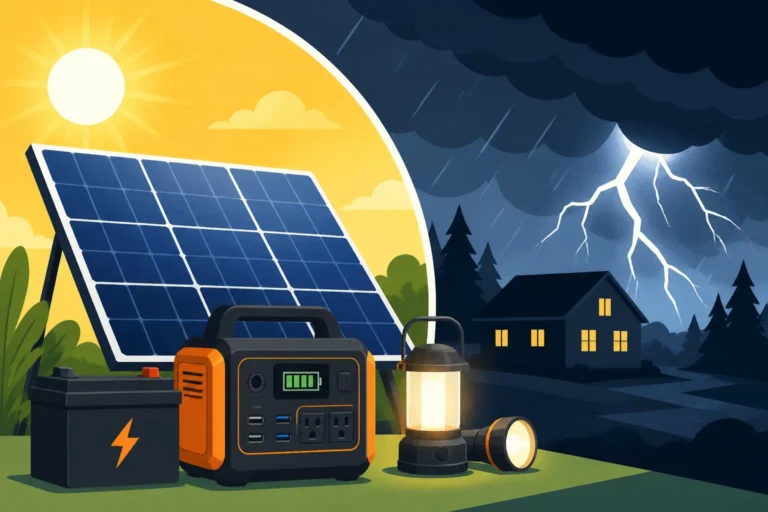
Many folks dream of cutting ties with the utility company, picturing tranquil days powered by the sun. But the nagging fear of losing power when you need it most, especially during critical times or harsh weather, often holds people back. It's not just about getting some power; it's about ensuring your off-grid solar system is truly dependable, giving you consistent, reliable energy day in and day out. This guide is dedicated to helping you understand what truly makes an off-grid solar system reliable, so you can build one that stands the test of time and keeps your lights on, no matter what.
Understanding What Makes an Off-Grid Solar System Reliable
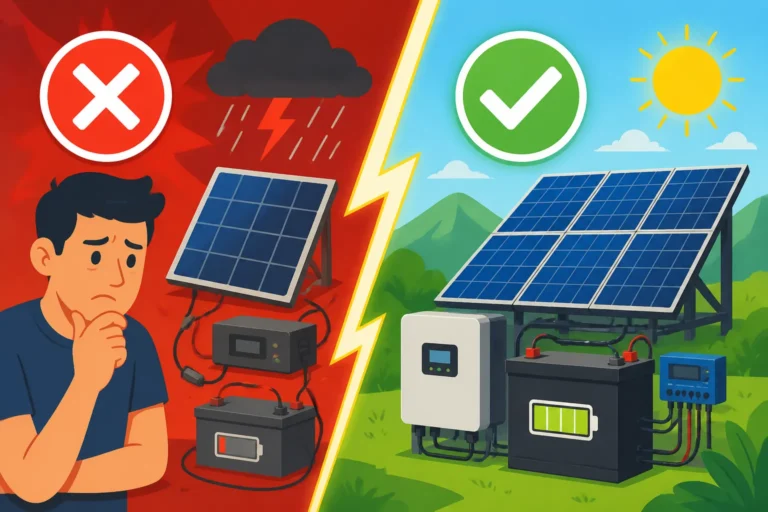
When we talk about "reliability" in the context of an off-grid solar system, we're really digging into a few core ideas beyond just whether it works or not. It’s about more than just components; it’s about consistent performance, how long the system will last, and its ability to weather various challenges without leaving you in the dark. A reliable system is one that you can forget about, to a certain extent, knowing it will deliver power when you need it, rain or shine (mostly shine!).
The Pillars of Consistent Performance
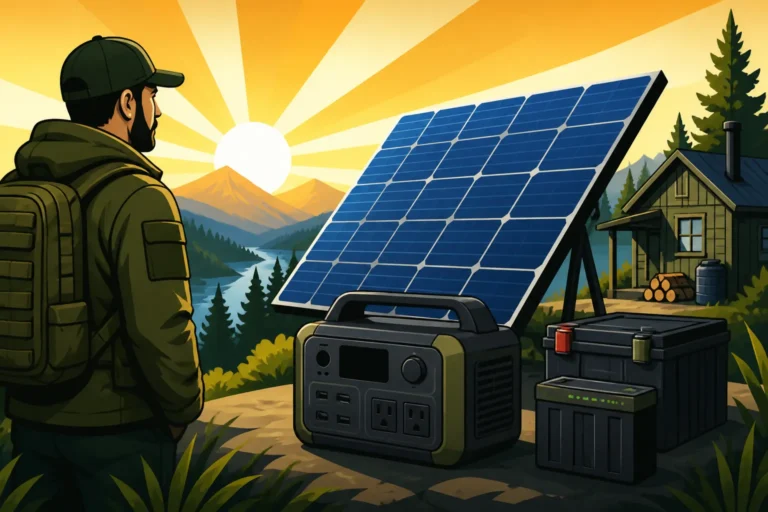
True reliability starts with a system that doesn't just work on paper but consistently performs in the real world, adapting to your usage and environmental conditions. This means it needs to generate sufficient power, store it efficiently, and deliver it smoothly to your appliances without hiccups. Imagine living in a remote cabin in the Pacific Northwest, where sunny days are a luxury. A reliable system here isn't one that works perfectly on a cloudless August day, but one that can still keep your essentials running through a week of dense fog and drizzle. It’s about predictable output, even when conditions aren't ideal, and having enough reserve to handle unexpected spikes in demand. It means your coffee maker still brews and your well pump still draws water, without you constantly monitoring the battery meter.
Longevity and Durability Against the Elements
An off-grid system isn't a temporary fix; it's an investment in long-term independence. Therefore, its components must be built to last. This means panels that can withstand hail, heavy snow loads, and extreme temperature swings without degrading prematurely. It means batteries designed for thousands of cycles, maintaining their capacity year after year. And it means inverters and charge controllers that are robust enough to handle the electrical demands and environmental conditions of an isolated setup. Think about a homestead in rural Montana: that system needs to brave scorching summers and brutal, sub-zero winters. Durability isn't just a nice-to-have; it's an absolute necessity for survival and peace of mind. Investing in high-quality components from reputable manufacturers significantly contributes to the overall lifespan and, thus, the reliability of your system.
Resilience to Usage Patterns and Component Failures
Life off-grid is rarely a perfectly planned affair. Sometimes you'll use more power than anticipated – maybe guests stay longer, or you decide to run a power tool for an extra hour. A truly reliable system has a degree of resilience built-in to handle these fluctuations without immediately collapsing. It also considers the inevitable: components can, and sometimes do, fail. How easily can parts be replaced? Is there redundancy? A well-designed system minimizes single points of failure. For example, some off-gridders choose to have two smaller inverters rather than one large one, so if one fails, they still have partial power. Others might have a robust generator that automatically kicks in if solar production or battery levels dip too low. This foresight in design and having a contingency plan is a huge part of what makes a system reliable. It’s about building in enough buffer and backup to shrug off minor issues and keep delivering power.
Key Components for System Reliability
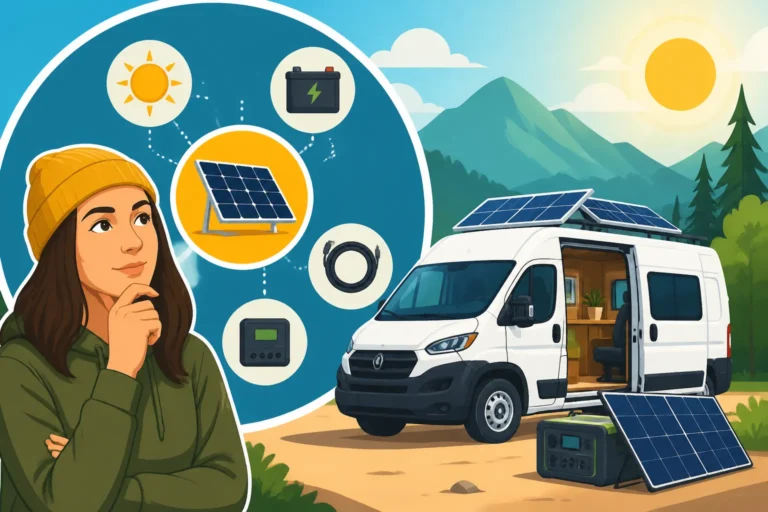
The foundation of any reliable off-grid solar system lies in the quality and suitability of its individual components. Each piece of the puzzle plays a crucial role, and skimping on one can compromise the entire system's integrity.
Durable Solar Panels
Your solar panels are your energy collectors, and their ability to consistently convert sunlight into electricity is paramount. When considering panels for off-grid use, think beyond just their wattage. Look for manufacturers with strong warranties – a 25-year performance warranty is standard, but some reputable brands offer even longer. The materials used, like the tempered glass and robust aluminum frames, dictate their resistance to environmental stressors.
Consider the temperature coefficient, which indicates how much a panel's output degrades in hot conditions. Lower numbers mean better performance when the sun is scorching. For remote installations, where maintenance might be less frequent, you'll want panels known for their excellent resistance to potential-induced degradation (PID) and light-induced degradation (LID). Monocrystalline panels are often preferred for off-grid due to their higher efficiency and better performance in low-light conditions compared to polycrystalline, though advancements are narrowing this gap. Brands like REC, Canadian Solar, and LG (though LG has exited the market, their panels are still highly regarded) have a strong track record for quality and durability. Don't just grab the cheapest panels; research their long-term performance and customer reviews. This guide on How to Choose an Off-Grid Solar Panels can provide even more insights.
Robust Battery Banks
The battery bank is arguably the most critical component for off-grid reliability, acting as your energy reservoir. Without adequate and healthy batteries, your system is essentially useless after sundown or during cloudy periods. The choice here largely boils down to chemistry, with LiFePO4 (Lithium Iron Phosphate) batteries leading the pack for reliability and longevity in modern off-grid systems. They offer significantly higher cycle life (how many times they can be charged and discharged), deeper depths of discharge (meaning you can use more of their stored energy without damage), and are generally more efficient than traditional lead-acid batteries.
While the initial LiFePO4 vs Lead-Acid Battery Cost might seem higher, their superior performance and lifespan often make them more cost-effective over the long run. Look for LiFePO4 batteries with an integrated Battery Management System (BMS), which protects the cells from overcharging, over-discharging, and temperature extremes, directly contributing to their reliability. Brands like Battle Born, Victron Energy, and EG4 are highly respected in the off-grid community for their robust and reliable LiFePO4 offerings. When considering your battery bank, think about How Many Batteries for an Off-Grid System you'll need, and always refer to our deeper dive on Best Off-Grid Solar Batteries.
High-Quality Inverters
Your inverter is the brain that converts the DC power from your batteries into usable AC power for your household appliances. For off-grid living, a pure sine wave inverter is non-negotiable. Modified sine wave inverters are cheaper but can damage sensitive electronics and cause motors to run hot or inefficiently. A reliable inverter needs to have robust surge capacity to handle the high starting watts of appliances like refrigerators, well pumps, or power tools.
Efficiency is also key, as every bit of wasted power means more stress on your battery bank and less usable energy for you. Look for inverters with built-in protection features against overload, over-temperature, and short circuits. Many modern off-grid inverters also integrate a battery charger and sometimes a charge controller, streamlining your system. Brands like Victron Energy, Sol-Ark, and Outback Power are renowned for their durable, feature-rich off-grid inverters that are designed for continuous duty. Check out our detailed article on Best Off-Grid Solar Inverters for more recommendations.
Efficient Charge Controllers
The charge controller regulates the power flowing from your solar panels to your battery bank, preventing overcharging and optimizing the charging process. For most modern off-grid systems, an MPPT (Maximum Power Point Tracking) charge controller is the preferred choice. While more expensive than PWM (Pulse Width Modulation) controllers, MPPTs are significantly more efficient, especially in varying light conditions or when panel voltage is higher than battery voltage. This increased efficiency means more power makes it to your batteries, directly enhancing your system's reliability by ensuring your battery bank stays topped up.
A good MPPT controller will have various programmable settings to match your specific battery chemistry and will often include monitoring capabilities. Brands such as Victron Energy, Renogy, and MidNite Solar produce highly reliable MPPT charge controllers that are crucial for efficient and safe battery charging. Our guide on Best MPPT Charge Controllers dives deeper into selecting the right one for your setup.
Proper Wiring and Safety Components
It's easy to overlook the "boring" parts, but proper wiring, fuses, and breakers are absolutely critical for system reliability and safety. Undersized wires can lead to voltage drop, reducing efficiency and generating heat, which can be a fire hazard. Incorrectly rated fuses or breakers won't provide adequate protection against overcurrents, potentially damaging expensive components or, worse, causing a catastrophic fire.
Always use appropriately sized, high-strand copper wire, especially for DC connections between batteries and the inverter, which carry very high currents. Employ high-quality, marine-grade components where environmental exposure is a concern. DC-rated breakers and fuses are essential for protecting your solar array and battery bank. A well-grounded system is also paramount for safety, protecting both your equipment and yourself from electrical shocks. Never cut corners on these components; they are the unseen guardians of your system's long-term reliability and your personal safety.
Designing for Longevity and Performance
A reliable off-grid system isn't just a collection of good parts; it's a meticulously designed ecosystem where every component works in harmony. Poor design, even with top-tier equipment, can lead to chronic underperformance and frustrating failures.
Accurate System Sizing
One of the biggest mistakes beginners make is under-sizing their system. You simply cannot expect a small array or battery bank to power a full-time off-grid home. Accurate system sizing begins with a thorough energy audit to determine your daily energy consumption in watt-hours. Then, you factor in "days of autonomy" – how many days your system can sustain your loads without any sun, a critical consideration for cloudy weather or winter months.
It's wise to slightly oversize both your solar array and battery bank beyond your calculated minimum needs. This provides a buffer against unexpected increased usage, component degradation over time, and periods of less-than-ideal solar production. Think of it as an insurance policy for your power needs. Our comprehensive guide on How to Size an Off-Grid Solar System and How to Calculate Off-Grid Solar Needs will walk you through this essential process step-by-step.
Site-Specific Considerations
Every off-grid location is unique, and a reliable design accounts for its specific environmental challenges.
- Shading: Even a small amount of shading on a solar panel can drastically reduce the output of an entire string of panels. Conduct a thorough shading analysis throughout the year, considering trees, buildings, and other obstructions at different times of day and seasons.
- Weather Patterns: If you're in an area with heavy snow, your panels need to be mounted at a steeper angle for snow shedding, and the mounting structure must be rated for the snow load. High winds require robust racking. Extreme temperatures, both hot and cold, affect battery performance and panel efficiency, necessitating proper ventilation or insulation for your battery bank and careful component selection.
- Optimal Tilt and Azimuth: Panels should be oriented to face true south (in the Northern Hemisphere) for maximum annual production. The tilt angle can be optimized for year-round production or specifically for winter months when sun angles are lower and energy needs might be higher. For those in a stationary location, adjustable tilt mounts can greatly enhance seasonal performance.
Planning for Scalability and Redundancy
A truly reliable off-grid system is often one that can grow with your needs and has backup plans.
- Scalability: Off-grid living often involves gradual expansion. You might start with a basic system for essentials and later want to add more appliances or accommodate more people. Design your initial system with future expansion in mind. This means choosing an inverter that can handle additional load, a charge controller that can support more panels, and a battery bank that allows for easy expansion by adding more identical batteries. Planning for this upfront can save significant costs and headaches down the road. Our guide on How to Design an Expandable System offers excellent strategies.
- Redundancy and Backup Power: Relying solely on solar can be risky during extended cloudy periods or if a critical component fails. Integrating a backup generator – whether propane, diesel, or natural gas – is a common strategy for ultimate reliability. These generators can automatically start when battery levels drop, providing power and recharging the bank. For critical loads or smaller cabins, a reliable solar generator like a Jackery can offer peace of mind as a portable backup. Many off-gridders also keep a portable power station, such as a Jackery Explorer series, for smaller, essential electronics or as a quick grab-and-go option during outages or for tools used away from the main power center. Even if you have a robust main system, having a smaller, reliable backup like a Jackery can be invaluable.
Optimizing System Voltage
The operating voltage of your off-grid system (12V, 24V, or 48V) significantly impacts its efficiency, safety, and component cost.
- 12V Systems: Typically for smaller applications like RVs, vans, or tiny cabins with modest power needs. Wiring is thicker due to higher currents, which means more voltage drop over longer distances.
- 24V Systems: A good middle ground for medium-sized systems, reducing current compared to 12V, allowing for thinner wires and less voltage drop.
- 48V Systems: The standard for larger off-grid homes. This voltage dramatically reduces current, allowing for much thinner wiring, minimizing voltage drop, and increasing overall efficiency. Many high-power inverters and charge controllers are designed to operate most efficiently at 48V.
Choosing the right system voltage affects everything from wire gauge to inverter selection and overall system cost. For more detailed guidance, see our article on 12V vs 24V vs 48V: Which to Choose.
Maintenance and Monitoring for Enduring Reliability
Even the most robustly designed off-grid solar system requires ongoing attention to ensure its long-term reliability. Just like a well-maintained vehicle, a solar system performs best when it receives regular check-ups and prompt intervention for any issues. Neglecting maintenance can lead to premature component failure, reduced performance, and ultimately, a less reliable power source.
The Importance of Regular Inspections
Consistent visual inspections are your first line of defense against potential problems. Make it a routine to check your solar panels for any debris, dirt, or accumulated snow that might be blocking sunlight. Look for signs of physical damage, such as cracks in the glass, loose frames, or frayed wires. For panels with micro-inverters or optimizers, ensure all connections are secure.
Beyond the panels, inspect all visible wiring runs. Look for signs of rodent damage, cracked insulation, or loose connections. Check mounting hardware for rust or loosening, especially after severe weather events. Inside your power shed or battery box, inspect terminals for corrosion, and ensure all connections are tight. Even small issues like a loose wire or a developing rust spot can escalate into significant problems if left unaddressed. These proactive checks can catch minor issues before they become system-crippling failures, safeguarding your investment in off-grid living.
Monitoring Battery Health and Performance
Your battery bank is the heart of your off-grid system, and its health directly dictates reliability. Modern battery monitors are invaluable tools for tracking crucial metrics like state of charge (SOC), voltage, current in/out, and even individual cell voltages for lithium systems. Many advanced inverters and charge controllers from brands like Victron Energy integrate sophisticated monitoring features that allow you to track performance trends over time, identify anomalies, and receive alerts.
For lead-acid batteries, regular checks of electrolyte levels and specific gravity are necessary. For LiFePO4 batteries, while generally lower maintenance, monitoring cell balance is important to ensure longevity. Consistent monitoring helps you understand how your system is performing, how much reserve power you truly have, and when you might need to adjust your usage habits or consider an upgrade. Catching signs of battery degradation early can help you plan for Cost to Replace Off-Grid Solar Batteries and extend the life of your entire bank. For comprehensive advice, consult our guide on How to Maintain an Off-Grid Battery Bank.
Software and Remote Monitoring Capabilities
In today's connected world, many off-grid solar components offer advanced software interfaces and remote monitoring capabilities. Systems from manufacturers like Victron Energy or Sol-Ark allow you to connect via Bluetooth, Wi-Fi, or even cellular networks to check your system's status from your phone or computer, even when you're miles away. This is a game-changer for reliability, especially for remote cabins or vacation properties.
Imagine being able to check your battery levels and solar production from your city apartment before heading out for a weekend off-grid. If there's a problem, you get an immediate alert, allowing you to troubleshoot or send someone to investigate before power is completely lost. These monitoring systems can track historical data, pinpoint inefficiencies, and even assist with remote diagnostics and firmware updates, all contributing to a more robust and responsive off-grid experience.
Cleaning Panels and Addressing Issues Promptly
It might seem simple, but keeping your solar panels clean is a critical maintenance task for ensuring optimal output and, therefore, reliability. Dust, pollen, bird droppings, and environmental pollutants can significantly reduce a panel's efficiency. In some arid regions, a thick layer of dust can reduce output by 20% or more. A simple rinse with water and a soft brush can often restore them to full efficiency. Always be mindful of safety when working on roofs or near electrical components. Our advice on How to Clean Off-Grid Solar Panels offers practical tips.
Beyond cleaning, never ignore warning signs. A flickering light, an inverter alarm, or a consistently low battery state of charge are not minor annoyances to be tolerated; they are indicators of a problem that needs immediate attention. Proactively addressing these issues, whether it's tightening a connection, adjusting charge controller settings, or replacing a faulty fuse, prevents small problems from escalating into major system failures or costly repairs down the line.
Knowing When to Call a Professional
While many off-grid enthusiasts enjoy the DIY aspect of their systems, there are times when professional help is not just advisable, but necessary for reliability and safety. If you're encountering persistent issues you can't diagnose, dealing with high-voltage wiring, or considering a major system expansion, a qualified solar electrician or technician can be invaluable. They can perform comprehensive diagnostics, ensure your system adheres to safety standards, and optimize settings for peak performance and longevity. Sometimes, the peace of mind that comes from a professional eye inspecting your system is well worth the investment, especially when your reliable power supply is at stake.
Conclusion
Building a truly reliable off-grid solar system is an investment in your independence and peace of mind. It’s not about finding the cheapest components or cutting corners, but rather about thoughtful design, quality equipment, and a commitment to ongoing care. By understanding what makes a system reliable—from durable panels and robust batteries to meticulous sizing and proactive maintenance—you empower yourself to create a power solution that will serve you faithfully for years to come. Remember, the goal isn't just to be off-grid; it's to be reliably off-grid.
Disclaimer
Please remember that the information provided in this guide is for general informational purposes only and does not constitute professional advice. Off-grid solar system design and installation involve electrical work that can be dangerous if not handled properly. Always consult with qualified professionals and adhere to all local codes and regulations when planning or installing your system.