Goal Zero Yeti Review for Off-Grid Use
Stepping into the world of off-grid living or even just securing reliable backup power can feel overwhelming, especially when you're bombarded with complex diagrams and talk of massive battery banks. Many people find themselves wondering if there's a simpler, more accessible way to bring power to their remote cabin, RV, or simply keep essentials running during an outage without diving headfirst into a full-blown solar installation. This guide aims to demystify one popular option: the Goal Zero Yeti portable power station, offering a real-world look at its capabilities and limitations for off-grid use.
Understanding Goal Zero Yeti for Off-Grid Living
When you hear "off-grid solar," your mind might immediately leap to arrays of panels on rooftops, hefty inverters humming in a utility room, and a formidable battery bank that looks like something out of a science fiction movie. But not every off-grid scenario requires such an extensive setup, and that's where solutions like the Goal Zero Yeti come into play.
What Exactly is a Goal Zero Yeti?
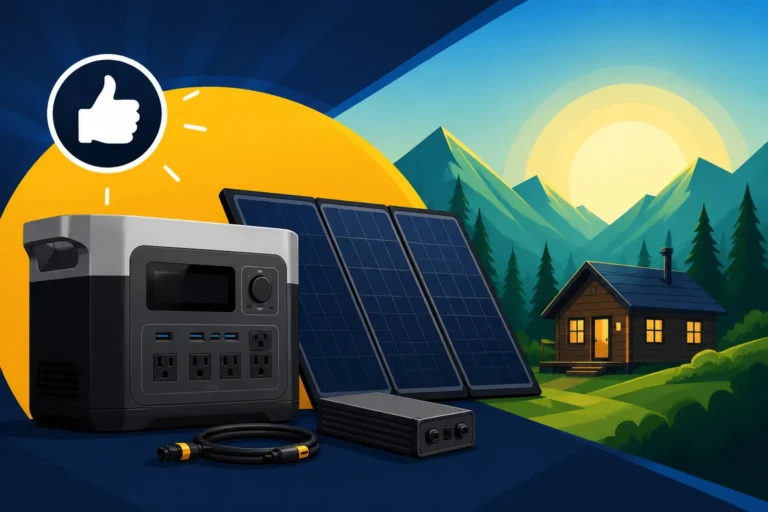
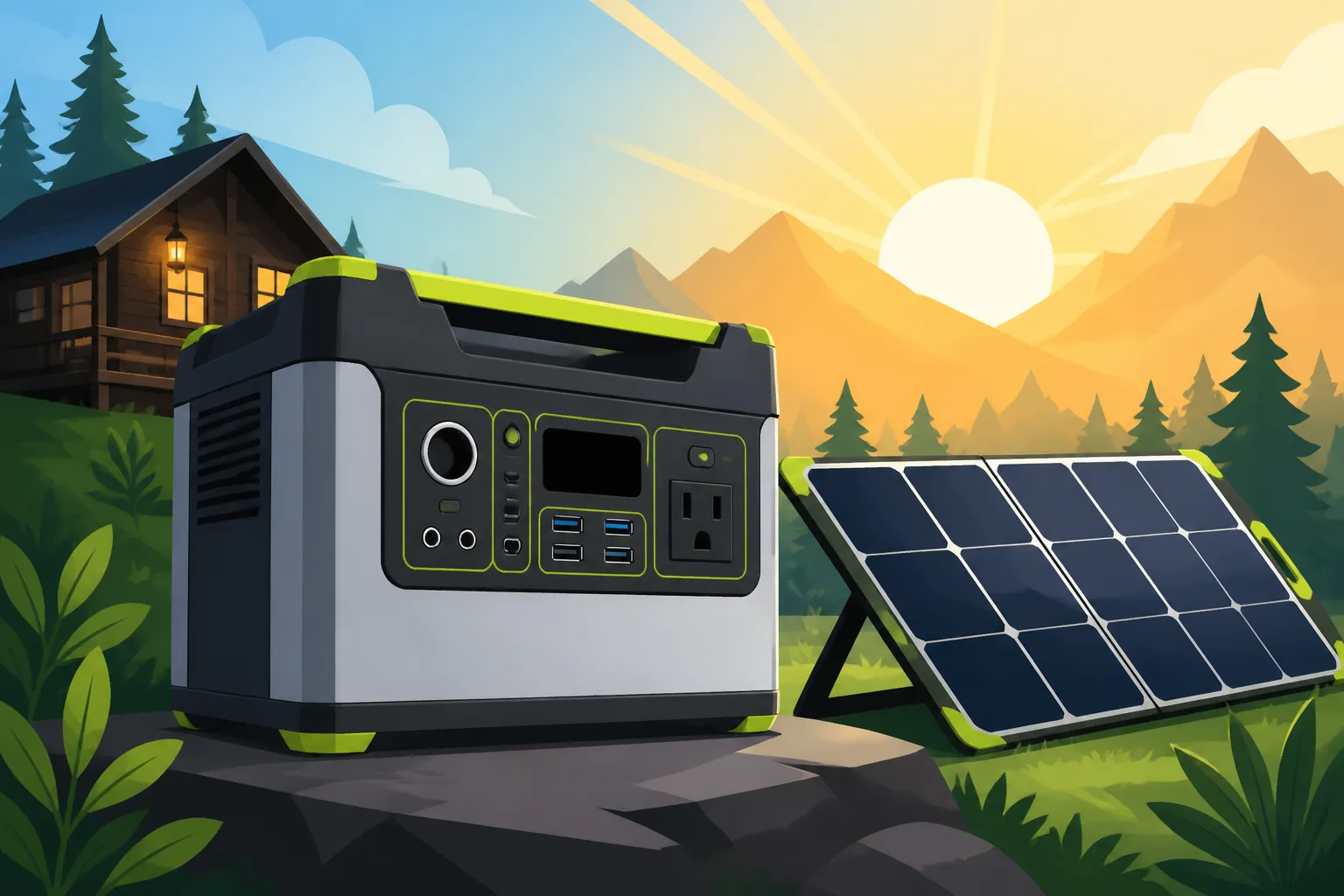
A Goal Zero Yeti isn't a traditional, permanently installed off-grid solar system. Instead, it's what we call a "solar generator" or "portable power station." Think of it as a giant, incredibly powerful battery pack with all the necessary electronics – an inverter, a charge controller, and a battery management system – built right into one sleek, often wheeled, unit. You can charge it up from a wall outlet, a 12V car adapter, or, crucially for off-grid purposes, connect it directly to solar panels. It then provides various outputs, from standard AC wall outlets to USB ports and 12V car ports, making it ready to power a wide array of devices and small appliances. Models range significantly in size and capability, from smaller units like the Yeti 500X designed for lighter use to much larger ones such as the Yeti 6000X, which can handle more substantial loads.
Why Consider a Portable Power Station for Off-Grid?
The allure of a portable power station for off-grid applications lies primarily in its simplicity and flexibility. For folks living in a tiny home, a camper van, or even a hunting cabin that's only used seasonally, the plug-and-play nature of a Yeti can be a game-changer. You don't need an electrician to wire it into your home's electrical system, nor do you typically need permits for its installation (though local regulations always vary). It's designed for immediate usability, meaning you can get power where and when you need it without the complex planning and extensive installation process of a full residential system. This makes it an attractive starting point for those dipping their toes into off-grid living or seeking power solutions for smaller, more mobile setups. When considering your energy needs, it's worth exploring guides like our How to Size an Off-Grid Solar System to ensure you pick the right capacity.
Key Features and Specifications for Off-Grid Use
Understanding the technical specifications of any portable power station, especially one from a brand like Goal Zero, is crucial for determining if it will meet your specific off-grid power demands. These units are more than just big batteries; they're integrated power hubs.
Power Output and Capacity
The most vital specs for any off-grid power solution are its capacity and output. Capacity is measured in Watt-hours (Wh) or Kilowatt-hours (kWh), indicating how much energy the battery can store. Output, typically measured in Watts, tells you how much power the unit can deliver at any given moment, often with a higher "surge" rating for starting motors or appliances that briefly draw more power.
Goal Zero offers a range of Yeti models, each with varying capacities and output capabilities. For example, a Yeti 1500X might offer 1516Wh of capacity and a 2000W AC inverter (with a 3500W surge), which is great for running laptops, lights, a mini-fridge, or even some power tools intermittently. Stepping up to a Yeti 3000X provides 3032Wh and the same 2000W inverter, giving you more run time, while the formidable Yeti 6000X boasts 6071Wh and a powerful 2000W inverter, suitable for more demanding applications or longer periods between recharges. To put this in perspective, powering a full-size refrigerator for a day might consume anywhere from 1000Wh to 2000Wh, so a 1500X might struggle with long-term refrigeration, whereas a 3000X or 6000X would offer more comfortable autonomy. This directly impacts the Cost to Run An Air Conditioner on Off-Grid Solar or other large appliances, so choose wisely based on your actual usage.
Input and Recharging Options
A power station is only as good as its ability to recharge, especially when you're off-grid. Goal Zero Yeti units typically offer multiple charging inputs:
- Wall Charger: This is the fastest way to charge from a standard AC outlet, perfect for topping up before heading out or when you have grid access.
- 12V Car Charger: Slower but convenient for charging on the go in a vehicle, though less efficient than solar.
- Solar Input: This is the bread and butter for off-grid use. Yeti models are designed to connect easily to Goal Zero's own line of Boulder or Nomad solar panels, which come in various wattages (e.g., Boulder 100, Boulder 200). You can often chain multiple panels together to increase your charging speed, within the Yeti's input limitations. Some advanced users might also adapt third-party panels, but this usually requires specific cables or adapters and careful attention to voltage compatibility. Understanding How Many Solar Panels for Off-Grid Living is key to ensuring your input matches your consumption.
The maximum solar input wattage is a critical factor. For instance, a Yeti 1500X or 3000X might accept up to 600W of solar input, while a 6000X could handle up to 1200W. This means you can connect enough panels to potentially fully recharge your unit in a single sunny day, depending on the available sunlight (peak sun hours) in your location.
Port Selection and Versatility
Beyond just AC outlets, the Yeti series offers a comprehensive suite of ports to power almost anything:
- AC Outlets: Standard 120V outlets for common household appliances.
- USB Ports (USB-A and USB-C PD): Essential for charging phones, tablets, laptops, and other portable electronics. The USB-C Power Delivery (PD) ports are particularly useful for fast-charging modern devices.
- 12V Ports: These include traditional car charger sockets (cigarette lighter style) and often a regulated 12V output. The regulated 12V output is a significant advantage for off-grid users running specific DC appliances (like certain fridges or LED lights) directly, as it avoids the efficiency losses associated with converting DC power to AC and back to DC. This is a subtle but important detail for maximizing your stored energy.
- High Power Port (HPP): Larger Yetis often feature a dedicated HPP or Anderson Powerpole port, designed for connecting higher-draw 12V devices or for faster solar charging.
This variety of ports makes Goal Zero units incredibly versatile, allowing you to power everything from sensitive electronics to small kitchen appliances without needing multiple adapters or power strips, a common pain point in simpler off-grid setups.
Pros of Using a Goal Zero Yeti for Off-Grid
There's a reason portable power stations like the Goal Zero Yeti have gained such traction in the off-grid community. They offer several distinct advantages that can make them an appealing choice, especially for those who aren't looking to build a massive, permanent system.
Portability and Ease of Setup
Perhaps the most significant benefit of a Goal Zero Yeti is its incredible portability and straightforward setup. Unlike a traditional off-grid solar system that demands fixed mounting for panels, extensive wiring, and a dedicated space for batteries and inverters, a Yeti is essentially plug-and-play. You can take it with you on a camping trip, move it from your RV to your cabin, or simply roll it out into the sun to charge and then bring it indoors.
For instance, imagine you're spending a week at a remote hunting cabin that lacks power. Instead of running a noisy, fuel-guzzling generator, you can simply bring your Yeti, unfold a couple of Goal Zero Boulder 200 solar panels outside, plug them in, and start powering your lights, phone chargers, and a small coffee maker. There's no complex How to Wire an Off-Grid Solar System or intricate component integration required. This accessibility makes it a fantastic option for beginners or those who value flexibility above all else. It's a truly self-contained unit that removes many of the technical hurdles associated with traditional off-grid power.
User-Friendliness and Safety
One of the biggest anxieties for newcomers to off-grid solar is safety and the potential for costly mistakes during installation. With a Goal Zero Yeti, much of that worry is removed. The entire system – battery, inverter, and charge controller – is integrated and pre-wired by the manufacturer. This means you don't have to concern yourself with complex wiring diagrams, sizing fuses, or ensuring proper grounding, which are all critical steps in a DIY build to avoid fire hazards or damage to components.
The units come with intuitive displays showing battery status, input/output wattage, and estimated run times, making monitoring your power simple. Many also connect to smartphone apps, offering even more detailed data and remote control. This level of user-friendliness is a huge plus for those who want reliable power without becoming an electrical engineer. It's significantly safer and simpler than, say, trying to build your own custom Off-Grid Solar System Design Basics from scratch if you lack the expertise.
Scalability and Modularity
While a single Goal Zero Yeti unit might seem limited compared to a large custom system, many models offer a degree of scalability. For example, some larger Yetis can connect to external expansion batteries, allowing you to effectively double or triple your overall stored capacity. This is a fantastic feature if your power needs grow over time or if you realize you need more backup for extended cloudy periods.
Moreover, the modular nature means you can start small and expand. You might begin with a Yeti 1500X and a couple of solar panels for weekend trips. Later, if you invest in a more permanent off-grid cabin, you could add another Yeti unit and more panels to create a larger, more robust setup. This flexibility contrasts with fixed systems, where expanding often means significant re-wiring or even replacing core components. This approach can be more manageable for budgeting and allows you to gradually build your off-grid independence, making it a viable consideration for understanding your overall Off-Grid Solar Cost: Complete Breakdown.
Cons and Limitations for True Off-Grid Living
While Goal Zero Yeti portable power stations offer undeniable convenience, it's crucial to approach them with a realistic understanding of their limitations, especially when considering them for serious or long-term off-grid living. They are not always a direct replacement for a custom-designed system.
Cost Versus Capacity
One of the most significant drawbacks of portable power stations, including Goal Zero Yetis, is their cost-to-capacity ratio when compared to building a custom off-grid battery bank. While you're paying for the convenience of an integrated, plug-and-play unit, that convenience comes at a premium.
For example, a high-capacity Goal Zero Yeti 6000X might cost several thousand dollars, offering around 6kWh of usable energy. If you were to build a Cost of an Off-Grid Solar Battery Bank with LiFePO4 batteries and a separate inverter and charge controller, you could often achieve a much larger capacity (e.g., 10-20 kWh) for a comparable or even lower price, especially if you're comfortable with DIY assembly. This becomes even more apparent when you look at the total How Much Does an Off-Grid Solar System Cost for a permanent dwelling. For light or temporary use, the Yeti's cost might be justifiable, but for a true full-time off-grid home, the initial investment per kilowatt-hour of storage is often less favorable.
Long-Term Durability and Repairability
Another consideration is the long-term durability and repairability of these integrated units. Goal Zero products are generally well-made, but they are designed as consumer electronics rather than industrial-grade power infrastructure. The batteries inside, typically Lithium-ion (Li-ion), are excellent, but like all batteries, they have a finite number of charge cycles. When the internal battery eventually degrades or fails, it's often not user-serviceable. This means replacing the entire unit or sending it in for specialized, potentially expensive, repairs.
In contrast, a custom off-grid system using reputable brands for its individual components (like Victron Energy inverters or Battle Born Batteries) is designed for longevity and modular replacement. If an inverter fails, you replace just the inverter. If a battery bank starts to degrade, you can often replace individual battery modules, extending the system's life significantly. This aspect becomes critical when planning for Off-Grid Solar Battery Replacement Cost Over Time and the overall lifespan of your investment.
Restricted Power Output for Heavy Loads
While the larger Yeti models offer impressive inverter sizes (often 2000W continuous with higher surge), they can still be limiting for households with significant AC loads. Running multiple high-draw appliances simultaneously, such as an electric water heater, a powerful well pump, or a clothes dryer, is typically beyond the sustained capability of even the largest Yeti.
For example, a well pump might require a substantial surge of power to start, and even if the Yeti can handle that brief surge, running it for an extended period could quickly deplete the battery and stress the inverter. Similarly, if you're serious about cooking with electric appliances or using an air conditioner, you'll likely hit the limits of a portable power station quite quickly. For scenarios involving these types of loads, a dedicated off-grid inverter and a robust battery bank (see Best Off-Grid Solar Batteries) are usually necessary to provide the consistent, high-amperage power required without constantly tripping breakers or running out of juice.
Not a True Whole-Home Solution
A Goal Zero Yeti, despite its capabilities, isn't typically designed to seamlessly integrate as the sole power source for a permanent off-grid home with an existing electrical panel. It's essentially a large, self-contained extension cord with multiple outlets. You can plug appliances directly into it, but connecting it to your home's breaker panel to power all your wall outlets and hardwired appliances usually requires additional, often complex, wiring and transfer switches, usually handled by a licensed electrician.
This lack of native whole-home integration means that if you want to power your entire house off-grid, a system built with a central inverter/charger that connects directly to your electrical panel is a more practical and code-compliant solution. While some clever DIYers might find workarounds, it's not the intended or safest primary power solution for a full residential setup. For real whole-home power, you'd be looking at a much more involved system, as detailed in guides like Off-Grid Solar System Sizing Guide.
Ideal Off-Grid Scenarios for a Goal Zero Yeti
Despite their limitations for large, permanent setups, Goal Zero Yetis truly shine in specific off-grid applications where their strengths — portability, ease of use, and quick deployment — outweigh the drawbacks. They are not a one-size-fits-all solution, but they are an excellent fit for certain lifestyles and needs.
Temporary or Small-Scale Needs
This is where the Goal Zero Yeti absolutely excels. If your idea of "off-grid" involves weekend camping trips, powering a remote workstation for a few days, or providing essential power to a tiny cabin used primarily in the summer, then a Yeti is likely a fantastic choice.
Imagine setting up a temporary camp in the wilderness: you can bring a Yeti, set out some portable panels, and effortlessly power LED lights, charge your camera and drone batteries, run a small fan, or even keep a portable freezer going. For the van life community or RV enthusiasts, a Yeti can provide supplemental power or serve as the primary source for a minimalist setup. It’s perfect for those shorter adventures where you need reliable power without the commitment of a full installation. For these users, guides on Off-Grid Solar Cost for an RV might offer a baseline, but the Yeti often represents a simpler, quicker entry point.
Supplementing an Existing System
Even if you have a more robust off-grid solar system, a Goal Zero Yeti can serve as a valuable supplementary power source. Perhaps your main system is tied to your house, but you need power in a detached garage or workshop that's too far to run heavy-gauge wiring. You could simply place a Yeti there, charge it with its own small set of panels, and have dedicated power for tools or lighting.
Another scenario is using it to offload specific heavy-draw items from your main battery bank. For example, if you have a sensitive medical device like a CPAP machine, having a dedicated Yeti for it provides redundancy and ensures critical power isn't impacted by fluctuations or heavy loads on your primary system. This can give you peace of mind and extend the life of your main battery bank by reducing its cycling.
When Budget and Space are Limited
For individuals with tight budgets or very limited space, a Goal Zero Yeti can be an accessible entry point into renewable energy. While larger models can be expensive, smaller Yetis offer a way to get basic power for essentials without the significant upfront investment and spatial requirements of a complete system (panels, mounts, inverter, charge controller, battery bank, wiring, safety equipment).
Consider a scenario where you're renting a small off-grid cabin and can't make permanent modifications. A Yeti allows you to bring your power solution with you and take it when you leave. For someone just starting their off-grid journey or an emergency preparedness enthusiast, the ability to store a compact, ready-to-use power source that can be charged from a variety of sources is invaluable. It’s a pragmatic approach for those who want to begin their journey towards energy independence without having to budget for an entire Off-Grid Solar Cost by System Size.
Alternatives and Comparisons
The Goal Zero Yeti occupies a specific niche in the off-grid power market, but it's far from the only option. Understanding its place relative to other solutions—both portable and permanent—is key to making an informed decision.
Other Portable Power Stations
The market for portable power stations has exploded, offering a wide array of competitors to Goal Zero. Brands like Jackery, EcoFlow, and Bluetti offer similar all-in-one units with varying capacities, features, and price points.
- Jackery: Often seen as a direct competitor, Jackery offers its Explorer series, known for being robust and reliable. Like Goal Zero, they focus on ease of use and often come with their own line of portable solar panels. Their pricing can sometimes be slightly more competitive, and they frequently run promotions.
- EcoFlow: EcoFlow's Delta and River series are popular for their fast charging speeds, some boasting the ability to recharge from 0-80% in under an hour from a wall outlet, which is a significant advantage for quick turnarounds. They also often feature higher continuous output wattages for their size.
- Bluetti: Bluetti also provides a broad range of power stations, from compact models to massive home backup solutions like the EP500 and AC300. Many Bluetti units integrate LiFePO4 batteries, known for their longer lifespan and improved safety compared to traditional Li-ion, making them a strong contender for heavier off-grid use.
When comparing these alternatives, look closely at battery chemistry (LiFePO4 generally offers more cycles), inverter wattage (continuous vs. surge), solar input limits, port selection, and charging speed. Each brand has its strengths, and what's "best" truly depends on your specific priorities and budget. Our article on Best Solar Generators for Off-Grid delves deeper into these options.
Building a DIY Off-Grid System
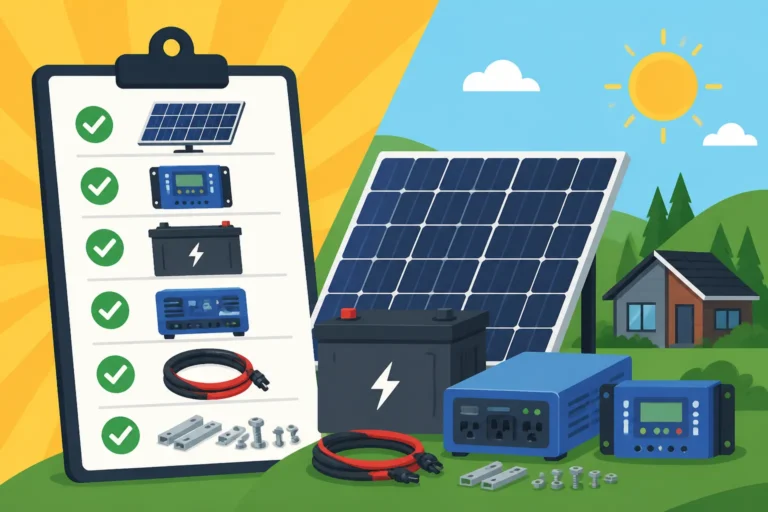
For those with a higher tolerance for complexity, a larger budget for individual components (or a desire to save on overall cost per watt-hour), and perhaps some electrical know-how, building a DIY off-grid solar system is a powerful alternative. This involves purchasing separate solar panels, a charge controller, an inverter, and a battery bank, then wiring them all together.
The main advantages of a DIY system are:
- Customization: You can tailor every component to your exact needs, from battery chemistry and size (How Many Batteries for an Off-Grid System) to inverter capacity and charge controller features. This allows for greater efficiency and optimization.
- Cost-Effectiveness (per kWh): While the initial learning curve and effort are higher, a DIY system often offers a significantly lower cost per kilowatt-hour of storage, making it more economical for long-term, substantial off-grid living. This is a key factor when you consider the overall DIY vs Professional Off-Grid Solar Cost.
- Repairability and Longevity: Individual components can be replaced or upgraded as needed, extending the system's life and making maintenance more straightforward.
However, the downsides include increased complexity, the need for electrical knowledge, and potential permitting requirements. It's a much bigger project than unboxing a Yeti.
Hybrid or Grid-Tied Solutions
Finally, it's worth noting that Goal Zero Yetis and similar portable power stations are distinctly different from hybrid or grid-tied solar systems.
- Grid-Tied Systems: These systems connect to the utility grid and typically don't include batteries. They generate power, and if you produce more than you consume, you send it back to the grid for credits (net metering). They don't provide power during a grid outage unless you add specific backup components.
- Hybrid Systems: These are a blend, connecting to the grid but also featuring battery storage. They can power your home during outages, supplement grid power during peak rates, and often send excess solar power to the grid.
Neither grid-tied nor hybrid systems are designed for portability, and their installation is a permanent fixture of your home. While a Goal Zero Yeti offers some basic emergency backup, it's not designed for the sophisticated load management and grid interaction that a hybrid system provides. When trying to How to Choose an Off-Grid Solar System, understanding these fundamental differences is paramount.
| Feature / Model | Goal Zero Yeti 1500X | Goal Zero Yeti 3000X | Goal Zero Yeti 6000X |
|---|---|---|---|
| Battery Capacity | 1516 Wh | 3032 Wh | 6071 Wh |
| Inverter (Continuous) | 2000W AC (3500W Surge) | 2000W AC (3500W Surge) | 2000W AC (3500W Surge) |
| Battery Type | Li-ion NMC | Li-ion NMC | Li-ion NMC |
| Solar Input Max | 600W | 600W | 1200W |
| AC Outputs | 2 x 120V AC (Pure Sine Wave) | 2 x 120V AC (Pure Sine Wave) | 2 x 120V AC (Pure Sine Wave) |
| DC Outputs | 1 x 12V Car, 1 x 12V High Power Port | 1 x 12V Car, 1 x 12V High Power Port | 1 x 12V Car, 1 x 12V High Power Port |
| USB Outputs | 2 x USB-A, 1 x USB-C PD, 1 x USB-C | 2 x USB-A, 1 x USB-C PD, 1 x USB-C | 2 x USB-A, 1 x USB-C PD, 1 x USB-C |
| Weight | ~45 lbs (20.7 kg) | ~68 lbs (31 kg) | ~106 lbs (48.1 kg) |
| Expandability | Yes (with Yeti Tank Expansion Battery) | Yes (with Yeti Tank Expansion Battery) | Yes (with Yeti Tank Expansion Battery) |
| Ideal Use Case | Small RV, Van Life, Weekend Cabin, Emergency Backup | Mid-sized RV, Longer Cabin Stays, Home Backup Essentials | Larger Off-Grid Cabin, Extended RV Trips, Significant Home Backup |
When you're trying to achieve true energy independence and step away from the grid, it's easy to get caught up in the allure of simple, all-in-one solutions. The Goal Zero Yeti series offers incredible convenience, portability, and user-friendliness, making it an excellent choice for temporary power needs, smaller off-grid applications like Off-Grid Solar Cost for a Tiny Home, supplemental power, or as an entry point into solar for emergency preparedness. However, for full-time off-grid living, especially in larger homes or with significant power demands, the cost, capacity, and power output limitations typically make a custom-built system a more robust and economical long-term solution. Always assess your specific power needs, budget, and technical comfort level before deciding if a Yeti is the right path for your off-grid journey.
Disclaimer
Please remember that while this article provides comprehensive information based on current knowledge, off-grid solar system design and installation can be complex and involve electrical hazards. Always consult with qualified professionals and adhere to all local codes and regulations when planning or installing any solar power system. The information provided here is for educational purposes only and should not be considered professional electrical or engineering advice.