EcoFlow Power Kit Review for Off-Grid Use
Facing the complexities of building a reliable off-grid power system can feel like deciphering an ancient scroll, especially when you're just trying to figure out how to keep the lights on and the fridge cold in your cabin or RV. This guide is all about cutting through that confusion, diving deep into the EcoFlow Power Kit to help you understand if this integrated solution is the streamlined, powerful answer you've been searching for to simplify your journey to energy independence.
Understanding the EcoFlow Power Kit's Appeal for Off-Grid Living
The world of off-grid power can be daunting, filled with talk of inverters, charge controllers, battery banks, and solar panels. It often means piecing together components from different manufacturers, hoping they all play nicely together. This is where the EcoFlow Power Kit steps in, aiming to offer a more unified, user-friendly approach that many off-gridders, especially those new to the lifestyle or with limited technical expertise, find incredibly appealing. It’s designed to simplify what can often feel like an overwhelming electrical engineering project.
What Makes the Power Kit Different from Traditional Systems?
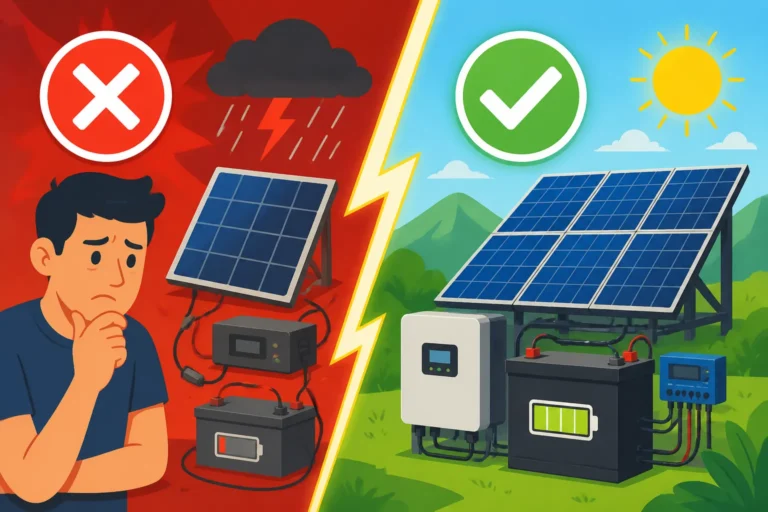
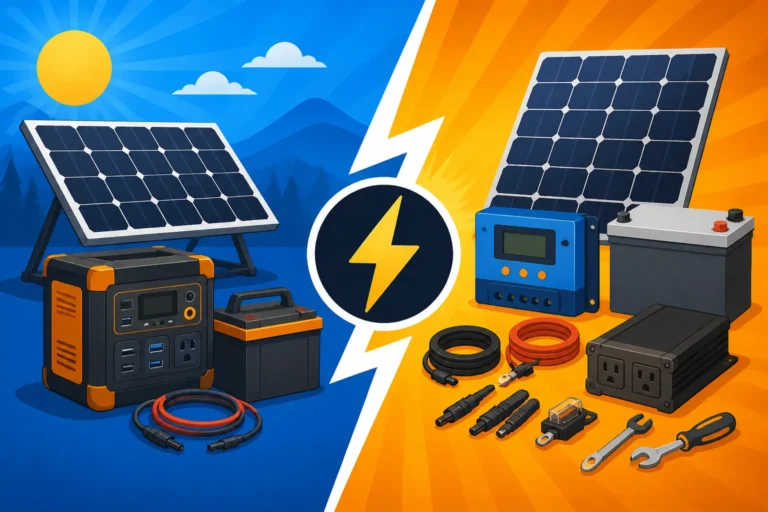
Traditionally, building an off-grid solar system involves selecting an inverter, a charge controller, batteries, and the solar panels themselves, then wiring them all up. Each component needs to be correctly sized and compatible with the others. For example, if you're trying to figure out how to size an off-grid solar system for a small cabin, you'd meticulously calculate your daily energy usage, then find the right solar panels, an inverter powerful enough for your peak loads, and a battery bank with enough capacity and days of autonomy. This process, while rewarding, requires a significant amount of research and electrical know-how.
The EcoFlow Power Kit, however, takes a different philosophy. It integrates several core components into a single, cohesive unit. Instead of buying a separate inverter, charge controller, and battery management system, you get a central "Power Hub" that handles these functions. This significantly reduces the complexity of wiring and ensures that all the crucial elements are designed to work together seamlessly. It's like buying a pre-assembled computer instead of building one from scratch; many of the compatibility headaches are taken out of the equation. This makes the system far more accessible for those who are looking for a powerful solution without having to become an expert electrician overnight.
Core Components and Their Role in Off-Grid Setup
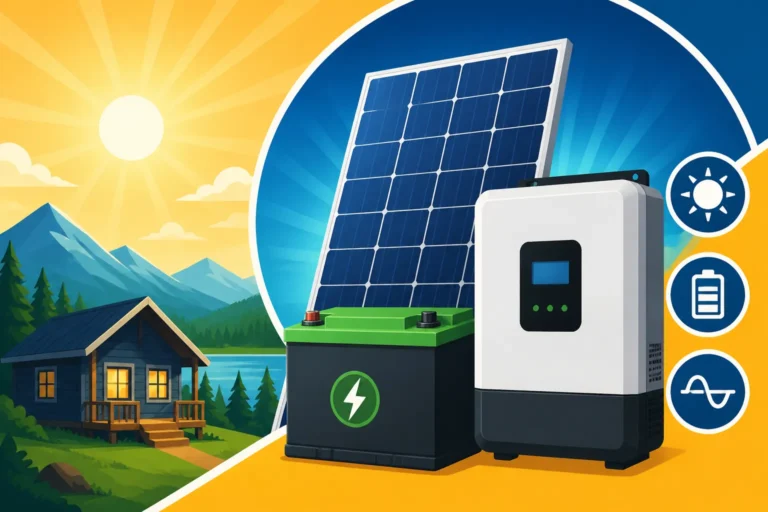
At the heart of any EcoFlow Power Kit is the Power Hub. This is the brain and brawn of the system, acting as an inverter, a battery charger, an MPPT solar charge controller, and often a DC-DC converter all rolled into one. It’s designed to efficiently manage power flow from various sources—whether that's solar panels, an alternator in your vehicle, or a shore power connection—and convert it into usable AC and DC power for your devices. This integration means fewer individual boxes to mount, less intricate wiring to run, and a more compact footprint, which is a huge plus for tight spaces like an RV or a tiny home.
Connected to the Power Hub are the stackable LFP (Lithium Iron Phosphate) batteries. These are designed for deep cycling and offer excellent longevity, which is crucial for full-time off-grid living. Unlike some older battery technologies, LiFePO4 batteries are known for their stable performance and thousands of charge cycles. The modular nature of these batteries allows you to expand your system's storage capacity over time, ensuring that your investment can grow with your needs. You might start with a smaller battery bank and later decide you need to add more capacity if you find yourself needing to run more demanding appliances or want greater energy autonomy. This modularity also gives you flexibility if you're trying to figure out how many batteries for an off-grid system you'll ultimately need.
Then, of course, there are the solar panels. While EcoFlow offers its own line of rigid and portable solar panels that integrate perfectly with their kits, the Power Hub is also generally compatible with third-party solar panels, giving you flexibility in your array design. The kits also often include distribution boxes and smart monitors, which further streamline the setup and allow for easy monitoring and control of your entire power system. These integrated components really do make a significant difference compared to piecing together individual components, which can be a real headache if you're not familiar with things like how to wire an off-grid solar system.
Deep Dive into EcoFlow Power Kit Features and Performance
When you're committing to an off-grid lifestyle, understanding the nitty-gritty details of your power system isn't just a suggestion; it's a necessity. The EcoFlow Power Kit packs a lot of technology into its compact design, promising robust performance and smart features that can genuinely enhance your experience. But let's peel back the layers and see what these features really mean for your day-to-day power needs.
Power Output, Battery Capacity, and Expandability
One of the most critical aspects of any off-grid system is its ability to meet your power demands. The EcoFlow Power Kits come in various configurations, typically offering inverter outputs ranging from 2,000 watts up to 3,600 watts, with surge capabilities that can often double that for short periods. This is vital for starting up inductive loads like refrigerators, microwaves, or power tools, which have a much higher "starting watt" requirement than their "running watt" usage. For example, a 3600W inverter is quite capable of running most household appliances, even simultaneously, as long as you've done your homework on your individual appliance needs.
The battery capacity is equally important, measured in watt-hours (Wh) or kilowatt-hours (kWh). EcoFlow offers modular LiFePO4 batteries, allowing you to choose capacities ranging from 2kWh up to 15kWh depending on the Power Kit model and how many battery modules you stack. This expandability is a huge advantage. You might start with a 5kWh battery bank, for example, which is great for a weekend warrior RV or a small shed, and then later decide to double it to 10kWh as your power needs grow or if you transition to full-time living. This flexibility means your initial investment isn't rigid; your system can evolve with your off-grid journey. If you're trying to figure out How Many Batteries for an Off-Grid System, this modular approach makes the decision process a bit easier, as you can always add more later if your initial estimates fall short.
Charging Versatility: Solar, Alternator, and Shore Power
A truly reliable off-grid system needs multiple ways to replenish its energy stores, and the EcoFlow Power Kit really shines here. It's designed to accept power from almost any source you can throw at it.
- Solar Charging: This is, of course, the cornerstone of off-grid living. The integrated MPPT (Maximum Power Point Tracking) charge controller within the Power Hub is highly efficient, maximizing the power harvested from your solar panels, even in less-than-ideal conditions. The kits often support significant solar input, with some models handling up to 4800W, which means faster charging times, especially on sunny days. When considering How to Calculate Off-Grid Solar Needs, remember that higher solar input capacity means you can often recover from cloudy days more quickly or power more loads directly from the sun.
- Alternator Charging: For those living on the move in an RV, van, or even an overlanding rig, the ability to charge directly from your vehicle's alternator is a game-changer. The Power Hub includes a DC-DC converter that can efficiently pull power from your engine's electrical system while you're driving. This means you're topping up your batteries just by commuting or heading to your next adventure spot, offering a robust secondary charging method that’s often overlooked in more traditional DIY setups.
- Shore Power Charging: When you do have access to a grid connection—perhaps you're at an RV park, visiting friends, or just back home—the Power Kit can rapidly charge its batteries from an AC outlet. This allows for quick, full recharges before you head back out into the wilderness, acting like a giant, super-fast battery charger for your entire off-grid setup.
- Generator Charging: If you have a gasoline or propane generator, the Power Kit can also utilize that for charging. This is an excellent backup for extended periods of low sunlight or when you have unusually high power demands. This multi-input capability drastically improves the reliability and resilience of your off-grid power supply, giving you peace of mind no matter where you are.
Smart Control and Monitoring for Seamless Operation
In the modern off-grid world, "smart" features aren't just luxuries; they're becoming essential. The EcoFlow Power Kit integrates seamlessly with a dedicated app on your smartphone, transforming your phone into a powerful control center. Through the app, you can monitor everything from your real-time power consumption, battery state of charge, and solar input to individual appliance usage. You can see precisely how much energy is coming in and how much is going out, helping you fine-tune your energy habits.
Beyond monitoring, the app allows for remote control. You can turn AC outputs on or off, adjust charging parameters, and even update the system's firmware to ensure you always have the latest features and optimizations. This level of granular control and real-time data is incredibly valuable for optimizing your power usage, troubleshooting potential issues, and ensuring the longevity of your system. For instance, if you're trying to ensure your batteries last as long as possible, being able to monitor their charge and discharge cycles and adjust settings like charge voltage or current can be a game-changer. Compared to simpler setups like some basic Jackery models, which offer more limited monitoring, the EcoFlow Power Kit offers a comprehensive overview, making it easier to manage your entire energy ecosystem. This digital interface truly makes living off-grid feel less like a survival experiment and more like a connected, modern lifestyle.
Practical Considerations for EcoFlow Power Kit Users
While the EcoFlow Power Kit offers an enticing package for off-grid power, it’s essential to look at it through a practical lens. No system is perfect for every situation, and understanding the nuances of installation, real-world performance, and the long-term financial picture will help you make an informed decision about whether it’s the right fit for your unique off-grid journey.
Installation Nuances and DIY Friendliness
One of the biggest selling points of the EcoFlow Power Kit is its emphasis on simplified installation. Unlike a traditional component-based system where you need to calculate wire gauges, understand series and parallel wiring for panels and batteries, and ensure every component is safely matched, the Power Kit streamlines much of this. The core Power Hub integrates the inverter, charger, and charge controller, reducing the number of individual components to mount and wire. The stackable batteries connect with heavy-duty, plug-and-play cables, meaning you don't have to fuss with complex battery wiring. This "plug-and-play" aspect is a huge win for DIY enthusiasts who might be intimidated by a full-blown electrical install but still want the satisfaction of setting up their own system. If you're looking for a DIY Off-Grid Solar Installation Step by Step guide that is relatively less complex, the Power Kit certainly makes things easier.
However, "simplified" doesn't mean "zero effort." You'll still need to mount the Power Hub and batteries securely, run cables from your solar panels to the hub, connect to your AC distribution panel (if applicable), and ensure proper grounding. Depending on your setup (RV, tiny home, cabin), this could involve drilling holes, routing conduit, and adhering to local electrical codes, even if they are less stringent for off-grid systems. For example, installing panels on an RV roof still requires careful consideration of sealing penetrations and securing mounts to withstand road vibrations and wind. While the internal wiring of the Power Hub is handled, the external connections still require careful attention and a basic understanding of electrical safety. So, while it lowers the barrier to entry significantly, it’s not entirely hands-off.
Real-World Performance and Limitations
In practice, the EcoFlow Power Kits generally live up to their promises of reliable power. Users often praise their clean sine wave output, which is crucial for sensitive electronics, and the rapid charging capabilities. The ability to monitor and control everything from an app is a huge convenience, giving you a clear picture of your power situation at all times.
However, like any system, there are limitations. While the integrated design is fantastic for simplicity, it can also mean less flexibility for advanced customization compared to a fully modular system. If you want to use a specific brand of high-performance inverter or a charge controller with unique features, you might be limited by the EcoFlow ecosystem. For instance, if you're a seasoned off-gridder who likes to mix and match the "best" components (say, a top-tier Victron inverter with Battle Born batteries), the Power Kit might feel a bit restrictive.
Another consideration is temperature. While LiFePO4 batteries generally perform well across a wide range, extreme cold can impact their charging performance. Some EcoFlow batteries include heating elements for cold weather, but it's still something to factor in if you're operating in very cold climates year-round. Also, while the Power Hub is efficient, every conversion (DC to AC, AC to DC) results in some energy loss, which is true for any inverter-based system. Understanding your typical power consumption and knowing how to How Many Watt-Hours You Use Per Day is critical to setting realistic expectations for how long your system will last between charges, especially during periods of low sunlight.
Cost-Effectiveness and Long-Term Value
When it comes to the Off-Grid Solar Cost: Complete Breakdown, the EcoFlow Power Kit sits in a unique position. It's often perceived as a premium solution, and indeed, the upfront cost can be higher than piecing together the cheapest individual components yourself. However, this higher price tag often reflects the value of integration, engineering, and the streamlined installation process. When you factor in the time saved on research, wiring, and potential troubleshooting that a complex DIY build might entail, the value proposition starts to look more attractive. The ease of installation might save you money on professional labor if you were considering hiring an electrician for a traditional build.
Looking at the long-term value, the use of high-quality LiFePO4 batteries is a significant advantage. These batteries boast a much longer lifespan and more charge cycles than traditional lead-acid batteries, meaning fewer replacements over the life of your system. While the initial investment in Best Off-Grid Solar Batteries like lithium can be higher, their longevity often translates to lower overall lifetime costs. The modularity also means you can upgrade components (like adding more battery capacity) without overhauling the entire system, protecting your initial investment.
| Power Kit Size (Example) | Inverter Output (AC) | Battery Capacity (Min-Max) | Approx. Max Solar Input | Ideal Use Case | Estimated Price Range (Kit) |
|---|---|---|---|---|---|
| Basic Small Kit | 2000W | 2kWh – 5kWh | 1600W | Van Life, Small RV, Shed | $4,000 – $8,000 |
| Mid-Range Kit | 3600W | 5kWh – 10kWh | 3200W | Larger RV, Tiny Home, Cabin | $8,000 – $15,000 |
| Advanced Large Kit | 3600W (expandable) | 10kWh – 15kWh | 4800W | Full-Time Living, Larger Cabin | $15,000 – $25,000+ |
Note: Prices are approximate and can vary based on retailer, promotions, and specific configurations.
Compared to some entry-level solar generators or even barebones DIY setups, the EcoFlow Power Kit offers a robust, integrated solution designed for continuous use. While a simple Jackery portable power station might get you through a weekend camping trip, the EcoFlow Power Kit is built for more sustained off-grid living, offering the kind of durability and capacity needed for powering a refrigerator, lights, and even an air conditioner in a larger dwelling. When you factor in the efficiency, smart features, and long lifespan of its components, the total Off-Grid Solar Return on Investment can be quite favorable over time, especially when avoiding the recurring costs of utility bills or generator fuel.
Is the EcoFlow Power Kit Right for Your Off-Grid Journey?
Deciding on the right off-grid power system is a deeply personal choice, intertwined with your lifestyle, budget, and technical comfort level. The EcoFlow Power Kit definitely carves out a niche for itself, offering a compelling blend of power, convenience, and modern features. But like any major investment, it's about matching the tool to the task.
Ideal Scenarios and Use Cases
The EcoFlow Power Kit truly shines in situations where integration, ease of installation, and compact design are paramount. If you’re building out a camper van, a travel trailer, or a small RV, where space is at a premium and complex wiring diagrams are a nightmare, this kit is incredibly appealing. Its modular batteries and all-in-one Power Hub mean you can maximize usable space and get your system up and running with far less effort than a traditional build. The multi-charging capabilities—solar, alternator, shore power—also make it incredibly versatile for mobile applications, ensuring you're never stranded without power, whether you're driving down the highway or parked in a sunny spot.
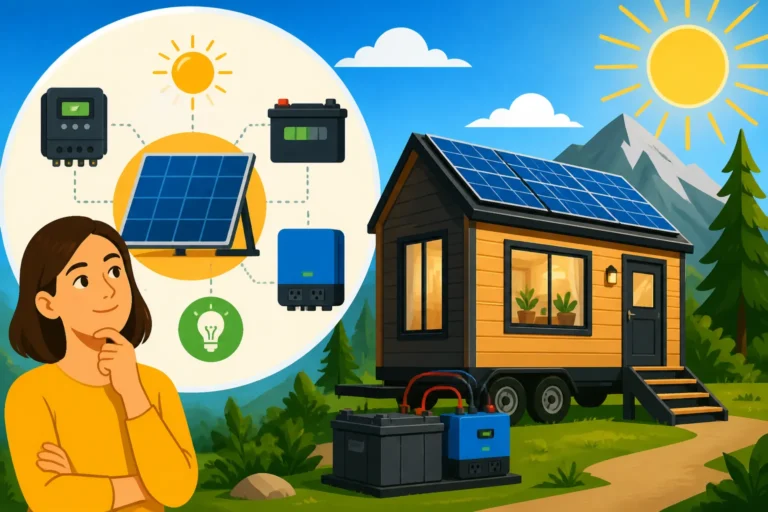
Tiny homes and smaller cabins can also benefit greatly. For someone who wants to power their remote retreat without becoming an electrical engineer, the Power Kit offers a sophisticated yet accessible solution. It can handle most standard household appliances, from your refrigerator to your television and even some power tools in a workshop. For beginners entering the off-grid world, the intuitive app-based control and monitoring simplify learning about energy consumption and management. It’s a fantastic option for those who want a robust, expandable system without the headache of component selection and intricate wiring, providing a solid foundation for their independent power journey. It's essentially a comprehensive solution for those asking, "How to Choose an Off-Grid Solar System?" and seeking a relatively straightforward path.
When to Consider Alternatives
While the EcoFlow Power Kit is excellent, it's not a one-size-fits-all solution. There are definitely scenarios where exploring alternatives makes more sense.
If you're an experienced DIYer with a strong background in electrical systems, or if you simply enjoy the process of custom building, you might find the integrated nature of the Power Kit a bit restrictive. A fully custom-built system allows for ultimate flexibility in component choice. You could cherry-pick specific brands for your Best Off-Grid Solar Inverters, choose a Best MPPT Charge Controllers that offers specialized features, and opt for a Cost of an Off-Grid Solar Battery Bank that perfectly fits your unique needs and budget, potentially squeezing out more performance or saving money by opting for different component suppliers. This path, while more complex, offers unparalleled control and optimization. For some, the cost of an off-grid solar system could be reduced through strategic DIY choices.
Another consideration is sheer scale. For very large, high-demand homesteads that require extensive power for multiple buildings, heavy machinery, or year-round air conditioning in extreme climates, a custom-designed, grid-scale off-grid system might offer better scalability and specialized configurations than what the Power Kit currently provides. While the Power Kit is powerful, systems needing 20+ kWh of battery storage or 10kW+ of continuous inverter output often lean towards more traditional, commercial-grade components.
Finally, if your power needs are truly minimal—think basic lighting, phone charging, and a small fan for a very occasional camping trip or a remote shed that only sees seasonal use—the EcoFlow Power Kit might be overkill. In such cases, a smaller, more portable solar generator from brands like Jackery or Bluetti, or even a very basic DIY setup using a single small panel and a 12V battery, could be a more cost-effective and appropriate solution. These smaller setups are often significantly cheaper and lighter, perfectly suited for intermittent, low-power applications without the investment of a full-fledged Power Kit. Understanding your specific Off-Grid Solar Cost by System Size will help you align your needs with the right solution.
Disclaimer
Please remember that information in this guide is for educational purposes only. Off-grid solar system installation and maintenance involve working with electricity, which can be dangerous. Always consult with qualified professionals and adhere to all local codes and safety regulations when designing, installing, or servicing any electrical system.