Off-Grid Solar Generator Installation Mistakes to Avoid
Embarking on the journey to energy independence with an off-grid solar generator is incredibly exciting, but let's be real: the installation process can feel like navigating a maze blindfolded. Many folks, fueled by enthusiasm, dive in without fully understanding the critical steps, only to hit frustrating roadblocks, system failures, or even dangerous electrical hazards. This guide is here to walk you through the most common off-grid solar generator installation mistakes, offering practical advice to help you avoid those painful pitfalls and set up a reliable, safe system right from the start.
Underestimating Your Power Needs and Sizing Errors
One of the biggest blunders people make when setting up an off-grid solar generator system is simply getting the sizing wrong. It’s easy to look at a small unit and think, "That'll be enough for my cabin lights," but the reality of daily power consumption often hits harder than expected. A system that's too small means constant worry about running out of juice, dead batteries, and appliances not working when you need them most.
Skipping a Comprehensive Load Analysis
Before you even think about buying a solar generator, you absolutely must do a thorough load analysis. This isn't just a suggestion; it's the bedrock of a successful off-grid system. Many people just eyeball it or guess, which inevitably leads to problems. You need to list every single electrical device you plan to use, how many watts it draws, and how many hours per day you plan to use it. Don't forget those phantom loads, either – things like phone chargers, modems, or even the clock on your microwave that draw tiny amounts of power 24/7. These small draws add up over a day and can significantly impact your battery autonomy.
A casual approach here means you'll likely undersize your battery bank or your solar panel array, leading to a system that struggles to keep up. Imagine trying to run a well pump and a refrigerator at the same time, only for your system to groan and cut out because you didn't account for their combined draw. It's a common, heartbreaking scenario. Taking the time to really nail down your daily energy usage is paramount.
Forgetting About Surge Power Requirements
Another easily overlooked aspect of sizing is surge power. While an appliance's running watts is what it consumes once it's on, many devices – especially those with motors like refrigerators, well pumps, or power tools – demand a much higher starting wattage for a brief moment when they kick on. This initial surge can be 2-3 times their running wattage, or even more. If your inverter, which is part of your solar generator, isn't capable of handling these brief, high power demands, it will simply shut down to protect itself.
Many people buy an inverter based solely on the continuous wattage of their highest-draw appliance, completely forgetting about that momentary surge. This leads to frustration when your trusty freezer refuses to start, even though your solar generator theoretically has enough power. Always check the surge rating of your inverter and compare it to the starting watts of your most demanding appliances. You can often find this information on the appliance's label or in its manual. Remember, your inverter is the gateway for your AC power, and if it's too small, nothing else matters.
Not Accounting for Days of Autonomy and Weather
Off-grid living means facing the whims of Mother Nature, and one of the biggest challenges is maintaining power during periods of low sunlight. Cloudy days, heavy rain, snow cover, or even shorter winter days can drastically reduce your solar panel output. A critical mistake is not factoring in "days of autonomy" – how long your battery bank can sustain your loads without any charging from your solar panels.
Many DIYers assume they'll have perfect sun every day, only to be left in the dark after a few days of bad weather. You need to realistically assess your local climate and design your system to handle at least 2-3 days, or even more, of cloudy weather, especially if you live in a region prone to extended periods of overcast skies. This means oversizing your battery bank significantly to store enough energy for these lean times. It's not about having just enough for today, but enough for a few tomorrows when the sun isn't cooperating. This goes hand-in-hand with understanding How Many Batteries for an Off-Grid System and How Many Solar Panels for Off-Grid Living.
Improper Wiring and Component Connections
Even with the right components, a beautifully sized system can be crippled, or worse, become a fire hazard, due to incorrect wiring and connections. This is where meticulous attention to detail is non-negotiable.
Using the Wrong Wire Gauge
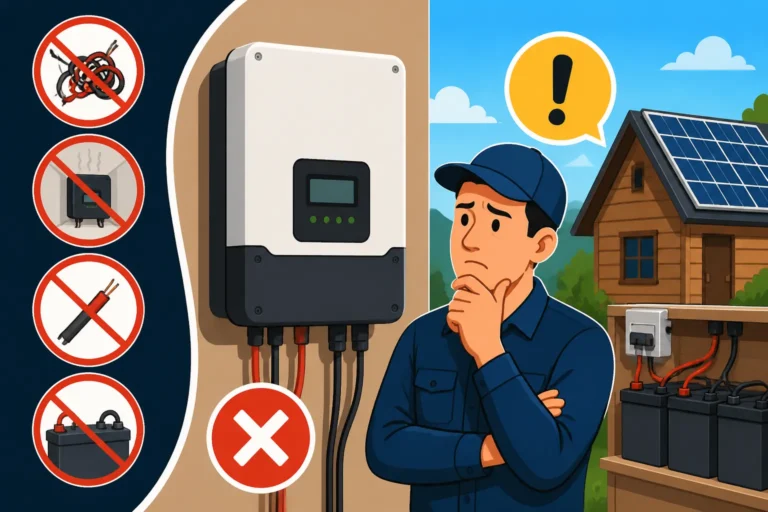
One of the most common and dangerous wiring mistakes is using wire that's too thin (too high a gauge number) for the current (amps) it needs to carry over a given distance. Undersized wires act like resistors, heating up under load, wasting precious energy, and posing a serious fire risk. I've seen melted insulation and browned terminals from this exact issue. Many people simply use whatever wire they have on hand or grab a cheap roll from the hardware store without calculating the proper size.
You need to consider the amperage flowing through the wire and the length of the run. Longer runs and higher amperage demand thicker wires to minimize voltage drop and prevent overheating. There are plenty of wire gauge calculators online that will tell you exactly what you need based on your system voltage, current, and wire length. Never skimp on wire gauge; it's a critical safety component. For serious off-grid setups, companies like Renogy often provide clear guidelines for their specific kits, but it's always worth double-checking for your unique installation. Getting How to Size Wire and Cables right is fundamental.
Incorrect Polarity and Loose Connections
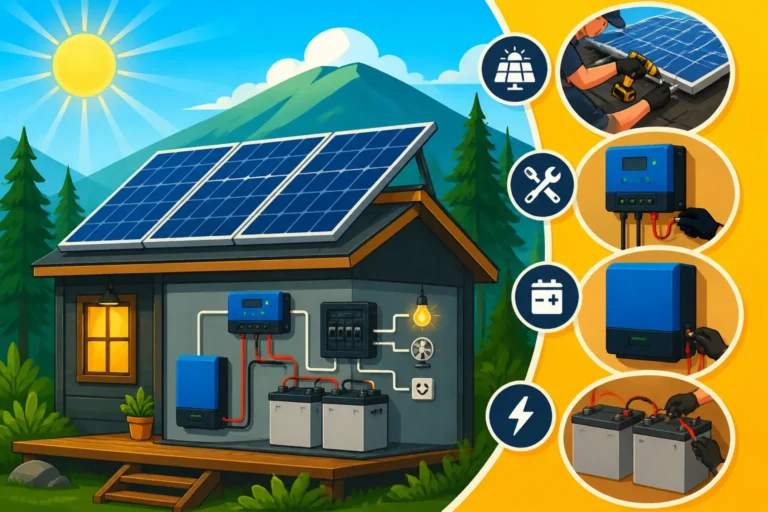
This might sound basic, but reversing polarity (connecting positive to negative and vice-versa) is an easy and catastrophic mistake, especially when dealing with DC circuits from your solar panels to your charge controller, or from your battery bank to your inverter. At best, you'll blow a fuse; at worst, you can severely damage expensive components like your charge controller or inverter. Always double-check your positive (red) and negative (black) terminals before making a final connection.
Equally problematic are loose connections. A loose wire can create resistance, leading to heat buildup, arcing, and intermittent power issues. All connections – from your solar panels to your combiner box, from your battery terminals to your inverter – must be tight and secure. Use appropriate tools, like crimpers for terminals, and always give a gentle tug on wires to ensure they're firmly seated. A wobbly connection is a recipe for disaster. This is especially true when wiring a battery bank, where Battery Bank Wiring Configurations must be precise.
Neglecting Fuses and Breakers
Fuses and circuit breakers are the unsung heroes of electrical safety. Their job is to interrupt the circuit if there's an overcurrent (like a short circuit or an overloaded appliance), preventing damage to your equipment and, more importantly, preventing fires. A serious installation mistake is skipping these vital protective devices or using the wrong size. People sometimes think, "I don't need a fuse, I'll be careful," but accidents happen, and electronics can fail unexpectedly.
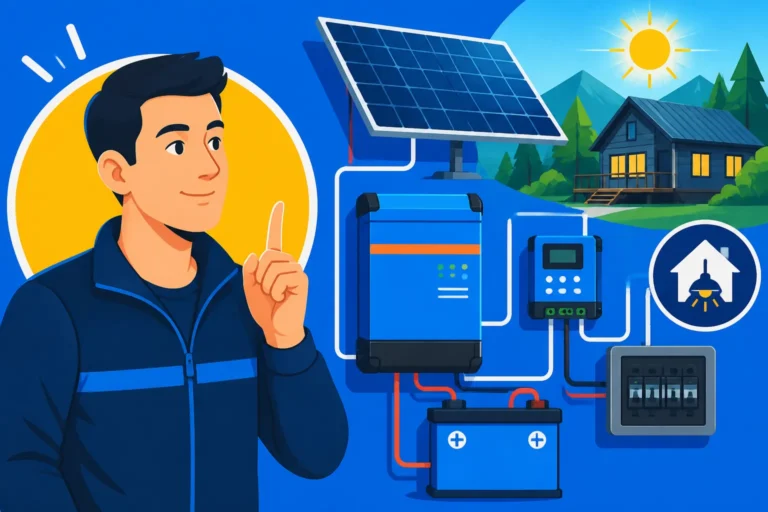
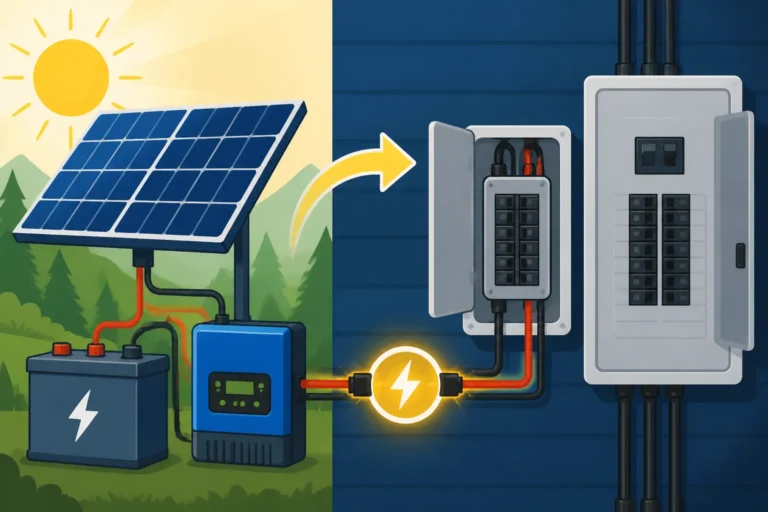
You need properly sized fuses or breakers on the DC side (between your solar panels and charge controller, and between your battery bank and inverter) and on the AC side (between your inverter and your AC loads). These should be rated slightly above your maximum expected operating current but below the maximum current your wires and components can safely handle. Ignoring these safeguards is playing with fire, quite literally. Understanding How to Size Fuses and Breakers is non-negotiable for system safety.
Neglecting Safety and Regulatory Requirements
Going off-grid often evokes images of freedom from rules, but when it comes to electricity, safety and adherence to codes are paramount, even if you’re out in the boonies. Overlooking these aspects can have severe, even fatal, consequences.
Improper Grounding of the System
Proper grounding is one of the most critical, yet often misunderstood, safety measures in any electrical system, including off-grid solar. Grounding provides a safe path for fault currents to dissipate into the earth, preventing dangerous voltage buildup on equipment enclosures and protecting against electrical shock. Many DIYers either skip grounding altogether or perform it incorrectly, assuming it's an unnecessary complication for an off-grid setup.
Every major component in your solar generator system – panels, inverter, charge controller, and battery enclosure – should be properly grounded to a common grounding point, which is then connected to a robust earth ground (like a copper rod driven deep into the soil). This ensures that if a fault occurs, say, a live wire touches the metal casing of your inverter, the fault current flows safely to ground, tripping a breaker or blowing a fuse, rather than electrifying the entire system. Ignoring grounding puts everyone near the system at risk.
Inadequate Ventilation for Components
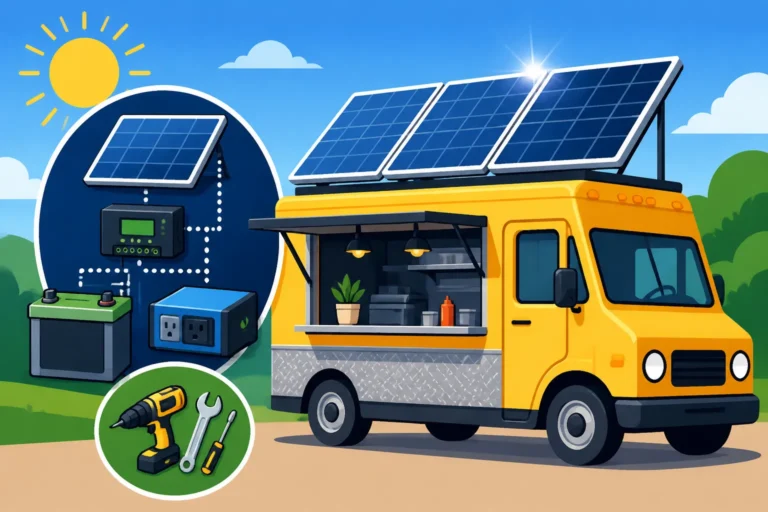
Heat is the enemy of electronics and batteries. Solar generators, inverters, and especially batteries (particularly lead-acid types, but even lithium can be sensitive to extreme heat) generate heat during operation. A common mistake is enclosing these components in sealed, unventilated spaces like small sheds, closets, or cramped RV compartments. This leads to overheating, reduced efficiency, shortened component lifespan, and in severe cases, fire or battery thermal runaway.
For lead-acid batteries, inadequate ventilation also means a buildup of explosive hydrogen gas during charging, creating a serious explosion hazard. Even modern lithium batteries, while safer, require good airflow to prevent overheating and maintain optimal performance. Ensure that your solar generator, inverter, and battery bank are installed in a space with ample airflow. If using an enclosure, make sure it has proper vents, and consider active cooling fans if necessary, especially in warmer climates.
Ignoring Local Electrical Codes and Permits
While off-grid systems might seem to exist outside the jurisdiction of traditional utility regulations, that's often not the case, especially if your structure is considered a permanent dwelling. Many jurisdictions have specific electrical codes (like the National Electrical Code, or NEC, in the US) that apply to any electrical installation, grid-tied or off-grid. A significant mistake is assuming you don't need permits or inspections because you're "off the grid."
Local authorities often require permits and inspections for off-grid solar installations to ensure they meet safety standards and are correctly installed. Failing to obtain necessary permits can lead to fines, forced system removal, or even issues with homeowner's insurance in case of a fire or accident. Even if you're truly in a remote area with no oversight, following established codes is still the smartest move for safety and longevity. Researching Off-Grid Solar Permits and Codes can save you a world of trouble down the line.
Poor Placement and Environmental Considerations
Where you put your solar generator and its associated components matters more than you might think. Haphazard placement can lead to efficiency losses, accelerated wear and tear, and security vulnerabilities.
Improper Panel Orientation and Shading
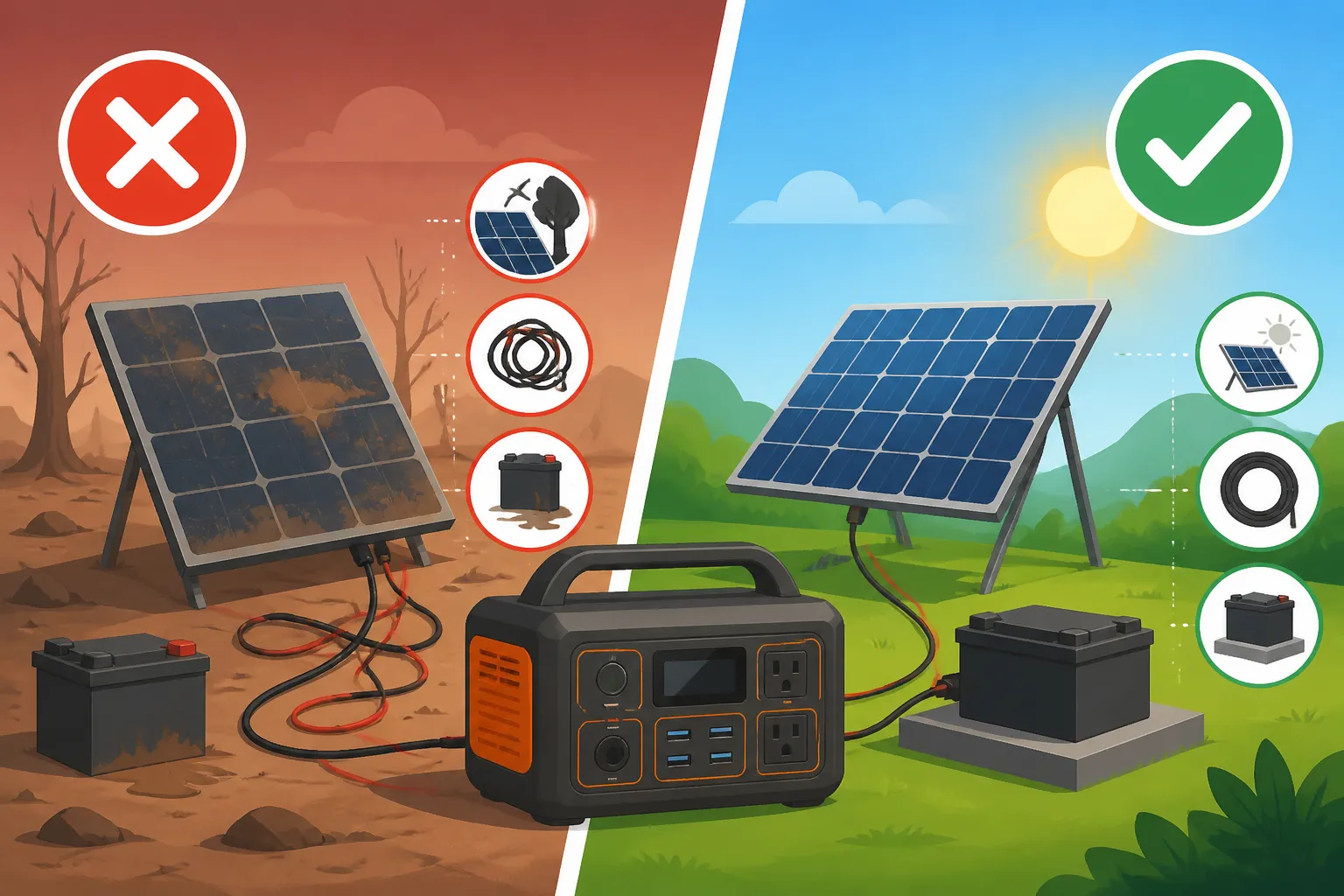
Your solar panels are your energy collectors, and their efficiency is directly tied to their exposure to sunlight. A critical error is installing panels in a location that gets significant shading during the day, even for short periods. A single shaded cell on a panel can drastically reduce the output of the entire string of panels, not just the shaded one. Trees, chimneys, other buildings, or even utility poles can cast shadows that move throughout the day and year.
Before installation, meticulously observe your chosen location throughout the day and across different seasons to identify any potential shading issues. Orient your panels to face true south (in the Northern Hemisphere) or true north (in the Southern Hemisphere) at an optimal tilt angle for your latitude and seasonal needs. This might mean investing in a ground mount system rather than a roof mount if your roof isn't ideal. Every watt counts when you're off-grid, so maximizing your solar harvest is key. If you're buying solar panels, be it from a specialized store or a general retailer like Amazon, make sure they come with clear installation instructions on optimal placement. Discovering Best Tilt Angle for Off-Grid Panels can make a huge difference in year-round output.
Exposing Components to Harsh Weather
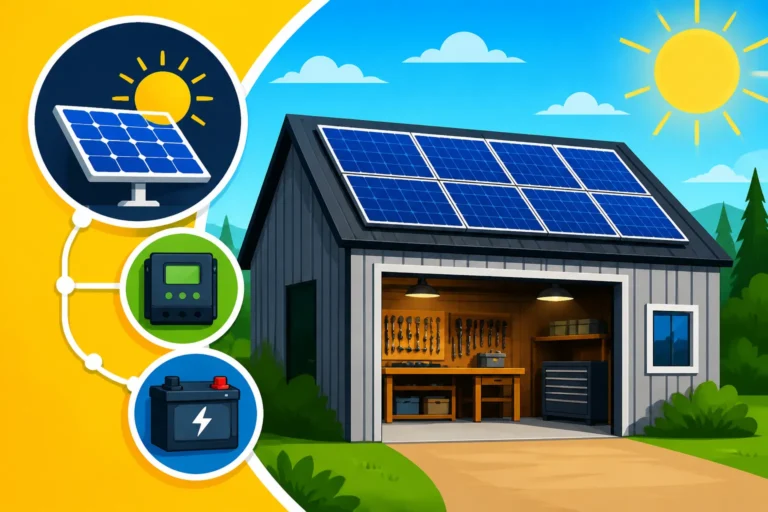
While solar panels are designed to withstand the elements, other components of your solar generator system are much more sensitive. Inverters, charge controllers, and especially battery banks are not meant to be left completely exposed to direct rain, snow, extreme temperatures, or prolonged humidity. A common mistake is installing these delicate electronics in an open, unprotected area.
Moisture can short out circuits, extreme cold can drastically reduce battery performance and lifespan, and extreme heat can damage inverters and batteries. Always install your inverter, charge controller, and batteries in a protected, weather-resistant enclosure. This could be a purpose-built battery box, a sheltered part of a shed, or inside your RV or cabin. Ensure the enclosure provides protection from the elements while still allowing for proper ventilation. Consider the climate you live in when choosing components; some are rated for wider temperature ranges than others.
Neglecting Security and Accessibility
Your off-grid solar generator system represents a significant investment, both in money and in your energy independence. A mistake often made is neglecting the physical security of your components, especially those installed outdoors. Solar panels, batteries, and even entire solar generators can be attractive targets for theft if not properly secured.
Furthermore, ensure that all components are easily accessible for maintenance, troubleshooting, and future expansion. Cramming batteries into an impossible-to-reach corner or mounting an inverter where you can't read its display will only cause headaches down the line. Plan for periodic cleaning of panels, battery checks, and potential component replacements. Your system should be a joy to use, not a nightmare to maintain. Thinking about How to Design an Expandable System from the start can also help with future access.
Common Off-Grid Solar Generator Installation Mistakes and Solutions
To help summarize some of these key points, here’s a quick overview of common mistakes and straightforward solutions.
| Installation Mistake | Potential Consequence | Recommended Solution |
|---|---|---|
| Incorrect System Sizing | Frequent power outages, damaged batteries, insufficient power for needs. | Perform a detailed load analysis, calculate surge needs, and plan for 2-3+ days of autonomy. |
| Using Undersized Wires | Overheating, energy loss, fire hazard, voltage drop. | Use appropriate wire gauge calculators; always err on the side of thicker wire. |
| Reversed Polarity/Loose Connections | Component damage, short circuits, arcing, intermittent power. | Double-check all positive/negative connections; ensure all terminals are tight and secure. |
| Omitting Fuses/Breakers | Fire hazard, irreparable damage to expensive equipment. | Install correctly sized fuses/breakers on both DC and AC circuits. |
| Poor System Grounding | Electrical shock hazard, damage from fault currents. | Ground all major components to a common earth ground. |
| Inadequate Ventilation | Overheating, reduced component lifespan, battery gas buildup (explosion risk). | Provide ample airflow, use vents, consider cooling fans, especially for batteries and inverters. |
| Panel Shading/Incorrect Orientation | Significant loss of power generation, inefficient system. | Conduct a thorough site assessment for shade; optimize panel tilt and azimuth for year-round sun. |
| Exposing Components to Weather | Component damage, reduced lifespan, potential safety hazards. | Install sensitive components (inverter, charge controller, batteries) in a protected, weather-resistant enclosure. |
| Neglecting Security/Accessibility | Theft, difficult maintenance, troubleshooting headaches. | Secure outdoor components; ensure all parts are easily accessible for inspection and service. |
| Ignoring Local Codes/Permits | Fines, forced removal, insurance issues, safety risks. | Research local regulations; obtain all necessary permits and inspections. |
Thinking Long-Term About Your Off-Grid System
Remember, an off-grid solar generator isn't a "set it and forget it" solution, especially not during installation. It’s a dynamic system that needs care and consideration from day one. Avoiding these common mistakes will save you countless headaches, potential hazards, and costly repairs down the road.
Beyond installation, also consider the ongoing Off-Grid Solar Maintenance Costs. Proper installation is the first step in minimizing these. If you're starting with a foundational setup, thinking about How to Phase an Off-Grid Solar Build to Spread Cost might be helpful, but ensure each phase is installed correctly. For those considering the long haul, understanding the Lifetime Cost of an Off-Grid Solar System is also wise. Building a robust, safe, and efficient system requires careful planning, a solid understanding of electrical principles, and a commitment to doing things right. Take your time, do your research, and don't hesitate to consult resources or even a professional if you feel out of your depth on any particular aspect of your off-grid solar installation. Your peace of mind, and the longevity of your investment, are absolutely worth it.
Disclaimer
The information provided in this article is for general informational purposes only and does not constitute professional advice. Off-grid solar system installation involves electricity and can be dangerous if not performed correctly. Always consult with qualified professionals and adhere to all local electrical codes and safety regulations. The author and publisher are not responsible for any injury, damage, or loss resulting from the use or misuse of this information.