EcoFlow Power Kit for Off-Grid: Specs and Review
Embarking on the off-grid journey can feel overwhelming, especially when you're faced with a dizzying array of components and complex wiring diagrams. Many folks dream of energy independence but get bogged down by the sheer technicality of piecing together a solar system from scratch. This comprehensive guide is here to demystify one of the most exciting integrated solutions on the market: the EcoFlow Power Kit. We'll dive deep into its specifications, real-world performance, and help you decide if this all-in-one approach is the perfect fit for your off-grid aspirations.
What is the EcoFlow Power Kit and Why is it Catching On?
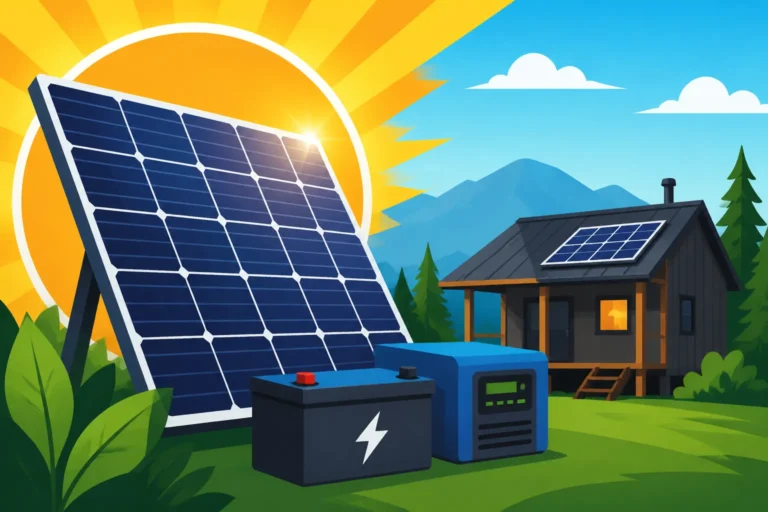
The EcoFlow Power Kit is an innovative, modular power solution designed to simplify off-grid energy setups. Instead of buying individual solar panels, batteries, inverters, and charge controllers from different manufacturers and then painstakingly connecting them, the Power Kit offers a streamlined, integrated approach. It bundles the core components into a cohesive system, making the process much more approachable for DIY enthusiasts and those who prefer a less complicated installation. It’s a genuine game-changer for people seeking to power everything from their RVs and tiny homes to remote cabins and workshops without the grid.
The All-in-One Appeal for Off-Grid Living
One of the biggest frustrations in building an off-grid system is the compatibility headache. You might find a great deal on a set of batteries, but then wonder if your chosen inverter can handle their voltage and surge capacity, or if your charge controller is optimized for their chemistry. The EcoFlow Power Kit largely eliminates this guesswork. Everything is designed to work together seamlessly, from the Power Hub that combines the functions of an inverter and charge controller, to the LFP (Lithium Iron Phosphate) batteries that are robust and long-lasting. This integration doesn't just simplify installation; it also often means more efficient operation, as the components are optimized to communicate and perform in unison. It takes a lot of the mental load off your shoulders, allowing you to focus more on enjoying your off-grid lifestyle and less on troubleshooting electrical quirks.
Who is the EcoFlow Power Kit Designed For?
While the EcoFlow Power Kit is versatile, it truly shines for specific types of off-grid users. It’s an ideal solution for RV owners, van lifers, and tiny home inhabitants who need a compact, powerful, and relatively easy-to-install system. The modular nature means you can scale it to your needs, whether you're just powering basic lights and a fridge in a small camper or running a full household of appliances in a larger tiny home. For those embarking on their first off-grid build, the kit’s simplified wiring and clear instructions can be a huge relief, reducing the steep learning curve often associated with setting up a traditional system. If you're someone who values convenience, reliability, and a clean aesthetic, and perhaps you're not an expert electrician, the Power Kit is definitely worth a closer look.
Diving Deep into the EcoFlow Power Kit's Key Specifications
To really understand if the EcoFlow Power Kit can meet your demands, we need to peel back the layers and look at the nitty-gritty specifications. It's not enough for something to be "easy to install"; it also needs to deliver reliable power where and when you need it. This kit is built around several core components, each playing a vital role in your off-grid energy independence.
Power Hub: The Brains of the Operation
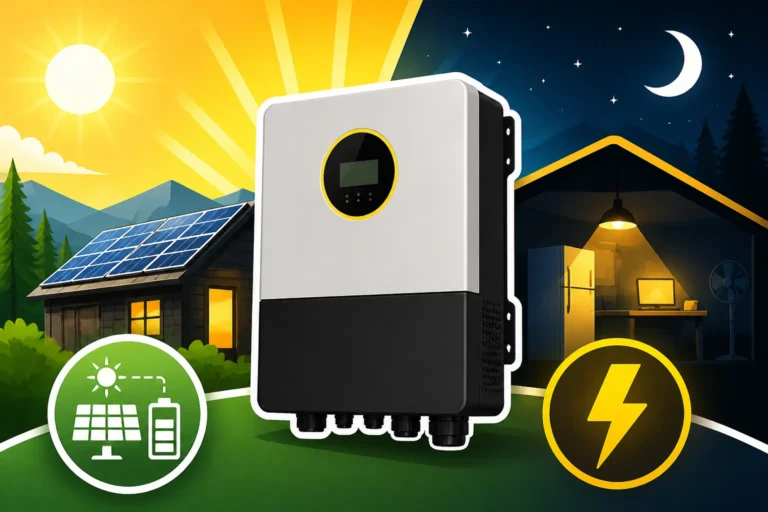
At the heart of every EcoFlow Power Kit is the Power Hub. This single unit cleverly integrates five essential components: a bi-directional inverter, an MPPT solar charge controller, a DC-DC converter, a battery charger, and a mains input module. This combination is what truly sets the kit apart, drastically reducing the amount of wiring and the number of individual devices you need to manage. It's available in different capacities, typically 2kW, 3.6kW, or 7.2kW, which refers to its continuous AC output power. The higher the wattage, the more powerful appliances you can run simultaneously, like a microwave, coffee maker, or even an air conditioner. When considering your needs, it's crucial to perform a thorough Off-Grid Solar Load Calculation Explained to ensure the Power Hub you choose can handle your peak demands.
The Power Hub’s integration of a high-efficiency MPPT charge controller means it can optimally harvest power from your solar panels, even in less-than-ideal conditions. The bi-directional inverter allows it to not only convert DC battery power to AC for your appliances but also charge your batteries from AC shore power or a generator when solar isn't available. This flexibility is invaluable for ensuring you always have power, no matter the situation. Understanding How to Size an Off-Grid Inverter is key to selecting the right Power Hub for your unique energy profile.
Batteries: The Heart of Your Off-Grid System
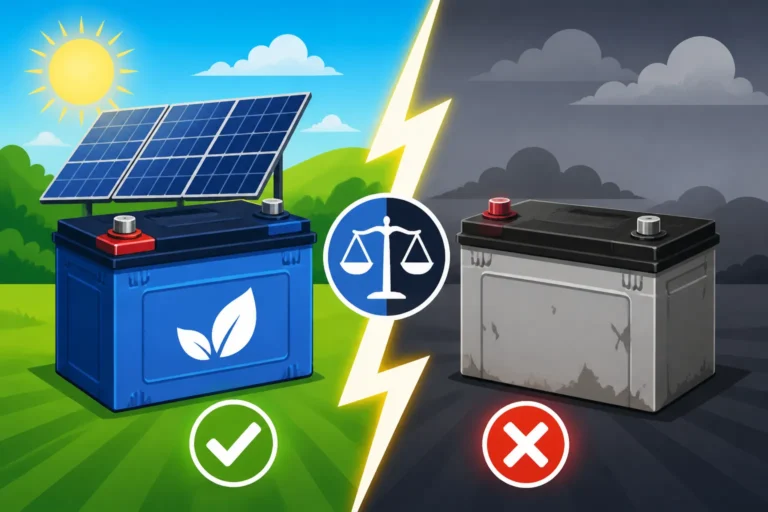
EcoFlow Power Kits utilize advanced LiFePO4 (Lithium Iron Phosphate) batteries, known for their long lifespan, safety, and excellent performance. Unlike older lead-acid batteries, LiFePO4 batteries offer a much higher depth of discharge (typically 80-100% usable capacity), meaning you can use more of the stored energy without damaging the battery. They also have a significantly longer cycle life, often 3,000-6,000 cycles, which translates to many years of reliable power. The Power Kit offers batteries in various capacities, typically 2kWh and 5kWh modules, which can be stacked to create a larger battery bank. You can connect up to three of the 2kWh batteries or two of the 5kWh batteries per Power Hub, or even combine them for custom configurations.
The choice of Best Off-Grid Solar Batteries is arguably the most critical decision for system longevity and performance, and EcoFlow's reliance on LiFePO4 is a major plus. For those curious about the specifics, delving into LiFePO4 vs Lead-Acid Battery Cost can highlight the long-term value, despite a higher upfront investment. The modular design simplifies How Many Batteries for an Off-Grid System calculations and installation, as they simply plug into the Power Hub, bypassing complex battery wiring that can be a headache for DIYers.
Solar Input and Charging Options
One of the standout features of the EcoFlow Power Kit is its flexible charging capabilities. Of course, solar is primary, and the system can handle a substantial amount of solar input, depending on the Power Hub model. For instance, the 3.6kW Power Hub can manage up to 4800W of solar input, allowing you to connect a sizable array of panels. This is crucial for ensuring your batteries get fully topped up, especially during shorter winter days or periods of increased usage. You can purchase EcoFlow’s proprietary rigid or flexible solar panels, but the Power Hub is also compatible with many third-party solar panels, as long as their voltage and current specifications fall within the acceptable range.
Beyond solar, the Power Hub supports charging from your vehicle's alternator (DC-DC charging), shore power (AC input), and even smart generators. This multi-input charging strategy is a huge advantage for off-grid living, providing redundancy and ensuring you're never left without power. Imagine you're at an RV park, you can simply plug in to quickly recharge your entire system. Or if you have a traditional gasoline generator, you can connect it for a rapid boost to your batteries when solar isn't cutting it. This adaptability makes the EcoFlow Power Kit incredibly practical for diverse off-grid scenarios.
AC/DC Output Capabilities
The Power Kit is designed to power both AC and DC loads, covering virtually all your appliance needs. The integrated inverter provides clean, pure sine wave AC power, which is essential for sensitive electronics like laptops, medical devices, and modern appliances that might be damaged by the "dirty" power from modified sine wave inverters. You’ll have multiple AC outlets available, usually accessible through a smart distribution panel.
In addition to AC, the system offers various DC outputs. These include common 12V outputs for things like LED lighting, water pumps, and other low-power DC appliances, which often run more efficiently directly from DC. Some kits even feature USB-A and USB-C ports, making it convenient to charge your phones and tablets directly from the Power Hub or the Smart Distribution Panel without needing additional adapters. This thoughtful inclusion of diverse output options means you have power exactly where you need it, in the format that makes the most sense for your devices.
Real-World Performance and User Experience
Specifications on paper are one thing, but how does the EcoFlow Power Kit truly perform when you're living with it day in and day out? From installation to daily management, the user experience is a critical factor for any off-grid power system.
Installation and Setup: Is it Truly DIY-Friendly?
One of the biggest selling points of the EcoFlow Power Kit is its claim of simplified, plug-and-play installation, and for the most part, it lives up to the hype. Traditional off-grid solar systems require extensive wiring knowledge, crimping tools, careful fuse and breaker selection, and understanding various component interactions. With the EcoFlow Power Kit, many of those complexities are handled internally by the Power Hub. The batteries connect with heavy-duty, color-coded cables that simply plug in, and the solar panel connections use standard MC4 connectors.
While you'll still need to mount your solar panels (you might opt for Renogy solar panels or other brands available on Amazon), and safely route cables, the actual electrical connections between the core components are incredibly straightforward. EcoFlow provides clear instructions and plenty of online resources, making it accessible even for those with limited electrical experience. This significantly lowers the barrier to entry for many aspiring off-gridders. If you're looking for guidance on the broader process, our DIY Off-Grid Solar Installation Step by Step guide offers excellent complementary information.
Managing Your Power: The EcoFlow App and Display
Modern off-grid living relies heavily on data, and the EcoFlow Power Kit delivers with intuitive monitoring. Each kit comes with a Smart Home Panel or a Power Kit Console, a sleek touchscreen display that provides real-time information on your battery state of charge, solar input, power consumption, and more. It’s like having a dashboard for your entire energy system right at your fingertips.
Beyond the physical display, the EcoFlow app for smartphones offers even greater control and detailed insights. You can monitor your system remotely, adjust charging parameters, set AC output limits, and even receive alerts if there's an issue. This level of granular control and real-time feedback is incredibly empowering. It helps you understand your energy habits better, optimize your consumption, and ensure you're making the most of your solar harvest. For anyone who's ever struggled with cryptic LED indicators on basic charge controllers, this sophisticated monitoring system is a breath of fresh air.
Reliability and Durability in Off-Grid Environments
An off-grid system needs to be tough and dependable. The EcoFlow Power Kit components are generally well-built and designed to withstand the rigors of mobile or remote living. The LiFePO4 batteries are known for their thermal stability and resilience, making them safer and more robust than other lithium-ion chemistries. The Power Hub itself is housed in a sturdy casing, often designed to be relatively compact for space-constrained installations.
However, like any complex electronic system, proper installation and care are paramount. Ensuring adequate ventilation for the Power Hub and protecting batteries from extreme temperatures (especially freezing) will extend the system's life significantly. While no system is entirely foolproof, EcoFlow’s reputation for quality in the portable power station market generally extends to their Power Kits, providing peace of mind for those relying on them for their daily power needs.
Pros and Cons: Weighing the Decision for Your Off-Grid Dreams
Every significant investment for your off-grid lifestyle comes with its own set of advantages and disadvantages. The EcoFlow Power Kit, while innovative, is no exception. It's essential to weigh these factors against your specific needs, budget, and comfort level with DIY projects.
The Advantages of a Unified System
The most significant advantage of the EcoFlow Power Kit is its incredible simplicity and integration. You don't have to spend hours researching Best Off-Grid Solar Inverters or comparing dozens of charge controllers. The system is designed to work together, minimizing compatibility issues and streamlining the entire installation process. This "all-in-one" approach often saves significant time and reduces the potential for wiring errors, which can be both frustrating and dangerous. For beginners, it’s a much less intimidating entry point into off-grid solar.
Furthermore, the compact design of the Power Hub saves space, which is a huge benefit in RVs, vans, and tiny homes where every square inch counts. The advanced LiFePO4 batteries offer a long cycle life and deep discharge capability, ensuring reliable power for years. The multiple charging inputs (solar, shore, alternator, generator) provide excellent flexibility and redundancy, giving you peace of mind that you'll always have a way to recharge. Lastly, the intuitive app and console offer superior monitoring and control, making daily power management a breeze.
Potential Drawbacks and Considerations
While the integration is a major plus, it can also be a drawback for some. Because the Power Hub combines multiple components, if one part of the hub fails, you might have to replace the entire unit, which can be costly. In a traditional component system, you could replace just the faulty inverter or charge controller. This lack of modularity within the Power Hub itself is something to consider.
Another factor is the cost. While the convenience is high, the initial Off-Grid Solar Cost: Complete Breakdown for an EcoFlow Power Kit can sometimes be higher than piecing together individual components, especially if you're adept at finding deals on wholesale parts or buying used equipment. You're paying a premium for the engineering, integration, and user-friendly design. While brands like EcoFlow offer excellent products, comparing their kits to what you could build with components from a brand like Victron Energy or even a more budget-friendly Renogy Off-Grid Inverter Review might reveal different price points and feature sets. The proprietary nature of the battery connections also means you're generally locked into EcoFlow's battery ecosystem, which could limit future upgrade options outside their brand.
EcoFlow Power Kit vs. Traditional Component Systems
Deciding between an integrated solution like the EcoFlow Power Kit and a custom-built system from individual components is a classic dilemma for off-gridders. There's no single "right" answer; it truly depends on your skills, budget, and long-term vision.
Cost Comparison and Long-Term Value
When you look at the upfront cost, a complete EcoFlow Power Kit, especially one with significant battery capacity and a high-wattage Power Hub, can seem substantial. You're paying for convenience, engineering, and a streamlined experience. For example, a mid-range Power Kit might cost several thousand dollars, including the Power Hub, two 5kWh batteries, and a distribution panel. If you were to source individual Off-Grid Solar System Components Explained—like a separate pure sine wave inverter, a high-quality MPPT charge controller, and Best Lithium Batteries for Off-Grid from different brands—you might find options that appear cheaper on paper. However, this comparison often overlooks the hidden costs of a traditional build: the time spent researching compatibility, the cost of extra wiring, fuses, breakers, and the potential for installation errors that lead to wasted components or even safety hazards.
From a long-term value perspective, the durability and lifespan of LiFePO4 batteries in the EcoFlow kit are a significant advantage. They outperform Cost to Replace Off-Grid Solar Batteries of lead-acid counterparts over their lifetime, despite a higher initial price. The efficiency of integrated components also means less energy loss, maximizing your solar harvest and extending battery life. Ultimately, while the initial sticker price might be higher, the ease of installation, reliability, and extended lifespan of the EcoFlow system can offer excellent long-term value and peace of mind, especially for those who prioritize a hassle-free setup. Don't forget to consider How to Budget for an Off-Grid Solar System to truly compare.
Flexibility and Scalability for Future Needs
One of the key considerations is how flexible and scalable your system needs to be. Traditional component-based systems often offer more flexibility. You can mix and match brands, easily upgrade individual components as technology improves, or expand your system by adding more panels or batteries from different manufacturers, as long as they are compatible with your existing setup. For instance, if you initially build a small system for a shed, you can incrementally scale it up to power a larger cabin over time by adding more panels, a bigger inverter, or expanding your battery bank in a completely customized way.
The EcoFlow Power Kit, while modular in its initial setup (you choose how many batteries and what size Power Hub), offers less flexibility once installed. You're generally locked into EcoFlow's ecosystem for major upgrades or replacements. While you can add more EcoFlow batteries or panels up to the Power Hub's limits, you can't easily integrate, say, a different brand of 48V server rack battery or a standalone charge controller into the integrated Power Hub. For those who anticipate significant, unpredictable expansion or desire to fully customize every aspect of their system with components from various suppliers, a traditional build might offer more long-term freedom. However, for most users who want a robust, pre-engineered solution that can still grow within its designed parameters, the Power Kit offers sufficient scalability.
Final Thoughts on Powering Your Off-Grid Lifestyle
The EcoFlow Power Kit represents a significant leap forward in making off-grid solar power more accessible and less daunting. For years, the dream of energy independence was often overshadowed by the complex technical challenges of designing and installing a reliable system. EcoFlow has successfully tackled many of these pain points, offering a sophisticated yet user-friendly solution that prioritizes convenience without sacrificing performance.
Whether you're equipping a weekend camper, a full-time tiny home, or a remote workspace, the Power Kit's integrated design, robust LiFePO4 batteries, and intuitive monitoring capabilities make it a strong contender. It's an ideal choice for those who value efficiency, ease of installation, and a streamlined approach to power management. While it might come with a slightly higher upfront cost compared to some DIY component builds, the time saved, reduced complexity, and inherent reliability often make it a worthwhile investment for a truly hassle-free off-grid experience.
Disclaimer
Please remember that going off-grid involves working with electricity, which can be dangerous if not handled properly. Always consult with qualified professionals and adhere to local electrical codes and safety guidelines when designing and installing any off-grid solar system. The information provided in this guide is for informational purposes only and should not be taken as professional electrical advice.