Bluetti Solar Panels Review for Off-Grid
Trying to piece together a reliable off-grid solar setup can feel like a daunting task, especially when you're wading through a sea of brands and technical jargon. Many of us just want to know if a specific product lives up to its hype and if it's truly a good fit for our independent power needs. This guide dives deep into Bluetti solar panels, giving you the real-world insights you need to decide if they're the right choice for powering your adventures, cabin, or emergency backup system.
Understanding Bluetti Solar Panels for Off-Grid Living
When you’re looking to cut the cord and generate your own power, the solar panels themselves are the very foundation of your energy independence. Bluetti has carved out a significant niche in the portable power station market, and their solar panels are designed to complement that ecosystem, though they certainly have broader applications. It’s not just about slapping some panels on your roof; it’s about understanding the technology, the build quality, and how they fit into your unique off-grid lifestyle.
Why Bluetti Panels Stand Out
Bluetti solar panels are generally known for a few key characteristics that make them attractive, particularly for those seeking portability and ease of use. They often feature monocrystalline cells, which are renowned for their higher efficiency rates compared to polycrystalline panels, meaning you get more power from a smaller footprint. This is a huge benefit when you’re dealing with limited space, whether that's on an RV roof, a tiny cabin, or even just setting up a temporary camp.
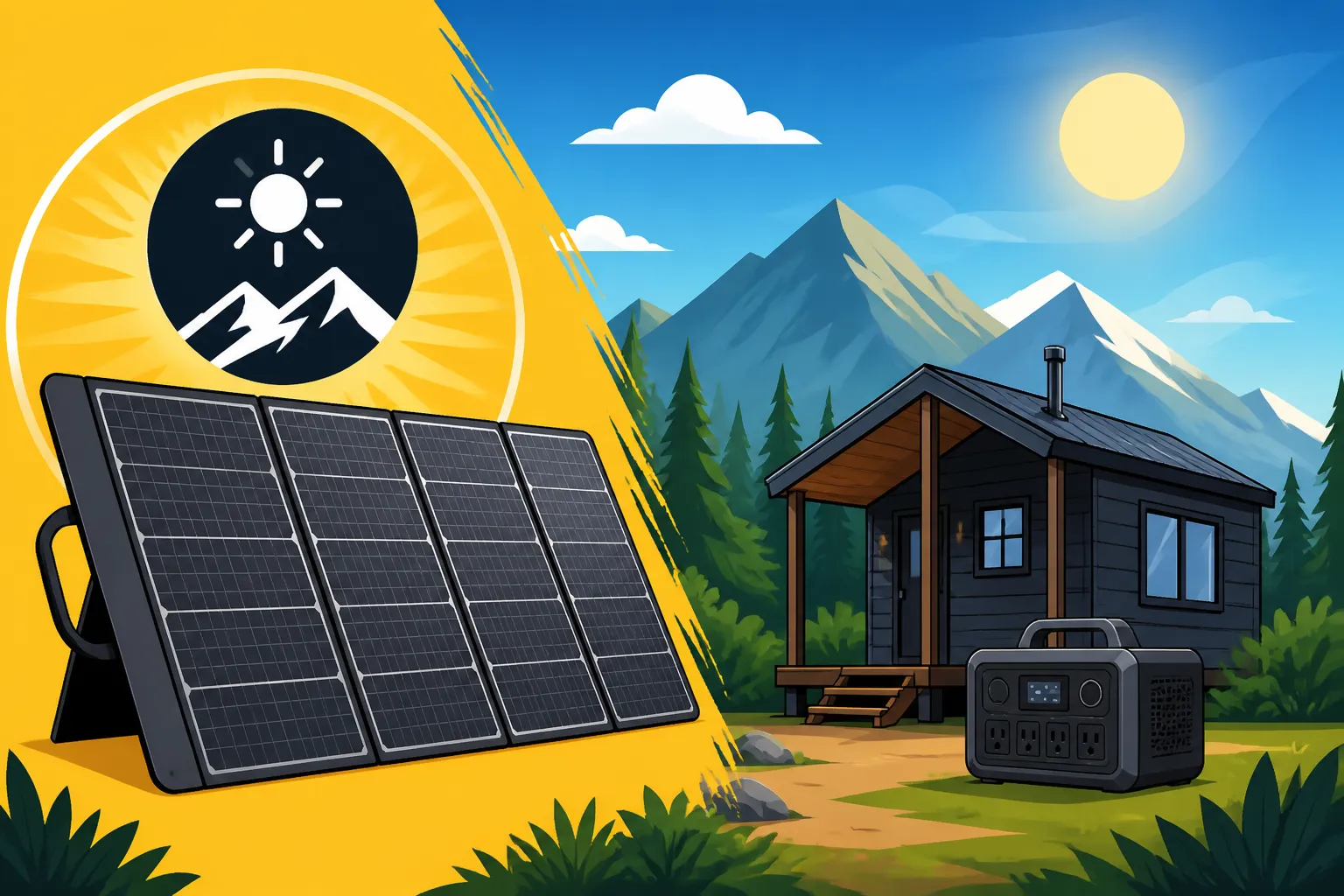
Beyond efficiency, Bluetti panels often incorporate durable materials like ETFE (ethylene tetrafluoroethylene) lamination, which provides excellent light transmittance and a longer lifespan, resisting UV light, corrosion, and general wear and tear far better than some cheaper alternatives. This protective layer is crucial because your panels are constantly exposed to the elements. Imagine hauling your panels to a remote location only to have them degrade quickly – that’s a frustration Bluetti aims to alleviate with its robust construction. Their panels are typically designed to be foldable, making them incredibly convenient to store and transport. This folding design often comes with a kickstand feature, allowing you to quickly set them up and adjust the angle to maximize sunlight capture, a game-changer when you're chasing the sun throughout the day or season. Many off-gridders understand that getting the Best Tilt Angle for Off-Grid Panels can significantly impact power production, and these adjustable stands make that easy.
Different Models and Their Specifications
Bluetti offers a range of solar panel models, primarily distinguished by their wattage and whether they are rigid or foldable. For the off-grid community, their foldable options are particularly popular. You'll typically find panels in wattages like 120W, 200W, 350W, and even 420W. Each model is designed with different use cases in mind.
For instance, the Bluetti PV120 or PV200 panels are fantastic for smaller setups, like charging up an EcoFlow Delta 2 or Bluetti AC200L power station for weekend camping trips or providing supplemental power to a small van setup. These are lightweight, easy to deploy, and perfect for keeping essential electronics, like laptops and phones, powered up. If you're looking for something more substantial, perhaps to keep a small refrigerator running in your cabin or to extend your Off-Grid Solar Cost for a Rv adventures, the PV350 or the newer, more powerful PV420 panels become incredibly appealing. These larger panels can deliver significant power, especially when daisy-chained together, and are a good option for those who want more sustained energy production without committing to permanent, heavy installations. When considering How Many Watts of Solar You Need, Bluetti's range allows for scalable solutions depending on your daily energy consumption. The ease of purchase on platforms like Amazon also makes these panels highly accessible to a broad audience.
| Model | Rated Power | Cell Type | Lamination | Weight (approx.) | Foldable | Ideal Use Case |
|---|---|---|---|---|---|---|
| PV120 | 120W | Monocrystalline | ETFE | 12.57 lbs (5.7kg) | Yes | Small portable power, camping, emergency backup |
| PV200 | 200W | Monocrystalline | ETFE | 16.09 lbs (7.3kg) | Yes | RVs, vans, small cabins, extended camping |
| PV350 | 350W | Monocrystalline | ETFE | 30.6 lbs (13.9kg) | Yes | Larger RVs, cabins, homesteads, faster charging |
| PV420 | 420W | Monocrystalline | ETFE | 34.17 lbs (15.5kg) | Yes | High-demand off-grid living, rapid charging, semi-permanent |
It's important to always check the specific voltage and amperage output of any panel, as this dictates compatibility with your charge controller and battery bank. Many Bluetti panels feature MC4 connectors, which are an industry standard, but they also often include proprietary adapters (like XT90) for direct connection to their power stations.
Performance and Reliability in Real-World Off-Grid Scenarios
When you're out there, far from the grid, the performance and reliability of your solar panels aren't just convenient features – they're absolutely critical. You depend on them to power your lights, charge your devices, and keep your refrigerator humming. Bluetti panels, like all solar equipment, shine in certain conditions and have considerations in others.
Power Output and Efficiency
Bluetti solar panels, primarily using monocrystalline cells, boast impressive efficiency ratings, often in the 23-24% range. This means they convert a higher percentage of sunlight into usable electricity compared to many cheaper polycrystalline options. In sunny, ideal conditions, users consistently report getting very close to the advertised wattage, which is fantastic. For example, a 200W Bluetti panel on a clear day with optimal tilt can genuinely push 180-190W into your system. This level of performance is particularly valuable when you're trying to How Many Panels to Charge a 48V Battery Bank efficiently or just maximize energy harvest in limited space.
However, real-world conditions are rarely "ideal." Cloudy days, dust accumulation, partial shading from trees or buildings, and even extreme temperatures can all impact performance. Like any solar panel, Bluetti's output will drop significantly under heavy cloud cover. What sets good panels apart is how they perform under less than ideal conditions. Many users find Bluetti panels maintain a reasonable output even on overcast days, still contributing power, albeit at a reduced rate. This consistent, though lower, output can be a lifesaver when you're trying to How to Account for Cloudy Days in your energy budget. Keep in mind that cleaning your panels regularly, especially when dirt or pollen builds up, can make a noticeable difference in their daily energy harvest. For those diving into the technical aspects, understanding Peak Sun Hours Explained is crucial for accurately estimating daily power generation in your specific location.
Durability and Weather Resistance
Off-grid life is not always gentle. Your gear needs to withstand the unpredictable elements, from scorching summer sun to freezing winter winds, and the occasional bumps and scrapes that come with mobile living. Bluetti panels are generally built with this ruggedness in mind. The ETFE lamination we discussed earlier is a key player here. It's not just about light transmittance; it’s about providing a robust, scratch-resistant, and self-cleaning surface that can shrug off dirt, dust, and even light hailstones better than traditional PET laminated panels.
Many Bluetti foldable panels also feature an IP65 water-resistant rating, which means they're protected against dust ingress and low-pressure water jets from any direction. While you wouldn't want to submerge them, they can certainly handle rain, dew, and splashes. This weather resistance is essential for anyone using them for Off-Grid Solar Cost for a Hunting Cabin or on an Off-Grid Solar Cost for a Van where exposure to the elements is a given. The panels are also built with sturdy fabric backing and reinforced grommets, making them easy to secure with ropes or stakes, preventing them from blowing away in a sudden gust of wind. This attention to detail in construction ensures that your investment can endure the rigors of various outdoor environments, from the deserts of Arizona to the damp forests of the Pacific Northwest, providing reliable power year after year.
Integration with Off-Grid Systems
One of the big questions when looking at specific brands is how well their components play with others. Bluetti's ecosystem is designed for seamless integration, but that doesn't mean you're locked into their specific products. Understanding your options for connectivity is crucial for building a versatile and expandable off-grid system.
Compatibility with Bluetti Power Stations
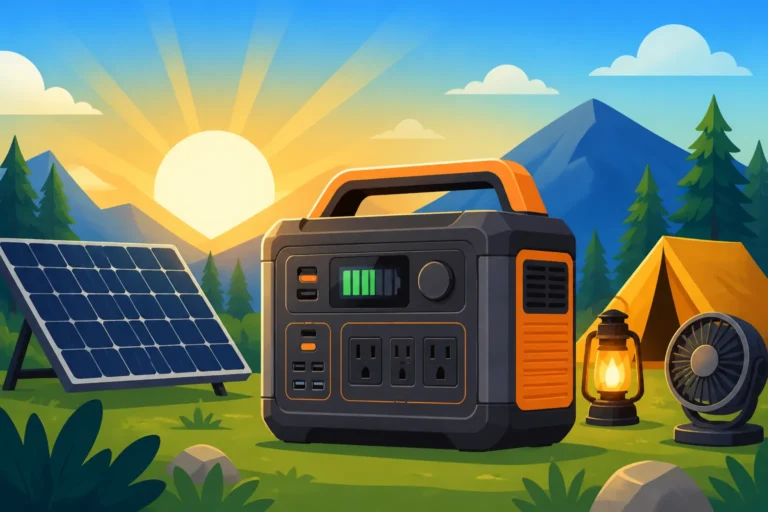
This is where Bluetti truly shines. Their solar panels are explicitly designed to pair perfectly with their extensive line of portable power stations, such as the AC200MAX, the EP500, or the smaller AC50S. Many panels come with the necessary adapter cables that plug directly into the power station’s solar input port, often an XT90 or 7909 connector. This "plug-and-play" functionality is a massive advantage for beginners or those who prioritize convenience. You don't need to worry about charge controllers, battery monitors, or complex wiring diagrams; the power station handles all that internally. For someone just starting with off-grid power, or needing a quick, reliable setup for emergencies or a short trip, this integrated approach is invaluable.
The power stations themselves have advanced MPPT (Maximum Power Point Tracking) charge controllers built-in, ensuring that they extract the maximum possible power from the connected solar panels. This optimization means you're getting the most bang for your buck, especially when trying to How Much Solar to Charge Your Batteries Daily as quickly as possible. The simplicity of connecting Bluetti panels to a Bluetti power station removes much of the guesswork and technical hurdles that can intimidate new off-grid enthusiasts. It allows you to quickly deploy a system, say, to power a remote workstation or charge an e-bike, without needing specialized electrical knowledge. This is a stark contrast to some more complex DIY setups that require careful consideration of How to Connect Batteries, Inverter, and Panels manually.
Connecting to Third-Party Charge Controllers and Battery Banks
While Bluetti's ecosystem is convenient, it's not the only path. Many of their solar panels come equipped with standard MC4 connectors, which is great news for compatibility with third-party components. MC4 connectors are the industry standard for solar panel wiring, meaning you can connect Bluetti panels to almost any brand of charge controller, like those offered by Victron or Renogy, that accepts MC4 inputs.
However, there's a small but important caveat: voltage and current. You need to ensure the open-circuit voltage (Voc) and short-circuit current (Isc) of your Bluetti panels fall within the operating limits of your chosen charge controller. Most modern MPPT charge controllers are quite versatile, but it’s always wise to double-check the specifications. For example, if you're building a larger 24V or 48V system with a dedicated battery bank, you might want to wire multiple Bluetti panels in series or parallel to achieve the desired voltage and current for your charge controller. Understanding How to Wire Solar Panels in Series vs. parallel is key here.
You would then connect your charge controller to your battery bank (perhaps a robust LiFePO4 bank from a brand like Battle Born or EG4) and an inverter to power your AC appliances. This allows for a more customized and often more expandable system than a self-contained power station. For those who want to build a truly robust, long-term off-grid home system, understanding Off-Grid Solar System Design Basics and choosing individual components like a Best MPPT Charge Controllers and a dedicated Best Off-Grid Solar Battery Bank offers greater flexibility and potential for future expansion. While Bluetti panels can be a great input source for these custom systems, be prepared to purchase additional MC4 extension cables or adapters if the ones included are proprietary or too short for your desired setup.
Pros and Cons of Choosing Bluetti Solar Panels
Making the leap to off-grid solar, or expanding an existing system, requires weighing a lot of factors. Bluetti solar panels, like any equipment, come with their own set of advantages and potential considerations that are important to fully understand before you invest.
Advantages for the Off-Grid User
One of the most compelling advantages of Bluetti solar panels, particularly their foldable versions, is their exceptional portability. For anyone living the van life, regularly camping, or needing a quick emergency setup, the ability to fold a 200W or 350W panel down to a briefcase size and tuck it away is a massive win. This portability is coupled with ease of setup, often featuring integrated kickstands that allow for rapid deployment and adjustment. You can literally pull them out of your vehicle, unfold them, prop them up, and start generating power in minutes. This simplicity is a huge draw for those who don't want to deal with complex racking or permanent installations, especially when setting up Off-Grid Solar for a Van Life system.
Another significant benefit is their robust design and durability. The ETFE lamination and water-resistant ratings mean these panels can stand up to the rigors of outdoor use. You can trust them to perform even in dusty conditions or light rain, which adds a layer of confidence when you’re relying on them for your power. The aesthetic appeal and compact nature also make them less obtrusive than large, rigid panels. Furthermore, for those who already own or plan to purchase a Bluetti portable power station, the seamless integration is unparalleled. The plug-and-play nature eliminates the need for separate charge controllers and complex wiring, simplifying the entire off-grid experience. You'll find many of these units available on platforms like Amazon, making them readily accessible. This convenience can greatly reduce the perceived barrier to entry for new off-gridders.
Potential Drawbacks and Considerations
While Bluetti panels offer fantastic benefits, there are a few considerations to keep in mind. First, cost can be a factor. Compared to bulk purchases of rigid solar panels from other brands, Bluetti's foldable panels often come at a premium price per watt. This is largely due to the specialized materials, folding mechanisms, and integrated design that prioritize portability and convenience. If your primary goal is to achieve the lowest Off-Grid Solar Cost Per Watt for a large, permanent installation, you might find more budget-friendly options, perhaps from brands like Renogy or through wholesale distributors.
Another point to consider is the proprietary connectors. While many panels include standard MC4 connectors, some may feature unique plugs for direct integration with Bluetti power stations. If you're planning to use these panels with a different brand of charge controller or power station, you might need to acquire additional adapter cables or modify the existing ones, which can add a minor inconvenience or cost. This is a small hurdle, but one to be aware of when planning your overall Off-Grid Solar Equipment Explained list.
Finally, while great for portability, the folding design means these panels are generally not designed for large, whole-home off-grid systems requiring several kilowatts of continuous power. For permanent structures like a full-time off-grid home, rigid panels installed on a roof or a dedicated ground mount often make more sense both economically and practically. They offer greater stability, can be wired into higher voltage arrays more easily, and typically have a lower initial cost per watt. While you can certainly connect multiple Bluetti panels to a larger system, the economics and permanence of rigid panels usually win out for substantial long-term setups.
Final Thoughts on Bluetti Solar Panels for Off-Grid Use
Bluetti solar panels truly shine for a specific segment of the off-grid community: those who prioritize portability, ease of use, and rugged durability for temporary or mobile power needs. Whether you're fueling your wanderlust in an RV, setting up a remote camp, or simply building a reliable emergency backup system, these panels offer an accessible and effective solution. Their seamless integration with Bluetti's popular power stations simplifies the entire setup process, making off-grid living more approachable for beginners.
However, if your vision involves a large, permanent homestead requiring extensive power generation, or if your budget is extremely tight, then exploring traditional rigid panels and a custom-built system might offer a more cost-effective path in the long run. No matter your off-grid dreams, careful consideration of your specific energy needs, environment, and budget will guide you to the perfect solar solution.
Disclaimer
Please remember that all information provided in this guide is for informational purposes only. Off-grid solar system design and installation can be complex and involve electrical hazards. Always consult with qualified professionals and adhere to local electrical codes and safety regulations when planning or installing any solar power system. The effectiveness and lifespan of solar equipment can vary based on installation, maintenance, and environmental conditions.