Off-Grid Solar Cost: Complete Breakdown
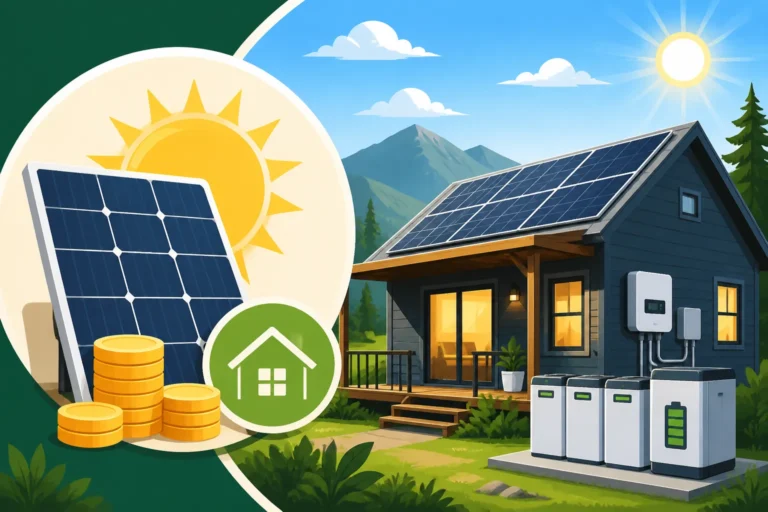
Trying to figure out the true cost of going off-grid with solar power can feel like navigating a dense fog, full of hidden fees and unexpected expenses. It’s not just about buying some panels; it's a whole ecosystem of components, labor, and long-term considerations that can make your head spin. This comprehensive guide is designed to pull back the curtain, giving you a detailed breakdown of every penny you can expect to spend, from the smallest wire to the largest battery bank, helping you budget confidently for your off-grid dream.
Understanding the Core Components and Their Costs
When you first start researching off-grid solar, it’s easy to get overwhelmed by all the different pieces of equipment. But at its heart, every off-grid solar system relies on a few core components working in harmony to capture sunlight, store energy, and convert it into usable electricity for your home, cabin, or RV. Understanding what each part does and how much it typically costs is the first crucial step in planning your budget.
Solar Panels The Power Collectors
Solar panels are often the first thing people think of when they hear "solar," and for good reason! These are the workhorses that actually capture the sun's energy. The cost of solar panels has come down significantly over the years, making off-grid living more accessible than ever. However, the price still varies widely based on type, wattage, and brand. You’ll find panels ranging from small, portable units perfect for an RV to large, rigid panels designed for permanent installations on a roof or ground mount.
Monocrystalline panels, which are generally more efficient and perform better in low-light conditions, tend to be pricier per watt than polycrystalline panels, though the difference has narrowed. For a typical off-grid setup, you might be looking at panels costing anywhere from $0.70 to $1.50 per watt. So, if you're aiming for a 400-watt panel, it could cost you between $280 and $600. Remember, you'll likely need multiple panels to meet your energy demands, especially if you're powering a full-time residence. Don’t forget to consider factors like their physical size and weight, and how they’ll integrate into your mounting system. Some folks even choose to go with flexible panels for specific applications like curved RV roofs, but these often come at a premium. If you're wondering, "How to Choose an Off-Grid Solar Panels", this is your starting point.
Batteries Your Energy Bank
Batteries are arguably the most critical and often the most expensive single component in an off-grid solar system. Without them, your power disappears the moment the sun goes down or hides behind clouds. The battery bank stores the electricity generated by your solar panels, so you have power 24/7. The cost here is hugely dependent on the type of battery, its capacity (measured in amp-hours or kilowatt-hours), and the overall size of your system.
The most common types are lead-acid (flooded, AGM, Gel) and lithium-ion (specifically LiFePO4, or Lithium Iron Phosphate). Lead-acid batteries are generally cheaper upfront, but they have a shorter lifespan, require more maintenance (especially flooded cells), and have a more limited depth of discharge. You can dive deeper into the specifics of LiFePO4 vs Lead-Acid Batteries for Off-Grid to see which might be right for your budget and needs. For a basic off-grid cabin setup, you might spend $1,500 to $4,000 on a lead-acid bank. LiFePO4 batteries, on the other hand, are a larger initial investment, often ranging from $400 to $1,000 per 100Ah 12V battery, but they offer significantly longer lifespans (thousands of cycles), higher efficiency, no maintenance, and can be discharged much deeper without damage. This means you need fewer LiFePO4 batteries for the same usable capacity, and they'll last much longer, often making them more cost-effective in the long run. If you’re building out a substantial system, knowing the Cost of an Off-Grid Solar Battery Bank is key.
Inverters Converting Power
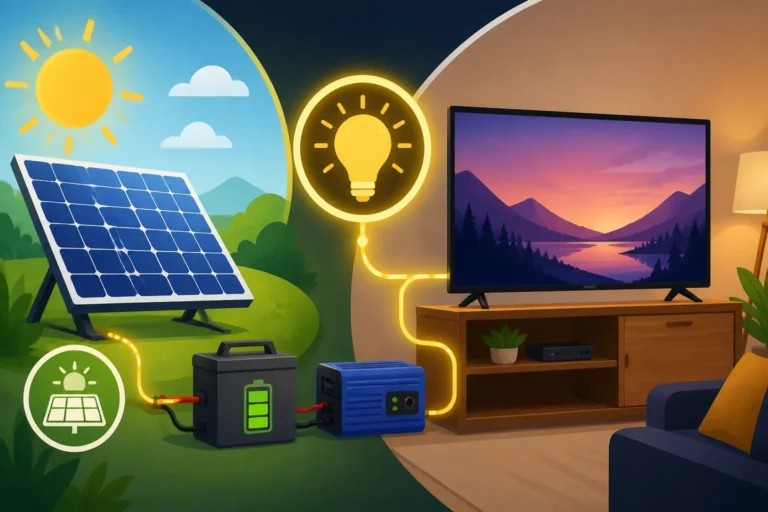
Your solar panels and batteries typically produce and store direct current (DC) electricity, but most household appliances run on alternating current (AC). That's where the inverter comes in. It's the magician that converts DC power from your batteries into usable AC power for your lights, refrigerator, television, and anything else you plug into a standard outlet. The cost of an inverter depends on its wattage (how much power it can handle at once), its surge capacity (how much extra power it can provide for a short burst, like when a motor starts), and whether it's a pure sine wave or modified sine wave inverter.
For almost all modern off-grid applications, especially those powering sensitive electronics, a pure sine wave inverter is absolutely essential. They produce clean power, much like what you get from the grid, ensuring your devices run smoothly and last longer. Modified sine wave inverters are cheaper but can damage electronics over time and are generally not recommended for anything beyond simple resistive loads like incandescent lights. Expect to pay anywhere from $300 for a small 1,000-watt inverter suitable for an RV or basic cabin to $3,000 or even $8,000+ for large, high-quality, high-wattage inverter-chargers from brands like Victron or Sol-Ark that can power an entire home and integrate with generators. The Cost of an Off-Grid Solar Inverter will be a significant line item, so choose wisely based on your actual power needs.
Charge Controllers Brains of the System
The charge controller is often an unsung hero in an off-grid system. Its job is to manage the power flow from your solar panels to your batteries, preventing overcharging and deep discharging, which can severely damage battery life. It's like a smart regulator, ensuring your batteries are charged safely and efficiently. There are two main types: Pulse Width Modulation (PWM) and Maximum Power Point Tracking (MPPT).
PWM controllers are simpler and less expensive, typically costing $50 to $200. They work best when the voltage of your solar array closely matches the voltage of your battery bank, and are generally more suitable for smaller, less complex systems or warmer climates. MPPT controllers, however, are far more efficient, especially in varying weather conditions or when your panel voltage is significantly higher than your battery voltage. They can extract up to 30% more power from your panels compared to PWM controllers, making them a wise investment for most serious off-grid setups. While they are pricier, ranging from $150 to $1,000 or more depending on size and features, the increased efficiency can significantly reduce the number of solar panels you need, saving you money in the long run. A high-quality MPPT controller from brands like Victron or Renogy is often recommended for maximum performance and battery longevity, and understanding the nuances of how to choose one can make a big difference in your overall system's effectiveness.
Beyond the Core: Essential Supporting Equipment Costs
While the big four – panels, batteries, inverter, and charge controller – are what most people think of, an off-grid solar system needs a whole host of other, equally important components to function safely, efficiently, and reliably. Skimping on these "supporting cast" members can lead to frustrating issues, compromised safety, or even system failure down the road. These are the often-overlooked costs that can quickly add up if you haven't budgeted for them.
Wiring, Fuses, and Breakers The Electrical Network
Imagine having a powerful engine but no fuel lines or spark plugs – that's what a solar system is without proper wiring, fuses, and breakers. These components form the electrical backbone, safely transporting electricity between your panels, charge controller, battery bank, and inverter. The cost here depends heavily on the size of your system, the distances involved, and the required wire gauges. Larger systems and longer runs demand thicker, more expensive wire to minimize voltage drop and ensure efficiency.
You'll need specialized solar PV wire for the array, heavy-gauge battery cables, and AC wiring for your household loads. Fuses and circuit breakers are non-negotiable safety devices, protecting your components from overcurrents and preventing electrical fires. Don't cheap out here; faulty wiring or inadequate protection is a serious hazard. Expect to spend anywhere from a few hundred dollars for a small RV system to over a thousand dollars for a larger home installation on these essential electrical components. Brands like Blue Sea Systems offer high-quality marine-grade fuses and busbars that are popular for their reliability in off-grid applications. This is a crucial area where "How to Size Off-Grid Wiring for Safety" ensures safety.
Mounting Hardware Securing Your Investment
Your solar panels need to be securely mounted, whether on a roof, a ground mount, or a tracking system. The mounting hardware ensures your panels stay put through wind, snow, and whatever else Mother Nature throws at them, while also positioning them optimally to catch the sun's rays. The cost varies based on the type of mount, the material, and the number of panels.
Roof mounts are generally less expensive than ground mounts, as they utilize an existing structure. Ground mounts, however, often offer greater flexibility in tilt and azimuth (direction) adjustment, which can be critical for maximizing winter sun exposure. Pole mounts, which can elevate panels above snow or obstructions, also have their own cost considerations. Expect to pay between $0.50 and $1.50 per watt for mounting hardware. For a 1kW (1000W) system, this could be $500 to $1,500. DIY options can save money, but precision and structural integrity are paramount. Specialized hardware, like robust tilt kits for seasonal adjustments or those designed for extreme weather, will naturally cost more.
Monitoring Systems Keeping an Eye on Things
Once your system is up and running, you'll want to know how it's performing. A good monitoring system allows you to keep tabs on battery state of charge, solar production, and power consumption. This isn't just a "nice-to-have"; it's essential for understanding your system's health, optimizing usage, and troubleshooting potential issues before they become major problems.
Basic battery monitors can cost as little as $50-$100, providing a simple voltage and amp-hour readout. More sophisticated systems, often integrated with your charge controller or inverter (like Victron's Cerbo GX or similar offerings from other major brands), can provide comprehensive data logging, remote monitoring via a smartphone app, and even automatic alerts. These can range from $200 to $800 or more, but the peace of mind and detailed insights they offer are invaluable for truly managing an off-grid lifestyle. Being able to see how your solar panels are performing on a cloudy day, or how quickly your refrigerator drains your battery bank, empowers you to make smarter energy choices and prevent unexpected power outages.
Soft Costs: The Unseen Expenses
Beyond the tangible hardware, there's a whole category of "soft costs" that many first-time off-grid aspirants overlook. These aren't components you can touch and feel, but they are absolutely critical to the successful and legal installation of your system. Ignoring these can lead to significant headaches, delays, or even unexpected fines. These are the costs that often surprise people, adding a substantial chunk to the overall budget if not properly anticipated.
Installation Labor DIY vs Professional
This is one of the biggest variables in your total off-grid solar cost. Are you planning a full DIY installation, or will you hire professionals? Doing it yourself can save a tremendous amount of money on labor, but it demands a significant investment of your time, research, and a certain level of comfort with electrical work and construction. Many off-gridders choose to do much of the physical installation themselves but may call in an electrician for the final wiring and inspection, especially for larger, more complex systems.
If you choose to go the professional route, labor costs can easily account for 10% to 30% or more of your total project budget. Professional installers bring expertise, experience, and efficiency, ensuring the job is done correctly, safely, and often up to local code standards. Depending on the complexity and size of your system, installation costs could range from $2,000 for a small cabin system to $15,000+ for a whole-home setup. The trade-off between time, risk, and money is a personal decision, but it’s crucial to understand the implications. Our guide on DIY vs Professional Off-Grid Installation delves into this decision in more detail.
Permitting and Inspections Navigating Red Tape
Even if you're going off-grid, you might still need to comply with local building and electrical codes, especially if your structure is permitted or if you plan to connect any AC loads to your main electrical panel. Permit fees vary wildly by jurisdiction, from a few hundred dollars to over a thousand. These fees cover the cost of reviewing your plans and conducting inspections to ensure your system meets safety standards.
It’s easy to think that because you're "off-grid," you're completely off the radar, but that's not always the case. Many counties and municipalities have regulations concerning electrical work, even for standalone systems. Failing to get the necessary permits can lead to fines, requirements to tear down and redo work, or issues with insurance down the line. Always check with your local building department before you start digging or drilling. While the paperwork and waiting can be frustrating, ensuring your system is safe and legal is worth the effort and expense.
System Design and Consulting Getting it Right
Unless you’re an experienced electrical engineer or a seasoned off-grid solar installer, designing a robust, efficient, and appropriately sized system can be a daunting task. This is where professional system design and consulting come in. A well-designed system ensures you have enough power for your needs, maximizes battery life, and avoids costly mistakes.
You might pay a consultant a few hundred dollars for a basic load calculation and component recommendation, or several thousand for a comprehensive engineering plan, especially for larger residential systems. While this might seem like an extra cost, a professional design can save you money in the long run by preventing oversizing (buying more equipment than you need) or undersizing (not having enough power and needing to upgrade later). They can help you with tasks like calculating your power needs precisely, selecting the right components and even advise on optimal panel placement. Many reputable solar companies offer design services as part of their package, or you can find independent consultants who specialize in off-grid solutions.
Factors Influencing Total Off-Grid Solar Cost
The initial sticker price of off-grid solar components isn't the whole story. Several key factors can dramatically influence your total investment, often turning what seems like a simple project into a complex financial puzzle. Understanding these variables is paramount for anyone trying to figure out How Much Does an Off-Grid Solar System Cost and ensuring you don't encounter unexpected budget blowouts.
System Size and Energy Needs Bigger Isn't Always Better or Cheaper
This is, without a doubt, the single biggest driver of your overall off-grid solar cost. Your "system size" directly correlates to how much power you need to generate and store each day. Are you looking to power a small, seasonal hunting cabin with just a few lights and a phone charger? Or are you aiming to run a full-sized, year-round family home with multiple appliances, air conditioning, and a well pump? The difference in cost is astronomical.
To figure this out, you need to conduct a thorough load analysis, calculating the watt-hours per day for every appliance you plan to run. A small, basic system for a shed or a weekend RV might cost you $1,000 to $5,000. A medium-sized system, perhaps for a modest cabin with a refrigerator, lights, and some electronics, could easily range from $8,000 to $20,000. And a robust, full-home off-grid system, capable of supporting modern conveniences, can quickly jump to $30,000, $50,000, or even upwards of $100,000, especially if you opt for high-end components and significant battery storage for multiple days of autonomy. Every additional appliance, every extra hour of use, and every desire for "more power" directly translates to more panels, larger batteries, and a bigger inverter, driving up the off-grid solar cost proportionally.
Battery Chemistry LiFePO4 vs Lead-Acid
As we touched on earlier, your choice of battery chemistry has a profound impact on both the upfront cost and the long-term value of your system. This decision isn't just about price; it's about performance, lifespan, maintenance, and usable capacity.
- Lead-Acid Batteries: These have been the traditional choice for decades due to their lower initial cost. A deep-cycle flooded lead-acid battery might cost $150-$300 for a 100Ah 12V unit. AGM (Absorbent Glass Mat) and Gel batteries, which are sealed and require less maintenance, typically run $250-$500 for a similar size. However, lead-acid batteries have a shorter cycle life (typically 300-1000 cycles), can only be safely discharged to 50% of their capacity (meaning you need twice the rated capacity for the same usable power), and are less efficient at charging and discharging.
- LiFePO4 (Lithium Iron Phosphate) Batteries: These are the new standard for off-grid power, despite their higher upfront cost, often $400-$1,000 for a 100Ah 12V battery. Their advantages are compelling: 3,000 to 8,000+ cycle life, 80-100% depth of discharge (meaning nearly all their rated capacity is usable), lighter weight, faster charging, and zero maintenance. While the initial investment is higher, the superior performance and much longer lifespan often make them significantly cheaper over the system's lifetime. For instance, if a lead-acid battery lasts 5 years and a LiFePO4 lasts 15 years, you'd buy three lead-acid banks for the price of one LiFePO4, not to mention the hassle of replacements. Knowing the LiFePO4 vs Lead-Acid Battery Cost is crucial for making this long-term investment decision.
Location and Climate Considerations
Where you live can have a surprising impact on your off-grid solar costs.
- Sunlight Availability: Regions with fewer peak sun hours (e.g., cloudy Pacific Northwest) will require a larger solar array (more panels) to generate the same amount of power as a sunny region (e.g., Arizona). More panels mean higher costs.
- Temperature Extremes: Cold climates can affect battery performance, potentially requiring insulated battery enclosures or heating pads, which add to the expense. Extreme heat can also reduce panel efficiency and shorten battery life if not properly managed.
- Snow and Shade: If you live in an area with heavy snowfall, you might need stronger mounting structures or ground mounts with adjustable tilts to shed snow, increasing costs. Persistent shading from trees or buildings will necessitate more panels to compensate for lost production, or more complex micro-inverter/optimizer setups.
- Permit Requirements: As mentioned, local regulations vary. Some remote, rural areas might have minimal permitting requirements, while others could have stringent rules that add to soft costs.
Consider the Off-Grid Solar Cost for Year-Round Living if you're planning on year-round living in a challenging environment.
Brand and Quality Choices
Just like with cars or appliances, there's a wide spectrum of quality and brand recognition in the off-grid solar market. Choosing premium brands often means a higher upfront cost but typically translates to better performance, longer warranties, superior customer support, and enhanced reliability. For instance, Victron Energy and Outback Power are renowned for their high-quality inverters and charge controllers, while Battle Born and EG4 are top contenders in the LiFePO4 battery space. These brands are often preferred for critical, full-time off-grid applications where reliability is paramount.
On the other hand, more budget-friendly brands or generic components, often found on platforms like Amazon, can significantly reduce your initial outlay. For example, a basic 100W flexible solar panel can be found for under $100 on Amazon, while a premium brand equivalent might cost twice that. Similarly, a small portable solar generator from Jackery or EcoFlow might be perfect for light use in an RV or for emergency backup, costing a few hundred to a couple of thousand dollars, but wouldn't suffice for a whole house. The key is to balance your budget with your reliability needs. For a cabin where occasional power outages are tolerable, some budget components might be fine. For a permanent residence, investing in higher-quality components often pays off in the long run through fewer headaches and longer system life.
Long-Term Costs and Savings
When you’re looking at the upfront expenses of an off-grid solar system, it’s easy to feel like you’re staring down a bottomless pit. But what many people forget to factor in are the significant long-term costs and savings that come with generating your own power. This isn’t a one-and-done purchase; it’s an investment that impacts your wallet for years to come. Understanding this broader financial picture is essential for truly evaluating if off-grid solar is worth it for you.
Maintenance and Replacements Over Time
An off-grid solar system, much like a car or a house, requires ongoing maintenance and eventual component replacement. This isn’t usually a deal-breaker, but it needs to be factored into your budget.
- Battery Replacements: This is often the biggest long-term cost. While LiFePO4 batteries have an impressive lifespan of 10-20 years, they will eventually need replacing. Lead-acid batteries, with their shorter 3-7 year lifespan, will require replacement more frequently. The Off-Grid Solar Battery Replacement Cost Over Time can be a substantial expense, potentially costing thousands of dollars every few years for lead-acid or every decade or two for lithium.
- Panel Cleaning: Panels need to be cleaned periodically to maintain optimal efficiency, especially in dusty or pollen-heavy environments. This can be a DIY task or a small service fee if you hire someone.
- Inverter and Charge Controller Servicing: While these components are generally robust, they might require occasional firmware updates, troubleshooting, or even replacement after many years. A high-quality inverter from a brand like Victron might last 10-15 years or more, but eventual replacement is inevitable.
- Wiring and Connections: Over time, connections can loosen, or wires can degrade due to exposure. Regular inspections are crucial to ensure everything remains safe and efficient.
- Backup Generator Fuel & Maintenance: If you integrate a backup generator into your system (a common strategy for extended cloudy periods), you'll have ongoing fuel costs (gasoline, propane, or diesel) and maintenance expenses for the generator itself. Understanding Off-Grid Solar vs Generator Fuel Cost can help you make an informed choice on this.
Fuel Savings and Grid Independence
Here's where the financial benefits really start to shine. The primary long-term saving for an off-grid solar system comes from completely eliminating your utility bill. No more monthly charges, no more rising electricity rates, no more connection fees, and no more peak-hour pricing. This financial freedom can be incredibly liberating.
- Eliminated Utility Bills: Depending on your previous grid electricity usage and rates, this can save you hundreds, or even thousands, of dollars per year. Over 10-20 years, these savings easily add up to tens of thousands.
- Avoided Grid Extension Costs: For remote properties, the cost to extend utility lines from the nearest grid connection can be astronomical – often $20,000 to $50,000 per mile, sometimes more. In these scenarios, going off-grid with solar can be significantly cheaper upfront, making the decision a no-brainer. Comparing Off-Grid Solar vs Utility Extension Cost can really put things into perspective.
- Increased Property Value: A well-designed and installed off-grid solar system can increase the value of your property, particularly for remote homes or cabins where grid access is limited.
- Emergency Preparedness: While not a direct monetary saving, the peace of mind that comes with energy independence during grid outages is invaluable. You won't be scrambling for backup power when the rest of the neighborhood is dark.
Potential Incentives and Tax Credits
While off-grid solar systems typically don't qualify for the same incentives as grid-tied systems (which often feed excess power back to the utility), there are still potential financial benefits to explore.
- Federal Solar Tax Credit (ITC): The federal Investment Tax Credit (ITC) offers a credit for a percentage of the cost of new, qualified solar electric property for your home. As of late 2023, this is 30%. Crucially, for off-grid systems, the IRS states that the solar PV system must provide electricity for a residence. This generally means it must be a primary or secondary home, not just an RV you travel in or a temporary shed. However, the interpretation can be complex, and it’s always best to consult a tax professional. Knowing about the 2026 Solar Tax Credit and Off-Grid Systems is important for accurate budgeting.
- State and Local Incentives: While rarer for purely off-grid systems, some states or local municipalities may offer specific grants, rebates, or property tax exemptions for renewable energy installations. These are constantly changing, so checking with your state's energy office or a local solar installer for up-to-date information is essential. For example, some states have specific programs for rural energy independence or energy efficiency improvements that might apply.
Overall, while the initial cost might be steep, the long-term savings and the priceless benefit of energy independence often make the investment a sound financial decision.
Real-World Cost Scenarios and Examples
Let’s get down to brass tacks and look at some realistic cost estimates for different types of off-grid solar setups. It's one thing to talk about individual component prices, but it's another to see how they all add up for a complete, functional system. These examples will help you visualize the kind of budget you'll need, whether you're powering a cozy retreat or a full-fledged homestead. Keep in mind these are averages, and specific costs can fluctuate based on component choices, location, and whether you DIY or hire pros.
Small Cabin or RV Setup
Imagine you have a small, remote cabin that you use for weekend getaways, or you're outfitting an RV for extended road trips. Your power needs are modest: lights, charging phones and laptops, running a small 12V refrigerator, and maybe a water pump for an hour or two a day.
- Solar Panels: A couple of 200-watt panels (400W total) would be a good starting point. At $1 per watt, that's around $400.
- Batteries: One or two 100Ah 12V LiFePO4 batteries (200Ah usable) would provide sufficient storage for a day or two of autonomy. This could cost $800 to $1,600. If you opt for cheaper lead-acid, you might save initially but need more capacity and earlier replacement.
- Inverter: A 1,000-watt to 2,000-watt pure sine wave inverter, capable of handling small appliances and occasional surges, would run about $300 to $600.
- Charge Controller: An MPPT charge controller sized for your array and battery bank, around 30-40 amps, would be in the $150 to $300 range.
- Supporting Hardware: Wiring, fuses, breakers, and basic mounting hardware for panels could add another $200 to $500.
- Installation (DIY focus): If you're doing most of the work yourself, you're primarily paying for your time, plus perhaps $200-$500 for a few specialized tools or an electrician for a quick check.
Total Estimated Cost for a Small Cabin or RV Setup: $2,050 – $3,900.
This kind of system is perfect for powering essential comforts. Many folks start with a system like this, often using a portable power station like a Jackery Explorer 1000 for convenience, then adding external panels as they expand their needs. If you're looking for Off-Grid Solar Cost for a Cabin for a simple setup, this range is a great benchmark.
Medium-Sized Home System
Now, let's consider a medium-sized off-grid home, perhaps a tiny house or a modest family cabin that you live in full-time or for extended periods. You'll want to run a standard refrigerator, lights throughout the home, a microwave, a washing machine (occasionally), a well pump, and all your electronics. This requires a much more robust system.
- Solar Panels: A 3,000-watt to 5,000-watt array (10-16 panels) is typical for this level of consumption. At $1 per watt, that's $3,000 to $5,000.
- Batteries: A substantial LiFePO4 battery bank, perhaps 400Ah to 800Ah at 48V, would be needed for reliable daily power and several days of autonomy. This could range from $6,000 to $12,000. Going with lead-acid would be cheaper upfront but would require 800-1600Ah of capacity and more frequent replacement.
- Inverter: A powerful 5,000-watt to 8,000-watt pure sine wave inverter or inverter-charger is essential to handle multiple appliances and surge loads from things like well pumps. Expect to pay $2,000 to $6,000 for a quality unit.
- Charge Controller: A high-amperage MPPT charge controller (60-100 amps) to efficiently manage the larger solar array. This would be in the $500 to $1,200 range.
- Supporting Hardware: Wiring, fuses, breakers, a sub-panel, and robust ground or roof mounting for numerous panels. Budget $1,000 to $3,000.
- Installation (Pro or DIY/Pro mix): For a system this size, professional installation or at least professional oversight for critical electrical connections is highly recommended. This could add $5,000 to $15,000.
- Permits/Design: $500 to $1,500.
Total Estimated Cost for a Medium-Sized Home System: $13,000 – $30,000.
This budget allows for a comfortable off-grid lifestyle with most modern conveniences. If you're serious about going off-grid for a true residence, this is the ballpark you're looking at.
Emergency Backup System
Sometimes, going "off-grid" isn't about full independence, but rather about having reliable backup power when the grid fails. This scenario often involves portable solutions or smaller, dedicated systems.
- Portable Solar Generator: A robust portable power station like an EcoFlow Delta Pro or a larger Jackery model, combined with one or two foldable solar panels, can provide essential power for a refrigerator, lights, and charging devices during an outage. These all-in-one units typically range from $1,500 to $4,000. Many can be purchased directly from online retailers like Amazon, offering convenience and quick setup.
- Small Dedicated System: Alternatively, a small, dedicated solar setup with a single 400W panel, a 100Ah LiFePO4 battery, a small inverter, and a charge controller could provide continuous backup for critical loads. This would cost similar to the small cabin setup, around $2,000-$4,000, but would be more permanently installed.
- Installation: Minimal for portable units; basic DIY for a dedicated small system.
Total Estimated Cost for an Emergency Backup System: $1,500 – $4,000.
These systems offer peace of mind and are much cheaper than installing a whole-home generator for occasional use. They are perfect for those who want preparedness without committing to a full off-grid conversion.
How to Budget for an Off-Grid Solar System
Feeling a little overwhelmed by all these numbers? Don't worry, that's totally normal! Budgeting for an off-grid solar system isn't like buying groceries; it's a significant financial undertaking. But with a methodical approach, you can create a realistic budget that helps you achieve your energy independence dreams without breaking the bank or encountering nasty surprises. This is all about planning, prioritizing, and being realistic. If you’re asking yourself How to Budget for an Off-Grid Solar System, you’re on the right track.
Step-by-Step Budget Planning
Creating a budget requires more than just guessing. It involves research and calculation.
- Perform a Thorough Load Analysis: This is the absolute first step. You must know how much electricity you actually need. Go through every single appliance, light, and electronic device you plan to use. Find its wattage (or amps and volts), estimate how many hours per day/week it will run, and then calculate its daily watt-hour consumption. Don't forget peak loads, like when a well pump or microwave first kicks on, which determines your inverter size. Seriously, don't skip this. Undersizing is a common and frustrating mistake. Many resources, including our guide on Off-Grid Solar Load Calculation Explained, can walk you through this.
- Determine Days of Autonomy: How many days do you want your system to run without any sun? This is crucial for battery bank sizing. For a critical off-grid home, 3-5 days is often recommended, especially in cloudy regions or during winter. This directly impacts the battery bank you'll need.
- Calculate Panel and Battery Requirements: Based on your load analysis and desired days of autonomy, you can then calculate how many solar panels you need (considering your location's peak sun hours) and the necessary battery capacity.
- Research Component Costs: Once you have your required specifications, start researching actual costs for panels, batteries (LiFePO4 vs. lead-acid, for instance), inverters, and charge controllers. Check prices from various suppliers, including online marketplaces like Amazon, and specialized solar retailers. Don't just look at the cheapest option; consider quality, warranty, and brand reputation.
- Factor in Supporting Equipment: Add in the estimated costs for wiring, fuses, breakers, mounting hardware, battery boxes, monitoring systems, and any other odds and ends. These are often forgotten but essential.
- Estimate Soft Costs: Account for potential installation labor (if not fully DIY), permit fees, and any design or consulting services you might need.
- Include a Contingency Fund: Always, always, always add 10-20% to your total budget as a contingency. Unexpected costs or changes in plans are almost inevitable with a project of this scale. A forgotten tool, a shipping delay that forces a quicker local purchase, or a minor component change can quickly eat into a tight budget.
Phasing Your Off-Grid Build to Spread Costs
For many, the upfront cost of a complete off-grid system is simply too high to tackle all at once. The good news is that you don't always have to! Phasing your off-grid build is a smart strategy to spread out the expenses, allowing you to gradually achieve energy independence as your budget allows.
- Start Small with Essentials: Begin by powering only your most critical loads. This might mean starting with a small solar array, a modest battery bank (perhaps a robust portable unit or a single LiFePO4 battery), and an inverter for lights and phone charging. This gets you off the ground with basic power.
- Expand Your Battery Bank: Once your initial setup is stable, and you've learned more about your actual usage patterns, the next major investment is often expanding your battery bank. More battery capacity gives you greater autonomy and allows you to run more power-hungry appliances for longer.
- Add More Solar Panels: As your battery capacity grows, you'll need more solar panels to efficiently recharge them, especially during shorter winter days or extended cloudy periods. You can incrementally add panels to your array.
- Upgrade Your Inverter (if needed): If you initially started with a smaller inverter, and now you want to run a washing machine or a mini-split AC unit, you might need to upgrade to a larger inverter with higher continuous wattage and surge capacity.
- Prioritize Appliances: Consider what you need versus what you want. Can you live without an electric dryer for a few years? Can you use a propane refrigerator instead of an electric one initially? By prioritizing, you can delay the most expensive components until you're ready. Many off-gridders choose to slowly build out their systems over several years, adding components piece by piece. This also gives you valuable experience and helps refine your needs over time.
Maximizing Savings Opportunities
While off-grid solar isn't "cheap," there are smart ways to optimize your spending without compromising quality or safety.
- DIY Where Possible: As discussed, doing your own installation can save thousands in labor costs. Even if you're not an expert, you can handle panel mounting, wire runs, and battery placement, leaving complex electrical hookups to a professional.
- Shop Around: Don't buy the first components you see. Compare prices across multiple reputable online retailers and local suppliers. Look for sales and package deals.
- Consider Quality Brands with Value: While generic components can be tempting, sometimes a slightly higher investment in a known brand offers better reliability and customer support. For instance, brands like Renogy or Rich Solar offer excellent value for panels and charge controllers that are a step up from no-name brands but not as pricey as the absolute top-tier.
- Be Energy Efficient: This is a huge money-saver. Every watt-hour you don't use is a watt-hour you don't need to generate or store. Invest in energy-efficient appliances (especially those rated Energy Star), use LED lighting, and adopt energy-saving habits. The less power you consume, the smaller (and cheaper) your solar system needs to be.
- Utilize DC Appliances: Where possible, use 12V or 24V DC appliances directly from your battery bank. This bypasses the inverter, reducing conversion losses and the need for a larger AC inverter, which can save both cost and energy.
- Explore Used Equipment (with caution): Buying used solar panels or even certain inverters can offer significant savings. However, exercise extreme caution, especially with batteries. Used batteries, unless from a highly reputable source with verifiable test data, are often a gamble. If you are considering it, make sure you know Buying Used Off-Grid Solar Equipment: Worth It before committing.
By carefully planning your budget, prioritizing needs, and being smart about your purchases, you can make your off-grid solar dream a reality without the financial nightmares.
Disclaimer
The information provided in this guide is for general informational purposes only and does not constitute professional financial, tax, or electrical advice. Off-grid solar system costs can vary significantly based on individual needs, location, component choices, market fluctuations, and installation complexity. Always consult with qualified professionals, including a licensed electrician, tax advisor, and local building authorities, before making any decisions related to off-grid solar installation or budgeting.