Best Value Solar Panels for Off-Grid
It’s a common frustration: you're dreaming of going off-grid, of that sweet independence, but then you start looking at solar panel prices and your eyes just about pop out. It feels like every good panel costs a fortune, and every cheap one feels like a gamble. How do you find that sweet spot – panels that don't break the bank but also won't leave you in the dark? This comprehensive guide is here to help you navigate the world of off-grid solar panels to find the very best value for your hard-earned money and your energy needs.
Understanding "Value" in Off-Grid Solar Panels
When we talk about "value" in off-grid solar panels, it's really easy to just equate that with "the cheapest panels I can find." But that's a trap many first-time off-grid adventurers fall into, and it can lead to bigger headaches and expenses down the line. True value is about more than just the sticker price; it's about the overall return you get for your investment, considering everything from performance and longevity to efficiency and the peace of mind that comes with a reliable system.
Beyond Just the Price Tag
Imagine you find a pallet of incredibly cheap solar panels online. They seem like a steal! You order them, install them, and for a few months, everything is great. Then, slowly, you notice your battery bank isn't getting as full, or your lights flicker more often. What happened? Those "value" panels might have had a high degradation rate, meaning their power output drops significantly faster than higher-quality alternatives. Or perhaps they couldn't handle the temperature swings of your remote cabin location, leading to premature failure.
A truly valuable panel might cost a bit more upfront, but it's designed to withstand the elements, maintain its output for decades, and come with a robust warranty. This means fewer replacements, less maintenance, and consistent power generation, which ultimately saves you money and stress over the system's lifetime. Think about it: a panel that lasts 25 years and produces steady power is far more valuable than one that fails after five years, forcing you into another costly purchase and installation. When considering your overall How Much Does an Off-Grid Solar System Cost, it's important to look at the big picture.
Key Metrics for Evaluating Panel Value
To truly assess the value of a solar panel, you need to look at a few critical specifications beyond just the wattage. These metrics tell you how much power you're actually getting per dollar and how well the panel will perform over time and in various conditions. Ignoring them is like buying a car based solely on its upfront price without checking its fuel efficiency or reliability ratings.
One of the most important metrics is the cost per watt. This is simply the total price of the panel divided by its rated wattage. For example, a 100-watt panel costing $100 has a cost per watt of $1.00. A 200-watt panel costing $150 has a cost per watt of $0.75. Lower is generally better here, but again, this needs to be balanced with other factors. Another crucial factor is the power output warranty, which typically guarantees that the panel will produce a certain percentage of its original rated power (e.g., 80% or 85%) after 20-25 years. A stronger warranty indicates a manufacturer's confidence in the panel's long-term performance. You should also check the degradation rate, which is the annual percentage by which the panel's output is expected to decrease. High-quality panels often have a degradation rate of 0.5% or less per year. Finally, the temperature coefficient is vital, especially for off-grid setups in areas with hot climates. This number indicates how much the panel's efficiency drops for every degree Celsius above 25°C (77°F). A lower (more negative) temperature coefficient means the panel will perform better in hot weather, providing more consistent power when you need it most.
Types of Solar Panels and Their Value Propositions
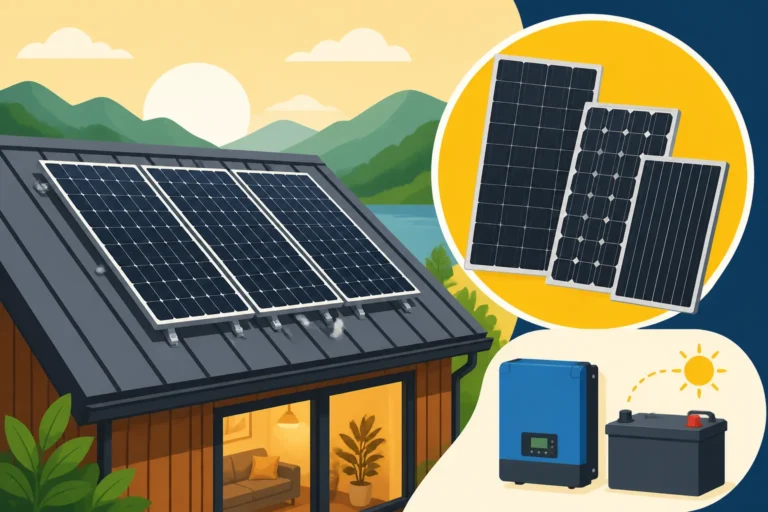
The world of solar panels offers a few main types, each with its own sweet spot when it comes to performance, footprint, and of course, value. Understanding these differences is crucial for making an informed decision for your off-grid system, whether it’s for a small Off-Grid Solar Cost for a Cabin or a full homestead.
Monocrystalline Panels: The Premium Performer
Monocrystalline panels are typically recognized by their dark, uniform appearance. They're made from a single, high-purity silicon crystal, which allows electrons to flow more freely, resulting in higher efficiency rates – often between 17% and 22% or even higher. For off-grid users, this higher efficiency translates directly into getting more power from a smaller footprint. If you have limited roof space on your tiny home, RV, or cabin, or if you're dealing with partial shading, monocrystalline panels can provide significant value by maximizing the energy harvest from every square inch.
While they often come with a slightly higher upfront cost per panel compared to polycrystalline, their superior efficiency can mean you need fewer panels overall to meet your energy demands. This can save you money on mounting hardware, wiring, and even installation time. For example, if you need 1000 watts of power, and highly efficient monocrystalline panels allow you to achieve that with four 250W panels instead of five 200W polycrystalline panels, you might save on the cost of an extra panel, extra mounting brackets, and the associated cabling. This makes them a great long-term investment, especially when space is a premium or if you're looking for peak performance. Brands like Renogy and Rich Solar often offer robust monocrystalline options that strike a good balance between performance and affordability.
Polycrystalline Panels: The Budget-Friendly Workhorse
Polycrystalline panels are typically identified by their blue, speckled appearance. They're made from multiple silicon crystals melted together, a simpler manufacturing process that makes them generally less expensive to produce. Their efficiency rates usually fall in the 15% to 17% range, which is perfectly respectable for many off-grid applications. If you have plenty of space for your solar array, and your budget is a primary concern, polycrystalline panels can offer excellent value.
While they may require a slightly larger physical footprint to achieve the same total wattage as monocrystalline panels, their lower price point often makes them very attractive for larger systems where maximizing square footage isn't a critical constraint. They perform well in cooler climates, as their temperature coefficient can sometimes be slightly better than monocrystalline in very low temperatures, though they typically perform less efficiently in high heat. For a remote barn, a workshop, or a large ground-mounted array where you're not fighting for every inch, these panels can be an incredibly cost-effective way to generate substantial power. They offer reliable performance without the premium price tag, making them a solid choice for many looking to How to Save Money on an Off-Grid Solar Build.
Flexible and Thin-Film Panels: Niche Value
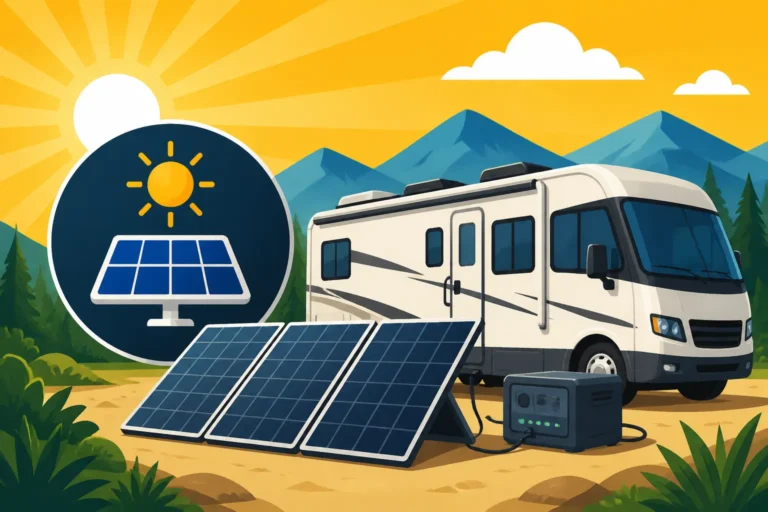
Flexible and thin-film solar panels represent a different kind of value, catering to very specific off-grid needs where traditional rigid panels just won't cut it. Flexible panels, often made from monocrystalline or CIGS (copper indium gallium selenide) cells, are designed to bend and conform to curved surfaces, making them ideal for RV roofs, boat decks, or even lightweight portable setups. Their primary value lies in their versatility, light weight, and ease of installation in non-traditional locations.
However, this flexibility and low profile come at a cost: lower efficiency and often a higher price per watt compared to their rigid counterparts. Thin-film panels, while generally the least efficient of the bunch (often 10-12%), can excel in very high temperatures or low-light conditions because of their different material composition. They are also incredibly lightweight and can be produced in large, rollable sheets. For applications like van life, tiny cabins with unique architectural features, or even a Off-Grid Solar Cost for a Food Truck, the ability to install solar where rigid panels can't provides undeniable value, despite the trade-offs in efficiency and cost. You might not get the absolute cheapest power, but you get power in places where it would otherwise be impossible or impractical.
Top Considerations When Choosing Value Off-Grid Solar Panels
Choosing the right value solar panels for your off-grid system isn't just about picking the cheapest ones you can find. It requires a thoughtful evaluation of your specific situation, balancing performance, longevity, and your budget. This decision directly impacts your energy independence and the long-term viability of your off-grid lifestyle. Many people overlook these critical aspects, leading to regret and costly upgrades later on.
Matching Panels to Your Specific Needs and Climate
This is probably the most crucial step in finding value: matching the panels to your unique environment and energy consumption. There's no one-size-fits-all "best" panel because what works for a full-time RV in Arizona will be very different from a hunting cabin in Washington State. Start by understanding your How to Size an Off-Grid Solar System and calculating your daily energy usage. Do you need to run a power-hungry well pump, or just lights and a laptop? This will dictate the total wattage you need.
Next, consider your climate. If you're in a sunny, hot region like Southern California or Texas, panels with an excellent temperature coefficient will offer more consistent power output, providing better value over time. Conversely, if you're in an area with less intense sun, like the Pacific Northwest, or during shorter winter days, higher efficiency monocrystalline panels might be worth the extra investment to capture every last ray of sunlight. Shading is another huge factor; if your proposed installation site has even partial, intermittent shading, monocrystalline panels or panels with advanced cell technology like half-cut cells can perform better under those conditions, giving you more usable power. Choosing the right system voltage, be it 12V, 24V, or 48V, will also influence the types of panels and wiring configurations you'll use.
The Importance of Warranty and Manufacturer Reputation
A solar panel is a long-term investment, typically expected to last 20-25 years, if not more. This means the warranty and the reputation of the manufacturer are paramount to ensuring you get true value. A strong warranty isn't just a piece of paper; it's the manufacturer's promise of quality and performance, and it protects your investment against defects and premature degradation. Most reputable brands offer two types of warranties: a product warranty (covering manufacturing defects, usually 10-12 years) and a performance warranty (guaranteeing a certain percentage of power output over 20-25 years).
Think about a scenario: you've bought panels from an obscure, no-name brand to save a few dollars. Five years in, half of them start underperforming significantly. When you try to claim warranty, the company is nowhere to be found, or their customer service is non-existent. Now you're out the cost of those panels and facing unexpected replacement expenses and the hassle of another installation. This is where established brands really shine. Companies like Renogy, often found on platforms like Amazon, have built a reputation for reliable products and accessible customer support. While their panels might not be the absolute cheapest, their proven track record and solid warranties offer immense value in terms of reliability and peace of mind. Always research Best Off-Grid Solar Brands and check reviews before committing to a purchase.
DIY vs. Pre-Built Kits: Where Value Shifts
The decision between building your off-grid solar system from individual components versus purchasing a pre-assembled kit significantly impacts where you find value. Opting for a DIY approach often allows you to meticulously select each component, including your solar panels, to get the absolute best price-to-performance ratio for each part. If you’re willing to put in the research, time, and labor, you can often save a substantial amount on overall costs, making your chosen panels feel like even better value. This approach is excellent for those who enjoy tinkering and have a good grasp of electrical systems. You can literally choose your ideal Cost of Off-Grid Solar Panels and integrate them with your preferred Cost of an Off-Grid Solar Battery Bank.
On the other hand, pre-built off-grid solar kits offer incredible convenience and are designed to be relatively easy to install, making them fantastic value for beginners or those short on time. These kits, available from brands like Renogy or through retailers like Amazon, typically include panels, a charge controller, an inverter, and necessary wiring, all matched for compatibility. While you might not get the absolute cheapest individual components, the value comes from the simplified purchasing process, guaranteed compatibility, and often included support resources. For example, a beginner might find a Best Off-Grid Solar Kit for a Tiny Home more valuable than sourcing individual parts, even if the per-watt cost of the panels is slightly higher, because it saves them from potential costly mistakes and extensive research time. The choice truly depends on your comfort level with electrical work and the amount of time you’re willing to dedicate to the project. Don't forget to explore the topic of DIY vs Professional Off-Grid Solar Cost to understand the financial implications fully.
Where to Find Good Value Off-Grid Solar Panels
Once you understand what "value" truly means and how to assess different panel types, the next step is knowing where to look. The market for off-grid solar equipment has exploded, giving you plenty of options, but also a fair bit of noise to sift through. Finding reputable sources that offer competitive pricing and quality products is key to a successful and cost-effective off-grid journey.
Online Retailers and Their Offerings
The internet has revolutionized how we buy almost everything, and solar panels are no exception. Large online marketplaces are often the first stop for many looking for off-grid solar panels because of their vast selection and competitive pricing. Platforms like Amazon, for instance, host a multitude of brands, from well-known industry leaders to smaller, niche manufacturers. You can often find panels ranging from compact 50-watt units perfect for a small Off-Grid Solar Cost for a Shed to larger 200W or 300W panels for more substantial needs. The sheer volume of sellers means prices are generally driven down, and customer reviews can be incredibly helpful in gauging real-world performance and reliability.
However, a word of caution: while online retailers offer convenience and competitive prices, it's crucial to exercise due diligence. Always check the seller's reputation, read recent reviews about the specific product you're considering, and confirm warranty details directly with the manufacturer if possible. Shipping large, fragile solar panels can also be a concern, so look for sellers with good packaging and shipping policies. Sometimes, the "too good to be true" price might come with exorbitant shipping fees or a lack of customer support. For larger orders, specialized solar equipment online stores might offer better bulk pricing and freight shipping options that are more economical and secure than standard parcel services.
Reputable Brands and Their Value Lines
While no-name brands might tempt you with rock-bottom prices, investing in panels from reputable manufacturers often provides the best overall value in the long run. These companies have a track record, stand behind their products with meaningful warranties, and often have robust customer support. They've invested in R&D to produce efficient, durable panels, and that reliability is a huge component of long-term value.
Brands like Renogy are a fantastic example of offering excellent value in the off-grid solar space. They're widely recognized for providing a broad range of solar panels, charge controllers, inverters, and complete kits that balance performance with affordability. You can find their products readily available on their own website, through various distributors, and yes, often on Amazon as well. Renogy's monocrystalline panels, for instance, are often praised for their efficiency and build quality relative to their price point, making them a popular choice for everything from RVs to small cabins. Other brands, such as Rich Solar and HQST, also aim to hit that sweet spot between quality and cost. When looking for Best Off-Grid Solar Panels, remember that a slightly higher upfront cost for a known brand often translates into years of trouble-free power production, ultimately saving you money and hassle. Keep an eye out for sales and package deals, as these can further enhance the value proposition from these trusted names.
Considering Refurbished or Used Panels
For the truly budget-conscious and those with a keen eye for detail, exploring the market for refurbished or used solar panels can present another avenue for finding exceptional value. This often involves looking at local solar installers who might have overstock, panels from decommissioned systems, or even slight factory seconds that are still fully functional but can't be sold as "new." Online forums and marketplaces dedicated to off-grid living or sustainable technology can also be a source for individuals selling used equipment.
The value here is undeniable: you can often acquire high-wattage panels at a fraction of their original cost. However, the risks are also higher. You might get a panel with a voided or significantly reduced warranty, or one with hidden damage that could affect its long-term performance. It's crucial to thoroughly inspect any used panel for micro-cracks, delamination, or burn marks. If possible, test its voltage and amperage output under sunlight before purchasing. While this option requires more expertise and a willingness to take on some risk, for those with the skills to assess and troubleshoot, it can be a pathway to significantly reducing the initial Off-Grid Solar Cost: Complete Breakdown of your system.
Maximizing the Lifespan and Performance of Your Value Panels
Even the best value solar panels can quickly lose their luster if they're not installed, maintained, and cared for properly. The true value of your investment isn't just in the initial purchase; it’s in how many years of reliable power you can squeeze out of them. Neglecting basic upkeep can significantly shorten the lifespan of your panels and diminish their energy output, costing you more in the long run.
Proper Installation for Longevity
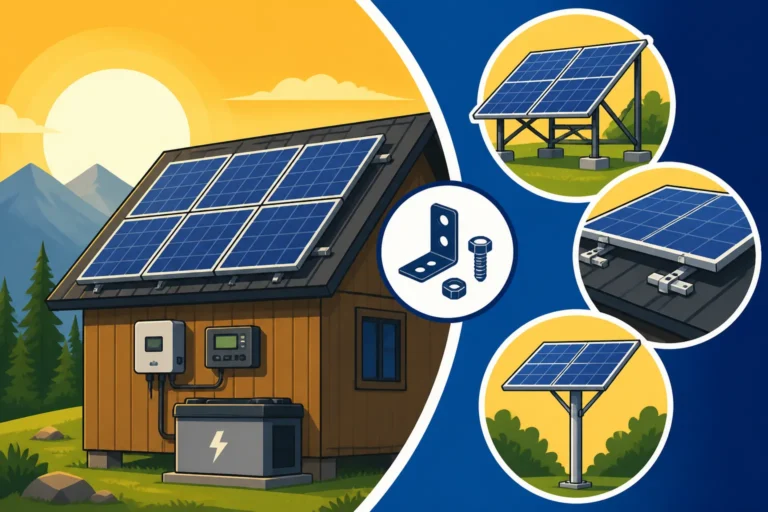
The way you install your solar panels has a huge impact on their long-term performance and durability. It’s not just about getting them up on the roof or ground mount; it’s about doing it correctly and securely. Panels need to be mounted firmly to withstand wind, snow loads, and other environmental stressors. Loose panels can suffer structural damage over time, leading to micro-cracks or even complete failure. Ensure that your mounting system is appropriate for your climate and roof type, providing adequate ventilation underneath the panels to prevent overheating, which can reduce efficiency.
Wiring is another critical aspect often overlooked. Incorrectly sized wires can lead to voltage drop, reducing the power that actually makes it to your batteries. Exposed or poorly insulated wiring can degrade from UV exposure or pest damage, leading to shorts or fire hazards. Using proper UV-resistant cabling, watertight connectors (like MC4 connectors), and secure cable management prevents these issues. Taking the time to properly install your panels according to manufacturer guidelines, or even consulting resources like How to Install an Off-Grid Solar System, ensures they perform optimally for their entire expected lifespan, maximizing the value you get from them.
Regular Cleaning and Maintenance
Solar panels are pretty robust, but they aren't entirely set-it-and-forget-it. Just like anything exposed to the elements, they can accumulate dirt, dust, pollen, leaves, and even bird droppings. A significant buildup of grime can drastically reduce your panels' efficiency, sometimes by as much as 20-30% in extreme cases. That's a huge loss of potential power, especially for an off-grid system where every watt-hour counts.
Regular cleaning is simple: use water and a soft brush or cloth. Avoid harsh chemicals or abrasive materials, which can scratch the glass or damage the anti-reflective coating. For panels mounted on a roof, safety is paramount; use proper fall protection. Beyond cleaning, periodic inspections are essential. Look for any physical damage to the glass, frame, or wiring. Check for loose connections, corrosion, or signs of animal nesting around the panels or wiring. Ensuring your panels are clean and free from damage means they're constantly working at their peak efficiency, delivering consistent power and extending their useful life, thereby enhancing their long-term value. This simple routine maintenance is a small effort for significant rewards in your Off-Grid Solar Payback Period Explained.
Protecting Panels from Environmental Extremes
Off-grid life often means placing your solar array in challenging environments, so protecting your value panels from environmental extremes is vital for their longevity. This isn't about avoiding the weather entirely, but about designing your system to mitigate its harshest effects. In regions with heavy snowfall, ensure your mounting system can handle the weight, and consider an angle that allows snow to shed easily. Prolonged snow cover means zero power generation, so accessibility for snow removal can be a factor.
For areas prone to high winds, secure mounting is critical to prevent panels from becoming airborne projectiles or suffering frame damage. In extremely hot climates, ensuring good airflow around the panels, as mentioned, helps maintain efficiency by preventing excessive heat buildup. While panels are designed to be outdoors, protecting exposed wiring in conduit can prevent UV degradation, rodent damage, and physical wear. Investing in robust mounting hardware and proper wire management might seem like an added expense, but it's a small price to pay to protect your valuable panels from damage that could lead to costly replacements or system downtime, ensuring your How Off-Grid Solar Saves Money Long-Term.
Best Value Off-Grid Solar Panels Comparison
| Panel Type | Efficiency Range | Price Per Watt (Approx.) | Best For | Pros | Cons |
|---|---|---|---|---|---|
| Monocrystalline | 17-22%+ | $0.90 – $1.50 | Limited space, high power needs, all climates | High efficiency, smaller footprint, good high-temp performance | Slightly higher upfront cost, can be less aesthetically pleasing (darker) |
| Polycrystalline | 15-17% | $0.70 – $1.00 | Ample space, budget-conscious, cooler climates | Lower upfront cost, decent performance, good for large arrays | Larger footprint per watt, slightly lower efficiency, can be less appealing visually |
| Flexible/Thin-Film | 10-15% | $1.50 – $3.00+ | RVs, boats, curved surfaces, portable setups | Lightweight, flexible, easy installation on non-traditional surfaces | Lowest efficiency, highest price per watt, often less durable than rigid panels |
Note: Prices are approximate and can vary widely based on brand, retailer, wattage, and market fluctuations.
Disclaimer
The information provided in this article is for general informational purposes only and does not constitute professional advice. While we strive to offer accurate and up-to-date information, off-grid solar system design and installation can be complex. We highly recommend consulting with a qualified solar professional or electrician for personalized advice tailored to your specific needs and local regulations. Always prioritize safety when working with electrical systems.