Are Bluetti Panels Good for Off-Grid
Navigating the world of off-grid solar can feel like deciphering a secret code, especially when you're trying to figure out if popular brands truly deliver for standalone power. Many folks, especially those eyeing portable power solutions, often wonder: are Bluetti panels good for off-grid use, or are they just for weekend camping trips? This guide will cut through the noise and give you a realistic look at how Bluetti solar panels stack up for life off the grid.
Understanding Bluetti Solar Panels for Off-Grid Living
When we talk about Bluetti solar panels, it’s important to understand their core design philosophy. Unlike the large, rigid panels you might see fixed on rooftops or ground mounts, Bluetti panels are primarily designed with portability, flexibility, and direct integration with their range of solar generators and portable power stations in mind. This focus impacts their performance and suitability for various off-grid scenarios.
What Sets Bluetti Panels Apart
Bluetti panels are instantly recognizable for their foldability and robust, yet lightweight, construction. They often feature monocrystalline cells, which are known for their efficiency in converting sunlight into electricity. The panels are typically laminated with ETFE material, a polymer that offers excellent light transmittance, self-cleaning properties, and enhanced durability against UV rays and harsh weather conditions. This makes them quite resilient for outdoor use, though they aren't designed to withstand the same long-term, static abuse that a rigid, framed glass panel can endure.
Their primary distinction lies in their intended use: being easily transportable and quickly deployable. They come equipped with built-in kickstands for optimal angling towards the sun and standard MC4 connectors, ensuring compatibility not just with Bluetti's own popular power stations like the Bluetti AC200L or the Bluetti EP500, but also with other systems (though often requiring adapter cables for non-Bluetti devices). This direct integration is a huge selling point for users who prioritize simplicity and a plug-and-play experience, especially for those learning the ropes of off-grid power generation.
The Efficiency Factor
When evaluating any solar panel for off-grid use, efficiency is a critical metric. Bluetti panels, utilizing monocrystalline silicon cells, typically boast conversion efficiencies in the range of 20-23%. To put that into perspective, this is quite good for a portable panel. For example, a 200W Bluetti panel will generally deliver close to its rated output under ideal conditions, meaning you're getting a decent amount of power for its physical size.
However, it's essential to understand what "efficiency" practically means in an off-grid setup. Higher efficiency means you need less surface area to generate a certain amount of power. For portable applications like van life or RVs, where space is often at a premium, this is incredibly valuable. You can unfold a 200W panel and get a significant charge into your battery bank or power station without needing a sprawling array. For a fixed installation, however, while the efficiency per square foot is decent, the cost per watt can be higher compared to a large, rigid panel. This is a trade-off you need to consider depending on whether portability or long-term value for a permanent installation is your priority.
Durability and Build Quality
Bluetti has put a lot of thought into making their panels withstand the rigors of travel and outdoor life. As mentioned, the ETFE lamination isn't just for looks; it provides a protective, waterproof, and scratch-resistant surface. Many models also feature reinforced grommets for tying them down in windy conditions, and sturdy handles for easy carrying. The folding design itself, while excellent for portability, does introduce more connection points and hinges, which can sometimes be points of wear and tear over many years compared to a single, solid rigid panel.
For someone living in a van or regularly moving their solar setup for camping, this build quality is a major plus. They're designed to be packed up, moved, and redeployed without fuss. However, if your plan is to permanently mount panels on a cabin roof and leave them exposed to extreme weather variations year-round for decades, a traditional rigid panel with an aluminum frame and tempered glass might offer greater long-term resilience against hail, heavy snow loads, or consistent high winds. Bluetti panels are durable for their intended portable purpose, but it’s crucial to match their durability profile with your specific off-grid application.
Pros and Cons of Using Bluetti Panels for Off-Grid Setups
Deciding whether Bluetti panels are the right fit for your off-grid dreams involves weighing their unique strengths against their inherent limitations. It’s not a one-size-fits-all answer; what’s perfect for one off-grid enthusiast might be insufficient for another.
The Advantages of Portability and Integration
One of the biggest draws of Bluetti solar panels is their unparalleled portability. Imagine you're on a road trip in your RV or camper, parking in a shady spot. You can simply unfold your Bluetti panels and set them up in a sunny clearing nearby, ensuring your batteries keep charging even if your vehicle isn't directly exposed to the sun. This flexibility is a game-changer for many mobile dwellers. We've written a whole guide on Best Portable Solar Panels for Off-Grid for good reason – portability is key for many. For those living the van life dream, these panels make a lot of sense.
Their seamless integration with Bluetti's own power stations is another significant advantage. If you own a Bluetti AC200MAX or an EcoFlow Delta Pro, for instance, connecting their respective solar panels is usually a straightforward, plug-and-play process. There’s no need to fuss with complicated wiring, charge controllers, or finding the right voltage and amperage matches. This makes them incredibly user-friendly for beginners or anyone who prefers a hassle-free setup for temporary or smaller-scale power needs. For emergency backup scenarios, where quick deployment is crucial, a portable system with Bluetti panels and a power station can be a lifesaver, providing a reliable source of power when you need it most. This kind of setup often makes our list of Best Solar Generator for Emergencies because of its convenience.
Where Bluetti Panels Might Fall Short
While fantastic for portable applications, Bluetti panels do have their limitations when it comes to larger, more permanent off-grid installations. The most significant factor is often the cost per watt. Because of their portable design, built-in features, and the convenience of being part of a streamlined ecosystem, Bluetti panels tend to be more expensive per watt than comparable rigid solar panels. For someone looking to power a whole house off-grid, buying many smaller, higher-priced portable panels would quickly become cost-prohibitive compared to investing in a larger, more economical fixed array. When you start calculating the cost per watt you'll quickly see the difference.
Another consideration is durability for continuous, long-term exposure. While robust for portability, they aren't engineered to the same structural standards as rigid, framed panels. They might not withstand years of constant heavy snow loads, direct hail strikes, or relentless high winds on a fixed roof mount as effectively as a traditional panel designed specifically for such conditions. For a remote cabin that needs consistent power year-round, you might find yourself doing more maintenance or replacements than you would with a more robust, permanently installed system. You'd want to consider the cost to replace them over time.
Finally, while they use standard MC4 connectors, their design and voltage output are often optimized for particular portable power stations. Integrating them into a complex, custom-built off-grid system with a separate charge controller or a dedicated battery bank might require more thought, potentially necessitating additional charge controllers or voltage regulators if you're mixing and matching components from different manufacturers to ensure optimal charging.
Practical Scenarios and Alternatives
Understanding the specific use cases where Bluetti panels excel, and where other options might be more suitable, is key to making an informed decision for your off-grid journey.
When Bluetti Panels Shine Brightest
Bluetti panels are truly a fantastic choice for specific types of off-grid living and usage patterns, especially those that prioritize flexibility and mobility.
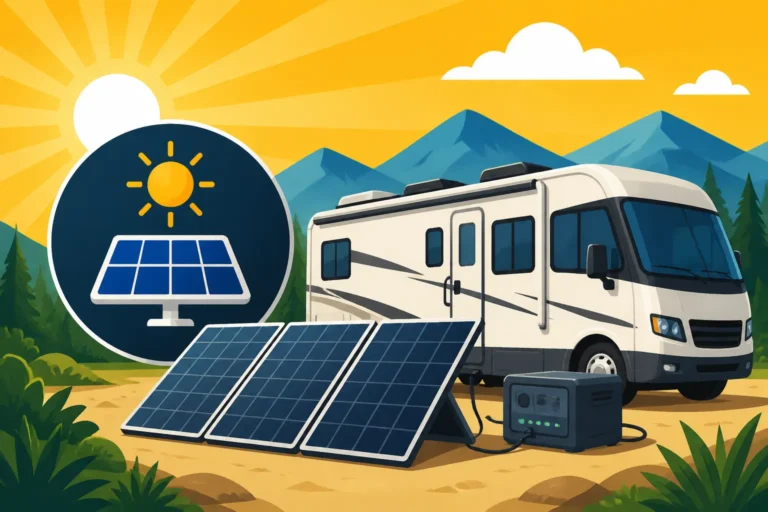
- Van Life and RVs: If your home is on wheels, the ability to quickly set up and stow away your solar panels is invaluable. Whether you're parked at a campsite, boondocking in the wilderness, or just need a supplemental charge while driving, Bluetti's portable design makes it easy. You can angle them perfectly towards the sun throughout the day, maximizing your energy harvest, and then fold them up securely when it's time to hit the road. For many van lifers, a few 200W Bluetti panels paired with a Bluetti power station offer all the power they need for lights, laptops, and even a small fridge.
- Camping and Outdoor Adventures: For weekend warriors, hunters, anglers, or anyone enjoying the great outdoors, Bluetti panels provide reliable power for their portable power stations. They're perfect for charging phones, running a portable cooler, or keeping camera batteries topped up. Their ruggedness allows them to handle the occasional bump and scrape of outdoor life without major issues.
- Emergency Backup Power: During power outages, having a portable solar setup can be a lifesaver. Bluetti panels can quickly be deployed in your yard or on a balcony to recharge a solar generator, providing essential power for communication, medical devices (like a CPAP machine), or keeping food cool. This capability makes them a vital part of any robust emergency preparedness kit.
- Small Cabins or Sheds with Intermittent Use: For a small hunting cabin, a remote workshop, or a garden shed that only needs power occasionally, a Bluetti panel paired with one of their power stations can be a cost-effective and simple solution. You might not need the complexity or expense of a full-blown fixed solar system just to power a few lights or small tools a couple of weekends a month. This can really help control the upfront cost when starting out.
Here's a quick comparison of Bluetti Portable Panels vs. Traditional Rigid Panels:
| Feature | Bluetti Portable Solar Panels | Traditional Rigid Solar Panels |
|---|---|---|
| Primary Use | Portable, mobile, temporary power, charging power stations | Permanent, fixed installations for homes, cabins, large systems |
| Cost per Watt | Generally higher | Generally lower |
| Durability | Good for travel & outdoor use, ETFE laminated | Very high for long-term outdoor exposure, tempered glass/frame |
| Installation | Quick setup with kickstands, plug-and-play | Requires mounting hardware, professional installation often |
| Weight/Size | Foldable, lightweight, compact for storage | Heavy, large, fixed dimensions |
| Flexibility | Excellent – can be moved to chase the sun | Fixed – optimal angle is set during installation |
| Maintenance | Wiped down, occasional inspection of hinges/connections | Occasional cleaning, structural checks |
Considering Other Options for Dedicated Off-Grid Systems
If your vision of off-grid living involves a permanent residence, a large homestead, or a substantial cabin with significant power demands, you'll likely want to look beyond Bluetti portable panels for your primary solar array.
- Traditional Rigid Panels: For a full-time off-grid home, large rigid panels from brands like Renogy, Rich Solar, or Grape Solar offer a significantly lower cost per watt and superior long-term durability. These panels are built to last for decades, often coming with 25-year performance warranties. They are designed to be mounted securely on roofs or ground arrays, withstand extreme weather, and form the backbone of a robust power system capable of running major appliances like refrigerators, well pumps, and even air conditioning. Building a system with these panels, along with a powerful inverter and a large battery bank, will generally be more efficient and cost-effective in the long run for substantial energy needs.
- Off-Grid Kits: For those who want a comprehensive solution without piecing together every component, pre-designed kits can be a fantastic middle ground. These kits often include panels (usually rigid), an inverter, a charge controller, and batteries, all matched to work together. While they might still be more expensive than sourcing individual components, they simplify the planning and purchasing process. You can find many reputable options on platforms like Amazon or from specialized solar retailers, providing a balanced approach between DIY and a fully custom build.
- DIY vs. Professional Installation: For a large, permanent off-grid system, you have to consider the DIY vs Professional Off-Grid Installation . While you can certainly tackle a DIY installation, especially with excellent guides on DIY Off-Grid Solar Installation Step by Step available, larger systems often benefit from professional design and installation to ensure safety, efficiency, and compliance with any local codes. This usually involves a higher upfront cost but can save headaches and costly mistakes down the line.
In summary, Bluetti panels are an excellent choice for portable, temporary, and supplemental off-grid power, particularly when integrated with their own power stations. They offer convenience, good efficiency for their size, and decent durability for mobile applications. However, for large, permanent off-grid homes or cabins requiring continuous, high-volume power, traditional rigid panels will almost always be the more cost-effective and robust solution for the long haul. Your choice really boils down to your specific power needs, your lifestyle, and your budget for the project.
Disclaimer
The information provided in this guide is for general informational purposes only and does not constitute professional advice. Off-grid solar system design and installation can be complex and involve electrical hazards. Always consult with qualified professionals and adhere to all local codes and regulations when planning or installing any solar power system.