Bluetti AC200L for Off-Grid: Specs and Review
It can be incredibly frustrating to find yourself without reliable power when you're seeking independence or adventure off the beaten path. Whether you're powering a remote cabin, a mobile workshop, or simply need backup for emergencies, the challenge of securing consistent, clean energy is real. This comprehensive guide will deep dive into the Bluetti AC200L portable power station, exploring its specifications, real-world performance, and how it truly stacks up for various off-grid applications, helping you decide if it's the right fit for your energy needs.
Understanding the Bluetti AC200L for Off-Grid Living
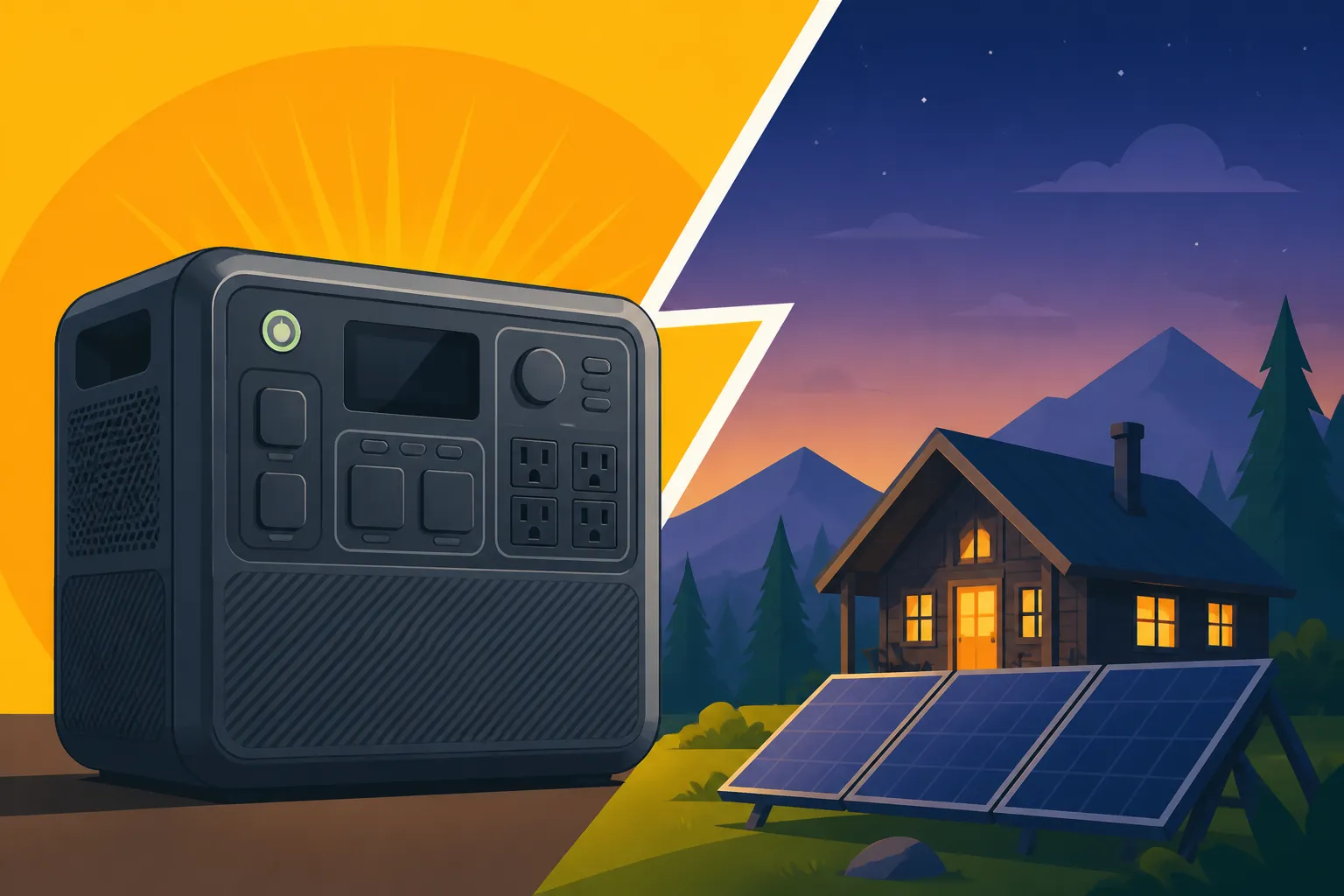
When you're venturing into the world of off-grid living, whether it's full-time homesteading or just extended weekend trips, having a robust and reliable power source is non-negotiable. The Bluetti AC200L steps into this arena as a contender designed to bridge the gap between small, personal power banks and large, complex whole-home systems. It's built for those who need a substantial amount of power on the go without the intricate installation often associated with traditional solar setups. We're talking about a portable unit that packs a serious punch, capable of running a surprising array of appliances.
Core Specifications and What They Mean for You
Let's get down to the nitty-gritty of what the Bluetti AC200L brings to the table, because specs aren't just numbers – they dictate your real-world experience. At its heart, the AC200L boasts a formidable 2,048Wh (watt-hour) LiFePO4 battery, which is a fantastic start for many off-grid scenarios. This isn't your average car battery; LiFePO4 batteries are known for their longevity, safety, and ability to be deeply discharged repeatedly without significant degradation. This means you can count on it for years, making it a sound investment.
The unit also features a 2,400W pure sine wave AC inverter, with a surge capability of up to 3,600W. That "pure sine wave" part is crucial – it means the power output is as clean and stable as what you get from the grid, which is essential for sensitive electronics like laptops, medical devices (think CPAP machines), and power tools. A 2,400W continuous output is enough to run most common household appliances, from a full-size refrigerator to a microwave or even a smaller air conditioner for short bursts. You'll find a variety of output ports, including multiple AC outlets, USB-A, USB-C (including a robust 100W PD port for fast-charging modern devices), and a 12V RV-style outlet, offering versatility for nearly any gadget or appliance you might need.
The AC200L's Place in a Modern Off-Grid Setup
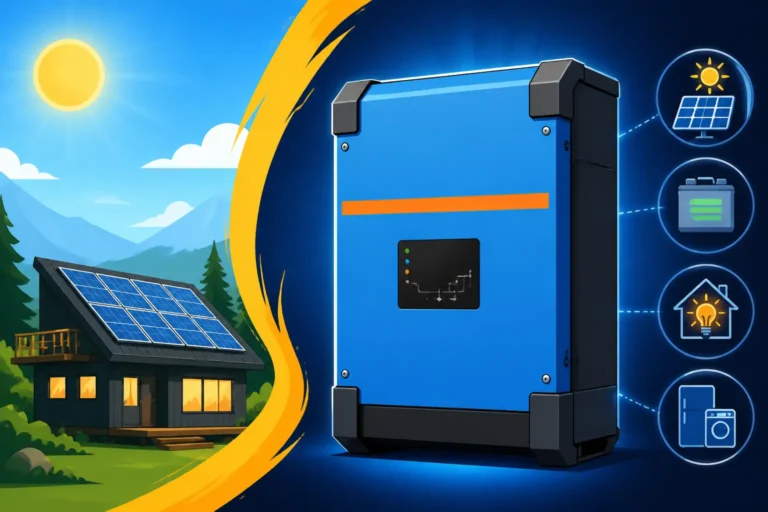
So, where does a unit like the Bluetti AC200L truly fit into the grand scheme of off-grid living? For many, it serves as the central hub of a smaller, more mobile system, perfect for van lifers, RV enthusiasts, or those with small cabins or workshops. It's particularly appealing because it integrates several key components—battery, inverter, and charge controller—into one sleek, user-friendly package. This significantly reduces the complexity and footprint compared to building a custom system from individual components, a process that can involve separate wiring for a battery bank, a standalone inverter, and a charge controller, as detailed in our guide on How to Wire an Off-Grid Solar System.
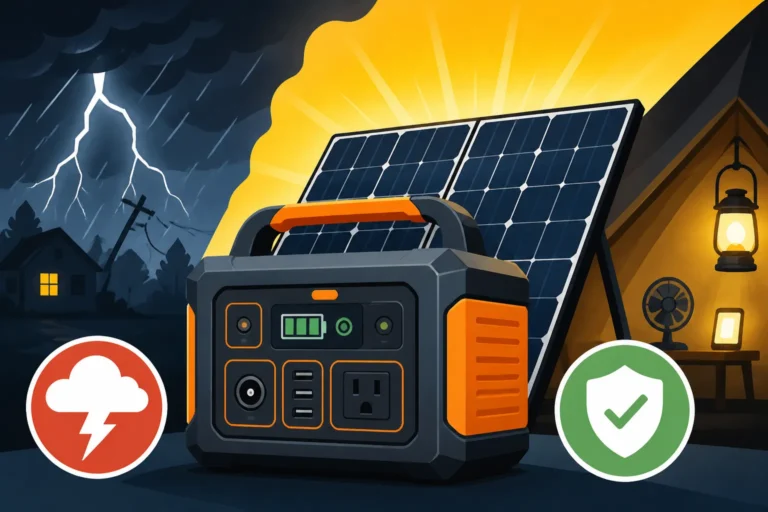
It's also an excellent choice for emergency preparedness. Imagine a power outage in your suburban home; the AC200L can keep your fridge running, charge your phones, and power essential lights, providing peace of mind. For those looking to phase into a larger off-grid setup, it can be a valuable first step, offering immediate portable power while you plan and save for something more expansive. It excels as a dedicated power source for a specific area, like a garden shed requiring power for tools, or a remote job site where grid power isn't an option.
Real-World Performance and Practical Applications
Beyond the numbers on a spec sheet, what really matters is how the Bluetti AC200L performs when the rubber meets the road. In the wild, or even in your backyard, its true utility comes to light. This isn't just about turning things on; it's about doing so reliably, efficiently, and for durations that make a real difference in your off-grid experience.
Powering Essential Appliances and Tools
Let's talk about what you can actually run. With its 2,048Wh battery and 2,400W inverter, the AC200L is a powerhouse for its size. For a typical off-grid cabin in, say, northern Arizona, you could expect to run a full-size energy-efficient refrigerator for over a full day. If you're using it for work, it can effortlessly power demanding tools like circular saws, miter saws, or even a small air compressor for short periods, thanks to its 3,600W surge capacity. This is a game-changer for those who need to tackle projects away from the grid without hauling a noisy, gas-guzzling generator.
For the digital nomad in a camper van, the AC200L is more than capable of keeping multiple laptops, camera batteries, and Starlink internet running for days, depending on usage. It can also handle a slow cooker, an electric kettle (briefly), or even a small portable induction cooktop, making meal prep much easier than relying solely on propane. The key is to understand your specific Off-Grid Solar Load Calculation Explained to match the generator's capacity with your daily needs. For example, if you're running a well pump, you'll need to consider its high startup surge, and the AC200L's 3600W surge capability can often handle smaller residential pumps, though it's always wise to check your pump's specific requirements.
Charging Options and Efficiency Considerations
One of the most critical aspects of any off-grid power solution is how you recharge it. The Bluetti AC200L offers impressive flexibility here. It can be charged via AC wall outlet, car charger, and, most importantly for off-grid scenarios, solar panels. It supports up to 900W of solar input, which is a significant amount for a portable unit. This means that with a good array of solar panels—say, a few 200W or 300W panels—you can fully recharge the AC200L in just a few hours of peak sunshine. For instance, pairing it with some high-efficiency panels from brands like Renogy can maximize your charging speed, ensuring you get back to full power quickly, even if you're out in the wilderness.
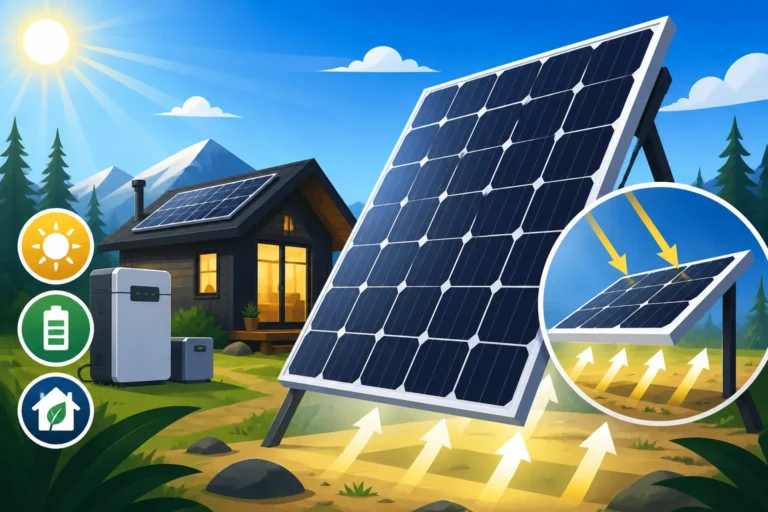
When considering solar charging, remember factors like peak sun hours and panel efficiency. On a bright, sunny day in a southern state like Florida, you might consistently get close to that 900W input, but on an overcast day or in a northern latitude during winter, your charging speed will naturally decrease. Optimizing your solar panel setup, including tilt angle and avoiding shading, is crucial to making the most of the AC200L's solar input capabilities. Many users purchase compatible solar panels separately through retailers like Amazon, offering a wide selection to match their budget and space constraints. The unit also features MPPT (Maximum Power Point Tracking) technology, which ensures it extracts the maximum possible power from your solar panels, regardless of varying light conditions.
Pros and Cons: Is the AC200L Right for Your Needs?
Deciding on the right off-grid power solution involves weighing the good against the less-than-ideal. The Bluetti AC200L has many strong points, but like any piece of equipment, it also has its limitations. Understanding these will help you determine if it aligns with your specific lifestyle and power demands.
Advantages for Portability and Ease of Use
One of the standout benefits of the AC200L is its remarkable portability, especially considering its substantial power output. While it's not feather-light (we're talking around 60 lbs), it's still manageable for one person to move, particularly with its integrated handles. This makes it ideal for scenarios where you might need to move your power source from a cabin to a workshop, or from your RV awning to a more shaded spot. The all-in-one design means you don't have to fiddle with connecting separate components; just plug in your solar panels, and you're good to go. This plug-and-play simplicity is a massive advantage for beginners or anyone who prefers less complexity in their off-grid setup.
Furthermore, the robust LiFePO4 battery chemistry offers a much longer lifespan and greater safety compared to older lead-acid or even some NMC lithium batteries. You can expect thousands of charge cycles, meaning years of reliable use before significant capacity degradation. The pure sine wave inverter ensures compatibility with all your electronics, eliminating worries about damaging sensitive gear. The ability to charge rapidly from multiple sources—AC, car, or up to 900W solar—also contributes significantly to its ease of use, providing flexible power replenishment options, whether you're at home, on the road, or deep in the backcountry. This versatility can dramatically simplify your Off-Grid Solar Installation Guide compared to piecing together a complex system.
Potential Limitations and Alternatives
Despite its many advantages, the Bluetti AC200L isn't without its considerations. The primary limitation for some users might be its finite capacity. While 2,048Wh is excellent for many applications, it might not be enough for a full-time, energy-intensive off-grid home, especially if you have significant heating, cooling, or well pump demands. For those scenarios, you'd likely need a much larger, more permanent system, perhaps integrating multiple dedicated batteries and a higher-wattage inverter. Check out our guide on How Many Batteries for an Off-Grid System for a deeper dive into larger setups.
Another point to consider is the initial cost. While competitive for its feature set, a premium portable power station like the AC200L represents a significant upfront investment compared to smaller solar generators or even some entry-level DIY component systems. However, its long-term durability and integrated features often justify this cost. For users needing even more power, Bluetti offers expansion batteries like the B210, which can double the AC200L's capacity. If you're comparing it to building your own system from scratch, the AC200L sacrifices some modularity and potentially the ultimate customizability for convenience and compactness. For those who prefer a more hands-on, scalable approach, assembling individual components like a Cost of an Off-Grid Solar Inverter and separate battery banks might offer more flexibility in the long run, albeit with a steeper learning curve.
Here's a quick comparison of the Bluetti AC200L's key features:
| Feature | Bluetti AC200L | Typical Small DIY Component System (e.g., for RV) |
|---|---|---|
| Battery Capacity | 2,048 Wh (LiFePO4) | 100-200 Ah (12V) LiFePO4 ( |
| Inverter Output | 2,400W Pure Sine Wave (3,600W Surge) | 1,000-2,000W Pure Sine Wave (2,000-4,000W Surge) |
| Solar Input Max | 900W MPPT | 200W-600W via MPPT Charge Controller |
| Expandability | Yes, with B210 expansion batteries | Yes, by adding more batteries, panels, or a larger inverter |
| Battery Type | LiFePO4 (Integrated) | User-selectable (LiFePO4, AGM, Gel) |
| Portability | High (approx. 60 lbs, all-in-one) | Low (components are separate, wiring required) |
| Ease of Setup | Plug-and-Play | Requires technical knowledge, wiring, and configuration |
| Typical Use Case | Portable power, RVs, cabins, emergency backup | Permanent RV/Van installations, small fixed cabins |
Integrating the Bluetti AC200L into a Larger System
While the Bluetti AC200L shines as a standalone unit for many, its design also allows for surprising integration into more comprehensive power strategies. For those with growing off-grid needs, it doesn't necessarily have to be an isolated power source; it can become a crucial part of a bigger picture.
Expanding Your Power with Additional Batteries or Solar
One of the most appealing features of the Bluetti AC200L is its expandability. If you find that the base 2,048Wh capacity isn't quite enough for your evolving needs, you're not stuck. Bluetti offers companion expansion batteries, specifically the B210 (2,149Wh), which seamlessly connect to the AC200L. Adding even one B210 instantly doubles your available energy storage, pushing you over 4,000Wh. This makes it a much more viable option for extended periods without sun, or for running more power-hungry appliances for longer durations. This kind of flexibility is a huge bonus, allowing you to scale your system as your power demands grow or as your budget allows, rather than having to completely overhaul your setup.
Beyond battery expansion, the AC200L's robust 900W solar input capability also means you can easily integrate more solar panels into your system over time. If you start with, say, 400W of solar panels, you have room to add more in the future without needing a new charge controller or power station. This is particularly useful if you live in an area with inconsistent sunlight or plan for increased power consumption during winter months. Combining additional solar panels with an expansion battery ensures a more resilient and powerful off-grid system, providing greater energy independence and less reliance on auxiliary charging methods. Planning for future expansion is a smart move, and the AC200L makes it relatively straightforward, differing from more rigid, fixed solar setups. You can learn more about this in our article, How to Design an Expandable System.
Comparing Against DIY Component Builds
For many off-grid enthusiasts, the choice often comes down to an all-in-one unit like the Bluetti AC200L or a custom-built DIY system using individual components. While a DIY build can offer maximum customization, allowing you to handpick every solar panel, charge controller, inverter, and battery (perhaps even opting for specific LiFePO4 battery brands like Battle Born or EG4 from online stores like Amazon), it also demands a significant amount of research, technical know-how, and installation effort. You'd need to understand things like Battery Bank Wiring Configurations, correct wire sizing, and fuse placement—all things handled internally and safely by the AC200L.
The AC200L, on the other hand, provides a ready-to-go solution that eliminates much of that complexity. It's a "set it and forget it" kind of device for the most part, designed for ease of use. You lose some of the granular control and potential cost savings of a DIY build (as custom builds can sometimes be cheaper per watt-hour if you source components smartly), but you gain convenience, a streamlined design, and a comprehensive warranty from a single manufacturer. For someone who values simplicity and reliability over the intricacies of a custom electrical build, the AC200L offers a compelling, efficient, and user-friendly alternative to a traditional, multi-component off-grid system. It's truly a balance between technical freedom and operational ease.
Disclaimer
As an Amazon Associate, I earn from qualifying purchases. This content is for informational purposes only and not intended as financial, electrical, or legal advice. Always consult with a qualified professional before making any significant purchases or attempting electrical work. Off-grid solar system costs, performance, and suitability can vary greatly depending on individual needs, location, and installation specifics.