Should You Buy the Bluetti AC200L for Off-Grid
Deciding on the right power solution for off-grid living can feel like wading through a sea of technical jargon and endless options. Many of us are drawn to the convenience of an all-in-one portable power station, wondering if something like the Bluetti AC200L can truly replace a complex, custom-built solar setup. This guide aims to cut through the confusion, helping you understand the Bluetti AC200L's strengths and weaknesses specifically for off-grid applications, so you can determine if it's the right investment for your independence journey.
Understanding the Bluetti AC200L's Capabilities for Off-Grid Living
When you're looking at a unit like the Bluetti AC200L, it's easy to get caught up in the big numbers. But for off-grid living, understanding what those numbers really mean for your daily power needs is absolutely crucial. It's not just about how much it can hold, but how it can deliver that power consistently and reliably.
Key Specifications and What They Mean for You
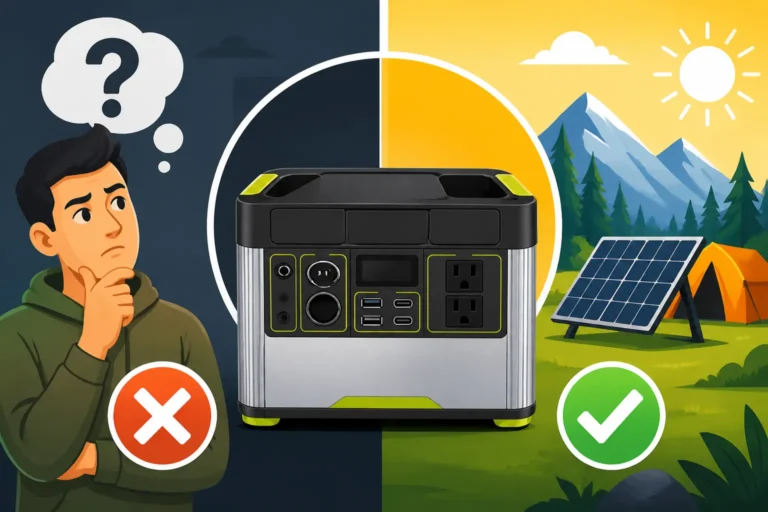
The Bluetti AC200L is a powerhouse in the portable solar generator category, boasting some impressive specs. It typically comes with a 2,048Wh (watt-hour) LiFePO4 battery, which means it can store a good chunk of energy. To put that into perspective, 2000Wh could potentially run a modern, energy-efficient refrigerator (around 100-200 watts when running) for roughly 10-20 hours of continuous compressor operation, though real-world usage involves cycles. It also features a substantial 2,400W pure sine wave inverter, with a surge capability often reaching 3,600W. This means it can handle most standard household appliances, including those with higher startup draws like a coffee maker or a small microwave, without a hiccup.
What truly makes it appealing for off-grid applications is its robust solar input – typically up to 1,200W. This high input capability is fantastic because it allows for rapid recharging using solar panels, a critical factor when you're relying solely on the sun. If you have enough panels and good sun exposure, you could theoretically recharge the entire unit in just a couple of hours. The inclusion of multiple output ports, including AC outlets, USB-A, USB-C, and a 12V DC port, means you can power a wide array of devices simultaneously. For someone living in a small cabin or an RV, this versatile output can be a game-changer, eliminating the need for various adapters and converters.
Built-in Features for Off-Grid Convenience
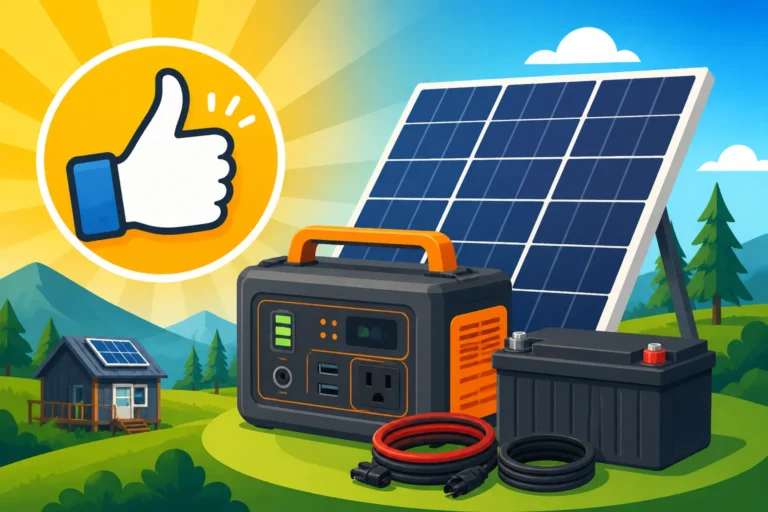
One of the major benefits of a unit like the Bluetti AC200L is its integrated design. Unlike a traditional DIY off-grid system where you're sourcing separate solar panels, charge controllers, inverters, and batteries, the AC200L combines all these essential components into one portable, relatively compact box. This "plug-and-play" simplicity significantly reduces the complexity of setting up an off-grid power source. You don't need to worry about intricate wiring diagrams, impedance matching, or custom enclosures.
The built-in LiFePO4 (Lithium Iron Phosphate) battery chemistry is a huge win for off-grid dependability. These batteries are known for their exceptional longevity, often rated for 3,500+ charge cycles to 80% capacity, which translates to many years of daily use. They are also much safer and more stable than traditional lead-acid batteries, offering a wider operating temperature range and less risk of thermal runaway. For anyone living off-grid, reliability and safety are paramount, and LiFePO4 batteries deliver on both fronts. Another noteworthy feature is the intuitive touchscreen interface, which provides real-time information on power input, output, battery percentage, and operating status, making it easy to monitor your energy usage. The multiple charging options, including AC wall charging, car charging, and generator charging, give you flexibility, though solar remains the primary method for true off-grid sustainment.
Where the Bluetti AC200L Shines in Off-Grid Scenarios
The appeal of portable power stations for off-grid living is undeniable, and the Bluetti AC200L certainly holds its own in specific situations. It's not a one-size-fits-all solution, but for particular needs, it can be an excellent choice.
Portable Power and Emergency Backup
For those seeking flexibility and mobility in their off-grid endeavors, the Bluetti AC200L truly shines. Imagine setting up a remote workstation for a few days, deep in the woods, or powering your Off-Grid Solar Cost for a Hunting Cabin on a weekend trip. Its portability means you can easily move it from your vehicle to a campsite, or even between different rooms in a tiny home. It's perfectly suited for Off-Grid Solar Cost for a Rv or van life, where space is at a premium and a complex, permanently installed system might be overkill or too difficult to integrate.
Furthermore, the AC200L makes an outstanding emergency backup power source, even for those who are primarily grid-tied but want peace of mind during outages. If your main off-grid system experiences a fault or if you face an extended period of low sun, this unit can provide critical power for essential items like a CPAP machine, a medical refrigerator, or communications devices. It's essentially a compact, ready-to-go solution that can bridge gaps or serve as your primary power for smaller, more intermittent needs. Other brands, like Jackery, offer similar portable solutions that cater to this segment, providing competition and options for consumers focused on grab-and-go power. The fact that you don't need a deep understanding of electrical wiring makes it accessible to a broader audience, reducing the barrier to entry for embracing some level of energy independence.
Simplicity and Ease of Use
One of the biggest hurdles for many people considering off-grid living is the perceived complexity of setting up a solar power system. This is where the Bluetti AC200L stands out. It embodies a "plug-and-play" philosophy that demystifies off-grid power generation. There's no need to grapple with intricate wiring diagrams, calculate voltage drops, or meticulously match individual components. You simply connect your solar panels to the designated input port, and plug your appliances into the various output sockets.
This simplicity is incredibly valuable for beginners or those who prefer to focus their time and energy on other aspects of off-grid living, rather than becoming a solar power expert. For a seasonal cabin, a garden shed, or a temporary construction site where you need reliable power without the hassle of a full installation, the AC200L is hard to beat. It arrives largely ready to go, often just requiring a full initial charge. This contrasts sharply with building a modular system, which can involve selecting and connecting components like those discussed in How to Connect Batteries, Inverter, and Panels or learning Off-Grid Solar System Design Basics. The minimal setup time means you can get powered up quickly, which is a huge advantage when time or expertise is limited.
Limitations and Considerations for Dedicated Off-Grid Living
While the Bluetti AC200L offers many advantages, it's essential to have a realistic understanding of its limitations, especially if your vision is for a permanent, comprehensive off-grid lifestyle in a larger dwelling.
Power Capacity and Expansion Constraints
The 2000Wh (or slightly more, depending on the model) battery capacity of the Bluetti AC200L, while substantial for a portable unit, often falls short for sustained, whole-house off-grid living. Think about your average daily energy consumption in a typical home; it's often in the realm of 10-30 kWh (10,000-30,000 Wh), sometimes even more. A single AC200L would provide only a fraction of that, requiring constant, rapid recharging, which isn't always feasible, especially during cloudy periods or in winter. For insights into larger systems, you might want to read about How Many Solar Panels for Off-Grid Living for a full home.
Running heavier appliances consistently, like a well pump, an electric water heater, a clothes dryer, or even certain types of air conditioning units, can quickly deplete the battery and push the inverter to its limits. While the inverter can handle many appliances, continuous high draw will drain the battery quickly. The most significant limitation for dedicated off-grid setups is expandability. Unlike a modular system where you can easily add more solar panels, increase your How Many Batteries for an Off-Grid System, or upgrade your inverter, the AC200L is a self-contained unit. While some larger Bluetti models (and certain Jackery models) allow for external battery packs, the core inverter and charge controller capacity are fixed. This means if your power needs grow, you might be looking at buying an entirely new, larger unit rather than simply expanding your existing one, which isn't very cost-effective in the long run.
Cost-Effectiveness for Permanent Setups
When you compare the upfront cost of a Bluetti AC200L to the cost of a full-scale, permanent off-grid solar system, it's important to look beyond the initial sticker price and consider the cost per watt-hour of usable capacity and long-term value. While the AC200L offers fantastic convenience and portability, the integrated design can sometimes make it less cost-effective per unit of energy storage or power output compared to building a custom system with individual, high-quality components.
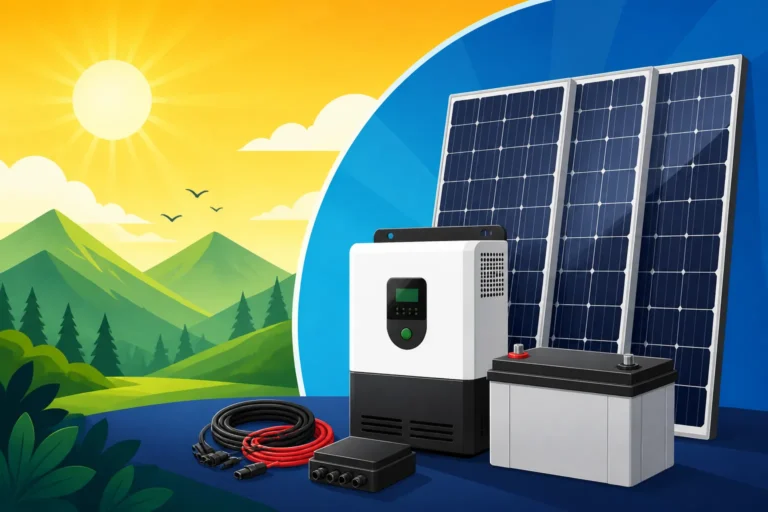
For instance, if you were to build an off-grid system with similar battery capacity (around 2kWh) using individual LiFePO4 batteries, a separate inverter like those discussed in Cost of an Off-Grid Solar Inverter, and a charge controller, the component cost might be lower, especially if you're willing to do some of the assembly yourself. The premium you pay for the AC200L includes its all-in-one design, portability, and user-friendliness. For truly large power needs, like those for a family home, investing in a modular system with large server-rack batteries and robust inverter-chargers from brands like Victron or Sol-Ark will generally yield a much lower cost per kilowatt-hour of storage and a higher power output capability. These systems also offer greater flexibility for maintenance, repairs, and future upgrades, allowing you to tailor your system precisely as your needs evolve. Comparing the Off-Grid Solar Cost: Complete Breakdown for a full system versus a series of portable power stations often reveals that the dedicated system provides more power and longevity for your dollar in the long run.
Making Your Decision: Is the Bluetti AC200L Right for You?
The journey to off-grid living is deeply personal, and there's no single "best" solution for everyone. Your choice of power system, including whether to consider the Bluetti AC200L, hinges entirely on your specific lifestyle, energy demands, and future aspirations.
Ideal Use Cases and Scenarios
The Bluetti AC200L is an excellent choice for a variety of off-grid and semi-off-grid scenarios where its strengths truly align with user needs. If you're looking for a supplemental power source for your grid-tied home during outages, providing essential backup power for a refrigerator, lights, and charging electronics, it's a stellar option. Its ease of use means anyone can operate it without specialized knowledge during an emergency.
For recreational off-grid living, such as camping, tailgating, or powering a remote hobby shed, the AC200L is practically ideal. It's robust enough to run power tools intermittently for a project in your workshop, or to keep your camping refrigerator cold for days. RVers and van dwellers will find its compact design, powerful inverter, and efficient solar charging capabilities incredibly liberating, allowing them to power a significant portion of their mobile lifestyle without complex installations. Think about how it perfectly fits the needs outlined in Off-Grid Solar Cost for a Van or Off-Grid Solar Cost for a Food Truck, providing reliable power on the go. Even for a small, seasonal cabin, the AC200L can provide all the comforts of home for weekend getaways without the commitment of a large, permanent system.
When to Consider a More Robust System
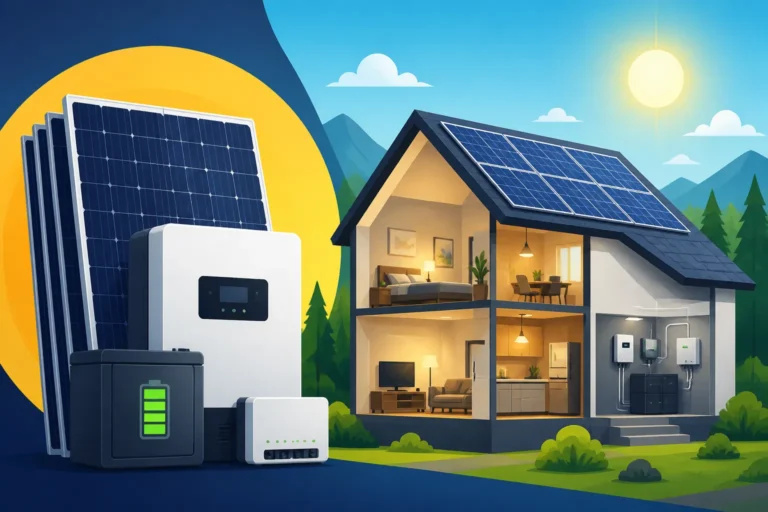
If your goal is true, self-sufficient, full-time off-grid living in a permanent structure, especially a larger home or a homestead with substantial energy demands, the Bluetti AC200L will likely prove to be insufficient as your sole power source. For scenarios where you need to run high-draw appliances daily (like a full-size electric range, central air conditioning, or a powerful well pump for irrigation), or if you require several days of autonomy during extended cloudy periods, you'll need a much more comprehensive and expandable system.
This typically means a modular setup consisting of a large solar array (perhaps 3kW to 10kW or more), a substantial battery bank (often 10 kWh to 50 kWh or even larger), a powerful inverter-charger, and a dedicated charge controller, all properly sized as detailed in How to Size an Off-Grid Solar System. Such a system allows for much greater power output, energy storage, and the flexibility to grow and adapt over time. While the Bluetti AC200L can serve as a fantastic backup or a stepping stone, for deep, long-term off-grid independence, a custom-designed system built with components from leading manufacturers will offer the reliability, scalability, and long-term cost-effectiveness you'll ultimately need. Always start by accurately calculating your Off-Grid Solar Load Calculation Explained to understand your true energy needs before making a significant investment.
Off-Grid Power Station Comparison
To give you a clearer picture, let's compare the Bluetti AC200L's capabilities against a typical small, entry-level DIY modular off-grid system for a cabin or RV.
| Feature | Bluetti AC200L | Small DIY Modular System (e.g., for a cabin) |
|---|---|---|
| Battery Capacity | ~2kWh LiFePO4 (integrated) | ~4-8kWh LiFePO4 or AGM (expandable) |
| Inverter Power | 2400W pure sine (3600W surge) | 3000W-5000W pure sine (higher surge capability) |
| Solar Input (Max) | 1200W | Typically 2000W – 4000W+ (highly variable/expandable) |
| Charging Options | AC, Solar, Car, Generator | AC, Solar, Generator (via external components) |
| Expandability | Limited (some models accept expansion batteries) | High (add more panels, batteries, upgrade components) |
| Complexity of Setup | Low (plug-and-play) | Moderate to High (requires wiring, component matching) |
| Portability | High (one unit, ~60 lbs) | Low (multiple heavy components) |
| Typical Use Case | RVs, Vans, Camping, Backup, Small Cabin, Emergencies | Small to Medium Off-Grid Homes, Cabins, Workshops |
| Long-Term Cost/kWh | Higher for large, permanent loads | Lower for larger, permanent loads |
Disclaimer
The information provided in this article is for general informational purposes only and does not constitute professional advice. Off-grid solar system design and installation can be complex and involve electrical hazards. Always consult with qualified professionals and ensure compliance with all local codes and regulations before installing or modifying any electrical system.