Is Off-Grid Solar Worth It for a Off-Grid Home
Deciding to power your off-grid home with solar is a huge step, and it often comes with a swirling mix of excitement and legitimate apprehension. You're dreaming of energy independence, fresh air, and escaping the relentless utility bills, but you're also probably wondering, "Is this truly going to be worth the effort, the investment, and the learning curve?" It's a valid question, and this guide is here to walk you through the practicalities, helping you understand if off-grid solar is indeed the right, cost-effective, and sustainable choice for your unique off-grid homestead.
The True Cost of Off-Grid Living: Beyond the Sticker Price
When you first start looking into off-grid solar, the upfront costs can feel like a punch to the gut. Panels, batteries, inverters, charge controllers, wiring, mounting hardware – it all adds up quickly. It's easy to get discouraged and think, "There's no way I can afford this." But what many people overlook is that this initial investment isn't just an expense; it's an investment in your long-term freedom and financial stability, especially when you consider what you won't be paying for anymore.
Initial Investment vs. Long-Term Savings
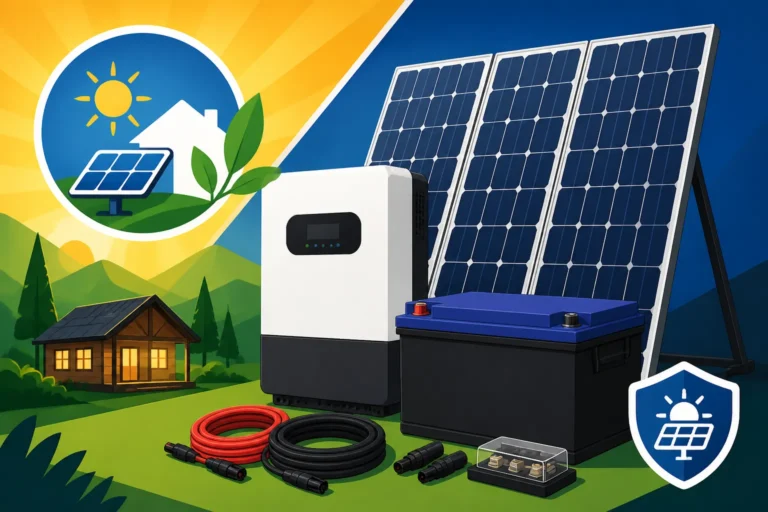
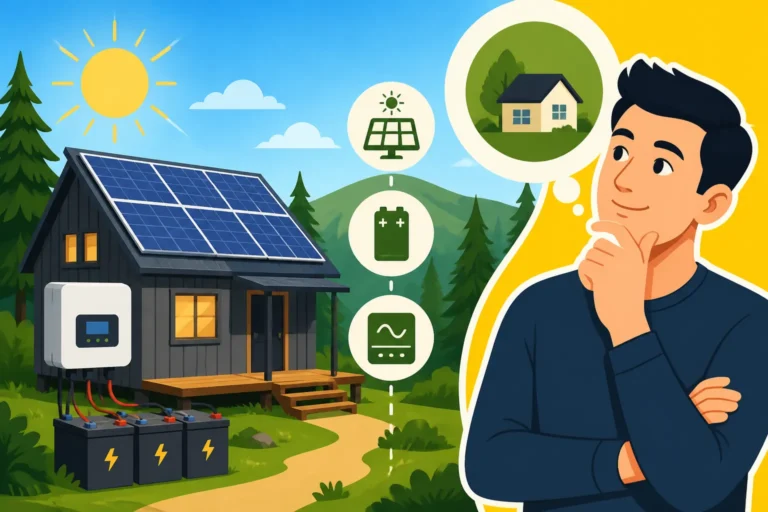
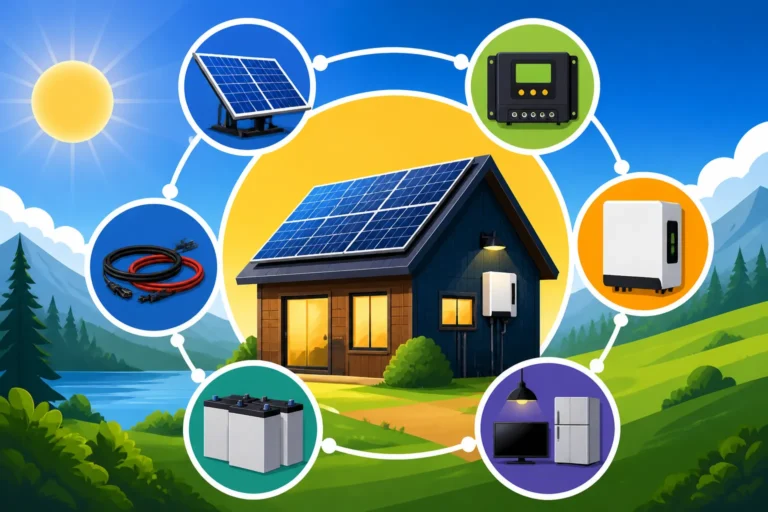
Let's break down that initial sticker shock. Yes, installing a robust off-grid solar system for a full-time home can range anywhere from $15,000 for a modest setup to $60,000 or more for a larger, fully-equipped residence with all the modern amenities. This includes the solar panels that gather energy, the critical battery bank that stores it, the inverter that converts it for your appliances, and the charge controller that manages the flow. Don't forget the mounting systems, wiring, fuses, and any labor costs if you're not going the full DIY route. If you're really interested in a detailed breakdown, our guide on How Much Does an Off-Grid Solar System Cost can offer more specific figures.
However, consider the alternative. Every single month, you're not receiving a utility bill. No more fluctuating rates, no more fuel surcharges, no more worrying about the next price hike. Over a typical system lifespan of 20-25 years for panels and 10-15 years for quality lithium batteries, those monthly savings compound significantly. Depending on your previous utility costs, it's not uncommon for an off-grid solar system to pay for itself within 8-15 years. After that, the energy you're producing is essentially free, save for occasional maintenance or battery replacements. Think about it: a system that costs $30,000 but saves you $200 a month over 20 years actually saves you $48,000, not accounting for inflation or rising electricity prices. The math can start to look very favorable when you zoom out.
Comparing Off-Grid Solar to Traditional Grid Connection
One of the biggest financial questions for many aspiring off-gridders is often, "Should I just pay to extend utility lines?" This is where off-grid solar truly shines as a cost-effective alternative. If your property is located more than a few hundred feet from existing utility infrastructure, the cost to extend power lines can be astronomical. We're talking tens of thousands, sometimes even hundreds of thousands of dollars, depending on the terrain, easements, and distance. Imagine paying $50,000 just to get a power pole installed down your driveway, only to then still pay a monthly utility bill!
In scenarios like these, a properly sized off-grid solar system almost immediately becomes the more financially sensible option. You might invest the same amount, or even less, than a grid extension, but your energy costs essentially cease after installation. Furthermore, when you're connected to the grid, you're always vulnerable to blackouts, storms, or even rolling brownouts that can disrupt your life. With a well-designed off-grid solar setup, featuring a robust battery bank like those from brands such as Battle Born or SOK, you become your own power company. You're insulated from grid failures and have reliable power even when your grid-tied neighbors are scrambling for flashlights. Our article on Off-Grid Solar vs Utility Extension Cost really dives into the specifics of this comparison.
The Tangible Benefits of Powering Your Off-Grid Home with Solar
Beyond the financial spreadsheet, living with off-grid solar brings a profound sense of satisfaction and practical benefits that are hard to quantify with dollars and cents alone. It's about a lifestyle, a philosophy, and a level of security that grid-tied living simply can't offer.
Unwavering Energy Independence and Reliability
The feeling of being truly energy independent is, for many, the ultimate draw of off-grid living. There's an incredible peace of mind knowing that your home's power supply isn't controlled by a distant utility company, susceptible to failing infrastructure, or impacted by geopolitical events. When a major storm rolls through and grid power goes out for days or even weeks in your region, your off-grid home can remain an island of light and warmth. Your refrigerator keeps humming, your water pump keeps running, and your lights stay on. This self-reliance isnates a deep sense of security, allowing you to focus on other aspects of sustainable living without the constant anxiety of a potential power outage.
This reliability isn't just about surviving emergencies; it's about daily comfort. Imagine your well pump consistently providing fresh water, your internet router always connected, and your family enjoying all the conveniences of modern life, powered by the sun. It's a powerful statement of self-sufficiency. Of course, this reliability hinges on a well-designed system; our guide on How to Size an Off-Grid Solar System is a must-read for anyone serious about getting their power needs right.
Environmental Impact and Sustainable Living
For many, the move to an off-grid home is deeply intertwined with a desire to live more sustainably and reduce their environmental footprint. Off-grid solar perfectly aligns with this ethos. By harnessing the clean, renewable energy of the sun, you eliminate your reliance on fossil fuels for electricity generation, drastically reducing your carbon emissions. You're not contributing to the pollution from coal-fired power plants or the risks associated with nuclear energy.
It's more than just a reduction; it's a positive contribution. You're becoming part of the solution, demonstrating a tangible commitment to a greener future. This sense of purpose and alignment with your values can be incredibly rewarding. Living off-grid often encourages a more mindful approach to consumption, too, making you more aware of your energy usage and fostering habits that conserve resources. This conscious living, powered by the sun, creates a harmonious relationship with the environment that extends far beyond just electricity.
Increased Property Value and Lifestyle Enhancement
While an off-grid home might seem like a niche market, a well-implemented solar power system can significantly increase its value and appeal. As more people seek sustainable living options or properties with inherent resilience, a proven, reliable off-grid power system becomes a major asset. Buyers are often willing to pay a premium for a home that already has the infrastructure for energy independence, saving them the substantial upfront cost and complexity of installation.
Beyond monetary value, off-grid solar enhances your lifestyle in countless ways. It enables you to locate your home in truly remote, serene, and beautiful areas where grid connection would be impossible or prohibitively expensive. You can wake up to the sound of birds instead of traffic, enjoy pristine night skies, and have unparalleled privacy, all while still enjoying modern comforts. You can run power tools in your workshop, keep your food fresh in a full-sized refrigerator, and enjoy entertainment, just like a grid-tied home, but with the added bonus of true freedom. For those looking to enjoy a comfortable lifestyle in a remote cabin, understanding the Cost to Power a Cabin with Solar can highlight the practical benefits.
Navigating the Challenges and Making it Work
Going off-grid isn't without its hurdles. It requires a different mindset, a willingness to learn, and a commitment to understanding your system. But by being prepared for these challenges, you can easily overcome them and ensure a successful off-grid experience.
Understanding System Sizing and Maintenance Realities
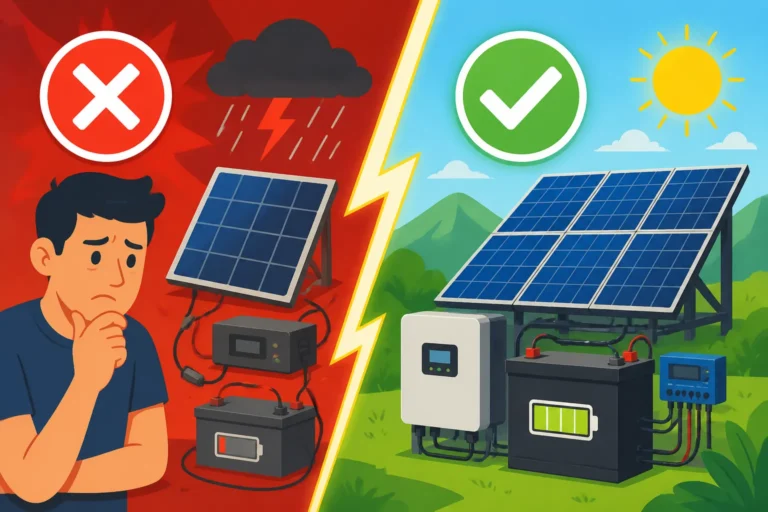
One of the most common pitfalls for new off-gridders is underestimating their energy needs, which leads to an undersized system. It's easy to think, "Oh, I'm going off-grid, I'll just use less power." While mindful consumption is key, you still need to accurately calculate all your appliances' power draw, known as a load analysis. This includes everything from your lights and phone chargers to your well pump and refrigerator. Our guide on Off-Grid Solar Load Calculation Explained is an absolute lifesaver here. Getting this wrong means running out of power on cloudy days or constantly dipping too deep into your battery bank, which can shorten its lifespan.
Maintenance, while not overly demanding, is also a reality. Solar panels need occasional cleaning, especially if you live in a dusty area or under trees. Batteries, particularly lead-acid types, require regular checks and watering. Even lithium batteries, while largely maintenance-free, benefit from monitoring their state of charge and overall health. Inverters and charge controllers should be kept in a clean, dry environment. These aren't daily chores, but they are important aspects of system ownership. For a deeper dive into what's involved, check out our guide on Off-Grid Solar Maintenance Costs. Neglecting these tasks can lead to reduced efficiency, premature component failure, and unexpected expenses down the road.
Planning for Seasonal Variations and Backup Solutions
The sun isn't constant, and neither are your energy needs. Winter months often bring shorter days, lower sun angles, and more frequent cloudy weather, drastically reducing your solar production. Simultaneously, your energy demands might increase for heating or more indoor lighting. This seasonal swing requires careful planning during the design phase. You'll need enough battery capacity to carry you through several days of minimal solar input (often called "days of autonomy"), and potentially a larger solar array than you'd need for summer use alone.
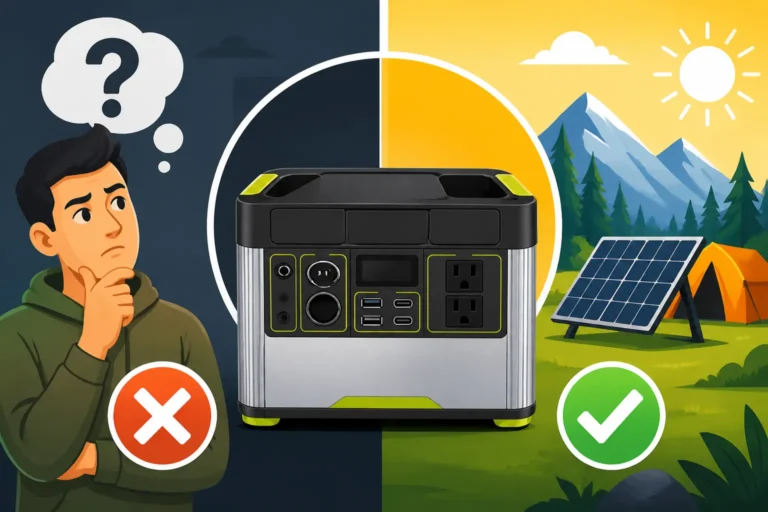
This is also where backup solutions become incredibly important. A reliable generator, whether it's a small portable unit like a Jackery for charging phones and laptops during extended cloudy spells, or a larger whole-house propane or diesel generator with an auto-start feature, is a critical component for many off-grid homes. It provides that extra layer of security and ensures you're never completely without power. It's better to have it and not need it than to need it and not have it. Planning for these variations from the outset ensures a comfortable, stress-free off-grid experience. You can read more about How to Add a Generator to Your Design for practical advice.
The DIY vs. Professional Installation Dilemma
The decision between a do-it-yourself (DIY) installation and hiring professionals is another major consideration. A DIY approach can significantly reduce your upfront costs, potentially saving you thousands of dollars in labor fees. For those who are handy, enjoy learning new skills, and are comfortable with electrical work, it can be a deeply rewarding project. There's a real sense of accomplishment that comes with powering your own home from scratch. However, it requires a substantial time commitment, meticulous research, and a clear understanding of electrical codes and safety protocols. Mistakes can be costly, dangerous, or both.
On the other hand, professional installation offers expertise, efficiency, and often warranties on labor. An experienced installer will ensure your system is properly sized, safely wired, and meets all local regulations, even if your area has relaxed off-grid codes. They can troubleshoot issues quickly and provide ongoing support. While more expensive upfront, it can save you headaches and potential costly errors in the long run, especially for complex systems. Many off-gridders opt for a hybrid approach: doing some of the simpler tasks themselves (like mounting panels) and bringing in a licensed electrician for the critical wiring connections to the inverter and main panel. Our article on DIY vs Professional Off-Grid Solar Cost goes into great detail on this topic.
Is Off-Grid Solar a Smart Investment for Your Off-Grid Home?
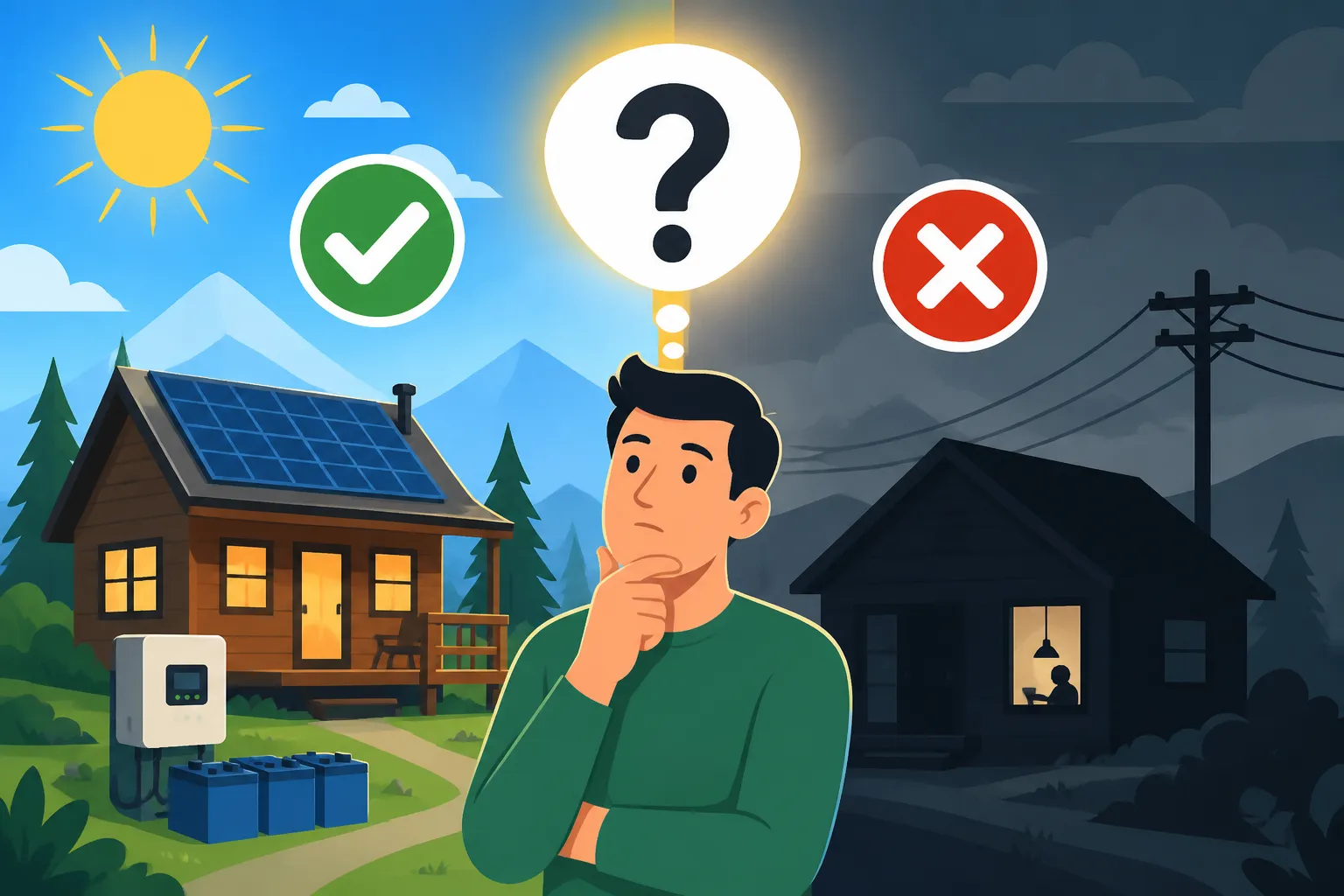
Ultimately, whether off-grid solar is "worth it" comes down to your individual circumstances, priorities, and willingness to adapt. It's not a one-size-fits-all answer, but by considering a few key factors, you can make an informed decision.
Factors to Consider for Personal Feasibility
Before you commit, sit down and honestly evaluate these points:
- Your Energy Needs: Have you done a thorough load analysis? Are you willing to adapt your energy consumption habits? If you're planning to run multiple air conditioners, an electric hot water heater, and a large workshop with heavy machinery, your system will be significantly larger and more expensive than if you're mindful of your power usage.
- Your Budget: What's your realistic financial ceiling for the initial investment? Are you comfortable with the potential for ongoing maintenance costs, including eventual battery replacements (which can be a significant expense, though less frequent with quality Best Off-Grid Solar Batteries)? Remember, even a high-capacity portable power station like a Jackery Explorer 1000 can supplement smaller off-grid cabin needs for a time, but it won't power a whole home.
- Your Location: How much sunshine does your property receive year-round? Are there significant shading issues? Colder, cloudier climates will require larger arrays and battery banks than sunny, southern locations.
- Your Lifestyle: Are you prepared for the hands-on nature of off-grid living? Are you comfortable troubleshooting minor electrical issues or performing routine maintenance? Or would you prefer a more "set it and forget it" approach?
- Your Commitment to Independence: How important is it for you to be truly disconnected from the grid? For many, this intrinsic value outweighs the monetary cost.
Real-World Scenarios and Return on Investment
Let's look at some scenarios:
- The Remote Cabin Owner: For someone building a hunting cabin or a weekend retreat deep in the woods, where grid extension costs are exorbitant, off-grid solar is almost always the clear winner. A modest system, costing perhaps $5,000 to $15,000, can provide all the necessary power for lights, a small fridge, and electronics. The payback period is fast, and the convenience is immeasurable. Check out Cost to Power a Remote Cabin with Solar for more details.
- The Full-Time Off-Grid Homestead: For a family living year-round in a larger home with modern appliances, the initial investment will be higher, likely in the $30,000 to $60,000 range. However, the long-term savings from avoiding utility bills, coupled with potential increases in property value and the peace of mind of energy independence, often make it a sound financial and lifestyle choice. The Off-Grid Solar Return on Investment can be substantial over the lifespan of the system.
- The Eco-Conscious Homeowner: For those whose primary motivation is environmental stewardship, the "worth" extends beyond monetary figures. The satisfaction of living sustainably and reducing their carbon footprint is invaluable. Even if a grid connection were cheap, choosing solar aligns with deeply held values.
In almost all cases where a traditional grid connection is not readily available or affordable, off-grid solar proves to be not only viable but highly advantageous. It requires a thoughtful approach and a commitment to understanding your system, but the rewards are profound.
Off-Grid Solar for Homes: Pros and Cons
To help summarize, here's a quick look at the main points:
| Feature | Pros of Off-Grid Solar for a Home | Cons of Off-Grid Solar for a Home |
|---|---|---|
| Cost | Eliminates monthly utility bills, significant long-term savings. | High initial upfront investment for components and installation. |
| Energy | Complete energy independence, reliable power during grid outages. | Requires careful management of energy consumption; limited by sunlight. |
| Environment | Zero carbon emissions, greatly reduced environmental footprint. | Manufacturing processes for components have some environmental impact. |
| Location | Enables living in remote, desirable locations without grid access. | System size and performance dependent on available sunlight (climate). |
| Maintenance | Relatively low ongoing maintenance for well-designed systems. | Requires regular checks, potential battery replacement costs. |
| Lifestyle | Promotes self-sufficiency, resilient living, and peace of mind. | Requires a learning curve and hands-on involvement with your system. |
| Property Value | Can significantly increase value and marketability of the property. | Some complexity in design and installation, especially for DIY. |
| Backup | Often paired with reliable backup generators or portable power (e.g., Jackery) for cloudy periods. | Relies on energy storage (batteries), which are the most expensive component and have a limited lifespan. |
Ultimately, off-grid solar for an off-grid home is worth it for the vast majority of people who commit to the lifestyle. It offers unparalleled freedom, significant long-term financial benefits, and a profound connection to sustainable living that is hard to put a price on. It’s an investment in your future, your independence, and your chosen way of life.
Final Disclaimer
The information provided in this guide is intended for general informational purposes only and does not constitute professional advice. Off-grid solar system design and installation can be complex and should ideally be undertaken with the guidance of qualified professionals. Always consult with certified electricians or solar technicians before making significant decisions or attempting installations yourself. Local regulations, permits, and electrical codes may apply even for off-grid systems.