Best Off-Grid Solar for Rainy Climates
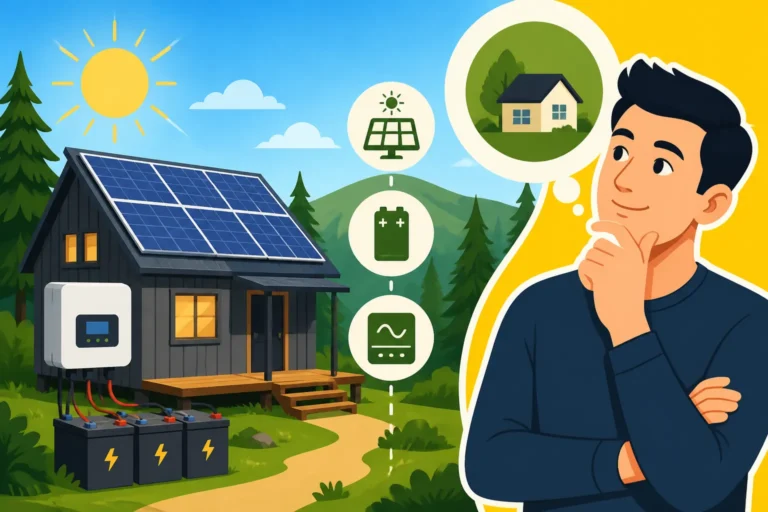
Living off-grid in a rainy climate can feel like a constant battle against the elements, especially when it comes to keeping your lights on and your devices charged. The frustration of watching gloomy skies day after day, knowing your solar panels are barely trickling power into your precious battery bank, is a feeling many of us know all too well. This comprehensive guide is here to walk you through designing, installing, and maintaining an off-grid solar system that can stand up to the challenge of persistent rain, ensuring your energy independence, come rain or shine.
Understanding the Challenges of Rainy Climates for Off-Grid Solar
When you dream of off-grid solar, images of bright sunshine often dance in your head, envisioning panels soaking up abundant rays. But the reality for those living in regions prone to frequent rain, overcast skies, or even long periods of drizzle is quite different. These conditions pose unique hurdles that need to be carefully considered during system design.
Reduced Solar Irradiance and Peak Sun Hours
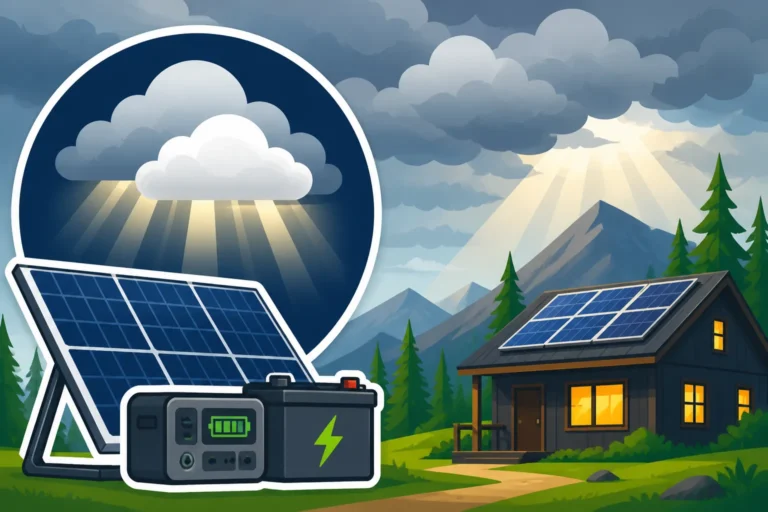
The most obvious and significant challenge in rainy climates is the dramatic reduction in solar irradiance. Solar irradiance is simply the amount of solar power received per unit area, and it’s what your panels convert into electricity. When heavy clouds blanket the sky, this irradiance drops significantly, sometimes to only a fraction of what a clear, sunny day would provide.
Think about it: in a sunny, arid climate like Arizona, you might easily average 5-6 "peak sun hours" per day, meaning your panels produce as much power as they would during five to six hours of full, direct sunlight. In a perpetually rainy region, say, the Pacific Northwest, those peak sun hours could drop to a paltry 1-2 hours on average during a week of continuous clouds. This isn't just a minor dip; it's a fundamental reduction in your system's daily energy harvest. Your solar panels are still working, absorbing diffuse light, but their output is severely curtailed. This means you need to rethink your entire approach to energy generation.
Increased Energy Demands
It’s not just that you’re getting less power; you’re often *needing* more. Rainy climates are frequently associated with cooler temperatures, higher humidity, and shorter, darker days. When the weather outside is dreary and damp, most people naturally spend more time indoors. This increased indoor time directly translates to higher energy consumption. You’ll likely be running lights for longer periods, perhaps using small electric heaters or heated blankets to combat the chill, and definitely powering more electronics for entertainment or work.
Consider a cozy cabin in the Appalachian mountains during a week-long drizzle. You're not outside gardening; you're inside, maybe reading by a lamp, cooking more, watching movies, and charging phones. This increased demand, coupled with the reduced solar input, creates a significant energy deficit that your off-grid system needs to overcome. The psychological impact of gray weather also plays a role – people crave comfort and light, which often means more electricity use.
Maintenance and System Wear
Beyond energy production, rainy and humid environments are tough on equipment. Constant moisture can accelerate corrosion on electrical connections, mounting hardware, and even within inverter enclosures if they’re not adequately protected. High winds, often accompanying storms, can stress panel mounts and wiring. Furthermore, panels can accumulate dirt, moss, and algae much faster in damp conditions, reducing their efficiency even further. This isn’t just an aesthetic issue; a dirty panel directly impacts how much sunlight reaches the photovoltaic cells, directly impacting your daily energy harvest. Regular inspections and proper sealing become paramount in these challenging conditions to ensure the longevity and reliable performance of your system.
Essential Design Principles for Rainy Climate Solar Systems
Building an off-grid solar system for a rainy climate isn’t just about throwing more panels on the roof and hoping for the best. It requires a thoughtful, strategic design that prioritizes energy storage and efficient harvesting of every available photon.
Oversizing Your Solar Array for Consistent Production
When dealing with consistently cloudy or rainy weather, your primary strategy must be to maximize the capture of *any* available sunlight. This means significantly oversizing your solar panel array compared to what you might install in a sunnier region. Instead of sizing your panels to meet your daily average load on a clear day, you size them to perform adequately on a *cloudy* day.
For example, if a typical sunny climate might require 2000 watts of solar panels for your needs, you might need 3000-4000 watts or even more in a rainy environment. This ensures that even when the skies are heavily overcast and your panels are only producing 20-30% of their rated power, you're still generating enough to slowly recharge your batteries and power your essential loads. It's about capturing diffuse light from a wider area. When considering How Much to Oversize Your Solar Array, a good rule of thumb is to calculate your absolute minimum daily energy needs and then double or even triple the solar panel wattage required to meet that need on a cloudy day, factoring in severely reduced peak sun hours. This approach helps you How to Account for Cloudy Days more effectively.
Additionally, consider the tilt angle of your panels. In rainy climates, especially those with seasonal snow, a steeper tilt can help shed water and snow more effectively, keeping panels cleaner and more exposed to light. Adjusting tilt for winter sun can also significantly improve performance.
Maximizing Battery Storage Capacity (Days of Autonomy)
If your solar panels are the engine of your off-grid system, your battery bank is the fuel tank. In rainy climates, this fuel tank needs to be much, much larger. You’re not just storing power for overnight use; you’re storing it to bridge multiple consecutive days of low solar production. This concept is often referred to as “days of autonomy” – how many days your system can run on battery power alone without any new solar input.
While a sunny climate might get away with 1-2 days of autonomy, for a rainy region, you should realistically aim for 3-5 days, or even more if you can budget for it. Imagine a stretch of five dreary, cloudy days. Your oversized solar array might still trickle charge a bit, but your primary source of power will be that stored in your batteries. This makes your battery bank the absolute linchpin of your system's reliability.
When considering How Many Batteries for an Off-Grid System or How to Calculate Days of Autonomy, you'll need to meticulously calculate your average daily energy consumption and multiply it by your desired days of autonomy. For example, if you use 5 kWh per day and want 4 days of autonomy, you'll need at least 20 kWh of usable battery storage. This is where high-performance battery chemistries like LiFePO4 (Lithium Iron Phosphate) really shine, offering high depth of discharge, excellent cycle life, and greater overall efficiency compared to traditional lead-acid batteries. They can handle deep discharges repeatedly without significant damage, which is crucial for those long, dark stretches.
Efficient Charge Controllers and Inverters
Every watt counts when sunlight is scarce, which means optimizing how your system converts and manages power.
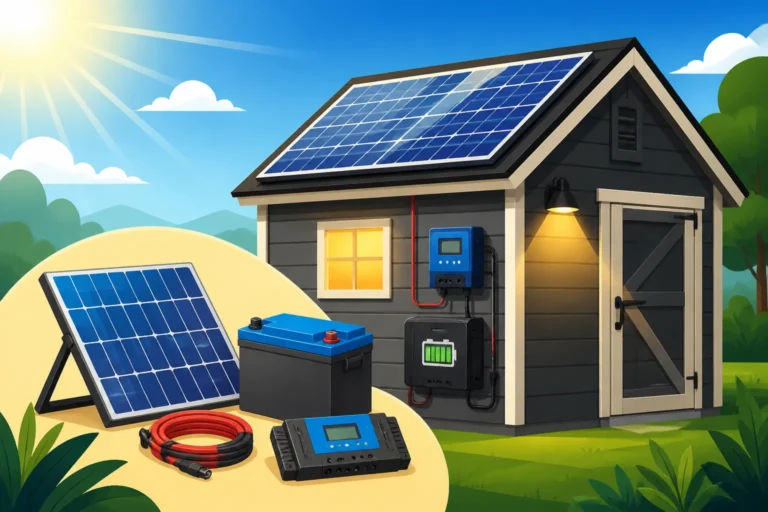
MPPT Charge Controllers: These are non-negotiable for rainy climates. MPPT (Maximum Power Point Tracking) charge controllers are vastly more efficient than their PWM (Pulse Width Modulation) counterparts, especially in low-light and cloudy conditions. While PWM controllers simply reduce the panel voltage to match the battery voltage, an MPPT controller actively tracks the maximum power point of the solar array, converting any excess voltage into amperage to maximize charging current. This can translate into a 10-30% efficiency gain, which is absolutely critical when you're only getting diffuse light. If you're comparing MPPT vs PWM Charge Controllers, for a rainy climate, MPPT is the clear winner.
Pure Sine Wave Inverters: Your inverter converts the DC power from your batteries into usable AC power for your household appliances. In rainy climates, you're likely running more sensitive electronics indoors, so a pure sine wave inverter is essential. Modified sine wave inverters are cheaper but can damage sensitive electronics, cause humming in inductive loads (like refrigerators and microwaves), and run less efficiently. A high-quality pure sine wave inverter ensures that your appliances run smoothly and last longer. When looking at Best Off-Grid Solar Inverters, always prioritize pure sine wave models from reputable brands known for reliability and efficiency.
Component Selection and Optimization for Wet Conditions
Choosing the right components isn’t just about size; it’s about selecting equipment that is built to perform and endure in damp, cloudy, and sometimes harsh environments.
High-Performance Solar Panels
While oversizing your array is key, the type of panels you choose also makes a difference. Monocrystalline solar panels are generally more efficient and perform better in low-light conditions compared to polycrystalline panels. This means they can capture more energy from the limited, diffuse sunlight you get on cloudy days. Look for panels with good temperature coefficients, as cooler, cloudy conditions can sometimes lead to slight efficiency improvements if the panels are of high quality.
Beyond efficiency, durability is paramount. Ensure your panels have robust aluminum frames and high IP ratings (Ingress Protection), such as IP67 or IP68, indicating strong resistance to dust and water ingress. This ensures that the internal components of the panel are protected from constant moisture and potential driving rain. Some cutting-edge options even include bifacial panels, which can capture light from both sides. While typically used in ground-mounted systems with reflective surfaces, in wet conditions, they could potentially capture light reflected off damp ground, though this benefit is usually marginal. However, the fundamental strength and low-light performance are what you're really after. For more insights on specific panels, you might explore articles like Best Off-Grid Solar Panels.
Robust and Weatherproof Battery Solutions
As discussed, your battery bank is the heart of your rainy climate system. LiFePO4 batteries are truly the champions here. Unlike traditional lead-acid batteries, they are sealed, require no maintenance (like watering), and are much more resilient to deep discharges. They offer a much longer cycle life and maintain their voltage better throughout their discharge cycle, meaning your appliances get consistent power.
Many quality LiFePO4 batteries, like those from Battle Born or EG4, come with integrated Battery Management Systems (BMS) that protect against overcharging, over-discharging, and temperature extremes. Some even include internal heating elements, which are vital if your battery bank is exposed to cold, damp conditions, as lithium batteries cannot be charged when their internal temperature is below freezing.
Proper housing for your batteries is also critical. Even sealed LiFePO4 batteries should be housed in a protected, well-ventilated enclosure to shield them from extreme temperature fluctuations, direct moisture, and potential pests. This extends their lifespan and ensures safe operation. Understanding the LiFePO4 vs Lead-Acid Battery Cost comparison highlights the higher upfront cost but significantly lower long-term cost and superior performance of lithium in demanding scenarios. For deeper dives, check out Best Off-Grid Solar Batteries.
Backup Power Strategies
Even with an oversized array and a massive battery bank, there will inevitably be periods in very rainy, cloudy climates where your solar production simply isn’t enough. Perhaps it’s a week-long atmospheric river event or a stretch of heavy winter storms. This is where a reliable backup power source becomes indispensable for true peace of mind and energy security.
A fossil fuel-powered generator (propane, gasoline, or diesel) is the most common backup. These can be integrated into your system via an automatic transfer switch or a manual connection, allowing you to charge your batteries directly or power critical loads when solar is insufficient. Modern inverter generators are quieter and more fuel-efficient, making them a practical choice. For example, a reliable Honda or Generac generator can make all the difference during extended solar droughts.
Alternatively, for smaller systems or specific loads, a robust solar generator can serve as a supplementary backup. Brands like Jackery offer a range of portable power stations, such as the Jackery Explorer 1000 or the larger Jackery Solar Generator 2000 Pro, which can be charged via AC power from your generator (or the grid, if you have occasional access) and then used to power specific devices. This can give you flexibility, allowing you to keep a few essential items running without firing up the main generator. Planning for Cost of Adding a Generator to Off-Grid Solar is a smart move for any off-grid setup, especially in less sunny regions. For a comprehensive look at your options, explore Best Solar Generators for Off-Grid.
Installation and Maintenance for Longevity
The best components in the world won’t last or perform well if they’re not installed correctly and maintained diligently, especially when exposed to the relentless dampness of rainy climates.
Proper Mounting and Wiring Techniques
Installation in a rainy climate demands attention to detail. Your solar panels need to be securely mounted to withstand potentially strong winds and the weight of accumulated wet snow if applicable. Roof mounts should utilize high-quality flashing and sealants to prevent water leaks into your home or structure. Ground mounts need robust footings and frames to avoid erosion or instability over time.
Wiring is another critical area. All exterior wiring must be marine-grade or specifically rated for outdoor, UV-resistant use. This means using appropriate conduit for protection against moisture, pests, and physical damage. All connections, especially MC4 connectors on your solar panels, should be meticulously made, ensuring a tight, waterproof seal. Any exposed wires or poorly sealed connections are an invitation for corrosion, short circuits, and system failure. Always run wires through proper conduit and seal any penetrations into buildings with professional-grade sealants to prevent moisture intrusion. Getting the wiring right is fundamental to safety and performance, so referring to guides like How to Wire an Off-Grid Solar System and How to Mount Off-Grid Solar Panels is essential.
Regular Inspections and Cleaning
Maintenance is not a once-a-year chore; it’s an ongoing commitment, particularly in wet climates.
- Panel Cleaning: Panels in rainy, humid areas are prone to collecting dirt, pollen, moss, and even algae. This organic buildup can significantly reduce solar production by blocking sunlight. Regular cleaning with water and a soft brush or squeegee (without harsh chemicals) is crucial. How often? It depends on your specific environment, but a monthly or bi-monthly check and clean is a good starting point.
- Connection Checks: Periodically inspect all electrical connections for signs of corrosion (green or white powdery buildup), looseness, or damage. This includes battery terminals, charge controller connections, inverter terminals, and external panel connectors. A little dielectric grease can go a long way in protecting exposed metal contacts.
- Structural Integrity: Check your panel mounts for any signs of loosening, rust, or stress from wind. Ensure your battery enclosure is dry, clean, and well-ventilated, without any signs of water ingress.
- Pest Control: Damp environments can attract pests. Ensure wiring and components are protected from rodents or insects that might chew through insulation.
Neglecting these steps can lead to gradual efficiency loss, component failure, and costly repairs down the line. A good Off-Grid Solar Maintenance Guide will be your best friend.
Monitoring and System Management
In a rainy climate, precise system monitoring isn’t just a luxury; it’s a necessity. A high-quality battery monitor is crucial for understanding your battery’s state of charge (SOC) and historical data. This helps you gauge how much power you’re using and how quickly your batteries are being replenished. It can alert you to extended periods of low charge, prompting you to conserve energy or activate your backup generator before your batteries are fully depleted.
Advanced monitoring systems, such as those offered by Victron Energy (like their Cerbo GX), allow you to track real-time solar production, consumption, battery health, and even remotely manage certain system parameters from your smartphone or computer. This level of insight empowers you to make informed decisions, adapt your energy usage during prolonged cloudy spells, and identify potential issues before they become critical failures. Understanding How to Choose an Off-Grid Battery Monitor is an important step in system resilience.
Being proactive with your energy management—knowing when to run power-hungry appliances and when to conserve—is paramount in rainy conditions. With diligent monitoring and a thoughtful design, even a perpetually gray sky won't dampen your off-grid spirit.
Off-Grid Solar System Considerations for Rainy Climates
| Feature | Sunny Climate Design | Rainy Climate Design |
|---|---|---|
| Solar Array Size | Sized for average daily load + minimal reserve | Significantly oversized (1.5x – 2x+) for cloudy days |
| Battery Bank Capacity | 1-2 days of autonomy | 3-5+ days of autonomy (critical for extended clouds) |
| Charge Controller | PWM acceptable for smaller, budget systems, MPPT preferred | MPPT is essential for maximizing low-light harvest |
| Panel Type | Polycrystalline or Monocrystalline | Monocrystalline, high-efficiency for low light |
| Weather Protection | Standard outdoor rating | High IP rating (e.g., IP67/IP68), robust sealing |
| Monitoring | Basic voltage/amperage often sufficient | Comprehensive battery monitor and system monitoring vital |
| Backup Power | Optional, small generator for emergencies | Essential, larger generator for extended cloudy periods or a robust Jackery system for flexible backup |
| Maintenance Frequency | Regular checks, occasional cleaning | Frequent checks, regular cleaning for moss/algae, corrosion prevention |
| Tilt Angle | Optimized for summer sun or year-round average | Steeper tilt for winter sun and shedding rain/snow |
Disclaimer
Please remember that this guide provides general information and recommendations. Off-grid solar system design and installation can be complex and involve electrical work that carries inherent risks. Always consult with qualified solar professionals and licensed electricians, and adhere to all local codes and regulations. Your specific energy needs, local climate conditions, and budget will ultimately determine the best system for you.