Off-Grid Solar Maintenance Costs
Embarking on an off-grid solar journey is incredibly liberating, but let's be real: the dream of endless free power sometimes overshadows the practicalities, like budgeting for its ongoing care. Many folks get caught off guard, assuming that once the initial investment is made, their power supply will just… work, forever, without a second thought. But just like a beloved homestead or a trusty RV, an off-grid solar system needs some love and attention to keep purring efficiently. This comprehensive guide is here to unravel the often-overlooked world of off-grid solar maintenance costs, helping you understand what to expect, how to plan, and ultimately, how to keep your system running smoothly and affordably for years to come.
Understanding the Reality of Off-Grid Solar Maintenance
When you decide to go off-grid, you're not just buying equipment; you're adopting a lifestyle that includes being responsible for your own power infrastructure. This means that unlike a grid-tied home where the utility company handles all the power line upkeep, you're the one in charge of ensuring every component of your solar system is in tip-top shape. It’s a rewarding responsibility, but it does come with a price tag – both in terms of time and money.
The reality is that while solar technology is robust and increasingly durable, it's not entirely set-and-forget. Factors like harsh weather, dust accumulation, the natural degradation of materials, and the wear and tear of continuous operation all play a role. Ignoring these realities can lead to diminished performance, higher energy bills (if you're relying on a backup generator more often), and even catastrophic system failure, which is far more expensive to fix than regular maintenance. A proactive approach not only saves you money in the long run but also ensures you maintain that precious energy independence you worked so hard to achieve.
Why Maintenance Costs Matter for Off-Grid Living
For grid-tied homes, a dip in solar panel efficiency might just mean a slightly higher utility bill. But for off-grid living, a poorly maintained system can mean lights out, no water from the well pump, or a refrigerator that stops running. The stakes are much higher, making consistent maintenance not just a matter of cost-efficiency, but of fundamental reliability and comfort. Understanding these costs upfront helps you budget realistically and avoids those unwelcome surprises that can disrupt your off-grid peace.
Think about it: if your solar panels are caked in pollen and dust, they're not producing as much power. That shortfall has to be made up somehow, perhaps by running a noisy, fuel-guzzling generator, which adds its own fuel and maintenance costs. Or, if your batteries aren't being properly charged or are past their prime, your system's autonomy—how long it can power your home without sun—dramatically decreases. This directly impacts your ability to live comfortably through cloudy spells or long winter nights. Therefore, investing in maintenance isn't just about preserving your equipment; it's about preserving your quality of life off-grid.
Common Misconceptions About Off-Grid Longevity
One of the biggest misconceptions is that off-grid solar systems, once installed, require virtually no ongoing investment. While components like solar panels can last 25 years or more, and inverters can often go a decade, they still require periodic checks, cleaning, and eventual replacement. Batteries, especially, are consumable items with finite lifespans, and their replacement cost is often the most significant recurring expense in an off-grid system.
Another common myth is that all solar systems are equally durable. While general trends exist, the longevity and maintenance needs can vary significantly between different brands and component types. A budget-friendly inverter might do the job for a few years, but a higher-quality one from a brand like Victron Energy or Sol-Ark might offer superior performance, better monitoring features, and a longer warranty, potentially reducing long-term maintenance headaches and replacement frequency. Understanding these nuances helps you make informed choices during initial system design that can dramatically impact your future maintenance burden.
Breaking Down Maintenance Costs by System Component
To truly understand off-grid solar maintenance costs, we need to look at each major component individually. Each piece of your system has its own expected lifespan, vulnerabilities, and specific maintenance requirements, all of which contribute to your overall recurring expenses.
Solar Panels Keeping Them Productive
Solar panels are often seen as the most resilient part of an off-grid system, and for good reason—they have no moving parts and are designed to withstand the elements for decades. However, they aren't entirely maintenance-free. Their primary enemy is dirt, dust, pollen, bird droppings, and even snow, all of which can block sunlight and reduce efficiency. Regular cleaning is crucial, especially if you live in a dusty area, near agricultural fields, or in a region with heavy snowfall.
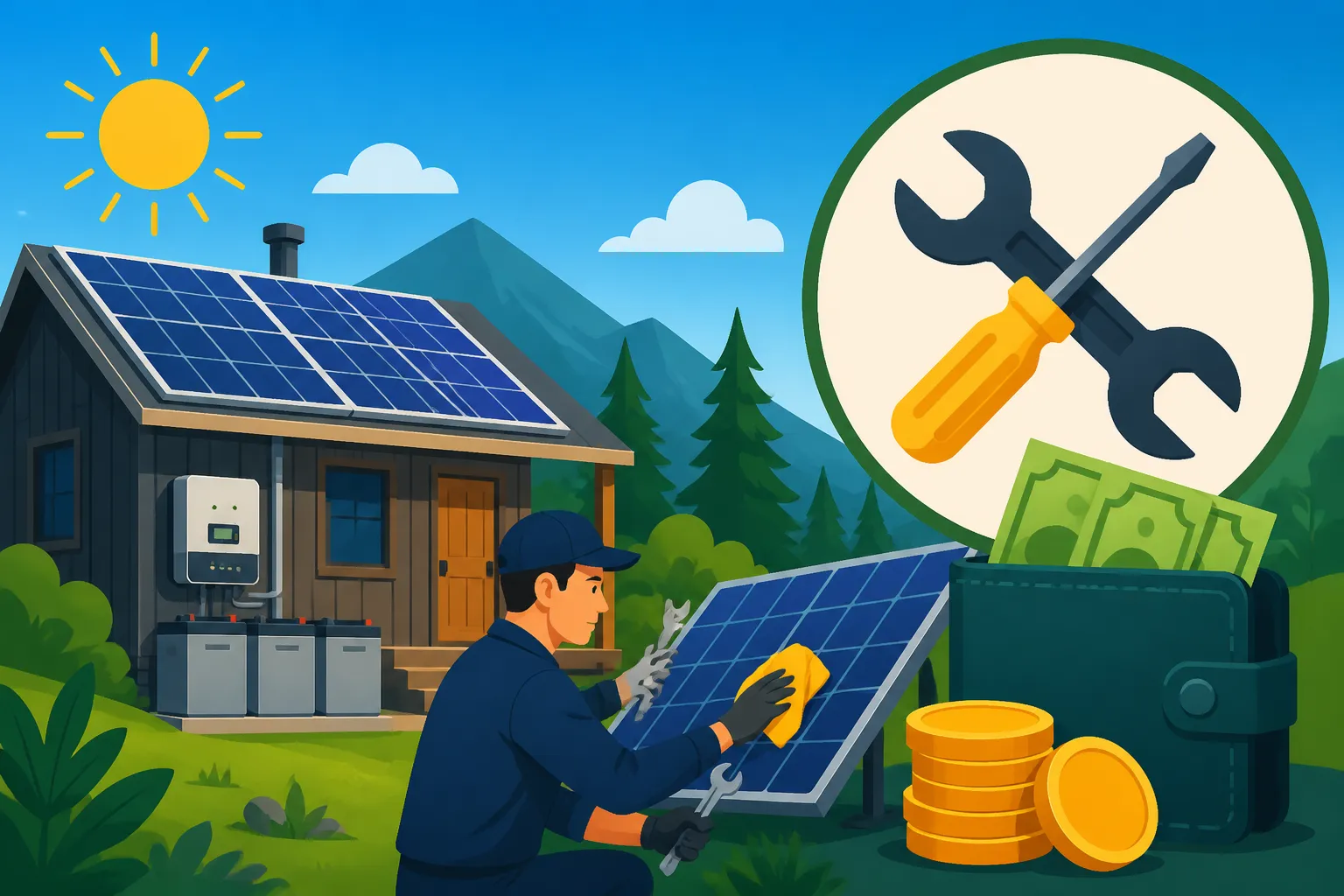
While cleaning panels yourself is usually free (save for the cost of water and a squeegee), you might need specialized brushes or extension poles, or even hire a service if your panels are difficult to access. For a residential off-grid home, this might be a few hundred dollars annually if professionally done, or just your time if you DIY. Beyond cleaning, panels should be visually inspected periodically for cracks, delamination, or loose wiring. Though rare, physical damage from hail or falling branches can necessitate costly replacements, though this is usually covered by insurance. You can find robust solar panels for a cabin or an RV through various suppliers, and checking for damage is part of regular maintenance.
Battery Banks The Heart of Your System
The battery bank is undeniably the most critical, and often the most expensive, component to maintain and replace in an off-grid solar system. Different battery chemistries have vastly different lifespans and maintenance needs. Lead-acid batteries (both flooded and sealed AGM/Gel) generally require more frequent attention. Flooded lead-acid batteries need regular topping off with distilled water, equalization charges, and terminal cleaning to prevent corrosion. Failure to do so drastically shortens their lifespan.
Lithium iron phosphate (LiFePO4) batteries, while having a higher upfront cost, are generally considered "maintenance-free" in comparison. They don't require watering or equalization, and their integrated Battery Management Systems (BMS) handle most of the heavy lifting. However, they still benefit from occasional visual inspection, ensuring connections are tight, and monitoring their state of health. The biggest cost here is replacement. Lead-acid batteries might last 3-7 years, while LiFePO4 batteries can easily last 10-15 years or even longer. When it comes time to replace them, you could be looking at several thousand dollars, making cost of an off-grid solar battery bank a significant long-term consideration.
Inverters and Charge Controllers The Brains of the Operation
These electronic components are the workhorses that convert raw solar power into usable electricity and manage the delicate dance of charging your batteries. Generally, they are very reliable, but they aren't immune to issues. Inverters, especially, generate heat and often contain cooling fans that can collect dust and fail over time. Periodic cleaning of vents and fans, ensuring they are free from obstructions, can prolong their life.
Charge controllers also benefit from visual inspection of wiring and ensuring no excessive heat buildup. The cost here is usually not routine maintenance but rather eventual replacement. High-quality inverters can last 10-15 years, while charge controllers can often go even longer. Replacing a critical component like a 5000W inverter can range from $1,000 to $4,000 or more depending on the brand and features. Learning how to install an off-grid inverter or a charge controller can save on labor costs if you're comfortable with electrical work, but a professional is recommended for complex setups.
Wiring and Balance of System Components
Beyond the main components, your off-grid system includes a host of "balance of system" (BOS) components: wiring, fuses, breakers, combiner boxes, disconnect switches, and mounting hardware for your panels. While these items are often robust, they are subject to environmental degradation and physical stress.
Wiring, particularly outdoor runs, needs to be inspected for insulation damage from UV exposure, animal chewing, or abrasion. Loose connections can lead to resistance, efficiency loss, and even fire hazards. Fuses and breakers typically don't need maintenance unless they trip, which usually indicates an underlying issue. Mounting hardware should be checked for corrosion or loosening, especially after severe weather. While individual component replacement costs for BOS items are usually low, the labor involved in diagnosing and fixing issues can add up. Ensuring all connections are secure is key to preventing system inefficiencies and safety hazards.
Routine Care Predictable Maintenance Expenses
Predictable maintenance is your best friend when it comes to off-grid solar. By knowing what needs to be done and when, you can budget for it and prevent small issues from becoming big, expensive problems. This proactive approach is fundamental to managing your overall lifetime cost of an off-grid solar system.
Regular Cleaning and Inspection
This is the easiest and most impactful routine maintenance you can perform. For solar panels, a simple wash with water and a soft brush or squeegee once or twice a year can significantly boost power output. If you live in an area with a lot of dust, sand, or agricultural activity, you might need to do this more frequently. This is typically a DIY job and requires minimal cost beyond your time and water. You can often find specialized solar panel cleaning kits or even just a good car wash brush on platforms like Amazon.
Beyond cleaning, a visual inspection of your entire system should be part of your routine. Look for:
- Panels: Any cracks, discoloration, or signs of delamination.
- Mounting: Loose bolts, rusted hardware, or shifted panels.
- Wiring: Frayed insulation, chew marks, loose connections, or corrosion at terminals.
- Batteries: For lead-acid, check electrolyte levels and terminal corrosion. For all batteries, ensure proper ventilation and no swelling or leaks.
- Inverter/Charge Controller: Clean air vents, check display for error codes, listen for unusual noises.
This can often be done monthly or quarterly, depending on your environment.
Monitoring System Performance
Modern off-grid solar systems often come with monitoring capabilities, either through a dedicated display or an app on your smartphone (especially with brands like Victron or Growatt). Regularly checking your system's performance data is a form of maintenance that costs nothing but your attention. Look for:
- Daily Energy Production: Is it consistent with what you expect for the season and weather? A sudden drop could indicate dirty panels or a component issue.
- Battery State of Charge (SOC): Is your battery bank consistently reaching a full charge? Is it discharging too quickly? This helps you gauge battery health and identify potential inefficiencies or overloads.
- Voltage and Amperage Readings: Understanding these figures helps you troubleshoot. For instance, if panel voltage is low despite bright sun, you might have a connection issue.
Many modern systems also track things like the total kWh produced, allowing you to easily compare performance over time and identify subtle declines before they become major problems.
Seasonal Adjustments and Preparations
Different seasons bring different challenges and requirements for your off-grid system. Adjusting your system seasonally can optimize its performance and longevity. In winter, for example, if you live in a snowy climate, you might need to clear snow off your panels more frequently or adjust their tilt angle to maximize sun exposure. Protecting your batteries from extreme cold, if they aren't rated for it, might involve insulation or even heating solutions.
Conversely, in hot climates, ensuring adequate ventilation for your inverter and battery bank is crucial to prevent overheating, which can shorten component life. Summer might also bring increased dust or pollen, necessitating more frequent panel cleaning. Regularly checking and adjusting your system's settings, such as battery charging parameters, based on ambient temperature and seasonal usage patterns, falls under this category of proactive, predictable maintenance. This foresight helps extend the life of your equipment and saves you from unexpected costs down the line.
Unexpected Costs and How to Prepare for Them
Even with the most diligent routine maintenance, off-grid solar systems can throw a curveball. Preparing for these unexpected expenses is a crucial part of smart off-grid budgeting.
Component Replacement Lifespans
While many components have impressive warranties and expected lifespans, things can, and sometimes do, fail prematurely. Batteries are the most common culprits for needing earlier replacement, especially if they're not adequately maintained or are constantly cycled deeply. But even panels can be damaged by severe weather events like hailstorms or strong winds, and inverters can succumb to power surges or manufacturing defects.
Understanding the typical off-grid solar battery replacement cost over time is essential. For instance, a quality LiFePO4 battery might cost $1,000-$3,000 per unit, and a typical off-grid home might need several. Planning for this significant future expenditure by setting aside funds regularly is a wise strategy. For other components, consider that an inverter might cost $1,500-$5,000 to replace, and individual solar panels anywhere from $150-$400. Having an emergency fund specifically for these system repairs or replacements can be a lifesaver.
Repairing Damage from Environmental Factors
Nature is beautiful, but it can also be relentless on your equipment. High winds can loosen panel mounts or even tear panels off. Heavy snow and ice can put immense stress on racking. Lightning strikes (even indirect ones) can fry electronics, and floods can submerge critical components if they're not properly elevated. Animals like rodents or squirrels are notorious for chewing through wiring, creating dangerous shorts and system outages.
While insurance can cover catastrophic damage, it won't prevent the inconvenience or cover minor repairs. Investing in robust mounting hardware, surge protectors, and rodent-proof conduit for wiring can mitigate some of these risks. For areas prone to extreme weather, having backup plans, such as a portable solar generator like a Jackery for essential loads, can provide peace of mind during extended outages while repairs are underway. This also ties into the concept of how to add a generator to your design for resilience.
Upgrades and Expansions
Your energy needs might evolve over time. Perhaps you add a new appliance, welcome more residents to your off-grid homestead, or simply decide you want more power autonomy. These desires often lead to system upgrades or expansions, which, while planned, still represent a significant cost. Adding more solar panels, increasing battery storage capacity, or even upgrading to a larger inverter to handle new loads are common reasons for these expenditures.
These aren't necessarily "maintenance" costs in the traditional sense, but they are an ongoing part of managing your off-grid energy infrastructure. For example, if you decide you need to run an air conditioner, you might need to significantly increase your solar array and battery bank, which means planning for the cost of expanding an off-grid system. It's a good idea to design your initial system with future expansion in mind, using components that are compatible and leaving space for additional panels or batteries, even if you don't install them immediately.
DIY Versus Professional Maintenance Costs
When it comes to off-grid solar maintenance, you typically have two paths: do it yourself (DIY) or hire a professional. Each has its own set of costs and benefits. Your decision will likely depend on your skill level, available time, and the complexity of your system.
The Financial Benefits and Risks of DIY Maintenance
For many off-gridders, the DIY spirit is strong, and for good reason—it saves money. Performing routine tasks like cleaning panels, checking battery water levels, and visual inspections yourself eliminates labor costs, which can be a significant portion of a professional service bill. You can learn how to maintain an off-grid battery bank or clean off-grid solar panels with readily available online resources and save hundreds of dollars a year.
However, DIY maintenance carries risks. If you're not knowledgeable about electrical systems, you could inadvertently damage components, void warranties, or even create dangerous situations. Incorrect wiring, improper battery care, or misdiagnosing a problem can lead to more expensive repairs down the line. Specialized tools for diagnostics, like multimeters or clamp meters, also represent an initial investment. For example, replacing a critical component like an inverter might seem straightforward, but incorrectly wiring it could lead to damage to your entire system. This is where knowing your limits and understanding how much cheaper is DIY off-grid solar really depends on your expertise.
When to Call in the Experts
There are definitely times when bringing in a professional is not just advisable, but necessary. For complex troubleshooting, major component replacements (especially inverters or wiring to your main distribution panel), or if you're uncomfortable working with high-voltage DC or AC systems, an experienced solar technician or electrician is invaluable. They have the specialized knowledge, tools, and insurance to safely and effectively address issues that are beyond the scope of a typical DIYer.
Professional services come with labor costs, which can vary widely depending on your location and the technician's expertise. A service call could range from $100-$300 just for diagnostic work, plus hourly rates for repairs. For a complete system check-up, you might pay $500-$1,500. While this might seem steep, the peace of mind knowing the job is done correctly, safely, and often with a warranty on the work, can be worth every penny. For major installations or complex repairs, the initial off-grid solar installation cost includes the expertise that can prevent future maintenance issues.
Minimizing Your Off-Grid Solar Maintenance Budget
While some maintenance costs are unavoidable, there are many strategies you can employ to keep your overall budget in check and ensure your off-grid solar system remains a reliable source of power without breaking the bank.
Smart System Design Choices Upfront
The decisions you make during the initial design and installation phase have a profound impact on your long-term maintenance costs. Investing in higher-quality components, for instance, can pay dividends. While a cheaper battery might save money upfront, its shorter lifespan and potentially higher maintenance needs (like frequent watering for flooded lead-acid) could mean higher costs over a decade. Opting for durable LiFePO4 batteries, for example, might be a higher initial cost but reduces your cost to replace off-grid solar batteries significantly over the system's lifetime.
Similarly, choosing components with good warranties, user-friendly monitoring systems, and robust enclosures can reduce future headaches. Proper panel placement and racking that is easy to access for cleaning, good ventilation for electronics and batteries, and using high-quality, animal-resistant wiring are all design choices that mitigate future maintenance efforts and costs. Even considering a slightly oversized array can provide a buffer against efficiency losses from dirt or cloudy days, reducing reliance on a noisy backup generator.
Leveraging Technology and Monitoring
Modern off-grid solar systems are incredibly sophisticated, and many come with advanced monitoring capabilities that can be a powerful tool for reducing maintenance costs. Cloud-based platforms or local apps from manufacturers like Renogy or Victron allow you to track your system's performance in real-time. You can see how much power your panels are generating, your battery's state of charge, and if any components are underperforming.
By regularly checking these metrics, you can often spot potential issues before they escalate. A gradual decline in panel output might prompt you to clean them, rather than waiting until production is severely impacted. A battery that isn't holding a charge as long as it used to could signal it's nearing its end-of-life, giving you ample time to budget for a replacement instead of a sudden, unexpected failure. Investing in a good battery monitor, for instance, is a small upfront cost that can save you substantial money by extending battery life.
Proactive Preventative Strategies
Beyond cleaning and monitoring, adopting a proactive mindset can significantly extend the life of your off-grid components. For lead-acid batteries, consistent equalization charges and ensuring they never drop below a 50% state of charge can drastically prolong their life. Protecting all outdoor electrical connections from moisture and UV exposure using appropriate enclosures and sealants prevents corrosion and shorts.
Consider adding protective measures against environmental threats, such as rodent-resistant conduit for wiring runs or hail guards for panels if you live in a high-risk area. Regularly tightening electrical connections to prevent voltage drop and heat buildup is another simple yet effective preventative measure. Essentially, treating your off-grid system like a living, breathing entity that needs regular check-ups and care, rather than a static appliance, will keep it healthy and minimize those frustrating, costly surprises. For those looking to budget effectively, understanding how to budget for an off-grid solar system truly starts with acknowledging these ongoing needs.
| Component | Typical Lifespan (Years) | Common Maintenance Tasks | Estimated Annual DIY Cost | Estimated Annual Professional Cost | Typical Replacement Cost (Range) |
|---|---|---|---|---|---|
| Solar Panels | 25-30+ | Cleaning, visual inspection | $0-$50 (water, cleaner) | $100-$300 | $150-$400 per panel |
| LiFePO4 Batteries | 10-15+ (5000+ cycles) | Visual inspection, monitoring | $0-$20 (monitoring app) | $0 | $1,000-$3,000 per battery |
| Lead-Acid Batteries | 3-7 (500-1500 cycles) | Water checks, equalization, cleaning | $20-$100 (distilled water, cleaner) | $150-$400 (service check) | $200-$800 per battery |
| Inverter | 10-15 | Fan/vent cleaning, monitoring | $0-$20 | $0 | $1,500-$5,000+ |
| Charge Controller | 10-20 | Visual inspection, monitoring | $0-$20 | $0 | $200-$800+ |
| Wiring/BOS | 20+ | Visual inspection, connection checks | $0-$50 (electrical tape, sealant) | $100-$300 (per issue) | $50-$500 (per component) |
Note: All costs are estimates and can vary significantly based on system size, location, brand, and specific issues. DIY costs assume you already own basic tools.
Disclaimer
The information provided in this guide is intended for general informational purposes only and does not constitute professional advice. Off-grid solar systems involve high voltages and complex electrical work. Always consult with a qualified solar installer or electrician before attempting any installation, maintenance, or repair to ensure safety and compliance with all applicable codes and regulations. Working with electricity can be dangerous and may result in serious injury or death.