Is Off-Grid Solar Cost-Effective for a Off-Grid Home
Thinking about going completely off-grid for your home can feel incredibly daunting, especially when you start looking at the price tags. It's easy to get overwhelmed by the initial investment and wonder if you'll ever truly see a return, or if it's just a pipe dream for the ultra-wealthy. This guide is here to cut through that noise, exploring whether off-grid solar for an off-grid home is genuinely cost-effective and what you need to consider before taking the leap.
Deciphering the Upfront Investment for an Off-Grid Home
Let's be real, the biggest hurdle for anyone dreaming of off-grid independence is often the sticker shock. Unlike simply hooking up to the utility grid, building an off-grid solar system for a full-time home means you're investing in your own power plant. This isn't just a few panels; it's a comprehensive setup designed to meet all your daily energy needs, come rain or shine.
Core Components and Their Costs
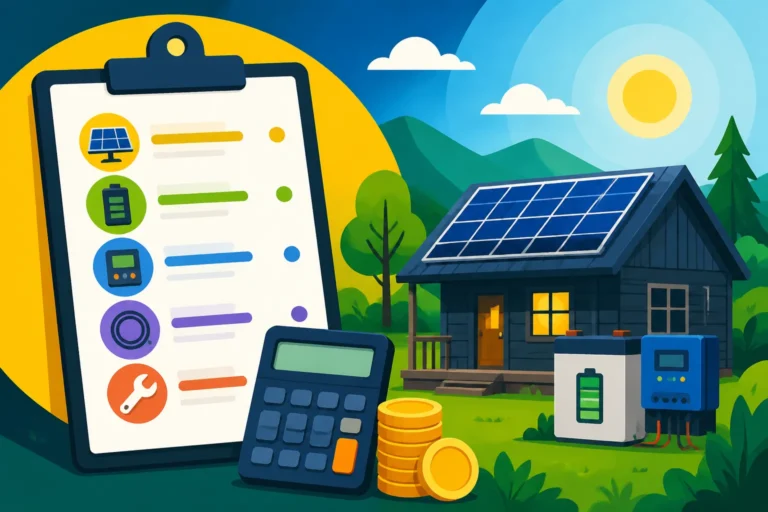
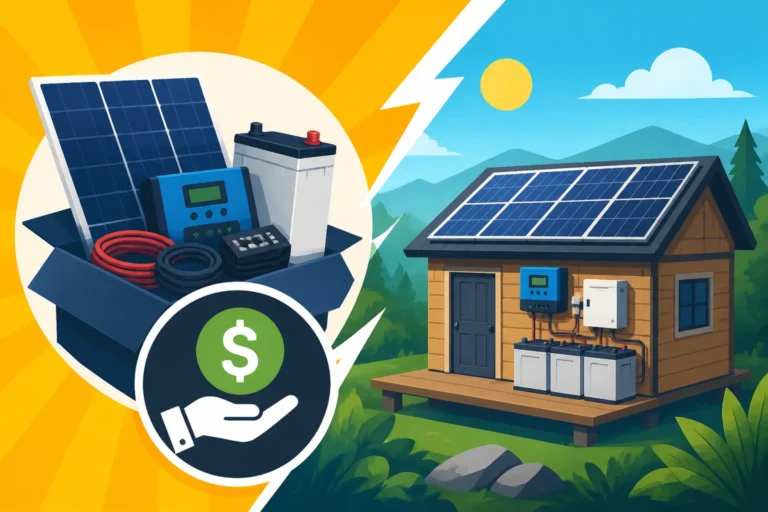
When we talk about the initial cost of an off-grid solar system, we're really talking about several major components, each with its own significant contribution to the total. It's like building a car from scratch – you need an engine, a transmission, a chassis, and all the little bits that make it run. For solar, that means panels, batteries, an inverter, and a charge controller, at minimum.
Solar panels themselves have become much more affordable over the years, but for a full off-grid home, you'll likely need a substantial array. We're talking several kilowatts, not just a small recreational setup. These panels capture the sun's energy, converting it into electricity. You can find a range of panels on platforms like Amazon, but for a whole home, you'll often be looking at larger, more efficient models designed for permanent installation. To get a handle on how much wattage you might need, it’s crucial to understand How Many Solar Panels for Off-Grid Living.
The battery bank is often the most expensive single component and a critical one for off-grid living. This is where you store the energy your panels collect during the day to use at night or on cloudy days. Without a robust battery bank, your off-grid dreams will quickly become a nightmare of power outages. The choice between chemistries, like LiFePO4 vs Lead-Acid, drastically affects both cost and longevity. Lithium iron phosphate (LiFePO4) batteries, while having a higher upfront cost, offer a much longer cycle life and deeper discharge capabilities, making them more cost-effective in the long run. Lead-acid batteries are cheaper initially but require more maintenance and replacement over time. Learning about the Cost of an Off-Grid Solar Battery Bank is essential for accurate budgeting.
Next up is the inverter, which converts the DC electricity from your batteries into the AC power your household appliances use. For a full home, you'll need a powerful pure sine wave inverter, capable of handling surge loads from things like well pumps or refrigerators. This isn't a place to skimp; a reliable inverter is the heart of your system. Then there's the charge controller, which regulates the power flowing from your solar panels to your batteries, protecting them from overcharging. MPPT charge controllers are generally more efficient for larger systems, maximizing the power harvest from your panels.
Installation and "Hidden" Expenses
Beyond the main components, there's a whole host of other costs that often catch folks by surprise. These can include mounting hardware for your panels (roof mount vs. ground mount), wiring, fuses, breakers, disconnects, and conduit. Sometimes people forget about the balance of system components, assuming they're minor, but they add up quickly.
Then there's the labor. While many off-gridders are keen on a DIY approach, a full home system can be complex and intimidating, especially if you're not an experienced electrician. Hiring a professional to install your system, or at least to inspect your work, can add significantly to the cost, ranging from 10% to 30% of the total equipment price. However, professional installation ensures safety, compliance with codes, and often better system performance and longevity. If you're pondering the DIY route, it's worth considering the nuances of DIY vs Professional Off-Grid Solar Cost.
Permits and inspections are another often-overlooked expense. Depending on your local jurisdiction, you might need electrical permits, building permits, and even environmental impact assessments, especially if you're installing a large ground-mounted array. These bureaucratic steps come with fees and can add weeks or months to your project timeline. Plus, you might incur costs for site preparation, trenching for underground wiring, or building a dedicated battery shed or equipment room. It's always a good idea to research Off-Grid Solar Permit Requirements in your area early in the planning process.
Calculating Long-Term Value and Savings
While the upfront cost for an off-grid home can feel like a punch to the gut, the real question of cost-effectiveness lies in the long-term. This isn't just about saving money; it's about investing in energy independence, resilience, and a lifestyle choice that many find invaluable.
Avoiding the Never-Ending Utility Bill
Perhaps the most obvious long-term saving is the complete elimination of your monthly utility bill. Imagine never again receiving a statement from the power company, never worrying about rate hikes, or peak usage charges. For a grid-tied home, electricity costs can fluctuate dramatically based on location, usage, and global energy markets. For an off-grid home, once your system is paid off, your primary energy source – the sun – is entirely free.
Think about what you currently pay each month for electricity. Over 20 or 30 years, that sum can be astronomical. Even at a modest average of $150-$200 per month, that's $1,800-$2,400 per year. Over two decades, you're looking at $36,000 to $48,000. Your off-grid solar system, while expensive upfront, could very well pay for itself within that timeframe, especially if you consider the rising cost of utility power. This direct saving is a powerful argument for the long-term cost-effectiveness of off-grid living, making a deep dive into Off-Grid Solar Payback Period Explained a worthwhile exercise.
Resilience, Independence, and Property Value
Beyond direct monetary savings, off-grid solar offers a level of resilience and independence that's hard to put a price on. Living off-grid means you're immune to grid outages caused by storms, natural disasters, or infrastructure failures. When the neighborhood goes dark, your lights stay on. For many, this peace of mind is a significant part of the value proposition. It’s an investment in self-sufficiency, which is a core tenant of the off-grid lifestyle.
Furthermore, an expertly designed and installed off-grid solar system can increase the value of your property. As climate change concerns grow and energy costs continue to climb, homes with established renewable energy systems are becoming increasingly desirable. A fully functional off-grid home offers unique appeal to a niche market of buyers seeking sustainable living solutions or a retreat from conventional infrastructure. This added value isn't always immediately tangible, but it contributes to the overall financial wisdom of the investment.
Key Factors Influencing Off-Grid Cost-Effectiveness
The "cost-effectiveness" of an off-grid solar system isn't a one-size-fits-all answer; it's highly personalized. What makes sense for a small, energy-efficient cabin in Arizona might be entirely different for a large family home in rainy Washington. Several critical factors play a huge role in determining how quickly and effectively your system pays for itself.
Your Energy Consumption Habits
This is perhaps the single most impactful factor. How much electricity do you actually use? And how efficiently do you use it? An off-grid home forces you to become acutely aware of your power consumption. Running multiple energy-hungry appliances like electric water heaters, central air conditioning, or electric clothes dryers will demand a much larger, and thus more expensive, solar array and battery bank. If you’re not careful with your How to Calculate Daily Energy Usage, you could easily undersize your system or spend far more than necessary.
Many successful off-gridders prioritize energy-efficient appliances, often opting for propane or wood for heating and cooking, and choosing DC-powered appliances where possible to reduce inverter losses. A well pump, a refrigerator, and an air conditioner are typically the biggest power draws. Sizing your system to handle these big loads is where a significant chunk of the cost comes in. For example, a home designed around efficient LED lighting, a propane fridge, and a wood stove will have drastically lower energy demands than one mimicking a conventional grid-tied home. If you're interested in reducing your electrical load, looking into Cost to Run A Well Pump on Off-Grid Solar or Cost to Run An Air Conditioner on Off-Grid Solar can provide insights into specific appliance costs.
Geographical Location and Sunlight Availability
The amount of sunshine your location receives directly impacts how many solar panels you need. Areas with abundant peak sun hours, like the American Southwest, require fewer panels to generate the same amount of electricity compared to cloudier regions in the Pacific Northwest or New England. This geographical advantage can significantly reduce the upfront cost of your solar array.
Beyond the sheer number of sunny days, consider seasonal variations. If you plan to live off-grid year-round, you'll need to size your system to handle the shortest, darkest days of winter, which often means oversizing for summer. This "winterization" of your system is a major cost driver but essential for reliable power. Proper site assessment, including understanding your specific solar insolation values, is critical for accurate system sizing and cost estimation.
System Design and Component Choices
The choices you make during the design phase have monumental cost implications. For example, opting for a 48-volt system instead of a 12-volt system for a larger home can mean thinner, cheaper wiring and more efficient power transfer, saving money on copper cables. Choosing high-quality, durable components from reputable brands like Victron Energy or Sol-Ark can mean higher upfront costs, but often translates to greater reliability, longevity, and better warranties, ultimately saving you money on replacements and repairs down the line.
Consider also the type of battery. While lead-acid batteries are cheaper initially, their shorter lifespan and lower usable capacity often make them more expensive when you calculate the Off-Grid Solar Battery Replacement Cost Over Time. LiFePO4 batteries, despite their higher initial price point, can last 10-15 years or more with proper care, enduring thousands of cycles. This makes them significantly more cost-effective over the entire lifespan of your off-grid system. The quality of your charge controller and inverter also matters. An efficient MPPT charge controller will extract more energy from your panels, meaning you might need fewer of them.
Comparing Key Off-Grid Solar System Components and Average Costs
Here's a generalized look at typical cost ranges for a moderate off-grid home system (approx. 5kW solar array, 20-40 kWh battery storage), keeping in mind prices can fluctuate wildly based on brands, quality, and specific needs.
| Component | Description | Estimated Cost Range (USD) |
|---|---|---|
| Solar Panels | High-efficiency panels (e.g., 300-400W each) | $5,000 – $10,000 |
| Battery Bank | LiFePO4 (20-40 kWh total capacity) | $10,000 – $25,000 |
| Inverter | 5kW pure sine wave, hybrid inverter-charger | $2,000 – $8,000 |
| Charge Controller | MPPT, appropriately sized for array | $500 – $2,000 |
| Mounting Hardware | Roof or ground mount racking, tilt kits | $1,000 – $3,000 |
| Wiring, Fuses, Breakers | Cables, disconnects, combiner box, surge protectors | $500 – $2,500 |
| Installation Labor | Professional electrician/installer (if not DIY) | $5,000 – $15,000 |
| Permits & Fees | Local permits, inspections | $500 – $2,000 |
| Miscellaneous | Battery enclosure, trenching, generator tie-in (optional) | $1,000 – $5,000 |
| TOTAL ESTIMATE | For a fully installed, reliable off-grid home system | $25,500 – $72,500+ |
Note: These are broad estimates. Actual costs can be lower for smaller systems or higher for larger, more complex setups or premium brands.
The True Return on Investment for Off-Grid Living
When we discuss "cost-effectiveness" for an off-grid home, it's not just about a simple financial calculation like you might do for a grid-tied system where you compare it to your current utility bill. For an off-grid home, the return on investment (ROI) includes intangible benefits that are difficult to quantify with dollars and cents alone.
Beyond Monetary Returns: Quality of Life
The financial payback period for a comprehensive off-grid system can range anywhere from 10 to 25 years, depending heavily on all the factors we've discussed. If your alternative is extending utility lines to a remote property, which can cost tens of thousands of dollars per mile, then off-grid solar can become cost-effective almost immediately. In such cases, the Off-Grid Solar Cost vs Utility Extension Cost comparison often tips heavily in favor of solar.
However, for many, the true ROI comes in the form of quality of life: the quiet hum of an inverter instead of a gas generator, the peace of mind knowing you're not dependent on an external infrastructure, and the satisfaction of living a more sustainable lifestyle. Imagine being able to power your entire homestead with clean energy, knowing you're reducing your carbon footprint and living more harmoniously with nature. This intrinsic value, though not monetary, is a powerful return for many off-gridders. Even a small, portable solar generator like a Jackery can offer a taste of this independence for camping or backup, showing the scalability of off-grid solutions.
Planning for the Future and Mitigating Risks
To truly make your off-grid home cost-effective, meticulous planning is paramount. Start with a detailed Off-Grid Solar Load Calculation Explained to understand your actual energy needs. This prevents both undersizing (leading to frustrating power shortages) and oversizing (leading to unnecessary expenses). Consider how you can phase your system, perhaps starting with a smaller setup and expanding as your budget allows, which is covered in topics like How to Phase an Off-Grid Solar Build to Spread Cost.
Also, factor in potential Off-Grid Solar Maintenance Costs. While solar panels require minimal maintenance (mostly cleaning), batteries and inverters need periodic checks. Regular maintenance extends the life of your components, ensuring you get the most out of your initial investment. Think about long-term battery care, especially if you opt for lead-acid, or software updates for smart inverters.
In conclusion, is off-grid solar cost-effective for an off-grid home? Absolutely, but it requires a holistic view that combines financial prudence with lifestyle priorities. It's a significant investment, but one that can pay dividends in terms of avoided bills, energy independence, resilience, and an enriched quality of life. For many, the peace of mind and self-sufficiency are priceless benefits that make the initial outlay profoundly worthwhile.
Disclaimer
The information provided in this article is for general guidance and informational purposes only. While we strive to offer accurate and up-to-date content, off-grid solar system costs and requirements can vary widely based on individual circumstances, location, market fluctuations, and specific product choices. Always consult with qualified professionals, such as certified electricians or solar installers, before making any decisions regarding your off-grid solar project.