How to Choose an Off-Grid Solar Generator
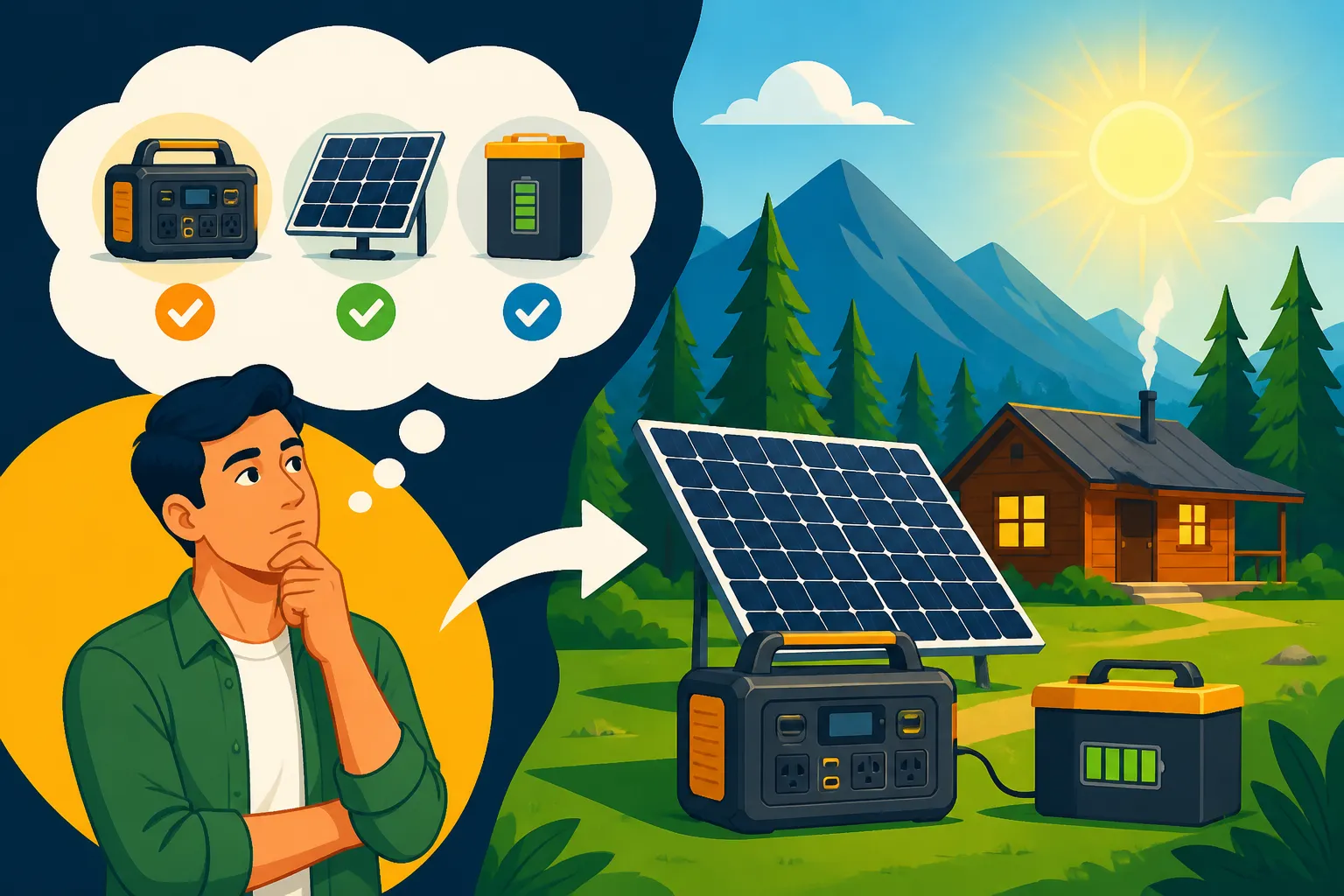
Choosing an off-grid solar generator can feel like navigating a maze. With so many options, specifications, and promises out there, it's incredibly common to feel overwhelmed, unsure if you're picking the right one to reliably power your cabin, RV, or simply keep your essentials running during an outage. This comprehensive guide is designed to cut through the confusion, helping you understand exactly what to look for and how to confidently select the perfect off-grid solar generator that truly meets your specific needs and lifestyle.
Understanding What an Off-Grid Solar Generator Is and Isn't
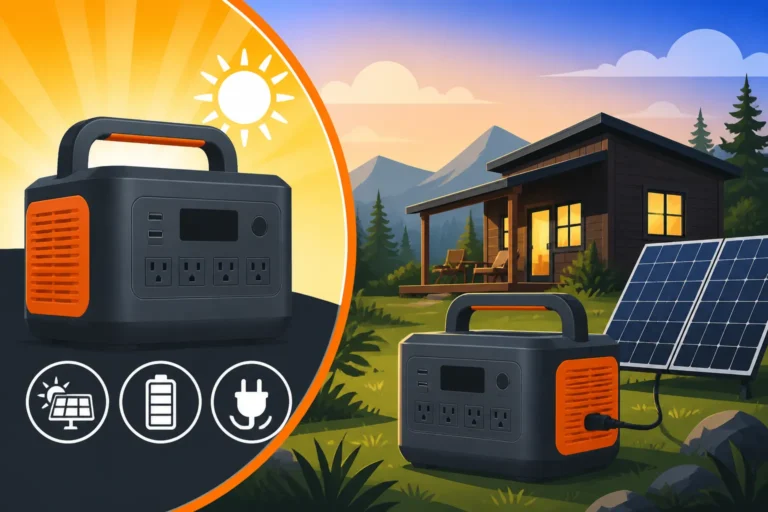
When people hear "generator," they often picture a loud, fuel-guzzling machine that sits in the garage, kicking on with a roar during a power outage. While traditional generators certainly have their place, an off-grid solar generator is a fundamentally different beast. It's an all-in-one portable power station that harnesses the sun's energy, stores it, and then allows you to use it on demand, silently and cleanly.
More Than Just a "Generator"
The term "solar generator" can be a bit misleading because it doesn't generate power in the same way a gas-powered one does. Instead, it's a sophisticated energy storage system. Think of it as a giant, portable battery bank that comes with all the necessary components pre-assembled and pre-wired into a single, user-friendly unit. This integration is what makes them so appealing for off-grid applications or emergency preparedness. You're not dealing with separate batteries, inverters, and charge controllers; everything is neatly packaged and designed to work together right out of the box.
Unlike their noisy, exhaust-fuming cousins, solar generators operate completely silently. There's no engine to maintain, no oil to change, and no gasoline to store. This makes them ideal for environments where noise and fumes are unacceptable, such as inside an RV, a tent, or even a home during a power outage. The freedom from fuel dependency is also a huge draw, as you're no longer at the mercy of gas prices or availability, especially in remote locations or during widespread emergencies. They offer a self-sufficient energy solution that can be recharged indefinitely, as long as the sun shines.
Key Components Inside a Solar Generator
While the beauty of a solar generator lies in its simplicity for the end-user, understanding its core components helps you appreciate what you're buying and why certain specifications are important. At its heart, every solar generator is essentially a well-engineered combination of several critical pieces of off-grid solar equipment.
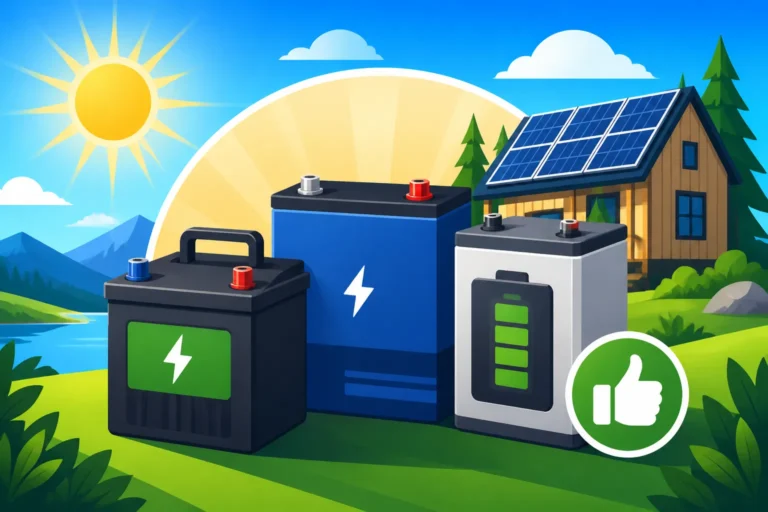
First and foremost is the battery, which acts as the reservoir for your stored energy. This is usually measured in Watt-hours (Wh) or Kilowatt-hours (kWh), indicating how much power it can supply over time. Modern solar generators predominantly use Lithium Iron Phosphate (LiFePO4) batteries or, less commonly, Nickel Manganese Cobalt (NMC) batteries. LiFePO4 is generally preferred for its longer lifespan, better safety profile, and ability to be deeply discharged without significant degradation, making it a robust choice for continuous off-grid use. The battery capacity dictates how long you can run your appliances before needing a recharge, so it's a crucial number to consider.
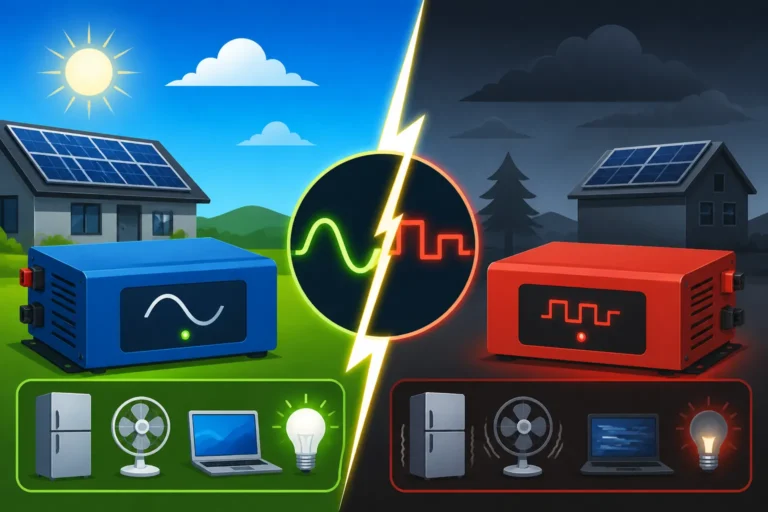
Next up is the inverter, often hailed as the "muscle" of the unit when it comes to powering household appliances. This clever device converts the direct current (DC) electricity stored in the battery into alternating current (AC) electricity, which is what most of your electronics and appliances use when plugged into a wall outlet. For powering sensitive electronics like laptops, medical equipment, or high-efficiency appliances, a pure sine wave inverter is absolutely non-negotiable. We'll delve deeper into why the quality of the inverter matters, but for now, just know it's a critical component for smooth, reliable power.
Every solar generator also includes a charge controller. This component is vital for managing the power coming in from your solar panels and safely directing it to the battery. Its job is to prevent overcharging and optimize the charging process, ensuring your battery lasts longer and charges efficiently. Most high-quality solar generators feature an MPPT (Maximum Power Point Tracking) charge controller, which is significantly more efficient than older PWM (Pulse Width Modulation) controllers, especially in varying light conditions. The maximum solar input wattage a unit can handle, along with its voltage compatibility, tells you how quickly you can recharge the generator using solar panels. To learn more about selecting the right power solution, check out our guide on the Best Off-Grid Solar Generators for Off-Grid.
Finally, you'll find a variety of inputs and outputs. This includes AC wall outlets (just like in your home), USB-A and USB-C ports for charging small electronics, and often 12V DC car-style ports for specific low-power devices. The number and type of these ports will dictate how many devices you can power simultaneously and what kind of devices they can be.
Assessing Your Power Needs: The First Crucial Step
Before you even start looking at specific models or brands, the single most important thing you need to do is a thorough assessment of your own power requirements. This isn't just guesswork; it's a methodical process that will save you from buying a system that's too small (and frustratingly inadequate) or too large (and unnecessarily expensive and bulky). Skipping this step is like trying to buy a pair of shoes without knowing your size – it just won't fit!
Calculating Your Watt-Hour Requirements
The first part of your power assessment involves figuring out how much energy, measured in Watt-hours (Wh), your devices consume over a typical day. This tells you the minimum battery capacity you'll need in your solar generator. Don't worry, it's not as complex as it sounds; it just requires a little detective work and some basic math.
Start by making a comprehensive list of every electrical device you plan to power with your solar generator. This could include everything from your smartphone and laptop to a mini-fridge, lights, a CPAP machine, or even a small coffee maker. For each item on your list, you need to find its wattage. This information is usually printed on the appliance itself (look for a label on the back or bottom), in the user manual, or sometimes easily found with a quick online search. Be sure to note both the running wattage (what it uses constantly) and, for motor-driven appliances like refrigerators or blenders, the surge wattage (a brief, higher power draw when starting up).
Once you have the wattage for each device, estimate how many hours you plan to run each device per day. For example, a laptop might be used for 4 hours, a phone charger for 2 hours, and a mini-fridge might run intermittently for 24 hours (but only actually draw power for, say, 8 hours total due to its compressor cycling on and off). To get the daily Watt-hours for each item, simply multiply its running wattage by the estimated daily run time in hours. Add up all these individual Watt-hour figures, and you'll have your total estimated daily Watt-hour consumption. For instance, if your mini-fridge uses 50 watts and runs for 8 hours, that's 400 Wh (50W x 8h). If your laptop uses 60 watts for 4 hours, that's 240 Wh (60W x 4h). Summing these up gives you a clearer picture of your energy needs. This meticulous process is part of a broader strategy for How to Calculate Daily Energy Usage in an off-grid scenario, which is crucial for any solar setup.
Determining Peak Power (Inverter Size)
Calculating your total daily Watt-hours is crucial for battery sizing, but it doesn't tell you anything about the instantaneous power your system needs to deliver. That's where peak power, or inverter size, comes in. The inverter's continuous wattage rating determines the maximum amount of power it can supply at any given moment. If you try to draw more power than your inverter can handle, it will typically shut down to protect itself, leaving you in the dark or without your critical appliances.
To figure out your required inverter size, go back to your list of appliances. This time, identify all the devices you anticipate running simultaneously at their highest power draw. For example, if you plan to run a coffee maker (let's say 1000W) and charge your laptop (60W) at the same time, your inverter needs to be able to handle at least 1060 watts continuously. However, don't forget the surge wattage! Many appliances, especially those with motors like refrigerators, well pumps, or power tools, will draw a significantly higher amount of power for a few seconds when they first start up. This "starting watts" or "surge watts" can be 2-3 times their running wattage. Your inverter must be capable of handling this surge, even if it's brief. For example, a fridge that runs at 100W might surge to 800-1000W for a moment to get its compressor going. If you plan to run a microwave (typically 1000-1500W) or a hairdryer (1200-1800W), these are major considerations for your inverter's capacity.
Undersizing your inverter is a common and frustrating mistake. Imagine you've got a fantastic solar generator with plenty of battery capacity, but every time your coffee maker kicks on, the whole system trips. That's an inverter problem. Always err on the side of caution and choose an inverter with a slightly higher continuous and surge rating than your calculated peak demand. This provides a buffer and ensures smoother operation. Understanding the nuances of How to Size an Off-Grid Inverter is vital for system reliability.
Desired Days of Autonomy
"Days of autonomy" is a fancy term for how long your off-grid solar generator can power your needs without any new energy input – essentially, how many cloudy, sunless days it can sustain you before running out of juice. This metric directly influences the required battery capacity of your solar generator. It's a critical consideration, especially if you live in an area prone to extended periods of inclement weather, or if you're relying on your generator for critical applications where a power outage cannot be tolerated.
For a simple weekend camping trip in a sunny locale, you might only need 1-2 days of autonomy. You'll likely recharge the battery from your vehicle or a small solar panel the next day. However, for a remote cabin in the Pacific Northwest, where it might be overcast for a week straight, you'll need significantly more capacity, perhaps 3-5 days or even more. The number of days of autonomy you target will directly multiply your daily Watt-hour requirements. If you need 1000 Wh per day and want 3 days of autonomy, you'll need a battery with at least 3000 Wh (1000 Wh/day * 3 days).
Keep in mind that factors like battery efficiency and depth of discharge also play a role. While most modern LiFePO4 batteries allow for very deep discharges (often 80-100% routinely), it's always a good practice to build in a little buffer. Don't size your system to the absolute bare minimum; giving yourself an extra 10-20% capacity can be a lifesaver when unexpected usage occurs or the weather turns worse than anticipated. Properly calculating your How to Calculate Days of Autonomy is a cornerstone of a reliable off-grid power solution.
Key Specifications to Compare in Off-Grid Solar Generators
Once you have a solid understanding of your power needs – your daily Watt-hour consumption, peak power demands, and desired days of autonomy – you're ready to dive into the technical specifications of different off-grid solar generators. This is where the rubber meets the road, and knowing what each spec means will help you compare apples to apples and avoid common pitfalls.
Battery Chemistry and Capacity
The battery is the beating heart of any solar generator, and its chemistry and capacity are arguably the most important specifications. As mentioned earlier, most modern, high-quality solar generators utilize either Lithium Iron Phosphate (LiFePO4) or Nickel Manganese Cobalt (NMC) batteries. While NMC batteries tend to be lighter and offer higher energy density, making them suitable for smaller, ultra-portable units, LiFePO4 batteries are generally the superior choice for serious off-grid applications.
LiFePO4 batteries boast an impressively long cycle life, often rated for 2,500 to 6,000 cycles to 80% depth of discharge. This means you can charge and discharge them thousands of times before they significantly lose capacity, translating to many years of reliable use. They are also known for their exceptional safety, being much more thermally stable and less prone to thermal runaway (fire) than other lithium chemistries. Furthermore, LiFePO4 batteries can handle deep discharges very well, meaning you can regularly use a large percentage of their stored energy without harming their longevity. This contrasts sharply with traditional lead-acid batteries, which suffer significant lifespan reductions if regularly discharged below 50%. While this article focuses on solar generators, the principles discussed in LiFePO4 vs Lead-Acid Batteries for Off-Grid highlight why lithium-ion is the preferred battery type for most contemporary portable power solutions.
The capacity, typically expressed in Watt-hours (Wh) or Kilowatt-hours (kWh, where 1 kWh = 1000 Wh), directly correlates to how much energy the battery can store. This number needs to match or exceed your calculated daily Watt-hour requirements multiplied by your desired days of autonomy. For example, if you need 1.5 kWh (1500 Wh) per day and want 2 days of autonomy, you're looking for a solar generator with at least 3 kWh (3000 Wh) of battery capacity. Some manufacturers like EcoFlow or Bluetti offer models with significant capacities and even expandability, allowing you to link external battery packs to grow your storage as needed.
Inverter Output and Type
The inverter is the unsung hero that allows you to power your AC household appliances. Its specifications are critical because they dictate what you can power and how many things you can power at once. There are two main aspects to consider: the continuous output wattage and the inverter type.
The continuous output wattage tells you the maximum amount of power the inverter can deliver steadily for an extended period. This needs to be greater than the sum of the running wattages of all the devices you plan to operate simultaneously. Just as importantly, look at the peak or surge wattage rating. As we discussed, many motor-driven appliances (refrigerators, microwaves, power tools) require a burst of high power for a few seconds when they start up. A good inverter will have a surge rating that's significantly higher than its continuous rating to handle these initial power draws without tripping. For instance, an inverter with a 2000W continuous rating might have a 4000W surge capability, allowing it to handle a brief spike from a coffee maker or a small water pump.
Equally important is the inverter type: pure sine wave versus modified sine wave. For any modern solar generator worth its salt, you absolutely want a pure sine wave inverter. Pure sine wave inverters produce a smooth, consistent AC waveform that is identical to the power you get from the grid. This makes them safe and ideal for all electronics, especially sensitive ones like laptops, medical equipment (CPAP machines), smart appliances, and anything with a motor. Modified sine wave inverters, on the other hand, produce a "stepped" or choppy waveform. While cheaper, they can cause issues like buzzing noises, inefficient operation, and even damage to sensitive electronics over time. They are generally only suitable for basic resistive loads like incandescent lights or simple heating elements. For a deeper dive into this, consult our article on Pure Sine Wave vs Modified Sine Wave Inverters.
Solar Input Capability
The solar input capability of a solar generator defines how quickly and efficiently you can recharge its internal battery using solar panels. This is a crucial factor for true off-grid independence, as it determines how reliant you'll be on AC wall charging or a gas generator.
Look for the maximum solar input wattage (often expressed in "max PV input"). This number tells you the maximum power output from solar panels that the generator can accept. A higher number here means faster charging times on sunny days, assuming you have enough solar panels to match that input. For example, a generator with a 500W solar input can fully utilize five 100W solar panels or two 250W panels, charging its battery much faster than one limited to only 200W of input.
Also pay attention to the voltage range and amperage limits for the solar input. Your solar panels need to be compatible with these ranges. Most quality solar generators come with an integrated MPPT (Maximum Power Point Tracking) charge controller. MPPT controllers are vastly superior to older PWM (Pulse Width Modulation) controllers because they can intelligently track the maximum power output of your solar panels, extracting up to 10-30% more power, especially in cooler temperatures or partially shaded conditions. If a solar generator specifies a PWM controller, you might be sacrificing valuable charging efficiency. Many reputable brands, like Renogy, are known for producing high-quality portable solar panels and kits that integrate well with the solar input ports found on popular solar generators, making it easier to build a complete system.
Consider the physical connectors as well. Many solar generators use standard MC4 connectors or proprietary connections. Ensure that any external solar panels you purchase will either plug directly in or can be adapted easily. A high solar input capability means you can recover quickly from a period of heavy use or a string of cloudy days, making your off-grid experience far more reliable.
Portability, Expandability, and Other Features
While power specs are paramount, the overall user experience and long-term utility of a solar generator are significantly influenced by its physical characteristics and additional features. Don't overlook these aspects, as they can make a huge difference in how practical and enjoyable your chosen unit is.
Portability is a major factor, especially if you plan to move the generator frequently. Consider its weight and dimensions. A 2 kWh generator might be manageable for occasional moves, but a 5 kWh unit can be extremely heavy (often 100+ pounds) and bulky, making it more of a semi-permanent installation. Many units designed for camping or van life prioritize a compact form factor and sometimes include sturdy handles or even wheels for easier transport. If you're using it as a fixed backup power source for a shed or a cabin, weight might be less of an issue.
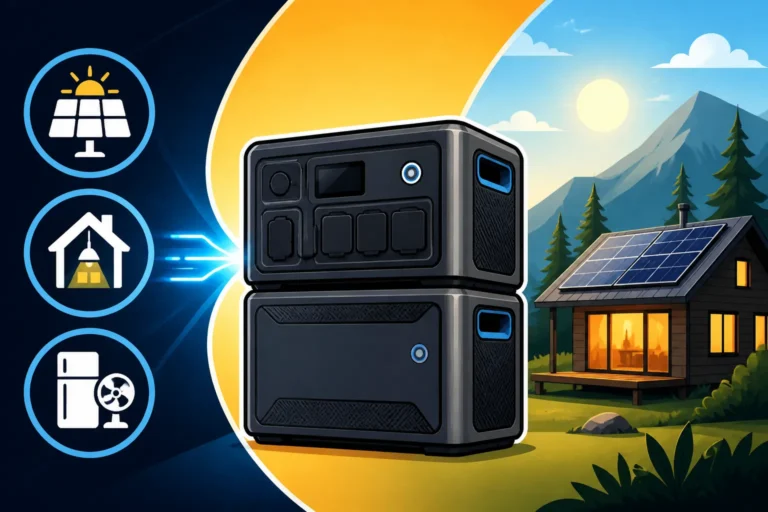
Expandability is a fantastic feature for those whose power needs might grow over time or for whom a single unit's capacity isn't quite enough. Some high-end solar generators allow you to connect external battery packs, effectively doubling or tripling your total Watt-hour capacity. This modular approach means you can start with a base unit and add more storage as your budget or power demands increase. This flexibility can make a system much more cost-effective in the long run than buying a completely new, larger unit later.
Beyond the core components, look for other convenient features that enhance usability. A good array of output ports is essential: multiple AC outlets, various USB-A and USB-C ports (especially with Power Delivery for fast laptop charging), and 12V DC car-style ports are common. Some units also include RV-specific outlets (like a TT-30R) for direct hookup to recreational vehicles. Features like a bright, easy-to-read display showing input/output power, battery state of charge, and remaining run time are invaluable. Many modern generators also offer app control via Bluetooth or Wi-Fi, allowing you to monitor and manage the unit from your smartphone, which is incredibly convenient for remote monitoring or fine-tuning settings. Pass-through charging (the ability to power devices while the generator itself is being charged) is also a highly desirable feature for continuous operation. Built-in LED lights or flashlights can also be handy for emergencies.
Matching a Solar Generator to Specific Use Cases
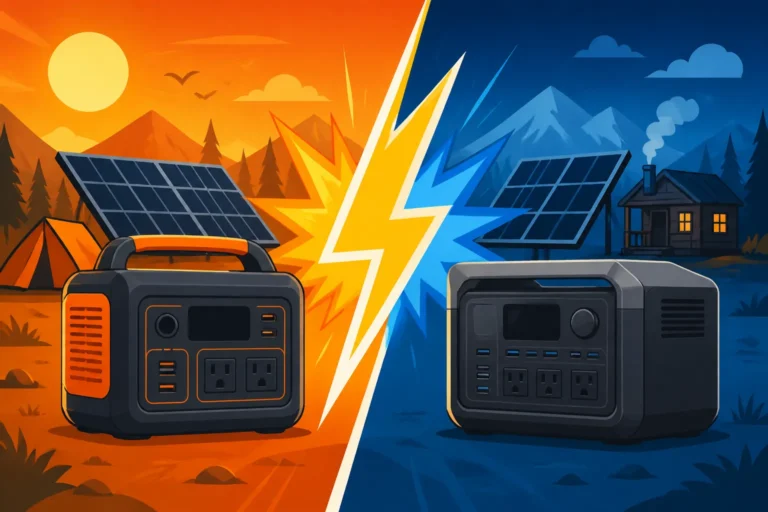
Choosing the right solar generator isn't a one-size-fits-all decision. Your ideal unit will largely depend on your primary use case. What works perfectly for a weekend camper might be woefully inadequate for someone powering a small cabin. Let's break down some common scenarios and the types of solar generators best suited for them.
For Camping and Weekend Trips
If your adventures primarily involve short camping trips, car camping, or day excursions where you need to keep a few essential gadgets charged, you'll likely be looking at smaller, highly portable solar generators. These units prioritize ease of transport and quick setup over massive power output or storage.
For these casual uses, you'll typically find solar generators with battery capacities ranging from 200Wh to 1000Wh. This is ample power for charging smartphones, tablets, laptops, drones, cameras, and running small LED lighting, or perhaps a portable fan. Some units in the higher end of this range might even power a small, efficient cooler or a portable projector for a movie night under the stars. The inverter output will generally be in the 300W-1000W range, sufficient for these smaller electronics and maybe a short burst for a low-wattage coffee grinder.
Portability is key here. These generators are designed to be relatively lightweight (often under 20 pounds) and compact, fitting easily into a car trunk or an RV storage compartment. They're often equipped with a variety of USB ports, a couple of AC outlets, and a 12V car socket. Charging can be done via small, foldable solar panels (like those offered by Renogy), a car adapter while driving, or a standard wall outlet before you leave home. The focus is on convenience and simplicity, providing reliable power for your creature comforts without overcomplicating your outdoor experience.
For RVs, Vans, and Tiny Homes Part-Time
For those embracing the nomadic lifestyle in an RV or camper van, or seeking to power a tiny home or hunting cabin for part-time use, your power needs step up significantly. You're not just charging phones; you're looking to run appliances that contribute to a comfortable living space. Our guide on the Best Off-Grid Solar Kit for an RV and Best Off-Grid Solar Kit for a Tiny Home delves into more permanent solutions, but solar generators offer a flexible, integrated alternative.
Here, you'll want to target solar generators with battery capacities from 1000Wh up to 3000Wh (1-3 kWh), and often with expandability options to add more battery packs if needed. This capacity allows you to confidently power more demanding appliances like a small 12V or energy-efficient AC refrigerator, a microwave (for short bursts), multiple laptops, Starlink internet setups, and potentially a CPAP machine overnight. The inverter output becomes critical, needing to be in the 1500W-3000W continuous range with robust surge capabilities to handle refrigerators, blenders, or even small portable air conditioners.
Solar input becomes even more important for these applications. You'll want a generator that can handle at least 300W-800W of solar input, allowing for faster recharging from a larger array of portable or rooftop solar panels. Many RVers will connect several 100W flexible or rigid panels to their generator. Look for units that offer a wide range of charging options, including AC fast charging and car charging, to maximize flexibility. Finding a robust solution for a medium-sized application is often best done by comparing offerings from various brands, which can be easily done on platforms like Amazon, where a vast selection of power stations and compatible solar panels are available.
For Emergency Backup and Homesteads
When we talk about using a solar generator for emergency home backup or powering a serious off-grid homestead, we're entering the realm of the largest, most powerful, and often most expensive units on the market. These are designed to provide significant, sustained power for critical household loads.
For these demanding scenarios, you're considering solar generators with battery capacities from 3000Wh (3 kWh) and upward, often reaching 10 kWh or even more through expandable battery modules. The goal here is to keep essential home appliances running during extended grid outages or to be the primary power source for a fully off-grid setup. This could include running a full-size refrigerator and freezer, a well pump for water, a few critical lights, a washing machine, or even a mini-split air conditioner (though AC will consume power very rapidly). The inverter output needs to be substantial, typically 3000W-5000W continuous, with impressive surge handling capabilities to start large motors like those found in well pumps or power tools. Brands like EcoFlow with their Delta Pro systems or Bluetti with their EP500 units are popular choices in this category, offering not just high capacity but also the ability to integrate with home electrical panels via transfer switches.
The solar input on these larger units is exceptionally high, often capable of accepting 1000W to 2400W or more of solar power. This is essential for quickly replenishing massive battery banks after heavy usage. Many homesteaders will pair these large generators with a substantial ground-mounted or roof-mounted solar array to ensure maximum daily energy harvest. Features like 240V output (for specific well pumps or larger appliances), uninterruptible power supply (UPS) functionality for seamless transitions during outages, and advanced battery management systems (BMS) are also common. While a dedicated, component-based system might be considered for a full-time residence, these large solar generators provide a powerful, pre-packaged, and often more flexible solution for robust backup or smaller homesteads. To compare broader power solutions for this category, consult our article on the Best Solar Generators for Off-Grid and for a general overview, Solar Generator vs Off-Grid Solar System.
Budgeting and Where to Buy
Investing in an off-grid solar generator is a significant decision, and understanding the cost implications is just as important as knowing the technical specs. Prices can vary wildly, reflecting differences in capacity, component quality, brand reputation, and included features. Knowing what to expect and where to look can help you make a smart, informed purchase that aligns with your financial plan.
Understanding Price Tiers
Solar generators fall into several distinct price tiers, largely dictated by their battery capacity and inverter output.
- Entry-Level (Under $500): These are typically smaller units, offering battery capacities in the 200Wh-700Wh range and inverter outputs of 300W-600W. They are perfect for basic charging of phones, laptops, and powering small lights or fans during short camping trips or minor power outages. You'll find many compact, portable options in this category. They are great for those just starting out with solar or needing minimal backup power.
- Mid-Range ($500 – $2,000): This is the sweet spot for many recreational users, including RVers, van lifers, and those needing more substantial backup for a few critical appliances. Capacities typically range from 1000Wh to 2000Wh (1-2 kWh), with continuous inverter outputs from 1000W to 2000W. These units can often run a mini-fridge, a microwave intermittently, and power multiple electronics. They offer a good balance of power, portability, and features for a reasonable investment. This segment is highly competitive with many brands offering compelling features.
- High-End ($2,000 – $6,000+): These are the workhorses, designed for serious off-grid living, extensive RV or cabin power, or robust home backup. Battery capacities start around 2000Wh (2 kWh) and can go up to 6000Wh or more, especially with expandable options. Inverter outputs are typically 2000W-5000W, capable of handling most household appliances, including well pumps, power tools, and even smaller air conditioning units. These units often feature advanced battery management systems, faster charging, and greater expandability. They represent a significant investment but provide a high degree of energy independence and reliability. For context on broader off-grid costs, explore our guide on How Much Does an Off-Grid Solar System Cost.
The primary drivers of cost are battery chemistry (LiFePO4 is generally pricier but superior), battery capacity, inverter power (higher continuous and surge wattage means more robust components), and brand reputation (established brands with strong R&D and customer support often command higher prices). Don't forget to factor in the cost of compatible solar panels, which are often sold separately or as part of a bundle.
Shopping Smart for Your Solar Generator
Once you've narrowed down your desired specifications and budget, it's time to shop. The market for off-grid solar generators is robust, offering many avenues for purchase.
Online Retailers are often the most convenient and comprehensive source. Websites like Amazon offer a vast selection of different brands and models, allowing you to easily compare specifications, read countless customer reviews, and often find competitive pricing. Many manufacturers also sell directly from their own websites, which can sometimes offer exclusive bundles or better warranty support. When shopping online, pay close attention to the return policy, shipping costs for heavy items, and how customer service is handled. Reading user reviews, especially those detailing real-world performance, charging times, and customer support experiences, can be incredibly insightful.
Specialized Solar Stores or RV Dealerships can be excellent resources, especially if you prefer to see the units in person, get hands-on demonstrations, and speak with knowledgeable sales staff. While prices might be slightly higher than online, the personalized advice and immediate support can be invaluable, especially for larger, more complex systems or if you need assistance with integration into an RV or cabin setup. Some stores may also offer installation services for more permanent setups.
When making your purchase, always check the warranty and customer support provided by the manufacturer. A longer warranty (3-5 years is good for higher-end units) signals confidence in their product, and readily available customer support can be a lifesaver if you encounter any issues. Brands like Renogy, for instance, offer not only solar panels and kits but also power stations, and they are well-regarded for their product range and customer service within the off-grid community. Be wary of deals that seem "too good to be true" from obscure brands, as quality and support can be inconsistent. Instead, focus on reputable brands with proven track records. Considering all these factors will help ensure you make an informed decision when it comes to What to Look for in an Off-Grid Solar Kit and selecting the Best Solar Generator Brands for your needs.
| Feature | Small (e.g., Camping) | Medium (e.g., RV/Van) | Large (e.g., Home Backup/Homestead) |
|---|---|---|---|
| Battery Capacity | 200 – 700 Wh | 1,000 – 3,000 Wh | 3,000 Wh – 10+ kWh (expandable) |
| Inverter Continuous | 300 – 600 W | 1,000 – 2,000 W | 2,000 W – 5,000+ W |
| Inverter Type | Pure Sine Wave (Essential) | Pure Sine Wave (Essential) | Pure Sine Wave (Essential) |
| Max Solar Input | 100 – 300 W | 300 – 800 W | 800 W – 2,400+ W |
| Battery Chemistry | LiFePO4 / NMC | LiFePO4 | LiFePO4 |
| Portability | High (under 20 lbs) | Medium (20-60 lbs) | Low (60+ lbs, often wheeled) |
| Expandability | Rare | Often available | Common & recommended |
| Typical Price Range | $200 – $500 | $500 – $2,000 | $2,000 – $6,000+ |
| Key Appliances | Phones, lights, small fan | Fridge, laptop, microwave (intermittent), CPAP | Fridge, freezer, well pump, washing machine, mini-split (intermittent) |
Disclaimer
The information provided in this guide is for general informational purposes only and does not constitute professional advice. Off-grid solar systems and solar generators involve electrical components and high voltages, which can be dangerous if not handled properly. Always consult with a qualified electrician or solar professional before installing or modifying any electrical system. Prices and specifications mentioned are estimates and can vary based on market conditions, brands, and specific models. It is your responsibility to ensure compliance with all local codes, regulations, and safety standards.