Best Solar Generator Brands
It’s incredibly frustrating to be out in the wild, enjoying the peace and quiet of nature, or working on a remote project, only to find yourself without reliable power for your essential devices. Whether you’re trying to keep your fridge running, charge your tools, or simply light up your campsite, the quest for dependable, portable energy can feel like a never-ending battle. This guide will dive deep into the world of solar generators, helping you understand what makes them tick and which brands stand out, so you can make an informed decision and finally get the power independence you crave.
Understanding What a Solar Generator Truly Is
When we talk about "solar generators," it's easy to picture something complex, perhaps even intimidating. But really, at their core, these devices are brilliant, self-contained power stations that harness the sun's energy, store it, and then let you use it whenever and wherever you need it. They're a fantastic stepping stone into off-grid living for many, offering convenience and flexibility that traditional systems sometimes lack in portable applications. They’ve revolutionized how we think about backup power and remote energy access.
More Than Just a Battery: Components Explained
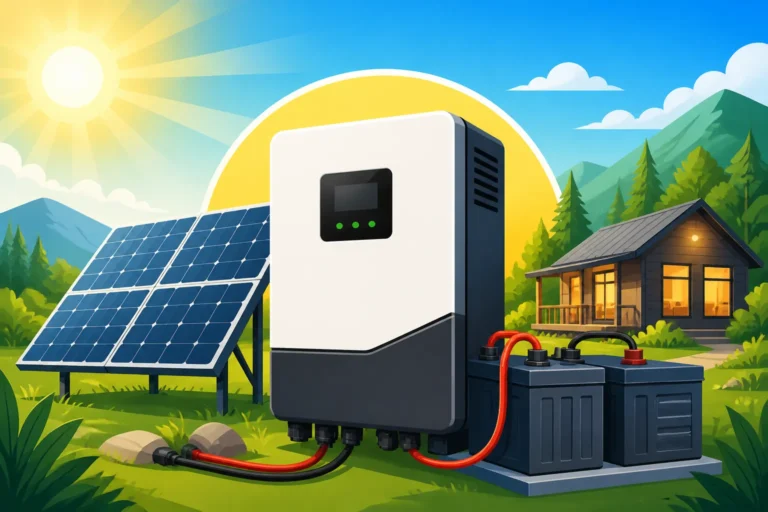
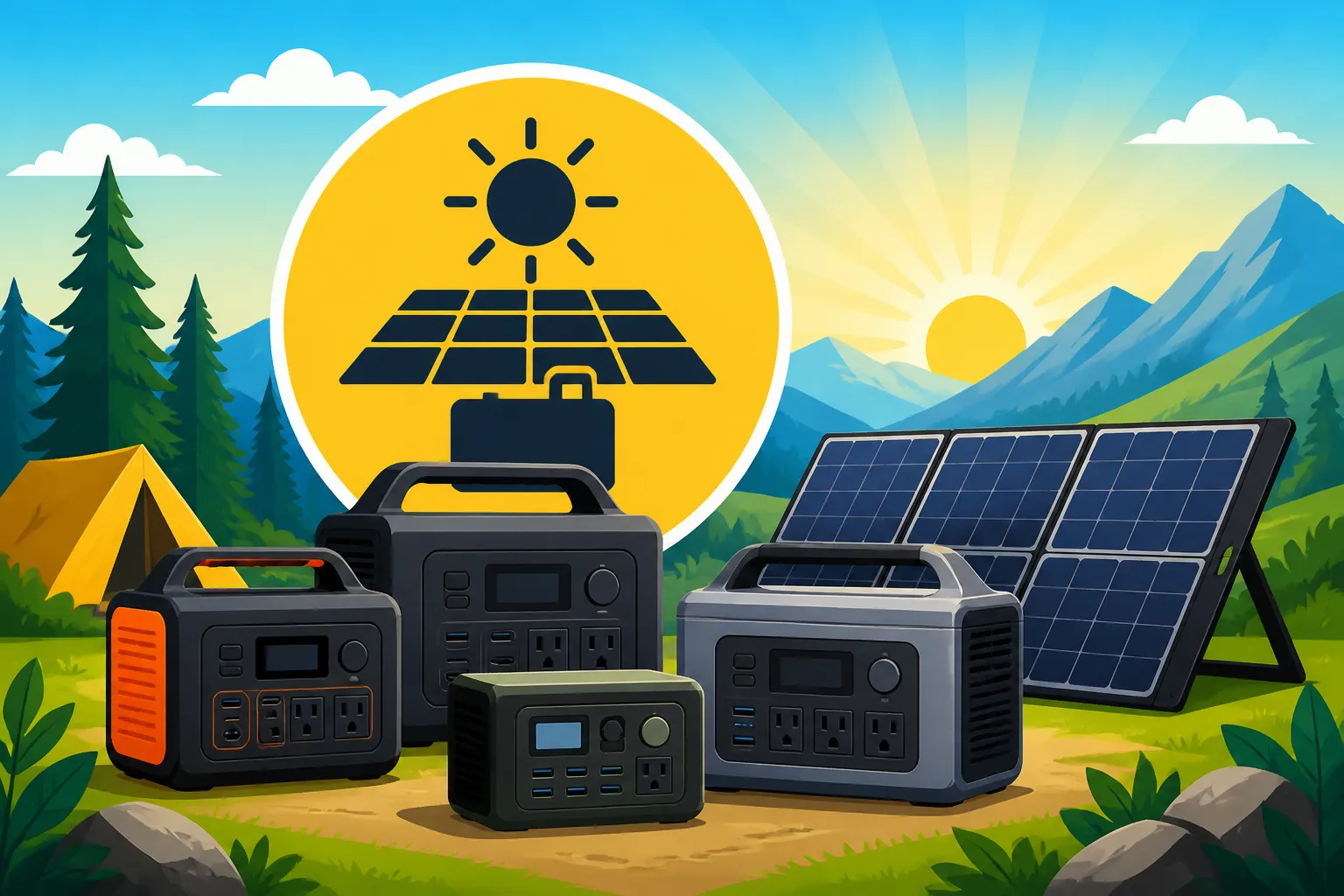
Imagine a Swiss Army knife for electricity – that's pretty much what a solar generator is. It’s not just a big battery; it's an integrated system designed for maximum utility. You've got the battery itself, often a robust lithium-ion or LiFePO4 chemistry, which is the heart holding all that precious energy. Then there's an inverter, a crucial component that takes the DC power from the battery and converts it into the AC power that most of your household appliances use. Without a pure sine wave inverter, you might find your sensitive electronics struggling or even damaged. On top of that, there's a charge controller, which acts as the brain of the charging process, ensuring your battery is filled efficiently and safely by solar panels. This all-in-one approach means you don't have to piece together separate components, which can be a huge relief for anyone new to off-grid setups.
Many people wonder about the various parts that make up a comprehensive power solution. For a deeper understanding, you might want to check out our guide on Off-Grid Solar System Components Explained. The beauty of a solar generator lies in how neatly these components are packaged. When you buy a solar generator, you're essentially getting a pre-engineered, optimized system that’s ready to go. This significantly reduces the learning curve and the potential for installation errors that can come with building a custom system from scratch. They usually include multiple output ports—AC outlets, USB-A, USB-C, 12V DC car ports, and sometimes even wireless charging pads—making them incredibly versatile for powering a wide array of devices simultaneously.
Why They're Ideal for Portable Off-Grid Scenarios
Think about the sheer convenience. Heading out for a weekend camping trip? Just grab your solar generator, toss it in the trunk, and you're good to go. Planning to work remotely from a cabin that doesn't have grid access? A solar generator can power your laptop, lights, and even a small mini-fridge. They shine brightest in situations where mobility is key, or when you need a quick, temporary power solution without the commitment and complexity of a full-scale installation. Their plug-and-play nature means less time fussing with wires and more time enjoying your independence.
For anyone who’s ever tried to run power tools or camping equipment off a noisy, fuel-guzzling gas generator, the appeal of a silent, emission-free solar generator is immense. There’s no fuel to haul, no fumes to breathe, and no constant drone to disturb the peace of your natural surroundings. They are also fantastic for emergency preparedness. When the grid goes down due to a storm or other outage, having a reliable source of power that you can recharge with sunlight is a lifesaver. It allows you to keep essential communication devices charged, run medical equipment like CPAP machines, and keep important lighting on.
Essential Features to Consider in a Solar Generator
Navigating the various models and specifications of solar generators can feel like deciphering a secret code. But once you know the core features to prioritize, the choice becomes much clearer. These devices are investments, and understanding what truly matters will ensure you get a unit that perfectly matches your lifestyle and power demands.
Power Output and Battery Capacity: The Core Specs
These are arguably the most critical numbers you'll look at. Battery capacity, measured in Watt-hours (Wh) or Kilowatt-hours (kWh), tells you how much energy the unit can store. A larger number means it can run your devices for longer. For instance, a 1000Wh unit can run a 100W device for approximately 10 hours. Power output, measured in Watts (W), indicates how much power the unit can deliver at any given moment. This is typically split into continuous output and surge output. Continuous output is what the unit can handle steadily, while surge output is a temporary boost for appliances that need extra power to start up, like refrigerators or power tools. If your largest appliance has a 1500W running power requirement, you'll need a generator with at least that much continuous output, plus a good surge capacity if it has a high starting load.
It's crucial to perform a thorough energy audit of your devices to accurately estimate your needs. Many people underestimate their daily power consumption, leading to a system that falls short. For guidance on how to calculate your daily energy usage, check out this informative article: How to Calculate Daily Energy Usage. If you're looking to power something substantial like a full-size refrigerator, you'll need a much larger capacity than if you're just charging phones and laptops. Consider not just what you're powering, but for how long and how many items simultaneously. This will directly impact the size and cost of the unit you need.
Connectivity and Portability: Making Life Easier
A solar generator isn't much good if you can't plug in your stuff or if it's too cumbersome to move around. Look for a variety of output ports: standard AC wall outlets (usually 120V in North America), multiple USB-A and USB-C ports (especially if you have modern devices that fast-charge via USB-C), and a 12V car socket. Some even include Anderson Powerpole connectors for specific RV or ham radio setups. The more options, the more versatile your generator will be. As for portability, consider the weight and dimensions. Will you be carrying it long distances? Does it need to fit in a small space? Many larger units come with wheels and telescoping handles, making them surprisingly easy to transport despite their heft.
Input options are just as important. Can it charge via solar panels, a car charger, and a wall outlet? The ability to charge from multiple sources offers flexibility. Fast charging capabilities, both input and output, are also a huge plus, especially for quick recharges during short sunny windows or when you need to power up essential devices rapidly. Some advanced units offer pass-through charging, meaning they can power devices while simultaneously being recharged. This is a game-changer for continuous operation in a remote setting. The choice of external solar panels also plays a role; while many units are compatible with various panels, some brands offer their own highly efficient, foldable solar panels, such as those made by Renogy, which can be an excellent complement to their power stations or standalone solar setups.
Battery Chemistry: The Heart of the Unit
The type of battery inside your solar generator profoundly impacts its lifespan, safety, and performance. While older, cheaper models might use lead-acid batteries, the vast majority of modern, high-quality solar generators now employ lithium-ion batteries, specifically Lithium Iron Phosphate (LiFePO4). LiFePO4 batteries are a game-changer for off-grid power solutions. They offer significantly longer lifespans (thousands of charge cycles compared to a few hundred for lead-acid), are much lighter, more efficient, and inherently safer due to their stable chemistry. They also handle deep discharges far better, meaning you can use more of their advertised capacity without damaging the battery.
While LiFePO4 batteries typically have a higher upfront cost, their longevity and superior performance often lead to lower lifetime costs. For a detailed comparison, you might want to look into LiFePO4 vs Lead-Acid Battery Cost. Investing in a unit with a LiFePO4 battery is generally recommended for serious off-grid use, as it ensures a more durable and reliable power source for years to come. These batteries also perform better in a wider range of temperatures, although extreme cold can still impact their charging capabilities. Always check the operating temperature range specified by the manufacturer, especially if you plan to use your solar generator in harsh climates, such as during winter camping trips in the mountains.
Top Solar Generator Brands on the Market
The solar generator market has exploded in recent years, bringing forth a variety of innovative and reliable brands. Each brand often has its unique strengths, catering to different user needs and preferences. While many smaller players exist, a few have consistently risen to the top, earning reputations for quality, performance, and customer support.
EcoFlow: The Innovation Leader
EcoFlow has quickly become a household name in the portable power world, largely thanks to its cutting-edge technology and commitment to user experience. Their Delta series, particularly the EcoFlow Delta Pro for Off-Grid: Specs and Review, is renowned for its incredible capacity and rapid charging speeds. They often boast features like X-Stream charging, which allows their units to recharge from 0-80% in under an hour from an AC outlet, a feature that's unparalleled in many competitors. Their modular design, especially with the Delta Pro, allows users to expand battery capacity with extra battery packs, providing immense flexibility for growing power needs.
What sets EcoFlow apart is not just raw power, but also smart integration. Many of their products can be controlled and monitored via a smartphone app, giving you real-time data on power usage, charging status, and even allowing you to customize settings remotely. They're built with robust housing, making them suitable for adventures and demanding outdoor environments. While they might be on the higher end of the price spectrum, the features, performance, and build quality often justify the investment for users who demand the best and value rapid charging capabilities for their off-grid endeavors, be it for a remote cabin or a full-time RV setup.
Bluetti: Robust Powerhouses
Bluetti is another powerhouse (pun intended!) in the solar generator space, known for its rugged designs and very large capacities, making them ideal for more demanding applications. Their AC200MAX and EP500 series, including the Bluetti AC200L for Off-Grid: Specs and Review, often feature incredibly robust LiFePO4 batteries and offer substantial continuous power output, capable of running everything from power tools to small air conditioners. Bluetti’s units are built to last, with heavy-duty construction that inspires confidence when you're taking them off the beaten path or relying on them for critical backup power.
One of Bluetti's strong suits is its commitment to long-term reliability and deep power reserves. Their products are often designed with longevity in mind, using premium components that can withstand constant use. Many users find Bluetti units to be excellent long-term investments, especially for cabin owners or those looking for a comprehensive home backup solution without the noise of a gas generator. They also offer a wide range of accessories, including solar panels and external battery packs, allowing users to customize and expand their systems as needed. You can often find their products, along with numerous user reviews, on platforms like Amazon, making it easy to research and purchase.
Jackery: The Adventure Companion
Jackery has carved out a significant niche as the go-to brand for adventurers, campers, and those who prioritize portability and ease of use. Their Explorer series, ranging from smaller units perfect for charging drones and phones to larger ones capable of running microwaves, are incredibly popular for their compact size and relatively lightweight design. Jackery emphasizes simplicity and user-friendliness, making their generators ideal for beginners or those who don't want to delve deep into technical specifications.
While Jackery units might not always boast the absolute highest capacities or fastest charging speeds compared to some competitors, they excel in being reliable, grab-and-go power solutions. Their bright orange aesthetic is instantly recognizable, and their strong focus on the outdoor market means their products are often designed with durability and weather resistance in mind. They pair seamlessly with Jackery's own foldable SolarSaga panels, creating a highly portable and efficient solar charging setup perfect for backpacking, car camping, or even small DIY projects around a remote property. For anyone considering an easy entry into portable solar power, Jackery is often a top recommendation.
Anker SOLIX: Emerging Contender
Anker, a brand long synonymous with reliable phone chargers and power banks, has recently made a significant splash in the solar generator market with its SOLIX series. Leveraging their extensive experience in battery technology and charging solutions, Anker SOLIX products, such as the F3800, offer impressive capacities, robust power outputs, and thoughtful features. They often combine high-quality LiFePO4 batteries with efficient inverter technology, aiming for a balance of performance and value.
Anker's entry into this market is exciting because it brings their reputation for quality and customer service to larger power solutions. Their units often feature clean designs, intuitive interfaces, and practical considerations like surge protection and temperature management. For those who appreciate the reliability of a well-established electronics brand, Anker SOLIX presents a compelling option that brings a fresh perspective to off-grid power, particularly for those looking to power a small workshop or a substantial RV setup.
Goal Zero: The Established Player
Goal Zero has been in the portable power game for a long time, often seen as one of the pioneers in making solar-powered solutions accessible to the average consumer. Their Yeti series of power stations are well-regarded for their ruggedness, modularity, and comprehensive ecosystem of accessories, including lights, portable fridges, and various charging cables. Goal Zero emphasizes a holistic approach to portable power, designing products that work seamlessly together.
While some of their older models might have utilized different battery chemistries, their newer high-capacity Yeti models now feature robust LiFePO4 batteries, ensuring a longer lifespan and better performance. Goal Zero products are often favored by outdoor enthusiasts, film crews in remote locations, and those who need a dependable power source in challenging environments. Their strong brand presence and established reputation for quality make them a reliable choice for anyone looking for a proven performer in the solar generator market.
Choosing the Right Solar Generator for Your Needs
Selecting the "best" solar generator isn't about finding the most expensive or highest-capacity unit; it's about finding the perfect match for your specific requirements. Just like you wouldn't buy a semi-truck to commute to work, you shouldn't buy a giant power station if all you need is to charge your phone.
Sizing for Specific Applications
This is where your initial power needs assessment truly comes into play. If you're looking for a solar generator for an RV, your needs will be very different than if you need one for a remote cabin.
- RV Life: For most RVers, especially those pursuing van life or weekend trips, a medium-sized solar generator (1000Wh to 2000Wh capacity with 1000W-2000W continuous output) can handle lights, charging electronics, a small fridge, and even a coffee maker. Brands like Jackery or smaller EcoFlow Delta models are popular choices. Don't forget to consider how you'll recharge it; portable solar panels are essential. If you want to know more about powering an RV, check out Best Off-Grid Solar Kit for an RV.
- Cabin or Tiny Home: If you're powering a small cabin or a tiny home, you'll likely need a larger system, perhaps in the 2000Wh to 5000Wh range, with higher continuous output (2000W-3000W) to handle appliances like a microwave, well pump, or even a small mini-split AC unit. Bluetti or EcoFlow Delta Pro units, with their expandability, are excellent for these scenarios. You might also want to look at a more permanent solution like a Best Off-Grid Solar Kit for a Cabin.
- Emergency Preparedness: For emergency backup, it depends on what essentials you want to keep running. A smaller unit (500Wh to 1000Wh) can keep communication devices and a few lights going. For medical devices (like CPAP) and basic kitchen appliances, a larger unit (1500Wh+) is advisable. The key here is reliability and the ability to recharge even during extended outages.
- Camping and Outdoor Adventures: For simple camping, a compact unit (200Wh to 500Wh) is often sufficient for charging phones, headlamps, and running a small fan. Portability is paramount here.
The first step in sizing is always understanding your daily Watt-hour consumption and the surge wattage of your heaviest load. Without these figures, you're essentially guessing. Our guide on How to Size an Off-Grid Solar System can provide invaluable assistance here. Consider factors like how many days of autonomy you need without sun, and whether you'll be using it seasonally or year-round.
Budget Considerations and Value
Let's be real, going off-grid or even just having reliable backup power isn't always cheap. Solar generators come in a wide range of prices, from a few hundred dollars for small, basic units to several thousand for large, feature-rich powerhouses. It's important to look beyond the initial sticker price and consider the long-term value. A cheaper unit with a lead-acid battery might seem like a good deal initially, but its shorter lifespan and lower efficiency could mean more frequent replacements or less reliable power over time.
Investing in a unit with a LiFePO4 battery, even if it costs more upfront, often provides better value in the long run due to its durability, higher number of charge cycles, and consistent performance. Consider the warranty offered by the manufacturer; a longer warranty often indicates confidence in the product's quality. Also, factor in the cost of compatible solar panels if they're not included or if you need to purchase additional ones. Sometimes, buying a complete kit, perhaps from a brand like Renogy that offers integrated solutions, can be more cost-effective than piecing components together, especially if you're a beginner. Look for sales, compare prices across different retailers, including online marketplaces like Amazon, and always read user reviews to get real-world perspectives on performance and reliability.
Maintenance and Longevity of Solar Generators
Just like any other valuable piece of equipment, your solar generator will perform best and last longest with a little bit of care. While these units are designed for durability, proper maintenance ensures you get the most out of your investment, especially when relying on them for critical power.
Battery Care and Charging Habits
The battery is the heart of your solar generator, and treating it well is paramount for its longevity. For units with LiFePO4 batteries, one of the best habits is to avoid constantly draining them to 0% and then immediately charging them to 100%. While LiFePO4 chemistry is very robust, keeping the charge between 20% and 80% whenever possible can extend its overall lifespan significantly. This isn't always practical, especially when using it intensely, but it's a good guideline for storage and routine use. When storing your solar generator for extended periods, aim for a 50-60% charge level and store it in a cool, dry place, away from extreme temperatures.
Periodically check the manufacturer's recommendations for storage and charging. Some brands, like EcoFlow and Bluetti, have sophisticated Battery Management Systems (BMS) that help protect the battery from overcharge, over-discharge, and extreme temperatures, but user habits still play a crucial role. Avoid exposing the unit to direct sunlight for prolonged periods during charging if it causes the unit to overheat, as this can degrade battery performance over time. Keeping the vents clear of dust and debris is also important for proper heat dissipation. For more information on general off-grid battery care, you can consult articles like How to Maintain an Off-Grid Battery Bank.
Panel and Unit Longevity Tips
While the solar generator unit itself requires minimal maintenance, your solar panels, which are often external, do need some attention. Regularly clean your solar panels to ensure maximum efficiency. Dust, dirt, leaves, bird droppings, and even pollen can accumulate on the surface, significantly reducing the amount of sunlight that reaches the photovoltaic cells. A simple wipe-down with a damp cloth is usually sufficient. In very dusty environments or during pollen season, you might need to clean them more frequently.
Beyond cleaning, routinely inspect the cables and connectors for any signs of wear, fraying, or corrosion. Loose connections can lead to power loss and even safety hazards. If your panels are foldable, ensure the hinges and fabric are in good condition. For the solar generator unit itself, keep it protected from harsh weather conditions when not in use. While many units are somewhat water-resistant, they are generally not waterproof. Store it indoors or under a cover when camping or in a shed if it's for a cabin. Protecting your investment from the elements will help prevent premature wear and ensure it's ready to go when you need it. You can learn more about comprehensive maintenance in our guide on Off-Grid Solar Maintenance Costs.
Solar Generators vs. Traditional Off-Grid Systems
When you're exploring options for power independence, solar generators are just one piece of the puzzle. It's helpful to understand how they stack up against a more traditional, custom-built off-grid solar system to determine which path is right for you. Both have their merits, and often, the "best" choice depends heavily on your specific needs, budget, and willingness to DIY.
Pros and Cons of Each Approach
Solar Generators:
- Pros:
- Portability: Their biggest advantage. Easy to move, transport, and use in various locations.
- Plug-and-Play: Minimal setup required. No complex wiring or installation needed, making them accessible for beginners.
- Integrated Design: All components (battery, inverter, charge controller) are housed in one unit, optimized for compatibility and performance.
- Emergency Ready: Excellent for immediate backup power during outages.
- Scalability (some models): Certain brands allow for battery expansion, offering a degree of modular growth.
- Cons:
- Limited Capacity: Even the largest solar generators generally have less capacity and lower continuous output than a custom-built system designed for a whole home.
- Higher Cost per Watt-hour: Due to integration and convenience, the cost per unit of stored energy can be higher.
- Less Customizable: You're largely stuck with the components and features offered by the manufacturer.
- Not a Permanent Solution: While great for temporary or mobile power, they are rarely sufficient for full-time, high-demand off-grid living in a stationary residence.
Traditional Off-Grid Solar Systems:
- Pros:
- High Capacity and Output: Can be sized to power an entire home, including heavy-duty appliances like electric water heaters or full-size central air conditioning.
- Customization: Every component, from panels to batteries to inverters, can be chosen to perfectly match specific needs and budget.
- Lower Cost per Watt-hour (often): By buying individual components, you can often achieve a lower overall cost for a large system.
- Durability and Longevity: Components are often industrial-grade and designed for decades of service.
- Permanent Installation: Integrated directly into a home's electrical system for seamless power.
- Cons:
- Complex Installation: Requires significant electrical knowledge, careful planning, and often professional installation. This is a big reason why many DIYers struggle with their Off-Grid Solar Installation Guide.
- Not Portable: Once installed, it's a fixed system.
- Higher Upfront Cost (for whole-home systems): While potentially cheaper per Wh, the total cost for a full home system is substantial. Read more on How Much Does an Off-Grid Solar System Cost.
- Permitting and Codes: Larger installations often require permits and adherence to local electrical codes.
When a Solar Generator Shines Brightest
Solar generators excel in specific niches where their unique advantages truly come into their own. They are the undisputed champions for situations demanding portability and quick deployment. Think about camping trips, RVing, van life, tailgating, remote job sites, or simply having reliable backup power during short-term outages. If you're constantly on the move, or if your power needs fluctuate and aren't tied to a single location, a solar generator is likely your ideal companion.
They also represent a fantastic entry point into solar power for those who are curious about off-grid living but aren't ready to commit to a full-scale system. You can start with a smaller unit, get a feel for managing your power, and expand later if your needs grow. This modularity, offered by brands like EcoFlow and Bluetti, allows you to incrementally build your power independence. Ultimately, for anyone seeking flexible, portable, and relatively straightforward power solutions, a solar generator is an excellent choice. It bridges the gap between small portable battery banks and complex whole-home solar systems, providing a versatile middle-ground for diverse off-grid applications. For a deeper dive into this comparison, our article on Solar Generator vs Off-Grid Solar System is a great resource.
Solar Generator Brand Comparison
To help you visualize the differences between some of the leading brands, here’s a comparison table highlighting key aspects. Please note that specifications can vary widely between different models within each brand, so this is a generalized overview. Always check the specific model's details before making a purchase.
| Feature | EcoFlow | Bluetti | Jackery | Anker SOLIX | Goal Zero |
|---|---|---|---|---|---|
| Typical Capacity | 500Wh – 7200Wh+ (expandable) | 500Wh – 5000Wh+ (expandable) | 240Wh – 3000Wh | 500Wh – 3800Wh+ | 200Wh – 6000Wh+ |
| Continuous Output | 600W – 3600W (X-Boost up to 7200W) | 600W – 3500W | 200W – 3000W | 500W – 6000W | 200W – 2000W |
| Battery Chemistry | LiFePO4 (mostly), some NCM | LiFePO4 | LiFePO4 (newer), some NCM (older) | LiFePO4 | LiFePO4 (newer), some NCM (older) |
| Charging Speed | Extremely Fast (X-Stream AC charging) | Fast AC & Solar charging | Moderate AC & Solar charging | Fast AC & Solar charging | Moderate AC & Solar charging |
| Modularity/Expandability | High (with extra batteries) | High (with extra batteries) | Limited (some larger models) | High (with extra batteries) | High (with extra batteries) |
| Portability | Good for capacity, larger units heavy | Good for capacity, larger units heavy | Excellent, very user-friendly | Good, often compact | Good, rugged |
| App Control | Yes | Yes | No/Limited (some newer models) | Yes | Yes |
| Key Strength | Innovation, speed, ecosystem | Robust power, reliability, large capacity | Portability, simplicity, outdoor focus | Modern design, trusted brand, value | Durability, integrated ecosystem |
Disclaimer: This guide provides general information and should not be considered professional electrical advice. Always consult with certified electricians or solar professionals for specific system design, installation, and safety requirements. Off-grid solar systems involve high voltages and currents, which can be dangerous if not handled properly. Adhere to all local codes, regulations, and manufacturer instructions.