LiTime Battery Review for Off-Grid Solar
Choosing the right battery for your off-grid solar system can feel like an overwhelming task, with countless brands and technical specifications to sift through. Many folks are looking for a balance between performance and affordability, and that's where brands like LiTime often pop up. If you've been wondering if LiTime batteries are a solid choice for your independent power needs, this comprehensive guide is designed to cut through the noise, offering an in-depth review of their offerings for off-grid living.
Understanding LiTime Batteries in the Off-Grid Landscape
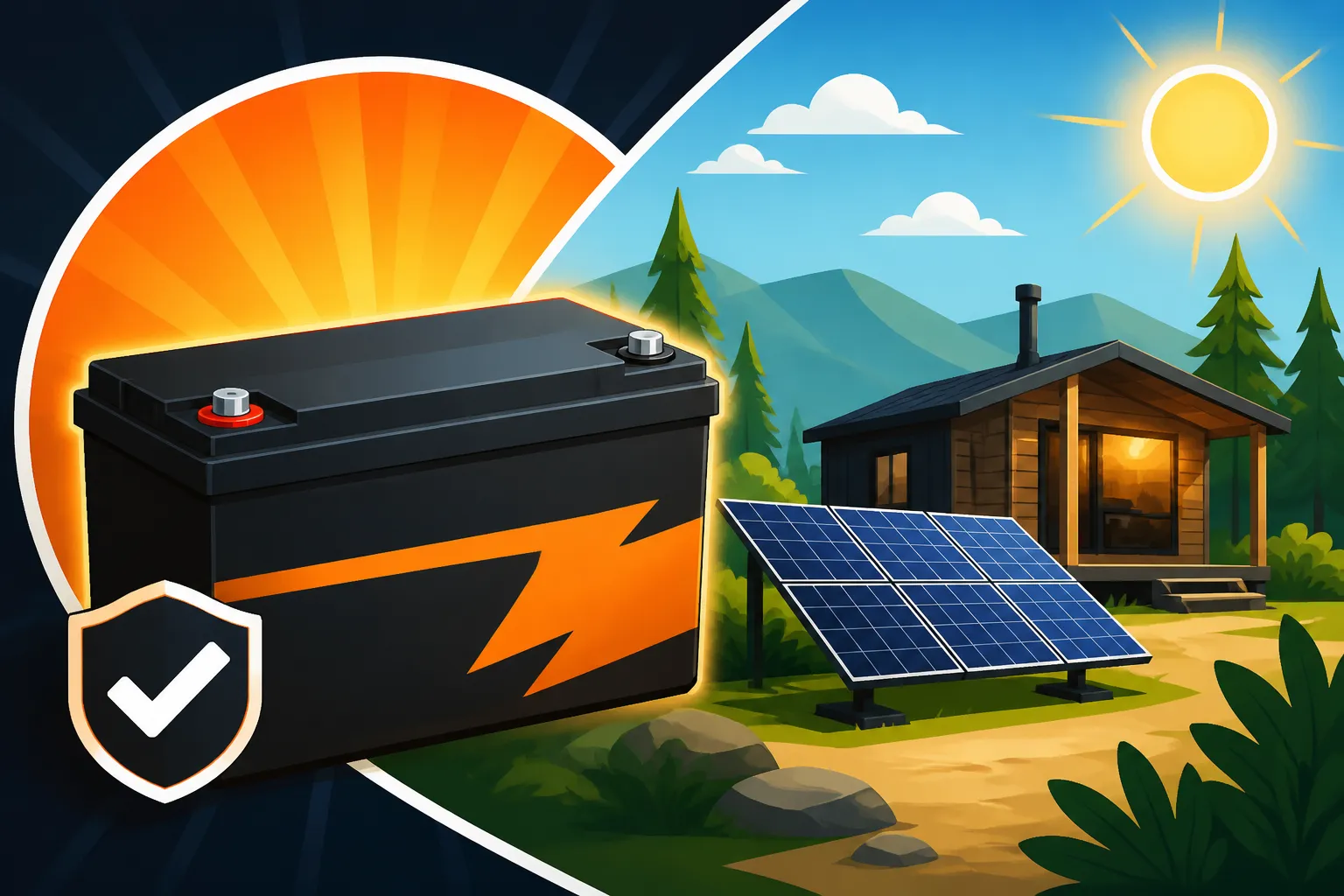
When you're setting up an off-grid system, the battery bank is truly the heart of your power. It's where all that precious solar energy gets stored, ready to keep your lights on and appliances humming long after the sun goes down. For years, lead-acid batteries were the go-to, but the world of off-grid storage has evolved dramatically, and lithium iron phosphate (LiFePO4) has emerged as a game-changer. LiTime has carved out a niche for itself by offering these advanced battery solutions.
The Rise of LiFePO4 in Off-Grid Solar
Let's be honest, those traditional lead-acid batteries, whether flooded or AGM, had their drawbacks. They were heavy, required a lot of maintenance (especially the flooded ones), and their usable capacity was often limited to 50% or so to prolong their lifespan. This meant you needed to buy twice the capacity you actually needed, which added significant weight and cost. Plus, their cycle life, while decent, couldn't hold a candle to what was coming next.
Enter LiFePO4 technology. These batteries are a breath of fresh air for anyone living off the grid or building a robust backup system. They boast an incredibly long cycle life, often thousands of cycles compared to hundreds for lead-acid. This means they last significantly longer, reducing the frequency and cost of replacing your battery bank over the years. They can also be discharged much deeper, typically 80-100%, without damaging the battery, effectively giving you more usable energy from a smaller, lighter package. Thinking about how much it costs to replace off-grid solar batteries, the longevity of LiFePO4 truly makes a difference in the lifetime cost of an off-grid solar system
LiTime's Place in the Off-Grid Market
LiTime has positioned itself as a competitive player in the accessible LiFePO4 battery market. They're often recognized for offering a good balance of performance, features, and an attractive price point, especially for DIY enthusiasts and those on a budget. You'll frequently see their products listed on major online marketplaces like Amazon, making them incredibly easy to acquire for anyone looking to upgrade or build a new off-grid setup. This accessibility has made them a popular choice for everything from RVs and vans to small cabins and sheds.
While premium brands like Battle Born or Victron might offer more advanced features, often including sophisticated Bluetooth monitoring or integrated heating for cold weather, LiTime often provides the core benefits of LiFePO4 without the higher price tag. This makes them particularly appealing to those who understand their power needs and are comfortable with a more straightforward battery solution. For many, the ability to get a reliable LiFePO4 battery at a reasonable cost is a significant win, especially when considering the cost of an off-grid solar battery bank.
Diving Deep into LiTime Battery Specifications and Performance
When you're investing in batteries for your off-grid system, the nitty-gritty details matter. It's not just about the sticker price; it's about what you're getting for your money in terms of features, reliability, and how they truly perform when you're relying on them daily. LiTime batteries, like any other, have a distinct set of characteristics that make them suitable for particular applications.
Key Features and Technology
LiTime primarily offers 12V LiFePO4 batteries in various capacities, with common options being 100Ah, 200Ah, and 300Ah. These capacities are designed to be scalable, meaning you can wire multiple batteries in series or parallel to achieve higher voltages (like 24V or 48V) or increase your total amp-hour capacity. This flexibility is crucial when you're trying to figure out how many batteries for an off-grid system based on your unique energy demands.
A critical component of any LiFePO4 battery, including LiTime's, is the integrated Battery Management System (BMS). This isn't just a fancy add-on; it's the brain of the battery, constantly monitoring voltage, current, and temperature. The BMS protects the battery from overcharging, over-discharging, over-current, and short circuits, ensuring safety and extending the battery's lifespan. Most LiTime batteries come with a BMS that handles typical discharge rates well, making them robust for most household or RV applications. They also often include low-temperature cutoff protection, which is essential to prevent charging below freezing, a common issue that can damage LiFePO4 cells. However, it's important to note that charging in freezing temperatures is generally what causes issues, not discharging. For colder climates, some users might look for batteries with built-in heating elements, a feature typically found in higher-end models or as external accessories.
Real-World Performance and Durability
In practical terms, LiTime batteries tend to deliver consistent power output throughout their discharge cycle, a significant advantage over lead-acid batteries whose voltage sags as they deplete. This means your appliances receive stable power, improving their performance and potentially their lifespan. Whether you're running a refrigerator in your tiny home or power tools in a remote workshop, the steady voltage makes a noticeable difference.
Many users report good experiences with LiTime batteries in various setups, from small RVs enjoying weekend trips to more permanent cabin installations. For instance, a 100Ah LiTime battery might easily run a small RV fridge for a couple of days, along with lights and charging electronics. When scaled up, a bank of 200Ah or 300Ah units can reliably power a more demanding system, perhaps even a well pump for off-grid water. The stated cycle life, often around 4,000 to 6,000 cycles at 80% Depth of Discharge (DoD), translates to many years of reliable service, far exceeding what lead-acid options offer. This kind of longevity contributes directly to why off-grid solar saves money long-term.
Durability is another aspect where LiFePO4 shines. These batteries are more robust internally, less prone to damage from vibrations or impacts, making them ideal for mobile applications like vans and RVs. While no battery is indestructible, the solid-state design of LiFePO4 cells generally withstands the rigors of off-grid life better than their liquid-filled counterparts.
The Pros and Cons of Choosing LiTime for Your Off-Grid System
Deciding on the perfect battery involves weighing what you gain against any potential compromises. LiTime batteries, while offering compelling value, aren't a one-size-fits-all solution. Let's break down the advantages and considerations so you can make an informed decision for your unique off-grid journey.
Advantages for the Off-Grid Enthusiast
One of the biggest draws of LiTime batteries is their affordability. Compared to many established lithium brands, LiTime often provides a lower entry point for getting into LiFePO4 technology. This is a huge benefit for DIYers and those building systems on a budget who still want the superior performance of lithium over lead-acid. When you're trying to figure out how to budget for an off-grid solar system, every dollar counts, and LiTime helps stretch that budget further.
Their lightweight nature is another significant advantage. If you're outfitting an RV, van, or boat, every pound saved matters. A 100Ah LiFePO4 battery from LiTime might weigh around 25-30 pounds, while a comparable 100Ah lead-acid battery (remembering you only get 50% usable capacity) could easily be 60-70 pounds. This reduction in weight not only helps with fuel efficiency in mobile applications but also simplifies installation.
The long lifespan and high cycle count mean less frequent replacements, which is a major long-term cost saving and a reduction in environmental impact. Imagine not having to think about replacing your primary power source for a decade or more! This contrasts sharply with lead-acid batteries that might need replacing every 3-5 years, especially with deep cycling.
Finally, the efficiency and steady power delivery mean your system runs better. LiFePO4 batteries have very low internal resistance, meaning less energy is lost as heat during charging and discharging. This translates to more of your harvested solar energy actually making it into your appliances. The consistent voltage output prevents performance drops, ensuring sensitive electronics and motors operate smoothly.
Potential Drawbacks and Considerations
While LiTime offers great value, it's important to be realistic about where they might fall short compared to higher-end options.
One common consideration is customer service and warranty support. While LiTime generally has positive reviews, some users report that getting detailed technical support or navigating warranty claims might not be as seamless as with a more premium, established brand that has a larger, dedicated support team. For complex troubleshooting, this could be a factor.
Another point to consider, as mentioned earlier, is cold weather performance. While LiTime batteries typically have low-temperature charge cutoff protection built into their BMS, they generally don't include internal heating elements. This means if you live or travel in an area where temperatures frequently drop below freezing, you'll need to either house your batteries in a heated enclosure or invest in external heating pads to ensure they can accept a charge. Failing to do so can permanently damage the cells, shortening the battery's overall life. For those designing a system for year-round living in cold climates, this is a crucial factor. You might want to explore alternatives or additional equipment when thinking about off-grid solar cost in cold climates.
Lastly, while the BMS in LiTime batteries is robust for protection, they might lack some of the advanced communication features found in more expensive models. For example, some higher-end LiFePO4 batteries offer Bluetooth monitoring apps, CAN bus communication for integrating with certain inverters (like those from Victron Energy or Sol-Ark), or more granular data logging. For many DIYers, a simple battery monitor shunt is sufficient, but if you're building a highly integrated, sophisticated system, these advanced features could be important to you.
Here's a quick comparison of common battery types:
| Feature | LiFePO4 (e.g., LiTime) | AGM Lead-Acid | Flooded Lead-Acid |
|---|---|---|---|
| Usable Capacity | 80-100% | 50% | 50% |
| Cycle Life | 4,000 – 6,000+ cycles | 400 – 1,200 cycles | 500 – 1,500 cycles |
| Weight | Light | Heavy | Very Heavy |
| Maintenance | None (BMS handles everything) | Very low (sealed) | High (water topping, cleaning) |
| Charging Speed | Very Fast | Moderate | Slow |
| Voltage Sag | Minimal | Significant at low DoD | Significant at low DoD |
| Cold Weather | Needs protection for charging | Operates well (reduced capacity) | Operates well (reduced capacity) |
| Initial Cost | Moderate – High | Low – Moderate | Lowest |
| Lifetime Cost | Low | Moderate – High | Moderate – High |
This table clearly highlights why many off-gridders are migrating towards LiFePO4 batteries despite their higher initial cost. The long-term savings and performance benefits are often too compelling to ignore.
Integrating LiTime Batteries into Your Off-Grid Setup
So you've decided LiTime batteries might be a good fit for your needs. The next step is understanding how to actually incorporate them into your existing or planned off-grid solar system. It’s not just about hooking up wires; it’s about ensuring compatibility and setting things up correctly for optimal performance and safety.
Compatibility with Other Components
The good news is that LiTime 12V LiFePO4 batteries are largely compatible with most standard off-grid solar components designed for 12V, 24V, or 48V systems, provided you're using the right number of batteries in series.
- Charge Controllers: This is arguably the most critical component to consider. You'll need a charge controller that supports LiFePO4 charging profiles. Most modern MPPT (Maximum Power Point Tracking) charge controllers, like those from Renogy or Victron, offer selectable battery types, including a specific setting for LiFePO4. It’s crucial to select this setting to ensure the battery receives the correct charging voltage and current. Using a controller not set for LiFePO4 could lead to undercharging (reducing usable capacity) or overcharging (damaging the battery). If you're new to this, learning how to connect a charge controller and correctly set its parameters is vital.
- Inverters: LiTime batteries, being 12V, 24V, or 48V (when wired in series), will seamlessly connect to any inverter designed for that specific DC input voltage. For example, if you build a 24V battery bank with two 12V LiTime batteries in series, you’ll need a 24V inverter. Most pure sine wave inverters, which are recommended for sensitive electronics and appliances, will work perfectly. Brands like AIMS Power or Growatt offer a range of inverters that pair well with LiTime batteries. You’ll want to size your inverter correctly based on your peak power demands, ensuring it can handle surge loads from appliances like microwaves or well pumps.
- Solar Panels: The solar panels themselves are largely agnostic to the battery chemistry. The panels produce DC power, which is then regulated by your charge controller before it reaches the battery. So, any standard monocrystalline or polycrystalline solar panels will work fine. Your focus here should be on how to size an off-grid solar system based on your daily energy usage and peak sun hours, rather than specific panel compatibility with the battery itself.
When planning your system, a great resource to understand component interaction is an off-grid solar wiring diagram explained. This can help you visualize how everything comes together and ensure you're making safe and efficient connections.
Installation Tips and Best Practices
Installing LiTime batteries, while generally straightforward, benefits from a few best practices to ensure safety and longevity.
- Read the Manual: This might seem obvious, but it's surprising how many people skip it. The manufacturer's manual will have specific wiring instructions, charging parameters, and safety warnings unique to their batteries.
- Proper Wiring: When wiring multiple 12V LiTime batteries together, whether in series for higher voltage or in parallel for higher capacity, ensure all connections are tight and use appropriately sized cables. Undersized cables can lead to voltage drop and generate heat, reducing efficiency and posing a fire hazard. Consult a guide on how to wire a battery bank for detailed instructions.
- Fuse and Breaker Protection: Always install appropriate fuses and breakers between your battery bank and other components (charge controller, inverter). These are critical safety devices that protect your system from overcurrents and short circuits. Understanding how to size fuses and breakers is paramount.
- Ventilation and Environment: While LiFePO4 batteries don't off-gas like lead-acid batteries, good ventilation is still important to prevent heat buildup, especially if the batteries are in a confined space. As mentioned, if you're in a cold climate, consider a heated battery box or an area that stays above freezing to protect the batteries from low-temperature charging issues.
- Battery Monitoring: Install a reliable battery monitor, like a Victron SmartShunt or similar, to keep track of your state of charge (SoC), voltage, current, and overall energy consumption. This provides invaluable data for managing your power and understanding your system's health. You can find out more about how to set up battery monitoring to get the most out of your setup.
- Initial Balance: While LiTime batteries come with an internal BMS that handles cell balancing during operation, it's often a good practice to fully charge and allow the cells to balance before putting a new battery bank into heavy service. This ensures all cells start at an even state.
By following these installation and best practices, you can maximize the performance and lifespan of your LiTime batteries, ensuring they reliably power your off-grid lifestyle for many years to come.
Disclaimer
The information provided in this article is for general informational purposes only and does not constitute professional advice. Off-grid solar system design and installation can be complex and involve electrical hazards. Always consult with qualified professionals and adhere to local electrical codes and regulations. Performance figures and costs mentioned are estimates and can vary based on specific products, installation conditions, and individual usage patterns.