Off-Grid Solar Safety and Grounding
Going off-grid with solar power is an incredibly liberating experience, offering energy independence and peace of mind. However, the excitement of cutting ties with the utility company can sometimes overshadow the crucial importance of safety. Dealing with high-voltage DC currents, powerful battery banks, and complex wiring without proper precautions can turn a dream into a dangerous nightmare, leading to electrical shocks, fires, or damaged equipment. This comprehensive guide is here to walk you through every critical aspect of off-grid solar safety and grounding, ensuring your system is not only efficient but, more importantly, safe for you and your loved ones.
Understanding the Risks of Off-Grid Solar Systems
Embarking on an off-grid solar journey means you become your own utility company, which comes with significant responsibility. Unlike grid-tied systems where utility company safety mechanisms and regulations are often built-in and enforced by experienced professionals, a standalone off-grid setup relies entirely on your knowledge and diligence. It’s not just about getting the lights on; it’s about ensuring those lights don’t come with the risk of electrocution or fire. The inherent dangers stem from the very nature of electricity: high voltage, high current, and the potential for uncontrolled energy release.
Electrical Shock and Arc Flashes
The most immediate and frightening risk in any electrical system, including off-grid solar, is electrical shock. Solar panels produce direct current (DC) electricity, and even a single panel can generate enough voltage to cause a painful shock. When multiple panels are wired in series, the voltage can quickly climb to lethal levels, often exceeding 100V DC or even 400V DC in larger systems. Inverters then convert this DC power to alternating current (AC), which carries its own set of dangers, familiar from household wiring. A shock can cause severe burns, internal organ damage, or even cardiac arrest.
Beyond direct contact, another formidable threat is an arc flash. This occurs when an electrical current leaves its intended path and travels through the air from one conductor to another, or to the ground. An arc flash is incredibly hot – hotter than the sun's surface – and can instantly vaporize metal, create a powerful blast wave, and cause catastrophic burns. These events are often triggered by loose connections, faulty insulation, or accidental short circuits, and they emphasize why every connection must be meticulously made and protected. The sheer energy involved in an arc flash can be devastating, highlighting why working on a live system should always be avoided unless absolutely necessary and with extreme caution.
Fire Hazards from Improper Wiring
Electricity and fire are a dangerous combination, and improper wiring is one of the leading causes of electrical fires. In an off-grid solar system, several factors can contribute to this risk. Undersized wires, for instance, are a common culprit. If a wire is too thin for the amount of current flowing through it, it will overheat, potentially melting its insulation and igniting surrounding materials. Imagine running a powerful well pump through a wire meant only for small LED lights; the wire would quickly become a fire starter.
Poor connections are another major hazard. A loose terminal can create resistance, generating heat that can melt wire insulation, ignite dust, or spark a fire within an enclosure. This is particularly dangerous in battery banks, where high currents are present. Furthermore, exposed wires, frayed insulation, or wires routed through sharp edges without proper conduit protection can lead to short circuits. A short circuit bypasses the intended electrical path, drawing massive amounts of current that can generate immense heat and ignite materials in milliseconds. All of these scenarios underscore the need for careful planning, correct wire sizing, and robust installation practices to prevent what could otherwise be a catastrophic event. You can learn more about proper wiring techniques in our guide on How to Wire an Off-Grid Solar System.
Battery-Specific Dangers
Batteries are the heart of any off-grid solar system, but they also represent one of its most significant safety considerations. Whether you’re using traditional lead-acid batteries or newer lithium iron phosphate (LiFePO4) chemistries, they store a tremendous amount of energy that can be released rapidly and dangerously if mishandled. Lead-acid batteries, for example, produce hydrogen gas during charging, which is highly flammable and explosive. Improper ventilation in a battery enclosure can allow this gas to accumulate, creating a ticking time bomb that can be ignited by a spark, static electricity, or even a loose connection.
Beyond gas, lead-acid batteries also contain corrosive sulfuric acid, which can cause severe chemical burns if spilled or splashed. Lithium batteries, while generally safer in terms of off-gassing, pose their own thermal runaway risks if overcharged, deeply discharged, or physically damaged. When a lithium battery experiences thermal runaway, it can generate intense heat, vent toxic gases, and even catch fire or explode. Both battery types can deliver incredibly high currents if accidentally short-circuited – imagine dropping a wrench across battery terminals – resulting in arc flashes, severe burns, or even an explosion of the battery itself. That's why understanding How Much Battery Capacity You Need also comes with the responsibility of knowing how to handle them safely.
The Absolute Importance of Proper Grounding
If batteries are the heart of your off-grid system, then grounding is its robust immune system, protecting it from unforeseen electrical maladies. It’s often misunderstood or overlooked by DIY enthusiasts, but proper grounding is not just a recommendation; it’s a fundamental requirement for both safety and the longevity of your equipment. Think of it as a safety net that catches dangerous stray electricity and directs it harmlessly into the earth. Without it, your system, your home, and yourself are vulnerable.
Protecting Against Faults and Surges
One of the primary roles of grounding is to provide a safe path for electrical current in the event of a fault. Imagine a scenario where a wire inside your inverter accidentally touches its metal casing due to damaged insulation. Without proper grounding, that metal casing would become energized, and anyone touching it could receive a severe or even fatal electrical shock. A ground wire, however, would immediately provide a low-resistance path for that stray current to flow directly into the earth. This surge of current would then trip a circuit breaker or blow a fuse, shutting down the system and eliminating the hazard.
Grounding also plays a crucial role in protecting your valuable equipment from power surges, especially those caused by lightning strikes or utility fluctuations (even in off-grid setups, nearby strikes can induce surges). A properly grounded system helps to dissipate these sudden, powerful electrical spikes, shunting them away from sensitive components like your inverter, charge controller, and batteries. Without effective grounding, a surge could fry your entire system in an instant, turning thousands of dollars worth of equipment into expensive paperweights.
Meeting Electrical Codes and Standards
While off-grid systems might seem to operate outside the conventional rules, they are still subject to electrical codes and standards, particularly if you ever plan to connect them to a structure or property that requires permitting and inspection. The National Electrical Code (NEC) in the United States, for example, provides specific guidelines for grounding photovoltaic (PV) systems. Adhering to these codes isn’t just about passing an inspection; it’s about following a set of best practices developed over decades to ensure maximum safety.
Ignoring grounding requirements can lead to serious legal repercussions, insurance problems, and, most importantly, compromise the safety of your installation. Even if your local jurisdiction doesn't actively inspect off-grid systems (which is becoming increasingly rare), voluntarily complying with codes like the NEC ensures that your system is built to the highest safety standards. This proactive approach ensures peace of mind and significantly reduces the risk of dangerous electrical incidents. You can read more about what's involved in Off-Grid Solar Permits and Codes.
Equipment Longevity and Performance
Beyond immediate safety, proper grounding also contributes significantly to the long-term reliability and performance of your off-grid solar system. Stray electrical currents and electromagnetic interference (EMI) can subtly degrade electronic components over time, leading to premature failures. A well-grounded system helps to minimize these “electrical noises” and maintain stable operating conditions for your sensitive electronics. Think of it like a clean operating environment for your equipment.
Without proper grounding, components like your inverter might experience erratic behavior, reduced efficiency, or even outright failure. Grounding helps establish a common electrical reference point, which is essential for the accurate operation of modern electronics. It minimizes ground loops and transient voltages that can disrupt communication between devices or cause internal component stress. In essence, grounding protects your investment by ensuring that your off-grid solar system operates reliably, efficiently, and for its intended lifespan, allowing you to truly enjoy the benefits of energy independence without constant worry.
Key Components for a Safe Off-Grid System
Building a safe off-grid solar system isn’t just about running wires and connecting panels; it’s about incorporating the right protective components that act as guardians against electrical faults and overloads. These devices are your system’s first line of defense, designed to interrupt power before a small problem escalates into a major hazard. Skimping on these essential safety components is akin to driving a car without brakes – a recipe for disaster.
Fuses, Circuit Breakers, and Disconnects
Fuses and circuit breakers are indispensable safety devices that protect electrical circuits from overcurrent. A fuse is a sacrificial device with a metal wire that melts and breaks the circuit when too much current flows through it. A circuit breaker, on the other hand, is a reusable switch that automatically trips (opens the circuit) under overcurrent conditions. Both are crucial for protecting wires from overheating and preventing fires. In an off-grid system, you’ll need both DC-rated fuses/breakers (for solar panel arrays and battery banks) and AC-rated breakers (for inverter output and household loads). Properly sizing these components is critical to ensure they trip before your wires or equipment are damaged.
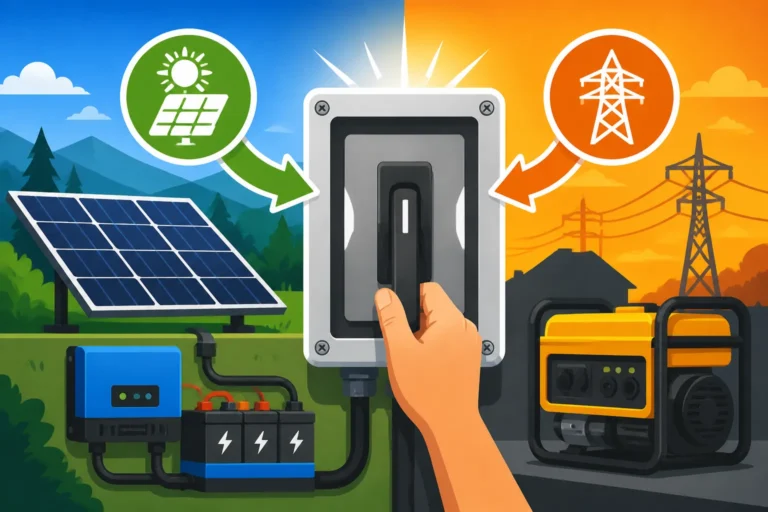
Disconnect switches are equally vital. These are manual switches that allow you to completely isolate sections of your system, typically between the solar array and the charge controller, and between the battery bank and the inverter. They are absolutely essential for safe installation, maintenance, and troubleshooting. Imagine needing to work on your inverter; without a proper DC disconnect for the battery, you'd be working on a live system with thousands of watts ready to unleash. Having clear, well-labeled disconnects not only safeguards you but also provides a clear "off switch" in case of an emergency. You can find robust disconnects and breakers from reputable brands like MidNite Solar or through a quick search on Amazon. To dive deeper into these components, check out our guide on How to Size Fuses and Breakers.
Surge Protectors and Ground Fault Protection
Even with fuses and breakers, your system needs additional layers of protection. Surge protective devices (SPDs) are designed to shunt transient overvoltages (surges) away from your equipment, especially sensitive electronics like inverters and charge controllers. These surges can come from lightning strikes, electrical storms, or even nearby heavy equipment switching on and off. Installing SPDs on both the DC side (between panels and charge controller) and the AC side (at the inverter output) is a wise investment to safeguard your expensive components from instantaneous damage.
Ground Fault Circuit Interrupters (GFCIs) and Ground Fault Detection and Interruption (GFDI) devices are specifically designed to detect very small amounts of current leakage to ground, which indicate a potential shock hazard. GFCIs are common in household outlets in wet areas (like bathrooms and kitchens) and protect people from electrocution. In off-grid solar, GFDI devices are often required for PV arrays by electrical codes. They monitor the DC current from the solar panels and will rapidly trip if they detect a fault, preventing dangerous current from flowing through a person or causing a fire. These devices are non-negotiable for personal safety, particularly in systems installed outdoors or in environments where moisture is present.
Quality Wiring and Connectors
It might seem basic, but the quality of your wiring and connectors directly impacts the safety and reliability of your entire off-grid system. Using wires that are appropriately sized for the current and length of the run is paramount. Undersized wires lead to voltage drop and, more critically, overheating and potential fires. Always use copper wire, and ensure it is UV-resistant and rated for outdoor use when applicable (like PV wire for solar panels). Refer to the National Electrical Code (NEC) for wire sizing charts or use an online calculator to determine the correct gauge for each circuit. Our article on How to Size Wire and Cables provides a comprehensive look at this.
Connectors are equally important. Loose or poorly made connections are prime locations for resistance, heat buildup, and arc flashes. For solar panels, use MC4 connectors – they are specifically designed for solar applications, are weatherproof, and provide a secure, low-resistance connection. For battery banks, heavy-gauge lugs crimped and soldered to appropriate cables ensure a solid, reliable connection that can handle the high currents. Avoid using cheap, generic connectors or making quick, temporary splices. Every connection, every wire, and every terminal should be robust, secure, and properly insulated to maintain the integrity of your electrical system and prevent dangerous faults. Renogy and other reputable solar suppliers offer high-quality wiring and connector kits.
| Safety Device | Primary Function | Typical Location in Off-Grid System | Protects Against |
|---|---|---|---|
| Fuses / Breakers | Overcurrent protection, interrupts excessive current | DC: Panel strings, charge controller, battery bank; AC: Inverter output, load center | Overloads, short circuits |
| Disconnect Switches | Manual isolation of power | Between panels/charge controller; between batteries/inverter | Facilitates safe maintenance, emergencies |
| Surge Protectors (SPD) | Diverts transient overvoltages | DC: PV array input; AC: Inverter output | Lightning strikes, power surges |
| Ground Fault Detection (GFDI) | Detects current leakage to ground | DC: PV array input circuits | Electrical shock, fires |
| Grounding Electrode | Provides a path for fault currents to earth | Connected to main DC & AC grounding busbars, panel frames | Electrical shock, equipment damage |
Step-by-Step Guide to System Grounding
Now that we’ve covered the “why,” let’s dive into the “how” of proper grounding. This isn’t just about sticking a rod in the ground; it’s a methodical process that links various parts of your off-grid system to ensure that any stray electricity has a clear, safe path to dissipate. Skipping steps or doing it haphazardly is like building half a bridge – it won’t get you where you need to go safely.
Grounding Solar Panels and Racking
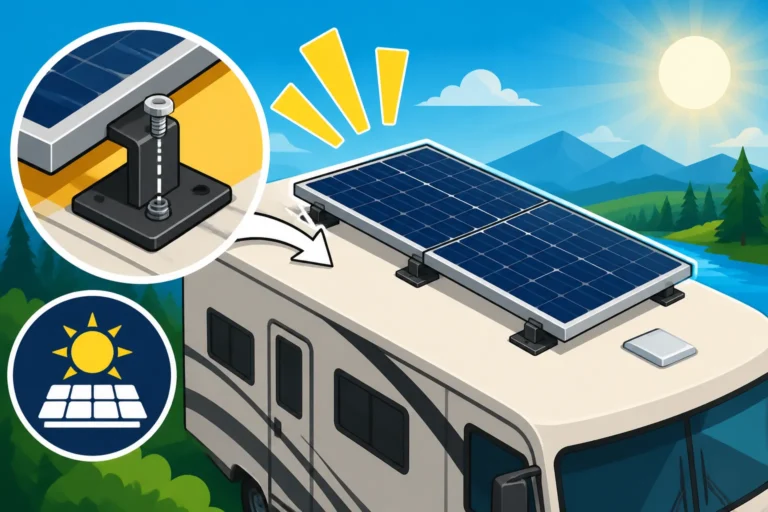
Your solar panels and their mounting structure are often the most exposed components of your system, making them susceptible to lightning strikes and stray currents. Therefore, grounding them correctly is absolutely critical. Each individual solar panel usually has a designated grounding lug on its frame. These lugs should be connected together using a continuous copper grounding conductor, typically bare or green insulated copper wire. This wire then connects to the metal racking system.
The racking system itself, whether it's roof-mounted or a ground mount, must also be grounded. Metal racks are often designed with integrated grounding capabilities, allowing you to connect a main grounding wire from the rack directly to your system's main grounding electrode. If using a non-conductive roof or composite materials, ensure that all metal components of the array are bonded together and then grounded. The goal is to create a continuous, low-resistance path from every metallic part of your solar array directly to the earth. Ignoring this step leaves your panels vulnerable to damage and poses a shock hazard if a fault energizes the panel frames. For detailed instructions, refer to How to Install Off-Grid Solar Panels.
Grounding Inverters and Charge Controllers
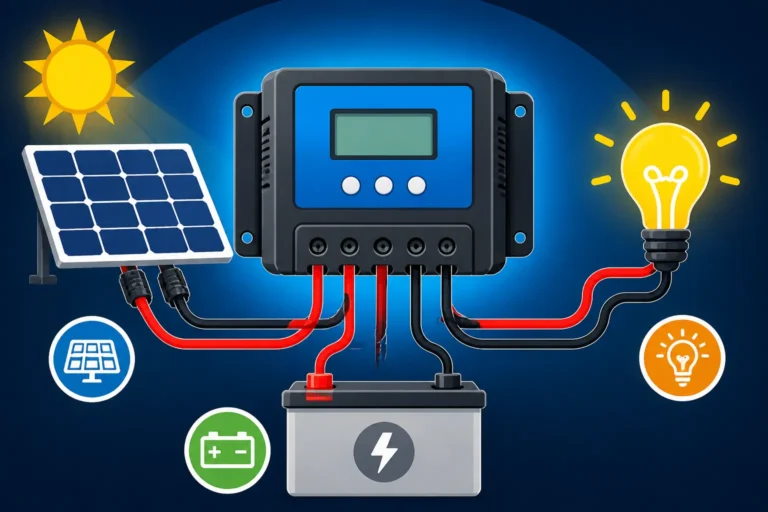
The inverter and charge controller are the intelligent heart of your off-grid system, and their proper grounding is essential for both safety and performance. Most inverters and charge controllers come with a dedicated grounding terminal or lug on their chassis. This terminal must be connected to your system’s main grounding busbar or directly to the grounding electrode system using an appropriately sized grounding conductor. This connection protects against internal faults within the device, ensuring that if a live wire accidentally touches the metal casing, the fault current will be safely shunted to ground, tripping a breaker or blowing a fuse.
It's important to differentiate between equipment grounding and neutral-to-ground bonding. In off-grid systems, the inverter typically creates a "derived" AC system. The NEC requires that the neutral and ground be bonded together only at the main service disconnect, or, in an off-grid system, at the inverter's AC output. This bonding creates a single point of reference for safety and ensures that ground fault protection devices function correctly. Improper bonding can lead to dangerous ground loops or prevent safety devices from working when you connect an inverter to batteries. This is a critical step that often confuses DIYers, so studying your inverter's manual and potentially consulting an electrician for this part is highly recommended.
Grounding the Battery Bank and Enclosures
While batteries themselves aren’t typically “grounded” in the traditional sense like an electrical appliance, their metal enclosures, trays, or racks absolutely must be. Any metal structure housing your battery bank needs to be bonded to your system’s main grounding electrode. This prevents any stray current, perhaps from an accidental spill or a faulty connection, from energizing the metal parts of the enclosure and posing a shock hazard.
Even with lithium batteries, which are often housed in plastic cases, if you have a metal battery box or a rack that holds multiple batteries, it must be properly grounded. The goal is to ensure that all non-current-carrying metal parts of your system that could potentially become energized in a fault scenario are tied back to the earth. This includes any conduit, junction boxes, or other metallic components that are part of your battery storage setup. This simple step can literally be a lifesaver, especially considering the high current potential within a battery bank. To ensure longevity and safety of your battery bank, understanding How to Build a Battery Box with proper grounding is key.
Establishing the Main Grounding Electrode System
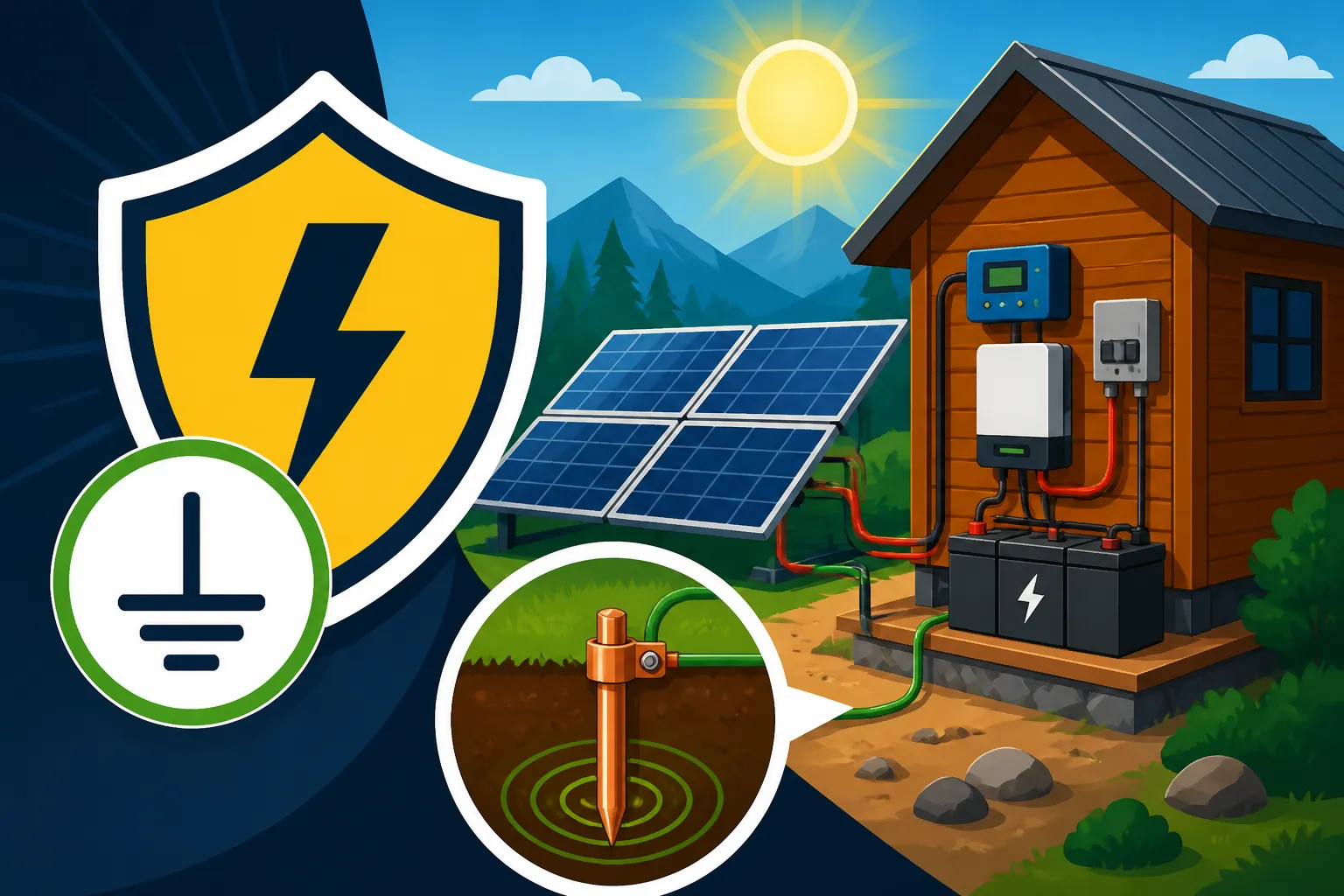
The grounding electrode system is the ultimate destination for all fault currents in your off-grid setup. It’s the physical connection that ties your electrical system to the earth. For most off-grid homes or cabins, this typically involves one or more grounding rods driven deep into the soil. These rods, usually 8-10 feet long copper-clad steel, provide a low-resistance path for electricity to dissipate harmlessly.
The main grounding conductor, a thick copper wire, connects from a central grounding busbar in your main electrical panel or inverter to the grounding rods. If multiple rods are used (often required by code for lower resistance), they must be bonded together. It's crucial that this connection is robust, permanent, and protected from physical damage. Soil conditions play a role in grounding effectiveness; in dry or rocky soil, additional rods or chemical electrodes might be necessary to achieve the required resistance to ground. This is one area where consulting local electrical codes or a professional electrician is highly advisable to ensure your main grounding system is up to standard and provides the ultimate safety net. Our guide on Off-Grid Solar Wiring Diagram Explained will show you where all these components connect.
Safety Protocols During Installation and Maintenance
Even with the best components and a meticulously planned design, safety during the actual installation and ongoing maintenance of your off-grid solar system is paramount. This is where human error often introduces risk. Adopting strict safety protocols isn’t about being overly cautious; it’s about respecting the power of electricity and protecting yourself and anyone else involved in the process.
Personal Protective Equipment (PPE)
Just as a construction worker wouldn’t go onto a job site without a hard hat, you should never work on an off-grid solar system without appropriate Personal Protective Equipment (PPE). This is your last line of defense against electrical hazards. Essential PPE includes:
- Insulated Gloves: These are non-negotiable when working with DC wiring, especially battery banks. Look for gloves rated for the voltage you'll be handling (e.g., 1000V). Even a brief touch of a live wire can be dangerous.
- Safety Glasses or Face Shield: Protect your eyes and face from arc flashes, sparks, and battery acid splashes. Arc flashes can cause severe burns and permanent blindness.
- Flame-Retardant Clothing: Natural fibers like cotton are better than synthetics, which can melt onto your skin in a fire or arc flash incident. Specialized arc-rated clothing offers superior protection.
- Insulated Tools: Screwdrivers, wrenches, and pliers with insulated handles reduce the risk of accidental short circuits or shocks if they come into contact with live components.
- Non-Conductive Footwear: Rubber-soled work boots provide an extra layer of insulation from the ground.
Never underestimate the importance of PPE. It can make the difference between a minor scare and a life-altering injury. Investing in quality PPE is a small price to pay for your safety.
De-energizing the System Safely
Before you start any work on your off-grid solar system, the absolute first step is to de-energize it completely. This means following a specific sequence to ensure no current is flowing through the components you plan to work on.
- Shut Down the AC Loads: Turn off all appliances connected to your inverter and then switch off the AC output breaker on your inverter or in your AC distribution panel.
- Disconnect the Inverter: Use the DC disconnect switch between your battery bank and the inverter to isolate the inverter.
- Disconnect the Solar Array: Use the DC disconnect switch between your solar panels and the charge controller to stop the flow of power from the panels.
- Disconnect the Battery Bank: Use the main battery disconnect switch to completely isolate the battery bank. In larger systems, you might have multiple strings and individual disconnects.
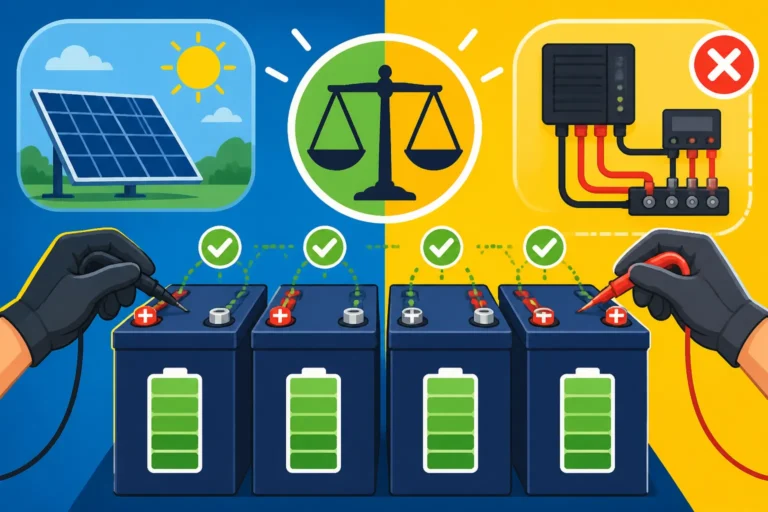
After de-energizing, always verify that there is no voltage present using a multimeter. Test across terminals, from terminals to ground, and within any junction boxes. Never assume a system is dead just because you flipped a switch. This meticulous process is critical to prevent accidental shocks or arc flashes when you begin your actual work. You can find more details on how to safely Connect Batteries, Inverter, and Panels.
Regular Inspections and Troubleshooting Safety
Safety isn’t a one-time setup; it’s an ongoing commitment. Regular inspections of your off-grid solar system are crucial for identifying potential hazards before they become critical. Look for signs of wear and tear, such as frayed wires, loose connections, corrosion on terminals, or damaged insulation. Check for rodent damage to cables, which is a common issue in outdoor installations. Ensure all vents on battery enclosures are clear and unobstructed to prevent gas buildup.
When troubleshooting, always follow the same de-energization protocols outlined above. Use your multimeter to systematically test components, starting from the source (panels) and working your way through the system. If you're unsure about the cause of a problem, or if it involves high voltage components, it's always safer to consult with a qualified electrician or solar technician. Never guess or take shortcuts, especially when dealing with live electricity. A little caution goes a long way in ensuring the long-term safety and reliability of your off-grid power system.
Common Off-Grid Safety Mistakes to Avoid
Even with the best intentions, it’s easy to fall into common pitfalls when setting up an off-grid solar system. These mistakes, often driven by a desire to save money or simplify the process, can severely compromise safety and lead to costly repairs or, worse, dangerous situations. Being aware of these common errors is your first step to avoiding them.
Overlooking Code Requirements
One of the most frequent and dangerous mistakes is assuming that because you’re “off-grid,” you’re exempt from electrical codes and permitting processes. While it’s true that rural off-grid properties might have less stringent enforcement than urban areas, the National Electrical Code (NEC) and local building codes exist for a reason: safety. They represent decades of experience and research into safe electrical practices. Ignoring these requirements means you’re potentially building a system with inherent flaws that could lead to fire, shock, or equipment damage.
For example, the NEC specifies appropriate wire gauges, overcurrent protection, grounding methods, and disconnect requirements for solar systems. If you fail to install a proper GFDI (Ground-Fault Detection and Interruption) device as required for PV arrays, you're leaving your system and yourself vulnerable to undetected ground faults. Even if you're not getting a permit, designing and installing your system to code standards is the smartest way to ensure it's safe and reliable. It also makes your property more insurable and increases its value. Many off-grid solar resources, including those found on Amazon and Renogy's websites, will often reference NEC compliance in their product descriptions or installation guides.
Using Undersized Components
Another critical error is using components that are simply not robust enough for the demands of your system. This often manifests in undersized wiring, which we touched on earlier. Running a large inverter that powers a well pump or an air conditioner through thin household extension cord wire is an invitation for a fire. The wire will heat up significantly, melt its insulation, and eventually ignite. Similarly, using undersized fuses or breakers means they will trip prematurely, causing frustration, while oversizing them means they won’t provide adequate protection when it’s truly needed.
This also extends to other components like charge controllers and inverters. Trying to connect too many solar panels to a charge controller that can't handle the current or voltage can permanently damage the controller and create a fire hazard. Using an inverter with insufficient surge capacity for motors (like a refrigerator or well pump) will cause it to repeatedly shut down or even fail completely. Always perform a thorough load calculation and carefully size every component – from panels to batteries to wiring – to ensure it can safely handle your expected power demands. Our article on How to Size an Off-Grid Solar System offers a comprehensive guide on this.
Neglecting Proper Ventilation
Ventilation is often an afterthought, but it’s absolutely vital for the safety and longevity of your battery bank, especially if you’re using lead-acid batteries. As lead-acid batteries charge, they produce hydrogen gas, which is highly explosive in certain concentrations. Without adequate ventilation, this gas can accumulate in enclosed spaces, turning your battery box into a potential bomb. A single spark from a loose connection, a static discharge, or even switching on a light can trigger a catastrophic explosion.
Even for lithium batteries, while they don't off-gas hydrogen, proper ventilation helps manage temperature. Extreme temperatures, whether hot or cold, can negatively impact battery performance and lifespan, and in worst-case scenarios, lead to thermal runaway in lithium batteries. Ensure your battery enclosure has dedicated intake and exhaust vents, ideally with passive or active fans, to circulate air and prevent gas buildup and temperature extremes. Regularly check that these vents are not obstructed by dust, debris, or pests. A well-ventilated battery space is a happy and safe battery space. For more on this, check out How to Ventilate a Battery Enclosure.
Professional vs. DIY Safety Considerations
The allure of building your own off-grid solar system is strong, offering both cost savings and a deep sense of accomplishment. However, when it comes to safety and grounding, the line between a successful DIY project and a hazardous installation can be surprisingly thin. It’s crucial to honestly assess your capabilities and know when it’s time to call in a professional.
Assessing Your Own Capabilities
A successful DIY off-grid solar installation, especially when considering safety, requires a diverse skill set. You need a solid understanding of basic electrical principles, including DC and AC electricity, voltage, current, and resistance. You should be comfortable with wiring diagrams, capable of making secure electrical connections, and proficient in using tools like multimeters to test for voltage and continuity. More importantly, you must have the discipline to follow safety protocols rigidly and not cut corners.
If terms like "amp-hours," "MPPT," "pure sine wave," or "ground fault" leave you scratching your head, it might be a sign that you need more education before tackling a full system. The risks of electrical shock, fire, and damaging expensive equipment are simply too high to proceed without confidence in your abilities. Many components like those from Victron or Sol-Ark can be complex to set up correctly. While learning is part of the off-grid journey, foundational electrical safety should not be learned through trial and error on a live system. Consider starting with smaller, lower-voltage projects, like a simple Off-Grid Solar Cost for a Shed system, to build your skills and confidence before scaling up to a full home system.
Understanding Local Permitting and Inspections
Even for off-grid systems, local jurisdictions increasingly have permitting and inspection requirements. These aren’t just bureaucratic hurdles; they are designed to ensure your system meets safety standards and is installed correctly. Attempting to circumvent these processes can lead to significant problems down the line, including fines, difficulty selling your property, and, most importantly, an unsafe installation. Insurance companies may also refuse coverage for unpermitted electrical work.
Research your local building department's regulations well in advance. Some areas might require plans to be drawn up by a licensed engineer, and most will require inspections at various stages of the installation (e.g., rough-in, final electrical). Even if you're doing the work yourself, you'll likely need to pull homeowner permits. Understanding and adhering to these requirements provides an external layer of validation for your safety practices and ensures your system meets the minimum accepted standards for electrical installations. It's a proactive step that protects your investment and ensures peace of mind. Check out our guide on Off-Grid Solar Permit Requirements for more insight.
The Value of a Licensed Electrician
For those who are less confident in their electrical skills, or for critical aspects of the installation, bringing in a licensed electrician is a wise and often necessary investment. While a professional electrician might add to your initial Off-Grid Solar Installation Cost, it can prevent far more expensive and dangerous mistakes. An experienced electrician can ensure that your system is properly grounded, that all wiring adheres to code, and that all safety devices are correctly installed and functional.
They can also handle the crucial AC wiring between your inverter and your electrical panel, ensuring that the neutral-to-ground bond is correctly established and that your household loads are protected. Even if you plan to do most of the DC side yourself (panels, charge controller, batteries), having an electrician review your plans and handle the final AC connections and grounding can significantly enhance the safety and compliance of your entire system. For complex setups or systems powering a whole house, the expertise of a professional is invaluable for ensuring total safety and long-term reliability.
Disclaimer
Please remember that the information provided in this guide is for informational purposes only and is not a substitute for professional electrical advice. Off-grid solar systems involve high voltages and currents that can be dangerous. Always consult with a qualified, licensed electrician or solar professional before installing or modifying any electrical system to ensure compliance with all local and national electrical codes and safety regulations. Work on electrical systems at your own risk.