HQST Solar Panels Review for Off-Grid
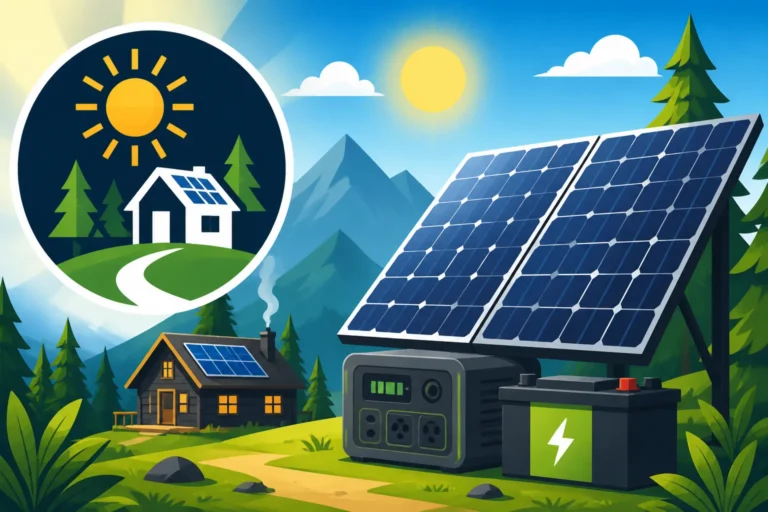
Trying to navigate the world of off-grid solar can feel like a maze, especially when you're on a budget and every dollar counts. Many folks grapple with finding solar panels that are both affordable and reliable enough to power their cabin, RV, or remote workshop without constant headaches. It’s a common frustration to want independence without sacrificing performance. This guide aims to cut through the noise, offering a candid review of HQST solar panels and what they really bring to the table for off-grid enthusiasts like us.
Understanding HQST Solar Panels for Off-Grid Systems
When you're embarking on an off-grid solar adventure, one of the first and most critical decisions is choosing your panels. For many, especially those just starting out or working with tighter budgets, brands like HQST often pop up on their radar. But what exactly are you getting with HQST, and how do they stack up in the demanding world of off-grid living?
Who is HQST and What Do They Offer?
HQST has carved out a niche in the solar market as a provider of budget-friendly and accessible solar equipment, primarily targeting the DIY crowd and those building smaller, less complex off-grid systems. They aren't trying to compete with the high-end, super-efficient panels you might see on large residential grid-tied installations. Instead, they focus on practicality and affordability, which is a huge draw for many in our community. You'll find a range of products from them, including traditional rigid monocrystalline and polycrystalline panels, as well as more portable flexible options.
Their product line often includes individual panels ranging from small 50-watt units perfect for charging a laptop or a few lights in a shed, all the way up to 200-watt or 300-watt panels suitable for larger RVs or small cabins. They also offer solar kits that package panels with charge controllers and sometimes even inverters, making it easier for newcomers to get started without having to source every component separately. This focus on entry-level and mid-range solutions makes them a popular choice for anyone looking into Off-Grid Solar Kit Price Ranges or just trying to figure out How to Save Money on an Off-Grid Solar Build.
General Reputation and Market Standing
In the off-grid solar world, HQST holds a reputation as a solid, no-frills option. They're often compared to other budget-conscious brands, and you'll frequently see their products listed on major online retailers like Amazon, making them easily accessible. Reviews often highlight their affordability and ease of installation, making them attractive for weekend warriors setting up a hunting cabin or folks converting a van into a tiny home.
However, it's also realistic to expect that with a lower price point, you might not get the absolute cutting-edge efficiency or the longest warranty compared to premium brands. But that doesn't mean they aren't reliable. Many off-gridders have successfully built entire systems using HQST panels that perform admirably for years. Their market standing is built on providing a cost-effective entry point into solar, allowing more people to experience energy independence without a massive upfront investment. It’s about striking that balance between cost and performance, and for many, HQST hits that sweet spot for basic to moderate power needs.
Diving into HQST Panel Features and Technology
When you're evaluating solar panels, especially for an off-grid system where every watt counts, understanding the underlying technology and construction is crucial. HQST offers different types of panels, each with its own characteristics that can influence your system's performance and longevity.
Monocrystalline vs. Polycrystalline Options
HQST, like most solar manufacturers, offers both monocrystalline and polycrystalline solar panels. This distinction is really important for off-grid applications because it impacts efficiency and how much space you'll need.
Monocrystalline panels, often recognizable by their darker, uniform appearance, are generally considered more efficient. This means they can convert a higher percentage of sunlight into electricity, making them a great choice if you have limited roof space on an RV or a small cabin and need to maximize power output from a smaller footprint. For example, if you're trying to figure out How Many Solar Panels for Off-Grid Living in a tight space, monocrystalline panels might allow you to achieve your target wattage with fewer physical panels.
Polycrystalline panels, on the other hand, typically have a slightly lower efficiency rating and a blueish, somewhat mottled appearance. While they might require a bit more surface area to produce the same wattage as a monocrystalline panel, they often come with a lower per-watt cost. For off-gridders with ample space, like on a large ground mount installation at a homestead, the slightly lower efficiency might be a worthwhile trade-off for the cost savings. When you're considering Monocrystalline vs Polycrystalline for Off-Grid, HQST gives you options that cater to both scenarios.
Durability and Construction for Outdoor Use
Off-grid solar panels face the elements day in and day out, so their durability is paramount. HQST panels are generally built with standard industry materials designed to withstand harsh outdoor conditions. This typically includes a robust, corrosion-resistant aluminum frame that helps protect the edges of the solar cells and makes mounting straightforward. The front surface is usually covered with low-iron tempered glass, which is incredibly tough and designed to resist impacts from hail, wind-borne debris, and even accidental bumps.
On the back, you’ll find a waterproof TPT back sheet and an IP-rated junction box, which protects the electrical connections from moisture and dust. These construction details are essential for longevity, especially if your panels are going to be exposed year-round to everything from blazing sun in Arizona to heavy snow in Colorado. Most HQST rigid panels are built to withstand considerable wind and snow loads, typically rated for thousands of Pascals. While they may not have the extreme temperature tolerance of some specialized industrial panels, for most residential and recreational off-grid uses, their construction provides adequate protection. It's always a good idea to ensure proper mounting and regular checks to maintain their integrity, as outlined in any Off-Grid Solar Maintenance Guide.
Real-World Performance and Practical Application
Knowing the specs is one thing, but how do HQST solar panels actually perform when you’re relying on them to keep your lights on, your fridge cold, or your tools running out in the real world? Performance varies with conditions, and understanding these nuances is key to a successful off-grid setup.
Power Output and Efficiency in Varying Conditions
The rated wattage of a solar panel (e.g., a 100W HQST panel) is measured under ideal "Standard Test Conditions" (STC) – basically, perfect sunshine at a specific temperature. In the real world, you're rarely going to hit those exact conditions consistently. What you actually get is often a bit less.
HQST panels, like most mainstream panels, generally perform quite well in full, direct sunlight. You can expect them to produce close to their rated power, perhaps 75-90% of it, depending on factors like temperature, cleanliness, and angle. However, off-grid life isn't always sunny. On cloudy days, in low light, or during the shorter days of winter, the output will naturally drop significantly. This is true for all solar panels, but it's particularly important to factor in when you're doing your How to Size an Off-Grid Solar System calculations. For example, if you’re trying to run a power-hungry appliance like an air conditioner, even efficient panels will struggle on a gloomy day, so proper sizing and battery backup are critical. You might be interested in topics like How much solar to run an air conditioner or How much solar to run a refrigerator to truly understand your daily needs and how HQST panels can contribute.
Ideal Off-Grid Scenarios for HQST Panels
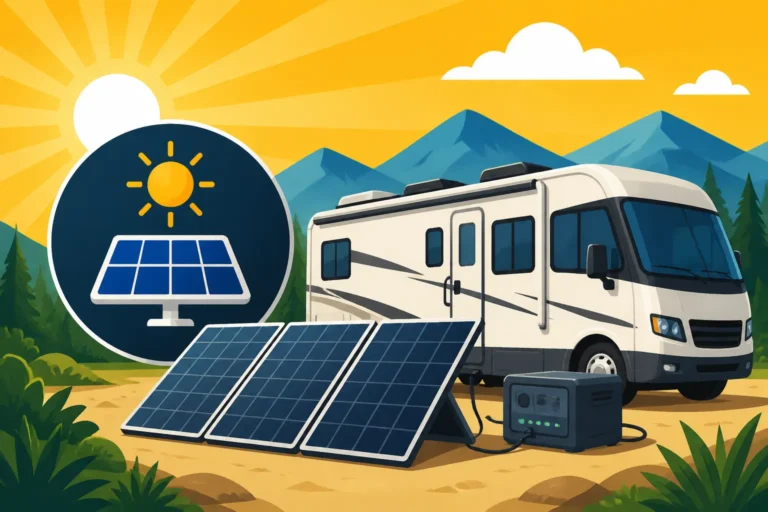
Given their balance of cost and performance, HQST panels truly shine in specific off-grid applications. They are incredibly popular for mobile setups like RVs, campers, and vans, where space might be limited but the budget is often a primary concern. Their various sizes, including flexible options, make them adaptable to different vehicle roofs and mounting situations. Many van lifers praise HQST panels for providing sufficient power for their lights, charging electronics like laptops, and running small appliances.
They are also an excellent choice for smaller stationary off-grid installations, such as remote cabins, sheds, or workshops that don't have extremely heavy electrical loads. For someone needing to power basic lighting, a small water pump, or a few power tools occasionally, HQST panels offer a cost-effective and reliable solution. For more ambitious projects, they can serve as a solid foundation, especially if you plan to expand your system over time. Remember, the key is matching the panel's capabilities with your actual energy demands; a small HQST setup might be perfect for How much solar to run a laptop or some LED lighting, but a larger array would be needed for a whole house.
User Experiences and Longevity
The general consensus from off-grid users is that HQST panels are reliable workhorses, especially considering their price point. While they might not boast the same long-term degradation rates or extreme efficiency numbers as some premium commercial panels, they hold their own. Many users report these panels lasting for years, continuing to produce power well within their expected lifespan.
A typical rigid HQST solar panel comes with a performance warranty that usually guarantees 80% or more of its initial power output for 20-25 years. While the ultimate lifespan often depends on proper installation, environmental conditions, and avoiding physical damage, anecdotal evidence from the off-grid community suggests they are quite robust. For instance, a small array of HQST panels powering a remote weather station in a moderately harsh environment might require minimal maintenance beyond occasional cleaning to ensure optimal performance. Just like with any solar component, regular inspection and proper maintenance are key to maximizing their lifespan, as highlighted in comprehensive resources like the Off-Grid Solar Maintenance Guide.
Cost-Effectiveness, Installation, and Alternatives
When considering any off-grid solar component, it always boils down to value. How much bang are you getting for your buck, how easy is it to integrate, and what are your other options? HQST panels offer a compelling proposition in this regard.
Pricing and Value Proposition
One of the biggest selling points for HQST solar panels is their price. They are consistently positioned at the more affordable end of the market, which is fantastic news for anyone building an off-grid system on a strict budget. When you start to look at the overall Cost of Off-Grid Solar Panels, HQST can significantly lower your initial investment, allowing you to allocate more funds to other critical components like batteries or inverters.
Their value proposition isn't just about the low sticker price; it's about making solar power accessible. For many DIYers, being able to purchase reliable panels without breaking the bank means they can finally achieve energy independence. You'll often find competitive deals on platforms like Amazon, making it easy to buy individual panels or small kits. This affordability, combined with decent performance, means that for many off-grid scenarios, HQST offers an excellent return on investment, especially if you're not trying to power an entire mansion. Keep in mind that while the individual panel cost is lower, you still need to factor in the total Off-Grid Solar Cost by System Size which includes everything from mounting to wiring.
Installation Notes and System Integration
For those who love to get their hands dirty and build their own systems, HQST panels are quite user-friendly. They typically come with pre-drilled holes in the aluminum frames, making them straightforward to mount using standard Z-brackets for RVs or compatible racking for ground and roof mounts. The MC4 connectors on the panel cables are standard, which means they easily plug into most charge controllers and extension cables. This simplicity is a huge plus for DIY enthusiasts following a DIY Off-Grid Solar Installation Step by Step.
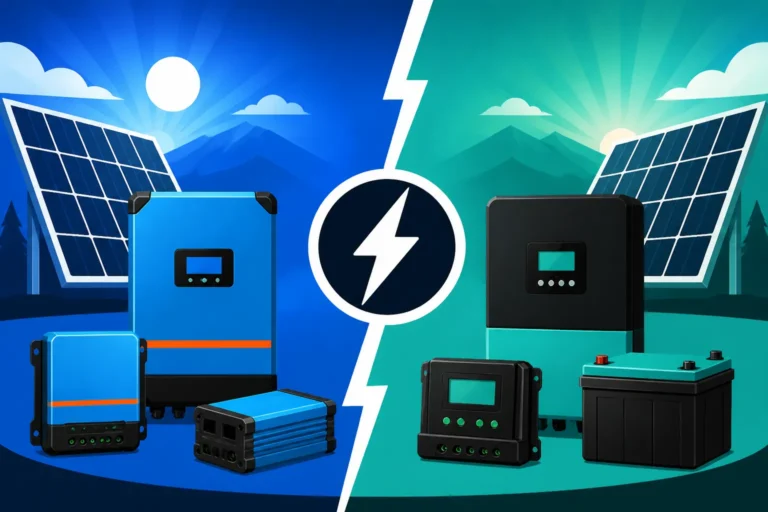
Integrating HQST panels into a larger system is also generally hassle-free. They are compatible with a wide range of charge controllers, both PWM and MPPT. When you’re learning How to Wire an Off-Grid Solar System, you’ll find that HQST panels follow standard wiring procedures, whether you’re connecting them in series for higher voltage or parallel for increased amperage. For instance, connecting a series of 12V HQST panels to a 48V battery bank would typically involve a robust MPPT charge controller to efficiently convert the voltage. This adaptability makes them a versatile choice for various system designs.
Comparing HQST to Other Budget-Friendly Brands
In the realm of budget-friendly off-grid solar, HQST isn't alone. Brands like Renogy are very strong competitors, often offering similar product lines and price points. Both brands are popular for their accessibility and are frequently purchased on platforms like Amazon.
Here's a quick comparison of general characteristics:
| Feature | HQST Panels | Renogy Panels |
|---|---|---|
| Price Point | Generally very competitive, often slightly lower for similar specs. | Competitive, good value, often slightly higher but with more diverse offerings. |
| Availability | Widely available on Amazon and other online retailers. | Extremely wide availability, extensive product ecosystem. |
| Efficiency | Solid mid-range efficiency for their price. | Similar mid-range efficiency, often with slightly better options. |
| Product Range | Good selection of rigid, flexible panels, and small kits. | Wider range of panels, charge controllers, inverters, and complete kits. |
| Target User | DIYers, small RVs, cabins, budget-conscious. | DIYers, RVs, vans, marine, slightly more established brand perception. |
| Customer Support | Decent, mostly online-based. | Generally responsive, strong online community and resources. |
Ultimately, the choice often comes down to specific panel availability, current deals, and personal preference. Some people might find an HQST panel offers exactly what they need at an unbeatable price, while others might lean towards Renogy for their broader ecosystem or slightly more refined options in Best Off-Grid Solar Panels. Both are excellent choices for starting or expanding an off-grid setup without spending a fortune.
Disclaimer
Please remember that the information provided in this guide is for general informational purposes only and should not be considered professional electrical engineering or installation advice. Always consult with a qualified solar professional or electrician when designing, installing, or modifying an off-grid solar system to ensure safety and compliance with all local codes and regulations. Working with electricity can be dangerous.