Giandel Off-Grid Inverter Review
Trying to piece together an off-grid solar system can feel like navigating a maze, and finding the right inverter is often one of the trickiest parts. You want something reliable, efficient, and ideally, that doesn't break the bank, but the sheer number of options out there can be overwhelming. This guide is going to take a deep dive into Giandel off-grid inverters, examining their features, real-world performance, and whether they might be the solid, cost-effective heart your power system needs.
What Exactly is a Giandel Off-Grid Inverter?
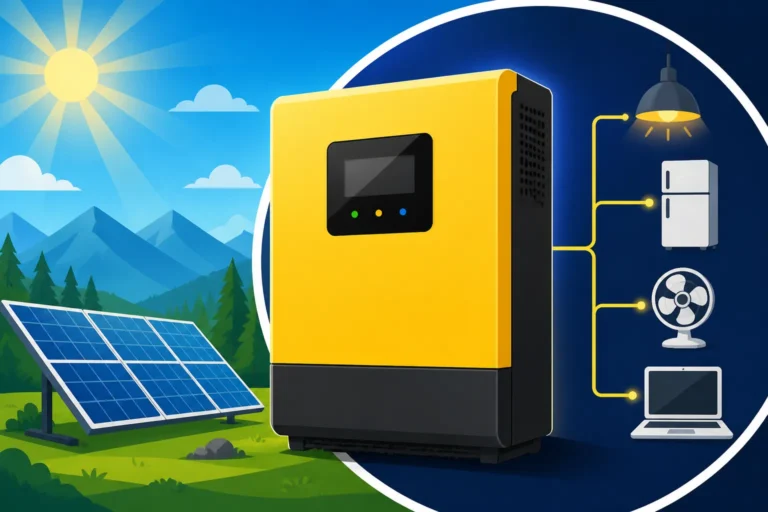
When you’re setting up an off-grid system, the inverter is a critical piece of the puzzle. It’s what takes the direct current (DC) power stored in your batteries and converts it into the alternating current (AC) electricity that most of your household appliances use. Giandel is a brand that has carved out a niche in the market, particularly for those looking for pure sine wave inverters at a more accessible price point than some of the premium brands. They are widely available, often found on platforms like Amazon, making them a popular choice for DIYers and those building smaller to mid-sized off-grid setups.
Understanding Their Place in the Off-Grid Ecosystem
Giandel inverters typically aim to provide reliable AC power for various applications, from powering a simple shed workshop to a full-blown RV setup, or even a small cabin. They aren't usually integrated inverter-chargers that handle battery charging and grid-tie functions simultaneously like some larger, more complex units. Instead, they are standalone inverters designed to do one job: convert DC to AC. This focus often means they can offer a robust, dedicated power conversion at a competitive price. For many, especially those who are building their first system or looking for a backup power solution, the simplicity and cost-effectiveness of a dedicated inverter like those from Giandel can be incredibly appealing. They pair well with external charge controllers and dedicated battery banks, offering flexibility in system design. If you're pondering how various components fit together, understanding Off-Grid Solar System Components Explained can be a great starting point.
Core Features and Available Models
Giandel primarily focuses on pure sine wave inverters, which is a huge plus for off-grid living. Unlike modified sine wave inverters that can cause issues with sensitive electronics, a pure sine wave output mimics the power you'd get from the utility grid. This means your laptops, TVs, blenders, and even some power tools will run smoothly and efficiently without risk of damage or annoying hums.
You'll find Giandel inverters in a range of power outputs, typically from 1000 watts up to 5000 watts, sometimes even higher. They often feature multiple AC outlets, USB charging ports, and protective features like overload protection, over-voltage protection, and low-voltage shutdown. Many models include a remote control, which is super handy if your inverter is tucked away in a battery box or a hard-to-reach compartment in your RV or cabin. When considering the size of an inverter, it’s crucial to match it to your needs. This often involves a detailed load calculation, which you can learn more about in our guide on How to Size an Off-Grid Inverter.
The Real-World Performance of Giandel Inverters
When you're out there relying on your own power, performance isn't just a spec sheet item; it's about whether your coffee maker works reliably in the morning or if your lights stay on through the night. Giandel inverters generally perform well for their intended applications, especially given their price point. However, like any piece of equipment, they have their strengths and weaknesses in day-to-day off-grid scenarios.
Power Output and Efficiency in Action
Giandel inverters are known for delivering their rated continuous power output quite consistently. If you have a 2000W Giandel inverter, you can generally expect it to handle a 2000-watt load without tripping or struggling, assuming your battery bank can supply the necessary current. Many users report that these inverters handle surge loads reasonably well, which is important for appliances with motors like refrigerators or pumps that draw a significantly higher current for a brief moment when they start up. For example, a common 1000W microwave might surge to 1500W-1800W for a second, and a Giandel 2000W or 3000W inverter would typically manage this without complaint.
Efficiency is another critical factor for off-grid systems because every watt lost in conversion means more work for your solar panels and a faster drain on your batteries. Giandel inverters generally boast an efficiency of 85-90% or sometimes even higher, which is competitive for consumer-grade pure sine wave inverters. While not always at the absolute top tier of efficiency compared to ultra-premium brands, they offer a very respectable balance between performance and cost. It's an important consideration when you're calculating your overall energy usage and How to Calculate Daily Energy Usage.
Durability and Longevity for Off-Grid Use
Durability is a common concern with any electronics, especially those exposed to the varying conditions of off-grid life. Giandel inverters are typically housed in robust aluminum casings, designed to dissipate heat effectively. Many models incorporate internal cooling fans that kick in as the load increases, helping to prevent overheating. While they might not be built to the same industrial-grade standards as some high-end inverter-chargers that can cost several times more, for typical RV, cabin, or small home use, they generally hold up well.
However, it's worth noting that like many budget-friendly electronics, quality control can sometimes vary, and some users might experience issues that others do not. Proper installation, ensuring adequate ventilation, and not consistently overloading the unit are key to maximizing its lifespan. Many off-grid components, including inverters, benefit from being protected from extreme temperatures and humidity, which is a good practice for extending the life of your entire system. Keeping an eye on your system and performing regular maintenance can also help, as detailed in our Off-Grid Solar Maintenance Guide.
User Experience and Common Feedback
From various online forums and reviews, the general consensus among users is that Giandel inverters offer excellent value for money. Users frequently praise their strong pure sine wave output, which ensures compatibility with sensitive electronics. The inclusion of a remote control and clear display screens that show input voltage, output wattage, and error codes are also often highlighted as practical benefits.
Common criticisms usually revolve around the cooling fan noise, which can be noticeable under heavy loads, and occasional reports of units failing prematurely, though these seem to be less frequent for properly sized and installed systems. For those seeking basic, reliable power conversion without a host of advanced features, Giandel often delivers. It's a pragmatic choice for many who are comfortable with the DIY approach and prioritize affordability without sacrificing pure sine wave quality.
Giandel Inverters Compared to Other Options
The off-grid inverter market is diverse, ranging from basic modified sine wave units to sophisticated all-in-one inverter-chargers. Understanding where Giandel fits into this landscape can help you make an informed decision about your own setup.
Budget-Friendly Alternatives and Premium Choices
When you're looking at budget-friendly options, Giandel often comes out ahead of many no-name brands that might offer cheaper modified sine wave inverters. The key differentiator is their commitment to pure sine wave technology, which is paramount for protecting modern electronics. However, if your budget is extremely tight and you only need to power basic resistive loads like incandescent lights or a heating element, a modified sine wave inverter from a brand like Renogy (which also offers pure sine wave options) or even a very basic unit from Amazon might be slightly cheaper. But be warned, these come with significant compromises in appliance compatibility and potential damage to sensitive devices.
On the other end of the spectrum, premium brands like Victron Energy or Sol-Ark offer advanced inverter-chargers that integrate multiple functions: inverter, battery charger, and often an MPPT solar charge controller, all in one robust unit with extensive monitoring and programming capabilities. These units, like the Victron MultiPlus, are known for their exceptional reliability, advanced features, and often come with comprehensive warranties and customer support. However, they also come with a significantly higher price tag, which can be a major hurdle for many off-grid enthusiasts. Giandel positions itself firmly in the middle: offering good quality pure sine wave power at a fraction of the cost of premium integrated units, making it an attractive option for those who prefer separate components or have a tighter budget. For more on high-end options, check out our Best Off-Grid Solar Inverters guide.
Integration with Other Off-Grid Components
Giandel inverters are standalone devices, meaning they need to be paired with separate components for charging your batteries. This typically includes solar panels and a dedicated solar charge controller. The advantage of this modular approach is flexibility. You can choose the best solar panels for your specific sun conditions, select a charge controller that perfectly matches your battery voltage and array size (like an MPPT charge controller for maximum efficiency), and then add a Giandel inverter to handle the AC conversion.
This contrasts with all-in-one units that combine these functions. While integrated units can simplify wiring and installation, they can also be more expensive to replace if one component fails, and they might not offer the same level of customization as a modular system. For instance, if you want to upgrade your charge controller from a PWM to an MPPT controller, with a Giandel setup, you simply swap out the controller. With an all-in-one unit, an upgrade might mean replacing the entire, more expensive device. Understanding How to Connect Batteries, Inverter, and Panels is crucial for proper integration.
Here's a quick comparison of typical Giandel models and their common applications:
| Giandel Inverter Model (Example) | Continuous Power (Watts) | Peak Surge Power (Watts) | Input Voltage (V DC) | Output Voltage (V AC) | Key Features | Common Applications |
|---|---|---|---|---|---|---|
| Giandel 2000W Pure Sine Wave | 2000 | 4000 | 12 / 24 | 110 / 120 | Remote Control, USB, Multiple AC Outlets | RV, Camper, Small cabin, Power tools, Basic home appliances |
| Giandel 3000W Pure Sine Wave | 3000 | 6000 | 12 / 24 | 110 / 120 | Advanced Protection, Digital Display | Larger RV, Mid-sized cabin, Off-grid workshop |
| Giandel 5000W Pure Sine Wave | 5000 | 10000 | 24 / 48 | 110 / 120 | Heavy-duty, High Surge Capacity | Larger off-grid home, Well pump, Air conditioning, Heavy loads |
Note: Specific features and voltage options can vary by model and revision, always check product specifications.
Is a Giandel Inverter the Right Fit for Your Setup?
Deciding on an inverter isn't a one-size-fits-all situation. Your choice depends heavily on your specific power needs, budget, and comfort level with DIY components.
Ideal Scenarios and Limitations to Consider
Giandel inverters really shine in situations where you need reliable pure sine wave AC power without the added complexity or cost of an integrated inverter-charger. They are an excellent choice for:
- RV and Van Life Setups: Many full-time RVers or van dwellers appreciate the robust performance and affordability. They can power everything from mini-fridges to laptops and microwaves. If you're pondering the details, exploring How to Size an Off-Grid System for a Van or How to Size an Off-Grid System for a Rv could be really helpful.
- Cabin or Tiny Home Systems: For smaller cabins, hunting camps, or tiny homes that don't require immense power draws, a Giandel inverter provides ample AC power for lighting, entertainment, and small appliances.
- Workshop or Shed Power: If you need to run power tools, lights, or a small air compressor in a remote workshop or shed, these inverters offer a cost-effective solution.
- Backup Power Systems: When coupled with a battery bank and a small solar array, a Giandel inverter can provide a solid backup power source during utility outages.
- DIY Enthusiasts: If you enjoy building your system piece by piece and understanding each component, a Giandel inverter allows for flexible integration with your chosen charge controller and batteries.
However, Giandel inverters do have limitations. They are typically not designed for heavy-duty, continuous industrial use or very large whole-house systems that demand multiple high-draw appliances running simultaneously. For extremely large or complex off-grid homes, or if you plan to incorporate grid-tie functionality or advanced load management, a more sophisticated inverter-charger system from brands like Victron, Outback, or Sol-Ark would likely be a better, albeit more expensive, investment. Also, if you prioritize whisper-quiet operation at all times, the cooling fan noise under heavy loads might be a factor to consider.
Making an Informed Purchase Decision
Before you commit to a Giandel inverter, or any inverter for that matter, take some time to thoroughly assess your power needs.
- Calculate Your Loads: List all the AC appliances you plan to power, their continuous wattage, and their surge wattage. Sum up the continuous wattage of everything that might run simultaneously. This will tell you the minimum continuous power your inverter needs to provide.
- Consider Surge Capacity: Pay close attention to the inverter's peak surge rating. If you have appliances with motors (like a refrigerator, well pump, or certain power tools), their starting wattage can be 2-7 times their running wattage. Your inverter needs to be able to handle these brief surges. Understanding How to Handle Starting Watts vs Running Watts is crucial here.
- Match System Voltage: Ensure the inverter's DC input voltage (12V, 24V, or 48V) matches your battery bank's voltage. This is non-negotiable for system compatibility. Our guide on 12V vs 24V vs 48V Which to Choose can help you here.
- Read Reviews and Specifications: Always read recent customer reviews on platforms like Amazon. Look for consistent feedback regarding performance, durability, and customer support. Cross-reference the specifications with your calculated needs.
- Budget for the Whole System: Remember that the inverter is just one part of your off-grid system. You'll also need solar panels, a charge controller, batteries, wiring, and safety components. Make sure your overall budget aligns with the costs of these other items. If you’re curious about specific component costs, you can delve into articles like Cost of an Off-Grid Solar Inverter or Cost of Off-Grid Solar Panels.
Ultimately, a Giandel off-grid inverter can be a fantastic, cost-effective solution for many applications, especially for those venturing into off-grid living with a DIY spirit or a moderate budget. They deliver reliable pure sine wave power, which is the most important factor for modern electronics, making them a worthy contender in your off-grid planning.
Disclaimer
The information provided in this article is for general informational and educational purposes only and is not a substitute for professional advice. Always consult with a qualified electrician or solar professional before designing, installing, or modifying any off-grid solar system to ensure safety and compliance with local codes. Off-grid solar systems involve high voltages and currents that can be dangerous.