EcoFlow vs Bluetti Solar Generators
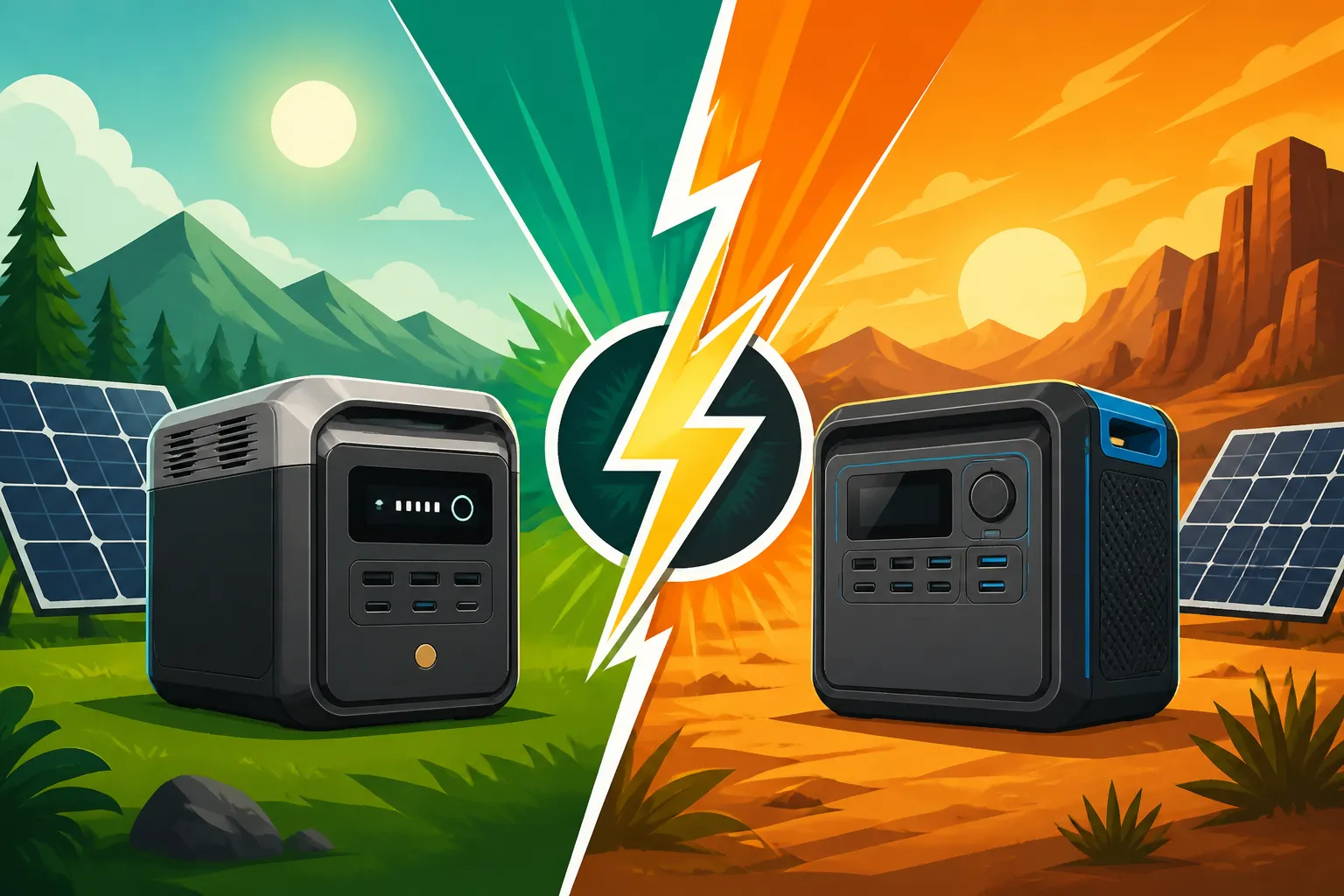
Deciding between the major players in the portable power station world, especially when you're looking to build out a reliable off-grid setup, can feel like navigating a maze. It’s not just about picking a brand; it’s about choosing a system that will genuinely meet your power demands, stand up to real-world use, and offer the features you truly need without breaking the bank. This comprehensive guide will walk you through a detailed comparison of two of the most popular and highly-regarded names in solar generators: EcoFlow and Bluetti, helping you understand their strengths and weaknesses for various off-grid applications.
Understanding Solar Generators for Off-Grid Living
Before we dive into the nitty-gritty of specific brands, let's get a clear picture of what a solar generator is and why it's become such a cornerstone for so many people pursuing an off-grid lifestyle, whether that's in an RV, a cabin, or simply as a robust emergency backup at home.
What Exactly is a Solar Generator?
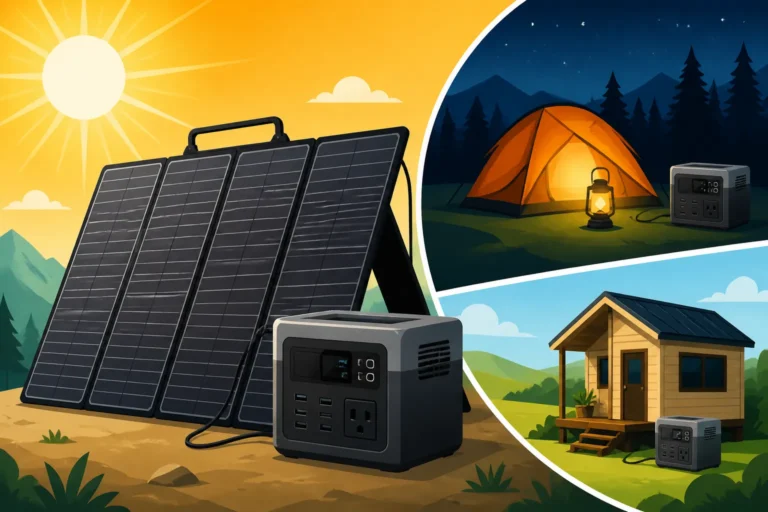
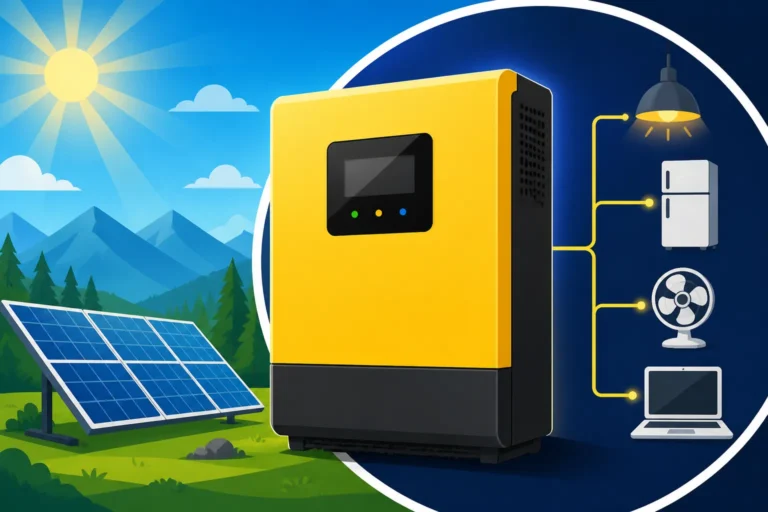
When people talk about a "solar generator," they're usually referring to a portable power station that integrates several key components into one convenient, often somewhat portable, unit. Unlike a traditional gas-powered generator that relies on fossil fuels and combustion, a solar generator stores energy in a battery, typically charged by solar panels. It's essentially a large, high-capacity battery pack with an integrated inverter to convert DC power from the battery into usable AC power for your household appliances, a charge controller to manage the incoming solar energy, and often a battery management system (BMS) to protect the battery and optimize its performance.
Imagine you're out at your remote cabin in northern Arizona, far from the nearest power pole. Instead of lugging heavy fuel cans and listening to the incessant drone of a gas generator, you can simply plug your solar panels into a unit like an EcoFlow Delta Pro or a Bluetti AC300. The sun does the work, silently charging the internal battery, and then you can plug in your lights, refrigerator, or even power tools. The beauty of these systems is their quiet operation, zero emissions, and the potential for continuous, free energy harvesting. They’re a fantastic stepping stone for anyone wanting to get their feet wet with renewable energy without the complexity of a full, custom-built system, or as a vital component in an expandable setup.
Why They're Essential for Off-Grid Setups and When They're Not Enough
Solar generators have carved out a significant niche because they offer a fantastic blend of convenience, capacity, and portability. For many people, especially those just starting their off-grid journey or living a nomadic lifestyle, they are absolutely essential. Think about van lifers who need to power laptops, mini-fridges, and charging stations, or weekend campers who want to keep their electronics topped up without relying on noisy campground hookups. These units are perfect for powering a remote hunting cabin or even providing critical backup power during grid outages at a suburban home. They eliminate the need for costly fuel, messy oil changes, and the carbon footprint associated with gasoline generators. They also integrate quite seamlessly, often just requiring you to plug in a solar panel, and then plug in your appliances.
However, it's crucial to understand their limitations. While powerful, most single solar generators are designed for moderate, intermittent use, or to run smaller essential loads continuously. They might struggle to power a large, conventional household with multiple high-draw appliances running simultaneously, such as a full-sized electric water heater, a central air conditioning unit, or an electric oven. For true whole-house off-grid living, especially in larger homes or those with significant energy demands, you’d typically need a larger, custom-designed system with a substantial solar array, a dedicated battery bank, and a robust inverter. A good resource for understanding these larger projects is our guide on How to Size an Off-Grid Solar System. Solar generators can certainly be part of a larger system, acting as a flexible power hub or a portable power source to complement a more permanent setup, but they rarely serve as the entire solution for extensive power needs.
Diving Deep into EcoFlow Solar Generators
EcoFlow burst onto the scene with a focus on speed, innovation, and a user-friendly experience. They've quickly become a household name in portable power, distinguishing themselves with several unique technologies.
Key Features and Technological Advantages
EcoFlow units, especially their popular Delta and River series, are known for a few standout features that set them apart. Perhaps the most talked-about is their X-Stream fast charging technology. This allows many of their larger units, like the EcoFlow Delta Pro or Delta 2, to charge from a standard AC wall outlet from 0% to 80% in about an hour, and to full in under two hours. This is significantly faster than many competitors and can be a game-changer if you have limited time to charge before heading out or in an emergency. Imagine getting several days' worth of power charged up overnight at home before a trip, rather than waiting half a day.
Another clever feature is X-Boost technology. This allows the inverter to temporarily power appliances that exceed its rated output by reducing the voltage and current, enabling it to run devices that would typically trip other power stations. While it doesn't provide pure sine wave power in X-Boost mode, it can be incredibly useful for getting essential appliances like a space heater or a small air conditioner to start up, even if they draw more than the inverter's continuous rating.
EcoFlow also emphasizes modularity and expandability. Many of their larger models can connect to additional smart extra batteries, effectively doubling or tripling your storage capacity. The EcoFlow Delta Pro, for instance, can connect to two extra batteries, offering a massive 10.8 kWh of storage. This modular approach means you can start with a base unit and expand your system as your needs grow or your budget allows, which is a great way to spread out the Cost of Expanding an Off-Grid System. Their systems also typically feature robust app control, providing real-time data on power input/output, battery status, and allowing you to adjust settings remotely.
Ideal Use Cases for EcoFlow Systems
EcoFlow systems shine in a variety of scenarios where speed, flexibility, and advanced features are highly valued. For instance, the smaller River series is fantastic for portable power for camping and RV trips. If you're car camping for a weekend and need to charge phones, run a portable fridge, or power a projector for an outdoor movie night, a River unit is light, compact, and charges quickly enough to be ready for your next adventure. Many people building out a simpler Off-Grid Solar Cost for an RV setup find the EcoFlow River a convenient entry point.
For more substantial needs, like home backup or powering a small cabin, the Delta Pro or Delta 2 are often the go-to choices. If you live in an area prone to power outages, having a Delta Pro can keep your refrigerator, lights, and essential medical devices (like a CPAP machine) running for days. Imagine a scenario where a winter storm knocks out power to your rural Vermont home. With a fully charged Delta Pro, you can comfortably power your essentials, keep the internet router going, and even run a small electric kettle for warm drinks until the grid comes back online. The ability to recharge rapidly from a wall outlet or quickly from solar panels means less downtime and more peace of mind. For those looking at a more comprehensive solution, the EcoFlow Power Kit offers an integrated system that scales well for a tiny home or larger RV.
Pros and Cons of EcoFlow
Every system has its strengths and weaknesses, and EcoFlow is no exception. Understanding these can help you decide if their approach aligns with your priorities.
Pros of EcoFlow:
- Blazing Fast AC Charging: This is arguably their biggest differentiator. The X-Stream technology is unmatched in the industry, making it incredibly convenient for quick top-ups.
- Highly Expandable and Modular: The ability to add extra batteries means you can easily scale your power storage without buying an entirely new unit. This helps in managing the Off-Grid Solar Cost: Complete Breakdown by allowing phased investments.
- Smart App Control and User Experience: Their app is generally intuitive, providing comprehensive data and remote control, which is fantastic for monitoring your system from afar.
- X-Boost Technology: While not a true power increase, it provides flexibility to run a wider range of appliances, albeit with modified power output.
- Sleek Design: Many users appreciate the modern, clean aesthetic of EcoFlow products.
Cons of EcoFlow:
- Often Pricier: Compared to some competitors with similar battery capacities, EcoFlow units can come with a higher price tag, particularly for their larger models like the Delta Pro.
- NMC Battery Chemistry in Some Models: While newer models are shifting to LiFePO4 (LFP), some popular older or smaller units use NMC (Nickel Manganese Cobalt) batteries, which generally have fewer charge cycles and a shorter lifespan than LFP, especially if regularly discharged deeply. Our guide on LiFePO4 vs Lead-Acid Battery Cost delves into battery chemistry differences.
- Proprietary Connectors: Some of their expansion ports and cabling can be proprietary, which might limit interchangeability with other brands or DIY components.
- Fan Noise During Fast Charging: The rapid charging generates heat, and the fans can get quite loud during peak charging speeds, which might be a consideration if the unit is located indoors or near living spaces.
- Limited Solar Input on Smaller Models: While adequate for their size, some smaller River series units have less robust solar input capabilities compared to their larger siblings, meaning longer solar charge times.
Exploring Bluetti Solar Generators
Bluetti has established itself as a formidable contender in the solar generator market, particularly known for its robust build quality, emphasis on long-lasting LiFePO4 batteries, and strong performance in off-grid and backup power scenarios.
Key Features and Technological Advantages
Bluetti has consistently championed LiFePO4 (LFP) battery chemistry across many of its core products, including popular models like the AC200MAX, AC300, and EP500. This is a significant advantage as LFP batteries are renowned for their exceptional longevity, offering thousands of charge cycles (typically 3,500 to 6,000 cycles to 80% capacity) compared to the 500-800 cycles of NMC batteries. This translates to a significantly longer operational lifespan and better long-term value, especially for systems intended for daily use in off-grid homes or cabins. This focus on durability means less worry about the Off-Grid Solar Battery Replacement Cost Over Time.
Another key strength for Bluetti is its sophisticated modularity and expandability, particularly with its B-series expansion batteries. Models like the AC200MAX can connect to two B230 or B300 expansion batteries, and the AC300 is designed as an inverter-only unit that requires B300 batteries, allowing for massive scalable energy storage up to 12.2 kWh. This modularity means you can start with a base system and easily add more capacity as your power needs grow, or as your budget allows.
Bluetti units also feature a wide array of diverse output ports, ensuring compatibility with almost any device. You'll find multiple AC outlets, DC outputs (including RV-specific ports), USB-A, USB-C, and even wireless charging pads on many models. Their systems often include a built-in power outage detection (UPS-like) function, providing a seamless transition to battery power during grid failures, although this isn't a true UPS for sensitive electronics due to switchover time. Many users also appreciate the robust, often rugged design, giving a sense of reliability and durability for demanding outdoor or off-grid environments.
Ideal Use Cases for Bluetti Systems
Bluetti solar generators are particularly well-suited for applications demanding long-term reliability, substantial power output, and excellent battery longevity. They are a top choice for robust home backup and larger RVs or cabins. For example, the Bluetti AC200MAX or AC300 series can comfortably power a substantial portion of an off-grid cabin, including a refrigerator, water pump, lighting, and entertainment systems, for extended periods. If you're planning on full-time RV living or want to power a hunting cabin or remote workshop, the robust LFP batteries mean you can cycle them daily with confidence, knowing they'll last for many years.
Consider a scenario where you've set up a permanent off-grid living situation in a tiny home in Oregon. A Bluetti EP500 or an AC300 paired with B300 batteries could serve as the central power hub, reliably collecting energy from your solar panels and providing stable AC power for your daily needs. Their systems are built to withstand consistent use, making them a wise investment for anyone serious about minimizing their reliance on the grid or a traditional generator. For those building systems using components from trusted brands like Renogy, Bluetti offers a similar level of commitment to durable components. You might even find some components and systems readily available on popular online marketplaces like Amazon, making them accessible to a wide audience.
Pros and Cons of Bluetti
Just like EcoFlow, Bluetti has its own set of advantages and disadvantages that prospective buyers should consider.
Pros of Bluetti:
- Superior LiFePO4 (LFP) Batteries: This is a major selling point, offering significantly longer cycle life (3,500-6,000 cycles) and better safety compared to NMC, making them ideal for long-term off-grid use.
- Robust and Durable Build Quality: Bluetti units are often praised for their solid construction and ability to withstand tougher conditions, lending themselves well to permanent installations or rougher outdoor use.
- Excellent Expandability Options: With their B-series external batteries, you can significantly increase capacity, making them highly adaptable as your power needs evolve.
- Diverse Product Lineup: Bluetti offers a wide range of models, from smaller portable units to powerful home backup systems, ensuring there's a solution for almost every off-grid power requirement.
- Good Value for Long-Term Investment: While not always the cheapest upfront, the longevity of their LFP batteries often provides better long-term value, especially when considering the Cost to Replace Off-Grid Solar Batteries.
Cons of Bluetti:
- Slower AC Charging: Generally, Bluetti units do not match EcoFlow's X-Stream charging speeds, taking longer to fully recharge from a wall outlet. This might be a concern if rapid turnaround is critical.
- Heavier and Bulkier: Due to the LFP battery chemistry and robust construction, many Bluetti units tend to be heavier and less compact than comparable NMC-based EcoFlow models, which could impact portability for some users.
- App Can Be Less Refined: While functional, some users find the Bluetti app less intuitive or visually appealing compared to EcoFlow's, though this is often subjective and improving with updates.
- Higher Entry Price for LFP: While offering better long-term value, the initial cost for Bluetti's LFP-based systems can sometimes be higher than entry-level NMC units from competitors.
- Fan Noise: While perhaps not as loud as EcoFlow during extreme fast charging, Bluetti fans can still be noticeable under heavy load or during active charging.
Head-to-Head Comparison: EcoFlow vs. Bluetti
Now that we've explored each brand individually, let's put them side-by-side on critical factors to help you make a truly informed decision for your off-grid power needs.
Performance and Charging Speed
When it comes to raw charging speed from an AC outlet, EcoFlow typically takes the crown thanks to its X-Stream technology. For example, an EcoFlow Delta Pro can draw up to 3000W from AC, charging 0-100% in about 2.7 hours. Compare this to a Bluetti AC200MAX, which typically charges at around 500W from AC, taking 4-5 hours for a full charge. This difference is stark and can be a deciding factor if you frequently need quick recharges, perhaps when you're passing through a town with grid power or if you're using a generator for charging on cloudy days.
However, when it comes to solar input, both brands offer impressive capabilities, though the maximum input can vary significantly by model. The EcoFlow Delta Pro can accept up to 1600W of solar, while the Bluetti AC300 (with expansion batteries) can handle up to 2400W. This means that for dedicated off-grid charging where solar is your primary input, Bluetti's higher solar input capacity on some models can be a huge advantage, allowing for faster recharging on sunny days. Both generally use MPPT (Maximum Power Point Tracking) charge controllers, ensuring efficient solar harvesting, an important component for anyone looking into Best MPPT Charge Controllers.
Battery Chemistry and Lifespan
This is perhaps the most significant difference between the two brands, especially in their mainstream offerings. Bluetti has largely committed to LiFePO4 (LFP) battery technology. LFP batteries are known for their exceptional safety, thermal stability, and, most importantly for off-grid users, their incredibly long cycle life. You can expect 3,500 to 6,000 cycles to 80% depth of discharge from a Bluetti LFP battery, meaning they can last for a decade or more with daily use. This translates directly to long-term reliability and lower overall ownership costs, as you won't need to replace the battery bank as frequently.
EcoFlow has historically used NMC (Nickel Manganese Cobalt) batteries in many of its popular smaller and mid-range units, though they are increasingly integrating LFP into newer, larger models like the Delta Pro and Delta 2. While NMC batteries offer higher energy density (meaning more power in a smaller, lighter package), they typically have a shorter cycle life, often around 500-800 cycles to 80% DoD. If you're planning on using your solar generator daily for years in an off-grid scenario, the LFP advantage of Bluetti becomes very compelling. However, for intermittent use, such as weekend camping or occasional backup power, the difference might be less critical. It's crucial to check the specific battery chemistry of the model you are considering.
| Feature | EcoFlow (Typical) | Bluetti (Typical) |
|---|---|---|
| Battery Chemistry | NMC (older/smaller), LiFePO4 (newer/larger) | LiFePO4 |
| Cycle Life | 500-800 cycles (NMC) / 3,500-6,000 cycles (LFP) | 3,500-6,000 cycles (LiFePO4) |
| AC Charging Speed | Very Fast (X-Stream, e.g., 0-80% in 1 hr) | Moderate (e.g., 4-5 hours for full charge) |
| Solar Input | Good (e.g., Delta Pro 1600W max) | Excellent (e.g., AC300 2400W max) |
| Expandability | Modular external batteries, app-controlled | Modular external batteries (B-series), robust |
| Portability | Generally lighter for capacity (NMC), good design | Often heavier/bulkier (LFP), sturdy construction |
| Smart Features | Advanced app, X-Boost, IoT integration | Functional app, Power Lift (similar to X-Boost) |
| Noise Level | Louder during fast AC charging | Moderate fan noise under load/charge |
| Price Point | Often higher upfront | Competitive, good long-term value due to LFP |
Expandability, Portability, and Build Quality
Both brands excel in expandability, offering modular systems where you can add external batteries to increase capacity. EcoFlow's Delta Pro can link with two smart extra batteries, while Bluetti's AC200MAX can connect to two B230 or B300 batteries, and the AC300 is built around the B300 battery modules for a highly scalable system. This is a crucial feature for anyone looking to build out an off-grid system over time, as it allows for managing your Off-Grid Solar Cost by System Size.
In terms of portability, EcoFlow often has an edge, especially with models utilizing NMC batteries, which are lighter for their energy capacity. The EcoFlow River 2 Pro, for instance, is quite lightweight and easy to carry. However, the larger Delta Pro, while powerful, is a substantial unit. Bluetti units, particularly those with LFP batteries, tend to be heavier and bulkier due to the nature of the chemistry and their rugged build. For example, a Bluetti AC200MAX weighs in at over 60 pounds, whereas a comparably powerful EcoFlow Delta Pro is in a similar range. If frequent moving is a concern, comparing weights and dimensions of specific models is essential.
Regarding build quality, both brands generally receive high marks. Bluetti often has a reputation for a very robust, almost industrial feel, with durable plastics and strong handles, giving a sense of being built to last. Many users feel their Bluetti units could take a beating and keep on going, which is ideal for a truly off-grid existence. EcoFlow units have a more modern, sleek aesthetic, often with clean lines and a premium finish. They also feel well-built, but perhaps with a slightly less "ruggedized" appearance than some Bluetti counterparts. Ultimately, both are engineered for reliability within their intended use cases.
Smart Features and User Experience
Both EcoFlow and Bluetti offer dedicated mobile apps that connect to their power stations via Bluetooth or Wi-Fi, providing valuable monitoring and control. EcoFlow's app is widely praised for its intuitive interface, detailed real-time data visualization (input/output, battery state of charge, estimated run time), and remote control capabilities. Users find it very user-friendly and feature-rich. The inclusion of X-Boost technology, which allows for temporary powering of high-wattage appliances, also enhances the user experience by preventing overloads.
Bluetti's app is also functional and provides essential data and control, but some users find it less polished or intuitive compared to EcoFlow's. However, Bluetti has been consistently improving its app experience. Their units often feature clear, informative LCD screens directly on the device, providing quick access to critical information without needing the app. Both offer similar safety features, including battery management systems (BMS) that protect against overcharging, over-discharging, over-temperature, and short circuits, which is crucial for the longevity of your Cost of an Off-Grid Solar Battery Bank. The choice here often comes down to personal preference regarding app design and the importance of features like X-Boost vs. pure LFP longevity.
Choosing the Right Solar Generator for Your Off-Grid Needs
Making the final decision between an EcoFlow and a Bluetti solar generator really boils down to aligning their strengths with your specific off-grid lifestyle and power demands. There's no single "best" option; it's about finding the right fit for you.
Assessing Your Power Requirements
This is the absolute first step, and honestly, the most critical. You need to perform a thorough load calculation to understand exactly how much power your devices consume and for how long. Start by making a list of every appliance you plan to run (lights, refrigerator, laptop, phone chargers, water pump, TV, coffee maker, etc.). For each item, note its running wattage and its surge wattage (the brief spike in power when it first turns on, especially for motors like refrigerators or well pumps). Then, estimate how many hours per day you'll run each appliance.
For example, a typical mini-fridge might draw 50-100 watts while running but surge to 300-500 watts when the compressor kicks in. If it runs for 8 hours a day, that's 400-800 watt-hours (Wh) per day. Add up all these daily watt-hours to get your total daily energy consumption. You'll also need to identify your highest simultaneous power draw (sum of all running wattages at any given moment) and your maximum surge requirement. This will help you determine the necessary inverter size and battery capacity. Our detailed guide on How to Calculate Daily Energy Usage can walk you through this process step-by-step. Without this crucial information, you're essentially guessing, and you risk buying a system that's either too small and leaves you in the dark, or unnecessarily large and expensive.
Budget, Portability, and Long-Term Reliability
Once you know your power needs, you can start weighing the other factors against your budget.
- Budget: Both EcoFlow and Bluetti offer systems across a wide price spectrum. Generally, smaller units are in the hundreds, while larger home backup systems can range from $2,000 to $5,000, or even upwards of $10,000 for fully expanded setups. Consider not just the initial purchase price, but the long-term cost, especially when factoring in battery lifespan. An LFP battery from Bluetti, though possibly more expensive upfront, might save you money on replacements over a decade compared to an NMC battery. You can explore various Off-Grid Solar Kit Price Ranges to see what fits.
- Portability: If you plan to move your solar generator frequently – between a camper, a workshop, or various outdoor activities – then weight and size are crucial. EcoFlow, with some of its lighter NMC models, might have an edge here. However, if your system will primarily stay put in a cabin, RV, or as a stationary home backup, a heavier Bluetti LFP unit might be perfectly acceptable and offer better long-term performance.
- Long-Term Reliability: For permanent or semi-permanent off-grid living, reliability is paramount. This is where Bluetti's strong emphasis on LFP batteries truly shines. Their superior cycle life means less worry about battery degradation and replacement. If your off-grid dreams involve consistent, daily reliance on your power system for many years, the LFP advantage is significant. Both brands offer good warranties, but the inherent chemistry difference is a major factor in long-term performance.
Integrating with Larger Off-Grid Systems
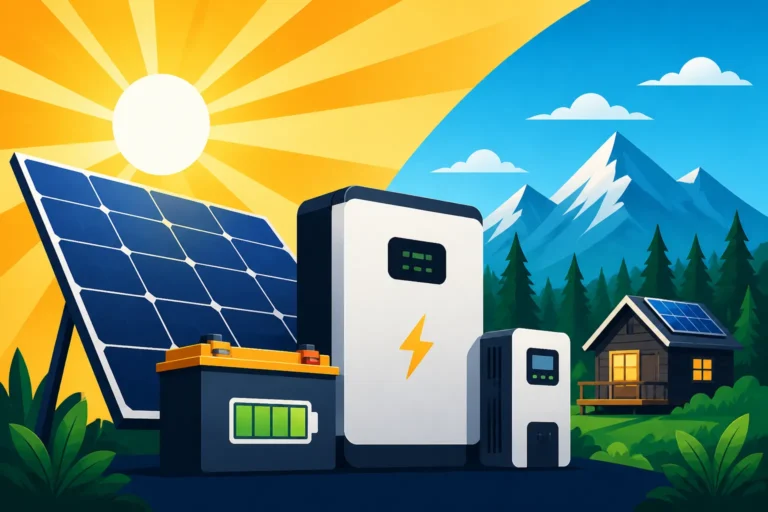
Sometimes, a solar generator isn't the entire off-grid solution but rather a component within a larger ecosystem. For instance, you might use a powerful unit like the EcoFlow Delta Pro or Bluetti AC300 as the central inverter and battery storage for a small cabin, coupling it with a much larger, permanently installed solar array. This modular approach can be very effective.
Alternatively, a smaller solar generator might serve as a flexible, portable power source that complements a more extensive, custom-built off-grid system, providing power for tools in a remote part of your property or a temporary lighting solution during maintenance. They can also act as excellent backup power for your main system, or even integrate with a traditional gas generator for those extra-cloudy weeks when solar isn't sufficient. Thinking about your system's design holistically, including how a solar generator fits into your overall How to Install an Off-Grid Solar System plan, is key. Many off-grid enthusiasts start with a manageable solar generator before gradually expanding to a full custom setup using individual components. Ultimately, choosing between EcoFlow and Bluetti means prioritizing either ultra-fast charging and potentially lighter weight (often EcoFlow) or exceptional battery longevity and robust build (often Bluetti) for your journey toward energy independence.
Disclaimer
The information provided in this article is for general informational purposes only and does not constitute professional advice. Off-grid solar system design and installation can be complex and involve electrical hazards. Always consult with qualified professionals and adhere to local electrical codes and regulations. Product specifications, features, and pricing are subject to change by manufacturers. We recommend checking the latest information directly from EcoFlow, Bluetti, and other brand websites before making any purchase decisions.