Off-Grid Solar Generator Backup Cost
Living off-grid is a dream for so many, offering unparalleled freedom and resilience, but anyone who's faced a stretch of cloudy days or a sudden spike in power needs knows the unsettling feeling of watching battery levels drop. This guide dives deep into the costs associated with integrating a solar generator as a reliable backup for your off-grid solar system, helping you prepare for those "just in case" moments without breaking the bank.
Understanding the Role of a Solar Generator in Off-Grid Systems
When you're completely disconnected from the utility grid, every watt of power is precious, and every component of your system plays a critical role. A primary off-grid solar setup with panels, a charge controller, an inverter, and a robust battery bank is your daily workhorse. However, even the most meticulously designed system can face challenges. Maybe you're in a region prone to long, dark winters, or perhaps you've got a string of unusually cloudy days that severely impact your solar harvest. This is where a dedicated solar generator steps in, not as your main power source, but as that vital safety net.
Why a Backup Solar Generator Is Essential
Imagine a scenario: it's December, and you're living in your cozy off-grid cabin in the Pacific Northwest. You've had a week of persistent rain and heavy overcast skies. Your main solar array, which usually does a fantastic job, simply isn't getting enough sun to fully recharge your batteries. Your fridge is humming, your lights are on, and you might even want to run a well pump for water. Suddenly, your primary battery bank is running critically low. This isn't just an inconvenience; it can lead to dead batteries, which can be costly to replace, and a complete loss of power, leaving you without essentials.
A backup solar generator acts as an insurance policy. It's a self-contained unit that typically includes its own battery, inverter, and charge controller, and often has integrated solar inputs. When your main system is struggling, you can quickly deploy the solar generator, either by connecting it to supplementary solar panels or by charging it from an AC source (like a small gas generator, if you have one, or even your vehicle's alternator in a pinch) and then using its output to power critical loads or even trickle-charge your main battery bank. It provides peace of mind, ensuring continuity of power for vital appliances like medical devices (think CPAP machines), communication equipment, or simply keeping your food cold. Considering the overall costs, having a robust solution for when your primary system falls short is critical for truly resilient off-grid living.
How Solar Generators Differ from Traditional Generators
The term "generator" often brings to mind a noisy, fuel-guzzling machine. While traditional gas or propane generators definitely have their place in some off-grid setups, solar generators are a different breed entirely. A traditional generator burns fossil fuels to create electricity, releasing exhaust fumes and requiring regular refueling and maintenance. They're excellent for heavy, intermittent loads or long-term outages, but they're loud, pollute the air, and you're always dependent on having fuel on hand. You can read more about the differences in our guide on Off-Grid Solar vs Generator Fuel Cost.
Solar generators, on the other hand, operate silently and produce zero emissions. They store energy in a battery bank, which is then converted into usable AC or DC power by an internal inverter. Their primary charging method is, as the name suggests, solar panels, but many can also be charged from a standard wall outlet (if you have grid access elsewhere or a smaller generator for that specific purpose) or a car charger. This makes them far more convenient for daily backup, smaller loads, or situations where noise and fumes are a concern, like camping or in a residential setting. While a gas generator might offer raw power for a short burst, a solar generator offers cleaner, quieter, and more sustainable energy storage for those critical backup periods.
Key Factors Influencing Off-Grid Solar Generator Backup Costs
When you start looking into solar generators for backup, you'll quickly realize there's a huge range in price, from a few hundred dollars to several thousand. This isn't just arbitrary; it's directly tied to the capabilities and components within the unit. Understanding these factors is crucial for budgeting and ensuring you get a system that truly meets your needs without overspending or underspending on critical features. Think of it like buying a car; a basic sedan gets you from A to B, but a high-performance SUV comes with a much higher price tag due to its engine size, luxury features, and overall capability.
Capacity and Power Output Considerations
The most significant factor impacting the cost of a solar generator is its capacity and power output. Capacity refers to the amount of energy the internal battery can store, typically measured in Watt-hours (Wh) or Kilowatt-hours (kWh). A larger capacity means you can power devices for longer periods. For instance, a small 500Wh unit might keep your phone, laptop, and a few LED lights running for a day, while a 2000Wh or larger unit could handle a refrigerator, TV, and more substantial electronics. The larger the battery, the more complex and expensive the manufacturing, hence the higher price.
Power output, measured in Watts (W), indicates how much power the inverter can deliver at any given moment. This is crucial for determining what appliances the generator can actually run. A generator with a 1000W output can run a microwave or a small power tool, while a 300W unit is limited to smaller electronics. Many appliances also have a "surge" wattage – a brief, higher power draw when they first start up. A good solar generator needs an inverter that can handle these surges without shutting down. If you want to run high-draw items like a well pump or an air conditioner, you'll need a much higher capacity and power output, which significantly increases the overall price. When you're trying to figure out How to Size a Backup Generator, these numbers are front and center.
Battery Chemistry and Lifespan Impact
The type of battery inside the solar generator also plays a huge role in its cost and long-term value. Historically, many portable power stations used lead-acid batteries, but the market has largely shifted to Lithium-ion, specifically Lithium Iron Phosphate (LiFePO4).
- Lead-Acid Batteries: While cheaper upfront, lead-acid batteries (like AGM) are heavier, have a shorter cycle life (typically 300-500 cycles), and are less efficient. They also perform poorly in cold temperatures and require more careful maintenance to extend their life. You'll rarely find these in modern solar generators anymore due to their drawbacks.
- Lithium Iron Phosphate (LiFePO4) Batteries: These are the gold standard for most quality solar generators and off-grid battery banks. They offer significantly longer cycle lives (2,500 to 6,000+ cycles), are lighter, more efficient, and can handle deeper discharges without damage. While the initial cost is higher, their longevity and superior performance often make them more cost-effective over the Lifetime Cost of an Off-Grid Solar System. Brands like Jackery and EcoFlow almost exclusively use LiFePO4 or other advanced lithium chemistries in their larger offerings, which contributes to their higher price point but also their reliability and durability. Understanding How Batteries Drive Off-Grid Solar Cost is key here.
Inverter Quality and Pure Sine Wave Output
The inverter is the brain of your solar generator, converting the battery's DC power into the AC power that most household appliances use. The quality and type of inverter profoundly affect both performance and cost.
- Modified Sine Wave Inverters: These are found in some cheaper, older, or very small portable power stations. They produce a "choppier" waveform that isn't ideal for sensitive electronics, potentially causing damage or reducing efficiency. While they can power basic devices, they're generally not recommended for anything with a motor or delicate circuitry.
- Pure Sine Wave Inverters: This is what you want in a quality solar generator. They produce a smooth, clean waveform identical to the power you get from the utility grid. This makes them safe for all electronics, including laptops, medical equipment, and appliances with inductive loads (like refrigerators). The technology behind pure sine wave inverters is more advanced and therefore more expensive, but it's a non-negotiable feature for reliable backup power. A high-quality pure sine wave inverter also often boasts better surge capability, allowing it to handle those brief power spikes when appliances start up, which is crucial for real-world functionality. The best solar generators for off-grid use will always feature pure sine wave inverters.
Cost Breakdown of Popular Off-Grid Solar Generator Options
The market for solar generators has exploded, offering a wide array of choices suitable for everything from a weekend camping trip to substantial home backup. Understanding the general price tiers and what you get at each level can help you navigate the options, especially when looking on platforms like Amazon or directly from manufacturers. Keep in mind that prices are dynamic and can fluctuate based on sales, new models, and technological advancements.
Entry-Level Portable Solar Generators
For those just dipping their toes into off-grid backup or needing power for small, portable needs, entry-level solar generators are a fantastic starting point. These units typically feature battery capacities ranging from 200Wh to 600Wh and offer continuous power output between 200W and 500W. They're lightweight, often compact, and designed for easy transport.
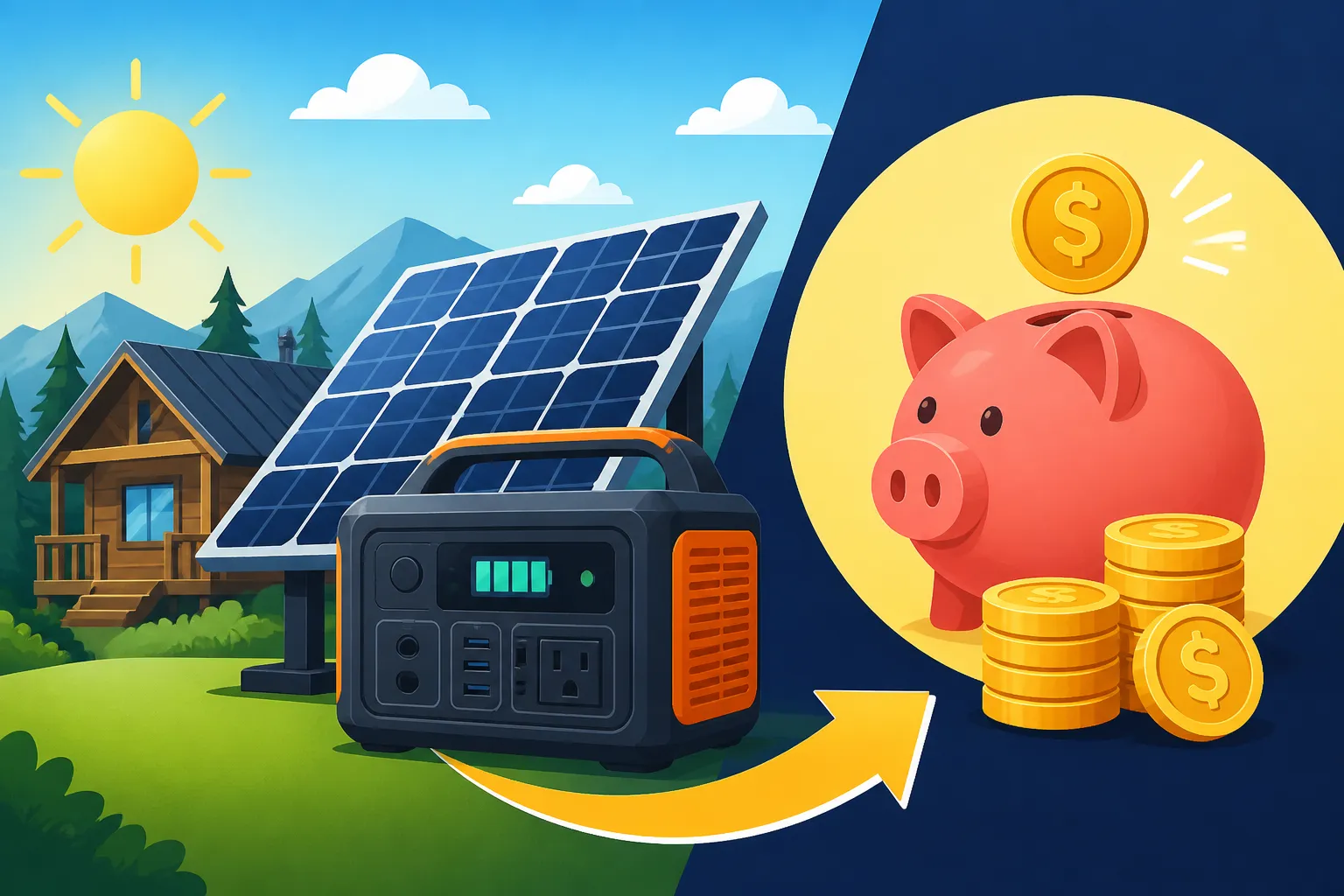
You might find models like a smaller Jackery Explorer or a similar offering from brands like Bluetti or EcoFlow in this category. They are perfect for charging phones, tablets, laptops, drones, running small LED lights, or even a portable fan for several hours. The internal batteries are usually LiFePO4, ensuring a decent lifespan, and they almost universally come with pure sine wave inverters, even at this lower capacity. The cost for these units generally ranges from $200 to $600. While they won't power your entire cabin, they're invaluable for emergency preparedness, car camping, or keeping essential communications active when your main system is down. They can provide enough juice to bridge short gaps, giving your main battery bank a bit more breathing room or allowing you to power critical low-wattage devices without dipping into your primary reserves. Many of these units can be easily charged with a single 100W portable solar panel, adding a relatively small amount to the overall Off-Grid Solar Cost: Complete Breakdown.
Mid-Range and Expandable Systems
Stepping up from the entry-level, mid-range solar generators offer significantly more power and flexibility. These systems typically boast battery capacities from 1000Wh to 3000Wh (1kWh to 3kWh) and continuous AC output ranging from 1000W to 2000W or even higher, with impressive surge capabilities. This tier is where you start seeing serious potential for backup power, capable of running more demanding appliances for extended periods.
Many popular models from Jackery, EcoFlow, and Bluetti fall into this category, such as the Jackery Explorer 1000 or the EcoFlow Delta 2. A key feature at this level is often the ability to expand the battery capacity with external battery packs. This modularity is a huge benefit for off-grid users, allowing them to scale their backup power as their needs grow or as budget permits. For example, an EcoFlow Delta Pro can start as a substantial unit on its own but can have multiple extra batteries connected, effectively multiplying its storage. These units can easily handle refrigerators, microwaves, power tools, TVs, and even small window air conditioners or mini-splits for short durations. The pure sine wave inverters are robust, and the LiFePO4 batteries are designed for thousands of cycles. Expect to pay anywhere from $1,000 to $3,500 for a standalone mid-range unit, with additional battery packs costing several hundred to over a thousand dollars each. These systems truly represent a sweet spot for many off-grid homeowners or RV dwellers looking for a reliable, expandable backup solution that offers a solid blend of performance and portability. You can often find great deals on these units on Amazon, but it's always good to compare directly with the manufacturer's website for the latest models and bundled deals.
High-Capacity Home Backup Solutions
For those who need comprehensive backup power for a significant portion of their off-grid home, high-capacity solar generators are the answer. These are essentially self-contained, often wheeled power stations with massive battery capacities, typically starting around 3kWh and going up to 5kWh, 10kWh, or even more with expansion modules. Their AC output can range from 3000W to 5000W or even higher, often supporting 240V split-phase output to power larger household appliances directly.
Think of units like the Bluetti EP500 Pro, EcoFlow Delta Pro, or the Anker SOLIX F3800. These are designed to be integrated more permanently into an off-grid setup, often with an optional transfer switch to seamlessly power your home circuits during an outage or when your main system is underperforming. They can keep vital appliances running for days, not just hours. This includes full-sized refrigerators, freezers, well pumps, water heaters, washing machines, and even multiple smaller loads simultaneously. The LiFePO4 batteries are top-tier, and the inverters are industrial-grade pure sine wave units built for heavy loads. The initial investment for these powerhouses is substantial, generally ranging from $3,000 to $8,000+ for the base unit, with additional expansion batteries pushing the total cost even higher. However, for true off-grid reliability and the ability to maintain a comfortable lifestyle even when your primary solar system is struggling, these high-capacity solutions offer unparalleled peace of mind and are a significant step up from a basic portable unit. Many look at these systems as an alternative to a traditional whole-home generator, offering silent, emission-free operation and the ability to recharge directly from solar panels without needing fuel. When considering Cost to Add a Generator to Off-Grid Solar, these robust units provide a compelling, cleaner alternative.
| Solar Generator Type | Typical Capacity (Wh) | Continuous AC Output (W) | Typical Cost Range | Best For |
|---|---|---|---|---|
| Entry-Level Portable | 200-600 | 200-500 | $200 – $600 | Small electronics, charging devices, emergency comms. |
| Mid-Range/Expandable | 1000-3000 | 1000-2000 | $1,000 – $3,500 | Refrigerators, TVs, power tools, cabin backup, RVs. |
| High-Capacity Home Backup | 3000-10000+ | 3000-5000+ | $3,000 – $8,000+ | Whole-home essential loads, well pumps, HVAC, long outages. |
Additional Costs and Long-Term Considerations
Purchasing a solar generator isn't always a one-time expense. Like any critical piece of off-grid equipment, there are often associated costs, both upfront and over its lifespan. Understanding these can help you develop a more realistic budget for your off-grid energy independence, avoiding unpleasant surprises down the road. It's not just about the generator itself; it's about making it work seamlessly and reliably within your existing setup.
Solar Panel Integration Costs
While most solar generators come with the capability to connect directly to solar panels, they often don't include the panels themselves, or they come with smaller, less powerful portable panels. To truly maximize your solar generator as a backup, especially during prolonged periods of low primary solar production, you'll want dedicated solar panels for it.
The cost of these panels will depend on their wattage and type. For entry-level and mid-range solar generators, a few portable 100W or 200W foldable solar panels are usually sufficient, costing an additional $100 to $400 per panel. These are convenient for deployment and storage. For higher-capacity solar generators meant for home backup, you might consider more robust rigid panels, similar to those in your main array, with wattages ranging from 300W to 500W. These could cost $150 to $300 per panel and might require additional mounting hardware (ground mounts are popular for backup arrays) and wiring.
Don't forget the cabling. While many portable panels come with basic MC4 connectors and cables, longer runs or more permanent installations might require additional wiring to connect your panels to the solar generator's input, adding another $50-$150 depending on length and gauge. The goal is to ensure that even when your primary system isn't producing, your backup solar generator can still be recharged, drawing power from the sun independently. Our guide on Cost of Off-Grid Solar Panels can provide a deeper dive into panel expenses.
Maintenance, Longevity, and Replacement Parts
One of the big draws of modern solar generators, especially those with LiFePO4 batteries, is their relatively low maintenance compared to traditional gas generators. You don't have to worry about fuel storage, oil changes, or spark plug replacements. However, "low maintenance" doesn't mean "no maintenance."
- Longevity: The internal battery is the heart of a solar generator. While LiFePO4 batteries boast excellent cycle lives (2,500-6,000+ cycles), they do degrade over time. After several years and many cycles, the battery's capacity will slowly diminish. For a frequently used backup unit, you might see noticeable degradation after 5-10 years. Some high-end units allow for battery replacement, while others are sealed units that would require replacing the entire generator. This is a crucial factor when considering the Cost to Replace Off-Grid Solar Batteries.
- Maintenance: Keep the unit clean, ensure proper ventilation, and avoid exposing it to extreme temperatures, especially cold, for prolonged periods. Most manufacturers recommend cycling the battery (fully discharging and recharging) occasionally to maintain its health, even if it's primarily sitting in standby.
- Replacement Parts: While rare, components like the AC charging brick or specific output cables might need replacing over the lifespan of the unit. These costs are usually minor ($20-$100). However, for sealed units, a major component failure might necessitate replacing the entire generator, which could mean another substantial investment. It's wise to consider the warranty offered by the manufacturer, as a longer warranty can protect you against premature failures.
The Value of Reliability versus Upfront Expense
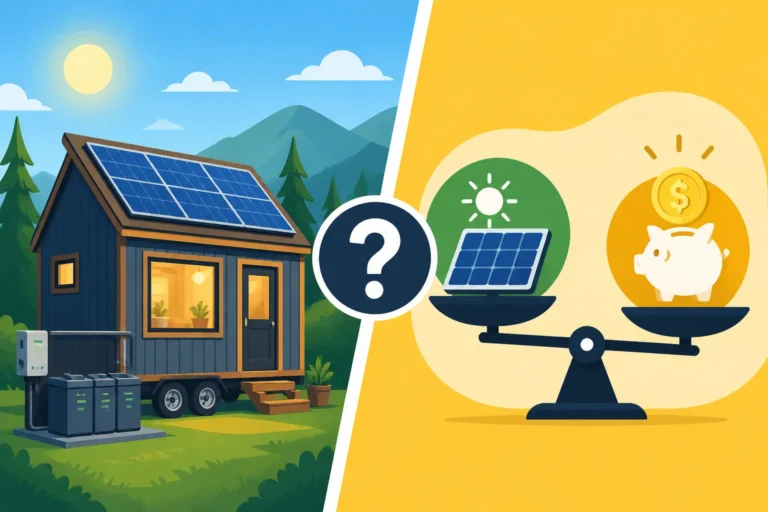
This is where the rubber meets the road for off-grid living. While the upfront cost of a robust solar generator can seem significant, especially for larger units, it's essential to weigh that against the value of reliability and peace of mind. What is it worth to you to know that your critical systems will stay online during an extended cloudy spell or an unexpected surge in demand?
Consider the alternatives: running a gas generator, which incurs ongoing fuel costs, noise, and fumes, or potentially damaging your primary off-grid batteries by continually discharging them too deeply. The cost of replacing a main Off-Grid Solar Battery Bank can easily run into thousands of dollars, making a solar generator a potentially cheaper long-term solution for those backup scenarios. Moreover, uninterrupted power means safety, comfort, and the ability to continue essential daily tasks without disruption. For medical needs, communication, or preserving food, the value of reliable backup can be priceless. The saying "you get what you pay for" often holds true in off-grid equipment. Investing in a reputable brand with a good track record, even if it means a higher initial outlay, typically results in a more durable, efficient, and ultimately reliable system that will serve you well for many years, paying dividends in security and peace of mind.
Comparing Solar Generator Backup Costs to Other Options
When you're trying to decide on the best backup strategy for your off-grid system, solar generators aren't the only game in town. There are other methods to ensure power continuity, each with its own cost implications and benefits. It’s important to look at the full picture of How Much Does an Off-Grid Solar System Cost when making these comparisons.
Solar Generators vs. Traditional Gas Generators
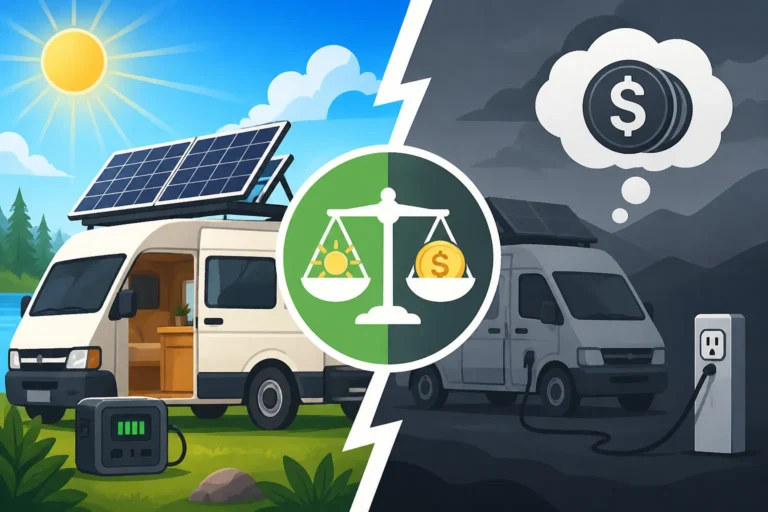
Let's be honest, gas generators are still a very common backup solution, especially for those heavy-duty, short-duration needs. Their upfront cost is often lower than a comparable solar generator in terms of raw power output. A decent 3,000-watt gas generator might set you back $400-$1,000, significantly less than a 3,000-watt solar generator.
However, the costs don't stop there. You'll need fuel, which can add up quickly, especially with today's fluctuating gas prices. If you're running it for several hours a day, a typical 3,000W gas generator can burn through a gallon of fuel in 4-8 hours, costing you $3-$5 per gallon depending on your location. Over years, these fuel costs can easily surpass the initial purchase price of the generator. Then there's maintenance: oil changes, spark plugs, air filters – all recurring expenses. Not to mention the noise, exhaust fumes, and the need to store flammable liquids. For a deeper dive into these comparisons, check out our article on Off-Grid Solar vs Generator Fuel Cost.
Solar generators, while more expensive upfront, have virtually no ongoing fuel costs (the sun is free!) and minimal maintenance. They are silent and emit no fumes, making them much more pleasant to use. If your backup needs are occasional and primarily for essential, moderate loads, a solar generator offers a far cleaner, quieter, and often more convenient long-term solution. For short, very high power demands (like running a large air compressor for half an hour), a gas generator might still be more practical, but for daily backup power during solar droughts, the solar generator often wins on overall cost and experience.
Solar Generators vs. Expanding Your Primary Off-Grid Battery Bank
Another common approach to increasing off-grid resilience is simply adding more batteries to your main system. If your issue is consistently running low on power, perhaps your initial battery bank was undersized, or your usage has increased. Adding more capacity, say another 100Ah or 200Ah LiFePO4 battery, to your existing primary system could cost anywhere from $600-$1,500 per battery, plus wiring and potential upgrades to your charge controller or inverter if your system wasn't designed for expansion. Our guide on Cost of an Off-Grid Solar Battery Bank covers these expenses thoroughly.
This is a fantastic option if the goal is to increase your days of autonomy for your entire off-grid setup, ensuring you can coast through more cloudy days without worrying. However, it means all your power is still tied to one central system. If your primary inverter fails, or your charge controller goes out, you lose all power, regardless of how many batteries you have.
A solar generator, on the other hand, provides redundancy. It's an entirely separate power system. If your main inverter decides to quit, your solar generator can still power your critical loads. If your main solar array gets damaged, your portable panels for the solar generator can still collect energy. This independent layer of backup is invaluable. While adding batteries to your main system boosts overall capacity, a dedicated solar generator provides a vital, independent safety net against single points of failure in your primary setup. For true resilience, a combination of a well-sized primary battery bank and a separate solar generator backup is often the ideal solution, providing both extended autonomy and critical redundancy.
Tips for Budgeting and Saving on Your Off-Grid Backup Solution
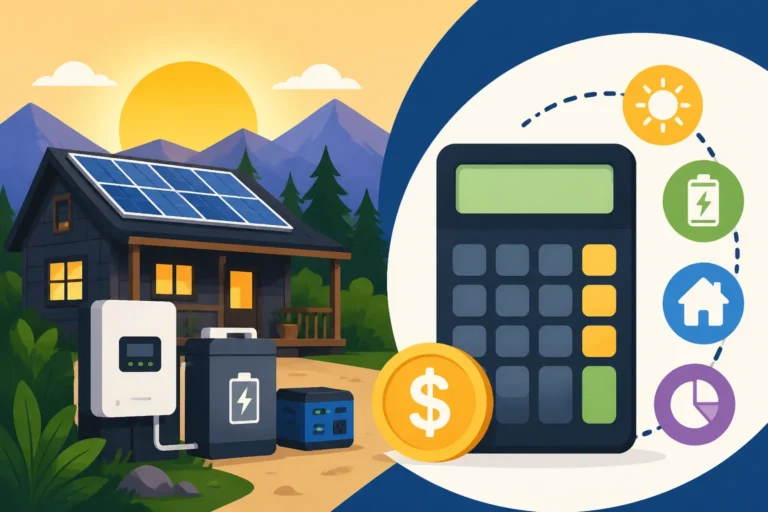
Setting up an off-grid solar system, including a reliable backup, is an investment. It's easy to get overwhelmed by the numbers, but with a smart budgeting strategy, you can get the power you need without feeling completely drained financially. Many seasoned off-gridders have learned to approach this process thoughtfully, knowing that independence often comes in stages.
Phasing Your Investment
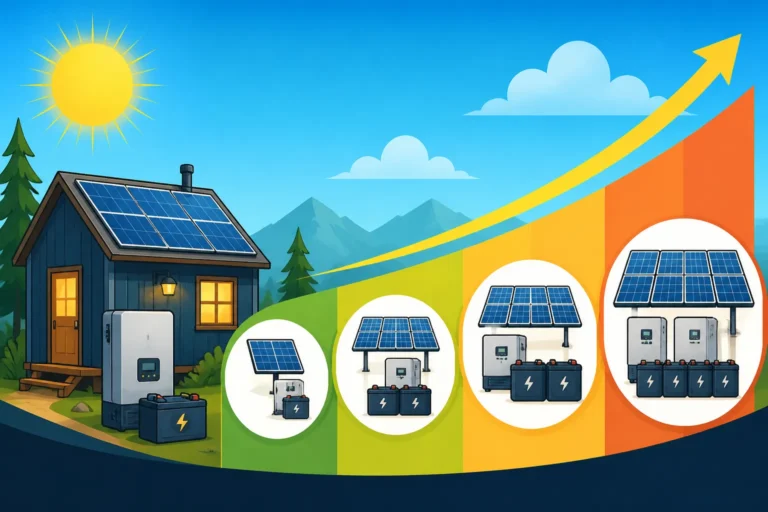
The idea of dropping several thousand dollars on a complete off-grid system, including a robust backup, can be daunting. One of the best strategies for managing costs is to phase your investment. You don't have to buy everything all at once. Start with your most critical needs and build from there.
- Phase 1: Essential Backup. Perhaps you begin with a smaller, more affordable solar generator, like a 500Wh Jackery or EcoFlow model. This can cover your absolute essentials: charging phones, running a small light, or powering a CPAP machine during short outages or periods of low primary solar production. This initial investment might be $300-$600, providing immediate peace of mind for critical items. It's a great way to start and understand your actual backup needs without a massive upfront commitment.
- Phase 2: Expand Capacity. Once you've lived with your basic setup for a while, you'll have a clearer picture of your actual backup power usage. You might realize you need to run your refrigerator during longer cloudy spells. This is when you could upgrade to a larger mid-range solar generator (1000Wh-2000Wh) or purchase an expansion battery for an existing modular unit. This incremental approach allows you to spread the cost over time and ensures each addition genuinely addresses a proven need. Many Best Off-Grid Solar Kits: What to Buy actually offer modular components specifically for this reason.
- Phase 3: Integration and Full Home Backup. For those aspiring to full home backup, you might eventually invest in a high-capacity solar generator that can be integrated with a transfer switch. By this point, you'll have a deep understanding of your energy consumption and the specific backup scenarios you need to address. This phased approach makes the overall investment more manageable and less financially stressful.
DIY vs. Pre-Built Solutions
The age-old debate in the off-grid community: build it yourself or buy a ready-made solution? Both have their cost implications, and the "cheapest" option isn't always the best fit for everyone.
- DIY Solar Generator: If you're handy with electronics and comfortable with wiring, you can potentially build your own custom solar generator. This would involve sourcing individual components like LiFePO4 battery cells, a battery management system (BMS), an inverter, and a charge controller, then assembling them into a custom enclosure. The primary advantage here is cost savings on components, as you avoid the "brand name" premium and labor costs of assembly. You might save 15-30% on component costs compared to a pre-built unit of similar capacity. However, this path requires significant technical knowledge, time, and attention to safety. You'd also need to account for tools and the potential for errors. This really dives into the specifics of How to Wire an Off-Grid Solar System at a component level.
- Pre-Built Solar Generators: Brands like Jackery, Bluetti, EcoFlow, and Anker offer fantastic, ready-to-use solar generators. While the upfront cost is typically higher, you're paying for convenience, safety, professional engineering, integrated features (like advanced battery management and pure sine wave inverters), and a warranty. These units are plug-and-play, saving you immense time and effort. For most people, especially those without extensive electrical experience, the peace of mind and ease of use offered by a pre-built solution far outweigh the potential savings of a DIY build. The convenience of simply unboxing a unit, charging it, and using it immediately is often worth the extra investment, especially when found with competitive pricing on platforms like Amazon. It truly simplifies your journey to energy independence.
Disclaimer
Please note that the information provided in this article is for general informational purposes only and does not constitute professional financial, electrical, or engineering advice. Off-grid solar system design and installation can be complex and involve electrical hazards. Always consult with qualified professionals before making any purchasing decisions or attempting any electrical work. Costs are estimates and can vary significantly based on location, brand, system size, and market fluctuations.