Off-Grid Solar Kits: What to Buy
Navigating the world of off-grid solar can feel like trying to solve a complex puzzle, especially when you're just starting out and are faced with countless components and technical jargon. Many folks feel overwhelmed trying to figure out which pieces they need, if they're compatible, and how to put it all together to reliably power their remote cabin, RV, or even their full-time homestead. This comprehensive guide is designed to cut through that confusion, helping you understand off-grid solar kits and make an informed decision on what to buy to achieve true energy independence.
Understanding Off-Grid Solar Kits: What Exactly Are They?
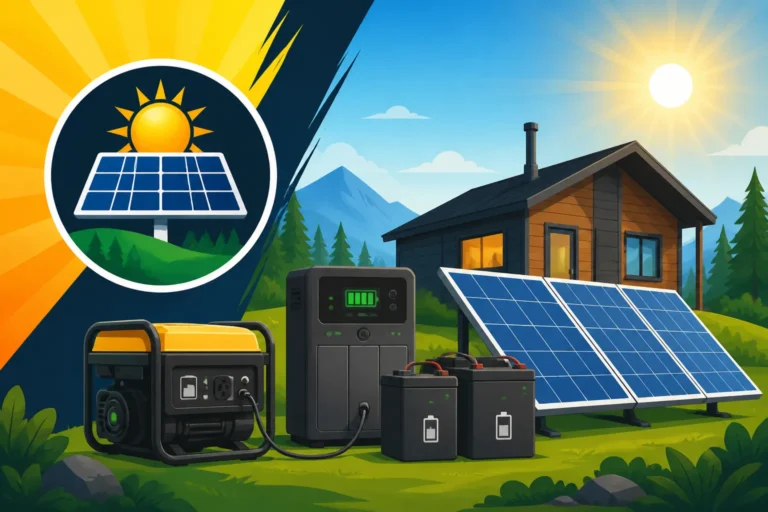
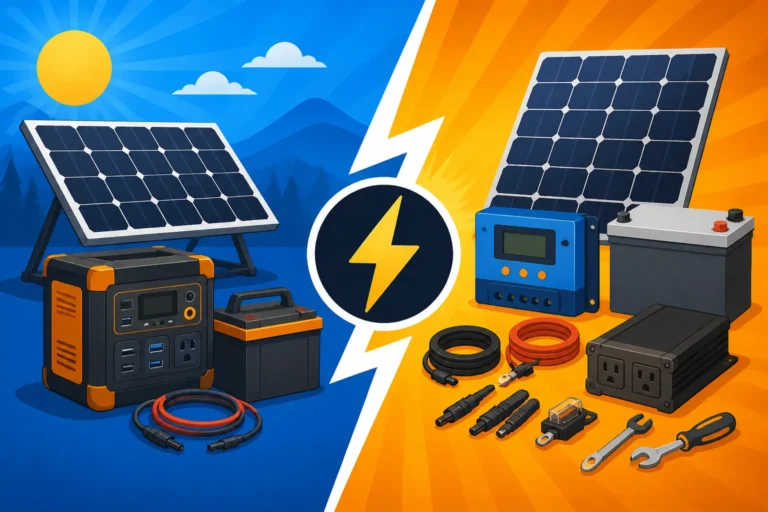
An off-grid solar kit is essentially a pre-packaged solution designed to get you up and running with solar power without needing to connect to the traditional utility grid. Instead of meticulously researching and sourcing each individual component – the panels, the batteries, the inverter, the charge controller, and all the associated wiring and safety gear – a kit bundles these essentials together. Think of it like buying a furniture set instead of individual pieces; everything is designed to work harmoniously, making the setup process much smoother for those new to solar or anyone looking for a more streamlined approach.
The Core Components of a Solar Kit
At its heart, any off-grid solar kit will comprise several fundamental pieces, each playing a vital role in converting sunlight into usable electricity for your devices and appliances. Without any one of these, your system simply wouldn't function as intended. Knowing what these core components are and what they do is the first step toward understanding the value of a comprehensive kit.
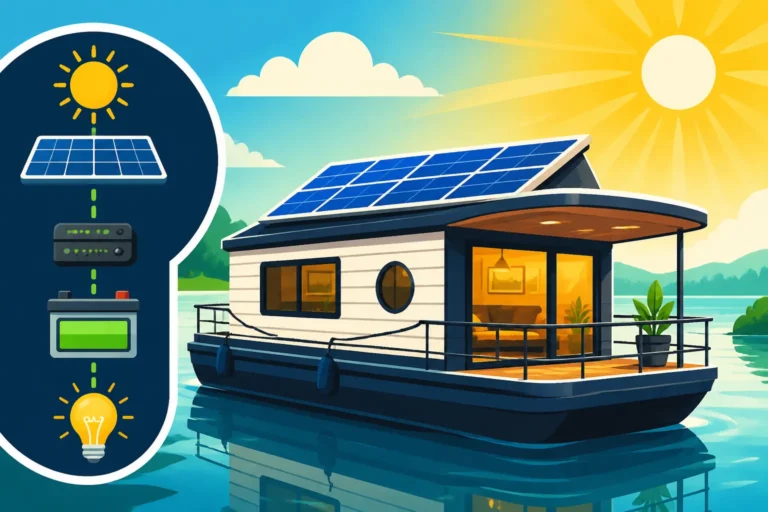
First, you have the solar panels themselves. These are the workhorses, capturing photons from the sun and converting them into direct current (DC) electricity. Most kits will specify the total wattage of the panels included, giving you a good idea of their power generation potential on a sunny day. Next, there's the charge controller, a crucial device that regulates the voltage and current coming from your solar panels before it reaches your batteries. This protects your batteries from overcharging and ensures they have a long and healthy life. Then, you'll find the battery bank, which is perhaps the most critical component in an off-grid setup. Batteries store the energy generated by your panels so you can use it when the sun isn't shining, like at night or on cloudy days. Finally, there's the inverter, which transforms the DC power stored in your batteries into alternating current (AC) power, the type of electricity most household appliances use. Without an inverter, you'd be limited to running only DC-specific devices. Beyond these major players, kits also include essential wiring, connectors, and often mounting hardware to get everything safely installed.
Advantages of Buying a Kit Over Individual Components
The appeal of an off-grid solar kit lies in its convenience and simplified approach, especially for those who aren't electrical engineers or seasoned DIYers. When you buy individual components, you're responsible for ensuring everything is compatible, correctly sized, and that you have all the necessary accessories, which can be a daunting task. Imagine trying to piece together a complex computer system from scratch, ensuring the motherboard, CPU, RAM, and graphics card all communicate perfectly – it’s a similar challenge with solar.
A kit takes much of that guesswork out of the equation. Manufacturers have done the legwork to ensure that the panels, charge controller, batteries, and inverter are matched in terms of voltage, current, and capacity. This means you're less likely to run into issues like an undersized charge controller that can't handle your panel array, or an inverter that's too weak for your battery bank. Furthermore, kits often come with detailed instructions and support, simplifying the installation process. For someone setting up a solar system for a remote cabin for the first time, a well-designed kit can save countless hours of research, prevent costly mistakes, and reduce the overall stress of the build. It's often also a more cost-effective way to get started, as manufacturers can often offer better pricing on bundled items.
Different Types of Off-Grid Solar Kits
Just as there are many different reasons to go off-grid, there's a wide array of solar kits available, each tailored to specific needs and energy demands. Understanding these categories is key to finding the perfect fit for your lifestyle. The simplest type often consists of a single small panel, a basic charge controller, and a small battery, perhaps designed to charge a phone or run a few LED lights in a shed. These are perfect for minimalist setups or emergency backup.
Moving up the scale, you find kits designed for RVs, vans, or small cabins. These typically include multiple solar panels, a more robust charge controller, a larger battery bank (often lithium-ion for better performance and lifespan), and an inverter capable of powering typical RV appliances like a refrigerator, microwave, or lights. Brands like Jackery, for instance, offer popular portable power stations that, when paired with their solar panels, can function as a highly mobile and efficient off-grid solar kit for weekend trips or van life. For larger applications, like a tiny home or a full-sized off-grid residence, you'll encounter extensive kits featuring several large solar panels, powerful inverters capable of handling high-demand appliances (like a well pump or washing machine), and substantial battery banks designed for multiple days of autonomy. These larger systems often require more advanced installation knowledge but still benefit from the component compatibility that a kit provides.
Evaluating Your Energy Needs: The First Crucial Step
Before you even start looking at specific off-grid solar kits, the single most important thing you can do is figure out your energy consumption. Without a clear understanding of how much power you actually need, you're essentially shopping blind. It's like trying to buy groceries without knowing what you're cooking – you'll either end up with too little, too much, or all the wrong ingredients. Underestimating your needs is one of the most common and frustrating mistakes off-gridders make, leading to constant power shortages and disappointment.
Conducting a Detailed Load Analysis
A load analysis, also known as an energy audit, is simply a comprehensive list of every electrical device you plan to use, how many watts it consumes, and for how long each day. This might sound tedious, but it's absolutely non-negotiable for a successful off-grid setup. Start by listing everything from your refrigerator and lights to your laptop, phone chargers, and even small kitchen appliances like a coffee maker.
For each item, you'll need to find its wattage. This information is usually printed on the appliance itself, in the owner's manual, or easily found online. Remember, some appliances have a "starting wattage" (or surge wattage) that is significantly higher than their "running wattage" (e.g., a refrigerator motor or a well pump). You'll need to account for both. Then, estimate how many hours per day you'll use each device. Multiply the wattage by the hours of use to get your daily Watt-hours (Wh) for each item. Summing these up will give you your total daily Watt-hour consumption. For example, if your LED lights use 10 watts for 5 hours a day, that's 50 Wh. Your mini-fridge might run for 8 hours at 50 watts, consuming 400 Wh. Don't forget seasonal items! Do you use an air conditioner in the summer or a space heater in the winter? These have massive energy demands and must be factored in. This detailed analysis is foundational for learning How to Calculate Daily Energy Usage.
Accounting for Days of Autonomy and Weather
Once you know your average daily energy consumption, you need to think about how many days you want your system to run without any new solar input. This is called "days of autonomy," and it’s especially critical for off-grid living, where sunny days aren't always guaranteed. Imagine a week of heavy clouds or even a snowstorm blanketing your panels. If your system is designed for only one day of autonomy, you'll be out of power quickly. Most off-gridders aim for at least 2-3 days of autonomy, with some in less sunny climates targeting 5 days or more.
The number of days of autonomy directly impacts the size of your battery bank. If you use 2000 Wh per day and want 3 days of autonomy, your battery bank needs to store at least 6000 Wh of usable energy. Weather patterns play a huge role here; a cabin in sunny Arizona will have different needs than one nestled in the Pacific Northwest, where cloudy days are more frequent. You also need to consider seasonal variations. Winter days are shorter, and the sun's angle is lower, reducing solar panel output. Snow accumulation can also block panels entirely. Therefore, your system should ideally be sized for your worst-case scenario, ensuring you have enough power even during extended periods of low sunlight. Understanding How Many Batteries for an Off-Grid System is crucial at this stage.
Planning for Future Expansion and Emergencies
Life off-grid is dynamic, and your power needs might evolve. Maybe you start with basic lighting and a fridge, but later decide to add a water pump, a small workshop, or even a washing machine. Designing a system with expandability in mind from the outset can save you a lot of hassle and money down the road. This might mean choosing a charge controller that can handle more panels than you currently plan to install, or an inverter that has some headroom for future appliance upgrades.
It's also wise to consider emergency preparedness. What if a critical component fails? What if you have unexpected guests who use more power? Many off-gridders incorporate a backup generator into their system design. While the goal is to rely solely on solar, having a generator for those rare, extended cloudy periods or unexpected high demands provides invaluable peace of mind. Some larger solar kits even integrate generator inputs directly, making it easier to connect and manage. By thinking ahead about potential future needs and worst-case scenarios, you can build a more resilient and adaptable off-grid solar system.
Key Components to Look For in a Quality Kit
When you're sifting through various off-grid solar kits, it's not just about the total wattage or the number of batteries. The quality and specifications of each individual component within that kit make a world of difference in the system's overall performance, longevity, and reliability. Investing in higher-quality components might seem like a bigger upfront cost, but it invariably pays off through increased efficiency, fewer maintenance issues, and a longer lifespan for your entire setup.
Solar Panels: Efficiency, Type, and Mounting
The solar panels are your primary energy gatherers, so their characteristics are paramount. The most common types you'll encounter are monocrystalline and polycrystalline. Monocrystalline panels are generally more efficient, meaning they can produce more power from a smaller footprint, which is a huge advantage if you have limited space on your roof or in your RV. Polycrystalline panels are typically slightly less efficient but can be more cost-effective. For off-grid applications, efficiency is often a strong consideration due to space constraints and the desire to maximize energy harvest, especially in less-than-ideal sun conditions.
Beyond efficiency, consider the physical robustness of the panels. Are they built to withstand hail, heavy snow, and strong winds? Check their temperature coefficient, which tells you how much their performance degrades in hot weather – a crucial factor if you live in a sunny, warm climate. Also, consider the mounting hardware included in the kit. Does it suit your intended installation? Is it designed for a roof, a ground mount, or perhaps flexible mounting for an RV? Some kits come with Z-brackets for flat surfaces, while others include adjustable tilt mounts to optimize seasonal sun exposure. You can explore Best Off-Grid Solar Panels for detailed insights into panel selection.
Battery Banks: Capacity, Chemistry, and Lifespan
The battery bank is often the most expensive single component in an off-grid solar system, and for good reason: it's what gives you power when the sun isn't shining. The two main chemistries you'll encounter are lead-acid (often AGM or Gel) and lithium iron phosphate (LiFePO4). Lead-acid batteries are generally cheaper upfront but have a shorter lifespan, can only be discharged to about 50% without damaging them (reducing their usable capacity), and require more maintenance.
LiFePO4 batteries, while more expensive initially, offer significant advantages. They have a much longer cycle life (thousands of cycles vs. hundreds for lead-acid), can be discharged almost completely (up to 80-100% depending on the brand), are virtually maintenance-free, and are much lighter. For a deep dive, check out LiFePO4 vs Lead-Acid Batteries for Off-Grid. When evaluating battery capacity, remember to look at usable amp-hours or kilowatt-hours, not just the nominal rating, especially with lead-acid batteries. A 200Ah lead-acid battery only provides 100Ah of usable power, whereas a 200Ah LiFePO4 battery can provide closer to 180-200Ah. The total Cost of an Off-Grid Solar Battery Bank is heavily influenced by chemistry and capacity.
Inverters and Charge Controllers: The Brains of the System
These two components are the intelligent managers of your solar power. The charge controller, as mentioned, regulates power from the panels to the batteries. The most efficient type is an MPPT (Maximum Power Point Tracking) controller, which is highly recommended for maximizing energy harvest, especially in systems with varying sunlight or panel configurations. PWM (Pulse Width Modulation) controllers are simpler and cheaper but less efficient, typically found in smaller, budget-friendly kits.
The inverter converts DC battery power to AC power for your appliances. For any sensitive electronics like laptops, TVs, or medical devices, you absolutely need a "pure sine wave" inverter. A "modified sine wave" inverter is cheaper but can damage sensitive electronics and cause motors to run inefficiently or loudly. Look at the inverter's continuous power rating (e.g., 2000W) and its surge rating (e.g., 4000W for a few seconds), which is critical for starting inductive loads like refrigerators or power tools. The quality of these components dictates not just efficiency but also the safety and stability of your entire off-grid electrical system. You want reliable brains for your setup.
Wiring, Fuses, and Safety Features
It's easy to focus on the big-ticket items like panels and batteries, but the often-overlooked details like wiring, fuses, and breakers are just as vital for a safe and effective off-grid system. A good kit should include adequately sized wiring (gauge appropriate for the current and length of the run) and all the necessary MC4 connectors for your solar panels. Undersized wiring can lead to voltage drop and even become a fire hazard.
Equally important are the safety components: fuses and circuit breakers. These devices protect your equipment and, more importantly, you, from overcurrents and short circuits. A comprehensive kit should include DC-rated breakers for your solar array and battery bank, and AC-rated breakers for your inverter's output. Some kits might also include a disconnect switch, which allows you to safely shut down the entire system for maintenance or emergencies. These features might not be flashy, but they are absolutely essential for a compliant and safe installation. Without them, you're exposing your entire off-grid setup and yourself to significant risks.
Sizing Your Off-Grid Solar Kit: Matching Power to Consumption
Once you've done your homework on energy needs and component types, the next critical step is to properly size your off-grid solar kit. This is where all those calculations from your load analysis really come into play. A correctly sized system will reliably meet your power demands, while an undersized one will leave you in the dark, and an oversized one will cost you more than necessary. It's a delicate balance, and getting it right ensures a comfortable and consistent off-grid experience.
Calculating Your Panel Array Size
To figure out how many solar panels you need, you'll use your daily Watt-hour consumption and the concept of "peak sun hours." Peak sun hours refer to the equivalent number of hours per day when the sun's intensity averages 1,000 watts per square meter. This isn't literal daylight hours but a measure of solar insolation that varies by location and season. For example, a region might have 8 hours of daylight, but only 4-5 peak sun hours. You can find peak sun hour data for your specific location through various online resources.
Let's say your daily energy consumption is 3000 Wh, and your location gets an average of 5 peak sun hours in your least sunny month. To calculate your required panel wattage, you'd divide your total daily Wh by the peak sun hours: 3000 Wh / 5 hours = 600 Watts. This is the minimum rated wattage your panels need to produce daily. However, you should also factor in system losses (due to temperature, wiring, dust, inverter inefficiency), which can be around 20-30%. So, you'd divide 600W by 0.75 (for 25% losses) to get approximately 800 Watts. If your kit includes 200W panels, you'd need 4 of them (800W / 200W = 4 panels). It's also often wise to oversize your array slightly, especially for winter or less sunny conditions, which is explained in our guide on How Many Solar Panels for Off-Grid Living.
Determining Optimal Battery Bank Capacity
Your battery bank size is determined by your daily Watt-hour consumption and your desired days of autonomy. As discussed earlier, if you use 3000 Wh per day and want 3 days of autonomy, you need to store 9000 Wh of usable energy. Now, you need to factor in the battery's depth of discharge (DoD). For lead-acid batteries, a 50% DoD is recommended for longevity. For LiFePO4 batteries, you can safely use 80-100% DoD.
Let's stick with our 9000 Wh usable energy requirement. If you choose lead-acid, you'd need a battery bank with a nominal capacity of 18000 Wh (9000 Wh / 0.50). If you go with LiFePO4, you'd need closer to 10000 Wh (9000 Wh / 0.90). Most batteries are rated in Amp-hours (Ah) at a specific voltage (e.g., 12V, 24V, 48V). To convert Wh to Ah, divide Wh by voltage (e.g., 10000 Wh / 48V = 208 Ah). So, you'd be looking for a 48V battery bank with at least 208 Ah usable capacity. This calculation forms the basis of How to Size an Off-Grid Battery Bank.
Selecting the Right Inverter for Your Appliances
The inverter needs to be sized correctly to handle the cumulative running wattage of all AC appliances you plan to use simultaneously, plus the surge wattage of your largest individual appliance. First, sum up the running wattage of all devices you might realistically have on at the same time. If your refrigerator (100W), lights (50W), and laptop (60W) are all running, that's 210W continuous.
Next, identify the appliance with the highest surge (starting) wattage. A well pump, microwave, or refrigerator compressor can momentarily draw 2-3 times its running wattage to start up. If your well pump needs 2000W to start, but only runs at 800W, your inverter needs to be able to handle that 2000W surge, even if only for a second or two. A common guideline is to size your inverter to be at least 125% of your total continuous load, and to have a surge capacity that can handle your largest motor load. For example, a 3000W pure sine wave inverter with a 6000W surge capacity is a popular choice for many off-grid cabins, allowing for comfortable daily use and the ability to start larger appliances. Our guide on How to Size an Off-Grid Inverter offers more specific calculations.
| Kit Type | Typical Daily Usage (Wh) | Battery Capacity (Wh Usable) | Panel Array (Watts) | Inverter (Continuous Watts) | Common Applications |
|---|---|---|---|---|---|
| Small/Portable | 100 – 500 | 200 – 1000 | 100 – 400 | 300 – 1000 | Camping, Van Life (basic), Emergency Backup |
| Medium/Cabin | 1000 – 5000 | 3000 – 15000 | 800 – 3000 | 1500 – 3000 | Small Cabin, Tiny Home, RV (full-time), Workshop |
| Large/Homestead | 5000 – 20000+ | 15000 – 60000+ | 3000 – 10000+ | 4000 – 10000+ | Full-sized Off-Grid Home, Large Homestead, Farm |
Note: These are estimated ranges. Actual needs may vary based on appliance choices, number of residents, and desired comfort levels.
Types of Off-Grid Solar Kits for Different Lifestyles
The beauty of off-grid solar is its versatility. There's no one-size-fits-all solution, and thankfully, manufacturers have responded by offering kits tailored to diverse needs and budgets. Whether you're a minimalist living on the road, seeking solitude in a remote cabin, or building a self-sufficient homestead, there's an off-grid solar kit designed with you in mind.
Portable and Small-Scale Kits for RVs and Vans
For adventurers, weekend warriors, or those embracing the van life movement, portable and small-scale off-grid solar kits are incredibly popular. These kits prioritize mobility, ease of setup, and often a more compact footprint. They typically consist of a few flexible or fold-out solar panels (often 100-400 watts), a small charge controller, and a compact battery solution, sometimes integrated into a "solar generator" or portable power station.
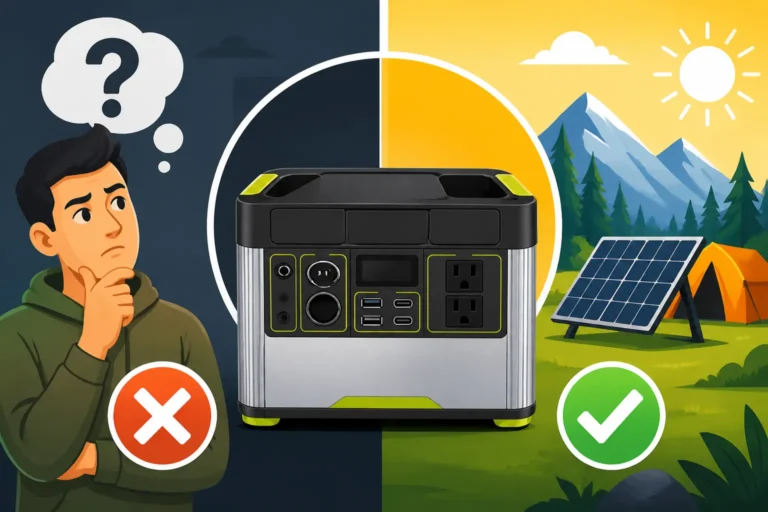
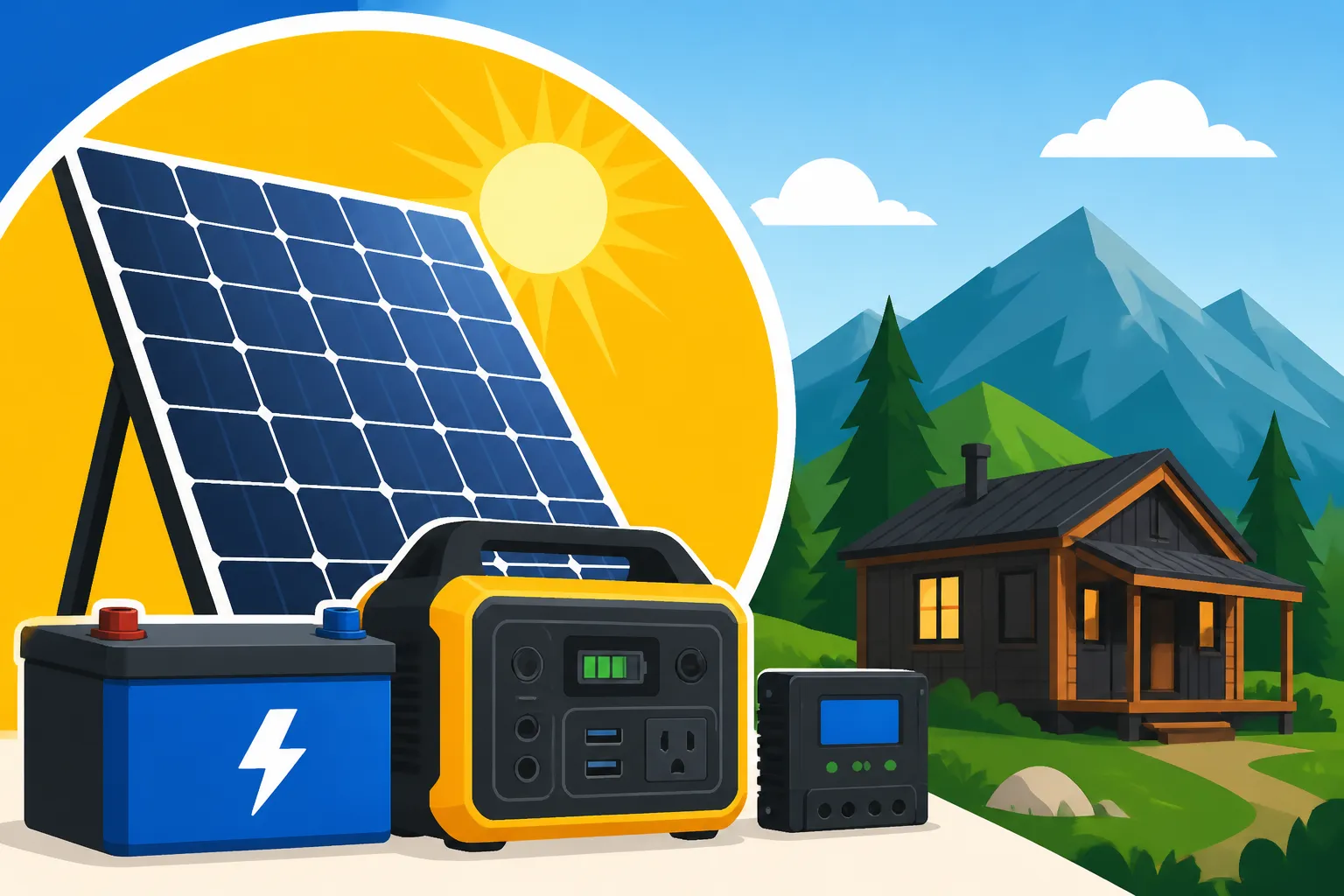
These systems are ideal for running essentials like charging phones, laptops, powering LED lights, a small 12V refrigerator, and perhaps a fan. Brands like Jackery excel in this space, offering integrated power stations that combine an inverter, charge controller, and battery into one convenient unit, which can then be paired with their portable solar panels. This type of setup is perfect for powering a Off-Grid Solar Cost for an RV or a van, allowing users to stay powered up while exploring national parks, boondocking, or simply enjoying the freedom of the open road without being tied to shore power. They are typically quick to deploy and retrieve, making them suitable for temporary setups.
Medium-Sized Kits for Cabins and Tiny Homes
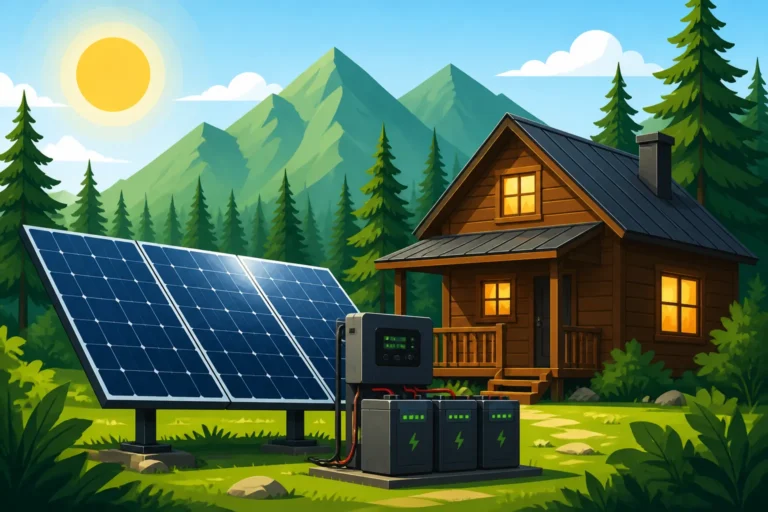
When you're looking for more comfort and a greater degree of energy independence than a portable setup can offer, medium-sized off-grid solar kits come into their own. These are often chosen for seasonal cabins, tiny homes, workshops, or even small accessory dwelling units. They usually feature several rigid solar panels (totaling 800-3000 watts), a dedicated MPPT charge controller, a more substantial battery bank (often 200-600 Ah at 12V or 24V), and a pure sine wave inverter capable of handling appliances like a full-sized refrigerator, microwave, TV, and basic power tools.
The installation of these kits is typically more permanent, involving roof-mounted or ground-mounted panels and a dedicated location for the battery bank and inverter. These systems are designed to provide a comfortable level of power for daily living without having to severely ration electricity. They are robust enough to handle the demands of a small family or a couple living in a Off-Grid Solar Cost for a Cabin or a tiny home, offering a good balance between cost, complexity, and capability. Many of these kits are designed for expandability, allowing you to add more panels or batteries as your needs grow.
Large-Scale Kits for Full Off-Grid Homesteads
For those committed to full-time off-grid living, powering a conventional-sized home or a large homestead, robust large-scale off-grid solar kits are necessary. These are comprehensive systems designed to mimic grid-tied power, often supporting high-demand appliances such as well pumps, washing machines, electric water heaters, and even central air conditioning or mini-splits. Such kits typically include a significant number of solar panels (3000-10,000+ watts), high-capacity MPPT charge controllers, a large 24V or 48V battery bank (often multiple lithium iron phosphate batteries configured in series/parallel for thousands of usable Watt-hours), and a powerful, often split-phase (120V/240V) pure sine wave inverter with high surge capabilities.
These systems are a significant investment and require careful planning and often professional installation due to their complexity and scale. They might include advanced monitoring systems, automatic generator start capabilities, and robust safety features. The goal with these kits is to achieve complete energy self-sufficiency for a multi-person household, ensuring a comfortable lifestyle year-round, regardless of grid availability. They are the ultimate solution for those looking to power a Off-Grid Solar Cost for a Whole House and truly live independently.
Top Considerations When Choosing an Off-Grid Solar Kit
Beyond the technical specifications and sizing, there are practical considerations that play a significant role in your long-term satisfaction with an off-grid solar kit. These factors can influence everything from the ease of installation to the reliability of your system for years to come. Don't overlook these details in your pursuit of energy independence.
Brand Reputation and Customer Support
In the world of off-grid solar, not all brands are created equal. A company's reputation for quality, reliability, and especially customer support, can make or break your experience. Think about it: when you're relying on solar for your daily power, a malfunction can be a huge headache. Knowing that you can reach out to a responsive and knowledgeable support team for troubleshooting or warranty claims is invaluable. Look for brands with established track records and positive reviews from other off-gridders.
Research online forums, community groups, and independent review sites. Do people report good experiences with their products? Are warranties honored? Companies like Renogy, Victron Energy, and MidNite Solar are often cited for their robust products and community support in the DIY space, while portable solutions from Jackery also have a strong following for their user-friendliness and customer service. A cheap kit from an unknown brand might save you a few dollars upfront, but it could cost you significantly more in frustration and replacement parts down the line if something goes wrong and you have no one to turn to.
Expandability and Modularity
As mentioned earlier, your energy needs might change over time. You might start with a small setup for basic needs, but later decide you want to add more appliances or increase your days of autonomy. A good off-grid solar kit should be designed with expandability in mind. This means the components aren't locked into a rigid configuration that prevents future additions.
Look for kits that use standard connectors (like MC4 for solar panels) and can accommodate additional panels or batteries. For example, a charge controller that has a higher input capacity than your current panel array would allow you to simply add more panels later without replacing the controller. Similarly, a battery management system (BMS) in lithium batteries that can manage a larger bank, or an inverter that can be paralleled with a second unit for more power, indicates good modularity. Investing in a system that can grow with you avoids the costly scenario of having to sell off old components and buy an entirely new system just to meet slightly increased demands.
Warranties and Certifications
A strong warranty is a testament to a manufacturer's confidence in their product. Solar panels typically come with performance warranties of 20-25 years, guaranteeing a certain percentage of power output over that time. Inverters and charge controllers might have 5-10 year warranties, while batteries can range from 2-5 years for lead-acid to 10-15 years for quality LiFePO4 options. Always read the fine print of warranties to understand what's covered, for how long, and the process for making a claim.
Beyond warranties, look for relevant certifications. For electrical components, certifications from organizations like UL (Underwriters Laboratories) indicate that the product has met rigorous safety and performance standards. For solar panels, certifications like IEC (International Electrotechnical Commission) confirm they meet international standards for quality and safety. While not always legally required for truly off-grid systems in every location, these certifications provide an extra layer of assurance about the quality and safety of the components in your kit, which is especially important if you're undertaking a DIY installation.
Installation Complexity and DIY Friendliness
Some off-grid solar kits are designed with the novice DIYer in mind, offering clear instructions, pre-wired components, and simplified connections. Others are more complex, requiring a deeper understanding of electrical wiring and safety protocols. Be realistic about your own skill level and comfort with electrical work. A DIY approach can save you significantly on Off-Grid Solar Installation Cost, but only if done correctly and safely.
Smaller kits, especially those based around portable power stations, are often "plug-and-play" with minimal setup. Medium-sized kits might require some basic wiring and mounting. Large, whole-home systems, however, are often best installed by a qualified electrician or solar professional, even if you purchase a kit. Consider whether the kit comes with comprehensive manuals, video tutorials, or dedicated support lines for installation questions. For many people, starting with a beginner-friendly kit and gradually learning the ropes is a great way to gain confidence and expertise. You can also explore DIY Off-Grid Solar Installation Step by Step if you're leaning towards self-installation.
Common Mistakes to Avoid When Buying an Off-Grid Solar Kit
Embarking on the off-grid journey is exciting, but like any significant investment, there are pitfalls to avoid. Many common mistakes arise from a lack of thorough planning or an eagerness to cut corners. Being aware of these traps can save you from costly headaches and ensure your off-grid dreams don't turn into a frustrating power struggle.
Underestimating Your Power Needs
This is perhaps the most frequent and most detrimental mistake aspiring off-gridders make. It's easy to think, "Oh, I won't use that much power," or to simply guess at appliance wattages. However, an undersized system means constant battery anxiety, frequent generator run times (if you have one), and ultimately, a lack of the reliable power you envisioned. Imagine buying a tiny portable generator for a full-sized house during a blackout – you quickly realize it can't handle the load.
To avoid this, re-emphasize the importance of a meticulous load analysis. Don't just list appliances; consider their exact usage patterns and actual power draws. Remember that seemingly small items, when used frequently or for long durations, can add up quickly. A good rule of thumb is to overestimate slightly, especially for your battery bank and inverter, to give yourself a buffer. It's far better to have a little more power than you need than to constantly be short. Revisiting How to Calculate Off-Grid Solar Needs is a great way to prevent this common error.
Overlooking Battery Chemistry Differences
As discussed earlier, battery chemistry has a profound impact on performance, lifespan, and usable capacity. Opting for cheaper lead-acid batteries without understanding their limitations is a common misstep. While the upfront cost is lower, their shorter lifespan, reduced usable capacity (only 50% DoD recommended), and need for maintenance often mean a higher long-term cost of ownership. You might find yourself replacing them much sooner than anticipated or constantly monitoring their charge.
Many first-time buyers jump at the lower price point, only to discover that their lead-acid batteries degrade quickly under deep discharge cycles or that they simply don't have enough usable power for their needs. While initial investment in LiFePO4 might seem steep, their longevity, deep discharge capability, and maintenance-free operation often make them the more economical and practical choice for most serious off-grid applications. Understanding these differences and How Battery Choice Affects Off-Grid Cost is key to making a smart investment.
Skimping on Inverter Quality
The inverter is the bridge between your battery bank's DC power and your home's AC appliances. Choosing a cheap, low-quality inverter, especially a "modified sine wave" one, can lead to serious problems. Modified sine wave inverters are fine for basic resistive loads like heating elements or simple incandescent lights, but they can damage sensitive electronics, reduce the lifespan of motor-driven appliances (like refrigerators and microwaves), and often cause buzzing noises.
Investing in a high-quality pure sine wave inverter, correctly sized for both continuous and surge loads, is paramount. Not only does it protect your valuable appliances, but it also ensures reliable and clean power, making your off-grid experience feel much more like being connected to the grid. A cheap inverter might also have poor efficiency, wasting precious battery power, or fail prematurely, leaving you without AC power. Don't compromise on this critical component; it’s the gateway to running your household comforts.
Installation and Maintenance: What to Expect After Your Purchase
Buying an off-grid solar kit is just the first step. The real journey begins with installation and continues with ongoing maintenance. Understanding what these stages entail will help you prepare adequately and ensure your system performs optimally for years to come.
DIY vs. Professional Installation Considerations
Deciding whether to install your off-grid solar kit yourself or hire a professional is a significant choice with cost and safety implications. Smaller, portable kits are almost always designed for DIY installation, usually involving simple plug-and-play connections. These are excellent ways to get your feet wet in the world of solar. As kits get larger and more complex, the decision becomes more challenging. A medium-sized cabin kit, for instance, might be doable for a handy individual with a good understanding of electrical principles and a commitment to following safety protocols. There are many fantastic resources online, including detailed guides and community support, for those tackling a DIY approach.
However, for large, whole-home systems, the complexity of wiring, sizing, grounding, and ensuring compliance with local codes (even if off-grid, some jurisdictions have safety requirements) can be overwhelming and potentially dangerous for an inexperienced individual. Working with high DC voltages from large battery banks and AC power from inverters carries significant risks. If you're unsure, or if your local regulations require it, investing in professional installation by a qualified electrician or solar installer is money well spent for peace of mind and safety. Our guide on DIY vs Professional Off-Grid Solar Cost can help you weigh your options.
Basic Maintenance for Longevity
One of the great appeals of solar power is its relatively low maintenance, but "low" doesn't mean "no." Regular, basic maintenance will significantly extend the life and efficiency of your off-grid solar kit. For solar panels, the primary task is to keep them clean. Dust, pollen, bird droppings, and leaves can accumulate on the surface, reducing their ability to capture sunlight. A simple rinse with water or a soft brush can often do the trick. In snowy regions, you'll need to clear snow off the panels to ensure generation.
For batteries, maintenance depends on the chemistry. LiFePO4 batteries are largely maintenance-free, but it’s still good practice to periodically check their connections for tightness. Lead-acid batteries require more attention: regularly checking electrolyte levels and topping up with distilled water, cleaning terminals to prevent corrosion, and ensuring they are properly ventilated. For all components, it’s wise to periodically inspect wiring for fraying or damage, ensure connections are secure, and listen for any unusual sounds from your inverter or charge controller. Consistent care ensures you get the most out of your investment and keeps your system running smoothly. Checking Off-Grid Solar Maintenance Costs can give you an idea of the long-term commitment.
Understanding System Monitoring
Modern off-grid solar kits, especially the more advanced ones, often come with integrated monitoring systems. These can range from simple LED indicators on charge controllers to sophisticated apps that provide real-time data on your smartphone or computer. This data includes how much power your panels are generating, the current state of charge of your battery bank, how much power you are consuming, and even historical performance trends.
Learning to interpret this information is incredibly empowering. It allows you to understand your system's capabilities, identify potential issues early (like reduced panel output due to shading or a degrading battery), and adjust your power consumption habits to maximize efficiency. For example, if you notice your batteries are consistently low despite sunny days, your monitoring system might indicate that your panel array is undersized, or that you're consuming more power than you realize. Some systems even allow for remote monitoring, letting you check on your cabin's power status from miles away. Embracing these monitoring tools is key to becoming a truly self-sufficient and informed off-grid power user.
Disclaimer
The information provided in this guide is for general informational and educational purposes only and is not intended as professional advice. Off-grid solar system design and installation involve electrical work that can be dangerous if not performed correctly. Always consult with qualified professionals and adhere to all local electrical codes and regulations. Performance and costs can vary based on location, usage, equipment choices, and other factors.