How to Maintain Off-Grid Solar Panels
One of the most commonly overlooked aspects of maintaining a healthy and reliable off-grid lifestyle is the regular upkeep of your solar panels. Without consistent care, dust, pollen, bird droppings, and environmental debris can drastically reduce your system's efficiency, leaving you short on power when you need it most. This comprehensive guide will walk you through everything you need to know about how to maintain off-grid solar panels, ensuring they deliver consistent, reliable energy for years to come.
Understanding Why Panel Maintenance is Critical for Off-Grid Success
When you're relying entirely on your own power generation, every single watt counts. Unlike grid-tied systems where a slight dip in efficiency might go unnoticed, an off-grid setup demands peak performance to keep your lights on, your fridge running, and your essential appliances powered. Neglecting your solar panels isn't just about losing a bit of power; it's about potentially jeopardizing your energy independence and the comfort of your home, cabin, or RV.
Protecting Your Investment
Let's be real, putting together an off-grid solar system is a significant financial investment. From the panels themselves to the inverters and batteries, you've put in time, effort, and money to achieve energy independence. Just like you'd maintain your vehicle or your home, your solar panels need attention to protect that investment. Regular maintenance helps prevent minor issues from escalating into costly repairs or premature replacements, which can really eat into your budget. Think of it as preventative medicine for your power source; a little care now saves a lot of headaches and dollars down the road. It ensures that the substantial initial cost you paid for your system provides a return throughout its expected lifespan.
Maximizing Energy Production
This is perhaps the most immediate and tangible benefit of keeping your panels clean and inspected. A layer of dust, even if it seems thin, can significantly reduce the amount of sunlight reaching your photovoltaic cells. We're talking about reductions that can range from 5% to as much as 20% or even 30% in dusty, arid environments. For an off-grid home, that lost percentage isn't just a number on a bill; it could mean the difference between fully charging your batteries for a cloudy day and running low on power. Imagine trying to run a well pump or an air conditioner with 20% less power coming in – it's a recipe for frustration. Maximizing energy production is paramount for off-grid living, especially when you consider factors like How to Account for Cloudy Days or the varied energy demands of your home.
Extending System Lifespan
Beyond just daily efficiency, proper maintenance plays a huge role in the long-term health of your entire off-grid solar system. Panels are robust, but they aren't indestructible. Accumulated dirt can lead to "hot spots," where certain cells heat up more than others due to uneven shading, potentially causing irreversible damage over time. Regular cleaning and inspection can catch these issues early, preventing premature degradation of the panels themselves. Furthermore, keeping an eye on the physical integrity of the panels, their mounting hardware, and wiring can prevent weather-related damage or wear and tear from becoming critical failures. This attention to detail can help ensure your system lasts for its full projected lifespan, often 25 years or more, making your initial Is Off-Grid Solar Worth the Cost decision even more valuable over the decades.
Step-by-Step Guide to Cleaning Your Off-Grid Solar Panels
Cleaning solar panels might sound intimidating, but it's a fairly straightforward task that most off-grid homeowners can handle themselves. The key is to be gentle, use the right materials, and prioritize safety. Remember, these aren't just windows; they're delicate electrical components designed to harness sunlight.
When and How Often to Clean
The frequency of cleaning largely depends on your specific environment. If you live in a dusty area, near agricultural fields, or in a region with frequent pollen, you might need to clean your panels monthly or even more often during peak seasons. Coastal areas can experience salt spray buildup, requiring regular rinsing. In contrast, those in suburban or rural areas with regular rainfall might find that cleaning every few months or even twice a year is sufficient. A good rule of thumb is to visually inspect your panels weekly. If they look noticeably dirty or if you observe a drop in your energy production that can't be attributed to weather, it's time for a cleaning. Always aim to clean them during cooler parts of the day, such as early morning or late evening, to avoid thermal shock to the glass and ensure cleaning solutions don't dry too quickly, leaving streaks.
The Right Tools and Techniques
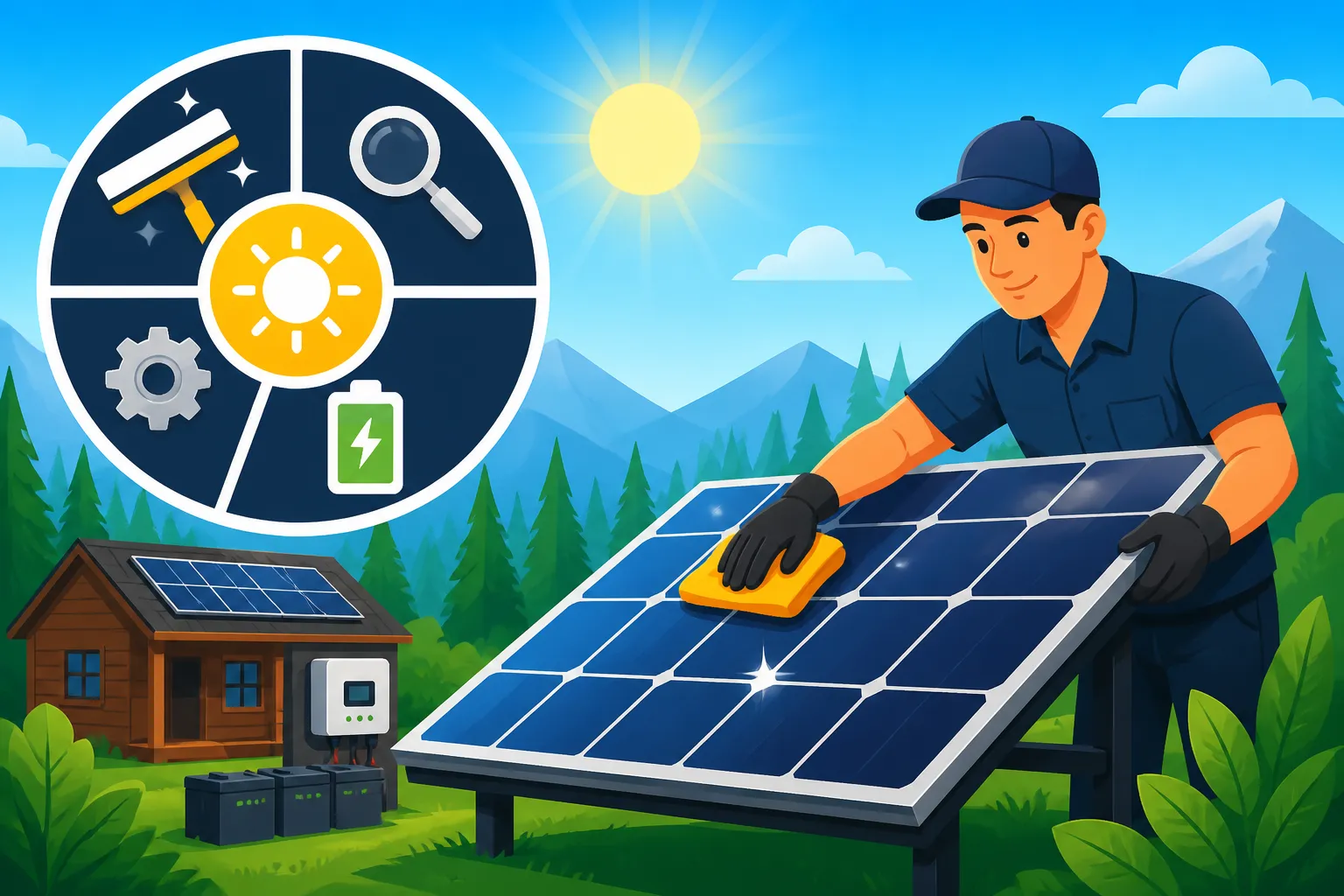
You don't need fancy equipment, but quality tools make a difference. Start with a soft brush, a squeegee, and a bucket of clean, deionized or filtered water. Hard water can leave mineral deposits, so avoiding tap water if yours is particularly hard is a good idea. Some folks even use a very mild, biodegradable soap, but often, just water and a good brush are enough. For panels that are easily accessible, a soft-bristled brush attached to a telescopic pole (many are available on Amazon) works wonders for dislodging loose dirt. Follow up with a squeegee for a streak-free finish. For panels on a roof, always use appropriate safety gear, including a harness if necessary, and ensure you have stable footing. Never spray panels with high-pressure washers, as this can damage seals or even the cells themselves. Gentle, steady streams are best.
Dealing with Stubborn Grime and Debris
Sometimes, a simple rinse won't cut it. Bird droppings, tree sap, and baked-on dust can be notoriously stubborn. For these, a bit more elbow grease and perhaps a specialized solar panel cleaning solution might be needed. Many manufacturers, including those producing popular equipment like Renogy, also offer or recommend specific cleaning products that are safe for their panels. Apply the solution directly to the stubborn spot, let it sit for a minute or two to break down the grime, and then gently scrub with your soft brush. Rinse thoroughly afterward to ensure no residue remains. Always avoid abrasive sponges, harsh chemical cleaners, or anything that could scratch the tempered glass surface of the panels. If you're dealing with extensive mold or lichen growth, a diluted vinegar solution can often help, but always test a small, inconspicuous area first.
Routine Inspections and Troubleshooting for Optimal Performance
Beyond just cleaning, a critical part of maintaining your off-grid solar panels involves regular, thorough inspections. These checks help you catch potential problems before they become severe, ensuring your system continues to hum along efficiently.
Visual Checks for Damage and Wear
Your eyes are your first line of defense. When you're cleaning your panels, take a few extra minutes to really look them over. Are there any cracks or chips in the glass, perhaps from hail or falling debris? Are the frames bent or corroded? Check the mounting hardware – are all bolts tight? Are there any signs of rust on the racks? Look underneath the panels too, if possible. Are there any loose wires? Is the conduit (the protective tubing for your cables) intact? Critters, like squirrels or mice, are notorious for gnawing on electrical wires, so look for any signs of animal activity. A quick visual inspection can reveal a loose connection, a damaged cable, or a potential shading issue that could be impacting your power output. Pay close attention to these small details; they often indicate bigger problems on the horizon.
Monitoring Performance and Efficiency
This is where your off-grid monitoring system truly shines. Most modern off-grid setups include a battery monitor, charge controller display, or even an app that tracks your solar production in real-time. Make it a habit to check these metrics daily or weekly. Is your panel array producing the expected wattage for the given weather conditions and time of day? If you notice a significant, consistent drop in production compared to historical data for similar conditions, it's a red flag. This could indicate dirty panels, a failing component, or a new shading issue. Understanding How to Calculate Daily Energy Usage and comparing it against your production will give you a clear picture of your system's health. Documenting your readings can help you spot trends and diagnose problems much faster. Many higher-end charge controllers and inverters, like those from Victron Energy, offer robust data logging and remote monitoring capabilities that are invaluable for understanding system performance.
Addressing Common Issues Like Shading and Hot Spots
Shading is the silent killer of solar efficiency. Even a small shadow from a new tree branch, a chimney, or a satellite dish can significantly reduce the output of an entire string of panels, especially with older technology. During your inspections, look for any new sources of shade throughout the day, as the sun moves across the sky. Sometimes a quick trim of a tree branch is all it takes to restore full power. Hot spots, as mentioned earlier, can occur due to prolonged partial shading or manufacturing defects. They appear as discolored or burned-looking areas on the panel and indicate localized overheating. While you might not spot them with the naked eye initially, consistently low performance from a specific panel or an entire string could be a clue. Thermal cameras can reveal hot spots, but for most DIYers, regular visual checks and performance monitoring are your best tools. Early detection of shading and prompt removal of obstructions can save you a lot of grief and ensure you're getting the most out of your Best Off-Grid Solar Panels.
Protecting Your Panels: Beyond Basic Cleaning
Maintaining your off-grid solar panels isn't just about cleaning the surface; it involves a deeper look at the surrounding environment and the integrity of the electrical connections. These preventative measures are crucial for long-term reliability.
Wiring and Connection Integrity
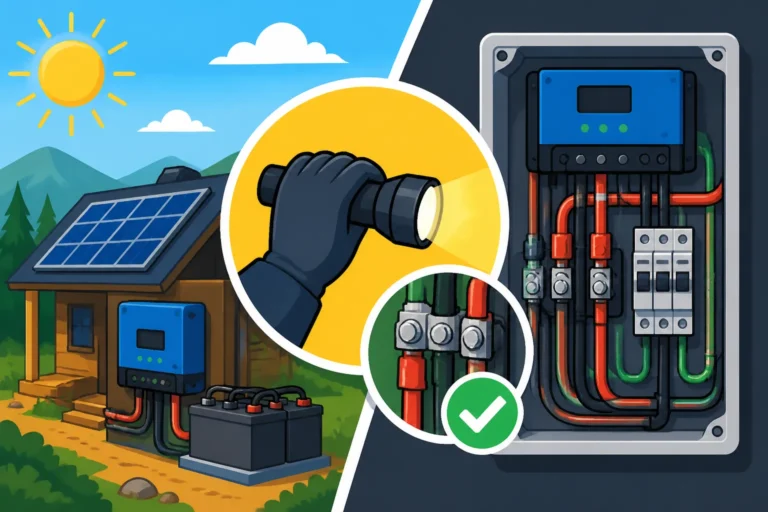
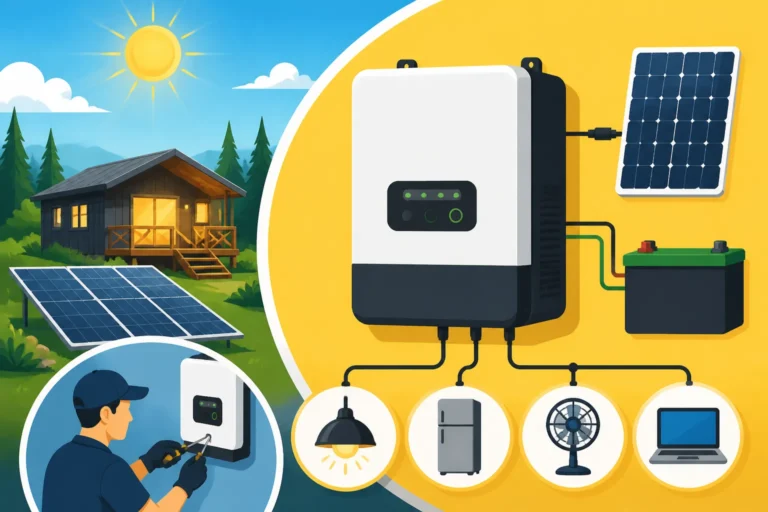
The wiring connecting your panels to your charge controller and then to your battery bank is the circulatory system of your solar power. Loose connections can lead to resistance, which means wasted energy in the form of heat, and can even pose a fire risk. Periodically, (perhaps once a year or during a deep dive into Off-Grid Solar Wiring Diagram Explained) inspect all visible wiring. Ensure all connections, especially those at the back of the panels (MC4 connectors), are tight and free of corrosion. Look for cracked insulation, fraying, or any signs of rodents chewing through cables. Use zip ties or cable clips to secure loose wires, preventing them from flapping in the wind or rubbing against sharp edges, which can lead to chafing and shorts. If you installed your system yourself, you already know the importance of robust wiring, as detailed in guides like How to Size Wire and Cables. Ensure any exposed connections are weatherproofed and protected from UV degradation.
Pest Control and Vegetation Management
Nature is beautiful, but it can be a nuisance for solar panels. Birds love to nest under panels, creating nests that can block airflow, collect debris, and introduce fire hazards if dry materials build up. Squirrels and other rodents can chew through wiring, causing system failures. Consider installing critter guards around the perimeter of your panel array, especially if you're experiencing pest issues. These mesh barriers prevent animals from accessing the underside of the panels while still allowing for proper ventilation. Additionally, keep an eye on vegetation growth. Trees, shrubs, or even tall weeds growing near your panels can cast shadows, especially during winter months when the sun is lower in the sky. Regularly trim back any vegetation that could potentially shade your panels, referring to guides on How to Design Around Shading to optimize placement.
Knowing When to Call a Professional
While much of off-grid solar panel maintenance is DIY-friendly, there are times when it's smart to bring in a professional. If you suspect internal panel damage, have complex wiring issues beyond your comfort level, or if your system's performance consistently drops despite your best maintenance efforts, don't hesitate to seek expert help. Professionals have specialized tools, like thermal imaging cameras to detect invisible hot spots or advanced electrical testers to diagnose subtle faults. They can also assist with high-risk tasks like roof access if you're uncomfortable or lack the proper safety equipment. For commercial-grade or large residential off-grid systems, an annual professional inspection can be a wise investment, catching issues that might otherwise go unnoticed and contributing to the overall Lifetime Cost of an Off-Grid Solar System. It's about recognizing your limits and ensuring the safety and longevity of your valuable power source.
Here’s a handy checklist to keep your panels in top shape:
| Maintenance Task | Frequency | What to Look For | Tools Needed | Notes |
|---|---|---|---|---|
| Visual Inspection | Weekly/Monthly | Dirt, debris, cracks, frame damage, loose mounts, shading | Your eyes, binoculars (for high panels) | Check for new shadows from trees/structures |
| Surface Cleaning | Monthly to Quarterly | Dust, pollen, bird droppings, grime | Soft brush (telescopic pole), squeegee, water | Clean on cool days. Use deionized water if possible. |
| Wiring & Connections Check | Annually/Bi-Annually | Loose cables, corrosion, chewed insulation, intact conduit | Pliers, multi-meter, dielectric grease | Ensure all MC4 connectors are tight and protected. |
| Shading Analysis | Seasonally | New vegetation growth, obstructions | Pruning shears, small saw | Trim trees/bushes; consider critter guards. |
| Performance Monitoring | Daily/Weekly | Unexpected drops in power output, inconsistent charging | System monitor (charge controller, inverter display, app) | Compare actual output to expected output for conditions. |
| Professional Inspection | Every 3-5 years (or as needed) | Hidden damage, complex electrical issues, system optimization | Professional tools & expertise | Essential for complex systems or persistent issues. |
Disclaimer
The information provided in this guide is for general informational purposes only and does not constitute professional advice. Off-grid solar system installation and maintenance can involve electrical hazards. Always exercise caution, follow manufacturer instructions, and consult with a qualified electrician or solar professional for specific guidance or if you are unsure about any steps. Safety should always be your top priority.