When to Hire an Electrician for Off-Grid Solar
The dream of harnessing the sun's power for off-grid living is incredibly appealing, but the reality of actually setting up a solar system can feel daunting, especially when you start thinking about all that wiring and the word "electricity." Many folks wonder if they can tackle the entire off-grid solar installation themselves or if it's truly necessary to call in a professional electrician. This guide is here to help you navigate that often-confusing decision, breaking down exactly when a qualified electrician is not just a good idea, but an absolute must for your off-grid solar journey.
Understanding Your Off-Grid Solar Project Scope
Before you even pick up a wrench or start pricing panels, it's vital to have a clear understanding of your off-grid solar project's scope. Not all solar setups are created equal, and what might be a simple DIY job for a weekend warrior could be a complex, potentially dangerous undertaking for someone trying to power an entire homestead. Sizing up your project honestly will be the first step in deciding whether you need professional help or if you can roll up your sleeves and do it yourself.
Small, Simple Systems for Beginners
When we talk about small, simple systems, we're often looking at setups designed to power just a few essential DC loads, or perhaps a small AC load through a modest inverter. Think of a tiny shed with some lights, a charging station for phones, or a small RV setup primarily for basic electronics. These systems typically operate at 12V DC, involve a few solar panels (maybe 100W to 400W), a small battery, and a charge controller. The wiring is usually straightforward, connecting positive to positive and negative to negative, often with pre-made cables and connectors like MC4s for the solar panels.
For projects of this scale, many off-gridders successfully complete the installation themselves. Companies like Renogy offer excellent pre-wired kits designed for easy installation, often with step-by-step guides that minimize the guesswork. The components are usually low voltage, meaning the risk of severe electrical shock is significantly reduced, though caution is always advised. If you're building something small, checking out resources like our guide on DIY Off-Grid Solar Installation Step by Step could give you the confidence to proceed. However, even with these smaller systems, if you feel overwhelmed by wiring diagrams or safety precautions, there's absolutely no shame in seeking expert advice for reassurance.
Medium to Large Residential Systems
Now, if you're planning to power a cabin, a tiny home, or even a full-sized house entirely off the grid, your project moves into a completely different league. These systems are designed to handle significant energy demands, often involving multiple appliances like refrigerators, well pumps, water heaters, and even air conditioning. You're typically looking at larger solar arrays (think multiple kilowatts), substantial battery banks (24V or 48V systems are common), and powerful inverters that convert DC battery power into usable AC household current. The complexity ramps up considerably here.
Wiring for a medium to large system isn't just about connecting a few components; it involves carefully calculating wire gauges, understanding voltage drop, implementing proper fusing and circuit breakers, and integrating with an AC distribution panel that resembles a standard household electrical box. This is where things can get truly tricky, and where improper installation can lead to serious hazards, from appliance damage to house fires. Many people tackling these projects choose to handle the panel mounting and battery placement themselves, but bring in an electrician for the critical wiring connections, especially between the inverter and the main load center. This hybrid approach allows you to save on some labor costs while ensuring the most critical electrical work is done safely and correctly. For more on this, consider reading How to Install an Off-Grid Solar System.
Complex Integrated Systems
Beyond just providing power, some off-grid solar setups become intricate energy management systems. This could include integrating a backup generator with an automatic transfer switch, connecting to multiple charging sources (like wind turbines or hydro), or setting up advanced monitoring and control systems that optimize energy usage and battery health. These systems often require specialized equipment, programming, and a deep understanding of electrical flow and safety protocols.
For example, connecting a generator to your inverter/charger with an automatic transfer switch means ensuring seamless power transitions without backfeeding the grid (even if you're off-grid, proper isolation is crucial) or creating dangerous shorts. This kind of work is typically beyond the scope of even an experienced DIYer unless they have a strong electrical background. The components themselves, like those offered by Victron Energy or Sol-Ark, are robust but demand precise installation and configuration. When your system starts to incorporate multiple power sources, sophisticated load management, or advanced safety features, the expertise of a licensed electrician who specializes in renewable energy systems becomes almost indispensable. They can ensure all components work harmoniously, safely, and efficiently, preventing costly damage or, more importantly, dangerous situations.
When DIY is a Feasible Option for Off-Grid Solar
While the idea of going completely off-grid might sound intimidating from an electrical standpoint, there are certainly many aspects and types of systems where a dedicated DIY enthusiast can shine. The key is to be realistic about your skills, the complexity of the task, and the potential risks involved. For smaller, less complex projects, tackling the installation yourself can be a deeply rewarding and cost-effective endeavor.
Portable and Small-Scale Setups
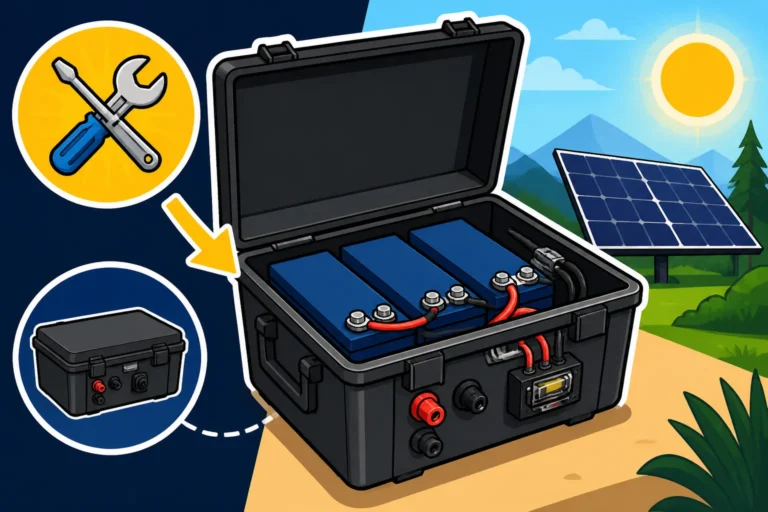
For many people, off-grid solar isn't about powering a house, but rather enabling adventures or specific smaller applications. Think about powering a camper van for a road trip, a small sailboat, or even just a backyard shed for tools and lighting. These portable or small-scale setups are often designed with DIY in mind. They typically involve a few solar panels mounted on a roof or frame, a relatively small battery bank (often 12V), and a basic charge controller. The loads are usually limited to low-power DC appliances like LED lights, phone chargers, and perhaps a small 12V refrigerator.
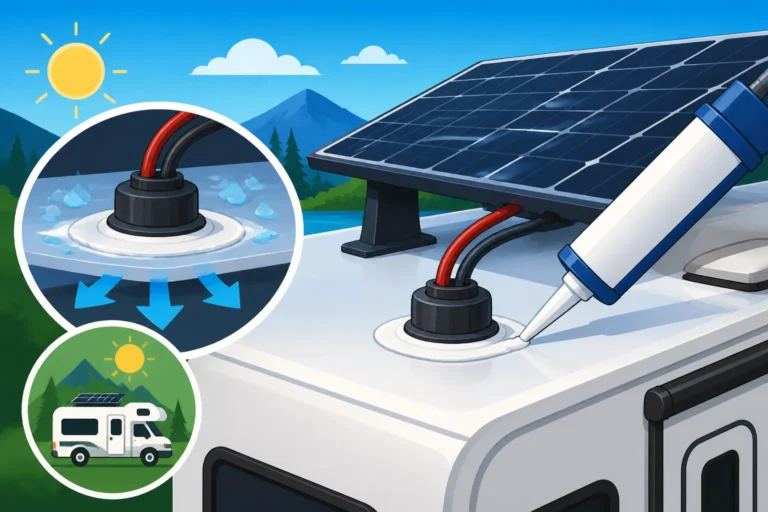
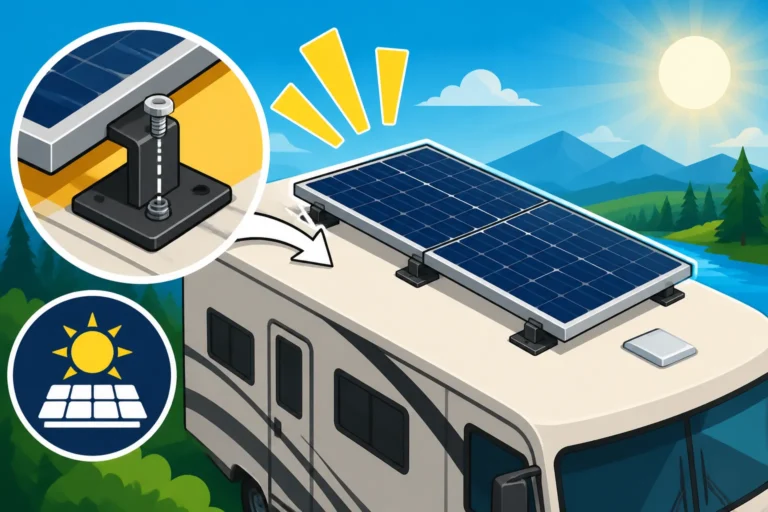
These types of systems commonly utilize simple wiring harnesses with plug-and-play connectors, reducing the need for complex electrical knowledge. Many components, from solar panels to charge controllers, are readily available on platforms like Amazon and come with clear instructions. If you're comfortable reading manuals, following diagrams, and using basic hand tools, you can usually manage these installations. For instance, putting together a simple system for an RV might involve mounting flexible solar panels and connecting them to a charge controller and a lithium battery, a task many RVers successfully complete on their own. Our guide on How to Install Off-Grid Solar on an RV can offer practical steps for this.
Pre-Packaged Kits with Clear Instructions
The market for off-grid solar has grown tremendously, and with that, so has the availability of comprehensive, pre-packaged kits. These kits are often designed specifically for DIY installation, including all the major components – panels, charge controller, inverter, and sometimes even batteries – along with detailed wiring diagrams and step-by-step guides. Brands like Renogy and BougeRV have become popular choices for these types of all-in-one solutions, making off-grid power more accessible to the average person.
The beauty of these kits is that they take much of the guesswork out of system design and component compatibility. The manufacturer has already done the heavy lifting of matching components and often provides clear, color-coded wiring. This significantly lowers the barrier to entry for someone with limited electrical experience but a strong desire to learn and build. You'll still need to be diligent about safety, double-checking all connections, and ensuring proper fuse and breaker installation, but the inherent simplicity of a well-designed kit makes DIY a very viable path. Always remember to read the manual thoroughly, even if you think you know what you're doing.
Systems with Low Voltage and Simple Wiring
Generally speaking, the lower the voltage and the simpler the wiring, the more suitable a system is for DIY installation. Most small off-grid systems for vehicles or cabins operate on a 12V or 24V DC system, where the current is high but the voltage is relatively low compared to household AC. This means the risk of a severe electrical shock is lower, though never zero. Simple wiring often means direct connections between components without complex branching or integration into existing electrical panels.
For example, setting up a standalone solar generator like an EcoFlow or Bluetti unit with a few portable solar panels is about as simple as it gets. You plug the panels directly into the generator, and you're good to go. Even building a more traditional system with separate components at 12V, if it's feeding a dedicated DC load center with only a few circuits, can be manageable. The key is that you understand the basic principles of series and parallel wiring for panels and batteries, and you are meticulous about safety measures like proper wire sizing, fusing, and battery terminal protection. If your setup avoids connecting to an existing AC breaker panel and stays within low-voltage DC circuits, you're generally in a good position to handle the wiring yourself. When considering How to Wire an Off-Grid Solar System, always prioritize safety first.
Crucial Scenarios Where Professional Expertise is Non-Negotiable
While the DIY spirit is admirable, there are certain critical junctures in an off-grid solar project where attempting to save money by doing it yourself can be incredibly dangerous, illegal, or both. These aren't areas where you want to guess or learn on the fly. When these scenarios arise, calling in a qualified, licensed electrician isn't just a suggestion; it's an absolute necessity for safety, compliance, and peace of mind.
High Voltage AC Wiring and Main Panel Integration
This is arguably the most critical area where professional help is paramount. If your off-grid solar system is designed to power an entire house or cabin, it will almost certainly involve a large inverter converting battery power (DC) into 120V or 240V AC household current. This AC power then needs to be safely routed through an electrical panel (a breaker box) to distribute electricity to all your appliances and outlets. Working with high voltage AC is inherently dangerous. A single mistake can lead to severe electrical shock, fire, or irreparable damage to expensive equipment.
Licensed electricians have the specialized knowledge, tools, and training to safely install and connect these high-voltage circuits. They understand proper grounding techniques, circuit protection, load balancing, and how to correctly integrate the inverter's output into your home's AC distribution system. They know the difference between neutral, hot, and ground wires and why it's critical to connect them correctly. Even if you consider yourself handy, messing with your main electrical panel or high-voltage lines is a risk not worth taking. This is especially true if you plan to incorporate a generator with an automatic transfer switch, as those connections must be meticulously installed to prevent dangerous backfeeding or system faults. Our article on Off-Grid Solar Wiring Best Practices provides more insights into this complexity.
Permitting, Inspections, and Code Compliance
It might seem counterintuitive for an "off-grid" system, but many jurisdictions still require permits and inspections for solar installations, especially those intended for permanent dwellings. These regulations are in place to ensure that electrical systems are installed safely and meet the minimum standards set by the National Electrical Code (NEC) or local building codes. Attempting to bypass these requirements can lead to serious legal issues, fines, and potentially having to tear out and re-do work.
A licensed electrician is intimately familiar with these codes and the permitting process in your area. They can design and install a system that meets all regulatory requirements, ensuring that your installation will pass inspection. They know the specific wire types, conduit requirements, disconnect switch placements, and grounding methods mandated by code. For instance, specific types of overcurrent protection devices and arc fault circuit interrupters (AFCIs) might be required that you wouldn't know to install. Navigating the paperwork and technical specifications for permits can be a headache, and an electrician can streamline this process significantly, saving you time and potential frustration. If you're wondering, "Do You Need a Permit for Off-Grid Solar,"? the answer is often yes, and an electrician can guide you through it.
Troubleshooting Complex System Malfunctions
Even with the best planning and installation, complex off-grid solar systems can sometimes develop issues. These might range from intermittent power loss, reduced charging, or component failures. While simple troubleshooting (like checking loose connections) can often be done by the owner, diagnosing and repairing complex malfunctions requires a deep understanding of electrical circuits, fault isolation, and component interaction.
An electrician brings diagnostic tools and expertise to pinpoint problems that might be hidden or difficult to identify. They can test voltage, current, and resistance across various points in your system, identify faulty components, and safely replace them. For example, if your charge controller isn't communicating properly with your battery management system (BMS) in a lithium battery bank, an electrician with solar experience can often diagnose this communication issue quickly. They can differentiate between a battery problem, an inverter fault, or a wiring issue, which can be incredibly challenging for a non-expert. Trying to troubleshoot complex electrical problems yourself can be frustrating, time-consuming, and potentially dangerous, especially if you're dealing with live circuits.
Specific Components and Tasks Requiring an Electrician's Touch
When you're dealing with the core components that manage and deliver power throughout your off-grid setup, there are definite points where an electrician's specialized knowledge goes from "nice to have" to "absolutely essential." These components are the heart of your system, and their correct installation is critical for both performance and safety.
Inverter Installation and AC Distribution
The inverter is the workhorse that converts the DC power stored in your batteries into the AC power that runs most household appliances. For anything beyond a small, plug-and-play solar generator, the inverter installation process is complex. It involves not only connecting the inverter safely to your battery bank but, more importantly, integrating its AC output into your home's electrical distribution panel. This is where standard household wiring, circuit breakers, and load balancing come into play.
An electrician will ensure that the inverter is sized correctly for your anticipated AC loads, properly grounded, and connected to your main or sub-panel using the appropriate gauge wires and conduit. They understand the intricacies of setting up a split-phase 120/240V AC system if needed and can ensure that your home's circuits are safely distributed to prevent overloads. Incorrect wiring here can lead to circuit breaker trips, appliance damage, or even catastrophic electrical fires. They will also properly install the AC disconnects required by code, ensuring that the system can be safely shut down for maintenance or emergencies. Think of it this way: your inverter is like the power plant, and the electrician is building the entire city grid within your home to distribute that power. Without their expertise, that power grid could be a serious hazard. Our guide, "How to Connect an Inverter to Batteries," covers one part, but the AC side is where the real complexity lies.
Battery Bank Wiring for High Power Loads
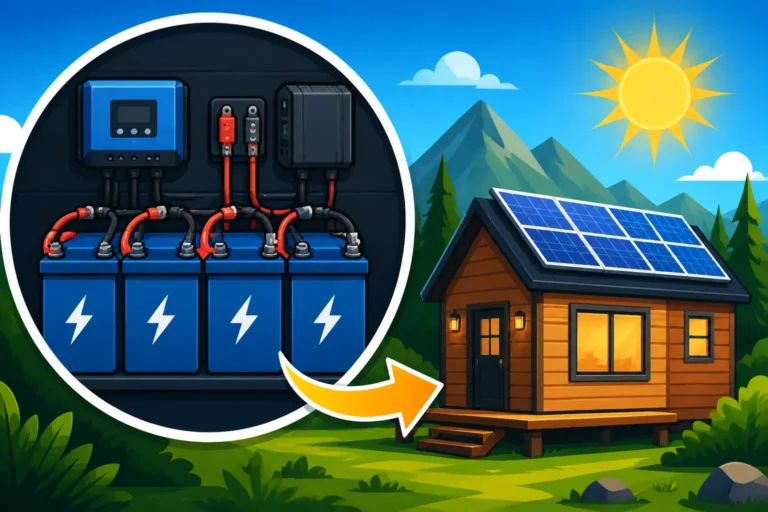
While wiring a single 12V battery might seem simple, installing a large, high-voltage battery bank for a full off-grid system is a different beast entirely. We're talking about multiple batteries wired in series and/or parallel to achieve the desired voltage (e.g., 24V or 48V) and capacity. These battery banks can store a tremendous amount of energy, and a short circuit can release this energy almost instantly, leading to explosions, fires, and severe burns.
An electrician will know the correct wire gauges for the high currents involved in battery connections, proper fusing and overcurrent protection at each battery and for the entire bank, and how to ensure the bank is balanced for longevity and performance. They're also skilled in handling the heavy, rigid battery cables and making secure, low-resistance connections to busbars or directly to the inverter. They will also understand crucial aspects like proper ventilation for certain battery types (like flooded lead-acid) and the safe enclosure requirements for all battery chemistries. This attention to detail is critical for preventing thermal runaway in lithium batteries or hydrogen gas buildup in lead-acid batteries. Trying to wire a substantial battery bank yourself without solid electrical knowledge is incredibly risky. Consider exploring How to Wire a Battery Bank to understand the complexities involved.
Grounding and Surge Protection Systems
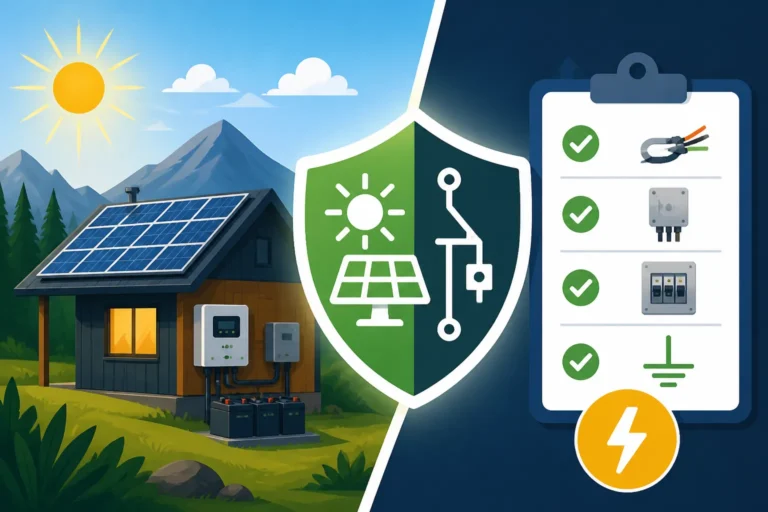
Proper grounding is one of the most misunderstood and underestimated aspects of any electrical system, especially off-grid solar. It's not just about preventing shocks; it's about providing a safe path for fault currents, protecting equipment from lightning strikes, and ensuring the stable operation of sensitive electronics. An improperly grounded system is a severe safety hazard and can also leave your expensive solar components vulnerable to damage.
An electrician will know how to establish a robust grounding electrode system for your off-grid setup, connecting all metallic components (solar panel frames, mounting racks, inverter chassis, battery enclosures) to a common ground point. They'll also install surge protection devices (SPDs) at appropriate points in the system to divert dangerous voltage spikes caused by lightning or grid fluctuations (even off-grid systems can experience induced surges from nearby strikes). They understand the specific requirements of the National Electrical Code regarding grounding and bonding for solar photovoltaic (PV) systems, ensuring that your system is not only safe but compliant. Trying to figure out the intricacies of grounding rods, bonding conductors, and equipment grounding yourself can lead to a system that looks functional but is a hidden danger.
The Risks of Over-Confident DIY and Why Safety Comes First
The allure of saving money and the satisfaction of building something yourself can sometimes override common sense, especially when it comes to electrical work. However, with off-grid solar, the potential downsides of an improperly executed DIY job are severe. It's not just about losing power; it's about risking your property, your financial investment, and, most importantly, your life.
Electrical Shock and Fire Hazards
Let's not mince words: electricity is dangerous, and high-voltage electricity can be lethal. While 12V DC systems are relatively forgiving, combining multiple solar panels in series can quickly lead to dangerous DC voltages (e.g., 60V, 100V, or even higher from a large array). When this DC power is converted to 120V or 240V AC by an inverter, you're dealing with the same voltage levels found in grid-tied homes. Contact with live wires at these voltages can cause severe burns, cardiac arrest, or even death.
Beyond immediate shock, incorrect wiring is a leading cause of electrical fires. Undersized wires can overheat, especially when carrying high currents from batteries to an inverter. Loose connections create resistance, which generates heat and can ignite nearby combustible materials. Missing or improperly sized fuses and circuit breakers mean that in the event of a short circuit or overload, there's no protection, allowing wires to melt, batteries to explode, or components to catch fire. A professional electrician prioritizes safety above all else, ensuring every connection is secure, every wire is correctly sized, and every circuit is adequately protected, dramatically reducing these terrifying risks. This is why understanding Off-Grid Solar Safety and Grounding is so important.
System Damage and Voided Warranties
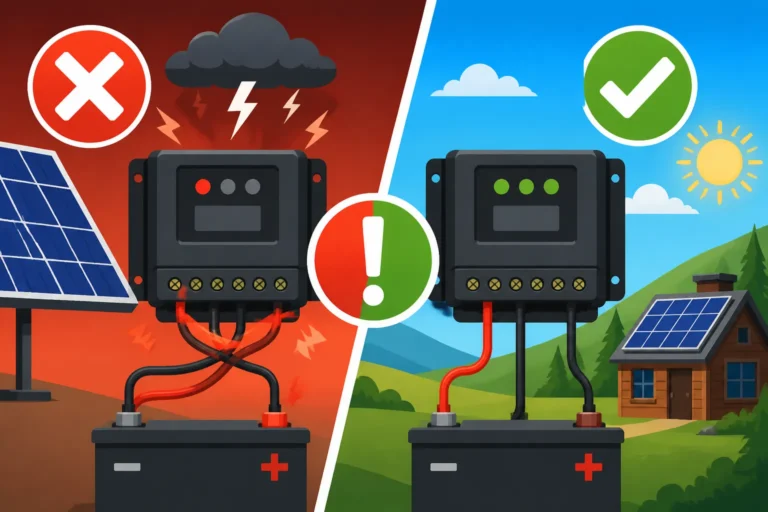
Off-grid solar components are a significant investment. Panels, inverters, and especially batteries can cost thousands of dollars. An error during installation, such as reverse polarity on a battery connection, connecting an inverter to an incorrectly sized battery bank, or incorrect voltage wiring for solar panels, can instantly fry expensive equipment. Imagine spending $5,000 on a high-quality inverter only to damage it during installation because of a wiring mistake. That's a huge financial hit.
Furthermore, most manufacturers' warranties explicitly state that improper installation voids the warranty. If you install an inverter or charge controller yourself, and it later fails due to what the manufacturer determines was an installation error (e.g., incorrect voltage input, inadequate ventilation, or an unapproved wiring method), you'll be on the hook for the full replacement cost. An electrician, especially one certified in solar installations, provides peace of mind that the equipment is installed according to manufacturer specifications, preserving your warranty and protecting your investment. They know the nuances of different brands, whether it's a Victron MultiPlus inverter or a Renogy charge controller, ensuring optimal performance and longevity.
The Cost of Fixing Mistakes Later
While the initial motivation for DIY is often to save money, a poorly executed off-grid solar installation can end up costing you far more in the long run. The phrase "penny wise, pound foolish" truly applies here. If you make a mistake that damages equipment, you're paying for new components. If you create a fire hazard, you're looking at property damage and potentially devastating losses. Even less catastrophic errors, like consistent nuisance tripping of breakers or inefficient charging, will lead to ongoing frustration and reduced performance.
Imagine spending weeks building your system, only to have it fail to charge your batteries properly or experience frequent power outages. You'll then need to hire an electrician anyway, who will not only charge for their diagnostic time but also for rectifying your mistakes. This could involve re-wiring entire sections, replacing components, or bringing the whole system up to code. This "fix-it-later" cost often far exceeds what you would have paid for professional installation in the first place. For instance, the cost to replace off-grid solar batteries due to damage from improper charging can be substantial. Investing in professional help for the critical parts of your off-grid system is an investment in safety, reliability, and ultimately, long-term savings.
| Task Category | DIY Feasibility (Typical) | When to Hire an Electrician | Key Risks of DIY (if applicable) |
|---|---|---|---|
| Panel Mounting | High (if comfortable with tools and heights) | Complex roof angles, large arrays, structural concerns | Roof leaks, panel damage, personal injury |
| Small DC Wiring (12V) | High (lights, USB chargers) | Any AC integration, larger 24V/48V systems | Short circuits, component damage, minor shocks |
| Battery Bank Setup | Medium (small 12V banks) | High-voltage banks (24V/48V+), complex series/parallel | Fire, explosion, severe shock, battery damage |
| Charge Controller Hookup | Medium (basic models) | Advanced MPPT controllers, communication with BMS | Inefficient charging, battery damage, component failure |
| Inverter Installation | Low (basic portable inverters) | Any system connecting to a home's AC panel | Fire, severe shock, appliance damage, component failure |
| AC Distribution Panel | Very Low (never recommended) | Always for main or sub-panel integration | Electrocution, fire, code violations |
| System Grounding | Low (basic bonding) | Comprehensive system grounding for safety/code | Electrocution, equipment damage from surges |
| Permits & Inspections | Very Low (never recommended) | Always for permanent installations, compliance | Fines, rework, unsafe system |
| Generator Integration | Very Low (never recommended) | Always for automatic transfer switch systems | Backfeeding grid, fire, damage to generator/inverter |
| Troubleshooting | Medium (simple faults) | Complex intermittent issues, component failures | Frustration, further damage, safety hazards |
Deciding Your Path: A Balanced Approach
Ultimately, the decision of when to hire an electrician for your off-grid solar project boils down to a blend of your personal skills, the complexity of your system, and your comfort level with electrical work. There’s no single right answer for everyone, and it’s perfectly okay to embrace a hybrid approach, handling some tasks yourself while bringing in a pro for others. The goal is to achieve a safe, reliable, and efficient power system that serves your needs for years to come.
Assessing Your Skills and Knowledge
Before you start, take a brutally honest look in the mirror about your electrical aptitude. Have you wired anything more complex than a lamp plug? Do you understand the difference between AC and DC, watts and amp-hours, voltage and current? Can you read a wiring diagram and trace a circuit? Do you know how to use a multimeter safely and effectively? If you're scratching your head at these questions, it's a strong indicator that you might want more professional assistance. Many fantastic resources exist to learn, from online forums to books and even practical workshops, but a theoretical understanding doesn't always translate to hands-on safety and proficiency. If your project involves high voltage, large current, or complex sequencing, a lack of confidence in your electrical skills should lead you directly to a licensed electrician. Remember, there's always an opportunity to learn the basics, but cutting corners on safety is never advisable.
Weighing the Cost vs. Risk
It’s true that hiring an electrician adds to the upfront cost of your off-grid solar system. Professional labor and expertise aren't cheap, and rightly so, as they bring specialized knowledge, insurance, and the responsibility of ensuring your system is safe and functional. However, it's crucial to view this expense as an investment rather than just a cost. Consider the potential financial and personal risks of a DIY mistake: damaged equipment, property fire, personal injury, or even legal repercussions for non-compliance. The cost of rectifying a major error can easily dwarf the electrician's fee.
For smaller, simpler systems, the risk-to-cost ratio might favor DIY. For a large, whole-home system that will be your sole source of power, the peace of mind and safety provided by professional installation often far outweighs the added expense. It's about finding that sweet spot where you feel comfortable with the work you do yourself, while deferring the most critical and hazardous aspects to someone who does it for a living. For example, you might install all your solar panels and even set up the battery bank, but have an electrician perform the final connections to the inverter and your AC breaker panel. This balanced approach can offer significant savings while maintaining a high level of safety and compliance, helping you effectively How to Budget for an Off-Grid Solar System.
Seeking Professional Guidance and Partial Assistance
You don't have to choose between 100% DIY and 100% professional installation. Many electricians, especially those experienced in renewable energy, are willing to offer consultation services or partial installation. You might hire them to design your electrical system, create detailed wiring diagrams, or perform specific high-risk tasks like the inverter hookup to your main panel, system grounding, or final inspection and commissioning. This allows you to handle the simpler, more labor-intensive tasks (like trenching, mounting panels, or running conduit) while ensuring the critical electrical connections are handled by a pro.
When seeking an electrician, look for someone with specific experience in off-grid solar or renewable energy systems. Not all electricians are familiar with the unique aspects of DC power generation, battery banks, charge controllers, or inverter-charger functionality. Ask for references and verify their licensing. A good professional can guide you through the process, confirm your component choices, and ensure that your system will be both safe and efficient. This collaborative approach can make your off-grid solar dream a reality without compromising on safety or system integrity. Don't hesitate to check out resources like When to Hire an Electrician for Off-Grid Solar if you're still on the fence.
Disclaimer
The information provided in this article is for educational and informational purposes only and does not constitute professional electrical advice. Working with electricity can be dangerous and should only be performed by qualified individuals. Always consult with a licensed electrician or solar professional before undertaking any off-grid solar installation or modification to ensure safety and compliance with all applicable codes and regulations.