Off-Grid Solar Insurance Costs
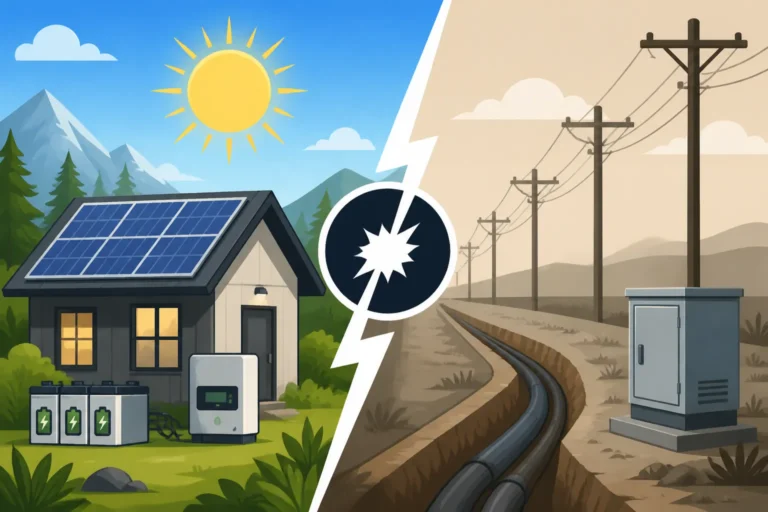
Living off-grid is a dream for many, offering unparalleled freedom and resilience. But as you embrace this lifestyle, a unique challenge often pops up that isn't always part of the initial "escape the grid" fantasy: insurance. Many folks assume that if they're not connected to the grid, they don't need to worry about traditional insurance, or worse, they find themselves utterly confused when trying to protect their hard-earned investment in solar. This guide is here to shed light on the often-overlooked world of off-grid solar insurance costs, helping you understand your options and avoid costly surprises.
The Unique Challenges of Insuring Off-Grid Solar Systems
It's easy to think that if your home isn't connected to the utility grid, it somehow exists outside the realm of insurance. However, that couldn't be further from the truth. Your off-grid solar system represents a significant investment, and like any valuable asset, it's exposed to risks – from natural disasters to theft and accidental damage. The real rub is that the insurance industry, for the most part, is still playing catch-up with the growing popularity of off-grid living, making coverage a bit of a puzzle.
Why Traditional Homeowner's Policies Fall Short
Standard homeowner's insurance policies are meticulously crafted for grid-tied properties, where the local utility company provides power. These policies have clear definitions for "dwelling," "attached structures," and "personal property," all within the context of a conventional home connected to a public grid. When you're off-grid, your solar panels, battery bank, inverter, and charge controller aren't just an "add-on" – they are your power infrastructure.
Imagine trying to explain your robust 10kW ground-mounted solar array, complete with a shed housing a massive LiFePO4 battery bank and a sophisticated inverter setup, to a standard insurance agent. They're likely looking for "roof-mounted solar panels" or "backup generators," not a primary, standalone energy system. This disconnect often means that while some components might get partial coverage under personal property or other structures, the system as a whole, or its full replacement value, might not be adequately covered. It's a frustrating gap that many off-gridders discover only after an incident.
The Definition Dilemma: Is it a Structure, an Appliance, or Personal Property?
This is where things get really murky and can lead to significant headaches. Is that solar panel array on your roof considered part of the dwelling, an attached structure, or a separate structure? What about the battery bank tucked away in a dedicated power shed? Is it an appliance, or specialized electrical equipment? The answer can dramatically change how it's valued and insured.
For instance, a portable solar generator, like a larger Jackery model, might be easily classified as personal property and covered if stolen from your RV or cabin, up to certain limits. However, a permanent, professionally installed 5000W system that powers your entire remote cabin is a different beast entirely. Panels might be considered part of the dwelling if roof-mounted, but if they're on a ground mount, they could fall under "other structures," which typically have lower coverage limits. The inverter and charge controller are clearly electrical equipment, but their integral role in powering the home often transcends typical appliance coverage. This lack of clear, consistent definitions across the industry is a major pain point and often requires a deep dive into policy language or discussions with an experienced broker.
Assessing Risk for Off-Grid Living
Beyond the definitional challenges, insurers look at the inherent risks associated with off-grid properties. Many off-grid homesteads are in remote, rural areas. This remoteness can introduce several specific risk factors:
- Increased Theft Risk: While a small portable solar setup might be less of a target, a large, visible array of solar panels could attract unwanted attention, especially if the property is uninhabited for periods or difficult to access by law enforcement. The cost of individual solar panels or components adds up quickly, making them valuable targets.
- Environmental Exposure: Remote properties are often more exposed to severe weather, like hailstorms, high winds, wildfires in drought-prone areas, or heavy snow loads. Without immediate grid connectivity, recovery efforts can sometimes be slower, potentially increasing damage or secondary issues.
- DIY Installation Concerns: While many off-gridders are incredibly handy and capable, a DIY solar installation without proper adherence to electrical codes or best practices can be seen as a higher risk by insurers. They might worry about faulty wiring leading to fires or other electrical hazards. This is why understanding "DIY vs Professional Off-Grid Solar Cost" isn't just about money, but also about insurability.
- Battery Storage Hazards: Large battery banks, especially older lead-acid types, can pose fire or chemical spill risks if not properly housed and ventilated. Modern lithium iron phosphate (LiFePO4) batteries are much safer, but proper installation and monitoring are still critical. Insurers are very sensitive to any perceived fire hazard.
These unique risks mean that even if an insurer is willing to cover your off-grid solar, they might apply higher premiums or stricter conditions than they would for a standard grid-tied home.
Types of Coverage Available for Off-Grid Solar
Navigating the insurance landscape for off-grid solar can feel like a quest for a unicorn, but don't despair! While it might require a bit more legwork and a willingness to think outside the box, coverage is available. It often just takes knowing where to look and what questions to ask.
Expanding Your Existing Homeowner's Policy
If your off-grid setup is part of a property that already has a traditional homeowner's policy (perhaps a remote cabin that you visit seasonally, or a homestead where you're gradually transitioning off-grid), your first stop should be to talk to your current insurer. Don't assume anything. Be upfront about your off-grid status and the components of your solar system.
Often, you can add an "endorsement" or "rider" to your existing policy. This is essentially an add-on that modifies the standard coverage to include specific items or situations. For solar, this might mean increasing the coverage limits for "other structures" to include your ground-mounted array or dedicated battery shed. Some policies might also allow for specific coverage of the equipment as "fixtures" or specialized personal property. However, be vigilant:
- Read the Fine Print: Make sure the endorsement explicitly covers the replacement cost of your solar components, not just their depreciated value.
- Understand Exclusions: Policies may have exclusions for damage resulting from improper installation (which could impact DIY setups) or specific types of environmental damage.
- Limited Scope: Even with an endorsement, a standard policy might not fully grasp the holistic nature of your off-grid system, focusing only on individual components rather than its functionality as your primary power source. For a detailed breakdown of what parts make up your system, check out our guide on "Off-Grid Solar System Components Explained".
Specialized Off-Grid or Rural Property Insurance
For many dedicated off-gridders, especially those with custom homes or living full-time in remote locations, specialized insurance is often the best route. These policies are designed for properties that don't fit the conventional mold. Some insurance companies or brokers focus specifically on niche markets like:
- Rural Property Insurance: These policies are often more flexible and understand the unique aspects of remote properties, including their reliance on alternative energy sources like solar. They might be more accustomed to valuing independent water systems, outbuildings, and larger tracts of land.
- Brokerage Firms for Unique Properties: There are insurance brokers who specialize in "hard-to-place" risks. These brokers have relationships with multiple carriers, including smaller or regional insurers, who are more willing to underwrite non-traditional properties. They can help you craft a policy that truly protects your investment. When searching for these, don't just look for "solar insurance"; search for "off-grid home insurance" or "remote property insurance."
Companies like Foremost Insurance Group, known for insuring unique and manufactured homes, might offer options for off-grid properties. It's worth exploring regional providers or those specializing in rural America, as they often have a better understanding of these specific needs. A good broker will walk you through questions like "How to Size an Off-Grid Solar System" to help accurately assess your system's value.
Coverage for Mobile Off-Grid Setups: RVs, Vans, Boats
The world of mobile off-grid living – think RVs, converted vans, or sailboats – presents its own set of insurance considerations, distinct from stationary off-grid homes. Here, your solar system is an integral part of your mobile dwelling, and its coverage typically falls under specialized vehicle insurance.
- RV Insurance: If you have an RV with a built-in solar system, standard RV insurance policies often include coverage for permanently installed accessories and modifications. This means your roof-mounted panels, charge controller, inverter, and battery bank (especially if professionally installed) would likely be covered under the comprehensive and collision portions of your policy. However, always confirm the specific limits for "custom equipment" or "personal modifications." If you picked up an off-grid solar kit for your RV, make sure to read the policy carefully. You might need to provide receipts or get an appraisal for higher-value systems to ensure adequate coverage.
- Van Life Insurance: For DIY van conversions, things can be a bit trickier. Standard auto insurance often won't cover the custom interior or the expensive solar setup. You'll typically need a specialized "full-timer" RV policy, "custom vehicle insurance," or "converted van insurance." Some providers understand the growing van life movement and offer policies that adequately cover the value of your conversion, including the solar system. Be prepared to provide detailed documentation, photos, and an itemized list of your solar components. A portable power station like a Jackery or EcoFlow unit, if not hardwired, might still be considered personal property rather than an integrated system.
- Marine Insurance (Boats/Houseboats): For boats equipped with off-grid solar, marine insurance is your go-to. Most marine policies will cover permanently affixed equipment. Similar to RVs, ensure your solar panels, batteries (like those awesome lithium batteries for off-grid boats), and other components are adequately valued and listed in your policy. Given the harsh marine environment, also check for coverage against saltwater corrosion, impact damage, or heavy storm damage. If your boat is your full-time residence, you'll need a live-aboard policy, which often includes more comprehensive coverage for your personal property and integrated systems.
Regardless of your mobile setup, clear documentation and open communication with your insurance provider are paramount. Don't assume your $10,000 solar setup is covered just because your RV policy includes "accessories."
| Scenario | Primary Insurance Type | Potential Coverage Areas | Key Considerations |
|---|---|---|---|
| Remote Off-Grid Home | Specialized Rural/Off-Grid Homeowner's | Dwelling, Other Structures (panels, sheds), Personal Property, Liability | Explicitly list solar components, full replacement cost, fire/theft in remote areas. |
| Seasonal Cabin | Standard Homeowner's (with endorsement) | Limited coverage for solar components as structures/fixtures. | Review "other structures" limits, specific solar endorsement needed, seasonal use implications. |
| Full-Time RV/Van | Specialized RV/Converted Van | Permanently installed solar equipment, interior modifications. | Document custom build, specific "full-timer" or "custom equipment" riders. |
| Sailboat/Houseboat | Marine Insurance (Live-aboard) | Permanently installed solar, navigation equipment. | Confirm valuation of solar, coverage for marine-specific risks (corrosion, storms). |
| Small Portable System | Personal Property (within existing policy) | Theft/damage for portable units (e.g., Jackery, Bluetti). | Usually covered under home/renter's policy; check limits for electronics. |
Factors Influencing Off-Grid Solar Insurance Costs
The cost of insuring your off-grid solar system isn't a one-size-fits-all number. It's influenced by a range of factors, much like traditional property insurance. Understanding these elements can help you anticipate costs, make informed decisions during your system design, and potentially even find ways to save. Just as you consider the "How Much Does an Off-Grid Solar System Cost" when planning, you should factor in insurance implications from the outset.
System Size and Value
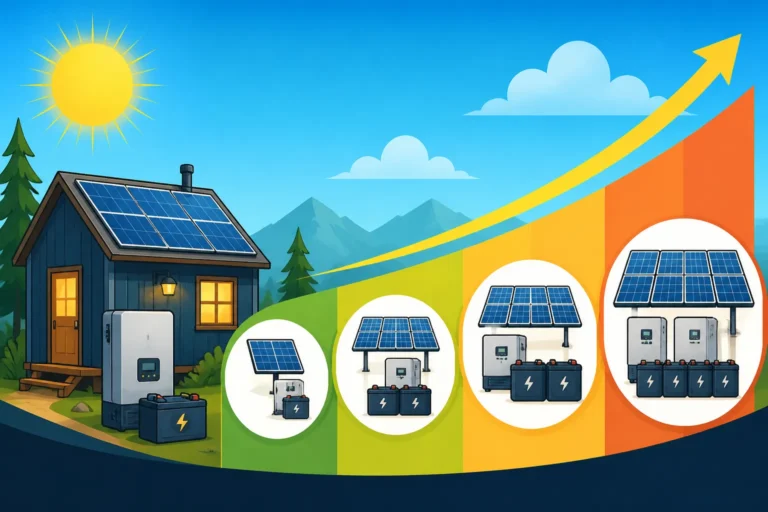
This is perhaps the most straightforward factor: the more valuable your solar setup, the more it will generally cost to insure. A small 400W system powering basic lights and electronics in a shed will have a much lower insurance premium than a sprawling 10kW system designed to power a whole house with all modern conveniences.
Insurers consider the replacement cost of all components:
- Solar Panels: The total wattage and type of panels.
- Batteries: The size and type of your battery bank. Lithium batteries, while more expensive upfront, often have a longer lifespan and better safety profile, which might be viewed favorably. Understanding "Cost of an Off-Grid Solar Battery Bank" is crucial for accurate valuation.
- Inverter and Charge Controller: These critical components can be quite expensive, especially high-quality pure sine wave inverters from brands like Victron or Sol-Ark.
- Wiring, Racking, and Balance of System (BOS) Components: Don't forget the cost of all the little things that add up – mounting hardware, cabling, fuses, breakers, combiner boxes, and disconnects.
- Installation Costs: Whether you hired a professional or did a DIY install, the labor cost (or your time's value) contributes to the overall system value, especially for replacement.
Having an accurate inventory and understanding your "Off-Grid Solar Cost: Complete Breakdown" is essential for getting proper coverage.
Location and Environmental Risks
Where your off-grid property is located plays a huge role in insurance premiums. Remote locations, while desirable for the off-grid lifestyle, can sometimes be deemed higher risk by insurers.
- Wildfire Zones: Properties in areas prone to wildfires, common in many western states, will see significantly higher premiums, if coverage is even available.
- Hurricane/Tornado Alleys: Locations in coastal regions or tornado-prone plains face increased risks of wind damage, hail, and flooding, all of which can devastate solar arrays.
- Seismic Zones: Areas prone to earthquakes might require specific structural considerations and impact premiums.
- Theft Hotspots: If your property is in an area known for rural theft, insurers might factor that into their risk assessment. Conversely, if your property is secure and well-monitored, that could be a mitigating factor.
It's not just about the type of natural disaster, but also the frequency and severity in your specific geographical area. A property in rural Oregon will face different environmental risks and associated insurance costs than one in central Florida.
Installation Type and Certification
The manner in which your off-grid solar system was installed can significantly impact its insurability and cost.
- Professional Installation: A system installed by a licensed and certified solar installer or electrician generally presents a lower risk to insurers. Professional installations come with warranties, adhere to local and national electrical codes (like the NEC), and are less prone to errors that could lead to fires or equipment failure. Many insurers will offer better rates or more comprehensive coverage for professionally installed systems because the perceived risk is lower. This is a strong argument for considering "Off-Grid Solar Installation Cost" as an investment in insurability.
- DIY Installation: For the intrepid DIYer, insurance can be a bit more challenging. While incredibly rewarding and often cost-effective upfront, a self-installed system might raise red flags for insurers. They may require inspections by a licensed electrician to verify safety and compliance, or they might charge higher premiums. Some may even deny coverage if the installation doesn't meet specific standards. If you're planning a DIY build, ensure you follow all relevant codes and document your process meticulously. Consider having an electrician review your "Off-Grid Solar Wiring Diagram Explained" to ensure it's up to snuff.
Battery Type and Storage
The type of batteries you choose for your off-grid solar system can influence insurance, primarily due to safety concerns and replacement costs.
- Lead-Acid Batteries: While often cheaper upfront, traditional lead-acid batteries (flooded, AGM, Gel) require specific ventilation due to off-gassing, can spill corrosive acids, and typically have shorter lifespans. Insurers might view these as a slightly higher risk due to fire/explosion potential if not properly maintained and housed. Their shorter lifespan also means more frequent replacement costs, which could factor into long-term insurance evaluations.
- Lithium Iron Phosphate (LiFePO4) Batteries: These are becoming the gold standard for off-grid living due to their long cycle life, high energy density, and superior safety profile compared to other lithium chemistries. They don't off-gas and are significantly less prone to thermal runaway (fire). Insurers may view LiFePO4 batteries more favorably, potentially leading to lower premiums or fewer restrictions, especially when you consider their higher upfront cost and excellent longevity. The comparison between "LiFePO4 vs Lead-Acid Battery Cost" is an important one that extends to insurance considerations. Proper housing in a dedicated, secure battery box or room also signals responsible ownership to an insurer.
Strategies for Securing and Saving on Off-Grid Solar Insurance
Finding the right insurance for your off-grid solar system doesn't have to be an impossible task. With a strategic approach, thorough documentation, and a bit of persistence, you can protect your investment and secure peace of mind.
Documenting Your System Thoroughly
This is perhaps the single most important thing you can do to streamline the insurance process and ensure you get adequate coverage. Insurers rely on information to assess risk and value. The more comprehensive and clear your documentation, the better.
- Detailed Inventory: Create a list of every major component of your off-grid solar system. Include make, model, serial number, wattage/capacity, and purchase date. Think of your solar panels, inverter, charge controller, battery bank (including individual battery specs), mounting hardware, and any substantial wiring or protection devices.
- Purchase Receipts: Keep all receipts for components. This proves ownership and helps establish the initial cost. If you bought components from Amazon or another online retailer, keep those digital receipts handy.
- Photos and Videos: Take clear, well-lit photos of your entire system, from the solar array to the battery bank, inverter, and wiring. Include shots of the installation process if it was DIY, showing adherence to safety measures. A video walkthrough can also be incredibly helpful.
- Professional Appraisals/Install Records: If you had your system professionally installed, keep all invoices, contracts, and certification documents. If you did a DIY install, consider hiring a licensed electrician to perform a post-installation inspection and provide a report. This third-party verification can be invaluable.
- Energy Audit: If you've done a load calculation or "Off-Grid Solar Load Calculation Explained" and tracked your energy usage, this can demonstrate the system's capacity and value in a practical sense.
This meticulous record-keeping not only helps your insurer but also serves as your personal reference for maintenance and potential upgrades down the line.
Seeking Multiple Quotes and Specialist Brokers
Never settle for the first quote you receive, especially when dealing with a niche asset like an off-grid solar system. Different insurance providers have varying appetites for risk and expertise in non-traditional properties.
- Cast a Wide Net: Contact several insurance companies, both national carriers and smaller, regional ones. Be prepared to explain your off-grid setup in detail each time.
- Engage Specialist Brokers: This is often your best bet. Look for independent insurance brokers who advertise expertise in "unique properties," "rural insurance," "off-grid homes," or "alternative energy systems." These brokers often have access to a wider range of carriers, including those specifically underwriting properties like yours. They understand the terminology and can advocate on your behalf, helping you find companies that are more comfortable with the associated risks. They can also provide insights into specific state incentives for solar.
- Be Specific About Coverage: When getting quotes, ensure you're asking for coverage that includes the specific components of your off-grid solar system and the type of damage you're most concerned about (e.g., wind, hail, theft, fire, electrical malfunction). Ask about replacement cost vs. actual cash value coverage.
Mitigating Risks
Proactive measures to reduce potential risks can not only protect your investment but might also make your property more attractive to insurers, potentially leading to lower premiums.
- Security Measures: Implement robust security for your solar components, especially in remote areas. This could include fencing around ground-mounted arrays, security cameras (many modern systems can run off-grid power), good outdoor lighting, and secure enclosures for battery banks and inverters. Some Jackery models or similar portable power stations are often secured within vehicles, but larger, permanent installations need more thought.
- Professional Installation and Maintenance: While DIY is popular, if possible, consider having critical components installed or inspected by licensed professionals. This ensures safety and compliance. Regardless of who installed it, regular "Off-Grid Solar Maintenance Costs" are important. Keep your panels clean, inspect wiring for wear, and monitor your battery health. A well-maintained system is a safer, more reliable system.
- Fire Safety: For battery banks and inverter locations, ensure proper ventilation, install smoke detectors and carbon monoxide detectors, and have fire extinguishers readily accessible. If using lead-acid batteries, ensure appropriate acid spill containment.
- Weather Hardening: Secure your solar panels and mounting racks to withstand local wind and snow loads. If you're in a wildfire zone, maintain a defensible space around your property and solar array.
Understanding Deductibles and Coverage Limits
When reviewing insurance policies, pay close attention to the deductible and the coverage limits. These directly impact both your out-of-pocket costs and the premium you pay.
- Deductible: This is the amount you'll pay out of pocket before your insurance coverage kicks in. A higher deductible typically results in a lower monthly or annual premium. If you're confident in your system's resilience and your ability to cover minor repairs, opting for a higher deductible can be a way to save money on recurring costs. However, ensure you can comfortably afford the deductible in case of a major claim.
- Coverage Limits: Make sure the coverage limits for your solar components (whether as part of the dwelling, other structures, or personal property) are sufficient to cover the full replacement cost of your system. It's easy to underestimate the "Cost to Replace Off-Grid Solar Batteries" or an entire array. Don't be shy about ensuring the valuation reflects current market prices for solar equipment and installation. If your policy has a $5,000 limit for "other structures" but your ground-mounted array is worth $15,000, you're significantly underinsured.
By proactively managing risks, thoroughly documenting your system, and seeking specialized insurance expertise, you can confidently protect your valuable off-grid solar investment. Planning your budget for off-grid solar should always include a line item for insurance, right alongside your solar panels and inverter costs.
Disclaimer
This article is for general informational purposes only and does not constitute professional advice. Laws, prices and regulations vary by location and change over time. Consult a qualified professional for guidance on your specific situation.