Best Solar Panels for Cold Weather
Living off the grid, especially in regions that experience chilly winters and frosty temperatures, often brings a significant concern: how will your solar power system hold up? The fear of insufficient power during those short, dark, and frigid days is very real, and it can leave you feeling vulnerable if your system isn't up to the task. This comprehensive guide is here to demystify the world of solar panels designed to thrive in cold weather, helping you understand what makes a panel suitable for winter conditions and how to choose the best options for reliable off-grid power, even when the mercury drops.
Understanding Cold Weather's Impact on Solar Panels
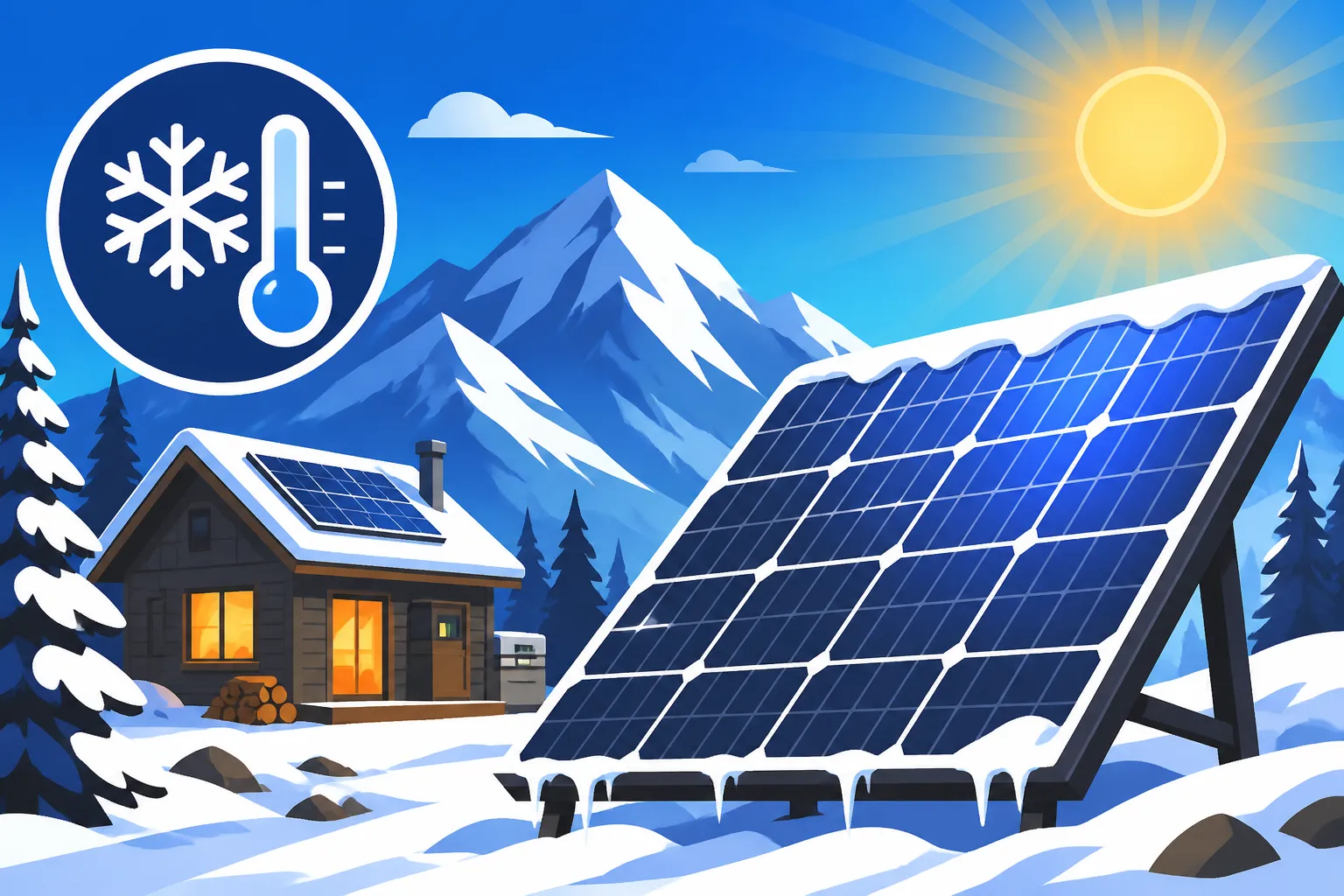
It might seem counterintuitive, but solar panels actually perform better in cold temperatures, provided there's sunlight. However, cold weather also brings challenges like snow, ice, and shorter daylight hours that can significantly affect your system's overall output and longevity. Understanding these dynamics is crucial for designing a robust off-grid setup.
The Science Behind Panel Performance in Low Temperatures
One of the most fascinating aspects of solar technology is how it reacts to temperature. Unlike your car battery, which struggles in the cold, solar panels exhibit a characteristic known as a negative temperature coefficient. What this means in plain English is that for every degree Celsius above 25°C (77°F), the panel's power output actually decreases. Conversely, when temperatures drop below 25°C, the panel's efficiency slightly increases. This is because lower temperatures reduce electrical resistance within the panel's semiconductor materials, allowing electrons to flow more freely and generate more voltage. So, on a crisp, sunny winter day in, say, Flagstaff, Arizona, or Bozeman, Montana, your panels could actually be generating more power than on a scorching summer day, assuming the sun angle and irradiance are equal. It's the absence of sun and the physical obstacles of winter that pose the real problems, not the cold itself.
Common Misconceptions About Winter Solar Output
Many people assume that winter means drastically reduced solar output solely due to the cold. While colder temperatures actually improve panel efficiency, the real challenges are multifaceted. First, there's the shorter daylight hours; winter means the sun is lower in the sky and present for fewer hours, drastically cutting down on the total energy harvest. Second, snow and ice accumulation are major culprits. A thick blanket of snow can completely block sunlight from reaching your panels, effectively bringing power production to a halt. Even a thin layer of frost or ice can significantly diminish output. Lastly, the lower sun angle in winter means less direct sunlight hits your panels if they aren't properly angled, reducing the intensity of the solar radiation they receive. This combination of factors, rather than just the cold, is what necessitates careful planning when you're looking to achieve year-round off-grid power. To truly understand your needs, you'll want to thoroughly consider How to Size an Off-Grid Solar System
Key Features to Look for in Cold Weather Solar Panels
When you're sifting through options for your off-grid sanctuary in a cold climate, you can't just pick any panel. You need specific features that ensure durability and consistent performance through frost, snow, and ice.
Temperature Coefficient Matters
As we discussed, a negative temperature coefficient is normal for solar panels. However, the degree of that negative coefficient is what you need to pay attention to. A panel with a temperature coefficient closer to -0.3% per °C (or even lower, like -0.25% per °C) will lose less efficiency in extreme heat than a panel with, say, -0.5% per °C. While cold temperatures boost performance, panels can still get very hot in direct summer sun, especially darker monocrystalline ones, so a better temperature coefficient ensures good performance year-round. Reputable manufacturers will always list this specification. When comparing options, keep an eye out for it, as it speaks directly to the panel's stability across varying temperatures.
Durable Framing and Glass for Harsh Conditions
The physical construction of a solar panel is paramount for cold weather. Think about the stress of freeze-thaw cycles, heavy snow loads, and strong winter winds.
The frame of the panel, usually made of anodized aluminum, needs to be robust enough to withstand these forces without warping or corroding. Look for frames with good thickness and secure corner connections. The front glass, often tempered glass, is another critical component. It needs to be impact-resistant to fend off hail, falling icicles, and general debris. Some premium panels even feature anti-reflective coatings that not only boost light absorption but also help prevent minor ice buildup. This kind of structural integrity is crucial for the long-term reliability of your off-grid system, especially if you're installing panels in a remote location where repairs aren't easy. You'll want to know Best Off-Grid Solar Panels
Snow Load and Wind Resistance
Snow can be incredibly heavy. A foot of wet snow can weigh up to 20 pounds per square foot, and that weight adds up quickly on a large solar array. Panels are rated for their maximum static load, often expressed in Pascals (Pa), which translates to pounds per square foot. For snowy regions like the Sierra Nevada mountains or the Rocky Mountains, you'll want panels with high snow load ratings, typically 5400 Pa or more. Similarly, winter often brings stronger, gusty winds. Panels should also have a high wind load rating, usually around 2400 Pa for the front and back. These ratings indicate how much pressure the panels can withstand before structural damage occurs. Ensuring your chosen panels meet or exceed the typical snow and wind loads for your specific location is a non-negotiable step to prevent costly damage and maintain continuous power production.
Top Solar Panel Types for Cold Climates
When considering the actual photovoltaic cells, different types of panels offer varying benefits in cold weather. While monocrystalline panels often steal the show, it's worth understanding the nuances.
Monocrystalline Panels for Efficiency
Monocrystalline solar panels are easily recognizable by their uniform, dark appearance and rounded edges on the cells. They are generally considered the most efficient type of solar panel available for residential and off-grid use, typically boasting efficiencies between 17% and 22%. This higher efficiency means they can convert more sunlight into electricity per square foot, which is a huge advantage in winter when sunlight is scarce. On a sunny, cold day, their inherent efficiency, combined with the negative temperature coefficient effect, often leads to peak performance. Because they are more efficient, you might need fewer panels to meet your energy demands, which can be beneficial if you have limited roof or ground space, or if you're trying to figure out How Many Solar Panels for Off-Grid Living Brands like Renogy and others offer a wide range of monocrystalline panels that are known for their robust construction, making them a popular choice for challenging environments.
Polycrystalline Panels and Their Cold Weather Suitability
Polycrystalline solar panels, with their slightly bluish hue and square cells, are typically less efficient than monocrystalline panels, usually ranging from 15% to 17% efficiency. This means you'll need more square footage to generate the same amount of power. However, they are often more affordable to manufacture, making them a budget-friendly option. In cold weather, their performance isn't drastically different from monocrystalline panels in terms of temperature coefficient; they also benefit from lower temperatures. The primary drawback in winter is their lower efficiency, which, when combined with reduced daylight hours, means you'll need a larger array to capture enough energy. If space isn't a premium and you're working with a tighter budget, polycrystalline panels can still be a viable option, but you'll need to carefully size your system accordingly. A deeper dive into Monocrystalline vs Polycrystalline for Off-Grid can help you weigh these options.
Advanced Thin-Film Options
Thin-film solar panels, while generally less efficient (around 10-13%) and requiring much more surface area, sometimes get a mention for extreme conditions. Certain types of thin-film panels, particularly amorphous silicon (a-Si) and Copper Indium Gallium Selenide (CIGS), can sometimes tolerate shading better and have a slightly different temperature coefficient that might make them more stable across a wider range of temperatures, rather than just gaining efficiency in the cold. However, for most off-grid applications where space is often a constraint (like on an RV or a small cabin), their lower efficiency usually makes them less practical than crystalline silicon panels. They are also typically less robust structurally. For the average off-grid homesteader or cabin owner, high-quality mono or poly panels will almost always be the better choice for cold weather due to their power density and durability.
Installation Considerations for Cold Weather Performance
Installing solar panels in a cold environment isn't just about picking the right hardware; it's also about strategic placement and protection to maximize energy harvest and system longevity.
Optimizing Tilt Angle for Winter Sun
The sun's path across the sky changes dramatically between summer and winter. In winter, the sun is much lower on the horizon. To capture as much of that precious, low-angle sunlight as possible, your panels need to be tilted at a steeper angle than you might use in summer. A general rule of thumb for year-round off-grid power is to set your tilt angle to your latitude plus 10 to 15 degrees for optimal winter performance. For instance, if you're at 40 degrees North latitude, an angle of 50-55 degrees would be ideal. Some folks even opt for adjustable ground mounts so they can manually change the tilt angle seasonally, maximizing output during critical winter months. This might seem like a small detail, but it can make a significant difference in your daily energy production when the days are shortest. Planning this during your Off-Grid Solar System Design Basics phase is crucial.
Mounting Solutions and Snow Shedding
Beyond the tilt angle, the type of mounting system you choose can greatly influence how well your panels shed snow. A steeper tilt naturally helps snow slide off more easily. For ground-mounted systems, raising the array higher off the ground can prevent snow drifts from burying the bottom rows of panels. Roof mounts should be robust and ensure sufficient clearance for snow to slide off without accumulating at the bottom edge, potentially damaging gutters or creating dangerous ice dams. Investing in high-quality racking that can handle the specific snow and wind loads of your area is essential. This might mean opting for heavy-duty galvanized steel or aluminum racking systems that are engineered for extreme weather. When you're thinking about How to Install Off-Grid Solar Panels, remember that a sturdy and well-designed mount is half the battle against winter.
Protecting Wiring and Connections
Cold weather doesn't just affect the panels; it can also be harsh on the electrical components. Wires and connections exposed to extreme cold, moisture, and UV radiation can degrade over time, leading to resistance, reduced efficiency, or even system failure. It's crucial to use UV-resistant, outdoor-rated cabling (like PV wire or appropriately rated USE-2/RHH/RHW-2 wire) that maintains flexibility in low temperatures. All connections, especially MC4 connectors, should be properly crimped, sealed, and secured to prevent moisture ingress. Running wires through conduit, especially in areas exposed to the elements, offers an additional layer of protection. This attention to detail in your electrical infrastructure ensures that the power your panels do generate makes it cleanly and efficiently to your charge controller and battery bank.
Beyond the Panels: A Holistic Cold Weather System
While panels are key, they're only one part of the off-grid puzzle. A truly resilient cold weather solar system requires equally robust components and thoughtful design throughout.
Batteries That Brave the Cold
Batteries are perhaps the most vulnerable component in cold weather. Lead-acid batteries, whether flooded or AGM, lose a significant amount of their usable capacity as temperatures drop, and charging them below freezing can cause permanent damage. Lithium Iron Phosphate (LiFePO4) batteries are generally superior for cold climates due to their wider operating temperature range and negligible capacity loss in the cold. However, even LiFePO4 batteries generally require internal heating elements to safely charge below 0°C (32°F). Many modern LiFePO4 batteries, such as those from Battle Born or EG4, come with built-in low-temperature charging protection and heaters, which is a game-changer for cold regions. If you're going off-grid in a place like northern Minnesota, insulating your battery bank or even keeping it in a heated space (like a dedicated utility room) is paramount to their performance and lifespan. Understanding How to Protect Batteries from Cold is just as important as your panel selection.
Charge Controllers and Inverters for Extreme Temps
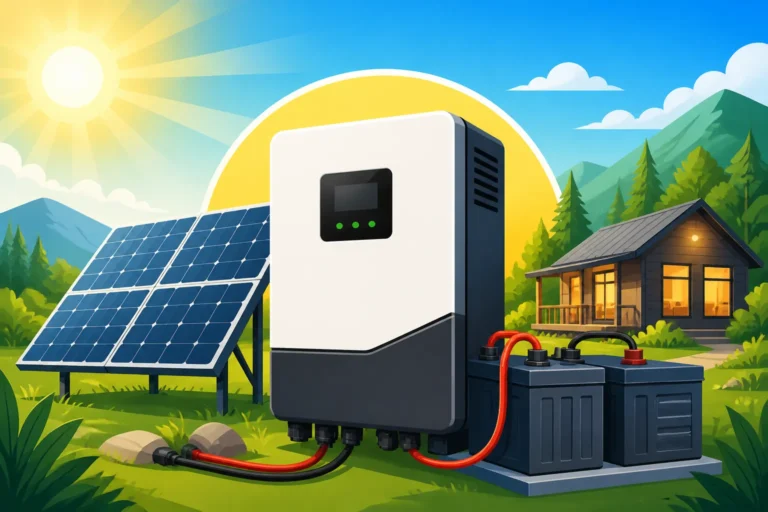
The electronics of your charge controller and inverter also need to be rated for the ambient temperatures they'll experience. Most quality charge controllers and inverters are designed to operate across a wide range of temperatures, but always check their specifications. For extreme cold, ensuring these components are housed in a sheltered, insulated area can improve their efficiency and extend their life. Some high-end inverters, like those from Victron Energy or Sol-Ark, are built to withstand very harsh conditions and often come with advanced monitoring capabilities that can alert you to any performance issues. A well-designed system will also include appropriate overcurrent protection like fuses and breakers, which also need to be rated for the extreme temperatures they might encounter. For larger systems, you'll need to know How to Size an Off-Grid Inverter to handle your peak loads.
The Role of System Design and Maintenance
Ultimately, the best cold weather solar panels are only as good as the system they're a part of. Proper How to Design an Off-Grid Solar System Step by Step, considering factors like days of autonomy (how long your system can run without sun), proper wiring for voltage drop, and contingency plans (like a backup generator) are crucial. In winter, regular maintenance becomes even more critical. This includes regularly checking your panels for snow and ice buildup and gently clearing them if needed. You can use a soft brush or a telescopic snow rake, being careful not to scratch the panel surface. Avoiding abrasive tools is key for How to Clean Off-Grid Solar Panels. Periodically inspecting all wiring and connections for signs of wear or corrosion is also important, as is monitoring your battery health. These proactive steps ensure your off-grid power remains reliable even in the deepest winter.
Reputable Brands Offering Cold Weather Solutions
When it comes to purchasing panels and equipment that will stand up to the rigors of cold weather, choosing reputable brands is a smart move. They typically offer better warranties, higher quality components, and superior customer support.
Renogy: Accessible and Reliable Options
Renogy is a widely recognized brand in the off-grid solar space, particularly popular among DIY enthusiasts and for RV, van, and cabin setups. They offer a comprehensive range of products, including high-efficiency monocrystalline solar panels that are well-suited for cold weather applications. Many of their panels feature robust aluminum frames and tempered glass, designed to withstand significant snow and wind loads. Renogy also provides complete kits, often found on Amazon, that simplify the purchasing process for those new to off-grid solar. Their panels, like the popular 100W or 200W flexible or rigid monocrystalline models, are often highlighted for their durability and consistent performance in various climates, making them a solid choice for those starting their off-grid journey. If you're looking for an entry point into off-grid solar with components that can handle cold, Renogy is definitely a brand to consider. You can often find great value in their offerings when researching Best Off-Grid Solar Kits for Beginners
Other Brands to Consider for Robust Performance
While Renogy is a great option, several other brands consistently deliver high-performance and durable solar panels for cold and harsh environments.
Victron Energy is renowned for its high-quality inverters, charge controllers, and battery monitors, but they also offer exceptional solar panels built for reliability. Their products are often considered premium but are known for their longevity and excellent performance in challenging conditions.
Canadian Solar and Trina Solar are two of the largest solar panel manufacturers globally, producing high-wattage, efficient panels with excellent snow and wind load ratings that are ideal for residential and commercial off-grid installations. Their panels are often used in large-scale projects and come with strong performance warranties.
For smaller, more portable applications, brands like Goal Zero and Jackery offer portable solar panels that, while not typically part of a permanent off-grid house setup, are designed to be rugged and effective for charging portable power stations even in cold temperatures, perfect for winter camping or emergencies. Ultimately, checking detailed specifications for temperature coefficients, snow load, and wind resistance for any brand you consider is key to making an informed decision for your specific cold climate needs.
| Panel Feature | Ideal for Cold Weather | Why It Matters |
|---|---|---|
| Temperature Coefficient | Closer to -0.3% / °C or lower | Less power loss in summer heat, and better stability year-round. |
| Snow Load Rating | 5400 Pa (112 PSF) or higher | Prevents structural damage from heavy snow accumulation. |
| Wind Load Rating | 2400 Pa (50 PSF) or higher | Withstands strong winter gusts and high winds without damage. |
| Frame Material | Thick, anodized aluminum | Resists corrosion, warping, and provides structural integrity against elements. |
| Glass Type | Tempered, impact-resistant glass | Protects against hail, ice, and debris. Anti-reflective coatings enhance light. |
| Cell Type | Monocrystalline (ideally) | Higher efficiency means more power generation in limited winter sunlight hours. |
| Connectivity | IP67-rated junction box, MC4 connectors | Ensures waterproof and dustproof electrical connections, preventing degradation. |
Disclaimer
The information provided in this guide is for general informational purposes only and does not constitute professional advice. Always consult with a certified solar installer or electrician for specific design, installation, and safety considerations related to your off-grid solar system, especially when dealing with complex or high-voltage components in challenging climates.