Off-Grid Solar Permit Requirements
Thinking about going off-grid can feel incredibly liberating, right? The dream of self-sufficiency, saying goodbye to those ever-increasing utility bills, and gaining true energy independence is a powerful motivator. But here's the kicker that often catches hopeful off-gridders by surprise: just because you're disconnecting from the utility company doesn't necessarily mean you're disconnecting from all the rules and regulations. The world of off-grid solar permit requirements can feel like a tangled mess of bureaucracy, leaving many feeling frustrated and confused about where to even begin. This comprehensive guide is designed to demystify those requirements, helping you understand what permits you might need, why they matter, and how to navigate the process to ensure your off-grid system is safe, legal, and hassle-free.
The Myth vs. Reality of Off-Grid Solar Permits
It's a common misconception that "off-grid" automatically translates to "off-the-books" when it comes to permits. Many folks embarking on their solar journey envision a scenario where, since they're not feeding power back to the grid or drawing from it, they're exempt from local government oversight. This hopeful outlook, while understandable, often leads to significant headaches, delays, and even costly fines down the road. The truth is, while the specifics vary wildly, nearly all jurisdictions retain some level of interest in electrical installations and structural additions on private property, regardless of grid connection.
Why "Off-Grid" Doesn't Always Mean "Off-the-Books"
When you decide to go off-grid, you're making a choice to generate and store your own power. This is a significant undertaking that involves installing complex electrical systems, often at high voltages and with substantial battery banks. These systems, while providing incredible freedom, also carry inherent risks if not designed and installed correctly. Think about it: a properly wired and grounded off-grid system is a safe system. A poorly installed one, however, can be a serious fire hazard, a shock risk, or even structurally unsound if panels aren't mounted correctly. Local authorities, primarily county and city building departments, have a mandate to ensure public safety. This includes ensuring that any construction or electrical work on private property meets minimum safety standards.
Beyond immediate safety, there are other considerations. Property values, community aesthetics, and emergency response capabilities all play a role. If a fire department responds to an emergency at your off-grid property, they need to know that your electrical system is up to code and presents no unexpected hazards. Furthermore, if you ever decide to sell your property, an unpermitted system can become a major liability, potentially scaring off buyers or forcing you to bring it up to code retroactively, which is almost always more expensive and complicated than doing it right the first time. It's a fundamental difference between being electrically independent and being legally independent, and for most projects, the latter simply isn't the case.
Who Requires Permits and Why
The primary entities that will be interested in your off-grid solar project are usually your local county and/or city building departments, planning departments, and sometimes even a fire marshal's office. The exact blend of departments and their specific requirements will depend heavily on where your property is located, right down to the specific township or unincorporated area. States typically set overarching building codes, but it's the local authorities who adopt, amend, and enforce those codes.
The "why" behind these requirements boils down to several key areas. First and foremost is safety. Electrical installations, especially those involving high-voltage DC power from solar panels and large battery banks, need to adhere to standards like the National Electrical Code (NEC) to prevent fires, electrocution, and equipment damage. Structural integrity is another major concern; solar panels and their mounting hardware add weight and wind load to roofs or ground mounts, and these structures must be capable of handling those forces. Local building permits ensure that any additions or modifications to your property meet these structural demands. Lastly, zoning and land use regulations address community planning, property setbacks, and environmental impacts. These can cover everything from the height of your ground-mounted array to how it might impact a neighbor's view or potential glare issues. It's their job to balance individual property rights with the collective well-being and safety of the community.
Common Types of Permits for Off-Grid Solar Systems
Venturing into off-grid solar isn't a single-permit affair in most places. You'll likely encounter a few different types of permits, each addressing a specific aspect of your system. Understanding these categories is the first step toward a smooth application process. Don't be surprised if your local jurisdiction bundles some of these or calls them something slightly different, but the core concerns usually remain the same.
Electrical Permits: The Non-Negotiable Necessity
This is arguably the most crucial permit you'll encounter, and it's almost universally required for any significant electrical installation, regardless of whether you're connected to the grid. Even though your off-grid system won't be exchanging power with the utility, it still involves complex wiring, high-voltage components, and powerful energy storage. These elements must adhere to strict safety guidelines to prevent hazards. The National Electrical Code (NEC), or a locally adopted version of it, serves as the bible for these installations.
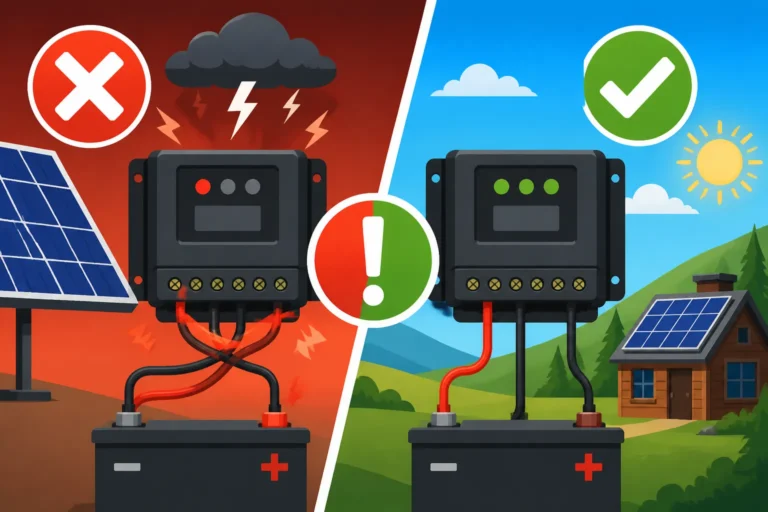
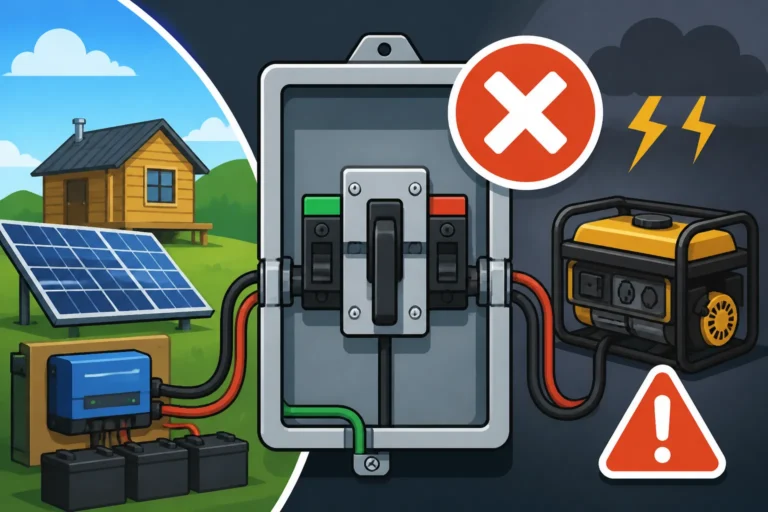
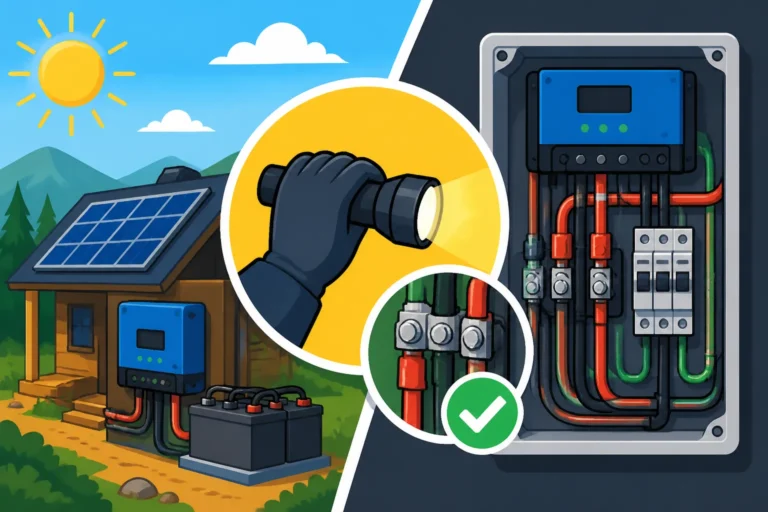
An electrical permit ensures that your wiring is correctly sized, properly insulated, and protected by appropriate overcurrent devices like fuses and circuit breakers. Inspectors will look for proper grounding and bonding, which is absolutely vital for safety in the event of a fault or lightning strike. They'll also scrutinize the installation of your inverter, charge controller, and especially your battery bank, ensuring adequate ventilation for certain battery chemistries and proper containment. Disconnects for both the solar array and the battery bank are critical components they'll be checking to ensure that emergency responders can safely de-energize your system if needed. Even if you're a seasoned DIYer, getting an electrical permit and subsequent inspection provides an invaluable layer of safety and peace of mind. Many components, such as those you might find from reputable brands like Renogy, are designed to meet these safety standards, and their documentation will be essential during this permit phase.
Building Permits: Structural Integrity and Safety
While electrical permits focus on the electrons flowing through your system, building permits address the physical structures that house and support it. If your solar array is going on your roof, a building permit might be required to ensure your roof can handle the added weight of the panels, mounting hardware, and potential snow load, especially in regions with heavy snowfall. The structural integrity of your existing roof structure will be assessed to confirm it can bear the new load and resist wind uplift forces specific to your area.
For ground-mounted arrays, building permits are almost always necessary. These installations involve foundations, racking systems, and potentially large steel or aluminum structures. The permit process will ensure that the foundations are adequate for the soil conditions, the racking is engineered to withstand local wind zones (think hurricane-prone coastlines or high-wind plains), and the overall structure is built to last. If you're constructing a separate shed or enclosure to house your battery bank and inverter, that structure itself will likely require a building permit to ensure it's built to code, has proper ventilation, and offers adequate fire protection. Don't forget, these permits also cover things like setbacks from property lines, ensuring your new structure doesn't encroach on easements or annoy your neighbors.
Zoning and Land Use Permits: Aesthetic and Environmental Considerations
These permits, sometimes called planning permits, address how your off-grid solar system fits into the broader landscape of your property and the surrounding community. Local zoning ordinances dictate what types of structures can be built in specific areas, their maximum height, and how far they must be set back from property lines. For example, a tall pole-mounted array might be perfectly acceptable in a rural agricultural zone but completely prohibited in a residential subdivision or a historic district.
Zoning permits also consider potential impacts on neighbors. This can include concerns about glare from panels, visual obstructions (especially for large ground mounts), or even noise from inverters or ventilation systems if they are particularly loud. In some environmentally sensitive areas, a larger off-grid project might even require an environmental impact review to ensure it doesn't negatively affect local ecosystems or water resources. It's not uncommon for jurisdictions to have specific rules about fencing around ground arrays or even the color of materials to ensure they blend in with the surrounding environment. While less common for smaller setups, large, multi-panel ground arrays can sometimes trigger these types of reviews. Getting clarity on these rules early can save you from a costly redesign or relocation later on.
Navigating the Permit Application Process
Okay, so you understand why permits are a thing. Now comes the real work: actually getting them. This phase can feel daunting, but breaking it down into manageable steps makes it far less intimidating. Remember, patience and thoroughness are your best friends here.
Identifying Your Local Authority and Requirements
The very first step is to pinpoint the exact governmental body responsible for building and electrical permits in your specific location. For most homeowners, this will be your county's building department, or if you live within city limits, your city's building and planning department. Don't assume anything; the rules can literally change from one side of a county line to the other. A great starting point is often their official website; many jurisdictions now have comprehensive online resources detailing permit applications, fees, and requirements. If the website is unclear or outdated, a phone call or, even better, an in-person visit to the permitting office is your next move.
When you contact them, be clear and concise. State your intention to install a standalone off-grid solar system with battery storage on your property at your specific address. Ask these key questions: "What specific permits are required for this type of system?" and "Are there any local amendments to the National Electrical Code or specific zoning ordinances I need to be aware of for solar installations?" Don't be afraid to ask for checklists, example diagrams, or recommended contractors if they offer such resources. Remember, the staff at these offices are there to help you navigate the process, and approaching them with respect and a clear understanding of your project will go a long way. This initial research can often clarify if you need special considerations for elements like your battery type or if your chosen mounting method for your solar panels (e.g., ground mount vs. roof mount) influences the requirements.
Preparing Your Application and Documentation
Once you know what permits are needed, it's time to gather your arsenal of documents. This is where meticulous planning pays off. A typical off-grid solar permit application will require several key pieces of information, and the more professional and complete your submission, the smoother the review process will be. You'll definitely need a detailed site plan, which is essentially a scaled drawing of your property showing the proposed location of your solar array, battery bank, and any associated structures. This needs to include setbacks from property lines and other buildings.
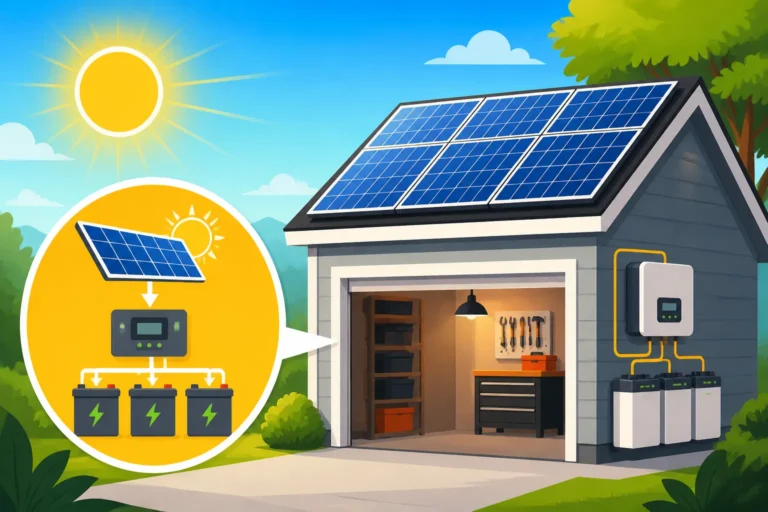
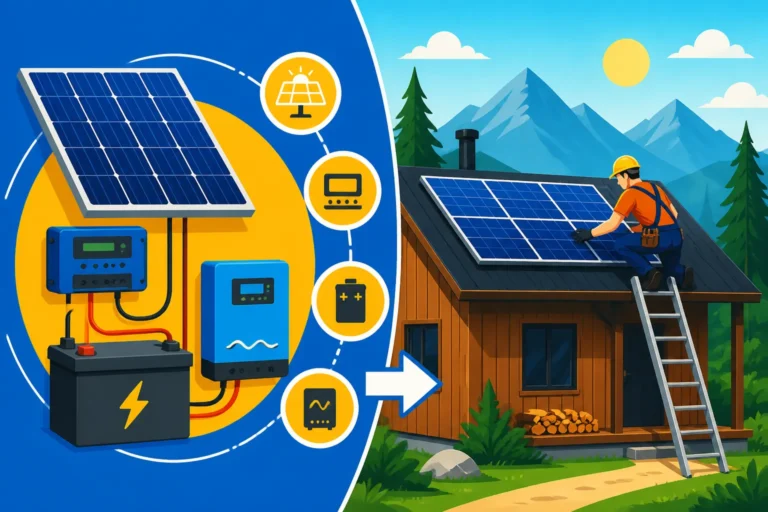
Next up, and perhaps most critically, are your electrical schematics. These are often called "one-line diagrams" and show the entire electrical path from your solar panels, through your charge controller, to your battery bank, inverter, and finally to your load center (breaker panel). This diagram needs to clearly label all components, wire sizes, fuse and breaker ratings, and grounding points. You'll also need comprehensive equipment specifications, including cut sheets or data sheets for your solar panels, inverter, charge controller, and batteries. These documents, which you can usually find on manufacturers' websites (like those for Renogy products) or via a quick search on sites like Amazon for specific component models, prove that your chosen equipment meets safety standards and illustrate its performance characteristics. For larger or more complex systems, particularly those involving new structural elements or significant modifications to existing ones, jurisdictions may require stamped plans from a licensed electrician or structural engineer. This ensures professional oversight and adherence to the highest safety and building standards. For example, if you're building a massive ground-mounted array in a high-wind area, an engineer's stamp on the structural plans will likely be mandatory. Many of these details are also covered in depth in guides like our one on Off-Grid Solar Wiring Diagram Explained or How to Install an Off-Grid Solar System.
The Inspection Process and Final Approval
After submitting your meticulously prepared application and paying the requisite fees, the waiting game begins. Once your plans are approved, you'll receive your permits, and then the real construction can commence. However, your journey with the permitting office isn't over yet. Most jurisdictions require several inspections throughout the installation process to ensure that the work adheres to the approved plans and all relevant codes.
Common inspections include a "rough-in" electrical inspection, where the wiring, conduit, and junction boxes are checked before walls are closed up. A structural inspection might occur after your racking system or ground mount is erected, but before panels are installed, to verify its integrity. The "final electrical" inspection is critical and happens once the entire system is complete and energized. During this final check, the inspector will verify everything from proper grounding and bonding to the correct installation of disconnects, appropriate wire sizing, battery ventilation, and overall compliance with your submitted plans and the National Electrical Code. They'll also ensure that placards and labels, which provide critical safety information, are properly affixed. Passing all required inspections leads to final approval, often signified by a signed off permit card. Failing an inspection means addressing the identified issues and rescheduling, which can add significant time and cost to your project. Therefore, designing your system carefully, perhaps by consulting resources like How to Size an Off-Grid Solar System, and installing it according to best practices and code, like those found in Off-Grid Solar Safety and Grounding, is paramount.
State and Regional Variations: Where Rules Differ Greatly
One of the most frustrating aspects of off-grid solar permitting is the sheer inconsistency across different geographical areas. There's no single federal "off-grid permit" rulebook, meaning you have to do your homework specific to your location. What's perfectly fine in one county might be a major no-go just across the state line.
States with Stricter Off-Grid Regulations
Some states and localities, particularly those with higher population densities, a greater emphasis on consumer protection, or specific environmental concerns, tend to have more stringent building and electrical codes that extend to off-grid solar systems. States like California, for instance, are renowned for their comprehensive building codes (including Title 24 energy efficiency standards) and strong permitting requirements. Even if you're off-grid, if you're building a new dwelling or a major accessory structure, you'll likely face rigorous scrutiny to ensure everything from fire safety to seismic resistance is up to par. New York and parts of the Northeast, with their focus on robust construction for winter weather and dense populations, also often have well-defined and enforced permitting processes for all types of construction, including independent solar power setups.
These stricter jurisdictions often require detailed engineering plans for mounting structures, specific certifications for equipment, and may even mandate that certain portions of the installation (like the final hookup to your main electrical panel, even if it's off-grid) be performed by a licensed electrician. They might have specific requirements for battery enclosures, such as fire-rated walls or advanced ventilation, especially for larger lithium-ion battery banks or lead-acid setups that produce hydrogen gas. It's in these areas that hiring a professional who is experienced with local codes can be invaluable, even if you plan to do much of the physical work yourself. Understanding these nuances upfront can prevent major setbacks.
Areas with Lenient or Less Defined Off-Grid Rules
On the flip side, many rural areas across the country, particularly in states with vast open spaces and a culture of self-reliance, might have much more lenient or even vaguely defined permit requirements for off-grid solar. Think parts of Montana, Idaho, or remote corners of Texas or Arizona. In some truly remote counties, the building department might be a one-person show, or specific solar codes for off-grid systems might not even exist explicitly in their local ordinances. It's not uncommon to hear stories of off-gridders in these areas installing entire systems without ever pulling a formal permit.
However, a word of caution is absolutely necessary here: less stringent doesn't mean no responsibility or no risk. Even if a permit isn't explicitly required, adhering to widely accepted safety standards, such as the National Electrical Code, is still paramount. Building to code protects you, your family, your property, and anyone who might need to access your system in an emergency. In these areas, without direct regulatory oversight, the onus falls even more heavily on the homeowner to ensure their system is safe and well-built. Consulting with an experienced local electrician, even if they're not signing off on a permit, is a highly recommended step. They can guide you on best practices and help you avoid dangerous shortcuts. You can also find a wealth of information and compliant components on platforms like Amazon, but always cross-reference with general electrical safety guidelines. For insights into costs, checking articles like Cost to Go Off-Grid for a Family Home can help budget for professional consultations.
Penalties for Non-Compliance and the Importance of Doing it Right
Ignoring permit requirements might seem like a way to save money or avoid bureaucracy, but it's a gamble with potentially severe consequences. The penalties for non-compliance can range from minor annoyances to significant financial burdens and even serious safety risks. It's a risk that, in most cases, simply isn't worth taking.
The Risks of Unpermitted Off-Grid Systems
The most immediate risk of an unpermitted off-grid solar system is the possibility of fines and stop-work orders. If a neighbor complains, or if your local jurisdiction discovers the unpermitted work during a routine flyover or property inspection, you could be issued a citation. This usually means a fine, a stop-work order, and the requirement to apply for the necessary permits retroactively. Retroactive permitting is often more expensive and time-consuming than going through the process initially, as it can involve tearing down completed work for inspection or hiring professionals to certify existing, uninspected installations. In extreme cases, authorities could even demand the removal of the entire unpermitted system.
Beyond the legal and financial repercussions, there are serious safety hazards. Faulty wiring from an unpermitted installation could lead to electrical fires, putting your home and family at grave risk. If an unpermitted system causes property damage or injury, your homeowner's insurance policy might deny coverage, leaving you solely responsible for potentially massive costs. Imagine a scenario where a fire starts from an improperly installed inverter: your insurance company could easily point to the lack of permits and inspections to invalidate your claim. Furthermore, when it comes time to sell your property, an unpermitted solar system can become a major headache. Buyers' lenders or home inspectors will often flag unpermitted additions, demanding that they be brought up to code before a sale can close, or significantly reducing the property's market value. These are not just theoretical concerns; they are real-world problems that off-gridders without proper permits frequently encounter.
Why Permitting is a Protection, Not Just a Bureaucratic Hurdle
It's easy to view permits as nothing more than bureaucratic red tape, an obstacle designed to slow you down and extract fees. However, when you step back, the permitting and inspection process for off-grid solar systems actually serves as a vital layer of protection for you, your investment, and your loved ones. The inspections performed by qualified officials ensure that your system meets established safety standards, minimizing the risk of electrical fires, shocks, and structural failures. This expert oversight is invaluable, especially for DIY installers who might inadvertently overlook critical code requirements. Resources like DIY vs Professional Off-Grid Solar Cost delve into the pros and cons, highlighting that professional input is often worth the expense.
A properly permitted and inspected off-grid system isn't just safer; it's also a legally compliant asset that adds value to your property. It provides long-term peace of mind, knowing that your power source is not only reliable but also legally sound and insurable. This makes your property more attractive to future buyers, as they won't inherit the headache of an unpermitted installation. Ultimately, navigating the permit requirements, though sometimes frustrating, is a crucial step towards achieving true, worry-free energy independence. It validates your hard work and investment, transforming your off-grid dream into a solid, sustainable reality. For further reading on system setup, consider guides like How to Wire an Off-Grid Solar System and Off-Grid Solar and Electrical Code.
| Permit Type | Primary Focus | Common Requirements | Typical Enforcement Body |
|---|---|---|---|
| Electrical Permit | Wiring, overcurrent protection, grounding, safety | One-line diagrams, component specifications, wire sizing | City/County Building Department (Electrical Division) |
| Building Permit | Structural integrity, mounting, enclosures | Site plans, structural calculations, foundation plans | City/County Building Department (Building/Structural Division) |
| Zoning/Land Use Permit | Location, setbacks, height, aesthetic impact | Site plans, proposed structure dimensions, visual impact analysis | City/County Planning/Zoning Department |
Disclaimer
The information provided in this article is for general informational purposes only and does not constitute legal, financial, or professional advice. Off-grid solar permit requirements vary significantly by location and can change over time. Always consult with your local building department, planning office, and a qualified, licensed electrician or solar professional to confirm the specific requirements for your project and property before beginning any installation.