Are BougeRV Panels Good for Off-Grid
When you're diving into the world of off-grid living, one of the biggest questions that pops up is about solar panels. With so many brands out there, it can feel overwhelming trying to figure out which ones will actually deliver the reliable power you need without breaking the bank. Many folks stumble upon BougeRV panels and wonder: are they a solid choice for an off-grid setup, or should you keep looking? This guide is here to cut through the noise and give you a realistic, in-depth look at BougeRV panels, helping you decide if they're the right fit for your energy independence journey.
Understanding BougeRV Solar Panels for Off-Grid Living
BougeRV has carved out a noticeable niche in the solar market, especially among those building smaller, more flexible off-grid systems. They've become a go-to for many RVers, van lifers, and folks powering remote cabins or sheds. But what exactly makes them stand out, and what kinds of panels do they offer that might be suitable for your particular off-grid dreams?
What Sets BougeRV Apart
When you start researching solar panels, you'll quickly notice that BougeRV often comes up in conversations about affordability and accessibility. They've made a name for themselves by offering competitive pricing on components that are often readily available, sometimes even with quick shipping from major online retailers like Amazon. This ease of acquisition is a huge plus for DIY enthusiasts or those who need to scale their system piece by piece. They typically focus on monocrystalline silicon cells, which are known for their efficiency in converting sunlight into electricity, even in somewhat less-than-ideal conditions.
Beyond just the price point, BougeRV panels are often lauded for their versatility. They offer a range of products designed with the mobile or small-scale off-grid user in mind, incorporating features like durable anodized aluminum frames for rigid panels and lightweight, semi-flexible designs that can conform to curved surfaces. This thoughtful design approach means they're not just throwing generic panels at the market; they're genuinely trying to meet the specific needs of folks trying to power everything from a tiny home to a weekend hunting cabin. This emphasis on user-friendly design and robust construction for specific applications is certainly a draw.
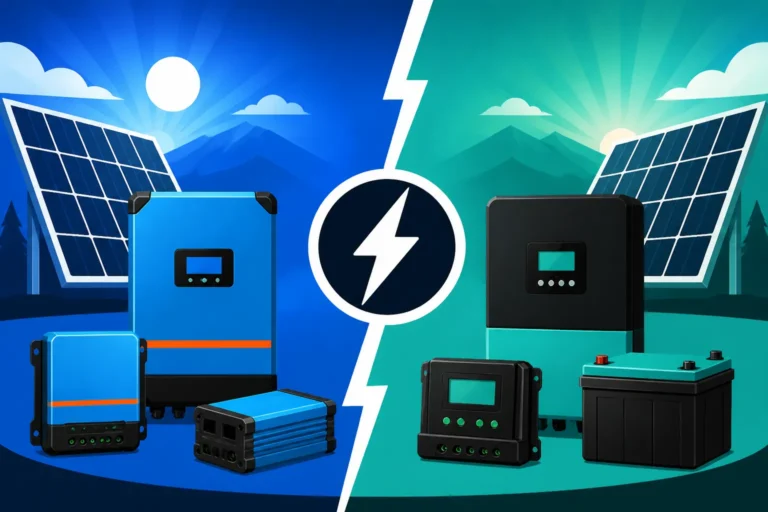
Moreover, many off-grid adventurers appreciate BougeRV's commitment to creating a relatively complete ecosystem of solar products. While we're focusing on their panels today, it's worth noting they also offer complementary components like charge controllers, battery monitors, and even portable power stations, making it easier to build a cohesive system. This can be particularly appealing for beginners who might feel intimidated by mixing and matching components from various manufacturers, reducing some of the guesswork involved in setting up an off-grid system for the first time.
Common BougeRV Panel Types
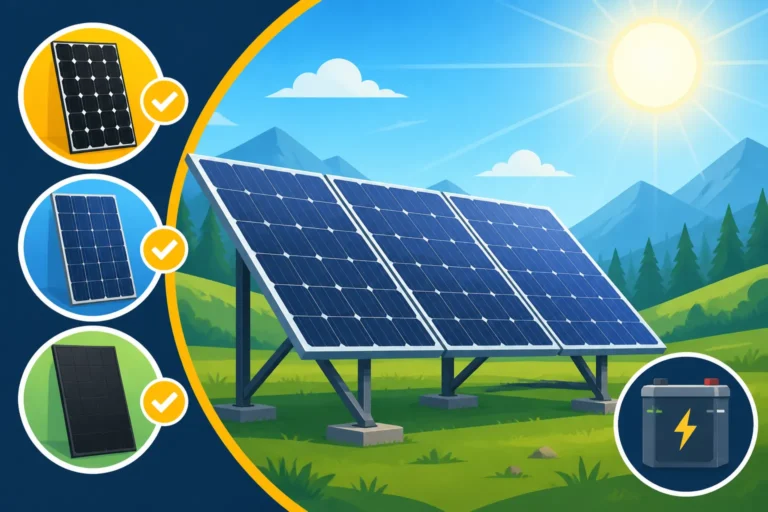
BougeRV offers a pretty diverse lineup, so let's break down the main types you'll encounter and what they're generally best suited for in an off-grid context. Understanding the differences is key to knowing if a particular panel will meet your specific Off-Grid Solar System Sizing Guide needs.
First up, you have their rigid solar panels. These are your traditional, framed panels, typically ranging from 100W to 200W or even higher. They feature tempered glass and an aluminum frame, making them quite robust and capable of withstanding various weather conditions, from heavy snow to strong winds. These are excellent for permanent installations on roofs of cabins, sheds, or ground mounts. For example, if you're looking to provide continuous power to a remote workshop, a few of these rigid panels mounted on a sturdy frame would be a great starting point. They offer good long-term performance and durability.
Then there are the flexible solar panels, which are incredibly popular among the RV and van life crowd. These panels are much lighter and can bend up to 30 degrees, allowing them to conform to curved roofs without needing bulky mounting hardware. BougeRV's flexible panels, often around 100W or 200W, are designed to be thin and discreet. They’re fantastic for vehicles where weight and aerodynamics are a concern, or for marine applications where rigid panels might be impractical. While their efficiency might be slightly less than top-tier rigid panels and their lifespan can sometimes be shorter due to different construction, their utility for specific applications is undeniable.
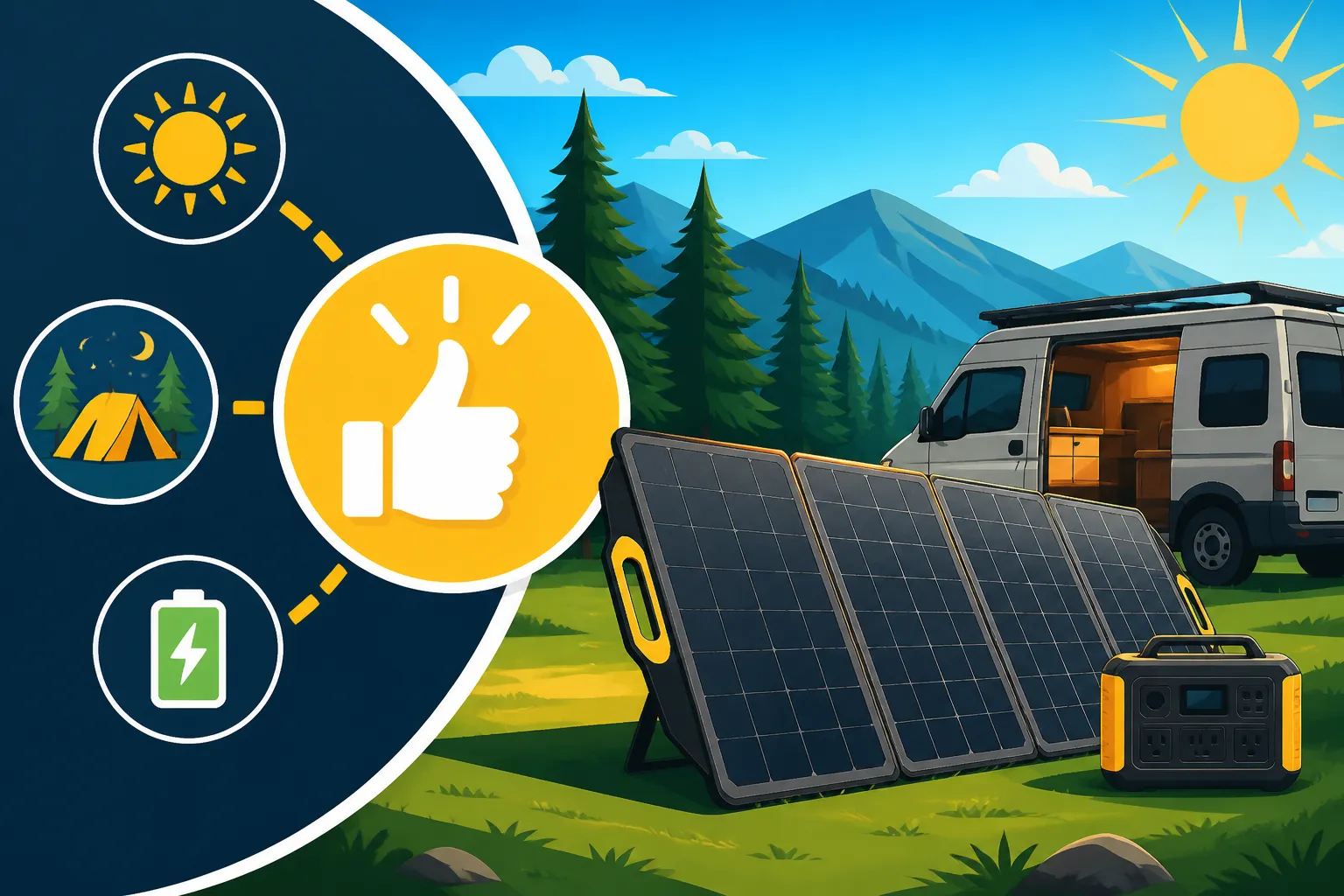
Finally, BougeRV also dips into the portable solar panel market, often bundled with their portable power stations. These are typically smaller, foldable panels that are easy to set up and move, perfect for camping, tailgating, or providing supplemental power for specific tasks. While not usually the primary power source for a full off-grid home, they're invaluable for charging devices, running a small fridge, or keeping your Cost to Run A Laptop on Off-Grid Solar going during an outdoor adventure. They offer a quick, convenient way to harness solar power on the go without a permanent installation.
| Panel Type | Typical Wattage Range | Key Features | Best Suited For | Considerations |
|---|---|---|---|---|
| Rigid | 100W – 200W+ | Tempered glass, aluminum frame, durable | Cabins, sheds, ground mounts, permanent RV roofs | Higher weight, requires sturdy mounting |
| Flexible | 100W – 200W | Lightweight, bendable (up to 30°), low profile | RVs, vans, boats, curved surfaces | Potentially shorter lifespan, careful installation |
| Portable | 60W – 200W | Foldable, lightweight, easy setup, kickstands | Camping, emergencies, supplemental charging | Not for primary whole-system power, smaller output |
Performance and Reliability in Off-Grid Scenarios
When you're depending on solar for your power, performance and reliability aren't just buzzwords; they're the bedrock of your energy independence. You want to know that your panels will consistently deliver power day in and day out, handling whatever the elements throw at them. Let's delve into how BougeRV panels typically stack up in real-world off-grid scenarios.
Power Output and Efficiency
The efficiency of a solar panel determines how much sunlight it converts into electricity. BougeRV panels, like most on the market, use monocrystalline silicon cells. Generally, their rigid panels will boast efficiencies in the 18-21% range, which is pretty standard and respectable for panels in their price bracket. This means that for every square foot of panel, you're getting a good amount of power, which is crucial when you're trying to maximize output from limited roof space or a small array. For example, a 200W BougeRV rigid panel should, under ideal conditions (standard test conditions, or STC), produce 200 watts of power.
However, real-world conditions are rarely ideal. Factors like temperature, shading, and the angle of the sun all impact actual power output. BougeRV panels, like any other, will see a dip in efficiency on very hot days, as solar cells perform better in cooler temperatures. Similarly, even partial shading from a tree branch or an antenna can drastically reduce the output of an entire string of panels. This isn't unique to BougeRV, but it's a critical consideration for any off-grid setup. Understanding these variables is key when you're learning How to Calculate Daily Energy Usage for your system. Many users find BougeRV panels to perform reliably for their intended applications – providing sufficient power for RVs, small cabins, or backup systems – especially when properly sized for the expected load and local sun hours.
It’s also important to differentiate between advertised peak wattage and the actual energy (watt-hours or kilowatt-hours) you’ll harvest over a day. A 100W panel might only give you an average of 400-500 Wh in a good sun day, depending on your location and the time of year. While BougeRV panels are efficient for their class, setting realistic expectations for their daily energy production is vital for a stable off-grid system. You'll want to combine them with a robust Cost of an Off-Grid Solar Battery Bank to store that energy for consistent use.
Durability and Longevity
Durability is paramount for off-grid components, as they're often exposed to harsh weather without the shelter of a grid-tied home. BougeRV's rigid panels are built with features common to the industry, including low-iron tempered glass on the front to protect the cells and a sturdy anodized aluminum frame that resists corrosion. This construction allows them to withstand things like hail, heavy rain, and significant snow loads, which is reassuring for anyone relying on their system year-round. They're designed to be a "set it and forget it" component once properly installed.
The flexible panels, while incredibly convenient for their intended use, require a bit more attention when it comes to longevity. While they're generally made with durable ETFE material, which is UV-resistant and self-cleaning, their flexible nature can sometimes make them more susceptible to damage from extreme flexing, sharp impacts, or prolonged high temperatures if not mounted correctly with proper air circulation. BougeRV typically offers a 5-year material and workmanship warranty on their flexible panels and a 25-year power output warranty (e.g., 80% output after 25 years) on their rigid panels, which is standard across the industry and provides a good level of confidence.
Many users report good experiences with BougeRV panels holding up over several years in various environments, from desert heat in Arizona to humid coastal conditions. Of course, proper installation and maintenance, like regularly cleaning your solar panels and inspecting wiring, are always crucial for maximizing the lifespan of any solar equipment. When considering the Lifetime Cost of an Off-Grid Solar System, the initial durability and warranty are significant factors.
Integration with Other Off-Grid Components
No solar panel works in a vacuum. It needs to seamlessly integrate with your charge controller, inverter, and battery bank to form a coherent, efficient system. BougeRV panels typically come with industry-standard MC4 connectors, which makes them highly compatible with most solar charge controllers and wiring setups. This is a huge benefit for DIYers, as you won't struggle with proprietary connectors or unusual voltage requirements.
Their panels come in various voltage configurations, usually designed to work well with common 12V, 24V, or 48V battery banks, depending on how you wire them. For smaller systems, like those for an RV or a shed, a few 12V BougeRV panels wired in parallel to a 12V battery bank are straightforward to set up. For larger systems, you might wire them in series to achieve higher voltages like 24V or 48V, which is more efficient for transmitting power over longer distances and with larger inverters. For example, if you're exploring How to Wire an Off-Grid Solar System, you'll find BougeRV panels fit right into standard practices.
You'll often find BougeRV panels paired successfully with popular charge controllers from brands like Victron Energy or even Renogy, known for their reliability and advanced features. The open-standard nature of BougeRV panels means you have the flexibility to choose high-quality components for the rest of your system, ensuring optimal performance and expandability down the line. This flexibility is a big win for those who want to customize their off-grid setup rather than being locked into a single brand's ecosystem.
The Pros and Cons of BougeRV for Off-Grid Systems
Every piece of equipment has its strengths and weaknesses, and BougeRV panels are no exception. For off-grid enthusiasts, understanding these nuances is critical to making an informed decision that aligns with your specific needs, budget, and lifestyle. Let's weigh what makes BougeRV a strong contender and where you might need to consider alternatives.
Advantages for the Off-Grid Enthusiast
One of the biggest advantages of BougeRV panels is their cost-effectiveness. For many people just starting their off-grid journey or those on a tighter budget for a cabin or RV, BougeRV offers an accessible entry point into solar power. You can often get a decent amount of wattage without the premium price tag associated with some top-tier brands. This affordability makes it easier to justify the initial investment and get your system up and running sooner. This is particularly appealing when considering the overall Off-Grid Solar Cost: Complete Breakdown.
Secondly, their wide availability and ease of purchase are huge benefits. You can often find BougeRV panels readily available on online marketplaces like Amazon, often with various shipping options. This is a game-changer for DIY installers who don't have local specialty solar stores or prefer the convenience of online shopping. It also means quicker replacements if something goes wrong, minimizing downtime for your system.
Moreover, BougeRV offers a good variety of panel types, especially their highly regarded flexible panels. For mobile applications like RVs, campers, or vans, where weight and curved surfaces are major design considerations, these flexible options are invaluable. They allow for a more streamlined, aerodynamic installation compared to bulky rigid panels, which can greatly improve the aesthetics and practicalities of a mobile off-grid setup. Many find this versatility perfect for their Off-Grid Solar Cost for an RV or van.
Finally, for smaller to medium-sized off-grid applications, BougeRV panels generally provide reliable performance. They might not push the absolute cutting edge of efficiency, but they consistently convert sunlight into usable power, helping maintain battery charge for everyday needs. For someone looking to power lights, a small refrigerator, and charge electronics in a remote cabin or vehicle, they absolutely get the job done without overcomplicating things.
Potential Drawbacks and Considerations
While BougeRV offers many benefits, it's also important to look at the other side of the coin. One consideration is that while their efficiency is good for the price point, it might not always match the very highest-end panels on the market. If you have extremely limited space and need to squeeze every last watt out of every square inch, you might find that premium brands offer a marginal boost in efficiency that could be worth the extra cost. For large, whole-home off-grid systems that require maximum power generation, a comprehensive look at Best Off-Grid Solar Panels might reveal other options with slightly higher performance metrics.
Another factor is long-term brand recognition and support compared to more established, larger solar manufacturers. While BougeRV has a growing presence, some of the very largest players in the solar industry have decades of proven track records and extensive dealer networks. For most users, this won't be an issue, especially with their typical warranties. However, for a massive, multi-decade residential off-grid system where every component needs to be absolutely bulletproof and replaceable via a local installer, some might prefer brands with a more entrenched professional installation network.
When comparing them to other popular brands in the DIY and mobile solar space, like Renogy, you'll often find similar specifications and price points. Both brands cater to a similar audience and offer comparable ranges of rigid and flexible panels. The choice often comes down to specific deals available at the time, personal preference, or minor feature differences. For instance, some users might find Renogy's online community or specific kit offerings to be more aligned with their needs, or vice-versa. It's always a good idea to check specific product reviews for both brands before making a final decision.
Lastly, while the ease of purchase on platforms like Amazon is a positive, it also means that BougeRV's support structure is primarily online. While they generally have responsive customer service for warranty issues or technical questions, it's not the same as having a dedicated local dealer or installer who can visit your site for troubleshooting. This is a common trade-off with many direct-to-consumer brands and something to consider if you prefer hands-on, local support.
Making the Decision: Is BougeRV Right for Your Setup?
Choosing solar panels is a big commitment, and it really boils down to aligning a brand's offerings with your unique energy demands, budget, and application. BougeRV panels have a definite place in the off-grid world, but they aren't a one-size-fits-all solution. Let's break down who benefits most from them and when it might be wise to explore other avenues.
Who Benefits Most from BougeRV Panels
BougeRV panels truly shine for a specific segment of the off-grid community. If you're building a mobile off-grid system – think RVs, campers, vans, or even smaller boats – their flexible panels offer an unbeatable combination of lightweight design, conformability to curved surfaces, and competitive pricing. The ability to install panels without heavy racking or drilling into sensitive vehicle roofs is a huge plus for these applications. The accessibility of these panels on Amazon means you can get them quickly, often fitting into tight build schedules.
They're also an excellent choice for smaller, independent structures like sheds, workshops, hunting cabins, or even a remote garage where you need reliable power but not necessarily a massive, whole-home solution. For these setups, rigid BougeRV panels provide robust, efficient power generation without the hefty investment of commercial-grade arrays. They're often sufficient to power essential lights, tools, and a small refrigerator, making these spaces truly functional off-grid. For those looking at a Cost to Power a Cabin with Solar, BougeRV can offer a very attractive solution.
Furthermore, first-time off-grid builders and DIY enthusiasts will find BougeRV a very welcoming brand. Their products are generally straightforward to install, utilize standard connectors, and are often part of affordable kits that simplify the component selection process. This makes the initial learning curve less steep and helps people gain confidence in their ability to set up their own solar system. This is a great entry point before considering more complex designs or larger investments. If you're considering DIY vs Professional Off-Grid Solar Cost, BougeRV often leans favorably towards the DIY route.
When to Consider Alternatives
While BougeRV is a great option for many, there are situations where you might want to consider alternatives. For large, full-scale residential off-grid homes with substantial energy demands (think running multiple major appliances, extensive heating/cooling, and continuous high loads), you might find yourself needing a larger array of higher-efficiency panels. In these scenarios, every percentage point of efficiency matters to maximize power production from a limited footprint. You might look at brands known for extremely high efficiency or specialized commercial solutions, even if they come with a higher upfront cost. This is when deep diving into how to How Many Solar Panels for Off-Grid Living becomes crucial, and you might consider a wider range of Best Off-Grid Solar Panels.
If you're operating in extreme or highly specialized environments, such as areas with consistently heavy snow loads, extremely high winds, or unique architectural challenges, you might want to look at panels and mounting solutions specifically engineered for those conditions. While BougeRV rigid panels are durable, some commercial-grade panels might offer superior structural integrity or specialized coatings for the harshest climates.
Finally, if your priority is long-term, large-scale system expandability and professional installation support, you might lean towards brands that have a more established network of certified installers and comprehensive technical support for large-scale projects. While BougeRV support is generally good for DIYers, the larger solar companies often have regional representatives and dedicated engineering support for complex, multi-component systems. This isn't to say BougeRV can't be expanded, but the professional ecosystem might be different. If you're planning a sophisticated system and want a smooth Off-Grid Solar Installation Guide, sometimes professional-grade solutions offer an easier path.
Ultimately, BougeRV panels are good for off-grid applications, especially for those seeking affordable, accessible, and versatile solutions for small to medium-sized projects or mobile setups. They deliver solid performance for their price point and are a fantastic gateway into the world of solar independence. Just make sure to match their strengths with your specific project's requirements, and you'll likely find them a reliable partner on your off-grid journey.
Disclaimer
The information provided in this guide is for general informational purposes only and does not constitute professional advice. While we strive to provide accurate and up-to-date content, off-grid solar systems require careful planning, design, and installation specific to your unique needs and location. Always consult with qualified solar professionals or electricians when designing, installing, or troubleshooting your off-grid solar system to ensure safety and compliance with local codes and regulations. Individual results may vary based on specific equipment, installation, environmental conditions, and usage patterns.