Best 48V Inverter for Off-Grid
One of the biggest hurdles for anyone serious about off-grid living is figuring out how to reliably power all their modern conveniences without breaking the bank or constantly worrying about power outages. For larger cabins, full-time RVs, or even entire off-grid homes, a standard 12V or 24V system often falls short, leading to frustration, voltage drop issues, and ultimately, a less comfortable experience. This guide will walk you through everything you need to know to select the absolute best 48V inverter for your off-grid solar setup, ensuring you have the robust and stable power you need.
Why 48V Systems Make Sense for Off-Grid Living
If you've spent any time researching off-grid solar, you've likely come across discussions about system voltage – 12V, 24V, and 48V being the most common. While smaller setups like a basic camper van or a shed might get by with 12V, as soon as you start adding more appliances, thinking about air conditioning, or planning for year-round living, 48V quickly becomes the hero. It's not just about bigger numbers; it's about efficiency, scalability, and ultimately, a more stable and reliable power system.
The Advantages of Higher Voltage
Moving to a 48V system offers several significant advantages that directly impact the performance and cost of your off-grid setup. The most critical benefit is reduced current. Imagine trying to push water through a garden hose versus a fire hose; the fire hose (higher voltage) can deliver the same amount of water (power) with much less effort (current). In electrical terms, lower current means less heat generated in your wires, which in turn means you can use smaller, less expensive wiring for your solar array and battery bank. This can lead to substantial savings, especially when you consider the lengths of cable needed for a comprehensive system.
Furthermore, lower current translates to less voltage drop over distance. If you've ever had dim lights at the far end of your RV or experienced appliances struggling because of long wire runs, you know voltage drop is a real headache. A 48V system inherently minimizes this, delivering more consistent power to your appliances, no matter where they are in your off-grid home. This efficiency also extends to your inverter and charge controller; these components operate more effectively at higher voltages, often leading to better overall system performance and less wasted energy. When you're trying to figure out how to size an off-grid solar system, considering the voltage is a foundational step that will influence every other component choice.
When a 48V System is Truly Necessary
While the benefits are clear, a 48V system isn't strictly necessary for every off-grid application. For a minimalist setup powering just a few LED lights and charging a phone, a 12V system might be perfectly adequate and simpler to install. However, if your vision for off-grid living includes running a full-size refrigerator, a well pump, a washing machine, or heaven forbid, an air conditioner, then 48V becomes essential. These high-power appliances demand a significant amount of electricity, and trying to run them on a lower voltage system will strain your components, overheat your wiring, and ultimately lead to premature failure.
Think about a small cabin in the woods that relies on solar for all its power needs. If you want to run a microwave for your morning coffee, a mini-split AC unit in the summer, and all your standard electronics, a 48V system provides the necessary muscle. It's also ideal for those planning to expand their system in the future. Starting with a 48V foundation makes it much easier to add more solar panels or batteries later without having to completely redesign your core electrical system. For anyone planning for year-round living or a family home, making the jump to 48V from the outset is a smart, future-proof decision that avoids many headaches down the road. Understanding how to choose system voltage is crucial for long-term satisfaction.
Key Features to Look for in a 48V Off-Grid Inverter
Choosing the right 48V inverter is arguably the most critical decision you'll make for your off-grid power system. It's the brain and brawn that takes the DC power from your batteries and turns it into the AC power your appliances crave. Skimping here or picking the wrong features can lead to frequent frustrations, damaged electronics, or even system failure. You need an inverter that's robust, efficient, and tailored to the demands of off-grid life.
Pure Sine Wave Output is Non-Negotiable
When you're shopping for an off-grid inverter, you'll encounter terms like "pure sine wave" and "modified sine wave." For anything beyond a simple light bulb or a basic phone charger, a pure sine wave output is absolutely non-negotiable. Why? Because the power coming from your utility grid is a pure sine wave, and most modern electronics are designed to run on it. A pure sine wave inverter produces clean, smooth, and consistent AC power, mimicking what you'd get from the grid.
Modified sine wave inverters, on the other hand, produce a "stepped" or "choppy" approximation of a sine wave. While they are often cheaper, they can cause a host of problems. Sensitive electronics like computers, medical equipment (CPAP machines, for example), LED lights, and appliances with motors (refrigerators, washing machines) can suffer from reduced efficiency, make buzzing noises, overheat, or even be permanently damaged by modified sine wave power. In the long run, saving a few bucks on a modified sine wave inverter can cost you significantly more in damaged appliances or a system that simply doesn't perform as expected. Always prioritize pure sine wave for a reliable and compatible off-grid experience.
Continuous Power and Surge Capacity
These two specifications are paramount when evaluating a 48V inverter. Continuous power refers to the amount of wattage the inverter can deliver constantly, 24/7, without overheating or shutting down. This is the rating you need to match against the total running wattage of all the appliances you anticipate using simultaneously. If your inverter has a 3000W continuous rating, it means you can theoretically run a combination of appliances that add up to 3000 watts for extended periods.
Surge capacity, however, is equally, if not more, important for off-grid living. Many appliances, especially those with motors like refrigerators, well pumps, microwaves, and power tools, draw a significantly higher amount of power for a brief moment when they first start up. This is known as the "starting wattage" or "surge." A refrigerator might run at 150-200 watts continuously, but it could surge to 1000-2000 watts for a split second when the compressor kicks on. Your inverter's surge capacity needs to be able to handle these momentary spikes, typically for 5-20 seconds, to prevent it from tripping or shutting down. Look for inverters with surge ratings that are at least 2-3 times their continuous rating, or even higher if you plan to run demanding motors. This capacity ensures your system doesn't stutter every time your well pump kicks in.
Integrated Charge Controller and Smart Features
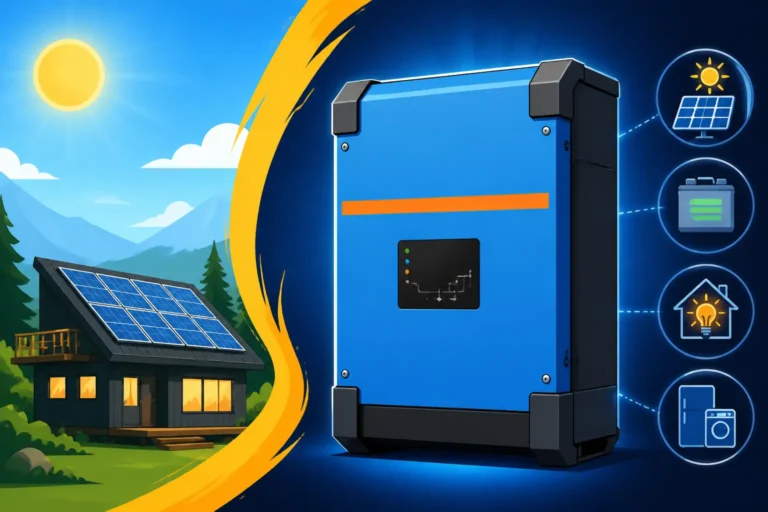
Many high-quality 48V off-grid inverters come with an integrated solar charge controller, often referred to as an "inverter charger." These all-in-one units simplify your wiring, save space, and provide a seamless interface for managing both solar input and battery charging. When choosing an inverter charger, look for one with an MPPT (Maximum Power Point Tracking) charge controller. MPPT controllers are significantly more efficient than older PWM (Pulse Width Modulation) controllers, especially in varying light conditions or when your panel voltage is much higher than your battery voltage. They can extract up to 10-30% more power from your solar panels, which is a huge deal for off-grid reliability.
Beyond the charge controller, modern 48V inverters boast an array of smart features that can greatly enhance your system's performance and your peace of mind. Look for features like:
- Programmable settings: The ability to customize charging parameters for different battery chemistries (like LiFePO4 vs. lead-acid), set low voltage disconnects, and define generator auto-start parameters.
- Monitoring and communication ports: USB, RS485, or Ethernet ports allow you to connect to a computer or a dedicated monitoring display. Brands like Victron Energy excel here, offering comprehensive apps and remote monitoring capabilities that let you keep an eye on your system from anywhere.
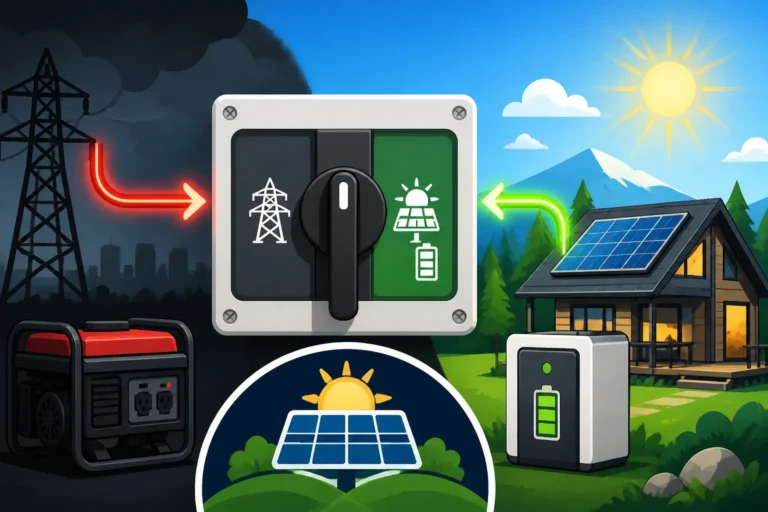
- Generator compatibility: Seamless integration with a backup generator, allowing the inverter to automatically start the generator when battery levels are low or when high loads demand extra power. This is a lifesaver during extended cloudy periods.
- Bypass mode: This allows AC input (from a generator or shore power) to directly power your loads, while simultaneously charging your batteries, reducing the load on the inverter itself.
These smart features transform a basic inverter into a sophisticated power management hub, giving you greater control and ensuring optimal performance of your Off-Grid Solar System Design Basics.
Durability and Environmental Considerations
An off-grid inverter is an investment, and it needs to stand up to the unique challenges of off-grid environments. Durability is key. Look for models with robust construction, often housed in heavy-duty metal casings that can withstand vibrations, dust, and potential impacts. If your inverter will be in a dusty workshop or a humid cabin, ensure it has appropriate ingress protection (IP) ratings to protect against environmental factors.
Cooling is another crucial factor. Inverters generate heat, especially under heavy loads. Excellent heat dissipation, whether through large heat sinks, efficient internal fans, or a combination, is essential for longevity. An inverter that can't effectively shed heat will throttle its output or fail prematurely. Pay attention to the inverter's operating temperature range; if you live in an area with extreme heat or cold, ensure the inverter is rated to perform reliably in those conditions. Some inverters are designed to handle wider temperature swings, while others might require a more controlled environment. The location of your inverter, such as a well-ventilated utility room or a sturdy outdoor enclosure, will also play a role in its long-term performance and efficiency. For those considering an off-grid system for year-round living, these environmental factors are particularly important.
Top Contenders for Best 48V Off-Grid Inverters
With the sheer number of options out there, it can feel overwhelming to pick the "best" 48V off-grid inverter. The truth is, the "best" depends entirely on your specific needs, budget, and the scale of your system. However, there are certainly some standout brands and models that consistently deliver on performance, reliability, and features, catering to different requirements.
Premium, Feature-Rich Options
When budget isn't the primary concern and maximum reliability, advanced features, and comprehensive monitoring are your top priorities, certain brands rise above the rest. These inverters are often chosen for large residential off-grid systems, remote homesteads, or critical infrastructure where downtime is not an option.
One of the undeniable leaders in this category is Victron Energy. Their MultiPlus and Quattro inverter/charger lines are renowned for their exceptional build quality, incredible configurability, and robust performance. A Victron MultiPlus-II 48V inverter, for instance, offers pure sine wave output, powerful multi-stage battery charging, and the ability to seamlessly integrate with a generator or even grid shore power if you ever have a hybrid setup. What truly sets Victron apart is its ecosystem; with their Cerbo GX communications hub and VRM online portal, you get unparalleled remote monitoring and control over every aspect of your system, from battery state of charge to solar yield, no matter where you are. This level of insight is invaluable for optimizing your energy usage and troubleshooting issues quickly.
Another strong contender in the premium space is Sol-Ark. Their all-in-one hybrid inverters are gaining immense popularity for their high power density and comprehensive features. A Sol-Ark 12K or 15K, for example, combines a powerful pure sine wave inverter, an MPPT solar charge controller, and a transfer switch into one compact unit. These units are often favored for their high surge capability and ability to run large, demanding loads. While they come with a higher price tag, the ease of installation and the integrated functionality make them a very attractive option for those building a robust, modern off-grid system that demands top-tier performance and simplified wiring.
Reliable Mid-Range Choices
For many off-gridders, the sweet spot lies in the mid-range: getting excellent performance and reliability without necessarily investing in the most expensive, feature-packed units. These inverters are perfect for many full-time RVers, smaller off-grid homes, or large cabins that need dependable power for everyday appliances.
Outback Power has long been a respected name in the off-grid community, known for their rugged and dependable inverters. Their Radian and FXR series offer solid pure sine wave output, advanced battery charging, and impressive surge capabilities, making them a go-to for many who prioritize durability. While perhaps not as flashy with remote monitoring as some newer brands, their inverters are built to last and are highly regarded for their robust performance in challenging conditions.
Another brand that consistently delivers good value in the mid-range is Growatt. Their all-in-one inverter chargers, such as the Growatt SPF 5000 ES, combine a pure sine wave inverter, an MPPT charge controller, and a battery charger into a single unit. These are often available through online retailers and provide a very cost-effective way to get a powerful 48V system up and running. They offer solid performance for typical home loads and often come with basic monitoring capabilities, striking a good balance between price and features. You can often find great deals on these through platforms like Amazon, making them accessible to a wider audience. If you're looking for how to choose an off-grid inverter, these brands offer a great balance.
Budget-Friendly Yet Capable Picks
Even if you're working with a tighter budget, you don't have to compromise on pure sine wave or 48V power. There are increasingly good options available that provide reliable performance for essential off-grid needs without breaking the bank. It often means fewer bells and whistles, but still capable of delivering clean power.
Brands like AIMS Power and Renogy offer a variety of 48V pure sine wave inverters that are popular among DIYers and those building simpler systems. Renogy, for instance, offers inverter chargers that bundle the essential components needed for a functional system. Their 3000W 48V pure sine wave inverter charger often includes an MPPT charge controller and utility/generator charging capabilities, making it a decent all-in-one solution for moderate loads. While they might not have the same depth of programmable features or the extensive monitoring ecosystem of a Victron system, they provide the core functionality needed to power most common appliances reliably. You can often find these types of inverters on Amazon, making price comparison and accessibility quite straightforward.
It's crucial to thoroughly check specifications like continuous power, surge rating, and the type of charge controller integrated (if any) to ensure it meets your load demands. While more budget-friendly, these options still deliver the clean power necessary for your sensitive electronics, proving that going off-grid doesn't always have to be an exorbitant expense. When researching the Cost of an Off-Grid Solar Inverter, these options present a compelling case for value.
Here's a quick comparison of typical features you might find across different 48V off-grid inverter categories:
| Feature | Premium (e.g., Victron, Sol-Ark) | Mid-Range (e.g., Outback, Growatt) | Budget-Friendly (e.g., AIMS, Renogy) |
|---|---|---|---|
| Continuous Power | 5000W – 15000W+ | 3000W – 8000W | 2000W – 5000W |
| Surge Capacity | 2x-3x continuous, for 5-20 seconds | 2x-3x continuous, for 5-10 seconds | 1.5x-2x continuous, for 1-5 seconds |
| Pure Sine Wave | Yes, high quality | Yes, high quality | Yes, good quality |
| Integrated Charge Cntl. | MPPT, High Efficiency (often multiple inputs) | MPPT, Good Efficiency | MPPT or PWM (check specs), moderate efficiency |
| Generator Compatibility | Auto-start, advanced controls | Auto-start, basic controls | Manual or basic auto-start |
| Monitoring | Extensive remote/local, app integration | Local display, optional basic remote | Basic local display |
| Transfer Switch | Seamless, fast | Fast | Decent speed |
| Approx. Price Range | $3,000 – $15,000+ | $1,000 – $5,000 | $500 – $2,000 |
Integrating Your 48V Inverter into Your Off-Grid System
Once you've chosen your ideal 48V inverter, the next crucial step is ensuring it integrates seamlessly into the rest of your off-grid solar system. This involves carefully matching it with your battery bank and solar array, as well as adhering to proper installation and safety protocols. A powerful inverter is only as good as the system it's connected to.
Matching with Battery Bank and Solar Array
The 48V inverter is the central hub, but it needs a robust supply of power from your batteries and solar panels. First and foremost, your battery bank must be a 48V nominal system. Attempting to connect a 48V inverter to a 12V or 24V battery bank will not work and can damage components. Whether you're using a single large 48V lithium iron phosphate (LiFePO4) battery or multiple 12V or 24V batteries wired in series to achieve 48V, ensure your bank's total voltage matches your inverter's input requirement. For instance, four 12V 100Ah LiFePO4 batteries wired in series would create a 48V 100Ah bank, which is a common configuration. Knowing How to Size an Off-Grid Battery Bank is essential here.
Next, consider your solar array. If your 48V inverter has an integrated MPPT charge controller, you'll need to match your solar panel array's voltage and current output to the controller's specifications. MPPT controllers are quite versatile, but they still have maximum input voltage (Voc) and current (Isc) ratings. You'll typically be wiring your solar panels in series, or a combination of series and parallel, to achieve a higher voltage (often 80V-150V or more, depending on the inverter's MPPT input range) that is then efficiently stepped down by the MPPT controller to charge your 48V battery bank. This allows for thinner gauge wiring from your array to the charge controller, minimizing voltage drop across long runs. If you have an external charge controller, you'll need to ensure its output voltage matches your 48V battery bank. Proper How to Wire Solar Panels in Series and How to Wire a Battery Bank are fundamental steps.
Installation and Safety Best Practices
Installing a 48V off-grid solar system, especially with a powerful inverter, requires careful attention to safety and adherence to electrical best practices. While many DIY enthusiasts successfully install their own systems, if you're unsure about any step, it's always wise to consult with or hire a qualified electrician.
Here are some key considerations:
- Location: Install your inverter in a cool, dry, well-ventilated area, protected from direct sunlight, moisture, and excessive dust. Ensure there's adequate clearance around the inverter for airflow. A dedicated utility room or shed is often ideal.
- Wiring: Use appropriately sized DC and AC wiring. The DC cables connecting your battery bank to the inverter will carry very high currents, so they must be extremely thick (e.g., 2/0 or 4/0 AWG) and as short as possible to minimize voltage drop and heat. AC wiring from the inverter to your main breaker panel should also be correctly sized for your loads. Refer to the inverter's manual and local electrical codes.
- Fuses and Breakers: Install DC fuses or circuit breakers on the positive line between your battery bank and the inverter, sized to protect the wiring and inverter. Similarly, install AC circuit breakers on the output of your inverter before your load center. This protects your system from overcurrents and allows for safe disconnection during maintenance. You can learn more about How to Install Fuses and Breakers.
- Grounding: Proper grounding is critical for safety. The inverter chassis, solar panel frames, and any metal racking should be correctly grounded to an earth ground rod. This protects against electrical shock in case of a fault. Don't skip this step; it's a non-negotiable safety requirement for any electrical system, especially off-grid where you might not have the inherent grounding provided by a utility connection.
- Ventilation: As mentioned earlier, inverters generate heat. Ensure that the installation area allows for good airflow to prevent overheating, which can reduce efficiency and shorten the inverter's lifespan. Consider adding ventilation fans if the space is enclosed.
- Start-Up Procedure: Always follow the manufacturer's recommended start-up sequence. Typically, this involves connecting the battery bank first (with fuses/breakers off), then connecting the solar array (again, with disconnects off), and finally, turning on the inverter and AC loads. Reversing this sequence can damage components.
Taking the time to plan your installation meticulously and prioritizing safety will ensure your 48V off-grid inverter provides years of reliable, uninterrupted power.
Disclaimer
The information provided in this guide is for general informational purposes only and does not constitute professional electrical advice. Off-grid solar system installation and maintenance involve working with high voltages and currents, which can be dangerous. Always consult with qualified electricians or solar professionals and adhere to all local electrical codes and regulations when designing, installing, or servicing an off-grid solar system. The author and publisher are not responsible for any actions taken based on the information in this guide.