Cost of Off-Grid Solar vs Propane
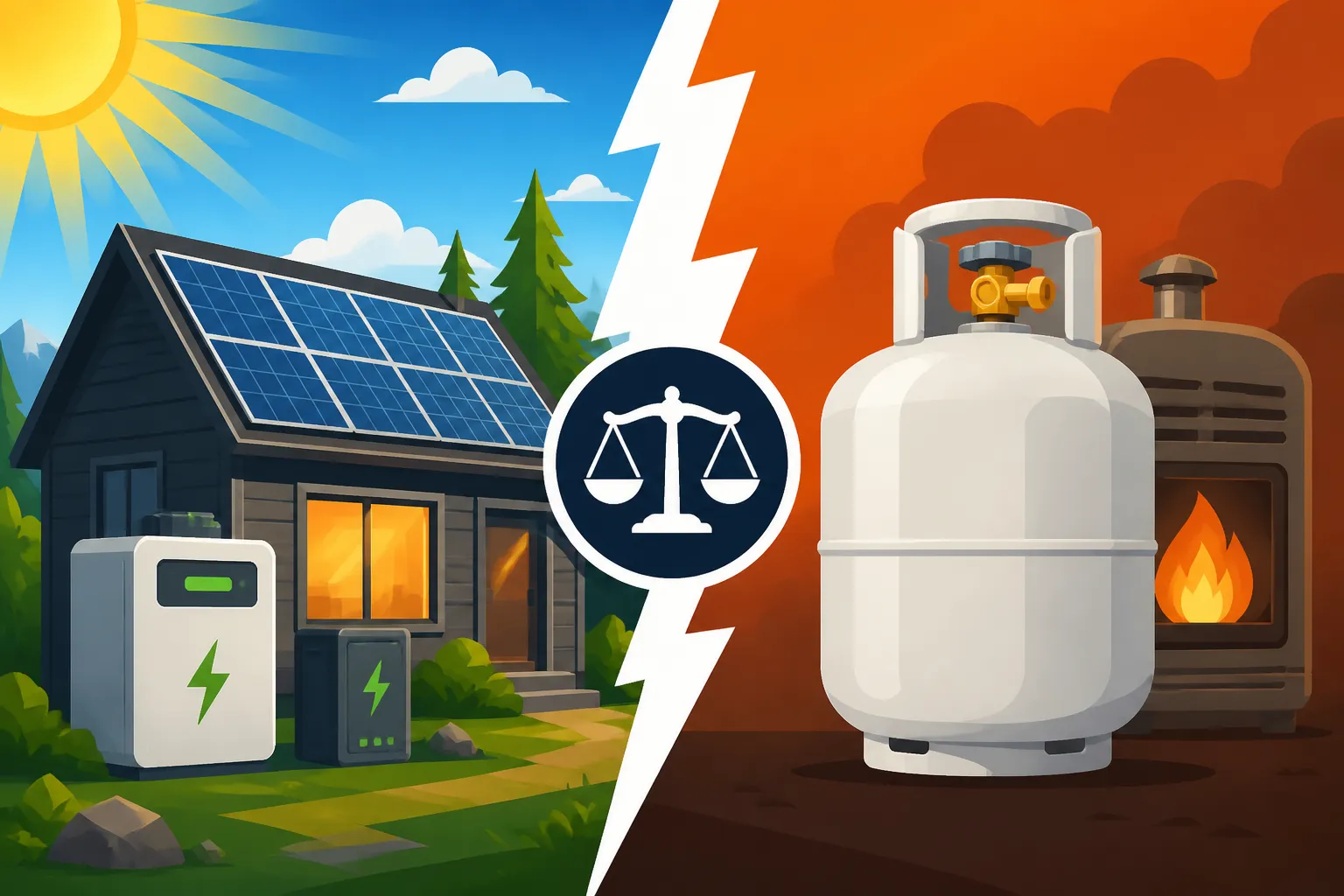
Deciding how to power your off-grid lifestyle is a huge decision, and let's be honest, it often boils down to a classic showdown: off-grid solar vs. propane. Many folks grapple with the initial sticker shock of solar or worry about the endless refills of propane, feeling stuck between a rock and a hard place. This guide is here to untangle the financial realities, long-term implications, and practical differences between powering your remote haven with the sun's rays or the versatile gas in a tank.
Understanding the Upfront Investment
When you're first setting up your off-grid property, the initial costs can feel like a mountain to climb, no matter which energy source you're considering. It's crucial to break down what you're actually paying for from the get-go.
Initial Costs for Off-Grid Solar Systems
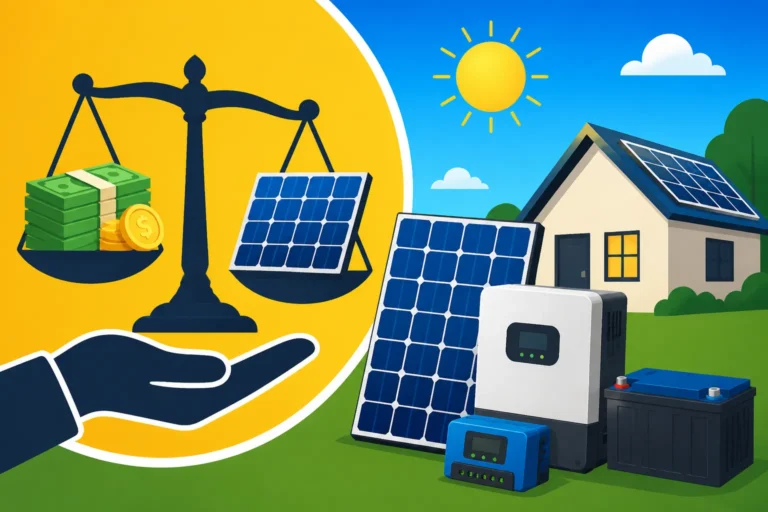
The upfront cost for an off-grid solar system is often what gives people pause, and for good reason—it’s a significant investment. You’re not just buying a few panels; you’re building a complete miniature power grid. Your system will primarily consist of solar panels, which capture sunlight; batteries, to store that energy for when the sun isn't shining; an inverter, to convert stored DC power into usable AC power for your appliances; and a charge controller, to manage the flow of energy from panels to batteries. Then there are the smaller but essential items: mounting hardware, wiring, fuses, breakers, and possibly a system monitor.
The price tag varies wildly depending on your energy needs. A small cabin or RV only needing to power a few lights and charge devices might get by with a system costing $2,000 to $5,000. However, if you're looking to power a whole house with all the modern conveniences – refrigerators, well pumps, air conditioning – you're looking at something in the $15,000 to $50,000+ range. This is why understanding How Much Does an Off-Grid Solar System Cost is so important early on. The type of batteries you choose, for instance, dramatically impacts this. Lithium iron phosphate (LiFePO4) batteries, while more expensive initially, offer a much longer lifespan and deeper discharge cycles than traditional lead-acid batteries. Also, remember that the cost can be impacted by whether you go the DIY vs Professional Off-Grid Solar Cost route; installing it yourself can save a bundle on labor, but requires significant time, skill, and careful planning. A comprehensive understanding of the Off-Grid Solar Cost: Complete Breakdown can help you budget accurately for each component.
Initial Costs for Propane Systems
Propane systems, by contrast, often have a lower initial barrier to entry, especially if you're primarily using it for heating, cooking, and hot water. The main components you'll need are a propane tank, the necessary gas lines, and the propane-powered appliances themselves.
Propane tanks can either be purchased or leased. Leasing is common and usually involves a smaller upfront fee, sometimes just the first fill-up, but comes with ongoing rental fees. If you decide to buy, a 100-pound tank might cost a few hundred dollars, while a large 500 or 1,000-gallon underground tank, which many off-gridders opt for to avoid frequent refills, could easily run you several thousand dollars. Installation costs include running lines to your appliances, ensuring proper ventilation, and connection to the tank. Propane appliances, such as a furnace, water heater, stove, or even a clothes dryer, need to be specifically designed for propane (LP gas). These can range from a few hundred dollars for a basic stove to several thousand for a high-efficiency furnace or on-demand water heater. Don't forget the initial fill-up of the tank, which can be a significant expense depending on current market prices and the tank's capacity.
Long-Term Running and Maintenance Costs
Once your system is up and running, the ongoing expenses are where the true financial differences between off-grid solar and propane really start to become clear.
Ongoing Costs for Off-Grid Solar
One of the biggest advantages of off-grid solar is that, once installed, your "fuel" is absolutely free. The sun isn't sending you a bill! This means your daily running costs for electricity generation are effectively zero. The long-term expenses for a solar system mainly revolve around maintenance and eventual component replacement.
Routine maintenance is fairly minimal, usually involving keeping your solar panels clean from dirt, dust, and snow, and making sure all connections are secure. If you have lead-acid batteries, they'll require periodic watering and equalization charges. However, with modern LiFePO4 batteries, maintenance is almost non-existent beyond keeping them within their recommended temperature range. You can learn more about this in a guide on Off-Grid Solar Maintenance Costs.
The most significant long-term cost for solar typically comes from battery replacement. While LiFePO4 batteries can last 10-15 years or even longer, they aren't immortal. Lead-acid batteries, on the other hand, might need replacing every 3-7 years, significantly adding to your long-term budget. To get a better grasp of this, check out Cost to Replace Off-Grid Solar Batteries. Inverters and charge controllers are generally robust and can last 10-20 years, but like any electronic device, they can fail and need replacement. Considering How Battery Choice Affects Off-Grid Cost is vital when planning your budget, as batteries are often the most expensive component to replace. You might also find yourself investing in a robust battery monitoring system, possibly from a brand like Victron Energy, to keep an eye on your battery health and maximize their lifespan.
Ongoing Costs for Propane
For propane users, the primary and most consistent ongoing cost is the fuel itself. Unlike solar, propane isn't free, and its price can fluctuate based on global markets, seasonal demand, and even local supply. You'll need to schedule regular deliveries, especially if you rely on propane for heating during colder months. Delivery fees can add up, particularly for remote off-grid locations. Some propane companies might even have minimum annual usage requirements or charge extra fees for small deliveries.
Beyond the fuel, there are maintenance considerations. Propane appliances should be inspected periodically to ensure they're running efficiently and safely. This includes checking for leaks, proper combustion, and clean burners. If you lease your tank, you'll have those recurring rental fees, which can range from $50 to $200 per year, depending on the tank size and supplier. While rare, general wear and tear on gas lines or appliance components might lead to repair costs down the road. For safety, it’s always wise to have carbon monoxide detectors and propane leak detectors, which you can easily find on platforms like Amazon. If you're using propane for a generator, the cost of generator fuel needs to be factored in, which can be considerable if it's running frequently. Sometimes, people will opt for a smaller solar power station, like a Jackery Portable Power Station, as a supplementary backup to reduce their reliance on a noisy, fuel-guzzling generator for smaller critical loads.
Comparing Energy Output and Efficiency
It's not just about how much money you put in; it's also about how much usable energy you get out and how efficiently each system delivers it.
Solar Energy Conversion and Usage
Off-grid solar systems are designed to convert sunlight into usable electricity, typically measured in kilowatt-hours (kWh). Your entire electrical demand, from running lights and charging your laptop to powering your refrigerator or even an air conditioner, is covered by this generated electricity. The amount of electricity your system can produce depends on the size of your solar array (how many panels and their wattage), the number of "peak sun hours" your location receives, and factors like panel tilt and shading.
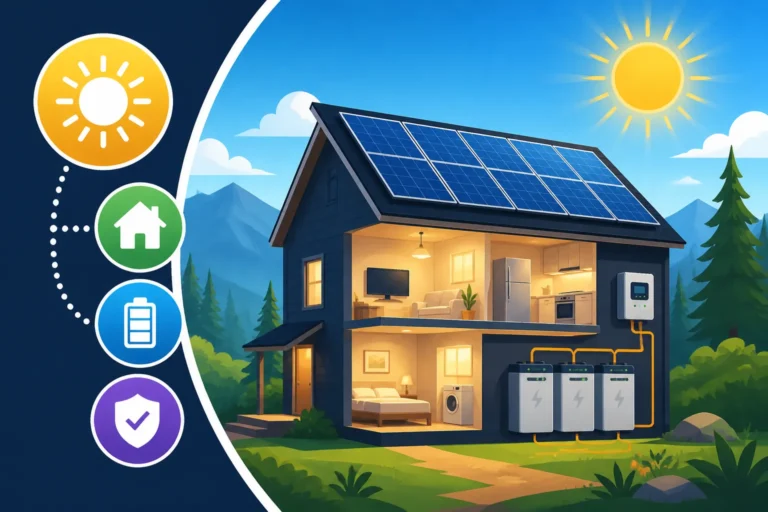
Modern solar panels are incredibly efficient, converting a significant percentage of sunlight into electricity. This electricity charges your battery bank, creating a reservoir of power for nighttime or cloudy days. The inverter then takes this stored DC power and converts it into AC power, just like what you'd get from the grid. Proper system sizing, as outlined in guides like How to Size an Off-Grid Solar System, is critical to ensure you're generating enough power to meet your needs year-round, even during periods of low sunlight. You might want to consider How Many Solar Panels for Off-Grid Living to ensure you have adequate generation. While the sun is free, maximizing its capture and efficient storage is key to making solar a reliable and cost-effective choice.
Propane Energy Output and Heating Value
Propane is an incredibly versatile energy source, particularly prized for its high energy density and clean-burning properties. It's measured in gallons, and one gallon of propane contains approximately 91,500 BTUs (British Thermal Units) of energy. This high BTU content makes it extremely effective for applications requiring intense heat, such as cooking on a gas range, heating water rapidly with an on-demand water heater, or powering a forced-air furnace to warm your home.
The efficiency of propane usage largely depends on the appliances you connect to it. Modern propane furnaces can boast efficiency ratings upwards of 95%, meaning very little heat is wasted. Tankless water heaters are also highly efficient, only heating water as needed, unlike traditional electric or even propane tank heaters that maintain a large volume of hot water constantly. For cooking, many chefs prefer the instant, controllable heat of a gas stove over electric alternatives. While propane can be used to generate electricity via a generator, it's generally far less efficient and more costly per kWh than direct solar production, typically reserved for backup power during extended cloudy periods or when demand temporarily exceeds solar capacity.
Beyond the Dollar Sign: Other Considerations
While cost is a huge factor, the decision between off-grid solar and propane also involves weighing environmental impact, reliability, and sheer convenience.
Environmental Impact and Sustainability
Choosing an energy source for your off-grid property often reflects deeper values about your footprint on the planet. Off-grid solar stands out as a champion of environmental sustainability. It harnesses a truly renewable resource – sunlight – to produce electricity without any harmful emissions during operation. There's no burning of fossil fuels, no greenhouse gas release, and no smog-producing byproducts once the system is installed. The environmental impact is primarily tied to the manufacturing and disposal of components, which are areas where the industry is constantly improving, focusing on recyclable materials and more ethical production. By choosing solar, you're making a conscious decision for cleaner air and a reduced carbon footprint, actively contributing to a more sustainable future.
Propane, while a fossil fuel, is often considered a "cleaner" fossil fuel compared to heating oil or coal. It burns more efficiently and produces fewer greenhouse gases and pollutants than many alternatives, but it is not emission-free. When propane burns, it releases carbon dioxide and water vapor, contributing to greenhouse gas emissions, albeit at a lower rate than some other fuels. The extraction, processing, and transportation of propane also have their own environmental considerations. While it offers a practical and often necessary energy solution for off-gridders, especially for high-heat applications, it doesn't align with a completely carbon-neutral lifestyle in the way solar does.
Reliability and Energy Independence
The concept of "reliability" looks very different for solar and propane, and both offer unique paths to energy independence. With off-grid solar, reliability hinges on the sun and your system's design. A well-sized system with an adequate battery bank (as discussed in How Many Batteries for an Off-Grid System) can provide consistent power, even through multiple days of clouds. However, prolonged periods of low sun, like during winter storms or very overcast weeks, can strain a system if not properly accounted for in the design phase. This is where guides like How to Account for Cloudy Days become invaluable. To truly bolster reliability, many solar users integrate a backup generator, often powered by propane, as a secondary power source. This ensures that even in the worst weather, you can recharge your batteries and keep essential systems running. Understanding How to Add a Generator to Your Design is a crucial part of holistic off-grid planning.
Propane offers a different kind of reliability: it's there as long as your tank has fuel and your supply lines are intact. Its consistent energy output, regardless of weather, makes it a go-to for critical functions like heating and cooking. However, true energy independence with propane is tied to your ability to store a sufficient supply and ensure timely deliveries. If roads are impassable, suppliers face shortages, or your tank runs low unexpectedly, you could be without heat or hot water. This vulnerability to supply chain disruptions and access issues, especially in remote areas, is a key consideration. For many off-gridders, a balanced approach often involves using solar for electricity and propane for specific high-heat needs, leveraging the strengths of both.
Convenience and Lifestyle
The day-to-day experience of living with off-grid solar versus propane also differs significantly, impacting your lifestyle and routine. Once installed, a solar system operates quietly and almost autonomously. Beyond monitoring your battery levels and occasionally cleaning panels, it's largely a "set it and forget it" system. There's no need to schedule deliveries, no loud generator constantly running (unless it's a backup), and no concern about running out of fuel. The peace and quiet of a solar-powered homestead are often cited as major advantages by those living off-grid. However, it does require a bit more mindfulness about energy consumption, especially on cloudy days, and you might find yourself checking weather forecasts to anticipate your solar harvest.
Propane, while incredibly powerful and efficient for certain tasks, requires more active management. You'll need to monitor your tank levels and coordinate deliveries, which can be challenging in remote locations or during bad weather. The convenience of instant heat for cooking and water is undeniable, offering a familiar, grid-like experience for these applications. However, the humming of a furnace or the scheduling of a delivery might interrupt the tranquil off-grid experience. For those who prioritize powerful, on-demand heat without worrying about weather patterns affecting their energy supply for specific applications, propane offers a straightforward solution, provided they manage their supply diligently.
Off-Grid Solar vs. Propane Cost Comparison Table
To help you visualize the differences we've discussed, here's a table summarizing the key aspects of off-grid solar and propane:
| Feature | Off-Grid Solar System | Propane System |
|---|---|---|
| Initial Cost | High ($2,000 – $50,000+) | Moderate (Tank purchase/lease + appliances: $1,000 – $10,000+) |
| Running Cost | Near zero (sunlight is free) | Variable (cost of propane refills, delivery fees) |
| Maintenance | Low (panel cleaning, battery checks, component monitoring) | Low (appliance inspection, leak checks, tank maintenance) |
| Fuel Source | Renewable (sunlight) | Non-renewable (fossil fuel) |
| Primary Use | Electricity for all electrical loads | Heating, cooking, hot water, backup generator fuel |
| Lifespan | Panels: 25+ years; Batteries: 3-15+ years; Inverter: 10-20 years | Tank: 20-30 years; Appliances: 10-20 years |
| Environmental | Zero emissions during operation | Produces CO2 and other emissions |
| Reliability | Weather-dependent (with battery storage), best with backup generator | Constant supply if tank is full, vulnerable to supply disruptions |
| Convenience | Quiet, autonomous, no deliveries, requires energy mindfulness | Instant heat, requires delivery scheduling, tank monitoring |
No matter which path you lean towards, remember that building an off-grid setup is a journey. Often, the most robust and satisfying solutions blend the strengths of both, using solar for the bulk of electrical needs and propane for specific high-demand applications or as a reliable backup.
Disclaimer
The information provided in this article is for general informational purposes only and does not constitute professional advice. Off-grid solar and propane systems involve complex electrical and gas components, and proper installation and maintenance are crucial for safety and efficiency. Always consult with qualified professionals for system design, installation, and any related work to ensure compliance with local codes and safety standards. Prices and costs mentioned are estimates and can vary significantly based on location, market conditions, specific components chosen, and installation methods.