Off-Grid Solar Kit vs Building Your Own
Embarking on the journey to power your life off-grid is incredibly exciting, but it often brings a big question right to the forefront: should you buy a pre-made off-grid solar kit, or roll up your sleeves and build a system from individual components? This dilemma can feel overwhelming, especially with so many options out there, leaving many folks scratching their heads. This comprehensive guide is here to walk you through the pros and cons of both approaches, helping you confidently choose the path that best suits your off-grid dreams and your particular circumstances.
The Allure of the Off-Grid Solar Kit
For many, the idea of a pre-packaged off-grid solar kit feels like a breath of fresh air. It promises simplicity, convenience, and a straightforward path to generating your own power. You're not alone if the thought of figuring out every single component, wire, and connection fills you with a bit of dread. Kits are designed to remove much of that guesswork, making them a very attractive option, especially for beginners or those with smaller, less complex power needs.
Convenience and Simplicity
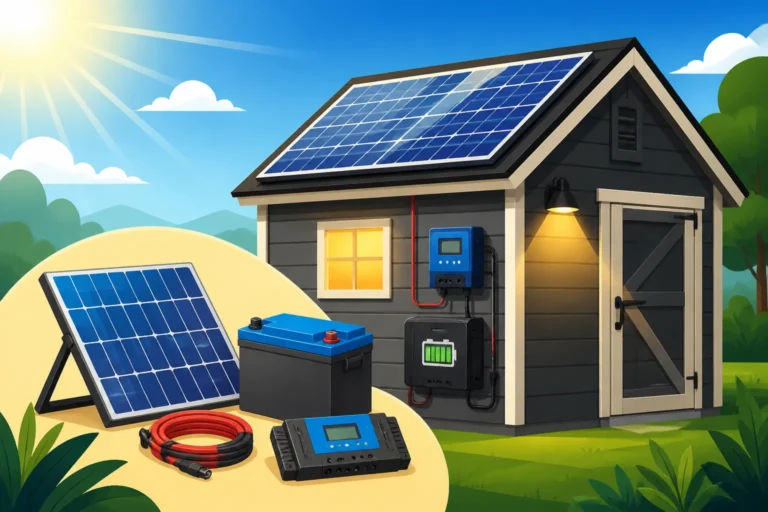
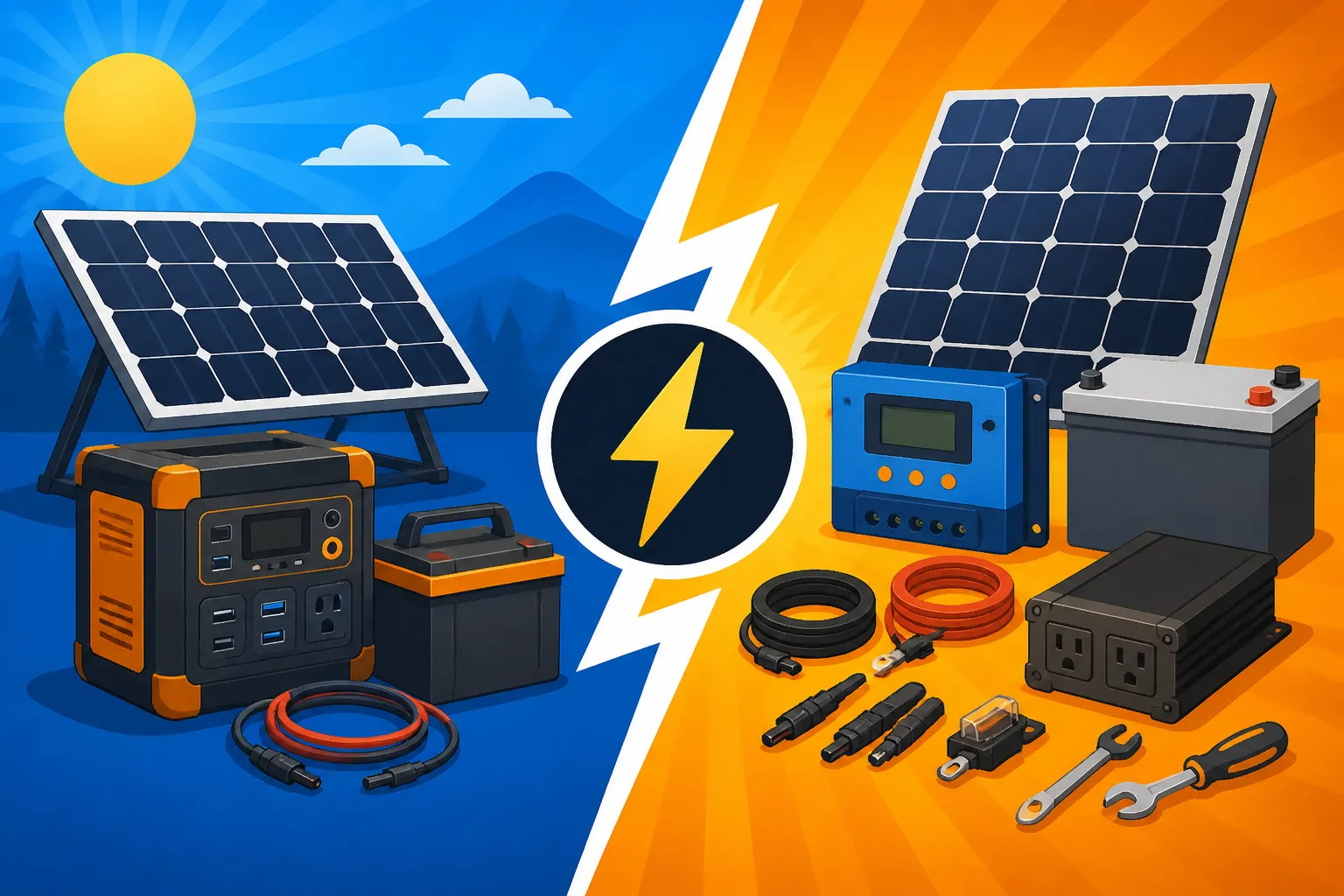
The biggest draw of an off-grid solar kit is undoubtedly its convenience. Imagine buying a box that essentially contains everything you need: solar panels, charge controller, inverter, and sometimes even batteries and wiring. The manufacturers have done the heavy lifting of ensuring compatibility between components, which can be a huge headache when you're piecing things together yourself. This means less research, fewer complex calculations, and often a much quicker installation process. It’s like buying a furniture kit instead of milling your own timber – all the parts are cut, drilled, and ready to be assembled, often with clear instructions. This plug-and-play aspect is a huge relief for many who just want to get power flowing without becoming an electrical engineer overnight.
When you're dealing with individual components, a simple mismatch in voltage or current ratings between a panel and a charge controller can lead to inefficiencies or even damage. Kits bypass this entirely, providing a harmonious system from the get-go. For instance, a small solar kit for an RV or a tiny shed often comes with pre-wired connections or clearly labeled terminals, drastically reducing the potential for error and boosting your confidence. You won't have to spend hours researching how to wire an Off-Grid Solar System or agonizing over every connection point.
Predictable Costs and Support
Another significant advantage of purchasing an off-grid solar kit is the predictability of costs. When you buy a kit, you typically know the total price upfront. This helps immensely with budgeting, as you're less likely to encounter unexpected expenses from forgotten components or incompatible parts. Manufacturers often offer tiered kits based on power output, allowing you to select one that fits your budget and general power requirements without diving into the granular details of component pricing. This transparency can be a huge relief, particularly when you're just starting to understand the financial landscape of going off-grid.
Beyond the initial purchase price, reputable kit providers often include comprehensive warranties and customer support. If a component fails or you run into an installation snag, you have a single point of contact for assistance. This level of support can be invaluable, especially for novices. Brands like Jackery, for example, are well-known for their user-friendly portable power stations and solar kits, often coming with clear documentation and accessible customer service. This gives you peace of mind knowing that if something goes awry, you're not left to troubleshoot in the dark by yourself.
When a Kit Shines Brightest
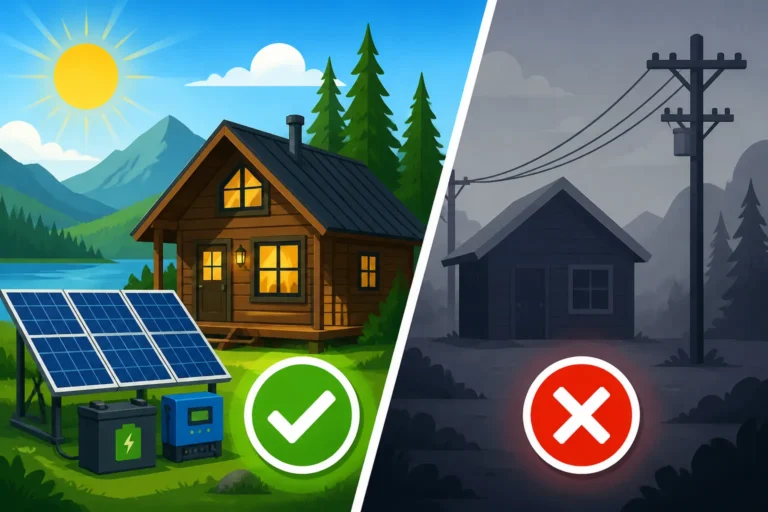
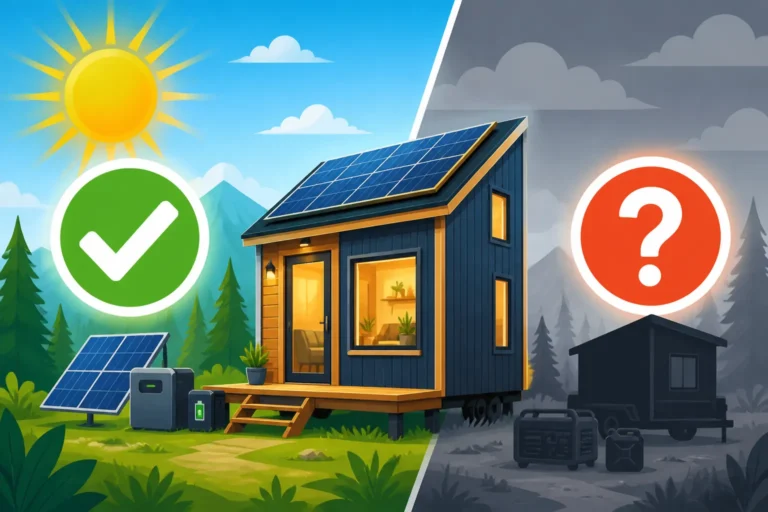
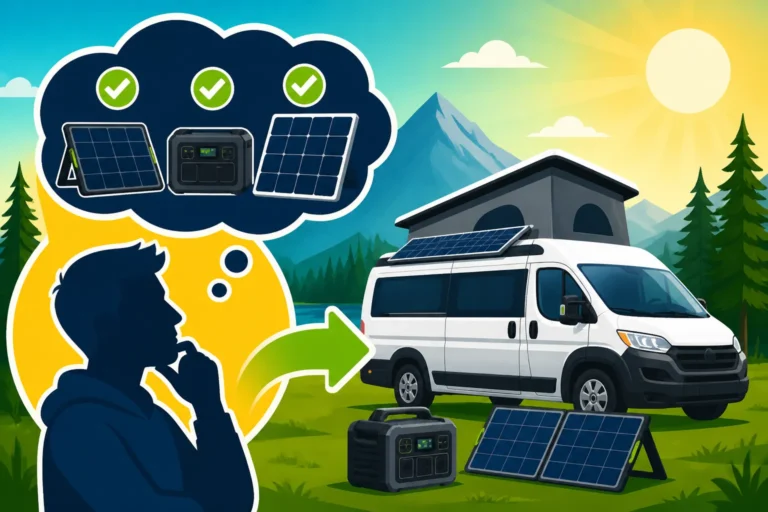
Off-grid solar kits truly shine in specific scenarios where their simplicity and bundled nature are paramount. They are fantastic for smaller, less demanding applications. Think about powering a weekend cabin where you primarily need lights, to charge your phone, and run a small refrigerator. A compact kit often fits the bill perfectly without requiring extensive calculations or complex wiring diagrams. They are also ideal for temporary setups, like emergency backup power for your home, or for recreational vehicles (RVs) and campers where space and ease of installation are critical.
Consider a scenario where you're outfitting a small hunting cabin in a remote area. You don't need to run heavy appliances, but reliable lighting and a way to charge devices are essential. A 400W or 1000W off-grid solar kit would be an excellent choice. It’s easy to transport, relatively straightforward to install, and provides enough power for your basic needs. You could even use a portable solar generator like those from Jackery for quick, hassle-free power for critical items. These ready-to-go solutions are also excellent for learning the ropes of solar power before potentially committing to a larger, more intricate DIY build down the line. If you're wondering what to Look for in an Off-Grid Solar Kit, prioritize ease of installation and comprehensive warranties.
The Empowerment of a DIY Off-Grid Solar Build
While kits offer convenience, the do-it-yourself (DIY) approach to off-grid solar systems provides a level of control and customization that pre-made kits simply cannot match. For those with a willingness to learn, a bit of technical aptitude, and a desire to perfectly tailor their power solution, building your own system can be an incredibly rewarding and empowering experience. It allows you to select every single component, optimize for efficiency, and build a system that can evolve with your needs over time.
Customization and Scalability
The most compelling reason to build your own off-grid solar system is the unparalleled customization it offers. You're not limited to the components a manufacturer decided to bundle together. Instead, you can hand-pick the highest quality solar panels, select a specific type of battery (like LiFePO4 for longevity and deep cycling, or lead-acid for a lower upfront cost), choose an inverter with the exact wattage and features you need, and even optimize your charge controller for your specific array size and battery chemistry. This means every part of your system can be perfectly matched to your unique energy consumption patterns and long-term goals.
For example, if you plan to run heavy power tools in a workshop, you might need a robust pure sine wave inverter with a high surge capacity. If your primary concern is storing power for several cloudy days, you'll focus on maximizing your battery bank capacity. When you build from scratch, you have the flexibility to design an expandable system, allowing you to Add Panels to an Existing System or battery banks as your energy demands grow, or as your budget allows. This adaptability is crucial for homesteaders or those planning to live off-grid long-term, where needs often change over time.
Cost Savings and Learning Experience
The potential for cost savings is another significant motivator for many DIYers. While it's not always cheaper, especially if you make mistakes or overbuy, carefully sourcing individual components can often result in a more budget-friendly system compared to some pre-made kits, especially for larger installations. By comparing prices from various suppliers, taking advantage of sales, and potentially using some refurbished components (with caution, of course!), you can often get more bang for your buck. However, it's vital to be realistic about this; sometimes the convenience of a kit, and the included support, can justify a slightly higher price tag. If you're exploring How Much Cheaper Is DIY Off-Grid Solar, remember to factor in potential learning curve costs.
Beyond the monetary savings, the learning experience gained from building your own system is truly invaluable. You'll gain a deep understanding of how each component works, how they interact, and how to troubleshoot potential issues. This knowledge empowers you to maintain, repair, and upgrade your system with confidence, making you truly independent. Imagine the satisfaction of knowing you built your power source with your own two hands! You'll learn How to Install an Off-Grid Solar System from the ground up, understanding everything from panel wiring to inverter settings. This hands-on experience transforms you from a consumer into a skilled off-grid expert.
When DIY is the Way to Go
Building your own system is particularly advantageous for larger, more complex off-grid setups, such as a full-time off-grid home or a large remote property with diverse power needs. If you require significant power for multiple appliances, including high-draw items like well pumps, washing machines, or air conditioning units, a custom-designed system allows for precise sizing and component selection. This ensures that every watt is generated and stored efficiently, tailored exactly to your unique load profile.
Another prime example is a homestead that plans to expand over time, perhaps adding new outbuildings or increasing their energy demands with more sophisticated equipment. A DIY system can be designed from the outset with future expansion in mind, using higher-capacity components or leaving room in the design for additional panels or batteries. If you're comfortable with electrical work, enjoy problem-solving, and have the time to dedicate to research and installation, the DIY route offers unparalleled freedom and satisfaction. It's the path for those who truly want to understand and own every aspect of their off-grid power solution, ensuring a robust and reliable system for years to come. For those considering the Cost of a DIY Off-Grid Solar Build, it’s often a long-term investment in knowledge and tailored performance.
Key Factors to Consider Before Deciding
Choosing between an off-grid solar kit and a DIY build isn't a decision to be taken lightly. It involves a thoughtful assessment of your personal resources, technical capabilities, and long-term goals. There's no universal "right" answer; what's best for one person might be entirely wrong for another. By honestly evaluating these key factors, you can make an informed choice that will serve your off-grid aspirations well.
Your Technical Expertise and Time Commitment
One of the most crucial considerations is your existing technical expertise and how much time you're willing to commit to the project. If you have a solid understanding of basic electricity, are comfortable with tools, and enjoy learning new technical skills, then a DIY build becomes a much more viable and potentially rewarding option. You’ll be able to grasp concepts like How to Size an Off-Grid Solar System or understand intricate wiring diagrams with greater ease. However, if the thought of wiring an inverter or calculating voltage drop makes your head spin, a kit might be a far less stressful entry point into off-grid living.
It's also important to consider the time commitment. A DIY project, especially for a larger system, will require significant time for research, sourcing components, and the actual installation. You'll need to learn about Off-Grid Solar System Components Explained and their interactions. This isn't a weekend project if you're building a whole-home system. Kits, on the other hand, are designed for quicker setup, reducing the total hours spent from start to finish. Be honest with yourself about your available time and patience. Trying to rush a complex DIY build can lead to mistakes, frustration, and even safety hazards, ultimately costing more than the initial savings.
Budget and Long-Term Goals
Your budget plays a significant role in this decision, but it's not always as simple as "kits are more expensive" or "DIY is cheaper." While DIY can offer opportunities for savings by allowing you to shop around for deals on individual components, it also carries the risk of unforeseen expenses if you make errors or underestimate material needs. Kits typically have a clear, upfront price, which can be easier for budgeting, but might not always offer the absolute lowest component cost if you were to painstakingly source everything yourself. Understanding Off-Grid Solar Kit Price Ranges can help set realistic expectations.
Beyond the initial outlay, think about your long-term goals. Do you envision your off-grid system growing over time? If so, a DIY approach, which allows for easier expansion and upgrades, might offer better long-term value. If your needs are fixed and modest, a well-chosen kit could be a perfect, cost-effective solution that meets those needs reliably for years. Consider the potential Off-Grid Solar Return on Investment and how your chosen path aligns with it. Sometimes, spending a little more upfront on a high-quality, easily expandable DIY system can save you money and headaches in the long run if your power demands increase.
System Size and Specific Power Needs
The scale of your off-grid project is a huge determinant. For small, simple applications like powering a few lights and charging devices in an RV or a tiny shed, a pre-made kit is often the most sensible and economical choice. These smaller kits are usually well-engineered for their intended use, and the premium for convenience is minimal compared to the effort of sourcing individual micro-components. They are perfect for those who only need to Run Lights And Electronics on Off-Grid Solar.
However, when you start talking about powering a whole house, including high-demand appliances like refrigerators, air conditioners, well pumps, or even a mini split, the complexity and power requirements skyrocket. These larger systems demand precise load calculations, careful component sizing, and robust wiring. A DIY approach allows you to tailor every aspect of the system, from the number and type of solar panels to the capacity and chemistry of your battery bank, and the continuous output and surge capability of your inverter. For complex needs, relying on a generic kit might leave you underpowered or with incompatible components. Understanding How to Calculate Off-Grid Solar Needs is paramount here. This is where the flexibility of DIY truly becomes invaluable, ensuring your system can handle everything you throw at it, day in and day out.
| Feature | Off-Grid Solar Kit | DIY Off-Grid Solar Build |
|---|---|---|
| Convenience | High (pre-matched, often plug-and-play) | Low (requires research, sourcing, assembly) |
| Cost Predictability | High (upfront package price) | Moderate (potential savings, but hidden costs) |
| Technical Expertise | Low to Moderate (clear instructions) | High (electrical knowledge, research skills) |
| Time Commitment | Low to Moderate (quicker installation) | High (significant research & build time) |
| Customization | Low (limited to kit components) | High (choose every component) |
| Scalability | Limited (often designed as a fixed system) | High (can design for future expansion) |
| Warranty/Support | Single source, bundled support | Multiple sources, component-specific warranties |
| Ideal For | Small RVs, cabins, emergency backup, beginners | Full-time homes, complex needs, learning, budget-conscious experts |
Making the Hybrid Choice: Best of Both Worlds
It's easy to think of the "kit vs. DIY" debate as an either/or situation, but in reality, there's a fantastic middle ground: the hybrid approach. This method allows you to leverage the benefits of pre-packaged solutions for certain components while retaining the flexibility and customization of a DIY build for others. It's often the sweet spot for those who want a reliable system without getting bogged down in every single detail, but still desire a tailored solution that fits their unique circumstances.
Starting with a Kit, Expanding Later
One popular hybrid strategy is to begin with a manageable, high-quality off-grid solar kit, especially for critical components like an inverter-charger, and then gradually expand it with additional panels or batteries as your needs and budget evolve. For instance, you might purchase a robust all-in-one power station, like a larger Jackery model or similar integrated unit, which includes a battery, inverter, and charge controller in one compact, easy-to-use device. These units are fantastic because they offer instant, reliable power with minimal setup. They represent a solid foundation, getting you off the ground quickly.
Once you're comfortable with the basics and have a clearer understanding of your actual energy consumption, you can then add more solar panels to increase your charging capacity, or connect additional compatible batteries to extend your storage. This phased approach allows you to spread out the initial investment, mitigate the steep learning curve of a full DIY build, and ensure your system is truly optimized for your specific power demands over time. It's a pragmatic way to get started without the fear of oversizing or undersizing your initial investment, and it teaches you How to Design an Expandable System from personal experience.
Pre-Assembled Components with Custom Wiring
Another effective hybrid method involves buying the major, more complex components as pre-assembled, integrated units, but handling the solar panel array and DC/AC wiring yourself. For example, you might invest in a high-quality inverter-charger from a reputable brand like Victron Energy or Sol-Ark. These units integrate the inverter (which converts DC battery power to AC household power), the charge controller (which manages power from your solar panels to your batteries), and often an AC charger (for generator backup) into one seamless box. These are typically the most technically challenging parts of an off-grid system to size and wire correctly, and having them pre-engineered and warrantied simplifies things immensely.
With your core power management unit in place, you can then customize the rest of your system. You can choose your preferred solar panels, select specific battery types and capacities that best meet your storage needs, and design the wiring infrastructure (from your panels to the inverter, and from the inverter to your loads) exactly to code and to your specific property layout. This approach offers significant control over the overall performance and cost, allowing you to optimize for efficiency, expandability, and reliability, all while side-stepping the most intricate electrical engineering challenges. It allows you to focus your DIY efforts on areas where you feel more confident, such as How to Mount Off-Grid Solar Panels or building a proper battery box, leaving the complex power electronics to the experts.
Disclaimer
The information provided in this guide is for general informational purposes only and does not constitute professional advice. Off-grid solar system design and installation can be complex and involve electrical hazards. Always consult with qualified professionals, electricians, or solar experts before making significant purchasing decisions or undertaking any installation work. Ensure all local codes and regulations are followed.