Best All-in-One Off-Grid Solar System
The dream of truly independent power often starts with a vision of simplicity: one device that does it all, neatly packaged and ready to energize your off-grid life. Many folks get overwhelmed by the sheer number of components and the intricate wiring diagrams when planning an off-grid solar setup. This guide is here to cut through that complexity, walking you through everything you need to know about all-in-one off-grid solar systems, helping you find the perfect integrated solution for your needs, whether you're powering a tiny cabin or embarking on van life.
Understanding What "All-in-One" Truly Means for Off-Grid Solar
When we talk about "all-in-one" in the world of off-grid solar, it's not just a catchy marketing phrase. It speaks to a fundamental shift in how power systems are designed, moving away from a collection of individual parts wired together on-site towards a more integrated, pre-engineered solution. This concept is incredibly appealing, especially for those who might feel intimidated by electrical work or simply want a more streamlined experience.
Defining the Core Components Integrated
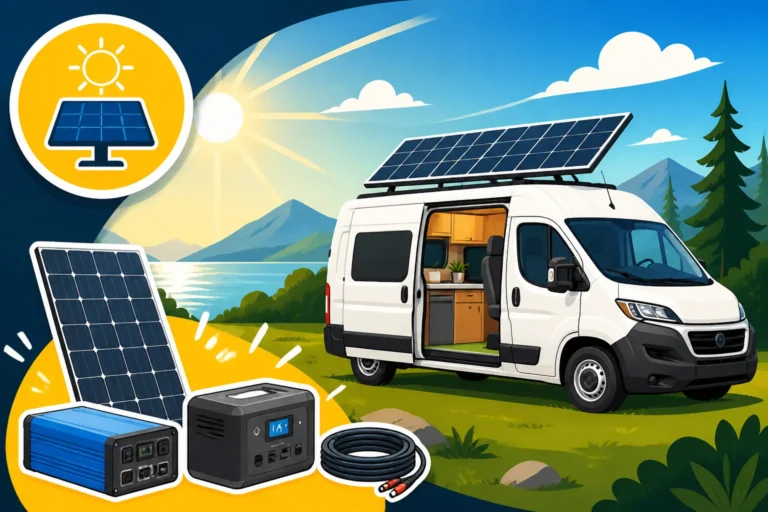
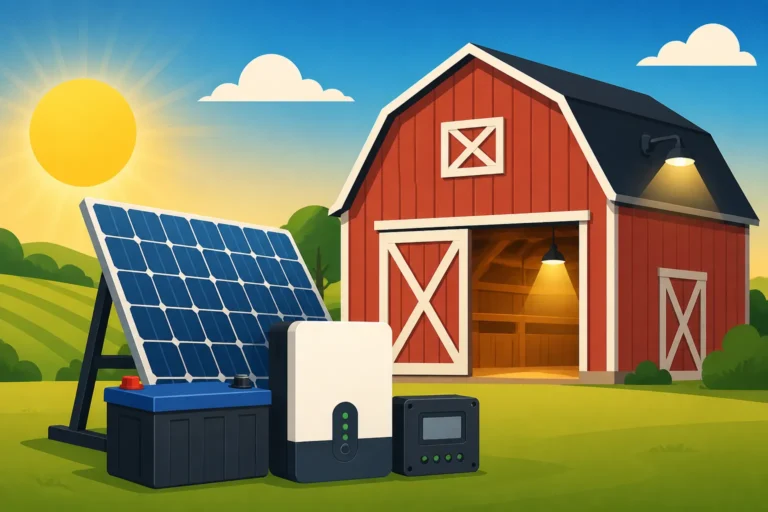
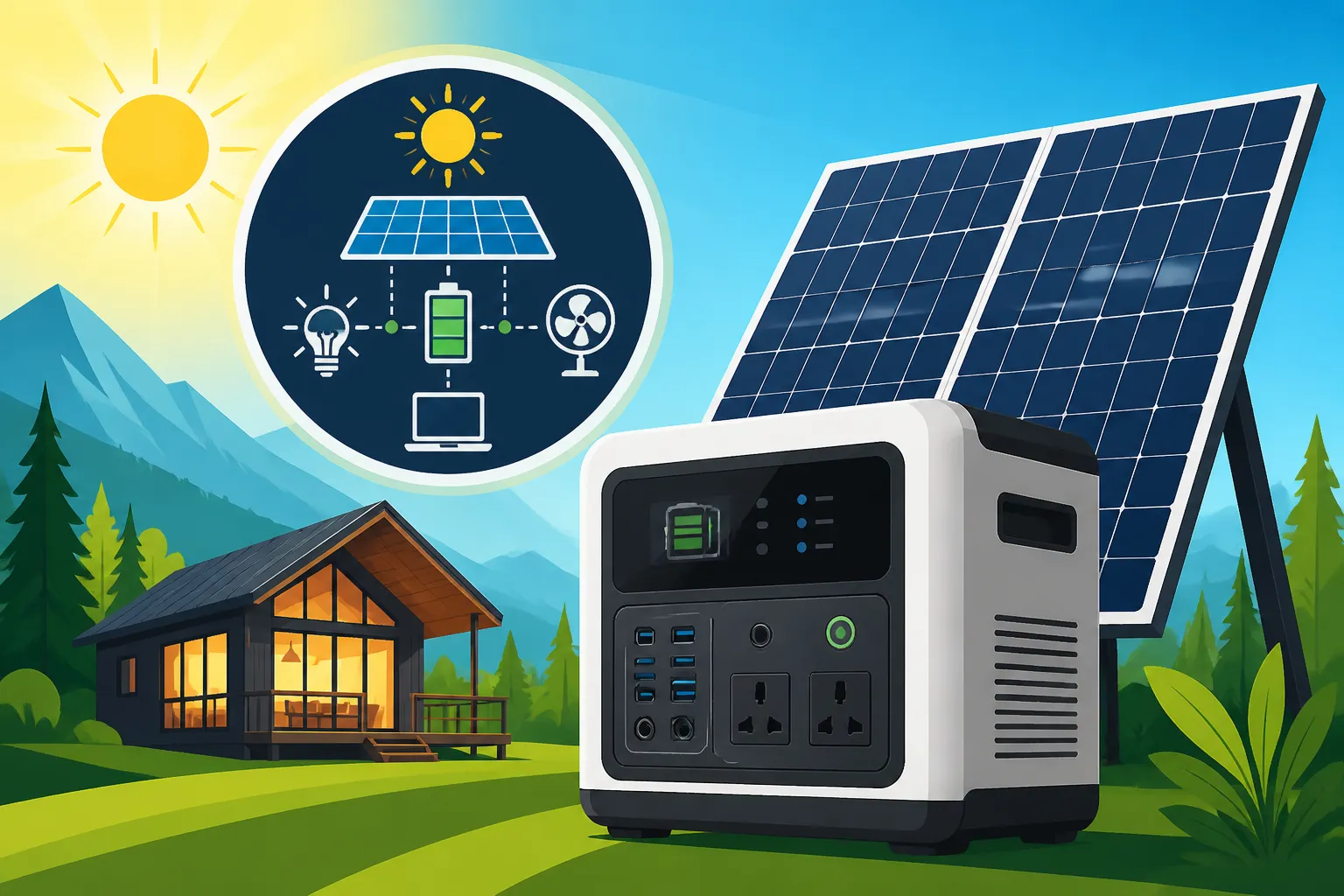
At its heart, an all-in-one off-grid solar system combines several critical components into a single, cohesive unit. In a traditional DIY setup, you'd purchase solar panels, a charge controller, a battery bank, and an inverter as separate items. Then you'd spend hours, or even days, carefully wiring them together, ensuring compatibility and adhering to safety standards. With an all-in-one system, many of these core elements are factory-assembled into one enclosure.
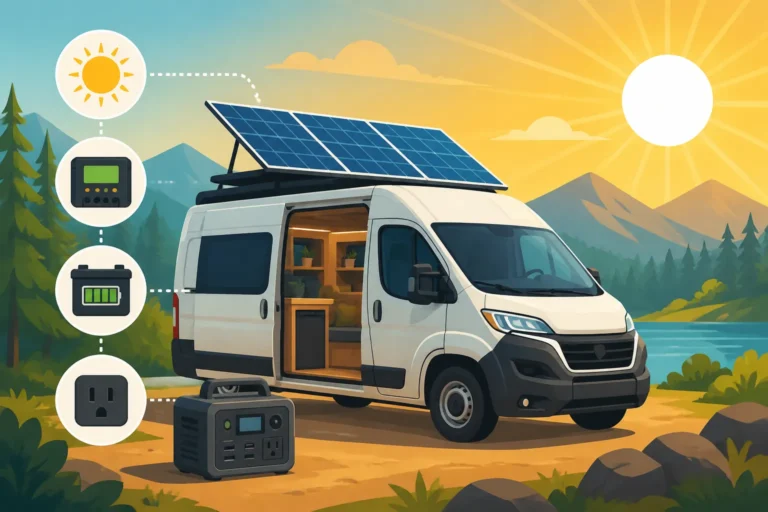
Typically, this means you'll find the charge controller, which regulates the power coming from your solar panels, the inverter, which converts that DC power into usable AC electricity for your household appliances, and often the battery bank itself, all housed within the same chassis. While the solar panels usually remain external (they still need to be out in the sun, after all!), the brain and storage of your power system are consolidated. This integrated design simplifies the installation process dramatically, often reducing it to little more than connecting your solar panels and plugging in your appliances. It also takes a lot of the guesswork out of ensuring component compatibility, as the manufacturer has already done that critical engineering for you.
The Spectrum of All-in-One Systems
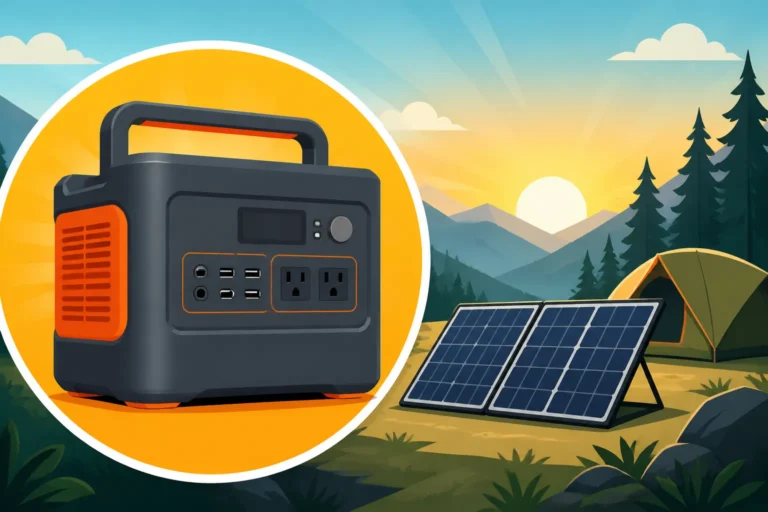
It's important to understand that "all-in-one" isn't a monolithic category; it encompasses a wide range of products designed for different scales and applications. On one end of the spectrum, you have highly portable solar generators or power stations, like the popular offerings from Jackery or EcoFlow. These are compact, self-contained units that integrate a battery, an inverter, and a charge controller into a grab-and-go package. They're fantastic for camping trips, emergency backup, powering tools on a job site, or running basic electronics in a van or small RV. You simply plug your solar panels into the unit, and it handles the rest. Their strength lies in their ease of use and immediate portability, often featuring multiple AC outlets, USB ports, and DC connections.
On the other end, you'll find more robust, permanently installed integrated inverter-chargers that might also include internal battery storage or be designed for seamless connection to an external battery bank. These units are built for larger power demands, such as powering a remote cabin or a tiny home. While they might not be as "portable" in the same sense as a small power station, they offer higher continuous power output, larger battery capacities, and more advanced management features. Brands like Growatt, Sol-Ark, and Victron Energy offer integrated inverter-charger solutions that form the core of more sophisticated off-grid systems, significantly simplifying the overall system architecture compared to managing separate components. Understanding this spectrum is key to choosing the right all-in-one solution for your specific off-grid dreams.
Why Homeowners and Adventurers Choose All-in-One Systems
The appeal of all-in-one off-grid solar systems isn't just about technical specifications; it’s about solving real-world frustrations and making independent power more accessible. Whether you're a seasoned homesteader or a weekend warrior, these integrated solutions offer tangible benefits that can make your off-grid journey much smoother.
Simplifying Installation and Setup
One of the biggest headaches when going off-grid is the sheer complexity of electrical wiring. You've got to connect solar panels to a charge controller, the charge controller to batteries, and then the batteries to an inverter, all with appropriate wire gauges, fuses, and breakers. For many, this process is daunting and requires a solid understanding of electrical principles or the expense of hiring a professional electrician. All-in-one systems dramatically cut through this complexity.
Imagine setting up solar for your RV. Instead of mounting a charge controller, finding space for a separate inverter, and carefully wiring a battery bank, you might just have one unit that handles it all. You secure your solar panels on the roof, run two wires down to the all-in-one unit, plug them in, and then plug your appliances directly into the unit's AC outlets. It's a true "plug-and-play" experience for many smaller systems, reducing installation time from days to hours, or even minutes for the most portable options. This drastically lowers the barrier to entry for DIY enthusiasts who might not have extensive electrical experience but are keen to embrace self-sufficient living. For instance, when installing an all-in-one solution for a remote hunting cabin, you can often have basic power running within an afternoon, rather than waiting weeks for an electrician or struggling with a complex How to Wire an Off-Grid Solar System project yourself.
Enhanced Safety and Reliability
When you assemble an off-grid system from disparate components, there's always the potential for incompatibility issues or wiring errors, which can lead to inefficiencies, system failures, or, in worst-case scenarios, safety hazards. Manufacturers of all-in-one systems design their components to work together seamlessly within a controlled environment. This means the charge controller is perfectly matched to the inverter's input, and the battery management system (BMS) is optimized for the integrated battery.
These units often come with a host of built-in safety features, such as overcharge protection, over-discharge protection, short-circuit protection, over-temperature protection, and surge protection. This integrated approach reduces the risk of human error during installation and enhances the overall reliability and safety of your power supply. For instance, a reliable unit from a brand like Victron Energy or Sol-Ark will have robust internal controls that safeguard your investment and provide peace of mind. You don't have to worry if your chosen charge controller voltage matches your inverter's input requirements because the factory has already designed it to be perfectly aligned. This leads to a more stable and predictable power supply, which is invaluable for any off-grid dwelling.
Portability and Space Efficiency
Space is a premium in many off-grid applications, especially for those living the #vanlife, in an RV, or in a tiny home. A traditional component-based system can take up significant room with separate boxes for the charge controller, inverter, and a large battery bank. All-in-one systems condense these elements into a single, often remarkably compact footprint.
For an RV, where every inch matters, having a single unit neatly tucked away under a bench or in a cabinet is a huge advantage over finding separate spots for each piece of equipment. Similarly, in a tiny home or a small cabin, a consolidated power hub can make layout and design much simpler. Beyond just saving space, many smaller all-in-one units are also designed for easy portability. A unit like the Jackery Explorer series, for example, can be carried from your vehicle to a campsite, or used as backup power during an outage, and then easily stored away when not in use. This flexibility is a game-changer for anyone needing adaptable power solutions, allowing you to maximize your usable living or storage space without sacrificing power capability.
Key Features to Look for in an All-in-One Off-Grid System
Choosing the best all-in-one off-grid solar system isn't just about grabbing the first integrated unit you see. It requires a thoughtful evaluation of several key features to ensure it truly meets your unique power demands and lifestyle. Skimping on this research now can lead to frustrating power shortages or wasted money down the line.
Power Output and Battery Capacity
These are arguably the two most critical specifications. The power output, measured in watts (W) or kilowatts (kW), tells you how many appliances you can run simultaneously and if the system can handle larger, "surge" loads from motors or compressors. For example, a system with a continuous output of 2000W might handle a microwave (1500W) and a few lights, but if your well pump needs a 4000W surge to start, a 2000W continuous inverter likely won't cut it. Always compare the system's continuous and surge ratings against your highest expected loads. It’s also wise to understand What Size Inverter to Run A Well Pump if you have one.
Battery capacity, typically measured in Watt-hours (Wh) or Amp-hours (Ah) at a specific voltage, determines how long your system can run without sunshine. This is your "reserve tank" of power. If you need to power your cabin for two cloudy days without any solar input, you’ll need significantly more battery capacity than if you're just looking for overnight power in an RV. Think about your daily energy consumption – you can get a good estimate by performing an Off-Grid Solar Load Calculation Explained. If your cabin uses 5000 Wh per day, and you want two days of autonomy, you'll need at least 10,000 Wh of usable battery capacity. Remember, not all battery capacity is "usable" – some battery chemistries, like lead-acid, should only be discharged to 50%, while LiFePO4 batteries can often be discharged to 80-100%.
Inverter Type and Performance
The inverter is the workhorse that transforms the DC power stored in your batteries into the AC power that most of your household appliances use. The type of inverter profoundly impacts what you can power safely and efficiently. The gold standard for off-grid systems is a pure sine wave inverter. This type of inverter produces a clean, consistent waveform, identical to what you get from the grid. This is crucial for sensitive electronics like laptops, medical equipment (like a CPAP machine), modern refrigerators, and anything with a motor (like fans or power tools), as they can be damaged by lesser quality power.
On the other hand, modified sine wave inverters are cheaper but produce a "choppier" waveform. While they might run simple resistive loads like old incandescent light bulbs or heating elements, they can cause motors to run hot and inefficiently, potentially damaging sensitive electronics or making them behave erratically (e.g., buzzing sounds). Always prioritize a pure sine wave inverter for your all-in-one system, especially for anything beyond basic lighting. Additionally, consider the inverter's efficiency rating – a higher efficiency means less energy is lost in the conversion process, leaving more power for your appliances.
Charge Controller Technology and Input
The charge controller is the unsung hero that manages the flow of electricity from your solar panels to your batteries. It prevents overcharging, which can severely damage or shorten the life of your batteries. When evaluating an all-in-one system, pay close attention to the type of charge controller integrated.
MPPT (Maximum Power Point Tracking) controllers are generally superior for off-grid applications. They are highly efficient, able to convert excess voltage from your solar panels into additional current for your batteries, which can result in up to a 30% increase in charging efficiency compared to older technologies, especially in varying weather conditions or when panel voltage is high. This is particularly noticeable in cooler temperatures or during partial shading. For more detail, understanding MPPT vs PWM Charge Controllers can be very helpful.
PWM (Pulse Width Modulation) controllers are simpler and less expensive. They essentially act like a switch, regulating the current by rapidly turning on and off. While adequate for smaller, simpler systems with fewer panels and less demanding charging needs, they are less efficient at converting power, particularly when the panel voltage significantly exceeds the battery voltage.
Beyond the technology, check the maximum solar input voltage and wattage the charge controller can handle. This dictates how many solar panels you can connect to the system. If you plan to expand your solar array in the future, ensure the integrated charge controller has enough headroom to accommodate those additional panels. A system with a limited input might force you to buy a whole new all-in-one unit or an external charge controller down the line, negating some of the "all-in-one" simplicity.
Expandability and Modular Design
Life off-grid is rarely static. Your power needs might grow as you add new appliances, expand your cabin, or spend more time living remotely. An all-in-one system with expandability built into its design offers tremendous long-term value. Look for systems that allow you to easily add more battery packs or connect additional solar panels.
Some advanced all-in-one units feature modular battery systems, where you can simply plug in extra battery modules to increase your storage capacity. Others might have multiple MPPT charge controller inputs, allowing you to connect more solar panels as your energy demands increase. Consider units that offer parallel capabilities, allowing you to connect two or more identical all-in-one units to double your power output and battery capacity. Brands like EcoFlow or Bluetti offer power stations with expandable battery options, while integrated inverter-chargers from companies like Sol-Ark are renowned for their scalable designs, allowing you to easily increase your solar array or battery bank over time. Planning for How to Design an Expandable System from the outset can save you significant hassle and cost later on, ensuring your initial investment remains relevant as your off-grid lifestyle evolves.
Different Types of All-in-One Systems and Their Best Use Cases
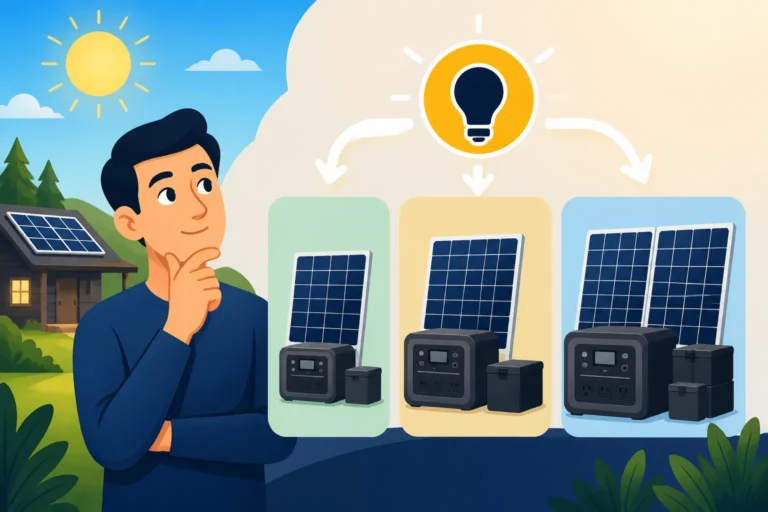
The term "all-in-one off-grid solar system" covers a pretty broad category, encompassing everything from compact portable power packs to more robust, semi-permanent installations. Understanding the distinctions between these types is crucial for choosing the right tool for your specific energy needs. Each type has its sweet spot, excelling in certain scenarios while being less ideal for others.
Portable Solar Generators and Power Stations
These are perhaps the most recognizable form of all-in-one systems, gaining immense popularity for their sheer convenience. Think of units like the Jackery Explorer 1000 or the EcoFlow Delta Pro. They typically combine a LiFePO4 or Lithium-ion battery pack, a pure sine wave inverter, and an MPPT charge controller into a single, relatively lightweight and often suitcase-sized unit. They often feature multiple output ports, including AC outlets, USB-A and USB-C ports, and sometimes 12V car ports.
-
Best Use Cases:
- Camping and Outdoor Adventures: Easily power lights, charge phones, run a small portable fridge, or even inflate air mattresses. Their portability means you can take your power wherever you go.
- Emergency Backup: During a power outage, these units can keep essential appliances running, like a refrigerator (for a few hours), a CPAP machine, or lights and communication devices. They are a reliable alternative to noisy gas generators for basic backup needs.
- Van Life and Smaller RVs: For minimalists or weekend warriors, a portable power station can be the primary power source, easily charged by portable solar panels or from the vehicle's alternator while driving. They are a great starting point for those wanting to explore Off-Grid Solar Cost for a Van.
- Small, Intermittent Cabin Use: If you only use a remote cabin occasionally for lights, charging devices, and perhaps a small radio, a portable power station can be a cost-effective and simple solution.
-
Pros: Extremely user-friendly (truly plug-and-play), highly portable, often have versatile output options, and are relatively affordable for smaller capacities.
-
Cons: Limited continuous power output and battery capacity compared to larger systems, not designed for whole-house power, and typically have a higher cost per watt-hour than custom-built battery banks.
Integrated Inverter-Charger-Battery Units
Stepping up in capability and often size, these all-in-one systems are designed for more sustained and demanding off-grid power needs. While still integrated, they often resemble a single, larger appliance rather than a portable box. These units typically feature higher-capacity inverters, robust MPPT charge controllers, and either large internal battery banks (often LiFePO4) or seamless integration with external, expandable battery systems. Brands like Growatt, Sol-Ark, and some higher-end Renogy Power Stations fall into this category, sometimes even resembling a small server rack.
-
Best Use Cases:
- Full-Time Off-Grid Homes and Cabins: These systems are robust enough to power a substantial portion of a small home or a well-equipped cabin, running refrigerators, pumps, lights, and entertainment systems. They are excellent for those looking into Off-Grid Solar Cost for a Cabin or even a How to Size an Off-Grid System for a Tiny Home.
- Larger RVs and Skoolie Conversions: For those living full-time on the road or in larger custom vehicles, these units provide the consistent power needed for modern conveniences, often handling appliances like air conditioners or microwaves with ease.
- Workshops and Remote Sheds: Powering tools, lighting, and small heaters in a remote workshop or shed demands more grunt than a portable power station can provide. An integrated inverter-charger offers the necessary continuous output and battery capacity.
- Backup for Grid-Tied Homes: Many of these units can also serve as powerful backup systems for grid-tied homes, seamlessly taking over during power outages and recharging from solar when the sun returns.
-
Pros: Significantly higher power output and battery capacity, more sophisticated monitoring and management features, often more durable and designed for long-term use, and many are expandable.
-
Cons: Less portable (though still often compact for their power), generally require more involved installation (though still simpler than separate components), and come with a higher upfront cost.
Top Considerations Before Purchasing an All-in-One System
Before you click that "buy" button, it's essential to pause and think through a few critical aspects. An all-in-one off-grid solar system is a significant investment, and ensuring it aligns perfectly with your lifestyle and environment will prevent buyer's remorse and guarantee a reliable power supply.
Your Actual Power Needs and Load Analysis
This is the absolute foundation of any successful off-grid solar setup, and it's where many first-timers stumble. You simply cannot choose the right system without accurately knowing how much power you actually consume. Don't just guess! Take the time to create a detailed list of every electrical appliance you intend to use. For each item, note its wattage (often found on a label or in the owner's manual) and how many hours per day you plan to use it.
For instance, a mini-fridge might draw 60W but run for 8 hours a day, while a microwave draws 1000W but only runs for 10 minutes. A well pump might draw 1500W for 30 minutes, but have a starting surge of 4500W for a few seconds. This data will help you calculate your daily Watt-hour (Wh) consumption and identify your peak instantaneous power draw (watts). This crucial step is known as an Off-Grid Solar Load Calculation Explained, and it will directly inform the necessary inverter size and battery capacity. If you skimp here, you risk either buying an undersized system that leaves you constantly short on power or an oversized one that costs more than you needed to spend.
Here’s a simplified example of how common appliances add up:
| Appliance | Est. Wattage | Est. Daily Use (Hours) | Daily Watt-Hours |
|---|---|---|---|
| LED Lights (5x) | 50W | 4 | 200 Wh |
| Laptop Charging | 50W | 2 | 100 Wh |
| Small Mini-Fridge | 60W | 8 (run time) | 480 Wh |
| Phone Charging (2x) | 20W | 3 | 60 Wh |
| Water Pump (intermit) | 500W | 0.5 | 250 Wh |
| TOTAL DAILY USE | 1090 Wh | ||
| PEAK WATTAGE | ~1000W (Pump/Microwave Peak) |
This table shows a very basic setup. Your actual needs will vary significantly.
Budgeting for the Initial Investment and Long-Term Costs
The sticker price of an all-in-one system can seem daunting, but it’s crucial to look beyond just the upfront cost. While some smaller portable units are relatively affordable, larger, more powerful integrated systems can represent a substantial investment. However, when you compare the Off-Grid Solar Cost: Complete Breakdown for a component-based system – factoring in the individual cost of panels, charge controller, inverter, batteries, wiring, fuses, and mounting hardware – an all-in-one often presents a competitive, if not more cost-effective, solution due to reduced installation labor (especially DIY) and bundled pricing.
It's also important to consider the long-term financial picture. While solar energy itself is free, there are other costs associated with owning an off-grid system. Batteries, in particular, are wear items and will need replacement over time. The lifespan of LiFePO4 batteries (common in modern all-in-one units) is typically 10-15 years, but they are a significant expense when replacement time comes. There might also be Off-Grid Solar Maintenance Costs for cleaning panels, checking connections, or occasional repairs. Factor in these potential future expenses into your overall budget. Don't forget to investigate if the system qualifies for any local or federal incentives, like the 2026 Solar Tax Credit and Off-Grid Systems, which can help offset the initial outlay. Creating a detailed How to Budget for an Off-Grid Solar System will ensure you’re prepared for both initial and ongoing expenses.
Climate and Environmental Factors
Your local climate and the specific environment where your all-in-one system will operate play a significant role in its performance and longevity.
- Temperature: Extreme temperatures, both hot and cold, can affect battery performance and overall system efficiency. While modern LiFePO4 batteries are generally more robust than lead-acid, very cold conditions can reduce their usable capacity and prevent charging. If you're in a cold climate, look for units with built-in battery heating or consider insulating the enclosure. Conversely, extreme heat can degrade electronic components and batteries faster, so ensuring adequate ventilation and shade for the unit is vital.
- Dust and Moisture: Will your system be exposed to the elements? If it's going into a dusty workshop, an unsealed shed, or a humid marine environment, you'll need a unit with an appropriate IP (Ingress Protection) rating to protect against dust and water intrusion. A system designed for indoor use won't last long if it's constantly exposed to outdoor conditions.
- Sunlight Availability: Your geographic location and the amount of peak sun hours you receive directly impact how quickly your solar panels can recharge your battery bank. If you live in a notoriously cloudy region, or plan to use the system primarily during winter months when daylight is short, you'll either need a larger solar array, a larger battery bank, or a backup charging source (like a generator) to ensure reliable power. This highlights the importance of sizing your solar array correctly for your location.
Warranties and Customer Support
An all-in-one system consolidates many critical components into a single unit, which means if one part fails, the entire system might be compromised. This makes the manufacturer's warranty and the quality of their customer support incredibly important. A robust warranty period (e.g., 5-10 years for major components like the inverter and battery) offers peace of mind and protection for your investment.
Beyond the length of the warranty, consider its coverage. Does it cover parts and labor? What are the conditions for voiding the warranty? Research the manufacturer's reputation for customer service. Are they responsive to inquiries? Do they have readily available replacement parts? Look for companies with clear documentation, troubleshooting guides, and a helpful support team. While a component-based system allows you to replace individual faulty parts from different manufacturers, an all-in-one system often means you're reliant on a single company for all repairs and replacements. Brands like Jackery, EcoFlow, and Bluetti generally offer good customer support and warranty coverage for their power stations, while more industrial brands like Sol-Ark or Victron Energy are known for their reliable products and technical assistance for their integrated inverter-chargers. A strong warranty ensures that your journey to off-grid independence is supported, not hampered, by unforeseen issues.
Disclaimer
The information provided in this article is for general informational purposes only and does not constitute professional advice. Off-grid solar system design and installation can be complex and involve significant electrical risks. Always consult with a qualified electrician or solar professional before designing, installing, or maintaining an off-grid solar system. Local codes and regulations vary, and it is your responsibility to ensure compliance. The author and publisher are not liable for any losses or damages arising from the use of this information.