How to Run Conduit for Off-Grid Solar
Running an off-grid solar system is an incredible journey towards energy independence, but let's be honest, it comes with its own set of challenges. One major headache that many new solar enthusiasts or even seasoned DIYers face is how to protect all those vital electrical cables from the harsh realities of the outdoor world, not to mention making the whole setup look tidy and professional. You're trying to achieve reliability and longevity, and a jumble of exposed wires simply won't cut it. This guide is all about tackling that exact problem: understanding, selecting, and properly installing conduit for your off-grid solar wiring, ensuring your system is safe, durable, and up to snuff.
Why Off-Grid Solar Conduit is Non-Negotiable
When you're dealing with electrical wiring, especially outdoors and for a system that's meant to power your life day in and day out, protection isn't just a suggestion—it's absolutely essential. Skipping conduit might seem like a way to save a few bucks or a bit of time, but it's a false economy that can lead to costly repairs, safety hazards, or even a complete system failure down the line. We're talking about safeguarding your entire investment.
Protecting Your Investment from the Elements
Imagine spending thousands on solar panels, batteries, and inverters, only to have a squirrel chew through a critical wire or have UV rays degrade your insulation until it cracks. That's a nightmare scenario, right? Bare electrical cables, even those rated for outdoor use, are still vulnerable to a multitude of environmental threats.
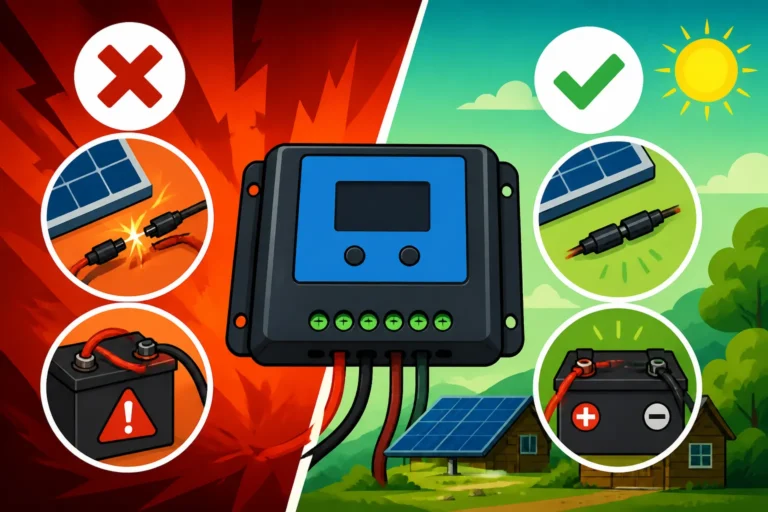
First off, there's the sun. Constant exposure to ultraviolet (UV) radiation is a relentless enemy of plastic and rubber insulation. Over time, UV rays will break down the protective sheathing on your cables, making them brittle, cracked, and exposed to moisture. Once moisture gets in, corrosion starts, leading to poor connections, arcing, and ultimately, system failure. Then there's physical damage: falling branches during a storm, accidental nicks from garden tools, or curious wildlife like rodents and birds that see exposed wires as prime chewing material for nesting. Even harsh winds can cause cables to rub against surfaces, slowly wearing down their insulation. Conduit acts as a robust physical barrier against all these aggressors, extending the lifespan of your wiring and, by extension, your entire off-grid system. It's like putting your valuable electronics in a fortified bunker, ensuring they can withstand whatever nature throws at them. This protection is key to maintaining your system's efficiency and avoiding preventable breakdowns.
Ensuring Safety and Preventing Hazards
Beyond protecting your equipment, conduit plays a crucial role in protecting you and your property. Exposed electrical wires are incredibly dangerous. They pose a significant risk of electric shock, which can be fatal. Imagine working around your property, perhaps moving some tools or trimming some bushes, and accidentally severing an unprotected solar cable that’s carrying a substantial DC current. The consequences could be catastrophic.
Moreover, damaged or exposed wiring is a leading cause of electrical fires. If insulation is compromised, it can lead to short circuits, ground faults, and arcing. These events generate intense heat that can easily ignite nearby flammable materials, especially in dry environments like a cabin or RV setup where wood and other combustibles might be prevalent. Conduit provides an essential layer of insulation and containment, preventing direct contact with live wires and significantly reducing the risk of fires, especially if a wire becomes damaged internally. By enclosing the wiring, you prevent accidental contact, deter tampering, and keep the electrical current safely contained within its intended path, making your off-grid homestead or mobile setup a much safer place for everyone. A properly installed conduit system is a fundamental part of a safe solar installation, alongside careful attention to other safety measures like proper grounding. You can learn more about this by checking out our guide on Off-Grid Solar Safety and Grounding.
Meeting Electrical Codes and Standards
While off-grid systems might not always be subject to the same stringent permitting and inspection processes as grid-tied installations, particularly in remote areas, it's always smart to build to code. The National Electrical Code (NEC) and local building codes exist for a reason: to ensure electrical installations are safe and reliable. These codes almost universally require electrical wiring to be protected by conduit in many applications, especially outdoors, underground, or when run through structural elements.
Even if a permit isn't required for your specific off-grid project, adhering to these recognized standards is a wise decision. It’s not just about passing an inspection; it’s about peace of mind. Building to code provides a blueprint for a robust and safe system. It means that your wiring choices and installation methods have been vetted by industry experts for maximum safety and durability. For instance, the NEC specifies appropriate conduit types for different environments (e.g., wet locations, exposed areas, underground), fill percentages to prevent overheating, and methods for securing and supporting conduit runs. Ignoring these guidelines can lead to a substandard, unsafe system that could come back to haunt you later. Therefore, understanding and implementing conduit is a critical part of a professional and reliable off-grid solar system. If you're looking into permits, our article on Off-Grid Solar Permits and Codes might be a helpful resource.
Choosing the Right Conduit for Your Off-Grid System
Deciding on the best conduit isn't a one-size-fits-all situation. The choice depends on where you're running the wires, the environment they'll be in, and even the aesthetic you're aiming for. It's important to understand the different types and their applications.
Understanding Different Conduit Types
There’s a whole world of conduit out there, each designed for specific purposes. For off-grid solar, you'll primarily encounter a few key types:
- EMT (Electrical Metallic Tubing): This is a rigid, thin-walled steel conduit that's quite common for indoor, dry locations. It's often used in commercial buildings because it's lightweight and relatively easy to bend with the right tools. However, for most outdoor off-grid applications, especially where moisture is a concern, EMT isn't the best choice unless it's specifically galvanized and used with watertight fittings, and even then, its vulnerability to corrosion makes it less ideal than other options.
- RMC (Rigid Metal Conduit) and IMC (Intermediate Metal Conduit): These are heavier-duty steel conduits. RMC is the thickest and strongest, offering maximum physical protection, while IMC is a thinner-walled, lighter alternative to RMC but still more robust than EMT. Both RMC and IMC are excellent choices for outdoor runs, especially for protecting critical wires where physical impact is a possibility or if you need robust grounding. They are hot-dip galvanized for corrosion resistance, making them suitable for harsh environments, but they are also heavier, more expensive, and harder to work with than other types.
- PVC (Polyvinyl Chloride) Conduit: This is arguably the most popular choice for outdoor and underground off-grid solar applications. PVC is non-metallic, doesn't corrode, is UV-resistant (though painting it for extra UV protection is a good idea in extreme sun), and is relatively inexpensive. It's lightweight, easy to cut, and can be bent with heat. It comes in different schedules, with Schedule 40 being common for many applications and Schedule 80 offering greater crush resistance for areas like driveways or high-traffic zones. Its flexibility (some types are truly flexible, others are rigid) and ease of installation make it a favorite for many DIYers. You'll find it readily available at hardware stores and on platforms like Amazon.
- Liquid-Tight Flexible Nonmetallic Conduit (LFNC): This conduit is a flexible, corrugated plastic tubing with a liquid-tight jacket. It's perfect for connecting components that might vibrate or need slight movement, like from a junction box to an inverter that sits on vibration dampeners, or connecting to moving solar trackers. It offers protection against moisture and UV rays. However, it's not meant for long, unsupported runs or applications requiring high crush resistance.
- Liquid-Tight Flexible Metallic Conduit (LFMC): Similar to LFNC but with a metallic core, offering better physical protection while retaining flexibility. It's also liquid-tight and UV-resistant, often chosen for similar applications as LFNC but where a metallic sheath is preferred for grounding or extra mechanical protection.
Sizing Your Conduit Correctly
Choosing the right size conduit is just as important as choosing the right type. You can't just cram all your wires into the smallest pipe possible. The NEC specifies maximum fill percentages for conduit to prevent overheating and allow for future modifications or wire pulling. A good rule of thumb is to aim for a fill ratio of no more than 40% for three or more conductors. This might sound like a lot of empty space, but it's crucial for heat dissipation and ease of installation.
To size correctly, you'll need to know the number of wires you're running and their gauges. Larger gauge wires (smaller AWG number) take up more space. For instance, if you're running heavy gauge solar panel wiring to your charge controller, and then slightly smaller gauge wires from the charge controller to your battery bank, you'll need to account for the largest wires in the conduit section where they're present. You also need to consider any grounding wires. It’s always a good idea to slightly oversize your conduit if you're on the fence, giving yourself room for future expansion or to pull additional wires down the road, which can save you a huge headache. Planning for future growth is crucial for any off-grid setup. Our guide on How to Size Wire and Cables can help you determine the appropriate wire gauges for your system.
Considerations for Material and Environment
When selecting your conduit, think about the specific environmental conditions it will face.
If your wires are going underground, PVC Schedule 80 is often recommended for its durability and resistance to moisture and corrosion. You'll want to ensure it's buried at the proper depth according to local codes or best practices to protect it from freezing, thawing, and ground disturbance. For areas with heavy vehicle traffic, direct burial cable might be an option, but conduit still offers superior protection.
For exposed outdoor runs on a wall or roof, PVC Schedule 40 or 80 is a strong contender due to its UV and weather resistance. However, if you're in an area prone to falling rocks or heavy physical impact, RMC or IMC might be a better, albeit more challenging, choice. For mounting solar panels, running conduit along the racking system to a junction box might utilize flexible conduit for short, complex bends, then transition to rigid PVC or metal conduit for the longer, more exposed runs. Don't forget that conduit needs to be properly supported with straps at regular intervals to prevent sagging and stress.
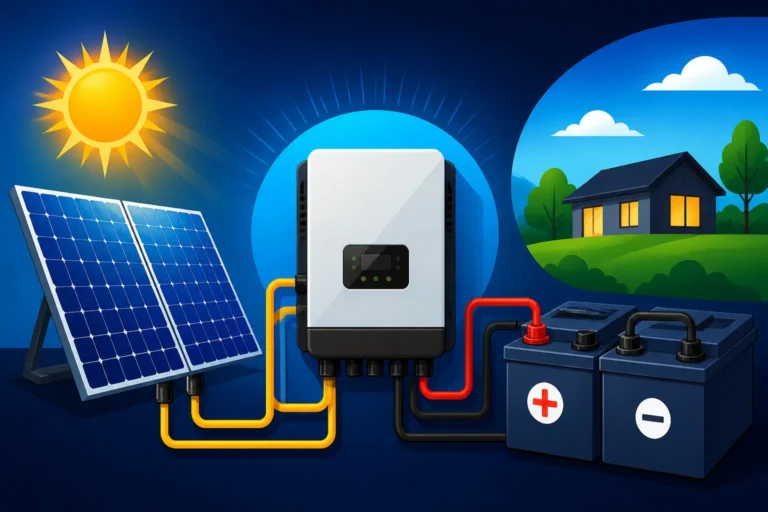
Indoor runs, especially in an equipment shed or garage where your inverter and battery bank reside, might allow for EMT in dry areas, but still consider PVC or even LFNC for areas where components vibrate or need tight, flexible connections. The goal is to provide continuous, unbroken protection from your solar panels, through your charge controller, to your inverter and battery bank. Remember, every connection point, every bend, and every transition must maintain the integrity of the conduit system. Take a look at How to Wire an Off-Grid Solar System for comprehensive wiring diagrams and best practices.
Step-by-Step Guide to Running Off-Grid Solar Conduit
Running conduit isn't just about putting pipes together; it's a careful process of planning, measuring, cutting, bending, and securing. Done right, it looks clean, performs safely, and lasts for decades.
Planning Your Conduit Runs
Before you even touch a piece of conduit, you need a detailed plan. This isn't just about guessing; it's about minimizing material waste, making the installation smoother, and ensuring long-term reliability.
Start by drawing a diagram of your off-grid solar system. Mark out the locations of your solar panels, combiner box, charge controller, battery bank, and inverter. Now, map out the most direct and safest routes for your wiring runs. Consider things like potential obstacles, areas where conduit might be exposed to damage, and points where you'll need to transition from one type of conduit to another (e.g., from flexible conduit near the panels to rigid PVC down a wall). Think about access points for maintenance, proper drainage for outdoor runs (conduit should ideally have a slight downward slope or weep holes), and how to protect the conduit itself from extreme temperatures or damage. For instance, if you're running conduit on the roof for panels, consider the best way to get it from the array into an attic or down an exterior wall, minimizing bends and exposure. You might find our guide on How to Install Off-Grid Solar Panels helpful for initial panel layout.
Calculate the exact lengths of conduit you'll need, accounting for bends and couplings. Remember to add extra for cuts and mistakes – it’s always better to have a little too much than not enough! Don't forget to list all the fittings: couplings, elbows, sweep elbows (for gentler bends that make wire pulling easier), connectors, junction boxes, and straps. For a larger project, creating a bill of materials based on your drawing will save you multiple trips to the hardware store. Consider the tools you'll need: conduit benders, hacksaws or PVC cutters, reamers, measuring tape, level, drill, and appropriate fastening hardware. A company like Renogy, while primarily known for solar components, often provides advice on best installation practices, including wiring and conduit, for their kits.
Installation Techniques for Different Scenarios
The actual installation will vary based on where the conduit is being run.
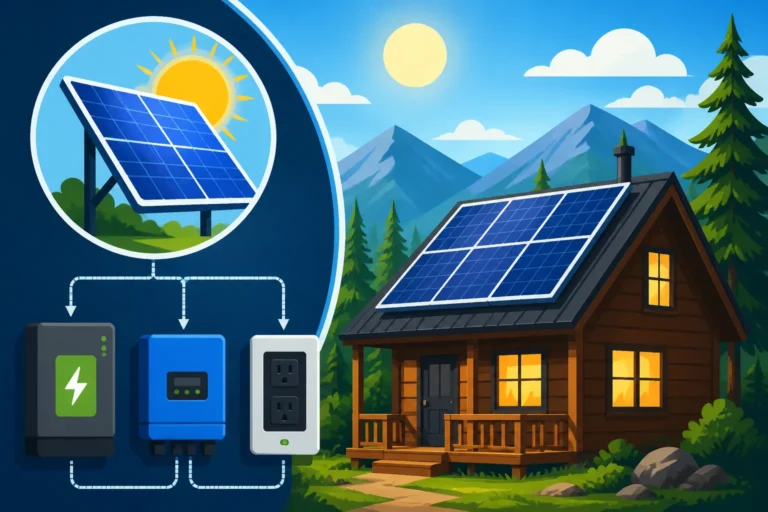
For Roof-Mounted Solar Panels: If you're running conduit from panels on your roof, you'll typically bring the DC wiring into a combiner box, then run a single conduit from the combiner box down to your charge controller. This conduit needs to be securely fastened to the roof structure or racking system using UV-resistant straps. Pay extreme attention to any roof penetrations. These are notorious weak points where water can infiltrate if not sealed meticulously. Use proper flashing, sealant (like high-quality exterior-grade silicone or specialized roof sealants), and weatherproof conduit entry fittings. The goal is to create a watertight seal that will last decades. For those looking at a mobile setup, there are specific techniques for How to Install Off-Grid Solar on a RV that also apply to proper conduit routing and sealing.
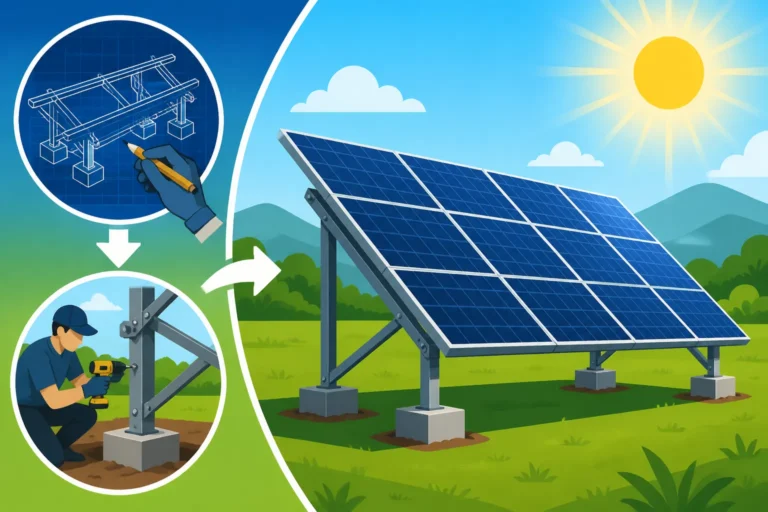
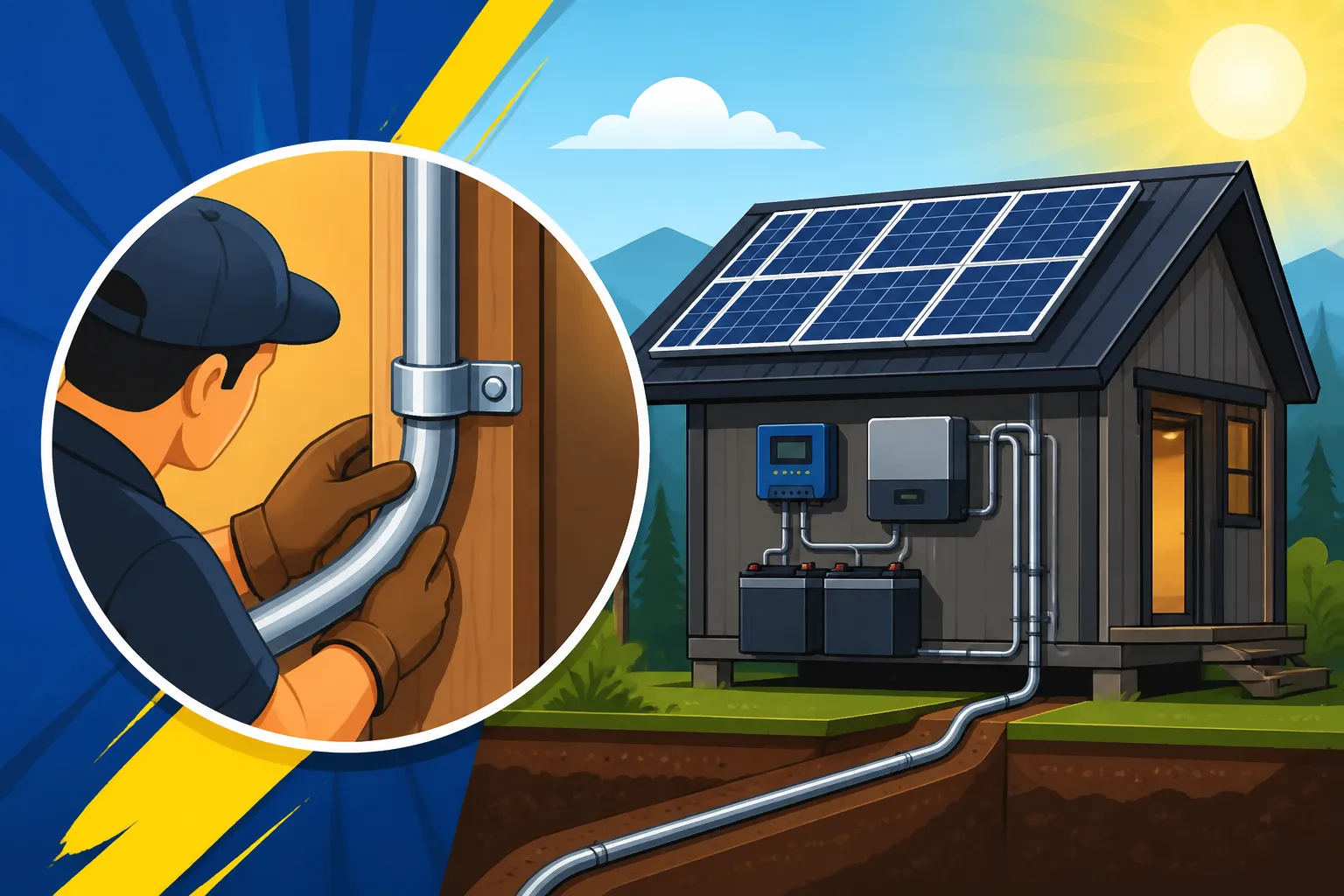
For Ground-Mounted Arrays: Wires from ground-mounted panels usually run to a combiner box at the array, then underground in conduit to the off-grid power center. Here, schedule 80 PVC is your friend. Dig a trench deep enough to meet code or best practice—typically 18-24 inches for electrical lines, but check local requirements. Ensure the bottom of the trench is free of sharp rocks before laying the conduit. After laying the conduit, backfill carefully. Consider placing warning tape a few inches above the conduit to alert future excavators.
For Exposed Wall Runs: When running conduit along exterior walls, ensure it's aesthetically pleasing and protected. Use conduit straps at regular intervals (typically every 3-5 feet, and within a foot of every box or fitting) to firmly secure it. Maintain proper spacing from other utilities. If the conduit is metal, ensure proper grounding. If it's PVC, consider painting it to match your building for better UV resistance and curb appeal. All fittings should be weatherproof and tightly secured.
Making Connections and Bends
This is where the conduit truly takes shape.
- Cutting: Use a hacksaw for metal conduit or a dedicated PVC cutter for plastic conduit. For metal, always ream the edges after cutting to remove sharp burrs that could damage wire insulation during pulling.
- Bending: Metal conduit requires a conduit bender, a specialized tool that creates smooth, consistent bends without kinking the pipe. This takes practice! For PVC, heat guns are used to soften the pipe for bending. Apply heat evenly and slowly bend to the desired angle, holding it until it cools and sets. Always aim for the fewest bends possible to make wire pulling easier. Avoid sharp 90-degree elbows where possible, opting for wider sweep elbows, especially for larger cables or longer runs, as they reduce friction.
- Connecting: Use appropriate couplings to join sections of conduit. For metal conduit, these are typically compression or set-screw fittings. For PVC, you'll use solvent cement (PVC glue) to create strong, watertight joints. Ensure all connections are tight and secure. For transitions between different conduit types or into junction boxes and enclosures, use specialized adapters. Remember that any boxes or enclosures where wires terminate or change direction should be appropriately sized and rated for the environment (e.g., NEMA 3R or 4X for outdoor use).
Once all your conduit is installed, secured, and sealed, you're ready for the exciting part: pulling the wires. Use appropriate lubricant if needed, and pull wires gently to avoid damage. Never force wires. This thorough approach, from planning to execution, ensures that your off-grid wiring is protected and performs optimally for years to come. Many essential tools and fittings for these tasks can be found on Amazon, often from brands like Southwire or Klein Tools.
Common Mistakes and How to Avoid Them
Even with the best intentions, mistakes can happen. Being aware of the most common pitfalls when running off-grid solar conduit can save you a lot of grief, time, and money.
Underestimating Wire Fill and Future Expansion
One of the most frequent mistakes is trying to squeeze too many wires into a conduit that's simply too small. We talked about fill percentages earlier, but it bears repeating: don't exceed them. An overfilled conduit isn't just difficult to pull wires through (increasing the risk of damaging insulation), it also leads to heat buildup. When wires carry current, they generate heat. If this heat can't dissipate properly because the conduit is packed tight, it can degrade wire insulation prematurely, lead to efficiency losses, and even create a fire hazard.
Moreover, many folks neglect to think about future expansion. What if you decide to add more solar panels next year? Or maybe you want to run an extra circuit to a new outbuilding? If your conduit is already at maximum capacity, you'll be faced with the frustrating and expensive task of replacing or adding new conduit runs. Always consider oversizing your conduit by one size if you have any inkling you might expand your system down the road. It's a small upfront cost that can prevent a massive headache and expense in the future. Remember that the initial sizing for your system's components, including wiring, should be generous. You can find more details in our guide on How to Calculate Off-Grid Solar Needs.
Neglecting Proper Sealing and Drainage
Another critical oversight is failing to properly seal conduit entries and exits, or ignoring drainage for outdoor runs. Water is the nemesis of electrical systems. If water gets into your conduit, it can sit there, corroding wires and connections, especially in low spots. This can lead to intermittent faults, short circuits, and significantly shorten the lifespan of your wiring.
For outdoor conduit, especially where it connects to junction boxes, charge controllers, or inverters, use proper watertight fittings and sealants. Any penetrations into your building, whether it's an RV, cabin, or shed, must be absolutely watertight to prevent water ingress into the structure itself. For underground runs, ensure adequate drainage around the conduit, and again, use watertight connections. If a run has inevitable low points where water might collect, consider drilling small weep holes at the very bottom of the lowest bend to allow any accumulated moisture to escape. Just be mindful that weep holes should not compromise the integrity of the system in areas where dirt or pests could enter and cause problems, so careful placement is key. This careful attention to sealing is part of ensuring a reliable off-grid system for the long haul.
Overlooking Code Requirements and Best Practices
While off-grid solar might offer more flexibility than grid-tied systems regarding permits and inspections, ignoring established electrical codes and best practices is a gamble you shouldn't take. The NEC provides guidelines for everything from conduit material selection to wire bend radius, support requirements, and grounding. These aren't arbitrary rules; they're developed through years of experience and unfortunate incidents to ensure safety and performance.
For example, improperly supported conduit can sag, accumulate water, or become a tripping hazard. Sharp bends can stress and damage wire insulation during pulling, leading to hidden problems. Incorrect grounding or bonding of metallic conduit can create dangerous conditions. Even simple things like using the wrong type of sealant for outdoor use can lead to premature failure. Taking the time to research and understand relevant sections of the NEC or consulting with an experienced electrician for your specific installation (even if it's DIY) is invaluable. Building your system to industry standards will not only keep you safe but also ensure your off-grid solar investment performs reliably for many years to come. You can explore more about robust installations through our article on Off-Grid Solar Wiring Best Practices.
Conclusion
Successfully running conduit for your off-grid solar system might seem like a small detail in the grand scheme of things, but it's a foundational element that ensures the safety, longevity, and reliability of your entire setup. From protecting your valuable wiring from the relentless sun and curious critters to safeguarding your family from electrical hazards, conduit is truly non-negotiable. By carefully planning your runs, selecting the right materials for your specific environment—whether it's rigid PVC for an underground trench or liquid-tight flexible conduit for a vibrating connection—and paying meticulous attention to sealing and code, you're building a system that will serve you faithfully for decades. Don't cut corners here; a well-protected wiring infrastructure is a hallmark of a robust and independent off-grid lifestyle.
Disclaimer
Please note that this guide provides general information on running conduit for off-grid solar systems. Electrical work can be dangerous. Always consult with a qualified electrician and ensure all installations comply with local electrical codes and regulations. Your specific system requirements and local conditions may vary, and professional advice should be sought for any specific project. The author and publisher are not responsible for any injury or damage resulting from the use or misuse of this information.