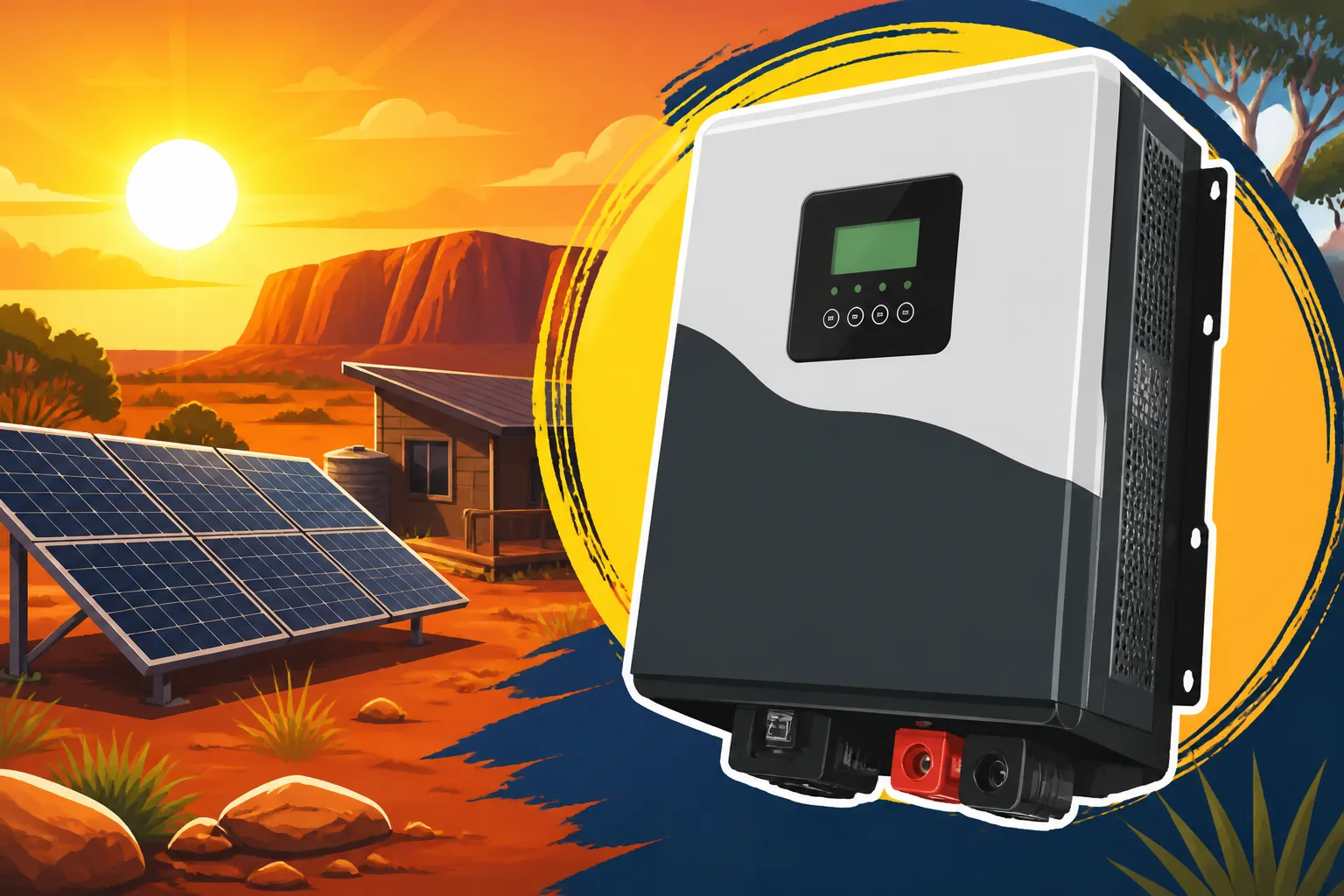
Outback Off-Grid Inverter Review
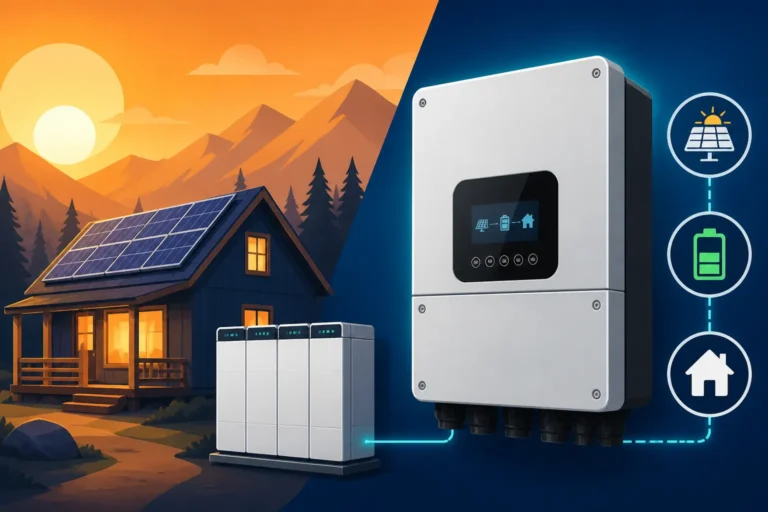
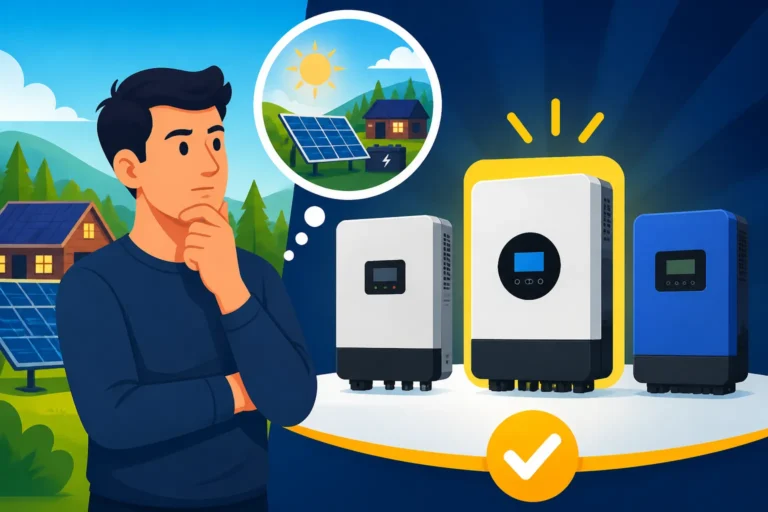
Choosing the right inverter for your off-grid solar system can feel like trying to navigate a dense forest without a compass. It’s the heart of your electrical setup, converting the sun's energy stored in your batteries into usable AC power for your home or cabin. Many folks find themselves overwhelmed by the sheer number of options and the technical jargon involved. This deep dive aims to clear the fog, offering a thorough review of Outback Power Systems' off-grid inverters, so you can decide if they’re the right powerhouse for your independent lifestyle.
Understanding Outback Power Systems' Place in Off-Grid Solar
When you start researching serious off-grid solar solutions, a few names tend to surface quickly, and Outback Power Systems is almost always one of them. They’ve built a solid reputation over the years, not just for manufacturing components, but for creating integrated systems designed specifically for folks living entirely independent of the utility grid. It's a different beast than just slapping a few panels on an RV for weekend trips; Outback targets those who need reliable, robust power day in and day out, through all seasons.
A Legacy of Reliability in Remote Settings
Outback Power isn't a newcomer to the solar scene. They've been around since 2001, which, in the rapidly evolving world of solar, gives them a significant legacy. Their gear has seen service in some incredibly harsh and remote environments, from mountaintop communication relays to deep woods homesteads. This isn't just about making a product that works; it's about making a product that keeps working when failure isn't an option. Think about a remote cabin in Alaska, where a power failure in winter isn't just an inconvenience—it's a critical safety issue. Outback's reputation is built on delivering in those kinds of scenarios, often exceeding expectations for longevity and performance. Their equipment is known for being overbuilt, designed to withstand power surges, extreme temperatures, and continuous operation, which is a huge comfort for anyone relying solely on their solar system.
Core Philosophy and Offerings
Outback's design philosophy centers on creating highly integrated, robust, and often expandable systems. They're not just selling individual components; they're selling a cohesive power management solution. This means their inverters are often designed to work seamlessly with their charge controllers, battery monitoring systems, and even system controllers that allow for remote monitoring and management. While you can certainly buy individual components to build a system, many off-grid homeowners appreciate the plug-and-play aspect and the single-source troubleshooting that comes with a fully integrated Outback setup. This approach stands in contrast to piecing together a system from various manufacturers, which can sometimes lead to compatibility headaches down the road. You might find a great deal on an inverter from a brand like Renogy on Amazon, but integrating it with a high-end charge controller from another brand might require more technical know-how. Outback aims to simplify that complexity for serious off-gridders.
Key Features of Outback Off-Grid Inverters
What sets Outback inverters apart from many others on the market? It's a combination of engineering prowess, thoughtful features designed for demanding environments, and a focus on complete system integration. These aren't just power converters; they are intelligent energy management hubs.
Pure Sine Wave Output for Sensitive Electronics
One of the most critical features of Outback inverters is their pure sine wave output. For those new to off-grid solar, this might sound like technical jargon, but it's incredibly important. Electricity from the grid provides a smooth, pure sine wave current. Many cheaper inverters, especially those found in basic RV setups or portable power stations, produce a "modified sine wave" or even a "square wave." While these can power simple resistive loads like incandescent lights or toasters, they can be detrimental to sensitive electronics like computers, modern refrigerators, medical equipment (like CPAP machines), and anything with a motor. Running these devices on a modified sine wave can cause them to run inefficiently, overheat, hum loudly, or even fail prematurely.
Outback's commitment to pure sine wave output means your off-grid appliances will run just as smoothly and safely as they would if they were plugged into a traditional wall outlet. This gives you peace of mind, knowing your expensive electronics are protected and operating at their best, contributing to the overall longevity of your entire setup. This feature alone makes the investment worthwhile for many who plan to run a modern household off-grid. If you're wondering about the differences, our article on "Pure Sine Wave vs Modified Sine Wave Inverters" dives even deeper.
Integrated Charge Control and System Management
Many Outback inverters are actually inverter-chargers, meaning they combine the functions of an inverter (DC to AC power conversion) and a battery charger. This is fantastic because it streamlines your system design and management. These units often feature advanced battery charging algorithms that are crucial for extending battery life, especially when dealing with expensive lithium iron phosphate (LiFePO4) or even traditional lead-acid batteries. They can precisely manage the charging stages – bulk, absorption, and float – to optimize battery health.
Beyond basic charging, Outback units often come with sophisticated system management capabilities. Their integrated ecosystem allows you to monitor and control various aspects of your system from a single interface, whether it's their MATE3s controller or a remote monitoring app. You can see real-time power production, battery state of charge, load consumption, and even adjust settings like generator auto-start parameters. This level of control and insight is invaluable for optimizing your energy usage and troubleshooting any issues, making "Off-Grid Solar System Design Basics" much easier to implement.
Durability and Environmental Tolerance
As mentioned earlier, Outback products are built to last. Their inverters often feature robust metal enclosures designed to protect the internal components from dust, moisture, and physical impact. They are engineered to operate reliably across a wide range of temperatures, from freezing cold mornings in a remote cabin to scorching hot afternoons in an Arizona desert. This ruggedness is a significant factor for anyone considering long-term off-grid living, where components are exposed to the elements or stored in less-than-ideal conditions.
The internal components are also selected for their quality and ability to handle continuous heavy loads and surge capacities. This is vital when starting appliances with high initial power draws, like a well pump or a refrigerator compressor. A quality inverter will have a high surge rating, allowing it to briefly deliver significantly more power than its continuous rating to get these demanding appliances running without tripping breakers or shutting down the system.
Popular Outback Inverter Models for Off-Grid Living
Outback Power offers a range of inverters, each designed with specific applications and power needs in mind. While they all share the core Outback principles of reliability and performance, their features and capacities vary. Choosing the right model depends heavily on your daily energy consumption and peak load requirements. Our guide on "How to Size an Off-Grid Inverter" can offer more assistance here.
Outback Radian Series
The Radian Series is Outback's flagship line for serious off-grid and even grid-hybrid applications. These are powerful, high-capacity inverter-chargers designed for larger homes or those with significant power demands. The key hallmark of the Radian series is its dual-inverter design, offering pure sine wave output with incredible surge capability and seamless transfer between power sources (solar, generator, utility if in hybrid mode).
Models like the Radian GS8048A are 8000-watt, 48-volt systems, capable of handling substantial loads like multiple refrigerators, well pumps, and even central air conditioning units. They feature advanced battery charging, generator integration, and comprehensive system management through the MATE3s controller. The Radian series also supports stacking, meaning you can link multiple units together to double your power output, making them highly scalable for growing energy needs. These systems are often at the heart of full-time homesteads or larger off-grid properties where power reliability is paramount. The initial "Cost of a Turnkey Off-Grid Solar System" featuring a Radian can be substantial, but the long-term reliability and performance are often seen as worth the investment.
Outback VFX/GTFX Series
Before the Radian, the VFX and GTFX series were the workhorses of the Outback lineup, and they continue to be incredibly popular and reliable choices. The VFX series is designed purely for off-grid applications, while the GTFX (sealed, fanless design) is ideal for environments where dust or corrosive elements are a concern, offering increased durability. These models are typically available in 12V, 24V, and 48V configurations and range in power output from 2,800 to 3,600 watts for a single unit.
The VFX/GTFX series also offers pure sine wave output, intelligent battery charging, and robust surge capabilities. They are excellent choices for medium to large off-grid cabins, workshops, or RVs with higher power needs. What makes them particularly versatile is their modular design; you can stack multiple VFX/GTFX inverters to increase both AC output capacity and charging power. This allows for excellent scalability, letting you start with a smaller system and expand as your needs or budget allow. Many experienced off-gridders swear by their VFX systems for their proven track record and straightforward reliability.
| Outback Inverter Series | Typical Power Output (Single Unit) | Voltage Options | Key Features | Ideal Use Case | Estimated Price Range (Inverter only) |
|---|---|---|---|---|---|
| Radian Series | 4,000W – 8,000W | 48V | Dual-inverter design, high surge capacity, seamless transfer, advanced charging, expandable, grid-hybrid capable. | Large homes, full-time homesteads, grid-hybrid systems. | $4,000 – $8,000+ |
| VFX Series | 2,800W – 3,600W | 12V, 24V, 48V | Pure sine wave, robust, intelligent charging, good surge, modular (stackable), designed for off-grid. | Medium to large cabins, workshops, higher-power RVs. | $2,000 – $4,000 |
| GTFX Series | 2,800W – 3,600W | 12V, 24V, 48V | Same as VFX but with a sealed, fanless enclosure for harsh, dusty, or corrosive environments. | Marine, dusty workshops, extremely remote locations. | $2,500 – $4,500 |
Note: Prices are estimates and can vary significantly based on vendor, current promotions, and specific model features.
Pros and Cons of Choosing an Outback Inverter
Like any significant investment for your off-grid lifestyle, there are distinct advantages and disadvantages to selecting an Outback inverter. It's crucial to weigh these factors against your specific needs, budget, and technical comfort level.
The Upsides: Performance and Support
One of the biggest upsides to Outback is their bulletproof reliability. These inverters are engineered for continuous duty, often in demanding conditions. They are known for their exceptional surge capability, meaning they can handle the initial power spike from motors and compressors without a hiccup. This is a game-changer for anyone wanting to run real-world appliances like well pumps, power tools, or even an air conditioner off-grid. The pure sine wave output ensures that all your sensitive electronics operate smoothly and safely, extending their lifespan. You won't find yourself questioning if your laptop will survive being plugged in.
Another significant advantage is the integrated system approach. Outback isn't just selling you an inverter; they're offering a complete ecosystem that integrates seamlessly with their charge controllers (like the FLEXmax series) and system controllers (MATE3s). This cohesive design simplifies installation, configuration, and daily monitoring. Having a single point of contact for support and troubleshooting for your core power electronics can be incredibly reassuring. Their technical support is generally well-regarded within the off-grid community, offering expert advice for complex setups. Many DIY enthusiasts appreciate their detailed manuals and online resources, which can be invaluable when you're trying to "How to Wire an Off-Grid Solar System".
Finally, scalability is a huge plus. Many Outback inverters allow for parallel stacking, enabling you to expand your system's power output as your energy needs grow or as you add more appliances to your off-grid home. This means your initial investment isn't dead-ended; it can grow with you.
Considerations: Cost and Complexity
Now for the flip side. The most significant consideration with Outback inverters is often the initial cost. They are, without a doubt, a premium product, and their price reflects their quality, features, and robust engineering. You'll generally find Outback inverters to be more expensive than comparable wattage units from brands like Growatt, MPP Solar, or even some offerings from Renogy. While you can find budget-friendly solar components on platforms like Amazon, a high-end Outback inverter often requires a more substantial upfront investment. This can be a significant hurdle for those trying to go off-grid on a tight budget. Our article "How to Budget for an Off-Grid Solar System" can help you understand where an inverter fits into the overall cost.
The complexity of Outback systems can also be a consideration, especially for beginners. While the integrated system is a strength, setting up and configuring a complete Outback system with all its bells and whistles (like generator auto-start, advanced battery parameters, and remote monitoring) does require a certain level of technical understanding. The learning curve can be steep for those new to off-grid electrical systems. While there's ample documentation, it's not always a simple plug-and-play experience that some entry-level kits offer. However, for those willing to learn, the control and optimization capabilities are unparalleled.
Finally, while their reliability is legendary, when issues do arise, repairing or replacing components can be more involved and potentially more expensive than with simpler, less integrated systems. However, this is often offset by the infrequency of issues compared to lower-cost alternatives.
Integrating Outback Inverters into Your System
Choosing an Outback inverter is just one piece of the puzzle. Understanding how it fits into your entire off-grid ecosystem is crucial for a well-functioning and efficient power system. This involves looking at compatibility with other components and planning for future growth.
Compatibility with Other Components
Outback inverters are designed to be the central brain of your off-grid power system. They communicate seamlessly with other Outback components, such as their FLEXmax MPPT charge controllers and the MATE3s system controller. This creates a highly optimized and efficient system where the inverter, charge controller, and battery monitor work in perfect harmony. For instance, the MATE3s allows you to view detailed system data, adjust charge parameters, and control your inverter-charger settings from a single device, or even remotely via their OPTICS RE platform. This kind of integration simplifies "How to Connect Batteries, Inverter, and Panels" considerably.
However, Outback inverters are also flexible enough to integrate with third-party components. You can certainly use an Outback inverter with solar panels from any manufacturer (like those from Renogy or Rich Solar) and batteries from various brands (LiFePO4, AGM, flooded lead-acid). The key is to ensure proper sizing and configuration. For example, if you're using a non-Outback charge controller, you'll need to make sure its output voltage and current are compatible with the Outback inverter-charger's input capabilities if you plan to feed power directly into the battery bank managed by the Outback unit. It’s always best to consult the manuals and potentially an experienced off-grid solar installer when mixing and matching major components to ensure optimal performance and safety.
Expandability and Future-Proofing
One of the most appealing aspects of Outback inverters, particularly the Radian and VFX/GTFX series, is their inherent expandability. Many off-grid journeys begin with a modest power setup, only to realize later that more power is needed for new appliances, a larger family, or simply more comfort. Outback systems are designed to grow with you.
You can often add more inverters in parallel to increase your total AC output capacity. For example, if you start with a single VFX3524 and later decide you need more power, you can add another VFX3524 to double your system's output and charging capabilities. This modularity means your initial investment in an Outback system is not a dead end but a foundation upon which you can build. When considering "How to Design an Expandable System," Outback shines as a brand that truly supports this approach. This flexibility helps to future-proof your investment, ensuring that your off-grid power system can adapt to evolving needs without requiring a complete overhaul.
Disclaimer
The information provided in this article is for general informational purposes only and does not constitute professional advice. Off-grid solar system design and installation can be complex and involve electrical hazards. Always consult with qualified professionals and adhere to local electrical codes and regulations.