How to Right-Size vs Oversize a System
If you've ever dreamt of ditching the utility company and embracing true energy independence, you've probably spent countless hours wrestling with one big question: "How much solar do I really need?" It’s a common dilemma, swinging between the fear of not having enough power to run your essentials and the equally terrifying thought of overspending on a system that's far too big for your actual needs. This guide is here to cut through the confusion, helping you understand the crucial differences between right-sizing and oversizing your off-grid solar system so you can find that perfect, efficient balance.
Understanding Your Energy Needs: The Foundation of Sizing
Before you even think about panels or batteries, the absolute first step in any off-grid solar journey is to understand your unique energy consumption. Trying to build a system without this knowledge is like trying to bake a cake without knowing the ingredients – you're just guessing, and you're likely to end up with a mess or a massive waste of resources. This foundational step is often overlooked, leading to many headaches down the road.
The Peril of Underestimating Your Load
Believe me, there's nothing quite as frustrating as waking up to a silent cabin because your battery bank gave up the ghost overnight, all because you misjudged how much power your beloved coffee maker and refrigerator actually draw. The stress of constantly monitoring your battery levels, having to make sacrifices like skipping your evening movie, or worse, having critical medical equipment fail, is a brutal reality for those who underestimate their energy needs. Many folks, especially new to off-grid living, tend to think in terms of how many "things" they have, rather than how much power those things actually consume over time.
This common oversight leads directly to an undersized system. An undersized system means your solar panels aren't generating enough power to recharge your batteries adequately, or your battery bank simply can't store enough energy to last through periods of low sunlight or high demand. Imagine trying to run a powerful well pump for your water supply on a system designed for just a few lights and phone charging. It simply won't work, or it'll put immense strain on your components, leading to premature failure and costly replacements. It's a cycle of frustration that can quickly diminish the dream of off-grid living.
Calculating Your Daily Energy Usage (Watt-Hours)
To avoid that headache, you need to perform a thorough load analysis. This isn't just a suggestion; it's a non-negotiable step. You need to identify every single electrical appliance and device you plan to use, determine its wattage, and estimate how many hours per day (or week, if it's intermittent) it will operate. This will give you your daily watt-hour consumption, which is the golden number for sizing. For example, a 100-watt light bulb running for 5 hours consumes 500 watt-hours. A small refrigerator might run intermittently, but its compressor could draw 150 watts for 8 hours total over a day, totaling 1200 watt-hours.
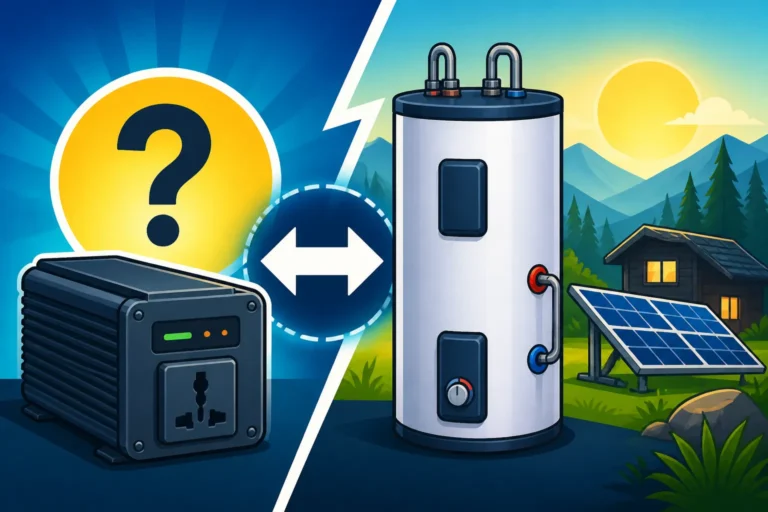
Don't forget the "phantom" loads either – those devices that are always plugged in, subtly sipping power even when they appear off. Things like phone chargers, microwaves with clocks, or even your inverter itself when idle can add up. It’s also vital to distinguish between running watts and surge watts, especially for appliances with motors like refrigerators, well pumps, or power tools. These items require a significantly higher burst of power (surge) to start up, which your inverter needs to handle. Taking the time to accurately complete this step will save you immense grief and expense later on. For a deep dive into this, check out our guide on How to Calculate Daily Energy Usage.
The Art of "Right-Sizing": Achieving Optimal Balance
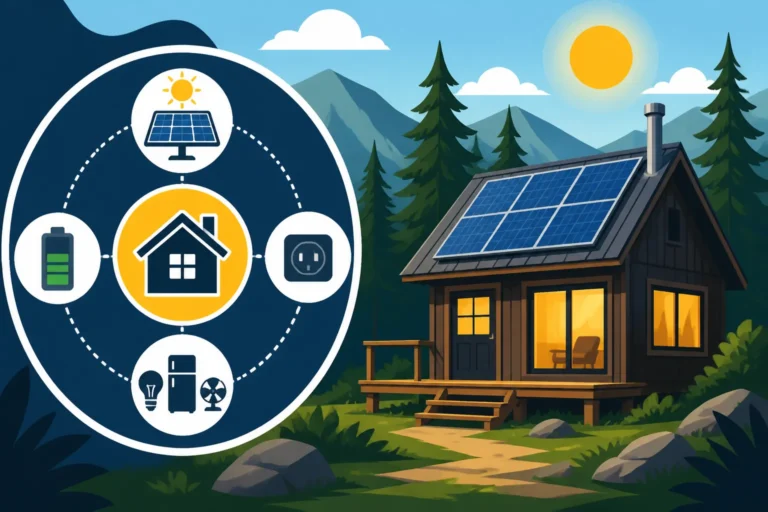
"Right-sizing" is truly an art form in off-grid solar. It's about designing a system where every component – from your solar panels to your batteries and inverter – is perfectly harmonized with your actual energy needs and usage patterns. It’s not just about meeting your minimum requirements; it’s about doing so efficiently, reliably, and without unnecessary expense or complication. This balanced approach leads to a system that simply works day in and day out, giving you the peace of mind you crave from off-grid living.
Matching Components to Your True Demands
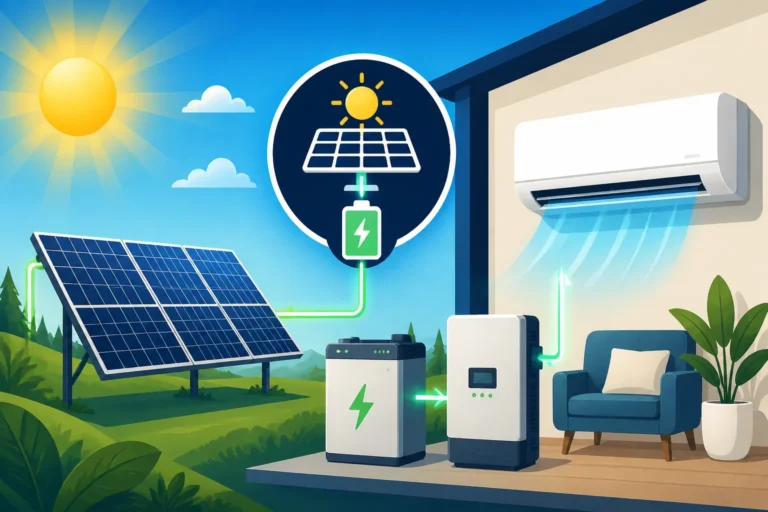
When you right-size your system, you're ensuring that your solar array generates enough power to recharge your batteries, your batteries can store sufficient energy for your consumption and any desired autonomy, and your inverter can handle your peak electrical demands without strain. It's like having a perfectly tuned engine – not too big, not too small, but just right for the job at hand. This means you’re not spending extra money on panels that produce excess power you can't use or store, nor are you buying oversized batteries that rarely get fully cycled or inverters with capacities far beyond your maximum surge needs.
The economic benefits are obvious: you save money upfront on components. But the practical benefits are equally important. A right-sized system is often more efficient because its components are operating within their optimal ranges. For example, a charge controller that's properly matched to its solar array will operate more effectively, maximizing energy harvest. When sizing your battery bank, you need to consider not just your daily usage, but also how many days you want to be able to run without any sun – what we call "days of autonomy." This crucial factor prevents you from being left in the dark during a stretch of cloudy weather. You can learn more about this in our article How to Calculate Days of Autonomy.
Factors Beyond Daily Consumption
Right-sizing isn't just a simple calculation of appliances. It's a holistic view that integrates environmental factors and future planning. Your geographic location, for instance, dramatically impacts how much sunlight your panels will receive. Someone living in sunny Arizona will need fewer panels than someone in cloudy Oregon for the same energy output. Seasonal variations are also huge; winter days are shorter and the sun is lower in the sky, meaning less solar gain. If you plan to live off-grid year-round, your system must be sized for your worst-case solar generation scenario, typically winter.
Understanding your "peak sun hours" for your specific location is absolutely critical here. This metric represents the equivalent number of hours per day when solar irradiance averages 1,000 watts per square meter. It's a standardized way to measure solar potential. Ignoring this can lead to massive discrepancies between estimated and actual power generation. You can read up on this vital concept in Peak Sun Hours Explained. Furthermore, considering your system voltage – whether 12V, 24V, or 48V – is another aspect of right-sizing. While 12V systems are fine for small setups like RVs or sheds, larger homes typically benefit from 24V or 48V systems, which allow for thinner wiring, less voltage drop, and often more efficient inverter operation. We break down these choices in our guide on 12V vs 24V vs 48V: Which to Choose.
The Pitfalls of Oversizing: More Isn't Always Better
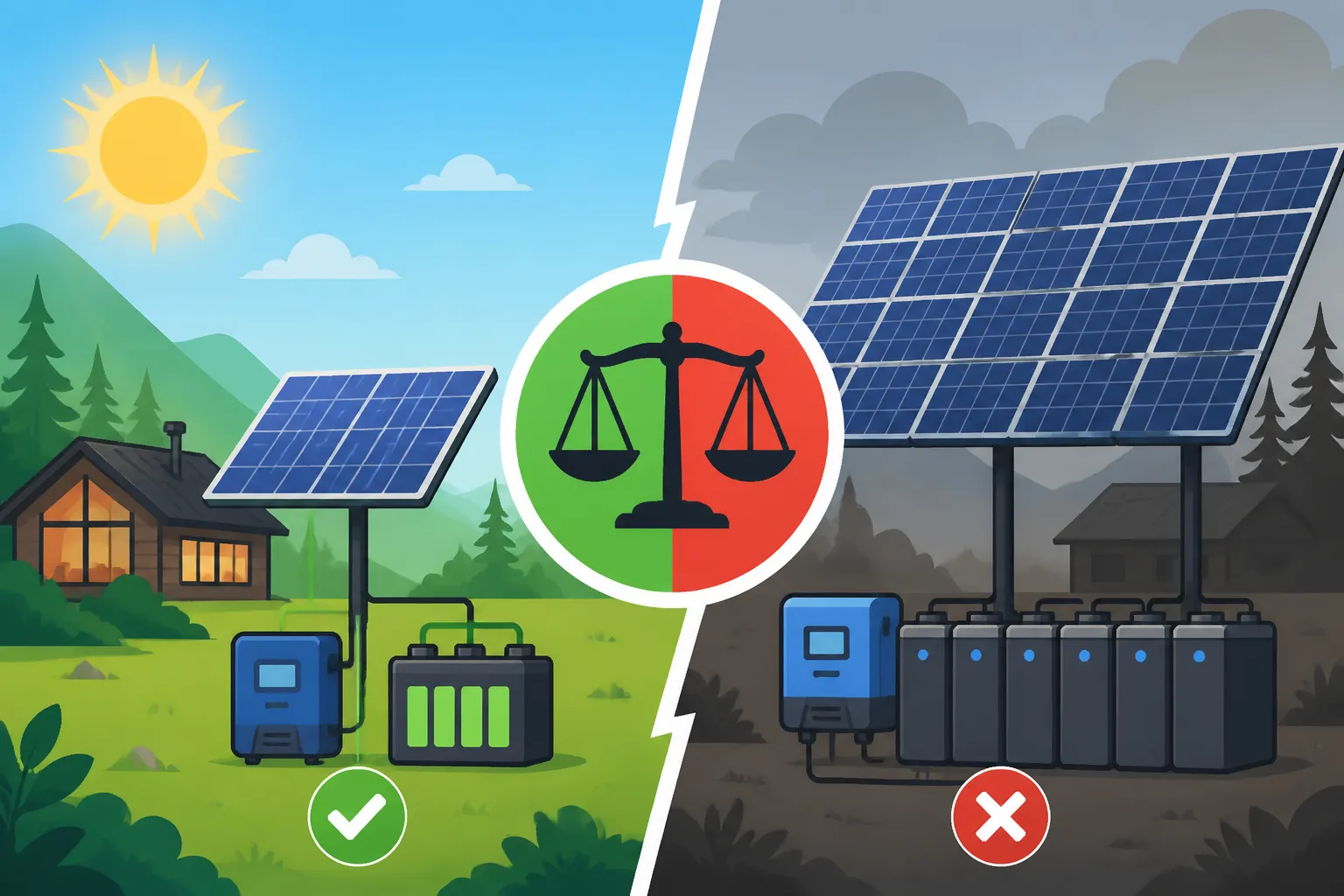
There's a natural human tendency to think that when it comes to power, more is always better. We want to be absolutely sure we won't run out, so we add an extra panel here, another battery there, just to be safe. While a little buffer is wise, going overboard with an oversized system can lead to significant drawbacks that many first-time off-gridders don't anticipate. It's not just about the initial sticker shock; it impacts long-term efficiency, maintenance, and even the usable lifespan of your components.
Financial Burden and Wasted Resources
The most immediate and obvious pitfall of oversizing is the exorbitant cost. Solar panels, batteries, inverters, charge controllers, wiring – every component scales up in price with its capacity. Doubling your battery bank "just in case" could add thousands of dollars to your initial investment. An inverter that's twice as powerful as you need will cost significantly more, yet it will be idling at a fraction of its capacity most of the time, often with reduced efficiency at lower loads. This means you're literally paying for power you don't use and won't ever need.
Think about it: if your daily energy consumption is 5 kWh, but you build a system capable of 15 kWh, that extra 10 kWh capacity sits idle, effectively a sunk cost. You're buying more raw materials, more manufacturing, and more shipping for no practical gain. This wasted capital could have been used for other essential off-grid infrastructure, like water systems or insulation, or simply kept in your pocket. These often-overlooked expenses are part of the Hidden Costs of Going Off-Grid that can quickly derail your budget and leave you wondering if solar was truly the smart financial choice.
Technical Complications and Maintenance
Beyond the financial hit, an oversized system can introduce unexpected technical challenges. More components mean more points of failure, more wiring to manage, and a more complex system to troubleshoot if something goes wrong. Imagine trying to trace an electrical issue in a massive array with dozens of panels compared to a smaller, streamlined setup. It's simply more work.
While modern LiFePO4 batteries are quite robust, having an extremely oversized battery bank might mean they spend extended periods at 100% state of charge, which, while not as detrimental as for lead-acid, isn't always ideal for their very long-term health. Similarly, an oversized charge controller might not always operate at its peak efficiency if the solar input is consistently far below its maximum capacity. Bigger systems also often require thicker, more expensive wiring to handle higher currents, and potentially more complex grounding and safety measures, adding layers of complexity to both installation and ongoing maintenance. You want your system to be robust, not just bulky.
The Risks of Undersizing: When the Lights Go Out
If oversizing is a costly mistake, undersizing is an absolute nightmare that undermines the very purpose of going off-grid: reliable power. The financial implications are often equally painful, as you'll likely end up replacing components prematurely or having to undertake a costly expansion soon after installation. The psychological toll, however, might be even greater, replacing independence with constant anxiety about your energy supply.
The Frustration of Insufficient Power
I’ve heard countless stories from folks who tried to cut corners or miscalculated their needs. Imagine trying to cook dinner only for the induction stovetop to flicker and die because your inverter can't handle the draw. Or, perhaps more critically, your well pump grinds to a halt mid-shower, leaving you covered in suds, because the battery bank is depleted. These aren't just inconveniences; they're daily stressors that erode the joy of off-grid living. When your system can't reliably power your essentials, you're constantly negotiating with your energy supply, making compromises, and living with a nagging fear of the next power outage.
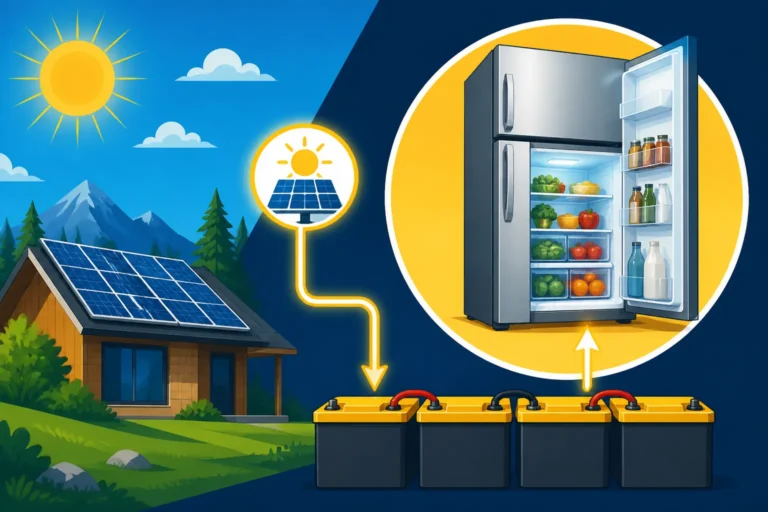
This frustration is particularly acute for essential services like refrigeration or medical devices. Losing a fridge full of food because your solar array couldn't keep up during a cloudy week is not just annoying, it’s expensive. For those relying on CPAP machines or other critical electronics, an undersized system isn't just an inconvenience; it can be a health risk. The goal of off-grid solar is to provide reliable power, and an undersized system fundamentally fails at that, turning a dream into a constant source of worry.
Component Wear and Premature Failure
Beyond the immediate inconvenience, an undersized system puts immense strain on its components, drastically shortening their lifespan. Batteries, especially lead-acid types, hate being deeply discharged. If your battery bank is too small, you'll constantly be draining it to a very low state of charge, which significantly reduces the number of cycles it can endure. Even robust LiFePO4 batteries, while more tolerant, have a finite number of cycles, and consistently pushing them to their limits will shorten their overall life. When these expensive components fail prematurely, you're looking at a significant unexpected expense for replacement. Understanding the Cost to Replace Off-Grid Solar Batteries is vital, and an undersized system will have you facing that cost much sooner than anticipated.
Similarly, an undersized inverter will struggle to meet your power demands. If you're constantly pushing it to its maximum rated output, or repeatedly hitting its surge limit, it will generate excessive heat, increasing the risk of failure. This also applies to charge controllers that are undersized for the solar array, causing them to overheat or operate inefficiently. In essence, trying to save money upfront by going too small often results in paying more in the long run through accelerated wear and tear, and the need for frequent, costly repairs or replacements.
Finding the Sweet Spot: Strategies for Optimal Sizing
So, how do you navigate this tricky terrain between too much and too little? The good news is there are practical strategies and approaches that can help you hit that "sweet spot" in sizing your off-grid solar system. It’s about being realistic, planning ahead, and understanding that flexibility can be your best friend in the journey to energy independence.
Phased Approach and Expandable Systems
For many off-gridders, especially those starting out or on a budget, a "big bang" approach to system installation might not be feasible or even wise. Instead, consider a phased approach. Start with a system that comfortably meets your essential needs, with a slight buffer, and design it to be easily expandable. This means choosing an inverter that can handle a larger future array or battery bank, and selecting a charge controller that has room to grow. For example, if you know you might add more panels in a few years, ensure your charge controller can accept the higher current or voltage.
Many reputable brands, such as Renogy, offer modular components that are designed with expansion in mind. Their solar panels, charge controllers, and batteries often integrate seamlessly, allowing you to add more capacity as your needs or budget evolve. This strategy helps spread out the initial investment and allows you to learn about your actual consumption patterns before committing to a larger system. Designing an expandable system from the outset is a smart move, ensuring that you won't need to completely overhaul your setup down the line. We have more insights on this topic in our article, How to Design an Expandable System.
The Role of Contingency and Backup
Even with the most perfectly right-sized system, there will always be times when nature doesn't cooperate – think prolonged cloudy periods, heavy snow covering your panels, or unexpected higher-than-usual energy demands. This is where a sensible contingency plan and backup power come into play. Instead of massively oversizing your solar array and battery bank to account for every conceivable "what if," which as we've discussed is costly and inefficient, consider integrating a backup generator.
A fossil-fuel generator, whether propane, gasoline, or diesel, can be an incredibly cost-effective way to provide power during extended stretches of low solar production. It acts as an insurance policy, topping off your batteries when needed without requiring you to double your solar and battery investment. This hybrid approach offers both reliability and financial prudence. You can learn more about this in our detailed guide on How to Add a Generator to Your Design. For smaller, occasional backup needs, or to power specific appliances during a temporary shortfall, portable solar generators – readily available from various brands on platforms like Amazon – can also be a fantastic, flexible solution. They're quick to deploy and don't require permanent installation.
Practical Tools and Resources for Sizing
The thought of calculating all these variables can feel overwhelming, but thankfully, you don't have to tackle it all with just a pen and paper (unless you want to!). There are excellent tools and resources available that can simplify the sizing process and provide a clear roadmap to your ideal off-grid solar system.
Using Online Calculators and Spreadsheets
In today's digital age, you don't need to be an electrical engineer to estimate your solar needs. Numerous online calculators and downloadable spreadsheets are available to guide you through the process. These tools typically ask you to input your daily appliance usage (wattage and hours), your geographical location (for peak sun hours), and your desired days of autonomy. With this data, they'll churn out estimations for the size of your solar array, battery bank, and inverter.
While these tools are incredibly helpful, remember they are estimates. Always add a small buffer (10-20%) to their recommendations, especially for batteries and solar panels, to account for real-world inefficiencies, component degradation over time, and unexpected minor loads. Don't forget that actual performance can vary based on panel cleanliness, temperature, and shading. Getting a realistic estimate of your current usage is the biggest hurdle, so take your time with that load analysis.
Here's a simple example of a load calculation table you might use:
| Appliance | Wattage (W) | Avg. Daily Run Time (Hours) | Daily Watt-Hours (Wh) | Surge/Starting Watts (W) |
|---|---|---|---|---|
| Refrigerator | 100 | 10 | 1000 | 800 |
| LED Lights (4 x 10W) | 40 | 6 | 240 | N/A |
| Laptop Charging | 50 | 3 | 150 | N/A |
| Well Pump | 1000 | 0.5 | 500 | 3000 |
| Water Heater (instant) | 3000 | 0.2 | 600 | N/A |
| Daily Total | 2490 Wh | 3000 W (Peak Surge) |
Based on this table, you'd know you need at least a 3000W inverter to handle the well pump's surge, and a battery bank capable of storing at least 2.5 kWh per day, plus any desired days of autonomy.
Professional Consultation and Kit Analysis
While DIY is a core part of the off-grid ethos for many, sometimes a professional eye can save you from costly mistakes, especially for larger or more complex systems. If you're feeling overwhelmed by the calculations, or if your energy needs are critical (e.g., medical necessity, year-round remote living), consulting with an experienced off-grid solar designer or installer is a wise investment. They can spot potential issues, optimize your system layout, and ensure compliance with any local regulations (even if off-grid, some permits may apply).
Alternatively, if you prefer a more straightforward path, pre-designed off-grid solar kits can be an excellent starting point. Companies like Renogy and others offer various kits scaled for different needs, from small cabins to RVs. While these kits might not be perfectly tailored to every single specific need, they provide a well-matched set of components (panels, charge controller, inverter, batteries) that are designed to work together. Many are available on platforms like Amazon with detailed specifications, allowing you to compare options and find a kit that closely aligns with your calculated energy usage. Just be sure to double-check their stated capabilities against your own load analysis. For a broader understanding, you might also find our comprehensive Off-Grid Solar System Sizing Guide helpful.
Disclaimer
The information provided in this article is for general informational and educational purposes only and is not a substitute for professional advice. Off-grid solar system design and installation can be complex and involve electrical hazards. Always consult with a qualified solar professional or electrician for specific system design, installation, and safety recommendations tailored to your unique situation and local regulations. The author and publisher are not liable for any losses, injuries, or damages resulting from the use or misuse of this information.