How to Design for 100% Off-Grid Reliability
Living off-grid is a dream for many, but the constant worry of losing power, especially during a string of cloudy days or an unexpected equipment failure, can quickly turn that dream into a nightmare. You’ve invested time, money, and effort into this lifestyle, and the last thing you want is to be left in the dark or without essential appliances. This guide is all about tackling that exact fear, providing you with a comprehensive roadmap to design an off-grid solar system that is not just functional, but genuinely reliable, giving you peace of mind no matter what nature throws your way.
The Foundation of Uninterruptible Off-Grid Power
Achieving true 100% off-grid reliability isn't about luck; it's about meticulous planning and understanding the core principles that govern your power system. It starts long before you buy a single panel or battery. It begins with a deep, honest look at your energy needs, acknowledging the unpredictable nature of renewable resources, and making conscious choices about the quality of your equipment.
Realistic Energy Assessment and Future-Proofing
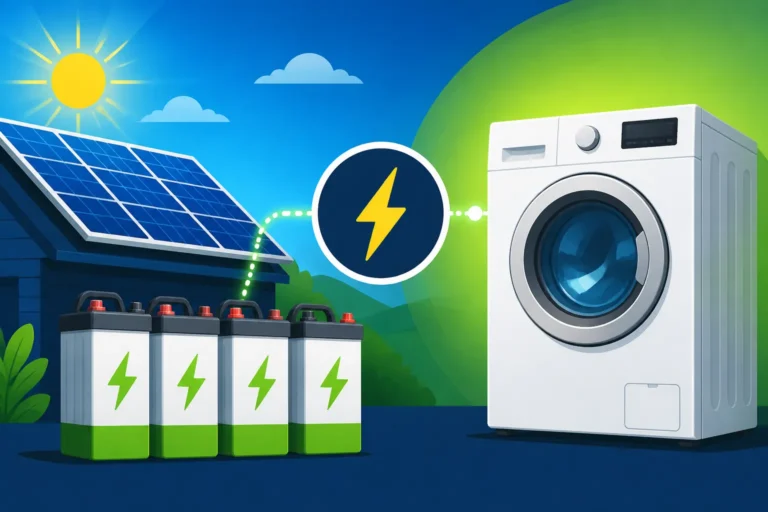
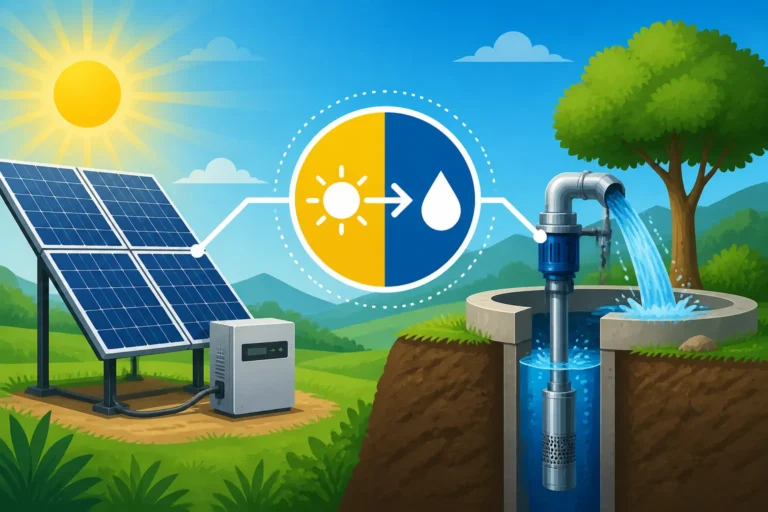
The biggest mistake I see people make when designing their off-grid system is underestimating their actual energy consumption. It’s easy to list your major appliances like the refrigerator and well pump, but what about the small, often-forgotten loads? Think about phone chargers, LED strip lighting, the constant draw of a Wi-Fi router, or even the brief but significant surge from a coffee maker or a power tool used in your workshop. Every watt-hour adds up.
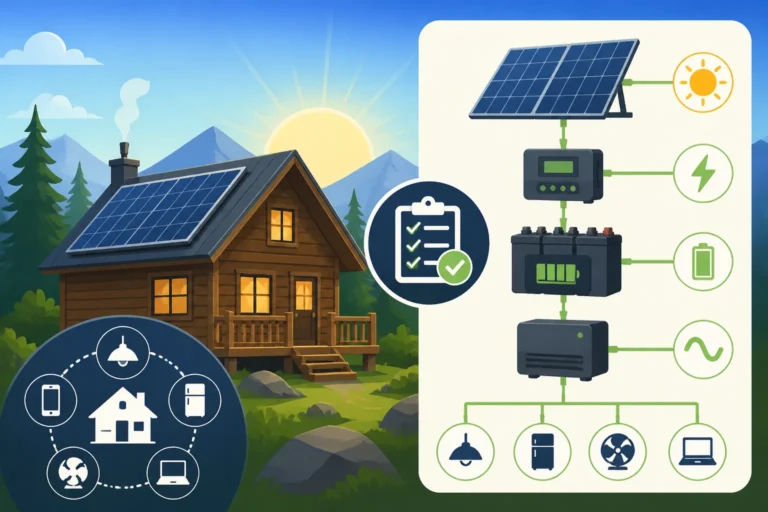
To get a truly realistic picture, you need to conduct a thorough energy audit. Spend a week or two, or even a month, logging every appliance you use, how long you use it for, and its wattage. Don't just guess; use a watt-meter for accurate readings on your AC appliances, and for DC loads, measure current with a multimeter. This detailed data forms the bedrock of your system sizing. You can find simple watt-meters readily available online, perhaps even on sites like Amazon, to make this task straightforward. For a deeper dive, check out our guide on How to Calculate Daily Energy Usage.
Beyond your current needs, you absolutely must consider future expansion. Are you planning to add a new appliance next year? Will your family grow, increasing demand for hot water or charging ports? Neglecting this foresight will lead to a system that’s constantly struggling, forcing costly upgrades down the line. It's much cheaper and easier to factor in a little extra capacity from the start than to retrofit later.
Why Oversizing Your System is Non-Negotiable
Once you have your accurate load assessment, the next critical step for reliability is to oversize your system, especially your solar array and battery bank. Many folks try to design a system that just barely meets their daily average usage, which is a recipe for frustration. What happens when you have a week of dense fog and clouds, or when winter days dramatically shorten your sun exposure? Your "average" system will leave you high and dry.
Oversizing your solar panel array means you'll generate surplus power on sunny days, which is crucial for fully charging your batteries and building up a reserve. This buffer is your shield against adverse weather or unexpected spikes in usage. Instead of aiming for just enough, think about how much solar generation you'd need on a worst-case cloudy winter day to still meet your critical loads and get your batteries topped off.
Similarly, oversizing your battery bank provides more "days of autonomy" – that's how long your batteries can power your home without any new charge input. If you typically need two days of autonomy, aiming for three or four gives you a significant safety net. This allows your batteries to handle sustained periods of low solar production without dipping into dangerously low states of charge, which can shorten their lifespan. You might find our article on How to Calculate Days of Autonomy helpful here.
Selecting Robust and Reliable Components
The old adage "you get what you pay for" holds particular truth in off-grid solar. A system is only as strong as its weakest link, and choosing cheap, unreliable components will inevitably lead to headaches, downtime, and expensive replacements. This isn't the place to cut corners.
Invest in high-quality solar panels from reputable manufacturers. Look for panels with excellent efficiency ratings and robust construction that can withstand your local weather conditions, be it heavy snow, strong winds, or extreme heat. For inverters and charge controllers, brands like Victron, Sol-Ark, and Outback Power are often considered industry standards for their durability, advanced features, and comprehensive warranties. While more affordable options exist, especially from brands like Renogy, ensure they have solid reviews and support for the specific demands of an off-grid setup.
Your batteries are arguably the most critical component for reliability, so choose wisely. Lithium iron phosphate (LiFePO4) batteries, despite their higher upfront cost, offer significantly longer lifespans, deeper discharge capabilities, and better efficiency compared to traditional lead-acid batteries. This means fewer replacements and more consistent power over the years. You'll find more insights on this in our piece comparing LiFePO4 vs Lead-Acid Battery Cost. Remember, a system designed for 100% reliability demands components that can go the distance, day in and day out.
Mastering Energy Production and Storage
With a solid foundation in place, the next step is to optimize how your system collects and stores energy. This involves smart placement and maintenance of your solar array, a well-thought-out battery solution, and having contingency plans for those times when the sun just isn't cooperating.
Optimizing Your Solar Array for Consistent Harvest
Simply installing panels isn't enough; their placement and maintenance directly impact how much power they generate. To ensure maximum reliability, you need to think about ideal tilt angles and orientation, shading mitigation, and regular upkeep. For most Northern Hemisphere locations, panels should face true south (not magnetic south) to capture the most sunlight throughout the day. However, for off-grid reliability, especially during winter when the sun is lower, adjusting the tilt angle can make a huge difference.
Consider adjustable mounts that allow you to change the tilt seasonally. A steeper angle in winter will help shed snow and catch the lower sun rays more effectively. Shading is another critical factor. Even a small shadow from a tree branch, chimney, or neighboring structure can drastically reduce the output of an entire string of panels, thanks to how they’re wired. Design your array to be completely free of shading during peak sun hours. If shading is unavoidable, consider micro-inverters or power optimizers on individual panels, or design multiple independent strings with their own charge controllers. For more on this, check out our article on Best Tilt Angle for Off-Grid Panels.
Finally, keep those panels clean! Dust, pollen, bird droppings, and leaves can accumulate on the surface, blocking sunlight and reducing efficiency. A simple rinse with a hose and a soft brush a few times a year can restore significant power output, especially if you live in a dusty area or one with lots of trees. Regular cleaning is a small effort that yields big returns in consistent power production.
Designing an Indestructible Battery Bank
Your battery bank is the heart of your off-grid system, providing power when the sun isn't shining. For 100% reliability, it needs to be robust, well-maintained, and correctly sized for your chosen voltage. As mentioned, LiFePO4 batteries are generally the gold standard for off-grid applications due to their longevity (often 10-15 years or more), high efficiency, and ability to be deeply discharged without damage (typically 80-100% DoD). This means you get more usable energy from your capacity.
When designing your battery bank, think about modularity. Instead of one massive battery, consider multiple smaller ones. This way, if one battery fails, the entire system doesn't go down, and it's easier to expand incrementally. Proper ventilation is also crucial, especially for lead-acid batteries which can off-gas hydrogen. For LiFePO4, ventilation helps with thermal management, particularly in hot climates.
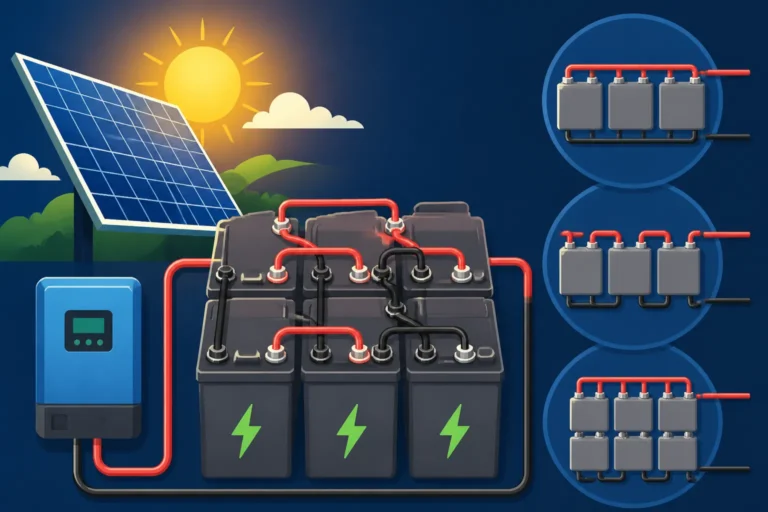
Wiring your battery bank correctly is paramount for performance and safety. Ensure all connections are tight, use appropriate gauge wiring to minimize voltage drop, and install proper fusing. Most off-grid homes opt for a 48V system, as it allows for smaller wire gauges and reduces energy loss compared to 12V or 24V systems, which can be significant in larger setups. If you're building a substantial off-grid home, understanding Why 48V Is Better for Large Systems is key.
Integrating Auxiliary Charging Sources
Even the most meticulously oversized solar array and battery bank can face challenges during extended periods of extremely poor weather. This is where auxiliary charging sources come into play, providing that crucial layer of redundancy for 100% reliability. The most common backup is a generator. A well-integrated generator can automatically kick on when battery levels drop below a predetermined threshold, providing power to your loads and recharging your batteries.
Choosing the right generator involves considering fuel type (propane, diesel, gasoline), noise levels, and integration capabilities with your inverter. Many modern inverter-chargers from brands like Victron Energy or Sol-Ark can manage generator start/stop functions seamlessly. Having a generator on hand ensures that even if you have a week of persistent clouds in winter, your lights will stay on and your freezer will remain cold.
Beyond generators, other renewable sources like small wind turbines or micro-hydro systems can also supplement your solar power, especially if your location is conducive. Wind often blows when the sun isn't shining, and hydro provides constant power if you have a reliable water source. Diversifying your energy inputs dramatically boosts your system's overall resilience. Our article on How to Add a Generator to Your Design provides more detailed guidance.
Fortifying Your System Against the Unexpected
Designing for reliability means preparing for everything from extreme weather to unforeseen equipment issues. It’s about building a robust, resilient system that can stand the test of time and unforeseen circumstances.
Shielding Against Environmental Extremes and Unexpected Events
Your off-grid system lives outdoors and is constantly exposed to the elements. Protecting it from environmental extremes is essential for its longevity and reliable operation. This includes everything from the relentless summer sun to freezing winter temperatures, and even unexpected acts of nature. For solar panels, choosing models rated for high wind and snow loads is crucial if you live in an area prone to harsh weather. Proper mounting systems, whether ground mounts or roof mounts, must be securely anchored to withstand these forces.
Your batteries and sensitive electronics like your inverter and charge controller need protection from temperature extremes. Lead-acid batteries lose capacity in the cold and degrade faster in the heat. While LiFePO4 batteries perform better, extreme cold can prevent them from charging, and extreme heat can shorten their life. Consider an insulated battery box, perhaps even with active heating or cooling in very harsh climates. Enclosing your inverter and charge controller in a sheltered, temperature-controlled space, like a dedicated utility shed or basement, will extend their lifespan and prevent performance issues.
Lightning protection and proper grounding are also non-negotiable. A direct lightning strike is devastating, but even nearby strikes can induce surges that damage sensitive electronics. Install surge suppressors on both the DC (solar array) and AC (inverter output) sides of your system, and ensure your entire system is properly grounded according to electrical codes. This safeguards your expensive equipment and, more importantly, keeps you and your property safe.
The Critical Role of Monitoring, Maintenance, and Management
A reliable off-grid system isn't a "set it and forget it" affair. Active monitoring and regular maintenance are absolutely critical to catch small issues before they become catastrophic failures. Investing in a good battery monitor is non-negotiable; it tells you your state of charge, current draw, and total energy consumed, giving you vital insights into your power situation. Many modern inverters and charge controllers also come with advanced monitoring features, often accessible via a smartphone app or web portal, allowing you to track solar production, battery health, and load consumption in real-time.
Establish a routine maintenance schedule. This might include:
- Monthly: Check battery terminals for corrosion, ensure all wiring connections are tight, and visually inspect panels for damage or excessive dirt.
- Quarterly: Clean solar panels, check fluid levels in flooded lead-acid batteries, and ensure proper ventilation around all components.
- Annually: Perform a comprehensive system check, testing battery capacity, verifying inverter and charge controller settings, and inspecting wiring for wear or rodent damage.
These preventative measures are far less costly and stressful than emergency repairs. By being proactive, you can identify a dying battery cell or a loose wire long before it causes a system shutdown. Our comprehensive Off-Grid Solar Maintenance Guide can walk you through the specifics.
Emergency Preparedness and System Redundancy
True 100% reliability includes having robust backup plans and a degree of redundancy for critical components. While a generator is an excellent auxiliary power source, what if the generator itself fails, or you run out of fuel? Having a small, portable solar generator (like those from EcoFlow or Bluetti, which you can also find on Amazon) can serve as a lifeline for truly essential loads like a CPAP machine, medical device, or charging phones during a complete system outage.
Consider having spare fuses, an extra charge controller for smaller arrays, or even a basic spare inverter if your budget allows. For truly critical loads, like a well pump or refrigeration, having manual bypass switches that allow you to directly connect a generator or even a small solar panel directly (if feasible and safe) can be a lifesaver. This redundancy ensures that even in the face of major component failure, you won't be completely without power for extended periods.
Develop a clear "critical loads" strategy: identify the absolute must-haves (medical equipment, water pump, minimal lighting, communication) versus the nice-to-haves (TV, microwave, heavy power tools). In an emergency, you know exactly what to cut to conserve power and stretch your resources.
Practical Steps for Achieving Sustainable Independence
Moving towards a fully reliable off-grid life is a journey, not a sprint. It involves careful financial planning and a strategic approach to building out your system over time.
Budgeting for Resilience
Let's be realistic: designing for 100% off-grid reliability often means a higher upfront investment. Quality components, oversized arrays, larger battery banks, and auxiliary charging systems all add to the initial cost. However, this investment pays off handsomely in peace of mind, reduced maintenance, and a longer system lifespan. Trying to scrape by on a shoestring budget typically leads to compromises in quality and capacity, which will inevitably lead to frustration and costly repairs down the line.
When you're creating your off-grid budget, make sure to account for contingencies. Don't allocate every last dollar to core components. Set aside a percentage for unexpected costs, potential professional assistance for critical wiring, or the inevitable tool purchases you didn't anticipate. Think of it as an insurance policy for your energy independence. Our guide on How to Budget for an Off-Grid Solar System offers great insights into breaking down these costs. Remember, your goal isn't just power, it's reliable power, and that has a value.
Phased Implementation and Scalability
If the thought of a massive upfront investment feels overwhelming, don't despair! You don't have to build your dream system all at once. A smart strategy for achieving 100% reliability is through phased implementation, starting with a core system and expanding it as your needs or budget allow. This allows you to gain experience, understand your actual consumption patterns, and make more informed decisions for future additions.
Start with a system that can reliably power your most critical loads – perhaps your refrigerator, lighting, and essential electronics. Use high-quality components from the start, even if the system is smaller. When you're ready to expand, you can easily add more solar panels, increase your battery bank, or upgrade your inverter to handle more loads. This is especially true if you choose a modular battery system, like those offered by various brands, including Renogy, which allows for easy expansion by simply adding more battery units in parallel.
Always design your initial system with expansion in mind. Choose an inverter and charge controller that can handle future additions of panels or batteries. Ensure your wiring is sized to accommodate increased current if you plan to add more solar strings. Thinking ahead prevents you from having to replace entire components just to scale up. This approach makes off-grid independence more attainable and allows you to build reliability incrementally, learning and adapting along the way.
| Component | Key for 100% Reliability | Common Mistakes to Avoid |
|---|---|---|
| Load Assessment | Accurate measurement, future expansion, seasonal variations. | Underestimating, forgetting phantom loads, guessing usage. |
| Solar Array | Oversizing, optimal orientation/tilt, shading mitigation, cleaning. | Just meeting average needs, ignoring winter sun, unaddressed shading. |
| Battery Bank | Oversizing (days of autonomy), LiFePO4 chemistry, proper ventilation, modularity. | Minimal capacity, relying on cheap lead-acid, poor wiring, no temperature control. |
| Inverter/Charge Controller | Reputable brands (e.g., Victron, Sol-Ark), proper sizing for surge loads, robust features. | Budgeting on low-quality units, not matching controller to array, ignoring surge capacity. |
| Auxiliary Charging | Integrated generator, other renewables (wind/hydro), fuel storage. | No backup plan, undersized generator, no fuel contingency. |
| Monitoring | Real-time data (state of charge, production, consumption), alarms. | Guessing battery levels, ignoring data, no fault alerts. |
| Maintenance | Regular inspections, cleaning, terminal checks, fluid levels (if applicable). | "Set it and forget it" mentality, neglecting preventative care. |
| Protection | Proper grounding, surge suppression, environmental enclosures (batteries, electronics). | Skipping safety measures, exposed components, ignoring extreme temps. |
Disclaimer
Please remember that off-grid solar system design and installation can be complex and potentially dangerous. Always consult with qualified professionals and adhere to all local electrical codes and safety regulations. The information provided here is for educational purposes only and should not be taken as professional advice.