Best Portable Off-Grid Solar Kit
The freedom of the open road, the quiet solace of a remote cabin, or even just the peace of mind during a power outage – these experiences often hinge on one crucial element: reliable power. But lugging around heavy, complex solar setups or noisy generators can quickly zap the joy out of your off-grid dreams. This comprehensive guide is here to unravel the mysteries of portable off-grid solar kits, helping you find the perfect blend of power, convenience, and true independence.
Understanding Portable Off-Grid Solar Kits
When we talk about going off-grid, many folks immediately picture large, roof-mounted solar arrays and hefty battery banks bolted down in a shed. While that's certainly one powerful approach, it's not the only way to embrace solar independence. For a vast number of situations, portability is key, and that's where portable off-grid solar kits shine. They're designed for movement, flexibility, and often, ease of use, bringing the benefits of solar power wherever your adventures or needs take you.
What Defines a Portable Kit?
A portable off-grid solar kit is fundamentally different from a permanent installation. Its defining characteristic is, you guessed it, its portability. This means the components are designed to be relatively lightweight, compact, and easy to set up and break down. Think foldable solar panels, integrated power stations, and battery packs that you can pick up and move without needing a forklift. The entire system, or at least its core components, can be easily transported in a vehicle, carried to a campsite, or stored away in a closet until needed. Unlike a fixed system, it's not wired directly into your home's main electrical panel. Instead, it provides power directly to your devices via AC outlets, USB ports, or DC outputs.
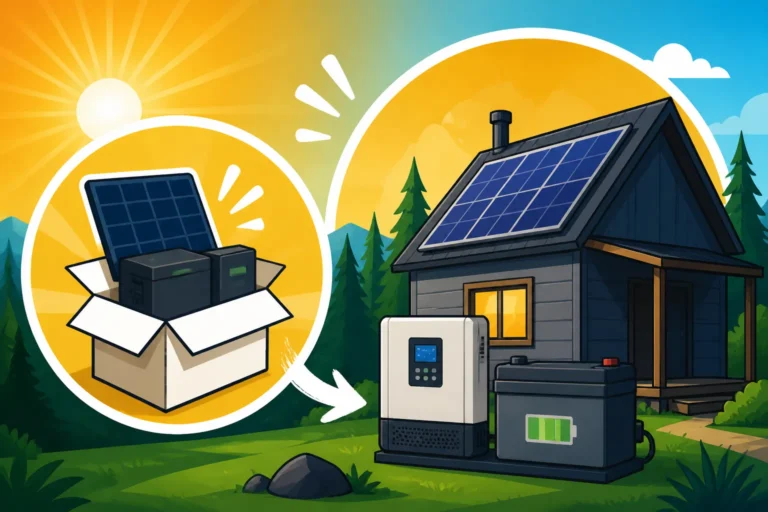
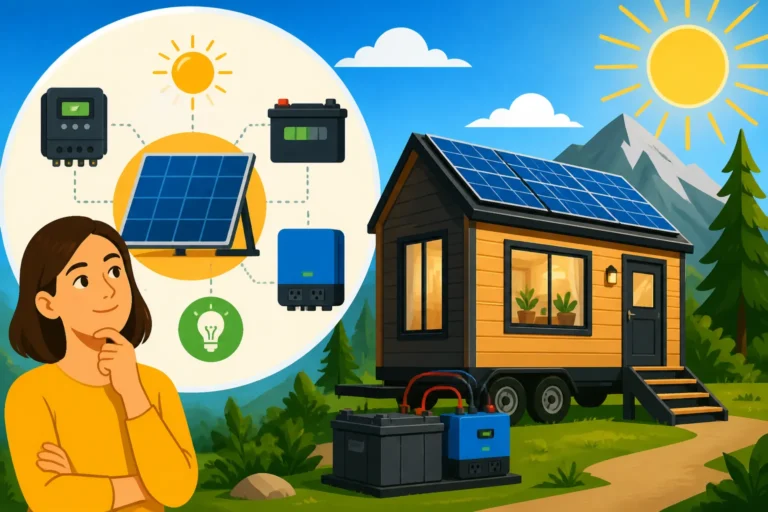
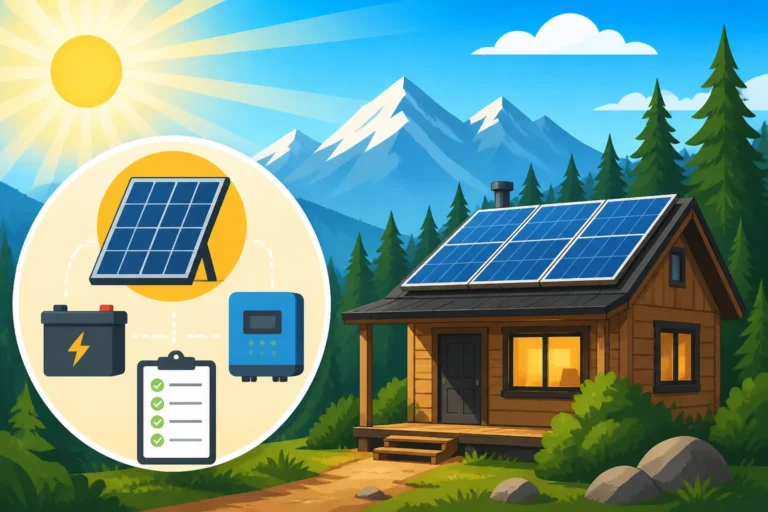
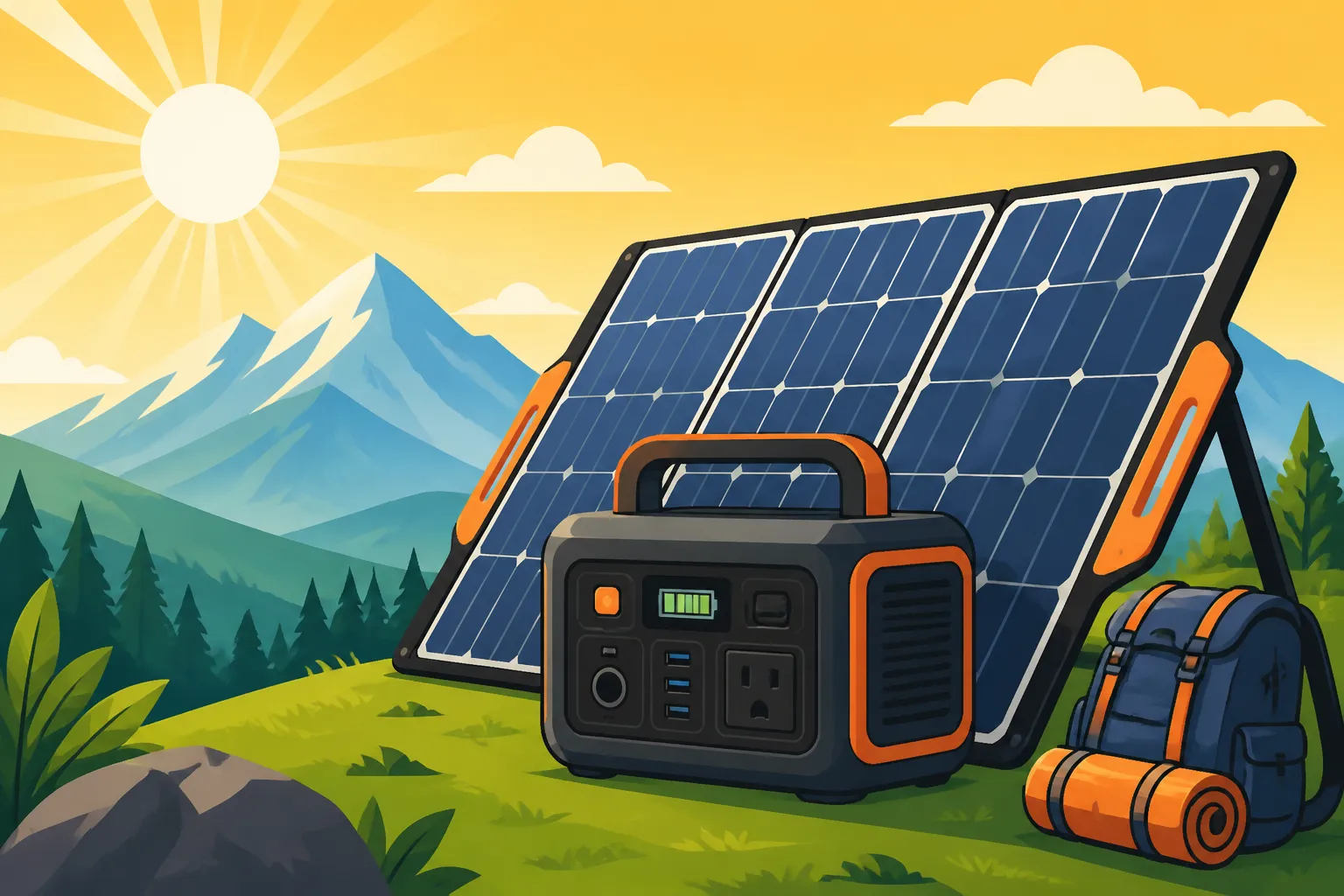
These kits typically combine the four essential elements of any solar setup—solar panels, a charge controller, an inverter, and a battery—into a more cohesive, often all-in-one package. For instance, a popular portable solar generator, like those offered by Jackery, integrates the battery, inverter, and charge controller into a single unit, which then pairs with foldable solar panels. This design dramatically simplifies setup, making solar power accessible even for those who aren't electrical experts. The emphasis is on plug-and-play functionality, letting you harness the sun's energy with minimal fuss, whether you're powering a laptop on a camping trip or keeping critical medical devices running during an emergency.
Why Choose Portable Over Permanent?
The decision to opt for a portable solar kit over a permanent, larger installation boils down to your specific needs and lifestyle. Permanent systems are fantastic for fixed structures like homes or cabins where you need continuous, high-volume power day in and day out. They’re built to be robust, handle significant loads, and often integrate seamlessly into your existing electrical infrastructure. However, they come with a higher upfront cost, require professional installation or significant DIY expertise, and, of course, they aren't going anywhere once installed. You can read more about the full considerations in our guide on Off-Grid Solar vs Grid-Tied Cost Comparison.
Portable kits, on the other hand, offer unparalleled flexibility. Imagine you're an RVer exploring national parks, a camper who loves setting up in remote wilderness spots, or someone living in a region prone to frequent power outages. In these scenarios, the ability to pack up your power source, move it, and set it up again in minutes is invaluable. Portable systems are generally much more affordable to acquire, often requiring no complex wiring or permits, making them an excellent entry point into solar power. They’re perfect for powering essentials like phones, laptops, lights, and even small appliances, providing comfort and connectivity away from traditional power sources.
Key Components of a Portable Kit
Even in their compact forms, portable solar kits still rely on the fundamental components of any off-grid solar system. Understanding these parts will help you appreciate how these kits work and what to look for when making a purchase.
- Solar Panels: These are the workhorses, converting sunlight into electrical energy. In portable kits, you'll most often find foldable, flexible, or rigid suitcase-style panels. Foldable panels are incredibly convenient for travel, packing down small. Flexible panels are great for curved surfaces like RV roofs, while rigid panels, though bulkier, often offer better efficiency and durability. The goal is to collect as much sunlight as possible to charge your battery efficiently.
- Battery: This is where the energy harvested by your panels is stored for later use. For portable kits, lithium-ion batteries, especially LiFePO4 (lithium iron phosphate), are overwhelmingly popular due to their light weight, high energy density, long lifespan, and ability to be deeply discharged without damage. Having a reliable battery is crucial; it's the heart of your portable power system. You can dive deeper into battery options with our Best Off-Grid Solar Batteries guide.
- Inverter: Most of your common electronics run on AC (alternating current) power, just like your home outlets. Solar panels and batteries, however, produce DC (direct current) power. The inverter's job is to convert that stored DC power into usable AC power. For portable kits, you'll want a pure sine wave inverter to safely power sensitive electronics like laptops and medical devices. The inverter's wattage rating determines how many and what kind of AC appliances it can run.
- Charge Controller: This vital component regulates the flow of electricity from your solar panels to your battery. It prevents overcharging, which can damage batteries, and ensures the battery charges efficiently. Most modern portable solar generators have a sophisticated MPPT (Maximum Power Point Tracking) charge controller built-in, which optimizes the power harvest from your panels, especially in varying light conditions. For more on this, check out our insights on Best MPPT Charge Controllers.
Sizing Your Portable Off-Grid Solar Needs
One of the biggest mistakes people make when getting into off-grid solar, especially portable setups, is not properly sizing their system. It’s not about buying the biggest or the cheapest; it's about buying the right system for your specific energy demands. A portable kit that's too small will leave you frustrated and powerless, while one that's too large might be overkill for your needs and weigh you down unnecessarily. A thorough understanding of your power requirements is the bedrock of a successful portable off-grid experience.
Calculating Your Daily Energy Consumption
Before you can even think about panels or batteries, you need to know exactly what you want to power and for how long. This is often called a "load analysis" or calculating your daily energy usage. It's a bit like creating a grocery list for your electricity. Go through every device you plan to use – phones, laptops, LED lights, portable fridge, CPAP machine, electric kettle, fan, etc. For each item, find its wattage (usually printed on the device or its charger) and estimate how many hours per day you'll use it.
Multiply the wattage by the hours of use to get the daily Watt-hours (Wh) for each item. For example, a 60-watt laptop used for 5 hours a day consumes 300 Wh (60W * 5h). Add all these individual Watt-hours together, and you'll have your total daily energy consumption in Wh. It's always a good idea to add a small buffer (say, 10-20%) for unforeseen circumstances or slightly longer usage times. This step is critical and is covered in more detail in our How to Calculate Daily Energy Usage guide. Knowing your exact needs will prevent both undersizing and oversizing your system, saving you money and headaches.
Determining Battery Capacity
Once you have your total daily Watt-hours, you can figure out the battery capacity you’ll need. Your battery needs to store enough energy to cover your daily consumption and often, a few days of "autonomy" – meaning, how long it can power your devices without receiving a charge from the solar panels (think cloudy days!). For portable systems, especially those using LiFePO4 batteries, you can typically use 80-90% of the battery's rated capacity without significantly impacting its lifespan.
Let's say your calculated daily usage is 500 Wh. If you want two days of autonomy, you'd need a battery with at least 1000 Wh (or 1 kWh) usable capacity. Given that LiFePO4 batteries allow for deep discharge, a 1200 Wh battery would give you a comfortable buffer. Battery capacity is often listed in Watt-hours (Wh) for all-in-one solar generators or Amp-hours (Ah) for standalone batteries at a specific voltage (e.g., a 100Ah 12V battery is 1200 Wh). Many systems, like those from Jackery, conveniently list their capacity in Wh, making it straightforward to compare against your calculated needs. Dive deeper into figuring out how much capacity you need with our guide on How Many Batteries for an Off-Grid System.
Matching Solar Panel Output to Your Usage
Now that you know your daily energy consumption and target battery capacity, you need to determine how many solar panels, or what wattage of panels, you'll need to replenish that energy. This calculation depends heavily on the "peak sun hours" in your location – the average number of hours per day when the sun's intensity is strong enough to generate near maximum power from your panels. This varies significantly by season and geographical location. A sunny day in Arizona might yield 6-7 peak sun hours, while a cloudy winter day in Seattle might only give you 2-3.
To calculate rough panel wattage, take your daily Watt-hour consumption, divide it by your average peak sun hours, and then add a buffer (typically 20-30%) for system inefficiencies, panel degradation, and less-than-ideal weather conditions. For example, if you need 500 Wh per day and have 5 peak sun hours, you'd need about a 100W panel (500 Wh / 5h) to theoretically break even. Adding a 25% buffer, you'd be looking for a 125W panel or more. Since many portable kits come with specific panel wattages, you might need to adjust your usage expectations or consider adding an extra panel if the system allows for expansion. Understanding this balance is key to ensuring your portable setup can reliably recharge itself. Our How Many Solar Panels for Off-Grid Living resource can provide more detailed calculations.
Types of Portable Off-Grid Solar Kits
The world of portable off-grid solar has expanded dramatically, offering a spectrum of solutions to fit various needs and budgets. From compact devices that fit in a backpack to more robust systems capable of powering small cabins, understanding the different types can help you pinpoint the best fit for your adventures.
All-in-One Solar Generators
These are arguably the most popular and user-friendly type of portable off-grid solar kit, especially for beginners or those prioritizing convenience. An all-in-one solar generator consolidates the battery, inverter, and charge controller into a single, portable unit. You simply plug in your solar panels (often sold separately or as a bundle), and the system handles the rest. They typically feature multiple output ports: AC outlets (standard wall plugs), DC ports (like cigarette lighter sockets), and numerous USB ports for charging smaller electronics.
Brands like Jackery, EcoFlow, and Bluetti dominate this market, offering a range of capacities from small units perfect for charging phones and laptops (e.g., Jackery Explorer 300) to larger powerhouses capable of running refrigerators, power tools, or even acting as a home backup during outages (e.g., Jackery Explorer 2000 Pro). The main advantages are their incredible ease of use – truly plug-and-play – and their compact, often aesthetically pleasing designs. They require minimal wiring knowledge, making them ideal for camping, van life, emergency preparedness, or even just working remotely outdoors. However, they can be less customizable than modular systems, and expanding their battery capacity might be limited to specific expansion batteries offered by the manufacturer. If you’re curious, our Best Solar Generators for Off-Grid guide delves into these options.
Modular Component Systems
For those who prefer greater flexibility, expandability, or have very specific power needs that an all-in-one unit can't meet, modular component systems are the way to go. Instead of a single unit, you purchase each core component separately: solar panels, a standalone battery bank, an inverter, and a charge controller. While this requires a bit more knowledge about wiring and compatibility, it allows for a highly customized setup. You can choose specific Best Off-Grid Solar Inverters to handle high surge loads, select a battery bank that offers precisely the capacity and chemistry you desire (like a specific Cost of an Off-Grid Solar Battery Bank), and match your panels perfectly to your charge controller.
This approach is often favored by experienced RVers, tiny home dwellers, or those building custom off-grid setups that might eventually evolve into more permanent solutions. For instance, you could start with a few Renogy solar panels, a high-quality Victron Energy charge controller, a Battle Born LiFePO4 battery, and an AIMS Power inverter. This allows you to upgrade individual components as your needs change or as better technology becomes available, rather than replacing an entire integrated unit. The initial setup might be more involved and require a basic understanding of electrical connections, but the long-term benefits in terms of customization and repairability can be significant.
Kits for Specific Use Cases
Beyond the general categories, many portable solar kits are tailored for particular applications, addressing the unique challenges and requirements of different off-grid lifestyles.
- RV and Van Life Kits: These kits are often designed with vehicle integration in mind. They might include flexible panels that conform to curved roofs, mounting hardware specific to RVs, or wiring that can be routed safely through vehicle chassis. Many RV-specific kits focus on efficiently powering 12V DC appliances common in recreational vehicles, while also providing AC power for laptops or small kitchen gadgets. Brands like Go Power! and Renogy offer comprehensive kits that are popular with the nomadic community.
- Camping and Backpacking Kits: These are at the smaller, lighter end of the spectrum. Think very compact foldable solar panels (often under 100W) paired with small power banks designed primarily for charging phones, headlamps, and other personal electronics. Portability is paramount, often allowing them to be strapped to a backpack to charge on the go. While not suitable for heavy loads, they offer essential power for short trips into the wilderness.
- Emergency Backup Kits: For hurricane season, winter storms, or just general preparedness, these kits are designed to provide essential power during grid outages. They typically lean towards all-in-one solar generators with decent battery capacity (500 Wh to 2000 Wh+) and reliable AC output to run critical devices like medical equipment (CPAP machines), communication devices, lights, and perhaps a mini-fridge. The emphasis here is on quick deployment and reliability, often including robust build quality to withstand adverse conditions.
Key Features to Look for in a Portable Kit
When you're ready to invest in a portable off-grid solar kit, it's easy to get overwhelmed by the sheer number of options and specifications. Knowing which features genuinely matter for your specific needs can make all the difference between a system that delivers reliable power and one that falls short. Let’s break down the most critical aspects to consider.
Battery Chemistry and Capacity
The battery is the core of any off-grid system, and in portable kits, its chemistry and capacity are paramount.
- LiFePO4 (Lithium Iron Phosphate): This is the gold standard for portable solar kits and solar generators. LiFePO4 batteries offer a superior cycle life (how many times they can be charged and discharged before significant capacity loss), are lighter than traditional lead-acid batteries, have a more stable voltage output, and are much safer (less prone to thermal runaway). They also tolerate deep discharges (down to 80-90% DoD) without damage, meaning you can use more of their advertised capacity. This makes them ideal for the demands of portable use, where regular charging and discharging are expected. While they have a higher upfront cost than lead-acid, their longevity and performance often make them more cost-effective in the long run. Learn more about LiFePO4 vs Lead-Acid Battery Cost.
- NMC (Nickel Manganese Cobalt) Lithium-ion: Found in some lighter-weight power banks and older solar generators, NMC batteries offer high energy density but generally have a shorter cycle life and are slightly more susceptible to thermal issues if not properly managed. For true off-grid reliability, LiFePO4 is generally preferred.
- Capacity (Wh or Ah): As discussed in sizing, this dictates how much energy your battery can store. Always compare this against your calculated daily Watt-hour needs. More capacity means longer run times for your devices or more days of power during cloudy weather. Don't just look at the raw number; understand the usable capacity, especially with LiFePO4 batteries that allow for deeper discharge.
Inverter Quality and Output
The inverter is your bridge to running standard AC appliances. Its quality and specifications are critical for safety and performance.
- Pure Sine Wave Inverter: This is non-negotiable for any sensitive electronics. Pure sine wave inverters produce AC power that is identical to (or often cleaner than) what you get from a utility grid. This is crucial for laptops, medical devices, modern televisions, and anything with a motor (like a refrigerator or fan), preventing damage, humming, or inefficient operation. Avoid "modified sine wave" inverters for anything beyond basic resistive loads like incandescent lights or simple heaters, as they can cause issues and even damage electronics.
- Continuous Wattage Output: This is the maximum power the inverter can supply continuously. If you plan to run a 1000W microwave, your inverter needs to have a continuous output of at least 1000W.
- Surge Wattage Output: Many appliances, especially those with motors (refrigerators, blenders, power tools), draw a much higher "starting wattage" or "surge" for a brief moment when they first turn on, before settling into their lower "running wattage." Your inverter must be able to handle this surge without shutting down. A good inverter will have a surge rating that is 2-3 times its continuous rating. For example, a 1500W continuous inverter might have a 3000W surge capacity. Understanding these ratings is key to avoiding frustration when your fridge trips the system.
Panel Efficiency and Durability
The panels are your fuel source, so their performance and resilience are vital.
- Monocrystalline Panels: These are the most common and efficient type of solar panel for portable kits. They are recognizable by their uniform dark color and rounded edges on the individual solar cells. Monocrystalline panels convert a higher percentage of sunlight into electricity compared to older polycrystalline panels, meaning you get more power from a smaller footprint – ideal for portable applications where space is limited.
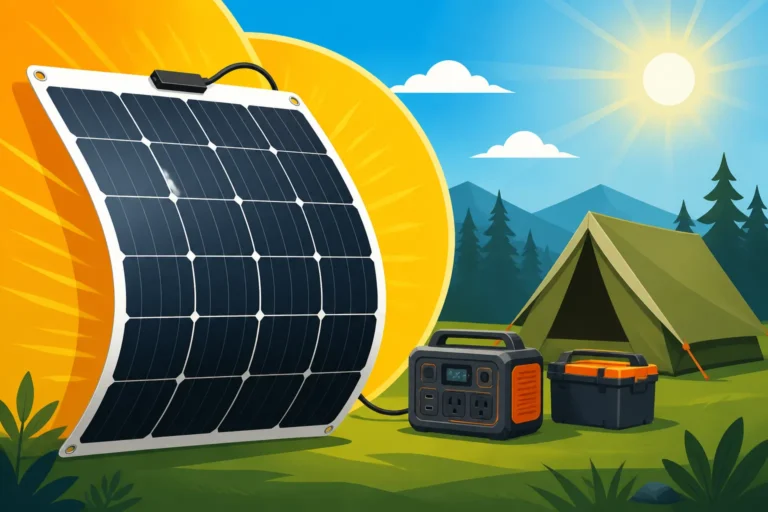
- Foldable/Flexible Panels: For ultimate portability, foldable panels are hard to beat. They pack down into a compact size, making them easy to store and transport. Look for durable fabric construction and sturdy kickstands for optimal sun angle. Flexible panels can be great for mounting on curved surfaces like RV roofs, but they generally have slightly lower efficiency and lifespan compared to rigid panels due to heat dissipation challenges.
- Rigid Suitcase-Style Panels: These often come in pairs, hinged together, with a handle for carrying. While bulkier than foldable panels, they offer similar efficiency to full-sized rigid panels and are generally more durable than flexible ones. They often come with integrated charge controllers and connection cables, making them very easy to set up.
- Weather Resistance: Ensure panels are rated for outdoor use, with durable glass (for rigid panels) or robust ETFE laminates (for flexible/foldable panels) that can withstand UV exposure, rain, and hail. Connectors (typically MC4) should be waterproof.
Portability and Setup Ease
A kit isn't truly portable if it's a pain to move or takes forever to set up.
- Weight and Dimensions: Consider how you'll be transporting the kit. If you're backpacking, every pound matters. For RVing, weight might be less critical than compactness for storage. Check the dimensions when folded or packed, and ensure it fits in your vehicle or storage space.
- Plug-and-Play Functionality: The best portable kits are designed for minimal effort. This means pre-wired components, standardized connectors (like MC4 for panels), and clear, simple instructions. All-in-one solar generators excel here, often requiring nothing more than plugging in the panels.
- Ergonomics: Look for sturdy handles, well-placed ports, and intuitive controls. Features like an integrated display showing battery status, input/output wattage, and remaining run time are incredibly helpful. Adjustable kickstands on panels are a huge plus for optimizing sun exposure throughout the day.
Top Portable Off-Grid Solar Kit Options
Navigating the market for portable off-grid solar kits can feel like a maze, with endless brands and models promising the ultimate in freedom. To simplify your choice, let's look at some general categories of kits and what they're best suited for, often drawing on popular examples to illustrate the point.
Entry-Level Kits for Light Use
If your needs are modest – perhaps just keeping your phone, tablet, and a few LED lights charged during a weekend camping trip, or having a reliable backup for small electronics during a short power outage – entry-level kits are an excellent starting point. These kits typically feature smaller solar panels, often in the 50W to 100W range, paired with a compact power bank or solar generator offering 100 Wh to 300 Wh of battery capacity.
These systems are characterized by their extreme portability and affordability. They are designed for minimal power draw and short-term usage. For example, a kit might include a 50W foldable solar panel and a power station like the Jackery Explorer 300. This kind of setup can easily recharge a smartphone 20-30 times, power a laptop for several hours, or run a small fan overnight. While they won't run heavy appliances, they provide a crucial sense of security and connectivity. They are ideal for casual campers, day-trippers, students, or anyone looking for basic emergency power without a significant investment. You'll find these kits generally range from $300 to $700, making solar power accessible to a wider audience.
Mid-Range Systems for Extended Trips
For those who spend more time off the grid – think longer camping excursions, van life adventures, or powering a remote hunting cabin for a week – mid-range portable solar kits offer a significant step up in power and capability. These systems typically come with solar panels in the 100W to 200W range and battery capacities from 500 Wh to 1500 Wh. This increased capacity allows you to run more demanding appliances and for longer durations.
A mid-range kit might feature a 200W foldable solar panel array paired with a power station like the EcoFlow DELTA 2 or a larger Jackery Explorer model. With this kind of setup, you could comfortably run a portable refrigerator, charge multiple laptops and devices, power a small TV, or even use a low-wattage microwave for quick meals. These systems often include multiple AC outlets and faster charging capabilities, both from solar and wall outlets. They strike a balance between power and portability, often fitting comfortably in a car trunk or an RV storage bay. Prices for these more robust kits usually fall in the $800 to $2000 range, offering a sweet spot for many off-grid enthusiasts who need dependable power for several days at a time. This is also a good category to consider if you're exploring Best Off-Grid Solar Kits for Beginners.
High-Capacity Solutions for Serious Off-Gridders
When "off-grid" means powering a full-time RV, a small tiny home, or providing comprehensive home backup for extended outages, you're looking at high-capacity portable solutions. While still technically "portable" in that they can be moved, these systems are much larger and heavier, designed for substantial and continuous power delivery. Solar panels often range from 300W to 600W (or more, often involving multiple panels), and battery capacities can be anywhere from 2000 Wh to 5000 Wh or even higher, often with options for expandable battery banks.
These formidable systems can typically run energy-intensive appliances like full-sized refrigerators, air conditioners (mini-splits), well pumps (for short durations), and most household electronics. Examples include the EcoFlow DELTA Pro or the larger Bluetti offerings. Many of these high-capacity power stations can even be integrated with a home transfer switch (with proper electrical installation) to act as a significant emergency power source. They require more effort to transport and set up, but the power they deliver rivals that of small permanent installations. While the upfront cost is higher, often ranging from $2,500 to $6,000+, they offer true energy independence for demanding applications, proving that portable doesn't always mean limited. For those interested in powering larger loads, explore how to size for specific appliances like How Much Solar to Run An Air Conditioner.
| Kit Type | Typical Panel Wattage | Battery Capacity (Wh) | Primary Use Cases | Example Devices Powered | Est. Price Range |
|---|---|---|---|---|---|
| Entry-Level | 50-100W | 100-300 Wh | Casual camping, emergency phone charging | Phones, tablets, LED lights, small fans | $300 – $700 |
| Mid-Range | 100-200W | 500-1500 Wh | Extended camping, van life, small cabin | Laptops, portable fridges, small TVs, cameras, drone chargers | $800 – $2,000 |
| High-Capacity | 300-600W+ | 2000-5000 Wh+ | Full-time RV, tiny home, home backup | Refrigerators, AC, power tools, water pumps | $2,500 – $6,000+ |
Maximizing the Value and Lifespan of Your Portable Kit
Investing in a portable off-grid solar kit is a significant step towards energy independence, and you want that investment to last. Just like any valuable tool, your solar kit needs a little love and smart usage to perform at its best and serve you faithfully for years to come. By following some best practices for maintenance, efficient energy use, and planning for the future, you can truly maximize the value and longevity of your setup.
Proper Maintenance and Care
Maintenance for portable solar kits is generally straightforward, but critical. Neglecting a few simple steps can lead to reduced efficiency, shorter component lifespans, and ultimately, costly replacements.
- Keep Panels Clean: Dust, dirt, pollen, bird droppings, and even leaves can significantly reduce your solar panels' efficiency. Think of it like putting sunglasses on your panels! Regularly wipe them down with a soft, damp cloth. Avoid abrasive cleaners or brushes that could scratch the surface. In dusty environments, this might mean cleaning them daily or every other day, while in cleaner areas, weekly or bi-weekly might suffice. Clean panels translate directly to more power captured and faster battery charging. You can find more tips in our How to Clean Off-Grid Solar Panels guide.
- Battery Health: For lithium batteries, the good news is they require very little active maintenance. However, proper charging and storage are key. Avoid leaving your battery completely drained for extended periods, as this can damage the cells. If storing your kit for a long time, aim for a charge level of 50-80% and store it in a cool, dry place away from direct sunlight and extreme temperatures. While most modern solar generators have sophisticated Battery Management Systems (BMS) to protect against overcharging and over-discharging, adhering to these general guidelines will prolong their life.
- Inspect Connections: Periodically check all cables and connectors (especially MC4 connectors on panels) for any signs of wear, fraying, or corrosion. Ensure they are securely plugged in. Loose or damaged connections can lead to power loss, inefficient charging, and even safety hazards.
- Protect from Elements: While most components are designed to be weather-resistant, extreme conditions like heavy rain, snow, or direct scorching sun when not in use can degrade materials over time. Store your kit indoors when not actively using it, especially during off-seasons or harsh weather.
Tips for Efficient Energy Use
Having a portable solar kit is fantastic, but it's not an unlimited power source. Practicing energy conservation will extend your run times, reduce the need for constant recharging, and make your system feel more robust. It’s often cheaper and easier to reduce your consumption than to constantly expand your generation and storage capacity.
- Embrace DC Power: Many smaller devices can run directly on DC power via USB ports or 12V cigarette lighter sockets. Using DC power is more efficient because it bypasses the inverter, which always has some energy loss during the DC-to-AC conversion process (typically 5-15%). If you can charge your phone directly from a USB port on your solar generator, do it!
- Use Energy-Efficient Appliances: This is huge. When buying new appliances for your off-grid adventures, always look for the most energy-efficient models. LED lighting is a must. Ditch incandescent bulbs entirely. Look for low-wattage portable refrigerators designed for DC use. Even a small difference in wattage can add up to significant savings over hours of operation.
- Minimize Phantom Loads: Many electronics draw a small amount of power even when turned off or in standby mode. Unplug chargers, laptops, and other devices from AC outlets when not in use. Some solar generators have a "standby" draw, so if you're not using it for an extended period, it might be better to turn it off completely.
- Time Your Charging: If you have abundant sunshine, try to run larger loads or do your main charging during peak solar hours (typically 10 AM to 4 PM). This maximizes the use of direct solar power and minimizes draining your battery unnecessarily. Don't run your high-wattage coffee maker on battery power if the sun is shining brightly and powering it directly!
Future Expansion and Upgrades
One of the beauties of modular portable solar kits is their potential for future growth. Even all-in-one solar generators often have expansion options now. Planning for potential upgrades from the outset can save you headaches and money down the line.
- Assess Expandability: When purchasing an all-in-one solar generator, check if it supports external battery packs or additional solar panels. Many premium models from brands like Jackery, EcoFlow, and Bluetti offer dedicated expansion batteries that connect seamlessly, effectively doubling or tripling your storage capacity. Likewise, many models have specific input ratings for solar panels, allowing you to connect more panels (up to a certain wattage) to speed up charging.
- Modular Advantage: If you started with a modular system, upgrading is simpler. You might replace your lead-acid battery with a more efficient LiFePO4 one, or upgrade to a higher-wattage inverter as your needs grow. You can add more solar panels by simply connecting them to your charge controller (ensuring your charge controller can handle the increased input). This flexibility is a key benefit of going the component route, making it easier to grow your system over time without having to scrap everything you've built. For insights on this, you might find our Cost of Expanding an Off-Grid System guide useful.
- Stay Informed: The solar technology landscape is constantly evolving. Keep an eye on new battery chemistries, more efficient panels, and smarter inverters. While you don't need to chase every new gadget, knowing what's out there can help you make informed decisions when it's time for an upgrade or replacement.
By being mindful of these aspects, your portable off-grid solar kit will not only provide reliable power but also prove to be a wise and enduring investment in your independent lifestyle.
Disclaimer
Please remember that the information provided in this guide is for general informational purposes only and is not intended as professional advice. Off-grid solar system design and installation can be complex and involve electrical hazards. Always consult with qualified professionals or licensed electricians for specific system design, installation, and safety requirements. Local codes and regulations regarding solar installations vary, and it is your responsibility to ensure compliance. The author and publisher are not liable for any personal injury, property damage, or other loss that may result from the use of or reliance on the information presented in this article.