Cost of a 600W Off-Grid Solar System
Thinking about going off-grid, even just a little, can feel overwhelming when it comes to costs, especially when you're trying to figure out what a "600W off-grid solar system" actually means for your wallet. It’s easy to get lost in specifications and price tags, wondering if it's truly affordable to power your small cabin, RV, or even just a backyard shed. This guide is here to unravel the mystery, providing a realistic breakdown of what you can expect to spend and what goes into the total cost of setting up a 600-watt solar system.
Understanding a 600W Off-Grid Solar System
When we talk about a 600-watt off-grid solar system, it's easy to picture a small, self-contained unit that magically powers everything. In reality, 600 watts refers to the maximum power output of your solar panels under ideal conditions. This isn't a measure of how much power you store or use, but how quickly your panels can generate it. For many folks just starting out or needing power for lighter applications, 600W is a really common sweet spot – it's enough to make a noticeable difference without breaking the bank on a massive installation. However, the cost isn't just about the panels; it's a symphony of components working together.
Breaking Down the Components
A complete 600W off-grid solar system isn't just panels sitting in the sun. It's an intricate setup designed to capture, convert, store, and deliver power reliably. Think of it like a carefully orchestrated team, where each player has a crucial role. Understanding these components is the first step to truly grasping the overall investment.
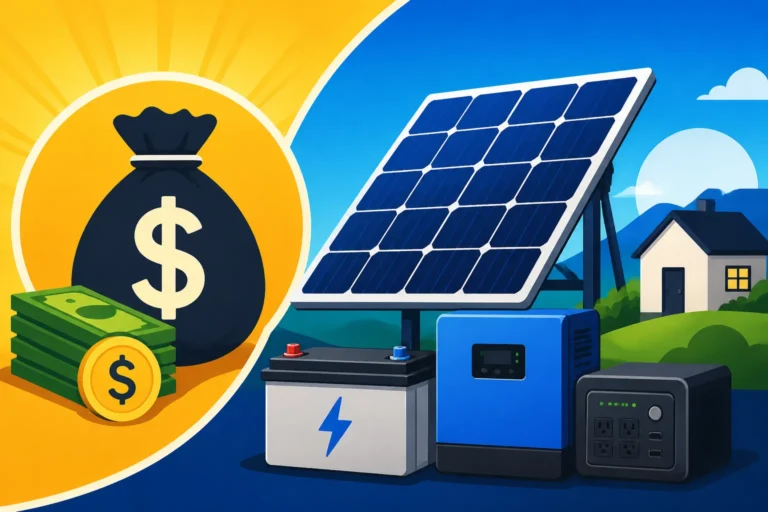
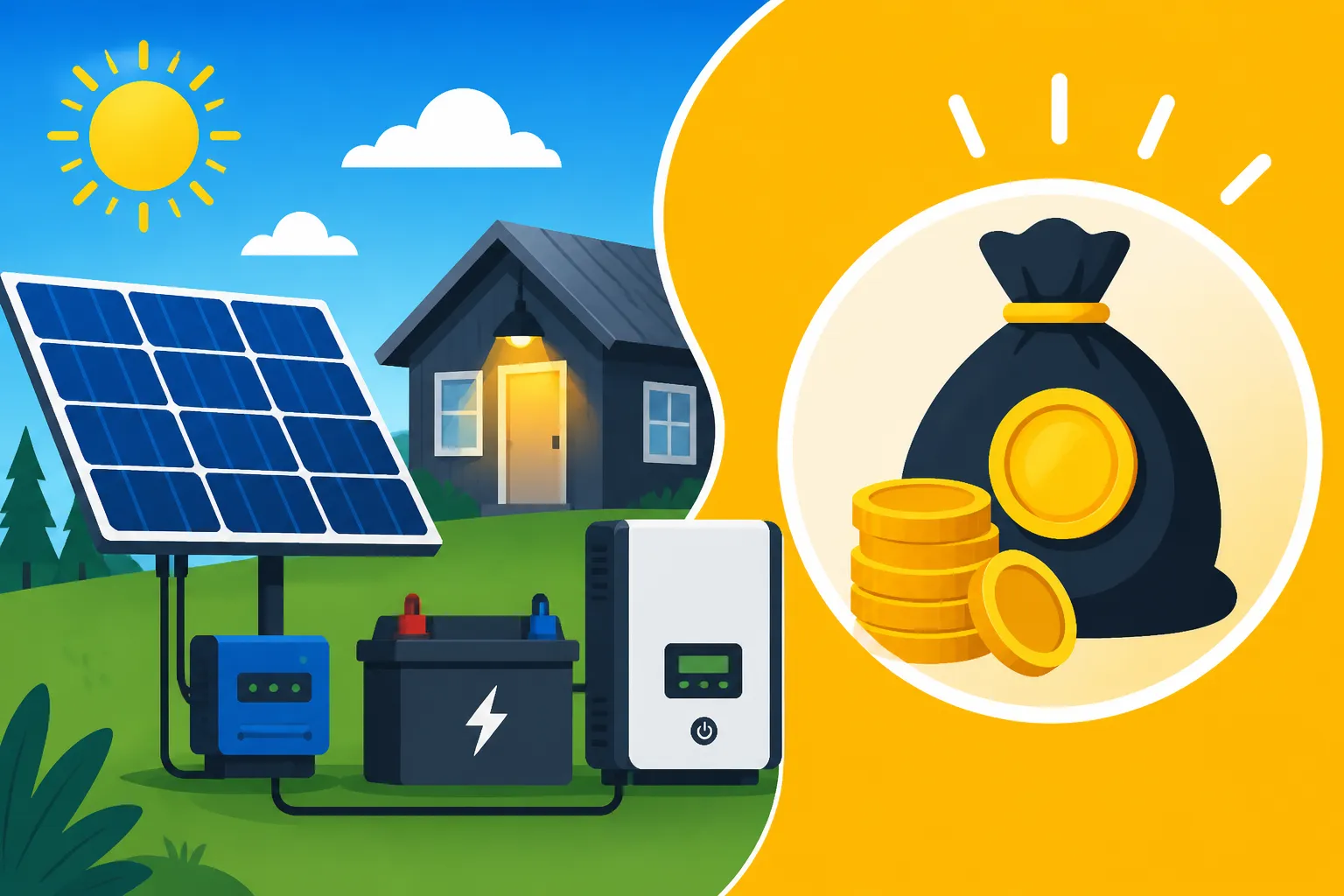
First, you have the solar panels themselves, which, in this case, sum up to 600 watts. This could be two 300W panels, four 150W panels, or even six 100W panels. Their efficiency, brand, and physical size will influence the price. Then there's the charge controller, the brain that regulates the power flow from your panels to your batteries, preventing overcharging and optimizing efficiency. A good MPPT (Maximum Power Point Tracking) charge controller, while pricier, will often squeeze more power out of your panels than a simpler PWM (Pulse Width Modulation) one. Next up is the battery bank, arguably the most critical and often the most expensive part of an off-grid setup. This is where your generated power is stored for use when the sun isn't shining. The capacity (measured in amp-hours or kilowatt-hours) and chemistry (like lead-acid or lithium-ion) dramatically affect both cost and performance. Lastly, the inverter converts the DC (direct current) power from your batteries into AC (alternating current), which is what most standard household appliances use. For a 600W system, you'll likely need an inverter capable of handling at least 1000-1500 watts of continuous output to account for surge loads, especially if you plan to run anything with a motor. All these components need to be connected with appropriate wiring and safety devices like fuses and breakers, along with mounting hardware for your panels.
What a 600W System Can Power
Many people wonder if a 600W system is truly enough for their needs, and the answer is it really depends on what you're trying to accomplish. This isn't a whole-house solution for most modern homes, but it's incredibly capable for specific applications. A 600W solar array, coupled with a well-sized battery bank, can easily handle your essential electronics and small appliances, making it perfect for supplemental power or smaller, remote setups.
For example, a 600W system is fantastic for a small Cost to Power a Cabin with Solar or an Off-Grid Solar Cost for an RV. It can comfortably run LED lights, charge laptops and phones, power a small mini-fridge, and even run a TV for several hours a day. Imagine setting up a remote office in your shed or having reliable power for your weekend camping trips without needing a noisy generator. You could run a few fans, a basic coffee maker for a short burst, or even a small water pump for a few minutes. However, it won't power energy-hungry appliances like electric water heaters, central air conditioning, or large electric ovens. Understanding your actual How to Calculate Daily Energy Usage is crucial here; a 600W system might generate around 2-3 kWh per day, depending on your local Peak Sun Hours Explained. This is generally sufficient for lighter loads but requires careful energy management to avoid draining your batteries too quickly.
The Real Cost Factors for a 600W System
Now, let's get down to the numbers. The cost of a 600W off-grid solar system isn't a fixed price; it's a range influenced by myriad choices you make regarding quality, capacity, and brand. You might see some starter kits advertised for seemingly low prices, but those often don't include everything you truly need or might compromise on longevity. The goal is to balance upfront cost with long-term reliability and performance.
Panels, Charge Controllers, and Inverters
Starting with the foundation, the solar panels themselves for a 600W setup typically range from $300 to $900. This variation depends on the brand, efficiency, and whether they are rigid monocrystalline panels or more flexible options. High-efficiency panels from reputable brands might cost a bit more per watt but could offer better performance in less-than-ideal conditions. Next, the charge controller is critical. For a 600W array, an MPPT charge controller is usually recommended for its efficiency, especially if you plan on expanding later. These can cost anywhere from $100 to $400, with high-quality units from brands like Victron Energy or Renogy offering advanced features and robust build quality. PWM controllers are cheaper, often in the $50-$150 range, but are less efficient and less common for systems of this size seeking optimal performance.
The inverter also represents a significant chunk of the budget. For a 600W solar array, you'd typically pair it with an inverter capable of around 1000W to 2000W continuous output, with a good surge rating. A decent pure sine wave inverter (which is essential for sensitive electronics) for this capacity can cost $150 to $600. Investing in a quality inverter is paramount to protect your appliances and ensure a stable power supply. For example, a reliable 1500W pure sine wave inverter from a brand like AIMS Power or Giandel can handle the startup surge of a small refrigerator or power tools, while cheaper modified sine wave inverters might cause issues with such loads. You might also consider an inverter-charger if you plan to integrate a generator backup, which can increase the cost but offers more versatility.
The Battery Bank: The Price Driver
If there's one component that truly drives the Off-Grid Solar Cost: Complete Breakdown for any off-grid system, it's the battery bank. For a 600W system, your battery bank needs to store enough energy to last you through the night and potentially a cloudy day or two.
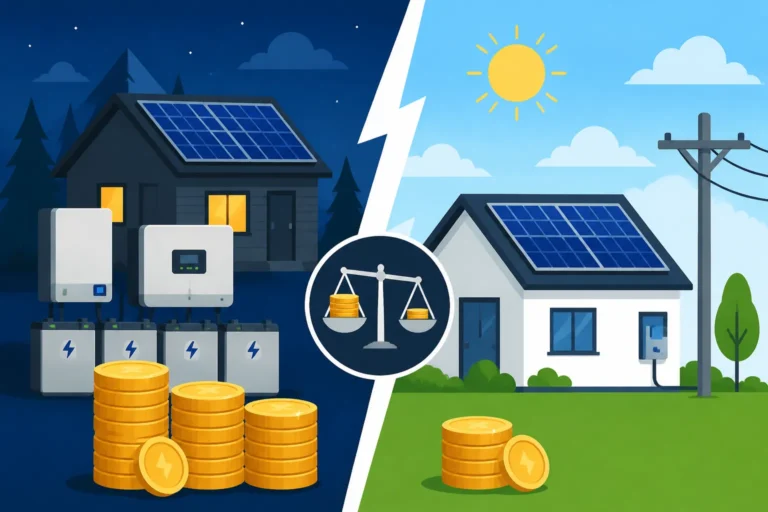
Lead-acid batteries (like AGM or Gel) are the most budget-friendly upfront, with a typical 100Ah 12V deep-cycle AGM battery costing $200-$300. For a 600W system providing moderate daily usage, you might need two to four such batteries, putting your lead-acid battery bank in the $400-$1200 range. However, lead-acid batteries have a shorter lifespan, require more maintenance, and can only be discharged to about 50% of their capacity without significant damage. This means you need double the usable capacity compared to lithium batteries.
Lithium Iron Phosphate (LiFePO4) batteries have a higher upfront cost but offer substantial long-term benefits. A 100Ah 12V LiFePO4 battery can cost $300-$600 or more, depending on the brand (such as Battle Born or EG4). For a similar usable capacity to the lead-acid example, you might need one to two LiFePO4 batteries, costing between $300 and $1200. While the initial investment might be similar or slightly higher than lead-acid for a basic setup, LiFePO4 batteries offer a much longer lifespan (often 10+ years), can be discharged deeper (80-100%), are virtually maintenance-free, and perform better in various temperatures. Many long-term off-gridders agree that the LiFePO4 vs Lead-Acid Battery Cost comparison often favors lithium when considering total cost of ownership. This higher upfront cost for batteries is often why the How Much to Budget for Off-Grid Batteries discussion is so important.
Mounting, Wiring, and Miscellaneous Costs
Beyond the core components, there are several other essential items that contribute to the total cost, and these are often overlooked by beginners. Don't forget these "small" expenses, as they can quickly add up.
Mounting hardware for your panels can range from $50 to $200, depending on whether you're doing a simple ground mount, a roof mount, or an RV mount. You'll need rails, feet, and clamps designed for solar panels. For example, Z-brackets are popular for RVs, while ground mount kits offer adjustable tilt. Then there's the wiring and cables, which are crucial for safe and efficient power transfer. Good quality solar PV wire, battery cables, and connectors (like MC4 connectors) can add $50 to $200. The gauge and length of your wires will dictate this cost, and it's essential not to skimp on quality here for safety and performance reasons.
Finally, you'll need safety components like fuses, circuit breakers, and possibly a disconnect switch, which can add another $50-$150. Tools for installation, such as wire strippers, crimpers, and a multimeter, might also be a one-time purchase if you don't already own them, costing $50-$100. If you're opting for a DIY installation, you'll need to factor in your time and potentially a few trips to the hardware store for unforeseen needs. Some folks might also consider a simple battery monitor, which adds another $30-$100 but provides valuable insights into your battery's state of charge.
DIY vs. Pre-Built Kits for 600W Systems
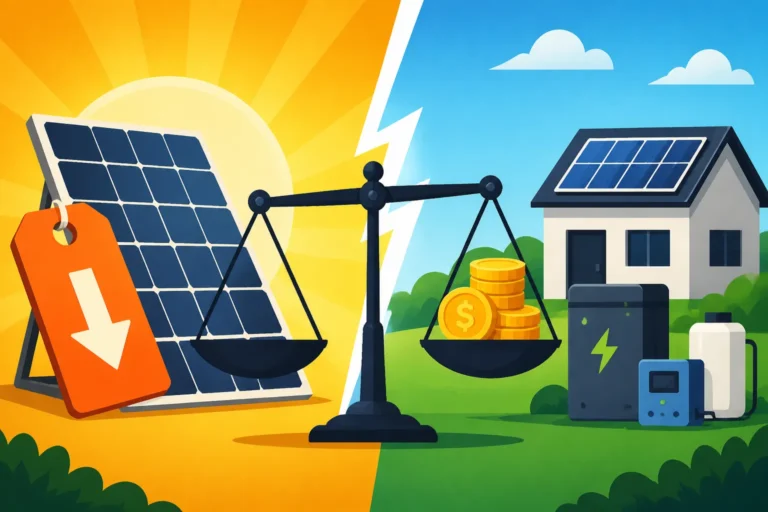
When you're looking at the Off-Grid Solar Kit Price Ranges, you'll quickly notice two main pathways: piecing together your system component by component (DIY) or buying an all-in-one pre-built kit. Both have their merits and their own unique cost implications, making the decision largely dependent on your comfort level with electrical work and your budget.
The DIY Advantage and Hidden Hurdles
Going the DIY route gives you immense flexibility and often, the lowest possible upfront cost. By sourcing individual components from various suppliers, you can shop around for the best deals on panels, score a great price on a charge controller from one vendor, and find affordable batteries from another. Online retailers like Amazon are treasure troves for individual components, often featuring competitive pricing for everything from panels to connectors. This approach means you can tailor every aspect of your system to your exact needs and preferences, and it can be a fantastic learning experience. The Cost of a DIY Off-Grid Solar Build is typically lower than a pre-packaged kit, allowing you to allocate your budget precisely.
However, the DIY route isn't without its challenges. You'll need a solid understanding of electrical principles, including How to Wire an Off-Grid Solar System, voltage, amperage, and series vs. parallel wiring, to ensure safety and efficiency. Calculating How to Size an Off-Grid Inverter and your battery bank accurately is critical. Mistakes can be costly, both in terms of damaged equipment and potential safety hazards. You'll spend a considerable amount of time researching, planning, and troubleshooting. While the component costs might be lower, the value of your time and the potential for errors should be weighed against the savings. For instance, selecting the right Best Off-Grid Solar Batteries and ensuring they are compatible with your chosen charge controller and inverter requires diligent research.
Convenience and Cost of All-in-One Kits
On the other hand, pre-built all-in-one solar kits, or even powerful solar generators like those from Jackery or Bluetti, offer unparalleled convenience. These kits are designed to be plug-and-play, with all major components (panels, charge controller, inverter, and battery) pre-matched for compatibility and often pre-wired to some extent. This significantly reduces the complexity of installation and the chances of making wiring mistakes. For those who are less confident with electrical work or simply want a quick and easy setup, these kits are a godsend. Brands like Renogy and EcoFlow offer various Best Off-Grid Solar Kits for Beginners that can provide a great starting point.
The trade-off for this convenience is usually a higher upfront cost compared to a purely DIY approach. A comprehensive 600W kit that includes panels, a charge controller, an inverter, and batteries might range from $1,000 to $2,500 or more, depending on the quality of components and the battery chemistry (LiFePO4 kits will be at the higher end). While seemingly more expensive, you're paying for the engineering, compatibility assurance, and simplified installation. Some kits even come with basic mounting hardware. For mobile applications like an RV or van life, a portable power station like the Jackery Explorer series combined with 600W of foldable solar panels can be an excellent, user-friendly solution, though the integrated battery capacity might be smaller than a custom-built system. These portable units offer a complete system in a compact package, making them ideal for temporary or mobile needs.
Maximizing Value and Smart Budgeting
Regardless of whether you go DIY or opt for a kit, getting the most bang for your buck on your 600W off-grid solar system involves smart decision-making and a bit of foresight. It's not just about finding the cheapest components; it's about investing wisely for long-term reliability and ensuring your system truly meets your needs without constant headaches.
How to Find Deals and Make Smart Choices
The solar market is dynamic, and prices can fluctuate. Keeping an eye out for sales is a smart move. Many online retailers, including general marketplaces like Amazon, frequently offer discounts on individual components or even entire kits. Subscribing to newsletters from major solar equipment suppliers can give you a heads-up on promotions. When researching, don't just jump at the lowest price; read reviews, check warranties, and consider the reputation of the brand. A slightly more expensive component from a trusted manufacturer might save you headaches and replacement costs down the line. For example, investing in high-quality Best MPPT Charge Controllers or Best Off-Grid Solar Inverters can significantly improve your system's efficiency and lifespan.
Another way to save is to consider your actual power needs. Don't oversize your system unnecessarily, especially for a 600W target. Conduct a thorough Off-Grid Solar Load Calculation Explained to determine precisely how much energy you consume daily. This will help you right-size your battery bank and prevent overspending on capacity you don't need. Sometimes, opting for slightly less expensive, but still reliable, components in non-critical areas (like basic mounting hardware) can free up budget for higher-quality batteries or an inverter, where performance and longevity are paramount. Looking into How to Save Money on an Off-Grid Solar Build can reveal many practical tips, from buying in bundles to choosing efficient appliances.
Phased Upgrades and Future Expansion
One of the most practical strategies for budgeting your 600W off-grid solar system is to plan for phased upgrades. You don't have to build your dream system all at once, especially if funds are tight. Start with a foundational system that meets your most immediate, critical needs, and design it with expansion in mind. This means choosing a charge controller that can handle more solar input than your current 600W array, and an inverter that can accommodate future battery additions.
For instance, you could initially install 600W of panels with a smaller, but still robust, battery bank, saving up to add more battery capacity later. Many charge controllers and inverters are designed to be scalable, allowing you to Cost of Expanding an Off-Grid System without replacing your entire setup. When choosing your components, ask yourself: "Can I easily add more panels or batteries to this system in a year or two?" This foresight can save you significant money and frustration down the line. Building an How to Design an Expandable System from the start is a common and wise approach for many off-gridders. This way, your initial 600W investment serves as a solid base for your growing energy independence journey.
| Component | DIY Low-End Cost (Est.) | DIY High-End Cost (Est.) | All-in-One Kit Range (Est.) |
|---|---|---|---|
| 600W Solar Panels | $300 | $900 | Included |
| Charge Controller | $100 (PWM) | $400 (MPPT) | Included |
| Inverter | $150 | $600 | Included |
| Battery Bank | $400 (Lead-Acid) | $1200 (LiFePO4) | Included |
| Mounting Hardware | $50 | $200 | Often Included / Low Cost Add-on |
| Wiring & Connectors | $50 | $200 | Often Included / Low Cost Add-on |
| Fuses & Breakers | $50 | $150 | Often Included / Low Cost Add-on |
| Estimated Total | $1,100 | $3,650 | $1,000 – $2,500+ |
| Note: These are estimates and can vary based on brand, features, and market conditions. |
Disclaimer
The information provided in this guide is for general informational purposes only and does not constitute professional advice. Off-grid solar system installation and design can be complex and involve electrical hazards. Always consult with qualified professionals and adhere to all local codes and regulations when planning or installing any solar power system. Prices are estimates and subject to change based on market conditions, product availability, and specific regional factors.