Why Off-Grid Solar Costs More Than Grid-Tied
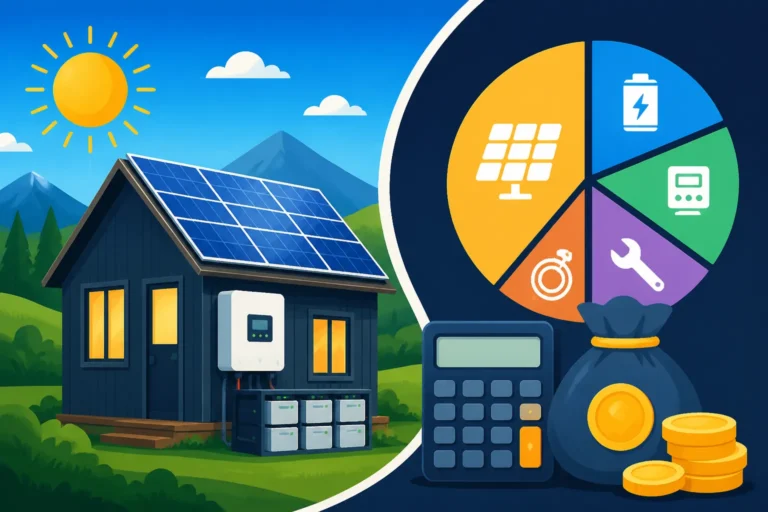
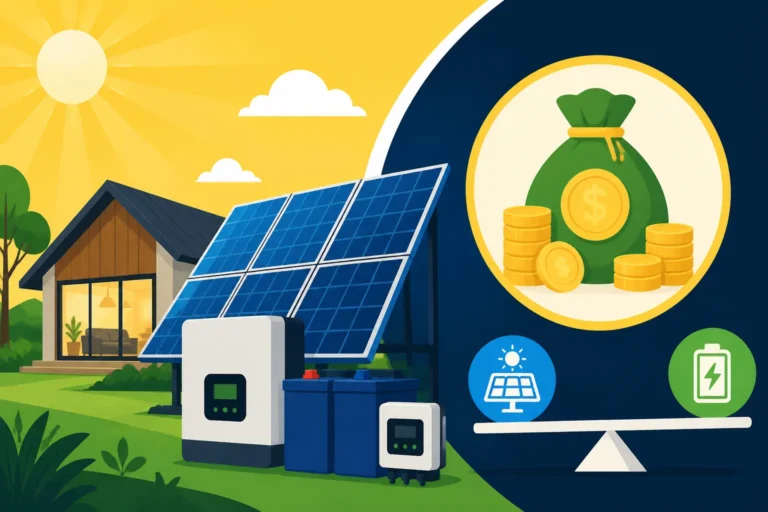
Ah, the dream of cutting ties with the utility company! It’s a powerful vision, isn't it? But then you start looking into the actual numbers, and the sticker shock can be real. Many folks who are excited about solar energy often wonder why an off-grid setup often carries a significantly higher price tag than its grid-tied cousin. This guide is here to shed light on those crucial differences, helping you understand exactly where those extra costs come from, so you can plan your energy independence journey with eyes wide open.
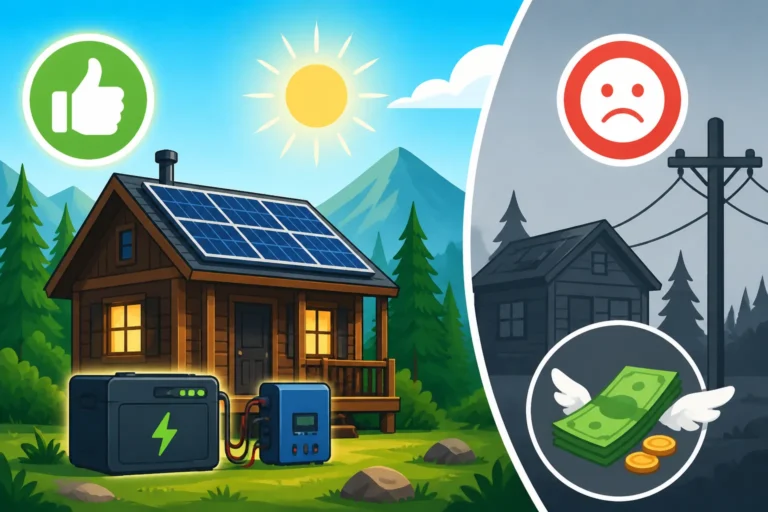
The Fundamental Reason: Independence Comes at a Premium
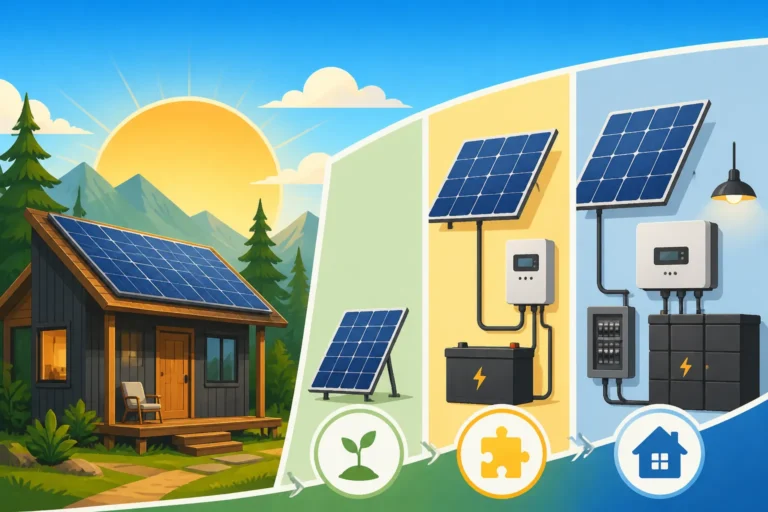
When you decide to go off-grid, you're not just installing solar panels; you're building your very own miniature, self-sustaining power company. This isn't a small feat, and it inherently means you're taking on responsibilities and costs that a grid-tied system simply doesn't have. It's the difference between having your own private well versus tapping into city water – both get you water, but one requires a lot more upfront investment and ongoing management from you.
No Grid Connection to Lean On
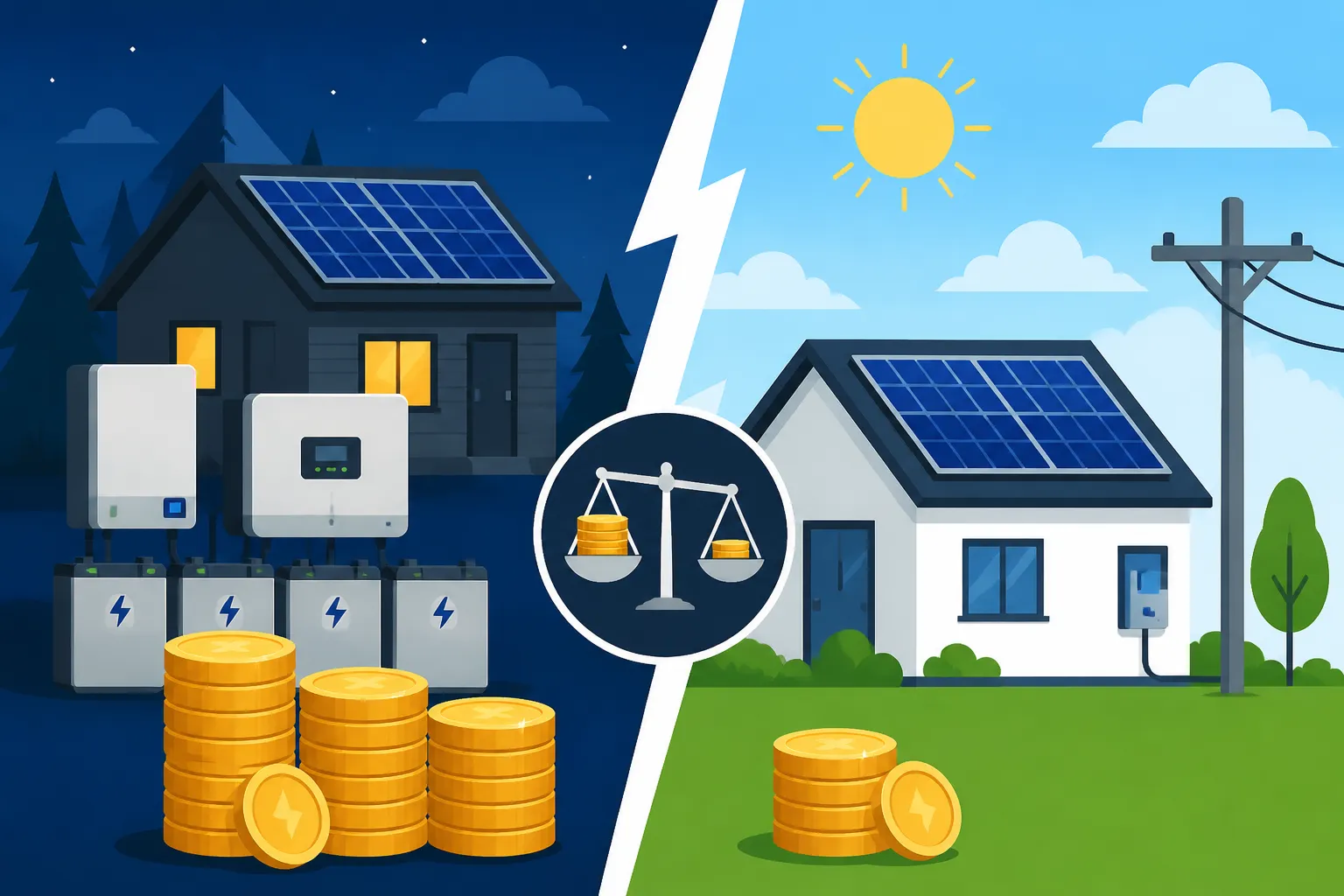
With a grid-tied system, your home is still connected to the local utility company. This connection acts as a giant, infinitely powerful battery. On sunny days, if your panels produce more electricity than you're using, that excess power flows back into the grid, often earning you credits through net metering. When the sun goes down, or on particularly cloudy days, your home simply pulls power from the grid as usual. This symbiotic relationship means grid-tied systems don't need expensive battery banks, nor do they need to be sized to handle every single possible scenario. They have a massive backup system already in place: the utility grid.
For off-grid living, that safety net is gone. Every watt of power you consume must be generated by your system or stored within it. This fundamental difference means your off-grid system has to be far more robust and self-sufficient. You can't just send excess power to the grid, and you can't pull from it when your production is low. You are truly on your own, and that level of self-reliance requires a much more comprehensive and, yes, expensive infrastructure. Think of it like equipping an expedition into the wilderness compared to a day hike in a local park. You need to carry absolutely everything you might need, because there's no corner store or emergency service just around the bend.
Over-Sizing for Reliability and Autonomy
Another significant factor driving up the cost of off-grid solar is the necessity to "over-size" your system. Unlike a grid-tied setup that can rely on the utility for any shortfall, an off-grid system must be designed to meet all your energy needs, even during periods of low sunlight, like several consecutive cloudy days, or during the shorter, darker days of winter. This means you need more solar panels than strictly necessary for average daily use, and a much larger battery bank to store enough energy to last you through those less productive times.
For instance, if you live in an area prone to winter storms or extended periods of overcast skies, you might need to size your battery bank for 3 to 5 "days of autonomy" – meaning it can power your home for that many days without any new solar input. This dramatically increases the number and capacity of batteries required, which, as we'll discuss, are one of the most expensive components. You're not just powering your daily routine; you're building in a substantial buffer. This conservative approach is essential for comfort and reliability but adds considerably to the initial investment. Understanding how to properly size an off-grid solar system is paramount to avoiding costly mistakes and ensuring your system can truly keep up with your lifestyle, no matter the weather.
The Cost of Robust Components: More Than Just Panels
While solar panels themselves are a common component in both grid-tied and off-grid systems, the ancillary equipment required for an off-grid setup is often more specialized, larger, and therefore more expensive. These are the unsung heroes of your off-grid life, working tirelessly behind the scenes to convert, store, and deliver your power.
The Heavy Investment in Battery Banks
This is perhaps the single biggest differentiator and cost driver. Batteries are the heart of any off-grid system, providing the crucial energy storage that allows you to use power when the sun isn't shining. Without them, you'd only have electricity when your panels are actively producing it, which isn't very practical for most modern living.
The type, size, and quantity of batteries significantly impact the overall price. You can choose from traditional lead-acid batteries (like flooded lead-acid or AGM) or the increasingly popular lithium iron phosphate (LiFePO4) batteries. While lead-acid options might seem cheaper upfront, their shorter lifespan, lower usable depth of discharge, and higher maintenance requirements often mean a higher lifetime cost. LiFePO4 batteries, like those from Battle Born or EG4, offer a much longer cycle life, deeper discharge capabilities, and require virtually no maintenance, but their initial purchase price is substantially higher. For a comprehensive look, you can explore the Cost of an Off-Grid Solar Battery Bank to see a detailed breakdown. When you consider that a robust off-grid home might need a battery bank equivalent to 20-40 kWh or more, easily costing thousands, if not tens of thousands, of dollars, it's easy to see why off-grid systems are more expensive.
Advanced Inverters and Charge Controllers
Another critical set of components where off-grid systems demand more investment are the inverter and charge controller.
- Inverters: Grid-tied systems often use simpler string inverters or micro-inverters that primarily convert DC power from panels into AC power for immediate use or export to the grid. Off-grid inverters, however, are far more complex. They need to create their own stable AC waveform, manage power flow between the solar array, battery bank, and loads, and often include advanced features like generator auto-start capabilities. These inverters are typically larger, more robust, and engineered for continuous, heavy-duty operation without the grid to stabilize voltage or frequency. Brands like Victron Energy or Sol-Ark are popular for their high-quality, full-featured off-grid inverter options. This added complexity and capability translates directly to a higher price point, making the Cost of an Off-Grid Solar Inverter a significant part of your budget.
- Charge Controllers: While grid-tied systems might not even use a charge controller (as they don't charge batteries), off-grid systems absolutely rely on them. These devices regulate the voltage and current coming from your solar panels to efficiently charge your batteries without overcharging them. High-quality Maximum Power Point Tracking (MPPT) charge controllers are essential for maximizing energy harvest, especially in variable conditions. They are sophisticated electronic devices designed to optimize power transfer, and their cost contributes to the overall system expense.
Wiring, Safety Gear, and Balance of System (BOS)
Beyond the main components, an off-grid system requires a more extensive "Balance of System" (BOS) than a grid-tied one. This includes all the smaller, but equally crucial, parts that make the system function safely and efficiently. We're talking about:
- Heavy-Duty Wiring: Since off-grid systems often involve transmitting higher currents over sometimes longer distances (especially between batteries and inverter), thicker, more expensive gauge wiring is necessary to minimize voltage drop and ensure safety.
- Breakers and Fuses: A comprehensive array of DC and AC circuit breakers, fuses, and disconnect switches are vital for protecting your equipment and preventing electrical hazards. These aren't just for code compliance; they're essential for isolating parts of your system for maintenance or in case of a fault.
- Mounting Hardware: While both types of systems need panel mounting, off-grid installations might involve more complex ground mounts, adjustable tilt mounts, or custom racking to optimize sun exposure throughout the seasons, adding to the structural costs.
- Battery Enclosures and Ventilation: Batteries, especially lead-acid types, require proper ventilation and secure enclosures to protect them from the elements and ensure safe operation. This often involves specialized battery boxes or dedicated utility sheds, which come with their own material and construction costs.
- Monitoring Systems: To truly manage your energy independence, you'll want robust monitoring equipment that tells you your battery state of charge, current draw, solar production, and more. This might be integrated into your inverter or a separate system, adding another layer of cost.
The cumulative effect of these essential BOS components really adds up, especially when ensuring longevity and reliability. For those considering a DIY approach, sourcing these parts from retailers like Amazon or specialized solar suppliers requires careful attention to specifications to ensure compatibility and safety.
| Component | Grid-Tied System | Off-Grid System | Cost Implication for Off-Grid |
|---|---|---|---|
| Solar Panels | Essential | Essential | Similar, but often more panels needed for autonomy |
| Inverter | String/Micro | Off-Grid/Hybrid (more robust) | Higher cost due to advanced features, pure sine wave output, AC generation |
| Batteries | Optional (backup) | Essential, large capacity | Major cost driver; needed for storage and night-time use |
| Charge Controller | Often not needed | Essential (MPPT recommended) | Added cost for intelligent battery management |
| Generator Backup | No | Optional, highly recommended | Additional cost for supplemental power during extended low-sun periods |
| Wiring & Safety | Standard | Heavier gauge, more disconnects | Higher cost due to increased complexity and current requirements |
| Monitoring | Basic | Comprehensive (battery SoC, etc.) | Often more advanced and integrated, adding to cost |
| Grid Connection | Required | None | Off-grid loses grid benefits (net metering, backup) |
Complexities in Design and Installation
The journey to off-grid solar isn't just about buying components; it's about putting them together in a way that is safe, efficient, and meets your unique energy profile. This often involves more intricate planning and potentially higher labor costs compared to a more standardized grid-tied installation.
Tailored Design, Not a Cookie-Cutter Approach
Every off-grid solar system is, to a certain extent, a custom job. There's no one-size-fits-all solution because individual energy needs, climate conditions, geographical location (which affects peak sun hours), and desired days of autonomy vary wildly. Designing an effective off-grid system involves a meticulous Off-Grid Solar Load Calculation Explained to understand daily and peak energy consumption, carefully selecting components that work harmoniously, and planning for contingencies.
This design phase requires specialized knowledge and experience. A professional designer will analyze your energy bills (or help you create a detailed appliance list for new builds), consider your seasonal usage patterns, assess potential shading issues, and determine the optimal tilt and orientation for your panels. This level of personalized engineering adds to the upfront cost, as it’s a service you simply don't need to the same degree for a system that can lean on the grid when its calculations are a little off. They're making sure your power isn't just "enough," but reliable enough to sustain your entire lifestyle.
Remote Site Logistics and Labor
Many people choose to go off-grid for properties that are, by nature, remote. Think cabins deep in the woods, tiny homes far from established infrastructure, or even larger homesteads simply wanting independence. While the allure of these locations is undeniable, they present significant logistical challenges for solar installation.
Getting heavy equipment like solar panels, batteries, and inverters to a remote cabin in, say, the Appalachian Mountains, can be a major undertaking. This might involve difficult access roads, specialized transport, or even manual labor to carry components to the site. These challenges translate directly into higher labor costs for installers, who need more time, specialized vehicles, or simply have to charge more to cover the increased difficulty and travel time. Contrast this with a grid-tied installation in a suburban neighborhood, where equipment delivery is straightforward, and installers can move from one standardized job to the next with minimal travel. This significant difference in accessibility and site preparation can greatly impact the overall Off-Grid Solar Installation Cost.
Permitting and Inspection Hurdles
You might assume that because you're off-grid, you don't need permits or inspections. While this can sometimes be true for very small, portable systems or setups in extremely rural, unregulated areas, it's often not the case for permanent installations, especially those intended to power a dwelling. Many counties and states still require electrical permits and inspections for off-grid solar systems to ensure they meet safety standards, even if they aren't connected to the utility grid.
Navigating these local codes and regulations can be complex and time-consuming. You might need to submit detailed wiring diagrams, component specifications, and site plans. This process often involves fees, and if your design isn't up to snuff, you'll incur additional costs to make corrections. Hiring a professional installer who is familiar with local codes can help streamline this process, but their expertise and time also contribute to the overall expense. Ensuring your system is safe and compliant, even if you're not connecting to the utility, is a crucial part of the process, and it's a cost factor often overlooked.
Ongoing Expenses and Long-Term Value
While the upfront cost is often the focus, it’s important to remember that off-grid living comes with ongoing responsibilities and expenses that differ from a grid-tied home. These long-term costs contribute to the overall financial picture and can influence the true value proposition of your independent power system over its lifetime.
The Inevitable Cost of Battery Replacements
This is perhaps the most significant recurring expense for any off-grid solar system. Batteries, regardless of chemistry, have a finite lifespan. Lead-acid batteries typically need replacement every 3-7 years, while more robust LiFePO4 batteries might last 10-15 years or even longer. However, when it's time to replace them, you're looking at another substantial investment. As we discussed earlier, batteries are often the most expensive single component in your system.
Imagine you've invested in a 20 kWh LiFePO4 battery bank for your remote homestead. While it might last you a decade or more, replacing that capacity will still involve a significant outlay of capital, likely thousands of dollars, depending on future battery prices and technology. This is a cost that grid-tied homeowners simply don't face, as their "battery" (the utility grid) is maintained and upgraded by the power company. When budgeting for your off-grid system, it's crucial to factor in the Off-Grid Solar Battery Replacement Cost Over Time to truly understand the lifetime financial commitment.
System Maintenance and Monitoring
An off-grid solar system isn't a "set it and forget it" kind of deal. To ensure optimal performance, longevity, and safety, regular maintenance is required. This might include:
- Panel Cleaning: Especially in dusty or snowy environments, keeping your panels clean is essential for maximizing energy production. This can be a DIY task but might involve specialized equipment or even professional services for hard-to-reach arrays.
- Battery Maintenance: For flooded lead-acid batteries, regular watering is necessary. All battery types benefit from periodic checks to ensure terminals are clean and connections are tight.
- System Checks: Regularly inspecting wiring for wear and tear, ensuring all connections are secure, and checking for any signs of corrosion or damage to components like inverters and charge controllers.
- Software Updates and Monitoring: Many modern off-grid inverters and charge controllers have firmware that might need occasional updates. Remote monitoring systems, often accessed via an app, need to be kept up-to-date to give you accurate insights into your system's health and performance. If something looks off, like unusually low power output or a rapidly draining battery bank, you need to investigate.
While you can perform much of this maintenance yourself, it requires time, tools, and a certain level of technical understanding. If you prefer to have a professional handle it, those services come with a cost. The absence of a utility company means that you are responsible for the health and uptime of your power source, and that responsibility translates into an ongoing commitment of time or money. However, with careful design and selection of reliable components, such as a well-regarded Jackery portable power station for supplemental needs, you can certainly reduce your everyday worries and potential system stresses. For detailed information on the journey, it’s worth reading How Much Does an Off-Grid Solar System Cost to get a full picture.
Ultimately, the higher cost of off-grid solar isn't a drawback; it's a reflection of its incredible capability: providing complete energy independence. It means your power isn't susceptible to grid outages, price fluctuations, or the whims of a utility company. It's a premium for self-sufficiency, resilience, and the peace of mind that comes with knowing you're truly in charge of your power future. If you’re curious about saving money, check out How to Save Money on an Off-Grid Solar Build for practical tips.
Disclaimer
The information provided in this guide is for general informational purposes only and does not constitute professional advice. Off-grid solar system design and installation can be complex and dangerous. Always consult with qualified professionals for specific advice tailored to your situation and ensure all installations comply with local electrical codes and regulations.