Best Off-Grid Solar for a Cabin in the Woods
The dream of a peaceful cabin in the woods often comes with the challenge of reliable power, far removed from the grid. Dealing with the complexities of bringing electricity to a remote location can feel overwhelming, especially when you're faced with the daunting costs of extending utility lines or the noise and fuel reliance of a generator. This guide is here to unravel the mystery of powering your woodland sanctuary with solar, providing clear, actionable insights into designing the best off-grid system for your cabin.
Understanding Your Cabin's Energy Needs
Before you even think about buying solar panels or batteries, the absolute first step is to get a handle on what you actually need to power. Many folks jump right into looking at kits, only to realize later that they've either wildly overestimated or, more commonly, severely underestimated their power requirements. Trust me, it's far better to do your homework now than to be shivering in the dark later, wishing you had sized things correctly. This isn't just about turning on a light bulb; it's about making sure your cabin provides the comfort and functionality you expect, especially when you're miles from civilization.
Assessing Appliance Usage and Runtime
This is where the rubber meets the road. You need to create a detailed list of every single electrical item you plan to use in your cabin, from the obvious like lights and a refrigerator, to the less obvious, like a phone charger, a water pump, or even a coffee maker. For each item, you need two critical pieces of information: its wattage (how much power it consumes at any given moment) and how many hours per day you expect to use it. Don't forget those sneaky "phantom loads" that draw power even when turned off, like microwaves or TVs plugged in. You can often find wattage on the appliance's label, in its manual, or with a quick online search. If you’re really serious, you can get a watt-meter like a Kill-A-Watt to measure actual usage.
Let's say you want to run a mini-fridge (60W) for 12 hours a day, a few LED lights (10W each) for 4 hours a day, charge your laptop (45W) for 2 hours, and use a small well pump (500W) for 30 minutes. You’d calculate the daily watt-hours for each:
- Mini-fridge: 60W * 12h = 720 Wh
- 3 LED lights: (3 * 10W) * 4h = 120 Wh
- Laptop charging: 45W * 2h = 90 Wh
- Well pump: 500W * 0.5h = 250 Wh
Total daily usage would be 720 + 120 + 90 + 250 = 1180 Wh. This number is your baseline for starting to figure out How to Calculate Daily Energy Usage. Remember to be honest about your usage – maybe that coffee maker runs for 15 minutes, not 5, and your phone charges for longer than you think!
Accounting for Seasonal Variations and Autonomy
A cabin in the woods isn't a static environment. The amount of sunlight you get changes drastically between summer and winter, and your energy needs might shift too. Think about those long, dark winter evenings when lights are on for longer, or perhaps you're running a small electric heater to take the chill off (though heating with solar is a big ask!). You absolutely must factor in the worst-case scenario for sunlight hours. In some northern regions, winter sun can be incredibly limited, making it much harder to replenish your batteries. This is where understanding How Winter Affects Off-Grid Sizing becomes paramount.
Beyond daily usage, you need to consider "days of autonomy." This refers to how many days your battery bank can sustain your power needs without any input from your solar panels – think cloudy streaks, heavy snow cover, or equipment issues. For a cabin in the woods, especially if it's a primary residence or a frequently used retreat, aiming for at least 3-5 days of autonomy is a good idea. This means your battery bank needs to be sized significantly larger than your daily usage suggests. If your calculated daily usage is 1180 Wh, and you want 3 days of autonomy, you’d need a battery capacity of at least 3 * 1180 Wh = 3540 Wh, factoring in battery efficiency and depth of discharge. Many people underestimate this, leading to frustrating power shortages during extended periods of bad weather.
Key Components of an Off-Grid Cabin Solar System
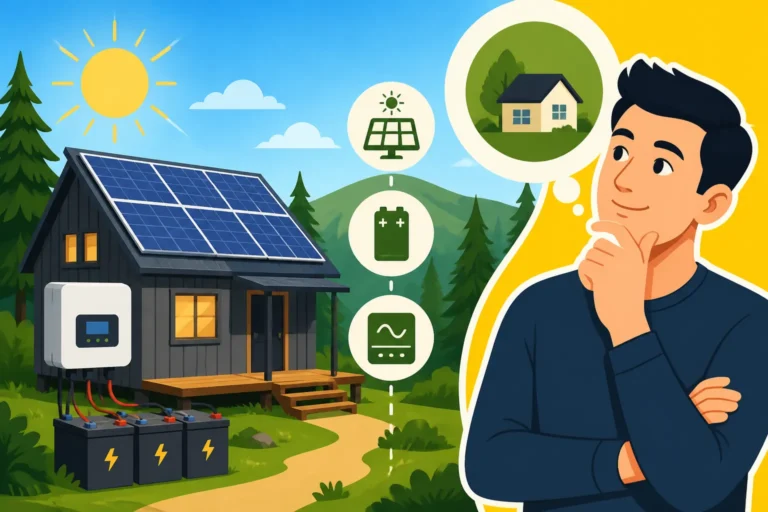
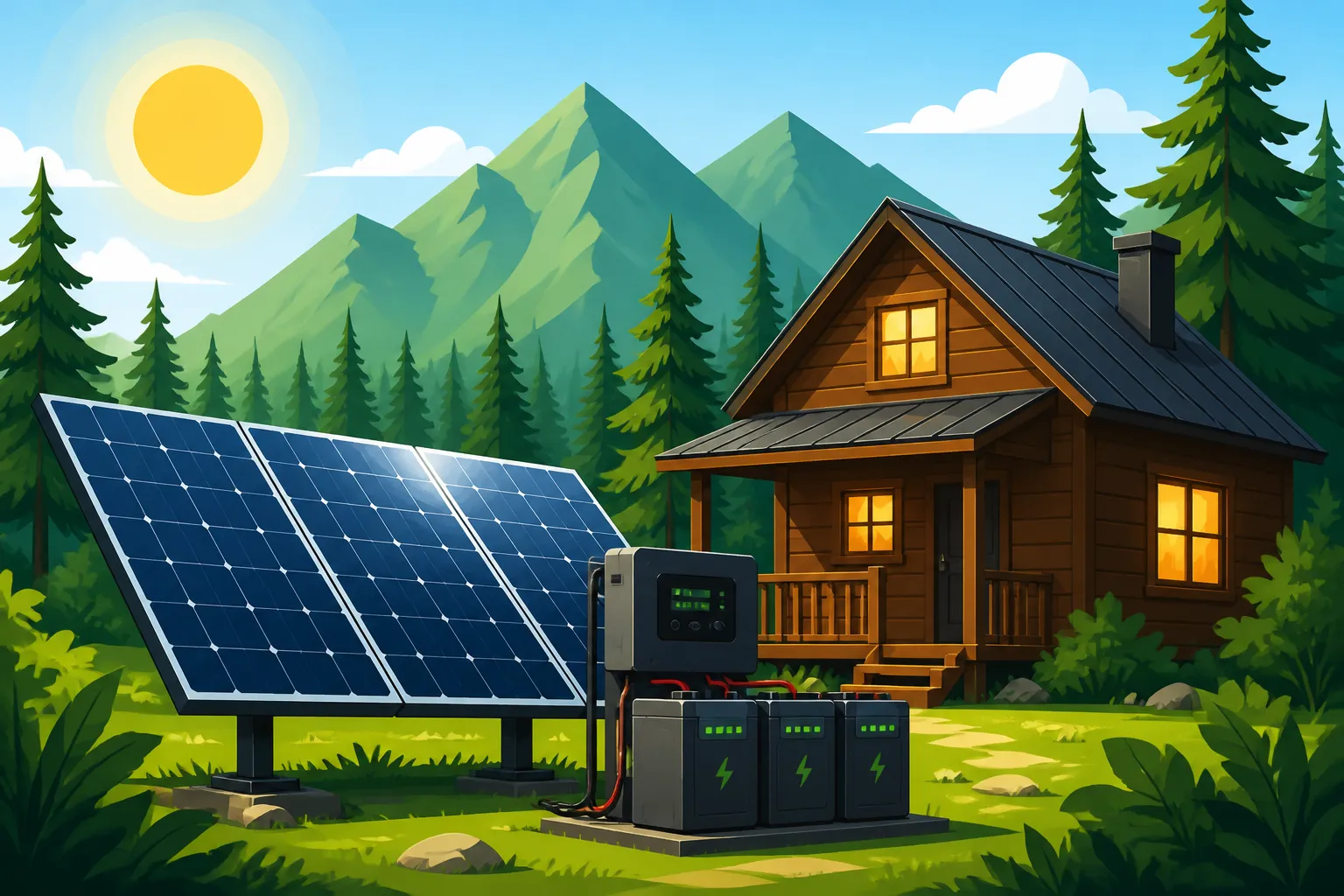
Building an off-grid solar system for your cabin is a bit like putting together a puzzle, but with electrical components instead of cardboard pieces. Each part plays a crucial role in capturing, storing, and delivering power to your appliances. Understanding these components is key to making informed decisions and ensuring your system is reliable and safe. This isn't just a collection of parts; it's an integrated system designed to bring the convenience of electricity to your remote haven.
Solar Panels: Types and Placement
Your solar panels are the workhorses of your system, converting sunlight into electricity. For a cabin in the woods, you'll generally be looking at rigid monocrystalline panels. These offer the best efficiency and durability, which is exactly what you need in a remote setting where maintenance might not be a daily affair. While flexible panels exist, they are usually less efficient and have a shorter lifespan, making them less ideal for a permanent installation like a cabin. You can explore options like Best Off-Grid Solar Panels to see what's on the market.
Placement is absolutely critical. You want your panels facing true south (in the Northern Hemisphere) for maximum sun exposure throughout the day. Consider obstructions like trees – even partial shading on a single panel can drastically reduce the output of your entire array, especially if they are wired in series. A ground mount system often offers more flexibility to avoid shade and adjust tilt angles seasonally, which is a huge advantage for maximizing winter sun. If you're mounting on a roof, ensure it's structurally sound and you have clear, unobstructed access to the sun for most of the day. Don't forget that snow can cover panels, so consider accessible mounting for snow removal, or even adjustable mounts that can be tilted steeply to shed snow.
Battery Banks: Lifespan and Capacity
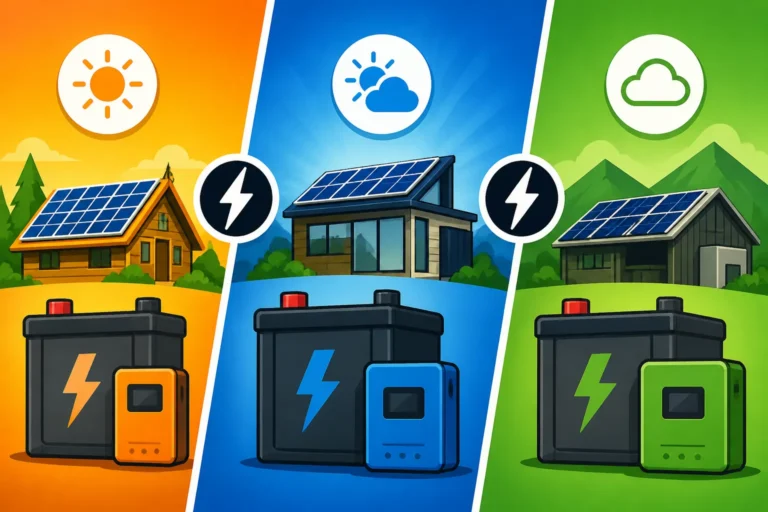
The battery bank is the heart of your off-grid system; it's where all that precious solar energy is stored for use when the sun isn't shining. For cabins, the choice often comes down to two main types: lead-acid (deep cycle AGM or flooded) and lithium iron phosphate (LiFePO4).
- Lead-Acid Batteries: These are typically more affordable upfront. AGM (Absorbed Glass Mat) batteries are sealed, maintenance-free, and perform reasonably well. Flooded lead-acid batteries (FLA) are the cheapest but require regular maintenance (checking and topping up water levels) and excellent ventilation due to off-gassing. Both have a shallower depth of discharge (DOD), meaning you shouldn't regularly drain them below 50% to maximize their lifespan, and their cycle life is significantly shorter than lithium.
- LiFePO4 Batteries: These are a game-changer for off-grid living, despite their higher initial cost. They can be discharged much deeper (often 80-100% DOD) without damage, have a significantly longer cycle life (often 10-20 times that of lead-acid), are maintenance-free, and lighter. They also have excellent performance in various temperatures, though some still require heating in very cold conditions to charge safely. For a cabin you plan to use for years, the long-term value of LiFePO4 often outweighs the upfront cost. You can dive deeper into the comparison with LiFePO4 vs Lead-Acid Batteries for Off-Grid. When considering How Many Batteries for an Off-Grid System, remember to factor in that usable capacity and cycle life. Brands like Battle Born and EG4 are popular choices for their robust LiFePO4 batteries.
Inverters and Charge Controllers: The Brains of the Operation
These two components manage the flow of electricity in your system.
-
Charge Controller: This device sits between your solar panels and your battery bank. Its job is to regulate the voltage and current coming from the panels to prevent overcharging your batteries, which can severely damage them. There are two main types: PWM (Pulse Width Modulation) and MPPT (Maximum Power Point Tracking). For any serious cabin system, an MPPT charge controller is the way to go. It’s more efficient, especially in varying light conditions, extracting more power from your panels than a PWM controller. This extra efficiency can be critical during those shorter winter days or when dealing with partial shading.
-
Inverter: Your solar panels and batteries produce DC (Direct Current) electricity, but most standard household appliances run on AC (Alternating Current). The inverter converts DC power from your batteries into usable AC power. For a cabin, always choose a pure sine wave inverter. Modified sine wave inverters are cheaper but can damage sensitive electronics, reduce efficiency, and cause motors to run hotter. A pure sine wave inverter provides clean power, just like the grid. When looking at How to Size an Off-Grid Inverter, you need to consider the continuous wattage of all appliances that might run simultaneously, plus any surge wattage required by motor-driven appliances (like refrigerators or well pumps) when they start up. For many cabins, a 3000W to 5000W inverter is a common size, allowing for running multiple moderate loads. Reputable brands like Victron Energy or Sol-Ark offer excellent inverter-chargers that combine the functions of an inverter and a battery charger (useful if you ever add a generator backup).
Designing Your Off-Grid Cabin Solar System
Once you've got a grasp on your energy needs and the individual components, it's time to put it all together into a cohesive system design. This isn't just about connecting wires; it's about optimizing efficiency, ensuring safety, and planning for the long haul. A well-designed system will serve you reliably for years, minimizing headaches and maximizing the enjoyment of your off-grid cabin.
System Voltage: 12V, 24V, or 48V?
The operating voltage of your system is one of the most fundamental design choices, and it significantly impacts efficiency and component selection.
- 12V Systems: These are common for smaller setups like RVs or very basic cabins with minimal power needs (e.g., just lights and phone charging). The wiring is simpler, and many DC appliances are readily available. However, for higher power demands, 12V systems require thicker, more expensive cabling to avoid significant voltage drop, and larger inverters become less efficient at lower voltages.
- 24V Systems: This is a good middle-ground for many medium-sized cabins. You get better efficiency and can use thinner wires than a 12V system for the same power delivery. Many charge controllers and inverters are readily available in 24V.
- 48V Systems: For larger cabins with more substantial power requirements (think refrigerators, well pumps, multiple appliances), a 48V system is almost always the most efficient and cost-effective in the long run. Higher voltage means lower current for the same power, which translates to thinner, less expensive wiring, less heat loss, and often more efficient inverter operation. This is why most whole-house off-grid systems are designed around 48V. When you're planning for something like Off-Grid Solar Cost for a Whole House, 48V is the standard. It might seem a bit more complex initially, but the benefits are significant for a permanent cabin setup.
Expandability and Future-Proofing
Nobody wants to rip out their entire system a few years down the line because they suddenly decided they wanted a new appliance. When designing your off-grid solar system, it's smart to build in some headroom and think about future expansion.
- Modular Components: Choose components that can easily be added to. For example, some charge controllers can run in parallel to handle more solar panels. Many LiFePO4 battery banks are designed to be easily expanded by adding more battery modules in parallel.
- Inverter Sizing: While you don't want to wildly oversize your inverter (it can reduce efficiency at low loads), picking one with a bit more capacity than your immediate needs can save you from an expensive upgrade later. If you're planning for a well pump, ensure your inverter can handle its surge current.
- Conduit and Wiring: Run slightly oversized conduit and leave extra wire runs where possible. It's much easier to pull new wires through existing, empty conduit than to cut into walls or dig trenches again.
- Panel Space: If possible, allocate space for a few more solar panels in your array. You might find your energy needs creeping up over time, or you might experience a particularly long, cloudy spell that makes you wish you had a bit more charging capacity. Planning for this upfront, even if you don't immediately fill the space, can be a real blessing.
Considerations for a Cabin in the Woods
A cabin in the woods isn't just any old location; it comes with its own unique set of challenges and considerations when it comes to off-grid solar. The very charm of being nestled amongst trees or tucked away by a stream also means you have to be extra mindful of things that might not be an issue in a suburban backyard.
Shading, Critters, and Weather Protection
The beautiful trees that provide shade and privacy for your cabin can also be the bane of your solar system's existence. Even a single branch casting a shadow across a panel can severely reduce the output of an entire string of panels. Before installing, carefully observe the sun's path throughout the day and across different seasons. Trimming trees might be necessary, or a ground mount in a clear area might be a better solution than a roof mount. If shading is unavoidable, consider micro-inverters or optimizers on individual panels, which can help mitigate the impact of partial shading on the rest of the array.
Critters are another real concern. Squirrels, mice, and other rodents love to chew on wires, especially in secluded areas. Ensure all your wiring is properly secured, enclosed in conduit, and protected from curious teeth. A robust battery enclosure is also essential, not only for safety but also to keep out pests. For areas prone to heavy snow or high winds, your panel mounting system must be extremely sturdy. You want to avoid any damage from falling branches or accumulated snow and ice. Consider a sealed, climate-controlled enclosure for your batteries and inverter to protect them from extreme temperatures and moisture, especially if you're dealing with very cold winters or damp conditions. Proper ventilation is also key, particularly for lead-acid batteries which can off-gas hydrogen.
Permitting and Local Regulations
Even though you're going off-grid, it doesn't always mean you're free from local regulations. Depending on your county or municipality, you might still need permits for electrical work, structural additions (like a ground mount array), or even for placing an accessory structure for your battery bank. Ignoring these can lead to fines, forced removal, or difficulties if you ever decide to sell the property. It's always best practice to check with your local building and zoning department before you start your installation. They can advise you on any necessary permits, inspections, and codes you need to adhere to.
For instance, in some rural areas, a basic small solar system for a shed or Off-Grid Solar Cost for a Shed might be exempt, but a full cabin system with a substantial battery bank and inverter will likely require electrical and possibly structural permits. You might also need to meet specific grounding and bonding requirements to ensure safety, even if your system isn't connected to the utility grid. If you're unsure, consulting with a local electrician or a solar installer who is familiar with off-grid systems and local codes can save you a lot of grief. They can guide you through the process and help you avoid common pitfalls when it comes to Off-Grid Solar Permits and Codes.
Here's a quick comparison of common battery types for off-grid cabins:
| Feature | Flooded Lead-Acid (FLA) | Sealed Lead-Acid (AGM/Gel) | Lithium Iron Phosphate (LiFePO4) |
|---|---|---|---|
| Initial Cost | Lowest | Moderate | Highest |
| Lifespan | 3-7 years (500-1500 cycles) | 4-8 years (700-2000 cycles) | 10-20+ years (3000-10000+ cycles) |
| Depth of Discharge (DOD) | 50% max recommended for longevity | 50% max recommended for longevity | 80-100% recommended for longevity |
| Maintenance | High (water topping, ventilation) | Low (sealed, no water) | None (Battery Management System manages) |
| Efficiency | 70-85% | 80-90% | 99% |
| Weight | Heavy | Heavy | Lighter |
| Temperature | Sensitive to heat/cold, requires ventilation | Sensitive to heat/cold | Good performance, but charging can be inhibited by extreme cold |
| Safety | Off-gassing (hydrogen), acid spills | Safer than FLA, no off-gassing | Very safe, built-in BMS protection |
| Best For | Budget-conscious, short-term/seasonal use, DIY with care | Medium budgets, less maintenance, moderate usage | Long-term reliability, heavy use, minimal maintenance |
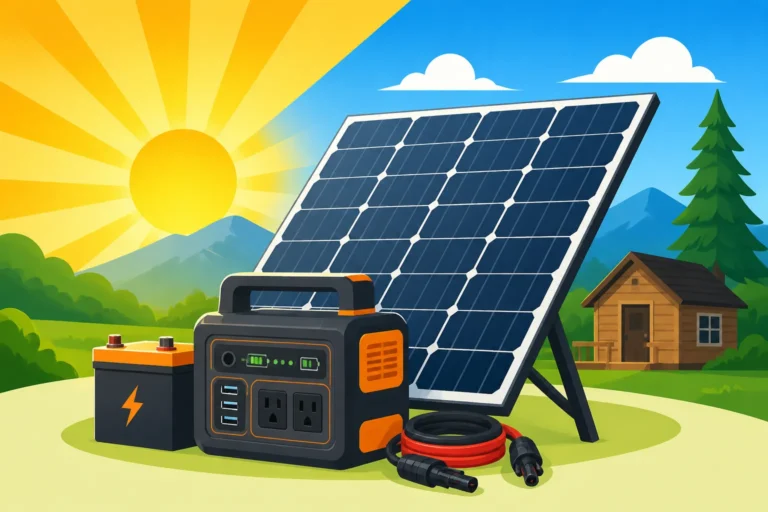
For a remote cabin, prioritizing reliability and low maintenance is usually key. While lead-acid batteries can work, the reduced hassle and longer lifespan of LiFePO4 batteries like those from Jackery or similar reputable manufacturers often make them the superior choice for a long-term cabin solution. Jackery is also known for its portable power stations, which can serve as an excellent flexible addition to a cabin system for specific, temporary needs or as an easily deployable backup power source for smaller devices. You might also consider portable solar panels from Jackery to supplement your main array during short visits or emergencies.
The investment in a robust off-grid solar system for your cabin might seem substantial at first, but the freedom and independence it offers are truly priceless. While the initial Off-Grid Solar Cost: Complete Breakdown can be a factor, consider the long-term savings compared to utility line extensions or constant generator fuel purchases. By carefully assessing your needs, choosing the right components from reliable brands, and designing for the unique environment of your cabin in the woods, you can create a power system that brings comfort and peace of mind for years to come.
Disclaimer
Please be aware that the information provided in this guide is for general informational purposes only and should not be considered professional electrical or engineering advice. Off-grid solar system design and installation can be complex and involve significant electrical hazards. Always consult with qualified and licensed professionals for specific design, installation, and safety recommendations tailored to your unique circumstances and local regulations. Improper installation can lead to equipment damage, fire, serious injury, or even death.