Best Expandable Off-Grid Solar System
Stepping into the world of off-grid living is an exciting journey, full of dreams of self-sufficiency and freedom. But let's be honest, it's also a path paved with learning curves and unexpected needs. Many folks start small, thinking they know exactly what they'll power, only to find their energy demands creeping up over time. Perhaps you add a new appliance, decide you need more heating in winter, or suddenly a friend wants to move their tiny home onto your property. If your solar system isn't designed to grow with you, you're looking at a headache of wasted money and frustrating limitations. This guide is all about helping you navigate the complexities of building or choosing an expandable off-grid solar system, ensuring your investment serves you not just today, but well into your independent future.
Why Expandability is Crucial for Off-Grid Living
It's a common scenario: you meticulously calculate your energy needs, install a system, and everything seems perfect. Then, a few months or a year down the line, life happens. You get a new hobby that requires more power tools, or you decide to upgrade your old, inefficient refrigerator to something bigger and better. Suddenly, your perfectly sized system is struggling to keep up, leaving you in the dark, literally. This isn't just an inconvenience; it can be a major setback to your off-grid aspirations.
The Evolving Nature of Off-Grid Needs
Our energy demands are rarely static, especially when you're living off-grid. What starts as a simple setup for lights and charging phones often grows to include more creature comforts. Maybe you began with just a few essentials for a weekend cabin, but now you're considering living there full-time. That means a well pump might become essential, or perhaps you'll want to run an air conditioner in the summer heat. Each new appliance, each shift in lifestyle, adds to your power draw. Trying to force a rigid system to meet these dynamic needs is like trying to fit a square peg in a round hole – it just won't work without causing stress and inefficiency.
We often underestimate our future power consumption. Perhaps you buy an energy-efficient fridge, but then realize you also want a chest freezer for bulk groceries. Or maybe you're planning for just yourself, but later a partner or family member joins the off-grid adventure, bringing their own devices and demands. Having a system that can easily accept more panels, batteries, or even a larger inverter without requiring a complete overhaul is paramount. It’s about building a foundation that allows for natural growth, rather than forcing you to tear everything down and start from scratch every time your needs change.
Avoiding Costly Replacements and Redundancy
Imagine pouring thousands of dollars into an off-grid solar system, only to realize a year later that it's insufficient. What do you do? Often, people end up buying entirely new components, or even a whole new system, rendering the old equipment redundant and a significant financial loss. This is particularly painful when major components like inverters or large battery banks need to be completely replaced because they weren't designed with expansion in mind.
An expandable system, on the other hand, allows you to incrementally add to your capacity as needed. This modular approach means you can spread out the investment over time, making it much more manageable financially. Instead of a single, large, one-time expenditure that might quickly become inadequate, you can add a few more solar panels, another battery, or a second charge controller when your budget and needs allow. This strategic planning ensures that every dollar you invest continues to contribute to your overall power independence, avoiding the frustrating cycle of outgrowing your system and having to start over. It's about smart, long-term thinking that saves both your wallet and your sanity.
Key Components for an Expandable Off-Grid Solar System
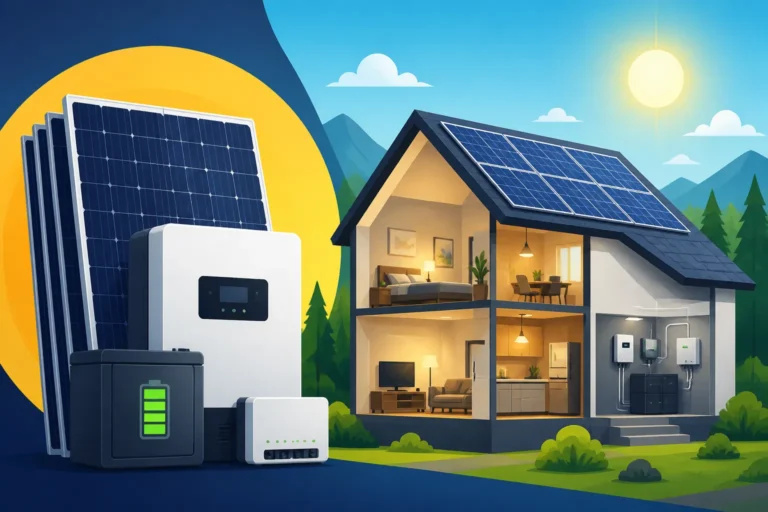
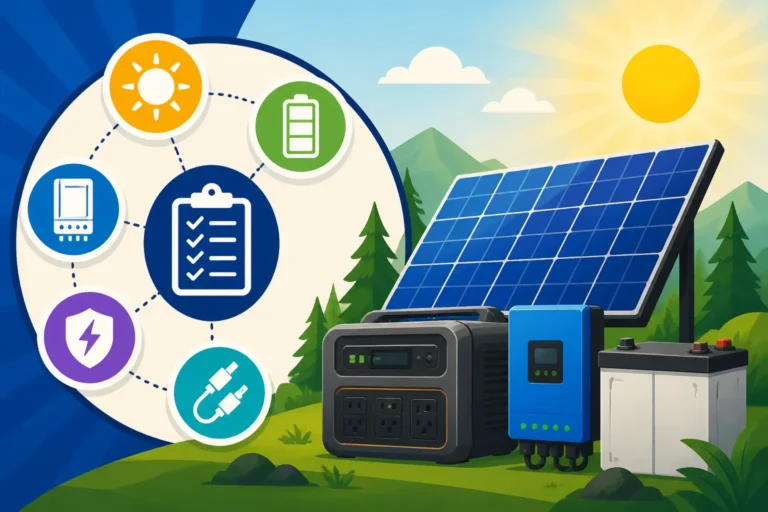
Building an expandable off-grid solar system requires a thoughtful selection of components. It's not just about buying individual parts; it's about choosing pieces that can work together harmoniously and allow for future additions without major compatibility headaches. Think of it like a LEGO set – you want pieces that can easily snap onto your existing structure as you grow.
Modular Solar Panels
When it comes to solar panels, expandability is relatively straightforward, but there are still considerations. You want to select panels that are common enough in size and voltage that adding more in the future won't be a scavenger hunt. Most modern monocrystalline panels from reputable manufacturers like Renogy or Rich Solar are a good bet. The key is to design your initial array with future space in mind.
Consider the physical space for mounting. If you're starting with a small number of panels on a roof, think about whether you have enough room for additional panels. Ground mounts often offer more flexibility for expansion, allowing you to simply add another row or section as your needs grow. When wiring your panels, particularly if you're mixing new and old panels, ensure they have similar voltage characteristics. While it's generally best to keep panel types and ratings consistent within a single string or parallel connection, modern MPPT charge controllers are quite forgiving and can often optimize power from panels with slightly different specs, though always check manufacturer guidelines. Over time, as you look to expand, you'll find that having a common panel size makes it much easier to integrate new additions into your existing setup.
Scalable Battery Banks
The battery bank is often the most critical and expensive component of an off-grid system, and also where expandability can get tricky if not planned correctly. For truly scalable systems, Best Off-Grid Solar Batteries tend to be lithium iron phosphate (LiFePO4) batteries. These batteries excel because they can be easily connected in parallel to increase capacity, provided they are of the same type, voltage, and preferably from the same manufacturer and batch. Their internal Battery Management Systems (BMS) often handle the balancing and protection needed for parallel configurations quite well.
Lead-acid batteries (AGM, Gel, Flooded), while cheaper upfront, are far less forgiving when it comes to expansion. Adding new lead-acid batteries to an older bank can severely reduce the lifespan and performance of the entire bank due to differences in internal resistance and charge characteristics. You can connect a new battery to an existing battery if they are the exact same type, age, and charge level, but it is not ideal for optimal performance. LiFePO4 batteries allow you to expand your capacity almost seamlessly, letting you increase your How Many Batteries for an Off-Grid System as your energy storage needs grow. Look for brands like Battle Born, EG4, or SOK that offer robust LiFePO4 options often designed with parallel scalability in mind.
Future-Proof Inverters and Charge Controllers
Your inverter and charge controller are the brains and brawn of your system, converting and managing the power. For expandability, the general rule of thumb is to slightly oversize your inverter from day one, if your budget allows, or choose one that supports parallel stacking or has a higher capacity than your immediate needs. An inverter's wattage rating dictates how many appliances you can run simultaneously. If you start with a 3000W inverter for your initial needs, and later decide you want to run a mini-split AC unit alongside your well pump and refrigerator, you might suddenly exceed that capacity. Opting for a 5000W or even an 8000W inverter from the start, or choosing a model that allows you to add a second, identical inverter in parallel down the line (like many Victron or Sol-Ark models), gives you that crucial headroom. Check out guides like How to Choose an Off-Grid Inverter for more detailed advice.
Similarly, your charge controller needs to be able to handle the future expansion of your solar array. The charge controller's job is to regulate the power coming from your solar panels to charge your batteries safely and efficiently. If you plan to add more panels, ensure your initial MPPT (Maximum Power Point Tracking) charge controller has enough amperage capacity to manage the increased input. For example, if you start with 1000W of panels, a 40A MPPT controller might suffice. But if you plan to eventually double that to 2000W, a 60A or 80A controller would be a wiser initial investment. Alternatively, you can plan to add a second charge controller for your new panels, which is a common and effective way to expand. Learning How to Choose an Off-Grid Charge Controller is a vital part of this planning process.
Designing for Growth: What to Look For in a System
Designing an expandable off-grid solar system isn't just about buying the right components; it's about thoughtful planning and choosing a foundational architecture that supports future growth. Many first-timers overlook these crucial elements, only to find themselves dismantling much of their hard work later on.
Planning Your Initial Layout for Expansion
The physical layout of your system needs to be considered with growth in mind. For your solar array, this means not just finding space for your current panels, but envisioning where future panels will go. If you're roof-mounting, do you have available roof real estate? Are there any shading issues that might arise with additional panels? For ground mounts, do you have ample, unshaded land for another row or two? Planning your racking system from the outset to accommodate more panels can save you a lot of effort and expense later. For instance, some mounting systems are designed to easily extend.
Beyond the panels, consider the space for your battery bank. If you're starting with a small LiFePO4 bank in a power box, will that box comfortably house double the number of batteries? Or will you need to build a larger, dedicated battery enclosure? Ventilation and temperature control for your battery bank become even more critical as it grows in size. Don't forget about the wiring. Undersized wires can create bottlenecks and safety hazards as you add more power. When you're running cables from your panels to your charge controller and from your batteries to your inverter, it's always a good idea to slightly oversize your initial How to Size Wire and Cables to account for future current increases. It’s far easier to run thicker gauge wire once than to replace it later.
All-in-One Units Versus Component-Based Systems
This is a fundamental choice that directly impacts expandability.
-
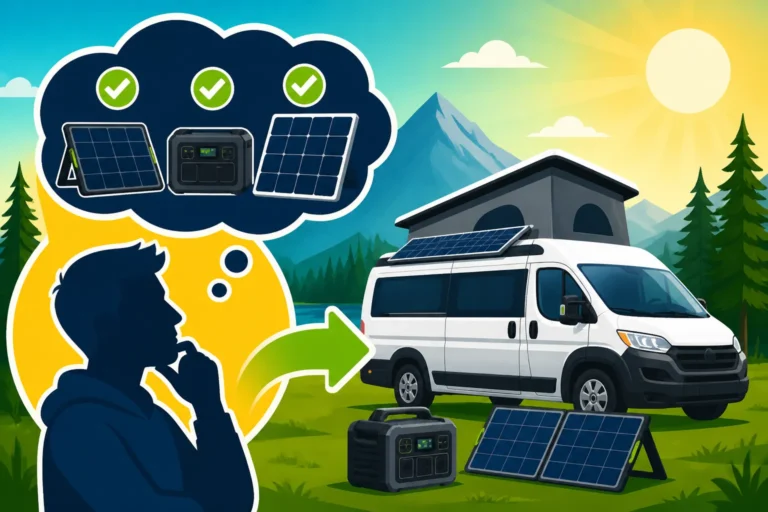
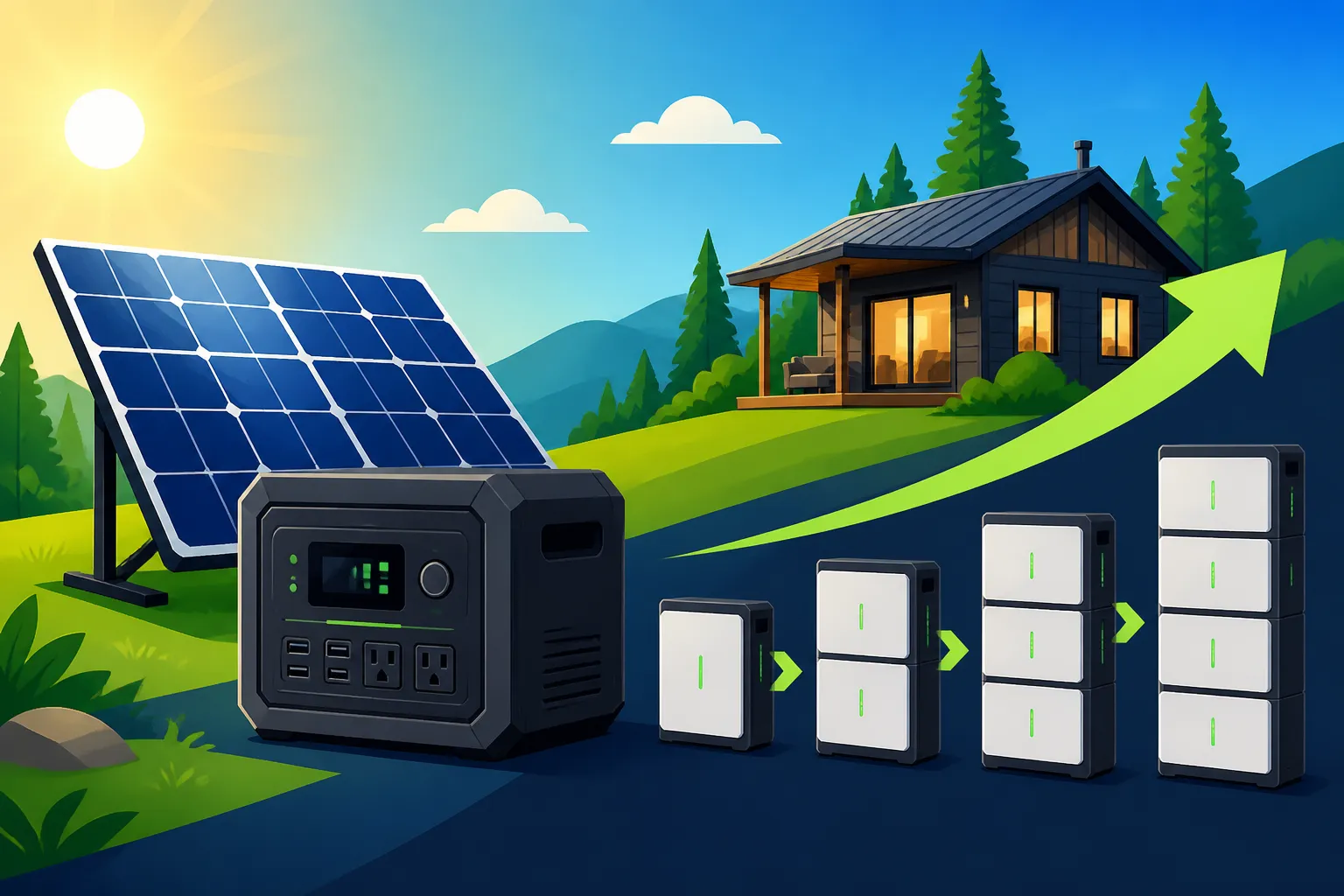
All-in-One Solar Generators/Power Stations: These compact units, like popular models from EcoFlow, Bluetti, or even some of the larger Jackery Power Stations, are fantastic for simplicity and portability. Many offer decent initial power and can be expanded with additional external battery packs or more solar panel input. For example, a Jackery Explorer 2000 Pro can connect to multiple Jackery SolarSaga panels and has optional expansion batteries. They are generally plug-and-play, making them ideal for smaller setups, RVs, vans, or temporary camps. However, their expandability is usually limited to what the manufacturer explicitly offers (e.g., specific battery packs), and you can't typically swap out individual components like the inverter for a larger third-party one. This means if you truly outgrow the entire ecosystem, you might be looking at a completely new unit.
-
Component-Based Systems: These are built from individual, separate components – panels, charge controller, battery bank, and inverter – often from different manufacturers. Brands like Victron Energy, Outback Power, and Sol-Ark specialize in these flexible systems. While they require more technical know-how to design and install (you'll want to dive deep into topics like Off-Grid Solar System Components Explained), they offer unparalleled expandability and customization. You can upgrade any single component (e.g., add more panels, swap to a larger charge controller, or expand your LiFePO4 battery bank) without affecting the others, as long as they remain compatible. This flexibility is what truly defines a future-proof system for a home or large cabin.
Software and Monitoring for Scalability
In today's interconnected world, the ability to monitor and manage your off-grid system remotely is more than just a convenience – it's crucial for understanding its performance and planning for expansion. Many advanced inverters and charge controllers come with robust monitoring platforms, often accessible via a smartphone app or a web portal. Brands like Victron, with their Venus OS and VRM portal, allow you to see exactly how much power your panels are generating, how your batteries are performing, and what your loads are drawing.
As you expand your system, this monitoring capability becomes invaluable. You can identify if your current panels are sufficient, if your battery bank is being depleted too quickly, or if your inverter is frequently hitting its limits. This data helps you make informed decisions about what needs to be expanded and when. Furthermore, good software allows for easy configuration adjustments. When you add new panels or batteries, you might need to update charging parameters or load management settings. Systems designed for scalability often have user-friendly interfaces that allow you to integrate new components and adjust settings without needing a professional technician every single time.
Top Considerations for Expandable Off-Grid Systems
Embarking on an off-grid solar journey is a significant investment of time, money, and effort. To ensure that your system can truly grow with you, there are several overarching considerations that should guide your decisions from the very beginning.
Understanding Your Current and Future Energy Needs
This is arguably the most critical step, and where many off-gridders either undersize or get stuck with a system that can't evolve. Don't just calculate your immediate power needs; project them five or even ten years into the future. Will you add a hot tub? Install an electric water heater? Get an EV that needs charging? Even if these are distant possibilities, acknowledging them helps you build the initial framework correctly. It's not about designing for every single potential future appliance right now, but rather understanding the maximum potential load and ensuring your system's core infrastructure (like wiring gauges and inverter capacity) can handle it.
Start by performing a thorough load analysis of your current appliances and estimated daily usage. Guides like How to Calculate Off-Grid Solar Needs are essential for this. Then, add a "future expansion" buffer to your calculations. For example, if your current daily usage is 5 kWh, plan for a system that could comfortably handle 8-10 kWh with additional components. This foresight allows you to invest in a base system that isn't immediately strained and makes future additions much simpler. Think about seasonal variations too; if you plan to use an AC in summer or electric heaters in winter, these large loads will significantly impact your expansion planning.
Budgeting for Phased Expansion
The reality for most people is that going fully off-grid with a massive, future-proof system all at once simply isn't feasible financially. This is where phased expansion becomes your best friend. Instead of thinking of it as one giant purchase, view it as a series of strategic upgrades. For instance, you might start with enough solar panels to cover your basic daily needs, a mid-sized inverter, and a smaller, but expandable, LiFePO4 battery bank. Then, as funds become available or your needs increase, you can add more panels, expand your battery storage, or even add a second inverter.
This approach allows you to get started with off-grid living sooner, proving the concept and learning your real-world usage patterns, while gradually building towards your ultimate goal. It's often more sustainable than trying to buy everything upfront. There are excellent resources on How to Phase an Off-Grid Solar Build to Spread Cost that can walk you through creating a realistic budget and timeline for growth. Remember, paying a bit more upfront for scalable components, even if you don't fully utilize their capacity immediately, will almost always be cheaper than replacing an entire undersized system later.
Brand Ecosystems and Compatibility
When you're building an expandable system, sometimes sticking to a single brand or a set of highly compatible brands can simplify things immensely. Companies like Victron Energy, for example, offer a complete ecosystem of solar charge controllers, inverters, battery monitors, and even communication hubs that are all designed to work seamlessly together with advanced software integration. This makes expansion and monitoring a breeze, as all components "speak the same language."
While you don't have to use all components from one brand, choosing key pieces from manufacturers known for open compatibility or a broad product line can be beneficial. For example, if you choose a Victron MultiPlus inverter/charger, you might then choose a Victron SmartSolar MPPT charge controller because they integrate beautifully. Similarly, when selecting batteries, some brands are designed to pair well with specific inverters. Even with all-in-one solutions, like the Jackery Power Stations, their expandability often relies on buying their proprietary expansion batteries or panels. Always research component compatibility to avoid frustrating integration issues down the road. If a product claims "expandable," dig into the specifics of how it expands and what components are required.
Step-by-Step Guide to Phased Expansion
So, you've got your initial off-grid solar system up and running, and now you're thinking about adding more power. It's a natural progression for many off-gridders. This isn't just about bolting on new parts; it’s a process that requires assessment, strategic selection, and careful integration to maintain efficiency and safety.
Assessing Current Performance and Needs
Before you even think about buying new equipment, the first step is to thoroughly assess your current system's performance and precisely identify where the bottlenecks are. You might feel like you need more power, but understanding why is crucial.
Start by reviewing your monitoring data. Are your batteries consistently dipping too low overnight? This suggests you need more battery capacity, or perhaps your solar array isn't large enough to fully recharge them during the day. Is your inverter frequently shutting off due to overload when you run specific appliances? That's a clear sign you need a larger inverter, or one that can handle peak surge demands more effectively. Are your solar panels simply not generating enough power, even on sunny days? This points to needing more panels or ensuring your existing panels are clean and optimally angled.
Keep a detailed log of your power consumption over several weeks, noting which appliances you use, for how long, and when the system struggles. This "real-world" load analysis will be more accurate than any initial estimate you made. It will pinpoint exactly what part of your system needs attention first, whether it's more battery storage, additional solar generation, or a more powerful inverter. For instance, if you're trying to run a power-hungry well pump and your lights dim, you might need a stronger inverter with better surge capacity rather than just more batteries.
Selecting and Integrating New Components
Once you've identified the specific areas for improvement, it's time to select and integrate the new components. This is where your initial planning for expandability really pays off.
-
Adding More Solar Panels:
- Compatibility: Ideally, match new panels to your existing ones in terms of voltage and wattage. While MPPT charge controllers are adaptable, keeping panel characteristics similar within a string is best for optimal performance.
- Wiring: Determine if you'll expand an existing string (series) or create a new one (parallel). Ensure your wiring is properly sized for the increased current. Don't forget proper fusing and circuit protection.
- Charge Controller Capacity: Check if your existing charge controller can handle the additional panel wattage and amperage. If not, you'll either need to upgrade to a larger controller or add a second, separate charge controller to handle the new array section. This is often the most cost-effective solution for significant panel expansion. For example, you might have one Victron SmartSolar controller for your original array and add another one for your new panels, feeding both into your battery bank.
-
Expanding Your Battery Bank:
- LiFePO4 is Key: If you followed the advice to go with LiFePO4 batteries, adding more is relatively straightforward. Always ensure new batteries are the same chemistry, voltage, and capacity as your existing ones. Ideally, they should be from the same manufacturer and even the same production batch to minimize imbalances.
- Parallel Connection: New batteries are typically added in parallel to increase capacity (Ah). Ensure all batteries are at the same state of charge before connecting them to avoid large current surges.
- Wiring and Protection: Use properly sized busbars and battery cables for the increased current flow. Install appropriate fuses or breakers for safety.
- BMS Integration: If your batteries have external BMS units, ensure they can communicate and manage the larger bank effectively. If they're internal, ensure they can handle parallel operation.
-
Upgrading Inverters and Charge Controllers:
- Inverter Upgrade/Parallel Stacking: If your existing inverter is undersized, you might replace it with a larger one. However, if you chose an inverter designed for parallel operation (e.g., certain models from Sol-Ark or Victron), you can often add a second, identical inverter to double your AC output capacity. This requires specific wiring and communication cables between the inverters.
- Charge Controller Addition: As mentioned, adding a second charge controller for a new panel array is a common and efficient expansion method. Just ensure both controllers are configured correctly for your battery bank's voltage and chemistry.
Remember, safety is paramount. When integrating new components, always disconnect power, use appropriate safety gear, and, if unsure, consult with an experienced off-grid electrician. There are plenty of guides out there, like How to Install an Off-Grid Solar System, that cover the detailed steps for wiring and connecting components safely.
| Feature | All-in-One Solar Generator (e.g., Jackery) | Custom Component System (e.g., Victron, Sol-Ark) |
|---|---|---|
| Initial Setup | Plug-and-play, very easy | Requires design, wiring, and assembly expertise |
| Primary Use Case | Portable, RV, small cabin, emergency backup | Whole home, large cabin, permanent installations |
| Expandability | Limited to manufacturer's accessories | Highly modular, can upgrade any component |
| Battery Expansion | Add proprietary battery packs | Add same-type batteries in parallel (LiFePO4 ideal) |
| Solar Panel Input | Max input wattage often limited | Can add many panels, multiple charge controllers |
| Inverter Capacity | Fixed, or limited parallel support | Replaceable or parallel stacking possible |
| Cost (Initial) | Often lower | Higher, but greater long-term value |
| Complexity | Low | High |
| Longevity | Varies, often consumer-grade components | Designed for long-term, industrial-grade |
| Customization | Minimal | Extensive |
Disclaimer
The information provided in this guide is for general educational and informational purposes only, and does not constitute professional advice. Off-grid solar system design and installation can be complex and involve electrical hazards. Always consult with qualified professionals and adhere to all local codes and regulations when planning, installing, or modifying an off-grid solar system. Working with electricity can be dangerous and lead to serious injury or death if not handled properly.