How to Meet Code for Off-Grid Solar
Embarking on the off-grid solar journey can feel incredibly liberating, but let's be honest, the thought of "codes" and "permits" can quickly zap some of that initial excitement. It's a real headache for many folks, making you wonder if your dream of energy independence is going to get tangled in bureaucratic red tape. This guide is here to untangle that knot, walking you through what you absolutely need to know to meet code for your off-grid solar system, ensuring it's safe, compliant, and gives you long-lasting peace of mind.
Why Off-Grid Solar Codes and Permits Aren't Just Bureaucracy
It’s easy to feel like permitting and electrical codes are just hoops to jump through, especially when you’re building something meant to be independent of the grid. But trust me, these regulations are put in place for genuinely good reasons, primarily your safety, the safety of others, and the longevity of your investment. Ignoring them can lead to serious hazards, from electrical fires to system failures, and could even cause issues with insurance or property sales down the line. It's not about stifling innovation; it's about setting a baseline for quality and safety.
Think of it this way: when you're installing a complex electrical system, even one detached from the utility grid, there are inherent risks. Proper wiring, grounding, overcurrent protection, and equipment installation aren't just suggestions; they're critical to preventing shocks, fires, and equipment damage. Codes like the National Electrical Code (NEC) are developed by experts who have seen what can go wrong and have created a comprehensive framework to prevent those problems. It might seem like a hassle, but a well-designed and installed system, built to code, is a robust and reliable system.
Moreover, while you might be off-grid, your property still exists within a community. Your electrical system, even if self-contained, could still pose risks to emergency responders if not properly installed and marked. For instance, knowing how to appropriately label your system with clear warnings for emergency personnel is a crucial aspect of safety, ensuring they know how to safely navigate your property if a situation arises. Adhering to these guidelines isn't just about compliance; it's about being a responsible property owner and ensuring safety for everyone involved.
The Role of National Electrical Code NEC
The National Electrical Code (NEC), also known as NFPA 70, is the cornerstone of electrical safety in the United States. It's not just a suggestion; it's a comprehensive set of rules and guidelines for electrical installations that are adopted, in part or whole, by most states and local jurisdictions. While it was initially conceived for grid-tied systems, the NEC has extensive sections dedicated specifically to solar photovoltaic (PV) systems, including standalone, off-grid installations. These sections cover everything from wiring methods and conductor sizing to grounding, overcurrent protection, and even the proper placement and labeling of components.
For off-grid solar, the NEC is particularly important because it ensures that even without utility oversight, your system meets fundamental safety standards. For example, Article 690, "Solar Photovoltaic (PV) Systems," delves deep into the specific requirements for PV installations. It covers aspects like module interconnections, inverter output circuits, battery storage systems, and charge controllers. Understanding these articles is crucial for any DIYer or professional installer, as they dictate the minimum safety requirements to protect against electrical shock, fire, and other hazards.
It's important to remember that the NEC is updated every three years. The most common versions currently enforced are the 2017, 2020, and 2023 editions, with each iteration bringing new insights and safety enhancements. You’ll need to check which version your local authority is enforcing because requirements can change significantly between editions. For instance, rapid shutdown requirements, which allow emergency responders to quickly de-energize a solar array, have evolved over the different NEC versions. Staying current with the relevant NEC edition ensures your system is not only safe but also complies with the latest industry best practices.
Understanding Local Amendments and Permitting Requirements
While the NEC provides a national baseline, local jurisdictions often have their own specific amendments and additions. This is where things can get a bit tricky and frustrating for off-gridders. A system that's perfectly compliant in one county might require additional steps or different equipment in another, sometimes just a few miles down the road. These local rules can vary wildly, depending on everything from population density and climate to local administrative preferences.
These local amendments might dictate specific types of conduit for wiring, require additional weatherproofing measures, or even specify where equipment can be located on your property. For example, some jurisdictions might have stricter requirements for battery enclosures, demanding specific ventilation systems or fire suppression, especially for larger battery banks. Others might have particular rules about the height or visibility of solar panels, or how they are integrated into the existing structure. It’s not uncommon for counties in wildfire-prone areas, like parts of California or Colorado, to have enhanced regulations for rooftop solar to mitigate fire spread.
The permitting process itself also falls under local control. Generally, you'll need to submit detailed plans for your solar system, including electrical diagrams, equipment specifications, and a site plan. This is where you might specify components from trusted brands like Renogy, ensuring all parts meet necessary certifications. After reviewing your plans, the local building department will issue the necessary permits. Skipping this step isn't just risky; it can lead to fines, forced system removal, or significant complications if you ever decide to sell the property. Always start by contacting your local building department or electrical inspector early in your planning phase to understand their specific requirements. They are usually the best resource to guide you through the local nuances.
Key Codes and Standards to Be Aware Of
Navigating the world of electrical codes and standards can feel like learning a new language. Beyond the big umbrella of the NEC, there are specific standards that apply to various components and aspects of your off-grid solar setup. Knowing about these can help you choose the right equipment and design your system for compliance from the get-go, saving you time and headaches later. It's about understanding the specific guidelines for each piece of the puzzle, ensuring they work together safely and effectively.
For instance, not all "solar panels" are created equal, nor are all batteries or inverters. Each major component in your off-grid system has specific standards it should meet to be considered safe and reliable. These standards are usually set by independent testing laboratories, and they ensure that the equipment performs as advertised and doesn't pose undue risks. When you’re purchasing components, looking for these certifications isn’t just good practice; it's often a code requirement.
Taking the time to research these standards before you buy can make a huge difference in your installation process and your ability to pass inspection. For example, a budget inverter found on a random online marketplace might save you a few bucks, but if it lacks the proper safety certifications, it could be a fire hazard and won't be approved by an inspector. Investing in reputable, certified equipment from the start is a cornerstone of code compliance and system reliability.
Component Certification Requirements
When you're shopping for off-grid solar components, whether it's solar panels, inverters, batteries, or charge controllers, you'll often see labels like UL, ETL, or CSA. These aren't just fancy stickers; they represent certifications from Nationally Recognized Testing Laboratories (NRTLs) like Underwriters Laboratories (UL), Intertek (ETL), and the Canadian Standards Association (CSA). These certifications mean that a specific piece of equipment has been tested and found to meet stringent safety and performance standards. In many jurisdictions, using certified components is a non-negotiable requirement for passing inspection.
For example, solar panels often carry UL 1703 or UL 61730 certification, indicating they meet safety standards for photovoltaic modules. Inverters typically need to meet UL 1741, which covers inverters, converters, controllers, and interconnection system equipment for use with distributed energy resources. Batteries, especially lithium-ion batteries, are subject to various safety standards like UL 1973 for stationary applications, ensuring they handle charging, discharging, and potential fault conditions safely. You might find great components on Amazon, but always double-check for these crucial certifications in the product description.
Using uncertified components can lead to immediate rejection by an inspector. More importantly, it can put your entire system and property at risk. Imagine having a system installed with an uncertified inverter that overheats or a battery that isn't designed to handle the thermal stresses of charging and discharging. The risks are simply too high. Always prioritize certified components, even if they come with a slightly higher price tag. This investment is truly one in safety and long-term peace of mind, knowing that your critical components have been rigorously tested by independent third parties.
Wiring and Overcurrent Protection Standards
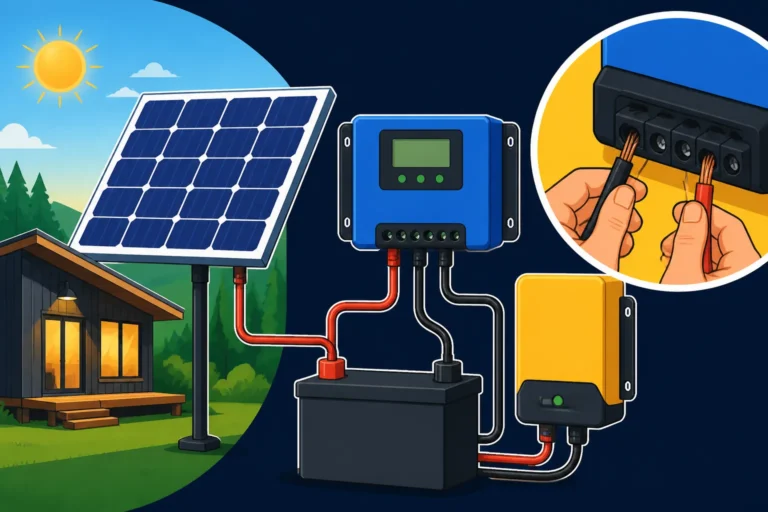
Wiring is the lifeblood of your off-grid solar system, and getting it right according to code is absolutely critical for safety and efficiency. The NEC dedicates entire chapters to proper wiring methods, conductor sizing, and the installation of overcurrent protection devices (OCPDs) like fuses and circuit breakers. These standards ensure that your wires can safely carry the electrical current without overheating, and that in the event of a fault or overload, the circuit will safely interrupt power to prevent damage or fire.
One of the most common code violations in DIY solar installations is improper wire sizing. Running current through wires that are too small for the load can cause them to overheat, leading to energy loss, premature insulation breakdown, and a significant fire hazard. The NEC provides tables that dictate the minimum wire gauge required based on the current it will carry and the conductor's temperature rating, also factoring in voltage drop over longer runs. It’s also crucial to consider the type of insulation (e.g., THHN, USE-2, PV wire) and its suitability for the environment (e.g., direct burial, exposure to sunlight, wet locations). This is especially important for outdoor runs from your solar panels to your charge controller. You can find more details on topics like How to Size Wire and Cables within our guides.
Equally important is overcurrent protection. Every major circuit in your off-grid system – from the solar array output to the battery bank and inverter output – needs appropriate fuses or circuit breakers. These devices are sized to protect the wiring and equipment from damage due to excessive current. For example, if your charge controller is rated for 60 amps, you'll need an appropriately sized breaker or fuse on the solar input side and on the battery output side, designed to trip before the charge controller is damaged or the wires overheat. The placement of these OCPDs, their interrupting rating, and their proper enclosure are all detailed in the NEC to ensure maximum safety.
Navigating Permits and Inspections
The permitting and inspection process can often feel like the most daunting part of an off-grid solar project. It's the stage where your careful planning meets real-world regulation. But approaching it with the right mindset and preparation can make it a smooth, rather than frustrating, experience. Remember, the goal of permits and inspections is not to catch you out, but to ensure that your system is built to recognized safety standards, protecting you, your property, and anyone who might interact with it.
It's tempting to think that because you're off-grid, no one needs to know about your electrical system. This couldn't be further from the truth. Most jurisdictions require permits for any significant electrical work, regardless of whether it connects to the utility grid. These permits are essentially a legal agreement that your work will be performed according to established safety codes. Without them, you could face legal issues, insurance claim denials, and difficulties selling your property.
Understanding the sequence of events is key. It typically starts with submitting your design plans, receiving approval, performing the installation, and then scheduling the inspection. Each step requires diligence and attention to detail. This process also highlights why some people opt for pre-designed off-grid solar kits from reputable suppliers, as these often come with documentation that can simplify the permitting process, though local adaptation will always be necessary.
When You Need a Permit and What to Submit
The simple answer to "When do I need a permit?" is almost always. If you're installing a fixed off-grid solar system that generates electricity for a cabin, tiny home, RV pad, or any permanent structure, you will likely need an electrical permit. Some smaller, portable systems (like those for casual camping) might be exempt, but anything integrated into a building's electrical system typically requires approval. This isn't just a local whim; it's a nationwide standard for electrical installations to ensure public safety.
The permitting process usually begins with an application to your local building department or planning office. They'll typically require a detailed set of plans, which can feel like a lot of homework, but it's really your blueprint for success. These plans often include:
- Site Plan: An overhead view of your property showing the location of the solar array, battery bank, inverter, and any other major components relative to your structures and property lines.
- Electrical Line Diagram (Single-Line Diagram): This is a schematic showing all the electrical components, their ratings (voltage, current, wattage), wire sizes, fuse/breaker sizes, and how they are interconnected. This is where your attention to NEC compliance shines.
- Equipment Specification Sheets (Cut Sheets): Documentation for all major components (panels, inverter, charge controller, batteries) showing their certifications (e.g., UL listings) and technical specifications.
- Mounting Plan: Details on how the solar panels will be mounted (roof, ground mount) and secured, often including structural calculations if on a roof.
It's common for building departments to have specific templates or checklists for solar applications, so always check their website or call them directly. If your plan is to DIY, having a complete and accurate submission package will make the review process much smoother. If you're unsure about drafting these detailed plans, consider consulting an experienced off-grid solar designer or an electrician. They can help you create a professional submittal that meets all local requirements and ensures your system is technically sound.
What Inspectors Look For During Off-Grid Solar Inspections
The day of the inspection can be nerve-wracking, but if you've done your homework and followed the codes, you should be fine. The inspector's job is to verify that the installed system matches the approved plans and that all work complies with the adopted electrical codes (like the NEC) and any local amendments. They are looking for safety, plain and simple, and want to ensure that your system will operate reliably without posing a risk.
Here's a breakdown of common things an inspector will meticulously check:
- Wiring and Conductor Sizing: Are all wires properly sized for the current they carry? Is the correct insulation type used for the environment (e.g., UV-resistant wire outdoors)? Are connections tight and properly made? They'll check for proper bend radii and secure clamping of conductors.
- Overcurrent Protection: Are the correct fuses and circuit breakers installed at all required points (array, battery, inverter)? Are they correctly rated for the circuit they protect? Are they properly enclosed and accessible?
- Grounding and Bonding: Is the entire system, including solar panel frames, mounting rails, inverter chassis, and battery enclosures, properly grounded and bonded according to NEC Article 250? This is critical for safety in case of a fault. Our article on Off-Grid Solar Safety and Grounding delves into this extensively.
- Component Certifications: Do all major components (panels, inverter, batteries) have the required UL, ETL, or CSA certifications? The inspector will often check the labels directly.
- Labeling and Signage: Are all required labels present and correctly installed? This includes "PV System Disconnect" labels, voltage and current warnings, rapid shutdown information, and emergency shut-off instructions. Clear labeling is essential for emergency responders.
- Battery Enclosure and Ventilation: If you have a battery bank, is it properly enclosed, secured, and, if required, adequately ventilated? This is particularly important for lead-acid batteries that off-gas hydrogen. Lithium batteries also have specific installation requirements to prevent thermal runaway.
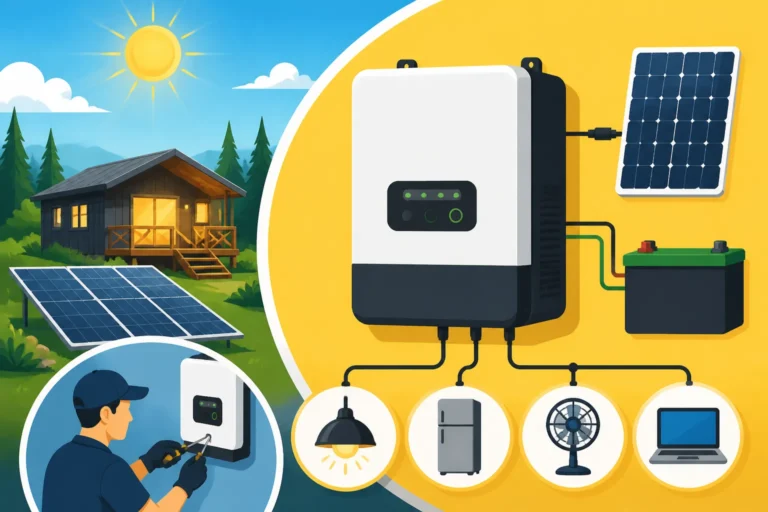
- Inverter Installation: Is the inverter mounted securely, in a suitable environment (away from direct sunlight or excessive moisture), and with adequate clearance for ventilation? Are AC and DC disconnects properly installed adjacent to the inverter?
Being present during the inspection, having your plans and spec sheets handy, and being ready to answer questions will help the process immensely. If the inspector finds any issues, they'll usually provide a written list of corrections needed. Don't get discouraged; address the corrections promptly, and then schedule a re-inspection. It's all part of ensuring a safe and robust system.
| Component/Aspect | Common Code Considerations | Key NEC Articles/Standards |
|---|---|---|
| Solar Panels | Mounting strength, grounding, UV-rated wiring, rapid shutdown compliance, module certifications. | NEC 690.31, 690.35, 690.41, UL 1703 / UL 61730 |
| Batteries | Proper enclosure, ventilation (especially lead-acid), overcurrent protection, disconnects, wire sizing, thermal management (lithium), battery management system (BMS) for LiFePO4. | NEC 480, 690.71, 706, UL 1973 |
| Inverter | Correct sizing for loads, pure sine wave (for most appliances), overcurrent protection on input/output, proper grounding, appropriate environment/ventilation, emergency disconnect. | NEC 690.60, 690.64, UL 1741 |
| Charge Controller | Sizing for array and battery bank, overcurrent protection, correct settings for battery chemistry, proper grounding. | NEC 690.7, 690.9 |
| Wiring & Conduits | Correct gauge for current/distance, appropriate insulation type (THHN, USE-2, PV wire), proper support & protection, correct conduit sizing & type (EMT, PVC, liquid-tight flexible). | NEC 300, 310, 314, 334, 338, 344, 352, 690.31 |
| Grounding & Bonding | All non-current-carrying metal components bonded to ground, proper grounding electrode conductor sizing, surge protection. | NEC 250, 690.47 |
| Safety Labels | Required signage for disconnects, emergency shutdown, system voltage/current, rapid shutdown indication. | NEC 690.5, 690.13, 705.10 |
| Disconnects | Clearly marked AC and DC disconnects, readily accessible, appropriately rated. | NEC 690.13, 690.15, 690.17 |
Practical Steps for Compliance and Peace of Mind
Getting an off-grid solar system installed and inspected according to code isn't just about avoiding fines or legal issues; it's fundamentally about building a reliable, long-lasting, and most importantly, safe power source for your independence. Approaching the task systematically, with attention to detail and a willingness to learn, will make all the difference. It truly is an investment in your future comfort and security.
Many people find the whole process overwhelming, and that's completely understandable. It's a complex system, and electrical work carries inherent risks. But by breaking it down into manageable steps and leveraging available resources, you can confidently navigate the path to a compliant off-grid setup. Whether you're a seasoned DIYer or hiring a professional, having a clear understanding of what's involved will empower you to make informed decisions throughout your project.
Remember, the goal isn't just to "pass" an inspection. The goal is to build something that you can trust to safely power your life for years to come. That trust comes from knowing it was built right, from the smallest wire connection to the largest panel array.
Document Everything Meticulously
One of the most valuable pieces of advice I can give for any off-grid solar project, especially when dealing with codes and inspections, is to document everything. And I mean absolutely everything. This isn't just busywork; it's your personal reference guide, your troubleshooting manual, and your proof of compliance. Inspectors appreciate organized documentation, and it makes their job – and yours – much easier.
Start by creating a binder or digital folder dedicated to your solar project. Include all purchase receipts, especially for major components, as these often contain model numbers and certifications. Keep all specification sheets (cut sheets) for your solar panels, inverter, charge controller, batteries, and any other electrical components. These sheets contain critical technical data that an inspector will want to see. Also, save any manuals for your equipment; they often include recommended wiring diagrams and installation guidelines that align with code. If you ordered parts from Renogy or other reputable suppliers, their product pages often have downloadable spec sheets.
Beyond product documentation, keep detailed notes and photos of your installation process. Take pictures of wire runs before you enclose them in conduit or walls, showing proper clamps and connections. Document your grounding system, the size of your wires, and the ratings of your fuses and breakers. If you made any changes to your original plans during installation, note them down with explanations. This meticulous record-keeping not only helps you during inspection but will be invaluable for future maintenance, troubleshooting, or if you ever decide to expand your system. Think of it as creating an instruction manual for your specific off-grid power plant.
The Value of Professional Assistance
While many off-gridders are keen on the DIY approach (and hats off to you!), there's immense value in knowing when to call in a professional, especially for aspects related to code compliance. The electrical code is complex, constantly evolving, and requires a deep understanding of electrical theory and practical application. If you're tackling a whole-house system or anything beyond a simple RV setup, a professional can be your best ally.
Hiring an experienced solar installer or a licensed electrician who specializes in off-grid systems can save you significant time, stress, and potential costly mistakes. They are intimately familiar with the NEC and local amendments, understand permitting requirements, and can often navigate the inspection process more smoothly. They can help you design a system that is inherently code-compliant from the start, ensuring proper sizing of components, safe wiring practices, and correct grounding. For many, the DIY vs Professional Off-Grid Solar Cost debate often comes down to balancing budget with expertise and peace of mind.
Even if you plan to do most of the physical work yourself, consider hiring an electrician for key stages like plan review, wiring the main electrical panel, or performing the final electrical hookups. Many jurisdictions allow a homeowner to do their own electrical work, but they still require a licensed professional to sign off on the plans or perform critical connections. This hybrid approach allows you to save on labor costs while ensuring the most critical and code-sensitive parts of your system are handled by an expert. It's about smart project management and prioritizing safety and compliance where it matters most.
Disclaimer
The information provided in this guide is intended for educational and informational purposes only and does not constitute professional electrical or legal advice. Electrical work can be dangerous and should only be performed by qualified individuals. Always consult with a licensed electrician, local building authorities, and relevant code enforcement officials before designing, installing, or modifying an off-grid solar system to ensure compliance with all applicable national, state, and local codes and regulations. Always prioritize safety and adhere to manufacturer instructions for all equipment.