Do You Need a Permit for Off-Grid Solar
So, you're dreaming of cutting the cord, embracing energy independence with an off-grid solar system, and maybe even enjoying a little peace and quiet away from utility bills. It's an exciting prospect, but before you dive headfirst into buying panels and batteries, there's often a tangled web of rules and regulations that can feel incredibly daunting: permits. Many folks assume that "off-grid" means "off-the-books," but that's a common misconception that can lead to major headaches. This comprehensive guide will demystify whether you need a permit for off-grid solar, what kind of permits to expect, and how to navigate the process smoothly, saving you from potential fines and future grief.
Understanding Off-Grid Solar Permitting Basics
The idea of going off-grid conjures images of rustic cabins, remote homesteads, or mobile living where regulations feel distant. However, the reality is that even systems designed to operate entirely independently of the utility grid often fall under various permitting requirements. This can be a rude awakening for many DIY enthusiasts who just want to get their power up and running without dealing with bureaucracy.
Why Permits Even Exist for Off-Grid Systems
It might feel like unnecessary red tape when you're simply trying to power your own space, but permits for off-grid solar systems are primarily in place for your safety and the safety of others. These aren't just arbitrary rules; they're rooted in protecting property and life from electrical hazards, structural failures, and even potential environmental damage. Think about it: a poorly installed electrical system, whether grid-tied or off-grid, poses serious risks like fires, electrocution, or equipment malfunction. Inspectors look for compliance with the National Electrical Code (NEC) and local building codes, ensuring that wiring is correctly sized, components are properly protected, and grounding is adequate.
Beyond safety, local authorities also have an interest in ensuring that new construction or significant property alterations, including solar installations, meet certain standards to maintain property values and community aesthetics. For instance, a massive, improperly installed solar array could be deemed an eyesore or even a hazard by neighbors or future buyers. Permits also ensure that structures like ground mounts or sheds housing your battery bank are structurally sound and won't collapse in heavy winds or snow. It's all about minimizing risks and ensuring responsible development, even if your power source is completely self-contained.
The Myth of "No Permits for Off-Grid"
There's a persistent myth circulating in the off-grid community that if you're not connecting to the utility grid, you don't need permits. This simply isn't true in most jurisdictions, and believing it can lead to significant problems down the line. While it's true that you won't need interconnection agreements with your utility company (which are a major hurdle for grid-tied systems), that doesn't exempt you from local building, electrical, and zoning codes. These codes are designed for all electrical and structural installations, regardless of where the power ultimately comes from.
The misconception often stems from misunderstanding what "off-grid" truly entails in a legal sense. If your off-grid solar system is fixed to a permanent structure like a home, cabin, or even a large shed, or if it involves significant electrical work that could pose a hazard, it will almost certainly require oversight. Even for mobile applications like RVs or vans, if the system is integrated into the vehicle's permanent electrical system and isn't easily removable, some jurisdictions might have guidelines or require adherence to specific RV electrical codes. It's crucial to approach this with the understanding that local regulations are king, and ignorance of the law is rarely an acceptable defense.
Navigating Local, State, and Federal Regulations
The permitting landscape for off-grid solar is a layered cake of rules, with different levels of government each adding their slice. Understanding which authority governs what aspect of your system is key to a smooth process. It can feel like a bureaucratic labyrinth, but breaking it down by jurisdiction makes it much more manageable.
Local Ordinances and Zoning Laws
When it comes to permits, your local city or county planning and building departments are often your first and most critical point of contact. They handle the nitty-gritty of local ordinances, zoning laws, and specific building codes that dictate what you can and cannot do on your property. These rules can vary dramatically even between neighboring towns, so what's permissible in one area might be strictly forbidden in another.
Local zoning laws might dictate where you can place your solar panels – for instance, setback requirements from property lines, maximum height restrictions for ground mounts, or even aesthetic guidelines for visible installations. Some areas might have specific regulations for accessory structures, which could apply if you're building a dedicated shed to house your battery bank and inverter. Homeowners' Associations (HOAs) can add another layer of complexity, often having their own covenants and restrictions on visible solar installations, sometimes even superseding local government rules to a degree. It’s always best to check with your HOA early if you live in a community with one, as their rules can sometimes present unique challenges, despite many states now having "solar rights" laws.
State-Specific Electrical and Building Codes
While local authorities issue the actual permits, much of what they inspect against comes from state-adopted codes. The most significant of these for solar is the National Electrical Code (NEC), which provides comprehensive standards for electrical installations to ensure safety. Most states adopt the NEC, sometimes with specific amendments or additions that are unique to that state. This means the acceptable wire sizing, overcurrent protection, grounding requirements, and proper component installation will largely be determined by your state's current NEC adoption.
Beyond electrical codes, state building codes dictate the structural integrity of any fixed elements of your solar system. This includes how your solar panels are mounted to a roof, the construction of a ground mount, or the stability of a battery enclosure. These codes ensure that your system can withstand local weather conditions like heavy snow loads, strong winds, or seismic activity. For example, if you're planning a robust ground mount for a substantial off-grid array, you'll need to ensure its foundation and framing meet the specific structural engineering standards adopted by your state. Navigating these codes can feel overwhelming, but many states offer resources online or through their building and safety departments to help homeowners understand their requirements. This is where professional help, like an electrician or an engineer, can be invaluable for larger systems.
Federal Guidelines and National Electrical Code (NEC)
While there aren't typically "federal permits" for individual residential off-grid solar systems, federal guidelines primarily influence the safety standards adopted at the state and local levels. The overarching standard is the National Electrical Code (NEC), published by the National Fire Protection Association (NFPA). The NEC is not a law in itself, but it's widely adopted by states and local jurisdictions, making it the de facto bible for safe electrical installations across the United States.
The NEC outlines everything from proper wire gauges, conduit requirements, overcurrent protection devices (like breakers and fuses), grounding, and the safe installation of components like inverters and charge controllers. For off-grid systems, specific sections address battery bank installations, ensuring adequate ventilation, disconnects, and proper wiring to prevent hazards like fires or explosions. When an inspector comes to review your off-grid solar system, they will be checking for strict adherence to the version of the NEC adopted by your state and local municipality. Understanding the basics of the NEC, especially Article 690 (Solar Photovoltaic Systems) and Article 705 (Interconnected Electric Power Production Sources – even though off-grid isn't interconnected, some principles apply to safety), can give you a significant advantage in planning your system and ensuring compliance. Many resources, including online guides and even textbooks, are available if you want to dive deep into the specific requirements for Off-Grid Solar Safety and Grounding.
Types of Permits You Might Encounter
Thinking you just need "a solar permit" is too simplistic. Depending on the scope and location of your off-grid project, you could find yourself needing several distinct types of permits, each with its own application process and inspection criteria. It's like building a complex Lego set, where each section requires its own approval.
Electrical Permits
This is arguably the most common and crucial permit for any off-grid solar installation. An electrical permit is required whenever you're installing new electrical circuits, connecting major electrical components, or making significant alterations to an existing electrical system. For an off-grid setup, this means your solar panels, charge controller, battery bank, inverter, and any associated wiring that brings power into a structure (like a cabin, home, or RV) will likely fall under the purview of an electrical inspection.
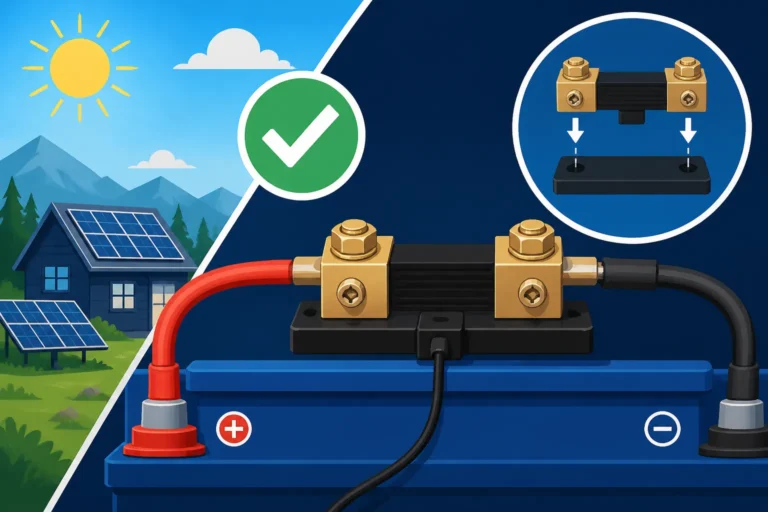
The purpose of the electrical permit is purely safety. Inspectors will be looking at things like the sizing of your wires to prevent overheating, the placement and rating of circuit breakers and fuses to protect against overcurrent, proper grounding of all components to mitigate shock hazards, and the secure mounting and enclosure of electrical equipment. They'll also ensure that your inverter is correctly installed and compatible with your system's voltage and power requirements. Even if you're a seasoned DIYer, getting an electrical permit and subsequent inspection is not something to skip. An unpermitted electrical system is a serious liability, not just for potential hazards but also for insurance purposes. If you source your components from reputable brands like Renogy or buy a comprehensive kit from Amazon, make sure all components carry necessary certifications (like UL listing) as inspectors will often look for these labels.
Building Permits
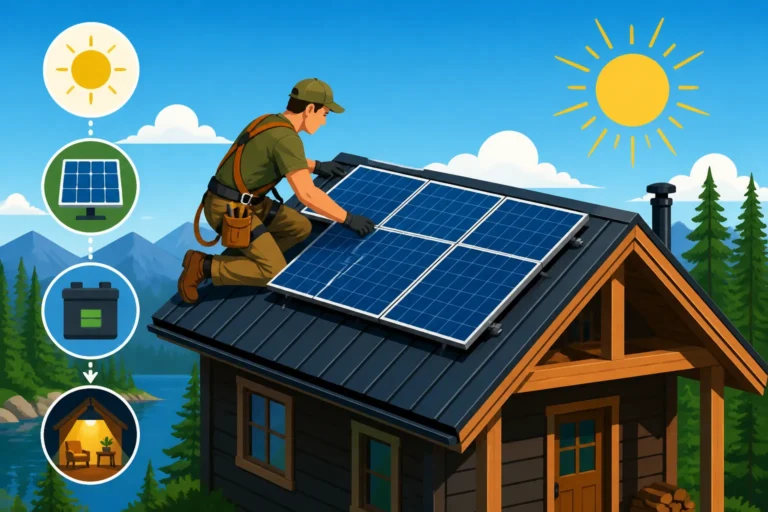
Beyond the electrical aspects, many off-grid solar systems require a building permit. This permit focuses on the structural integrity and placement of your physical components. If you're planning to install solar panels on your roof, a building permit might be necessary to ensure the roof can support the added weight and wind load. This is especially true if your roof structure is older or if you're adding a large array.
Similarly, if you're constructing a ground mount structure for your panels, building permits will be required for the foundation, framing, and overall stability of the array. The same goes for any sheds, enclosures, or utility buildings you might be constructing to house your battery bank, inverter, and other critical equipment. These structures need to meet local building codes for stability, fire resistance, and sometimes even egress if they're walk-in facilities. Factors like local seismic activity, snow load requirements, and high wind zones will influence the design and construction requirements. It's not just about getting the power flowing; it's about making sure the entire setup is robust and safe for the long haul.
Zoning and Land Use Permits
These permits often come into play before any construction begins and relate to how your property is used and developed. Zoning laws dictate what types of structures can be built in specific areas and how they relate to property boundaries and public spaces. For an off-grid solar system, a zoning permit might be required if your proposed installation changes the perceived "use" of your property, significantly alters its appearance, or encroaches on setbacks.
For example, if you plan to install a tall ground-mounted array in your front yard, your local zoning board might have rules about its height, visibility from the street, or proximity to property lines. Some rural areas might be more lenient, while suburban or urban areas with strict aesthetic guidelines could require more extensive review. If you're building a new structure specifically for your off-grid setup, like a standalone power shed, that would almost certainly trigger zoning review for its placement and size. Additionally, depending on the scale and location, land use permits might be necessary if your project involves significant earth disturbance or could impact sensitive ecological areas. These permits ensure your off-grid dreams don't unintentionally infringe on community standards or environmental protections.
Environmental and Special Use Permits
While less common for typical residential off-grid solar, certain situations or locations can trigger the need for environmental or special use permits. These are typically required when a project might impact natural resources, sensitive ecosystems, or areas with specific historical or cultural significance. For example, if your property is located near a wetland, within a designated flood plain, or in an area with protected wildlife habitats, you might need to consult with local environmental agencies. They would assess whether your ground-mounted solar array or associated construction could disrupt these sensitive areas.
Similarly, if your property is in a historic district or is itself a designated historic landmark, special use permits would likely be required. These permits ensure that any visible structures, like solar panels, are installed in a way that respects the historical integrity and aesthetic of the area. Even if your system is entirely off-grid, placing panels on an old barn or constructing a new support structure might require careful consideration and approval from a historical review board. These permits are typically more involved and may require additional studies or consultations with experts to ensure compliance, adding another layer to the permitting process.
The Permit Application Process Step-by-Step
Navigating the permit application process can feel like a full-time job if you've never done it before. It involves research, meticulous planning, and a good dose of patience. However, taking it one step at a time can make it much less intimidating, ensuring your off-grid venture starts on the right foot. This detailed approach is crucial for minimizing delays and avoiding costly mistakes.
Researching Your Local Authority Requirements
The very first step, and arguably the most important, is to understand what your local jurisdiction requires. This means contacting your city or county's planning and building departments. Don't assume anything; rules can change frequently and vary widely. Start by looking up their official websites – many now have dedicated sections for solar permitting. Look for terms like "Building Department," "Planning & Zoning," or "Permit Services."
Once you've found the relevant department, don't hesitate to call or visit their office. Ask for the specific requirements for "off-grid solar power systems" or "accessory electrical installations" if you're in a standalone structure. Be prepared to provide your property address, as they'll often have a database of specific zoning rules for your parcel. Ask for a checklist of required documents, applicable codes (e.g., which version of the NEC they follow), and any fees associated with the permits. Some jurisdictions even offer pre-application meetings or online permit portals, which can be incredibly helpful for gathering all the necessary information. Remember, the goal here is to be over-informed rather than under-prepared. A great resource to also check out is the Off-Grid Solar Permits and Codes article for more specific details.
Preparing Your System Design and Documentation
Once you know what permits you need, the next step is to gather what they require for your application. This usually involves detailed plans and documentation of your proposed off-grid solar system. You'll typically need a clear, professional-looking site plan showing the exact location of your solar panels, battery bank, inverter, and any other major components on your property. This plan should include setbacks from property lines, adjacent structures, and any shading obstructions.
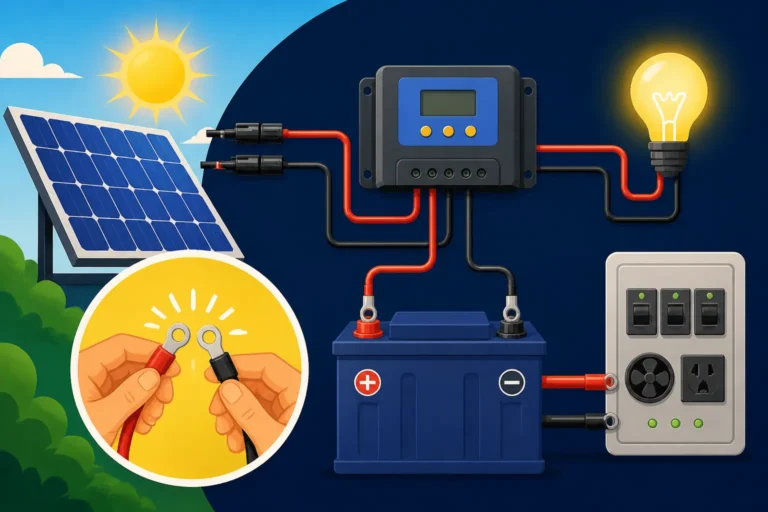
Crucially, you'll need a comprehensive electrical one-line diagram. This diagram illustrates the electrical connections from your solar panels through the charge controller, to the battery bank, and then to the inverter and any AC or DC loads. It must show wire sizes, conduit types, fuse/breaker ratings, and equipment specifications (make, model, wattage, voltage). Data sheets for all major components – panels, batteries, inverter, charge controller – will also be required to demonstrate they are properly rated and certified. If your system involves structural elements, like a custom ground mount, you'll also need structural drawings, often stamped by a licensed engineer, to prove it can withstand local environmental conditions. Taking the time to create thorough, accurate documentation at this stage can save you immense hassle during review and inspection. If you need help with this, you might consider consulting our guide on Designing an Off-Grid Solar System Step by Step.
Submitting Your Application and Dealing with Inspections
With all your documentation meticulously prepared, it's time for submission. This typically involves filling out application forms, paying fees, and submitting your plans either in person or through an online portal. Be prepared for a review period, which can vary from a few weeks to several months depending on your jurisdiction's workload. During this time, plan checkers will examine your documents for compliance with all relevant codes. It's common for initial submissions to receive comments or requests for revisions – don't get discouraged! This is a normal part of the process. Address their feedback promptly and resubmit.
Once your permits are approved and issued, you can begin installation. As you build your system, remember that inspections will be required at various stages, not just at completion. For example, there might be a "rough-in" electrical inspection before walls are closed up, or a structural inspection before panels are fully mounted. Always coordinate with the building department to schedule these inspections at the appropriate times. The final inspection will verify that the entire system has been installed according to the approved plans and all applicable codes. Successfully passing this final inspection means your off-grid solar system is legally compliant and ready to safely generate power. This process can be lengthy, but seeing your system pass inspection is incredibly rewarding.
Consequences of Installing Without Permits
The temptation to bypass the permitting process might be strong, especially for those feeling overwhelmed by the bureaucracy or simply wanting to save time and money. However, installing an off-grid solar system without the proper permits can lead to a cascade of negative consequences, often far outweighing any perceived initial savings or convenience. It's a risk that most seasoned off-gridders would strongly advise against.
Fines, Penalties, and Stop-Work Orders
One of the most immediate and tangible risks of going without permits is facing legal repercussions. If local authorities discover your unpermitted installation, you could be issued a stop-work order, forcing you to halt all activity on your property until the issue is resolved. This alone can cause significant delays and frustration, especially if you're trying to establish power quickly.
Beyond stop-work orders, you'll almost certainly face substantial fines and penalties. These can be daily fines that quickly add up, or a lump sum penalty that's often significantly higher than the original permit fees. In some cases, authorities might even require you to demolish or remove the entire unpermitted structure or system. For instance, imagine spending thousands on a new battery bank and inverter, only to be told you have to take it all down because you didn't get a simple electrical permit. The costs of non-compliance, including fines, legal fees, and the potential need to dismantle and rebuild, can quickly eclipse the initial Off-Grid Solar Installation Cost and make your dream far more expensive than planned.
Safety Hazards and Insurance Implications
Permits are primarily about safety, and bypassing them often means skipping critical inspections that ensure your system is installed correctly and safely. A DIY off-grid system, while empowering, can be extremely dangerous if not properly designed and installed. Incorrect wiring, inadequate overcurrent protection, or improper grounding can lead to severe electrical hazards, including fires, electrocution, or equipment damage. Without an inspector's professional eye, you might unknowingly be creating a ticking time bomb.
The safety risks extend to insurance coverage. Most homeowner's insurance policies require that all structures and systems on your property comply with local codes and are properly permitted. If your unpermitted off-grid solar system causes a fire, electrical fault, or any other damage to your home or property, your insurance company could deny your claim. They might argue that the damage resulted from an unapproved, non-code-compliant installation, leaving you entirely responsible for the costly repairs or rebuilding. This financial risk alone should be a strong deterrent against cutting corners on permits.
Resale Value and Property Issues
Even if you manage to avoid immediate fines or safety incidents, an unpermitted off-grid solar system can become a major headache when it comes time to sell your property. Most property sales require disclosures about all improvements and adherence to local building codes. An unpermitted system would have to be disclosed, immediately raising red flags for potential buyers and their lenders. Lenders typically won't finance a property with significant unpermitted structures or alterations, as they represent a liability.
This could force you to either obtain retroactive permits (which is often a more complex and expensive process, potentially involving tearing down walls or exposing wiring for inspection), or worse, remove the entire system before the sale can proceed. In some cases, unpermitted installations can even lead to lower appraisals or make your property unsellable until rectified. What might seem like a small shortcut during installation can become a huge, expensive obstacle years down the road, directly impacting your property's value and marketability.
When You Might Not Need a Permit
While it's critical to assume you do need a permit for most fixed off-grid solar installations, there are specific scenarios where permits might genuinely not be required. These usually involve smaller, more temporary, or less integrated systems. However, it’s always best to verify with your local authority, even in these seemingly clear-cut cases, as interpretations can vary.
Portable and Temporary Systems
The most common exception to permitting requirements involves truly portable and temporary off-grid solar setups. Think of a simple solar panel suitcase setup you might use to charge your phone and laptop while camping, or a portable solar generator like those from EcoFlow or Jackery. These systems are designed to be moved easily, are not permanently affixed to a structure, and typically don't involve complex wiring that integrates into a home's electrical system.
For example, if you're outfitting an RV or camper van, many smaller, self-contained solar kits that charge a dedicated leisure battery are often considered "appliance-like" and may not require a permit, especially if they don't tie into the vehicle's chassis electrical system in a significant way. However, if you're installing a large, permanent rooftop array on your RV and integrating it deeply into its 12V or 24V electrical system, some jurisdictions (especially those with robust RV parks or large populations of full-time RVers) might have specific guidelines or permit requirements to ensure safety. The key distinction here is portability and the lack of permanent attachment to a fixed dwelling. If your system can be easily unplugged and packed away, it's far less likely to trigger permitting requirements.
Small, Low-Voltage DIY Projects
Another area where permits might not be necessary involves very small, low-voltage, non-structural DIY projects. This typically includes things like a single 100-watt solar panel charging a battery for a remote gate opener, a few solar landscape lights, or a small system powering a fan in a detached shed that has no other electrical connections. The operative terms here are "small," "low-voltage" (often 12V or 24V DC only), and "non-structural."
If your project doesn't involve complex wiring, doesn't pose a significant electrical hazard due to its low power output, and doesn't require any structural modifications to a building, it might fall outside the scope of typical permitting. For instance, powering a few LED lights in a chicken coop with a single panel and battery might not need a permit, whereas wiring an entire workshop with a comprehensive off-grid system definitely would. Again, the threshold for "small" and "low-voltage" can vary by local code, so a quick call to your local building department to describe your specific, minor project is always a good idea. They can often clarify if such a small-scale system truly falls below their permitting thresholds.
Gray Areas and Ambiguities
The world of off-grid permitting isn't always black and white; there are definitely gray areas and ambiguities that can make things confusing. One common ambiguity revolves around what constitutes "permanent" versus "temporary." Is a ground-mounted solar array anchored to concrete footings but designed to be disassembled "temporary"? Most likely not in the eyes of a building inspector. What about a substantial solar generator setup used as a primary power source for a cabin, but technically "portable" because it has wheels? This is where local interpretation and the discretion of the permitting office come into play.
Another gray area can involve structures like tiny homes or certain mobile dwellings. While a tiny home on wheels might be considered an RV in some respects, if it's placed on a permanent foundation or connected to septic/water, it often gets reclassified as a permanent dwelling, triggering full building and electrical codes. Similarly, if your off-grid solar system powers a well and water system, or is connected to a traditional breaker panel inside a home, it's highly likely to require permits, regardless of whether it's grid-tied. These are the situations where detailed communication with your local authorities, perhaps even submitting a conceptual plan, is invaluable to avoid misunderstandings and potential issues down the line.
| Permit Type | What it Covers | Common Triggers | Issuing Authority (Typical) | Key Concern |
|---|---|---|---|---|
| Electrical Permit | Wiring, circuits, overcurrent protection, grounding, component connections. | Any new electrical circuit, major electrical appliance, fixed solar array. | City/County Building Department | Electrical Safety, Fire Prevention |
| Building Permit | Structural integrity of mounts, enclosures, foundations. | Roof-mounted arrays, ground mounts, battery sheds, structural modifications. | City/County Building Department | Structural Stability, Weather Resistance |
| Zoning/Land Use Permit | Placement of structures, setbacks, height restrictions, aesthetic impact. | Large ground mounts, new utility sheds, visible rooftop arrays in certain zones. | City/County Planning & Zoning Dept. | Property Use, Community Aesthetics, Setbacks |
| Special Use Permit | Projects in sensitive environmental or historical areas. | Installations in floodplains, wetlands, historic districts, protected areas. | Various Local/State Agencies | Environmental Impact, Historical Preservation |
Disclaimer
The information provided in this guide is for general informational purposes only and does not constitute legal, electrical, or construction advice. Permitting requirements for off-grid solar systems vary significantly by location and are subject to change. Always consult with your local building department, planning office, and a qualified professional (e.g., licensed electrician, engineer) to determine the specific requirements for your project before starting any work. Failure to obtain proper permits can result in fines, penalties, safety hazards, and issues with insurance coverage.